AI is no longer a side experiment for marketing teams. It is becoming part of how brands research customers, produce content, personalize experiences, optimize media spend, and measure growth. According to McKinsey’s 2024 State of AI report, 65% of surveyed organizations said they were regularly using generative AI, nearly double the share from the previous year.
That shift has created a new kind of partner: the AI marketing agency. Unlike a traditional agency that simply adds a few automation tools to existing workflows, an AI-focused agency builds marketing systems around data, speed, testing, and scalable execution.
For brands, the opportunity is significant. The risk is assuming that AI alone is the strategy. The best results come when human positioning, creative judgment, and customer understanding are combined with AI-powered workflows that make marketing faster, more measurable, and more adaptive.
An AI marketing agency is a marketing partner that uses artificial intelligence to plan, create, automate, analyze, and optimize marketing campaigns. It may support content marketing, SEO, paid advertising, email marketing, social media, customer research, lead generation, analytics, and conversion optimization.
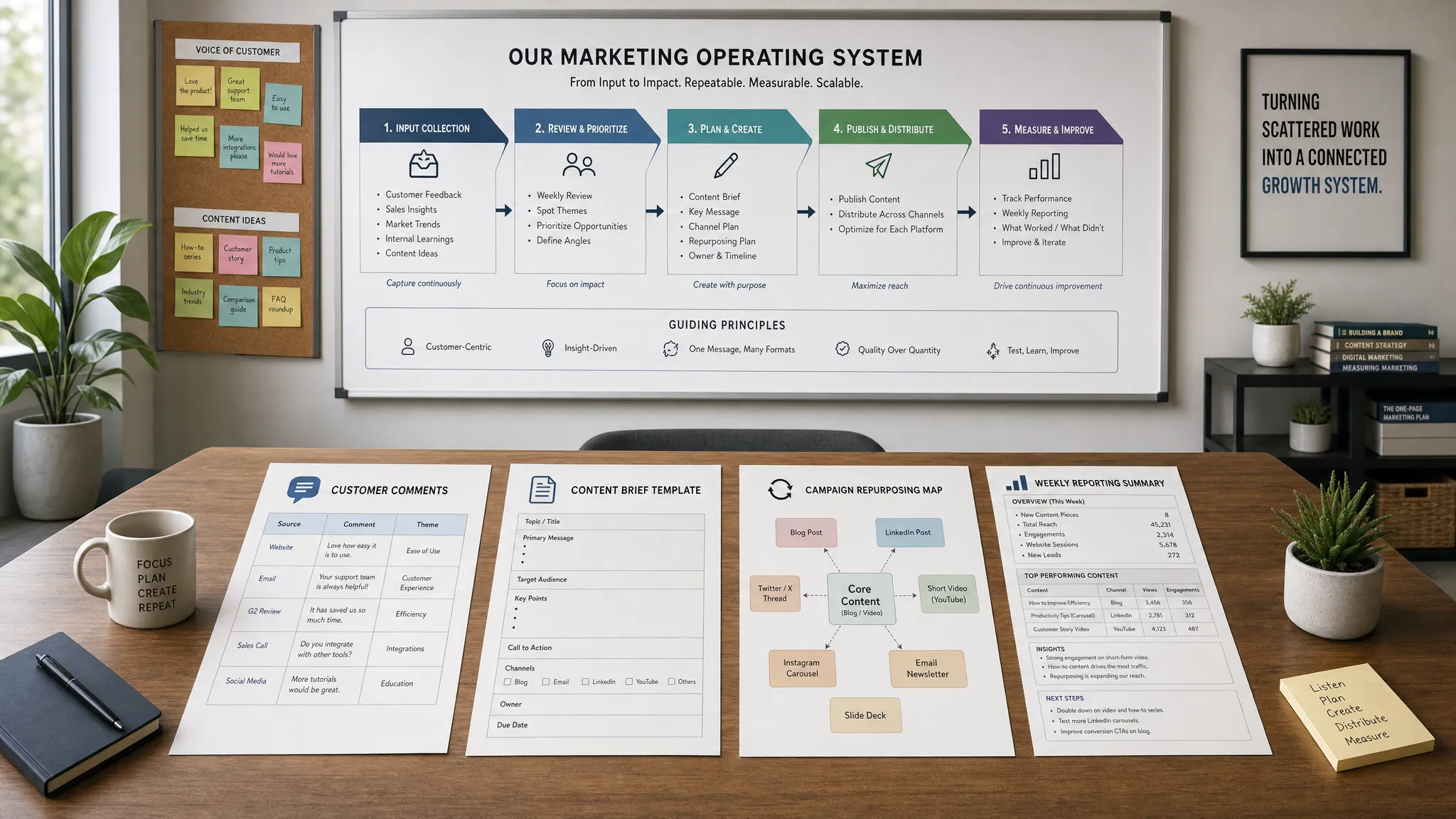
The difference is not just the tools it uses. The difference is the operating model.
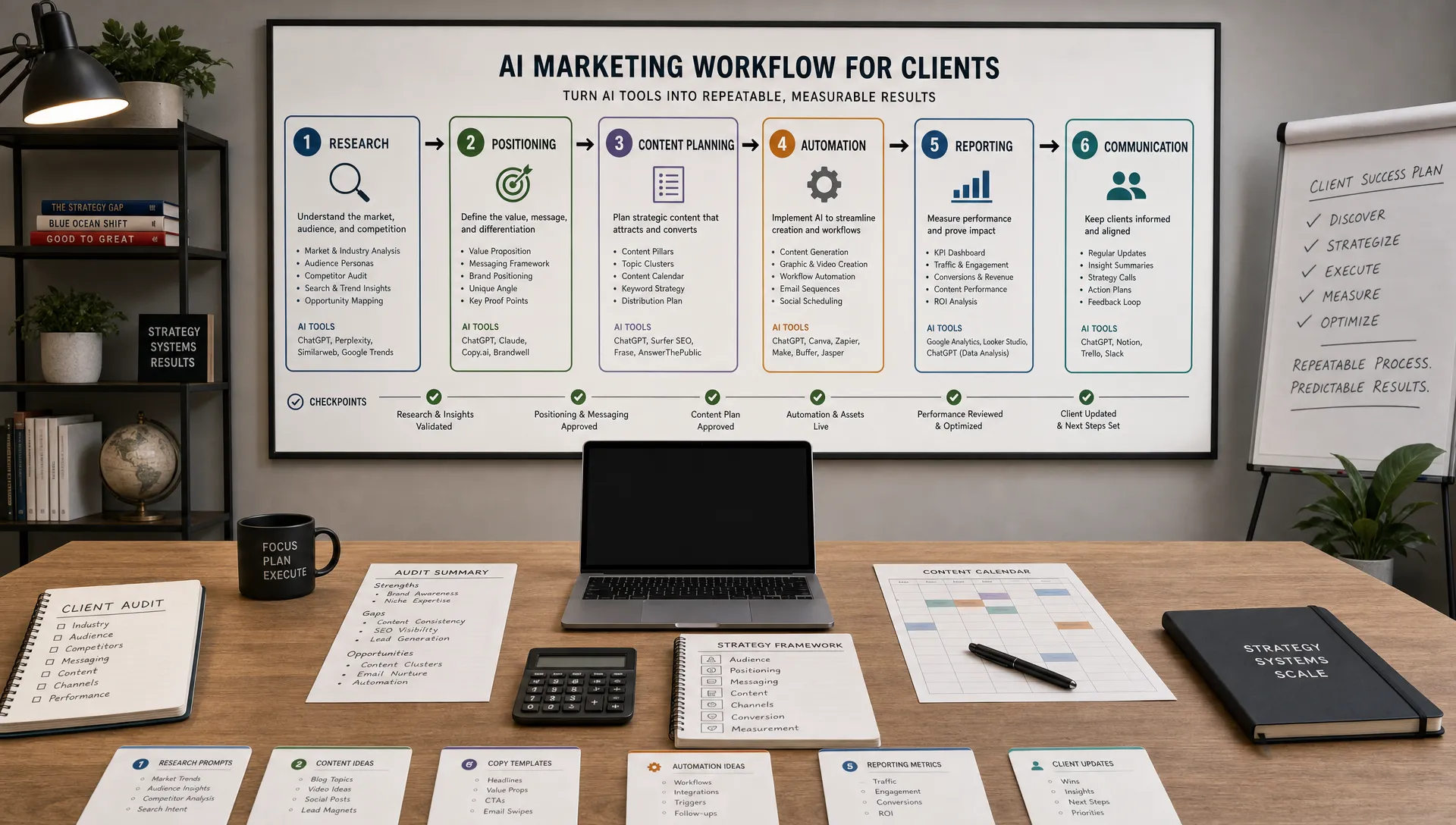
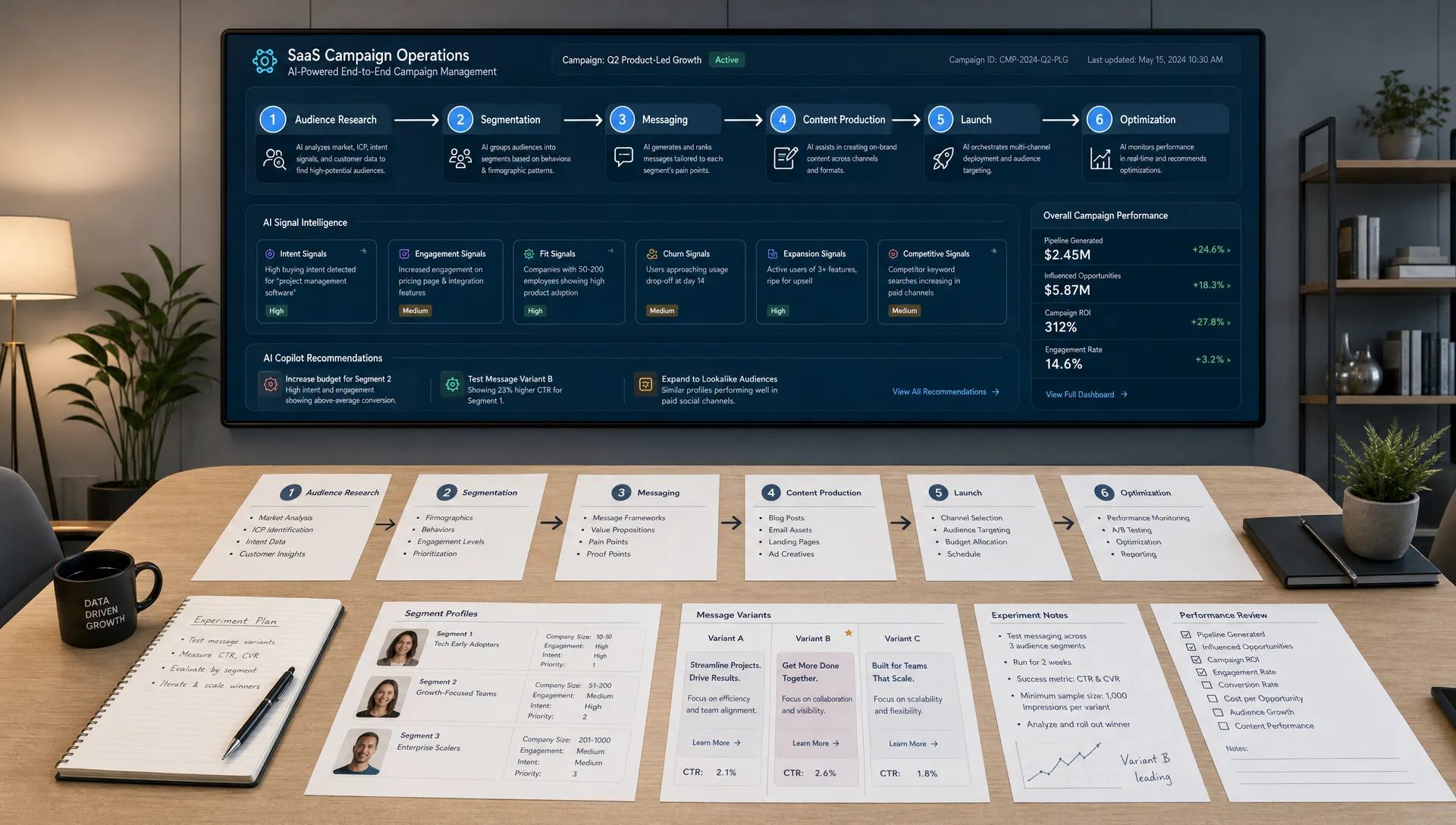
A traditional agency might create a quarterly campaign plan, produce assets, run media, and report performance at the end of the month. An AI marketing agency can help create a more continuous system: analyze audience data, generate campaign variations, test messaging, identify what works, refine the next round, and improve the process over time.
That does not mean handing your brand over to machines. Strong AI agencies still rely on strategists, copywriters, designers, analysts, and media specialists. AI becomes a force multiplier, not a replacement for marketing expertise.
Many brands are under pressure to do more with less. They need more content, more personalization, more reporting, and more experimentation, often without a larger team or budget. AI helps solve part of that problem by reducing manual work and accelerating decision-making.
An AI marketing agency can help brands:
The real value is not simply speed. Speed without strategy creates more noise. The real value is faster learning. When a brand can test smarter, analyze results sooner, and apply insights consistently, marketing becomes a growth system instead of a collection of disconnected campaigns.
One of the most important things an AI marketing agency can do is help your brand make better strategic decisions before you spend heavily on execution.
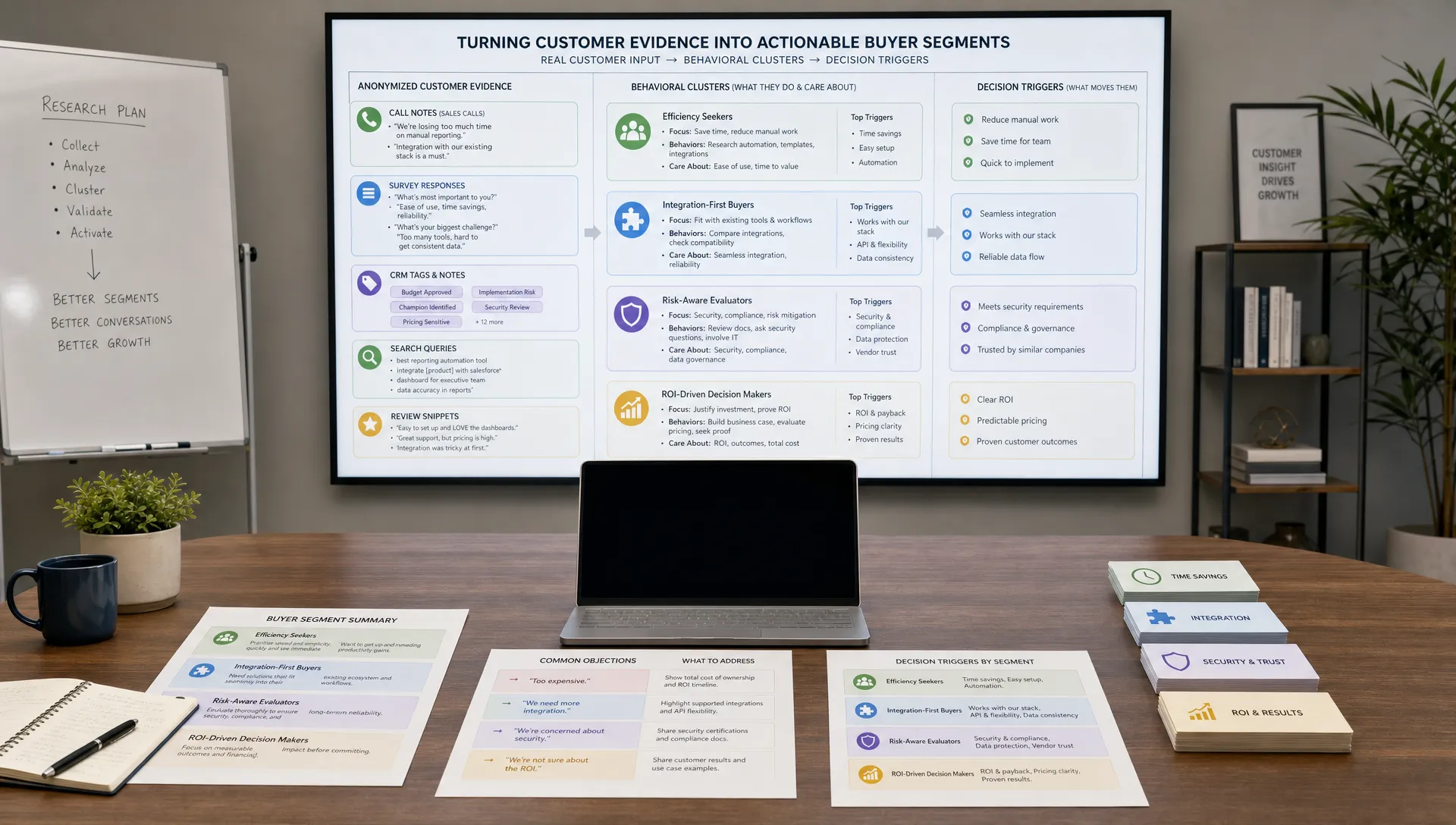
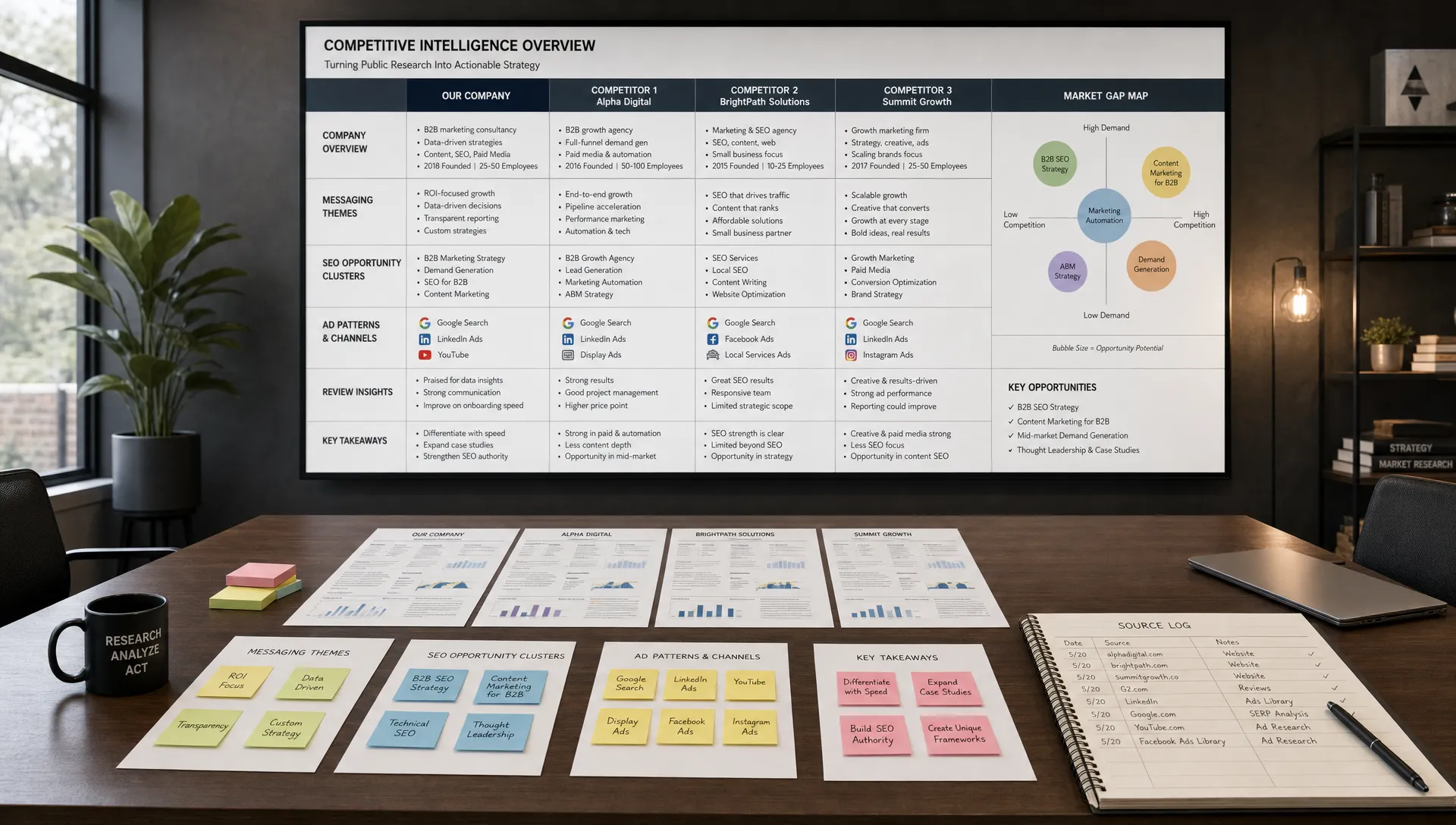
AI can analyze large volumes of market, customer, competitor, and campaign data more quickly than a manual team. This helps marketers spot patterns that might otherwise remain hidden, such as rising search intent, repeated customer objections, content gaps, or segments that convert at a higher rate.
A good agency will not use AI findings blindly. It will translate them into a strategy that fits your positioning, business model, sales cycle, budget, and customer expectations. For example, a SaaS company selling to enterprise buyers may need thought leadership, comparison pages, webinars, and lead nurturing. An ecommerce brand may need product content, paid social creative testing, email segmentation, and conversion rate optimization.
The agency’s role is to connect AI analysis to business priorities. That means answering practical questions like:
Without this strategic layer, AI can produce a lot of output but very little momentum.
Content is one of the most obvious use cases for AI, but it is also one of the easiest to get wrong. Generic AI content can damage credibility, dilute your positioning, and fail to rank or convert.
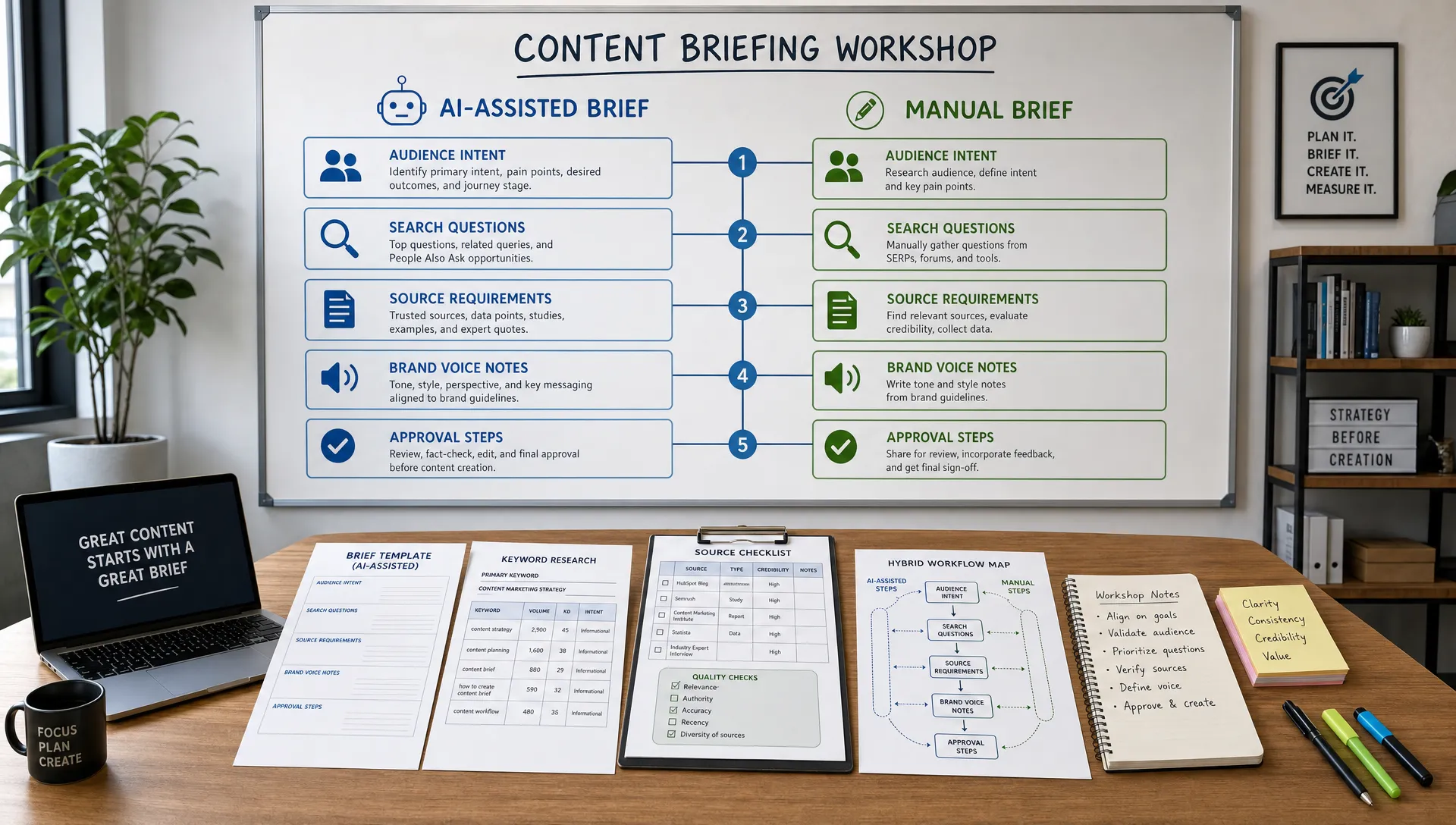
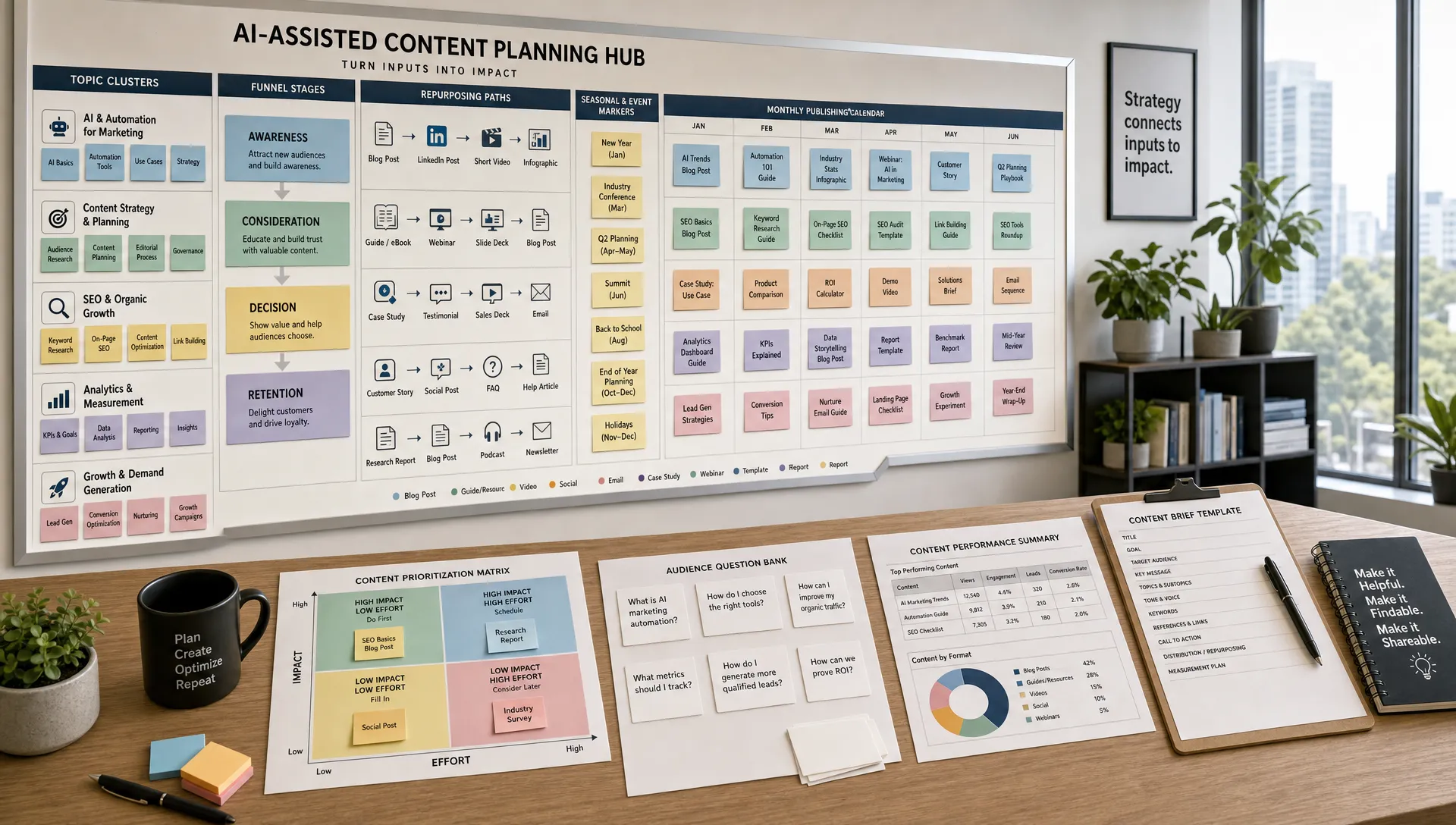
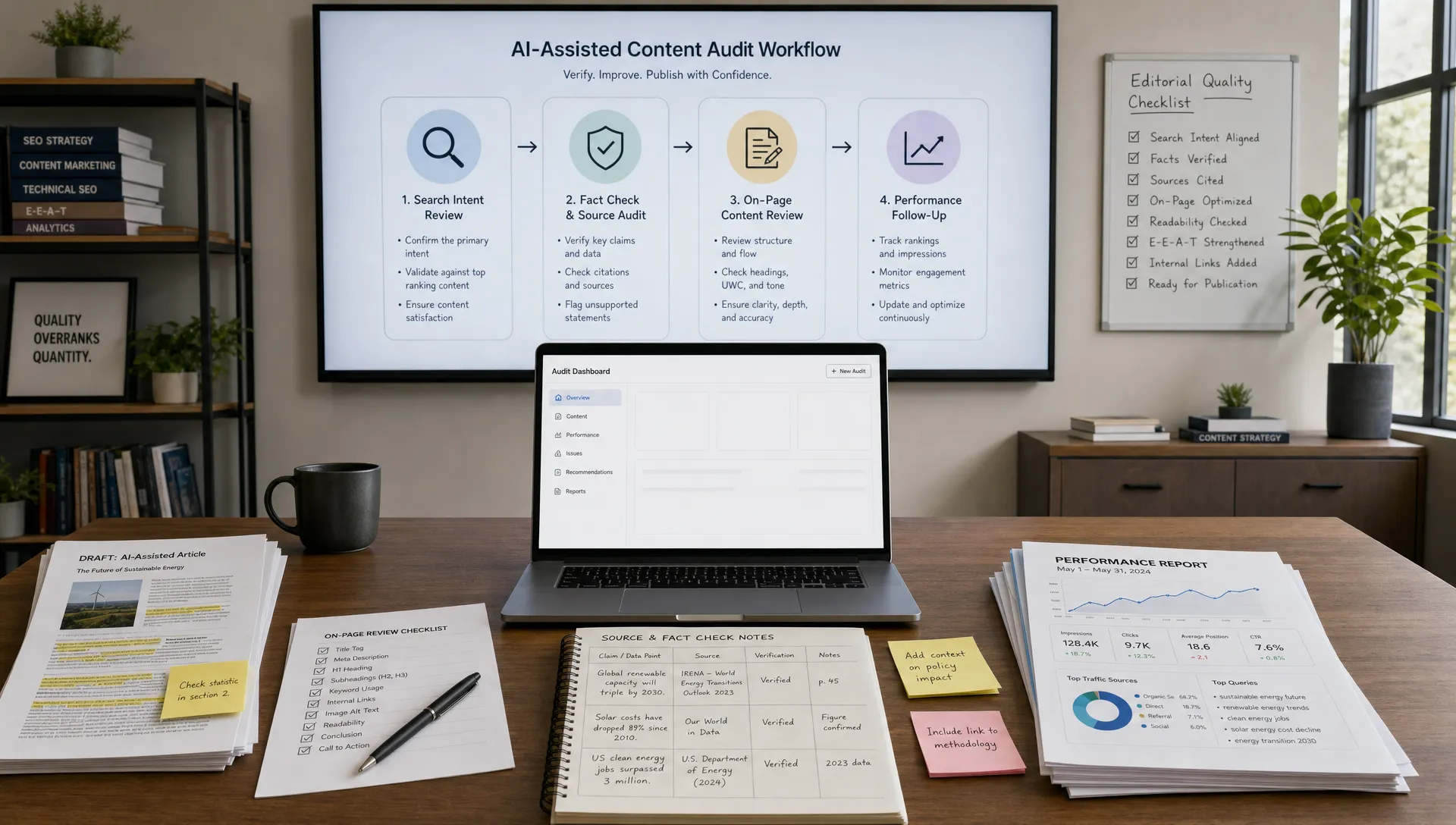
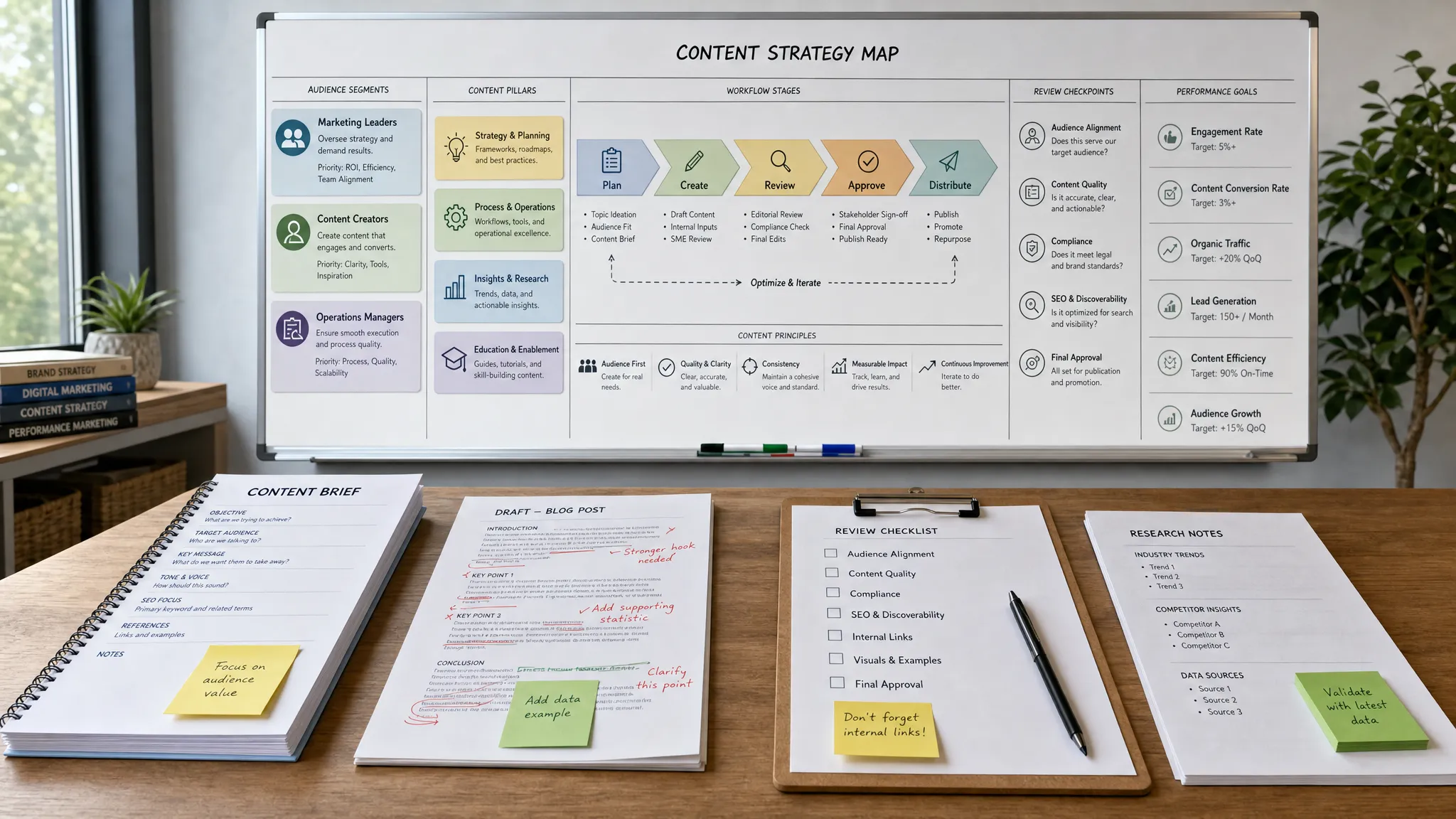
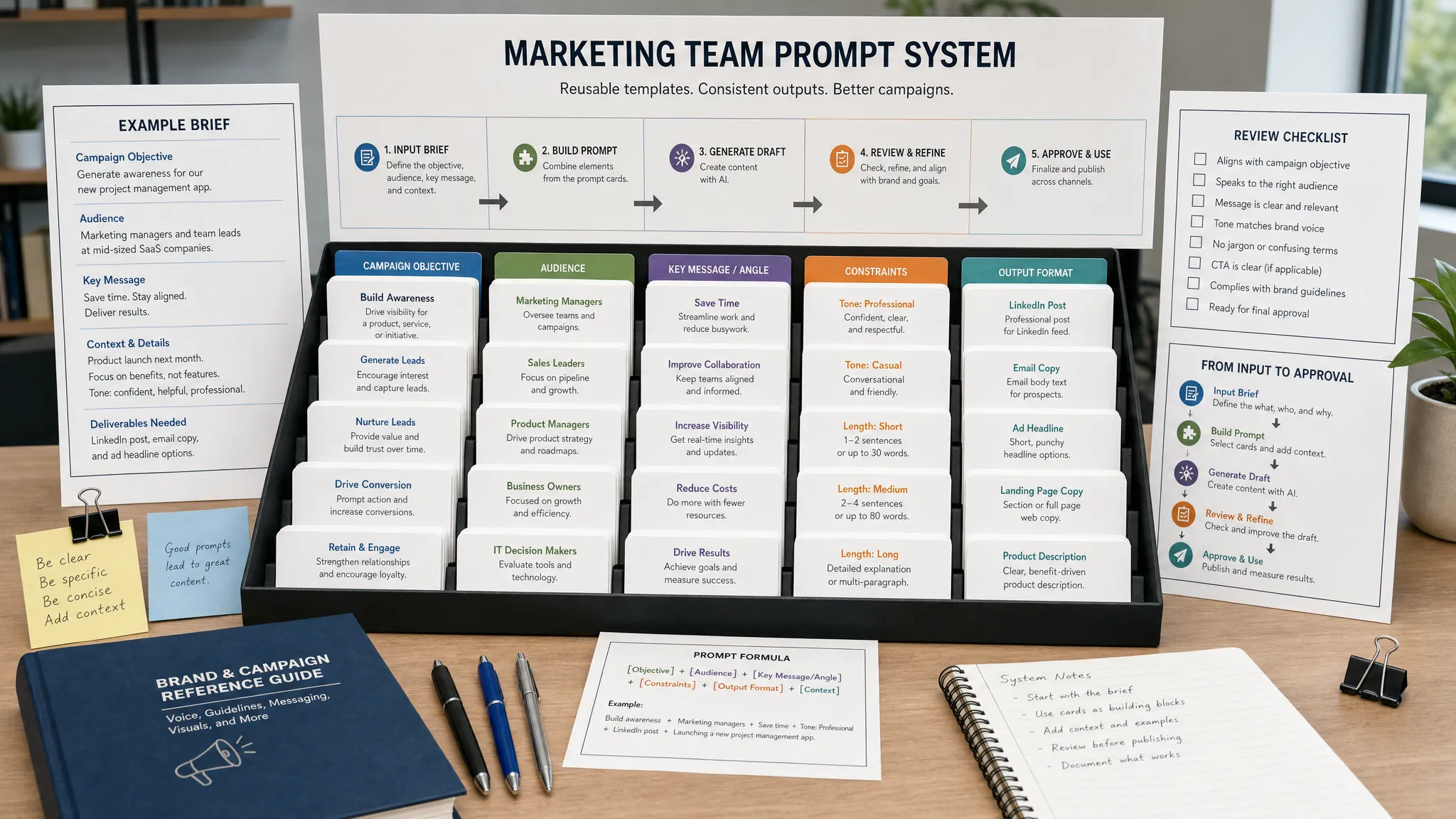
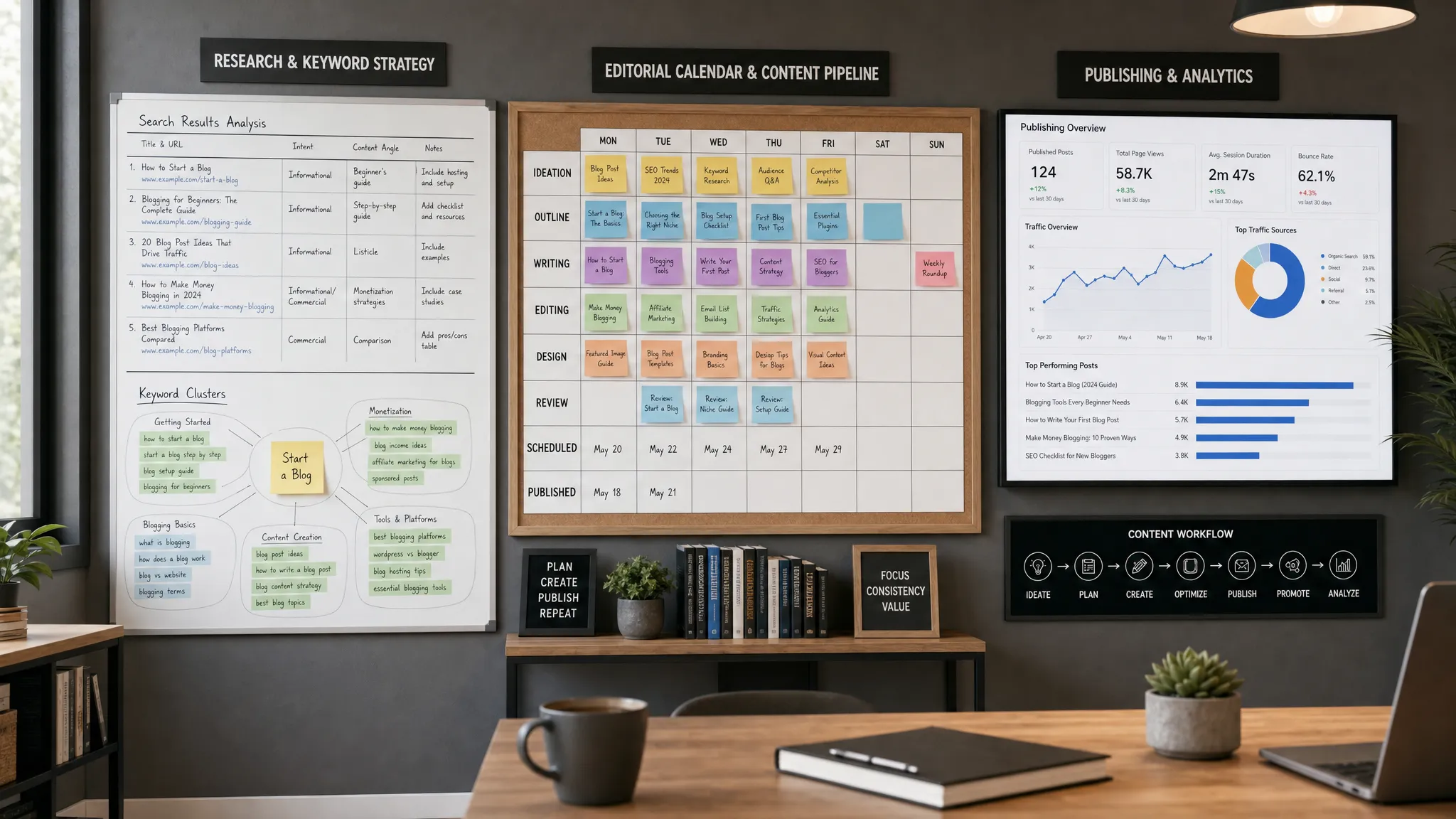
An AI marketing agency can help build a content system that uses AI responsibly. Instead of asking a tool to “write a blog post” and publishing the result, the agency can create a workflow that includes research, SEO intent mapping, expert input, brand voice guidelines, editorial review, and performance tracking.
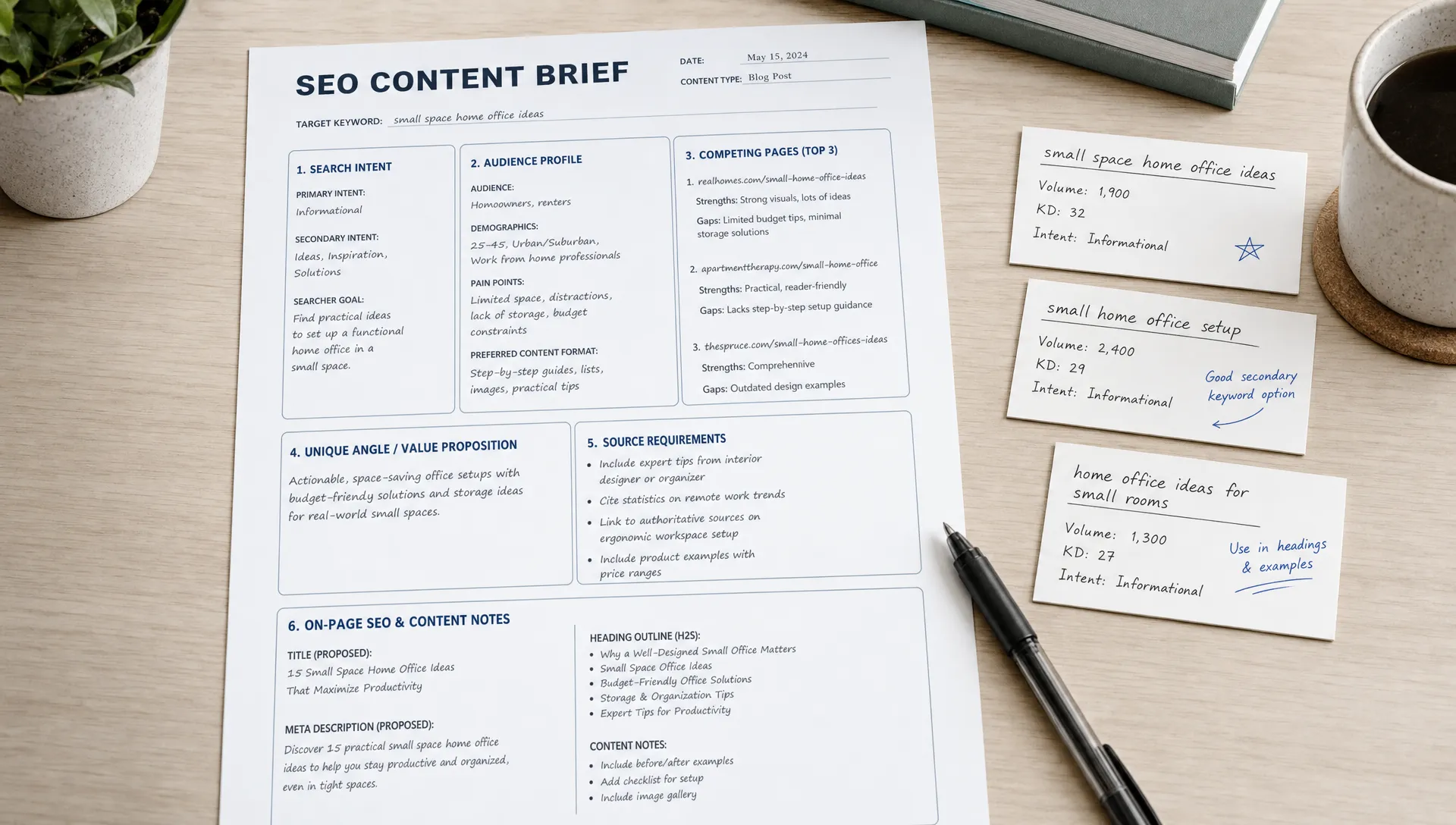
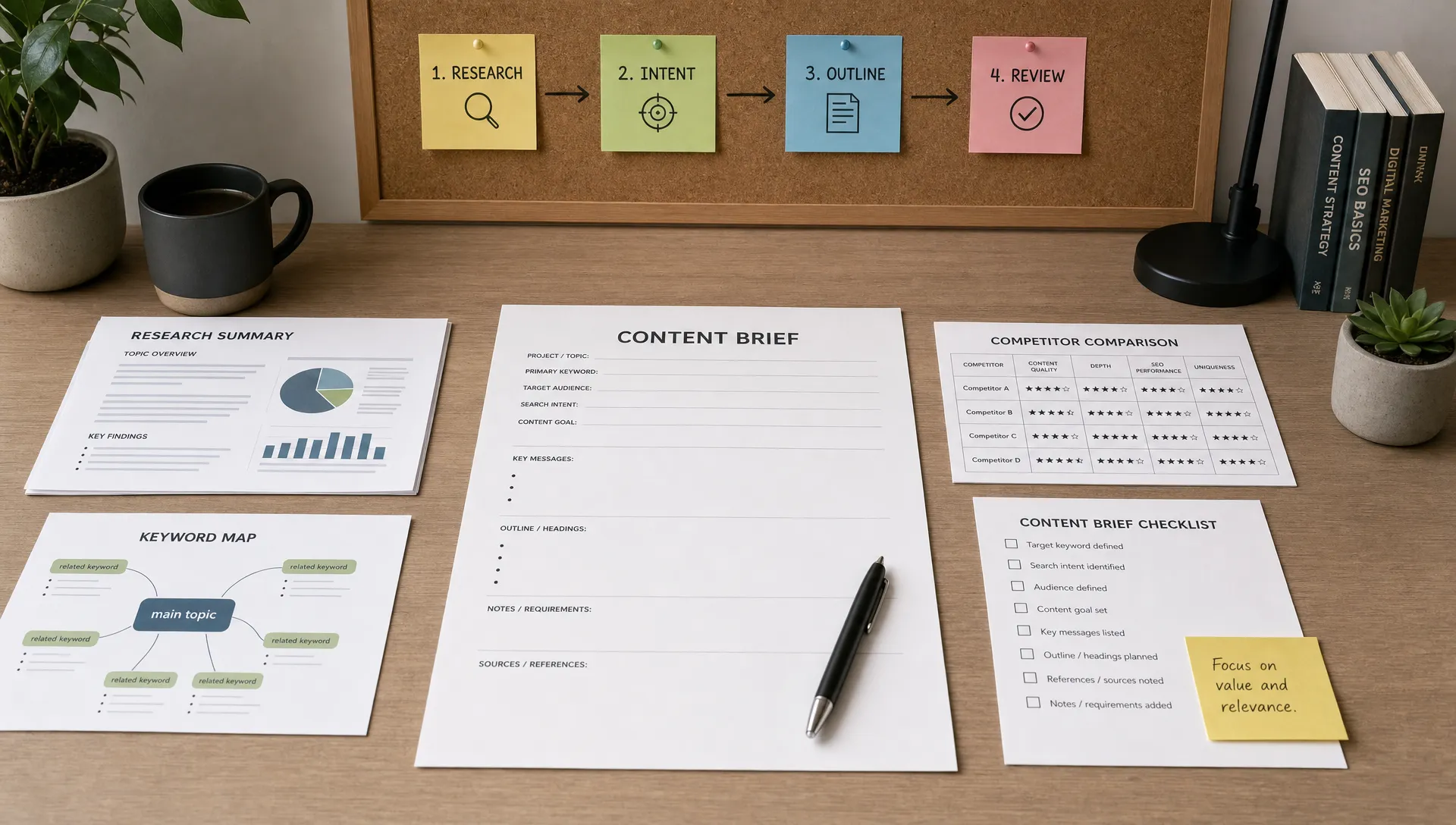
That workflow might include AI-assisted topic research, content briefs, headline variations, first drafts, repurposing, metadata, social posts, and email snippets. Human editors then refine the message, add expertise, verify claims, and make sure the content reflects the brand’s point of view.
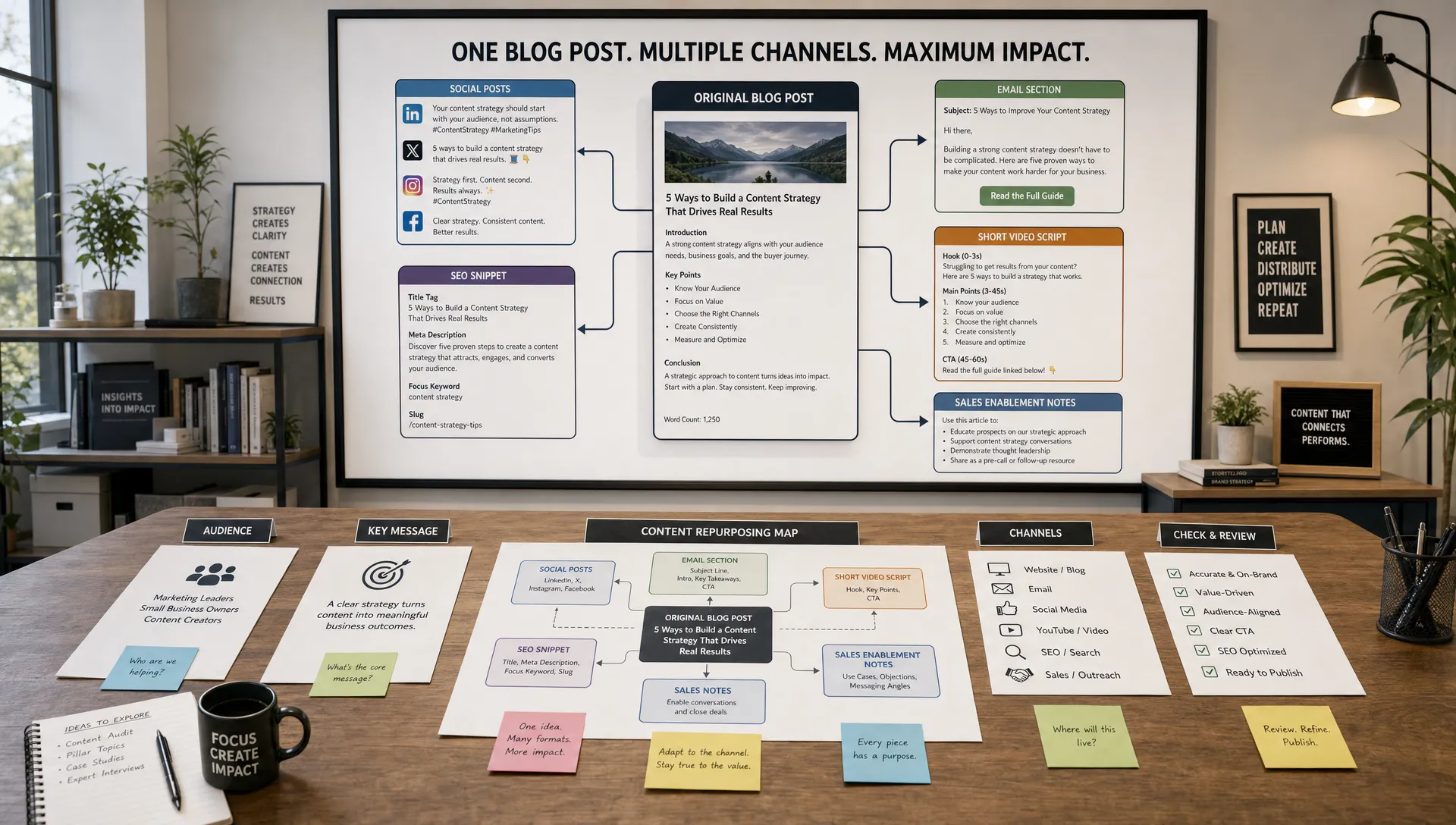
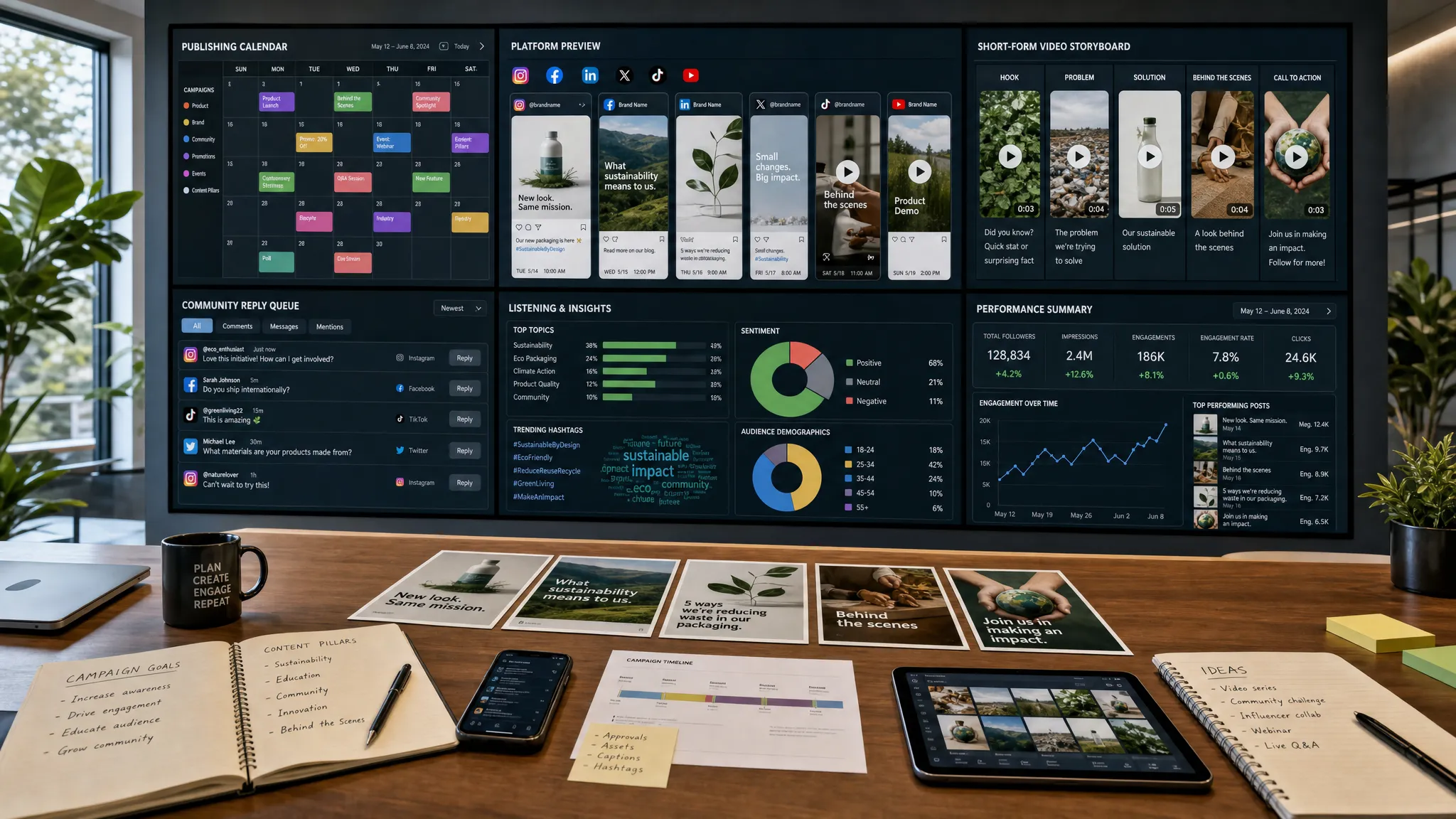
This is especially valuable for brands that need to publish consistently across multiple formats. A single research-backed article can become a newsletter, LinkedIn post, sales enablement asset, video script, webinar outline, and nurture email sequence. AI makes repurposing easier, while the agency ensures the message remains coherent.
The goal is not to flood the internet with content. The goal is to build useful, differentiated assets that support the buyer journey.

Search is becoming more complex. Brands still need strong technical SEO, helpful content, and authority, but they also need to think about AI-generated search experiences, answer engines, and changing user behavior.
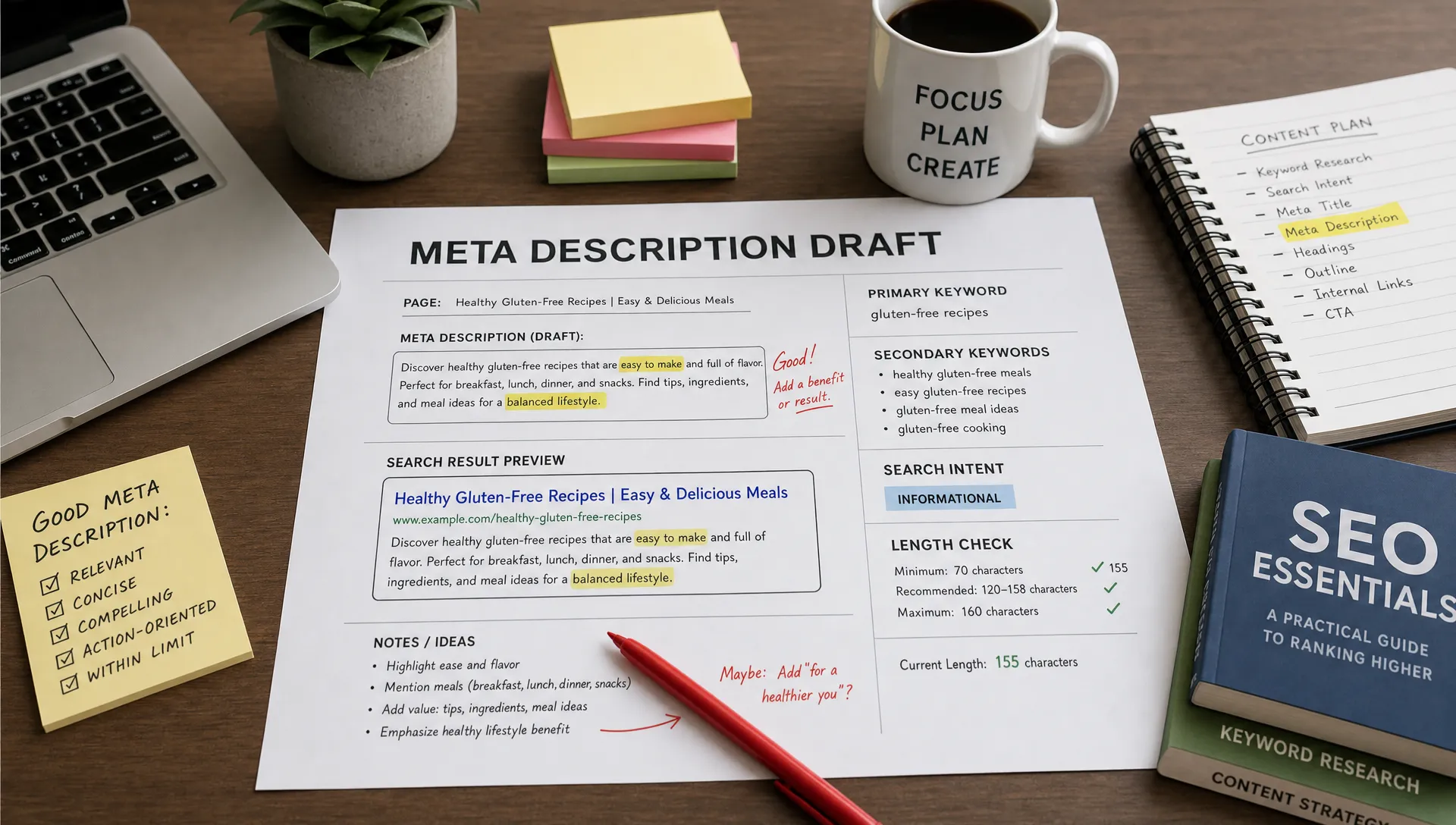
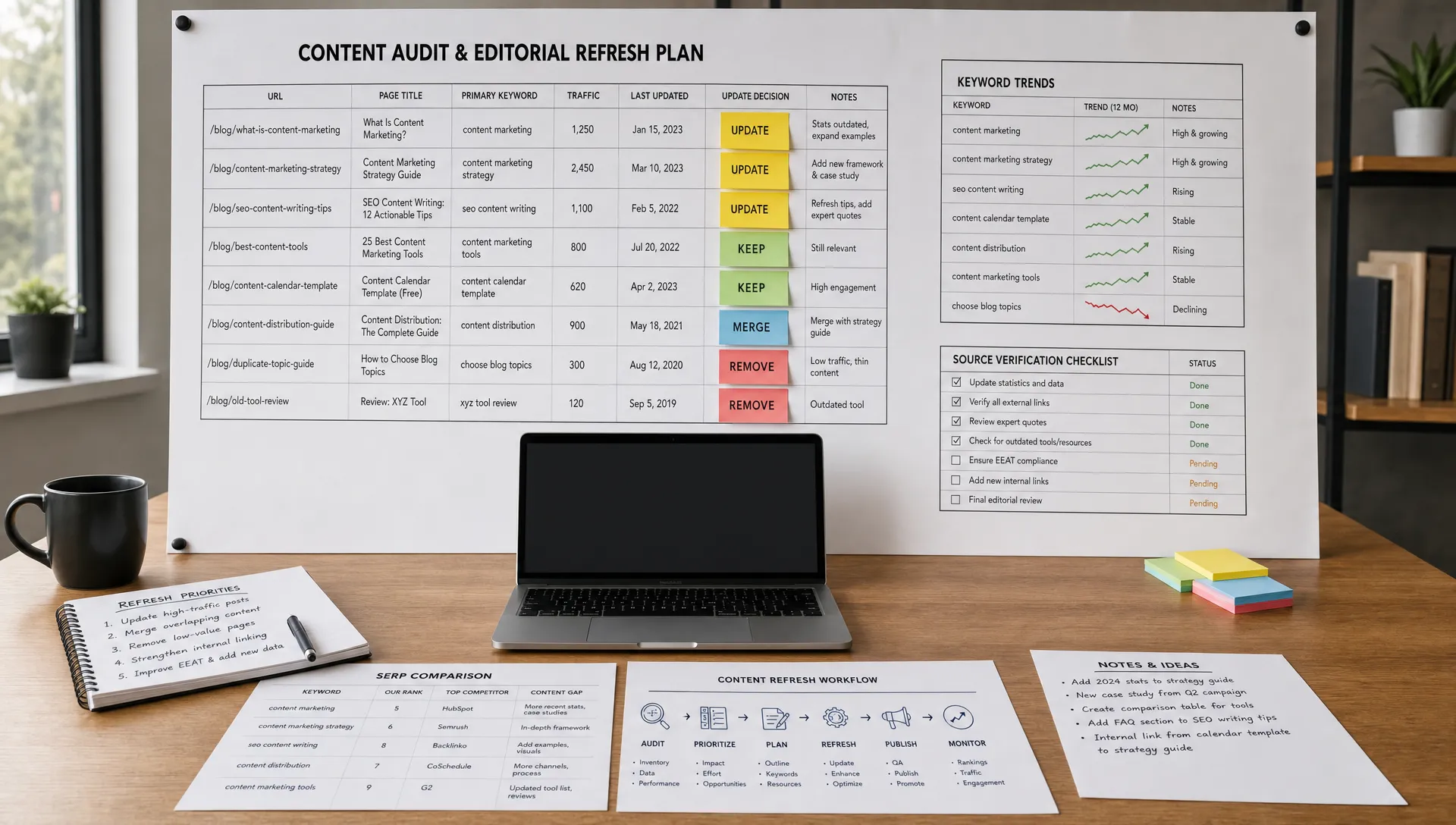
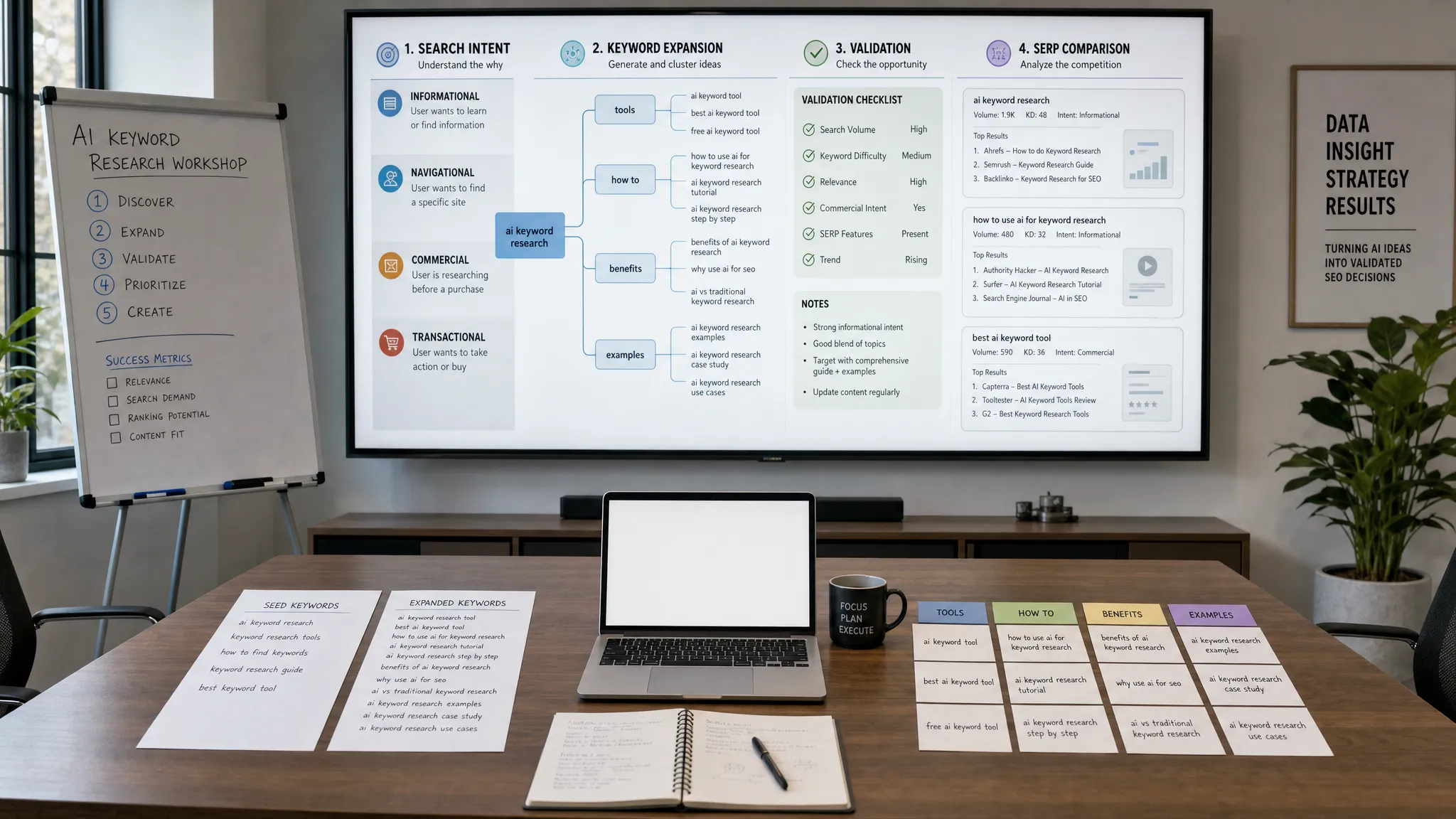
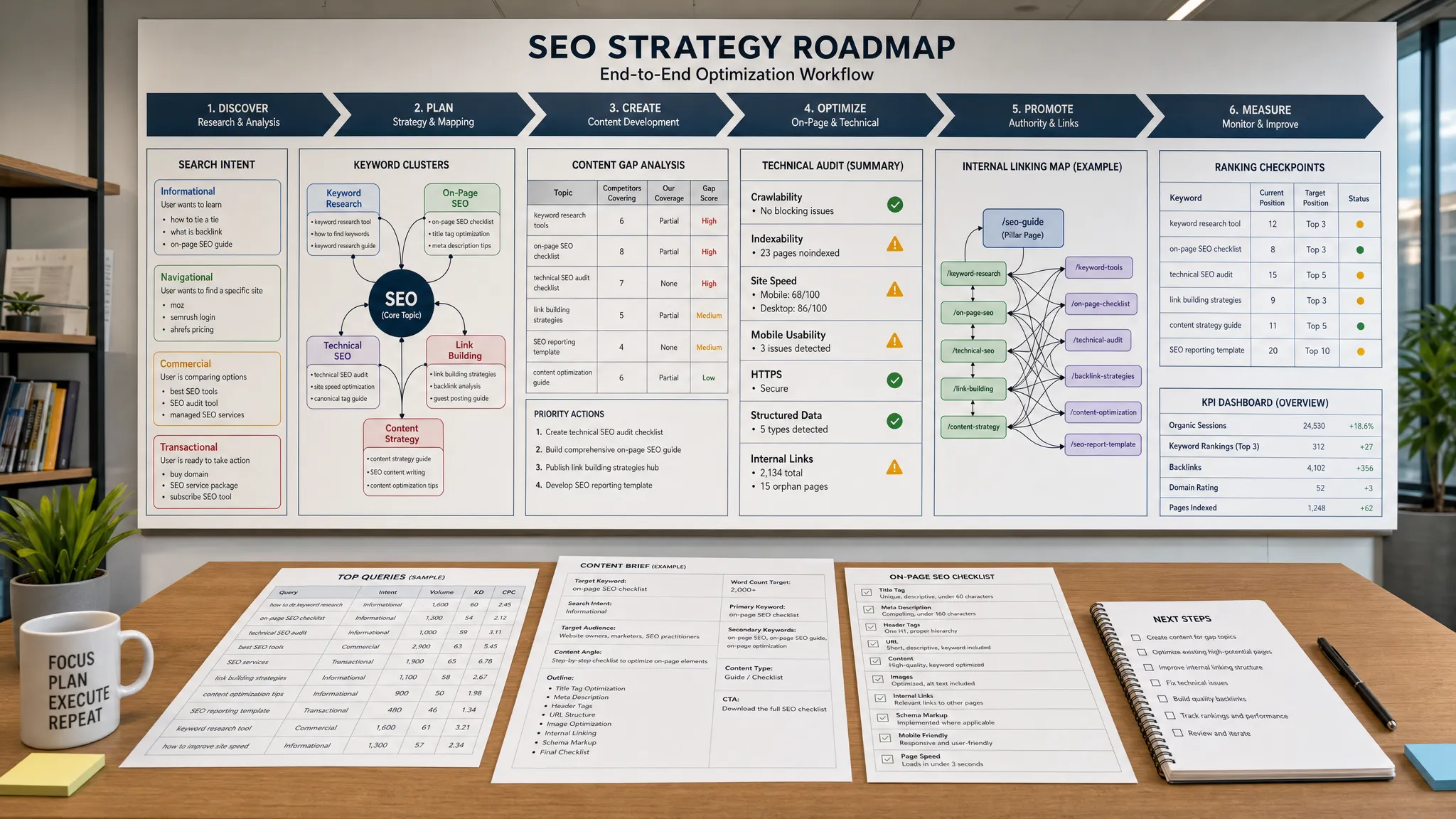
An AI marketing agency can support SEO in several ways. It can analyze keyword opportunities, cluster topics by intent, identify content gaps, generate optimized briefs, refresh underperforming pages, and monitor rankings or traffic trends. AI can also help compare your content against competitors and surface missing angles that would make a page more useful.
However, SEO still depends on trust and quality. Search engines reward content that genuinely helps users. An effective agency will use AI to enhance the process, not to cut corners. That means building topical authority, adding original insights, improving internal linking, strengthening page experience, and making sure content answers real customer questions.
For a brand, this can lead to a more organized content strategy. Instead of chasing random keywords, you build a library around the problems your audience is actively trying to solve.
Paid advertising is another area where AI can create meaningful leverage. Most ad platforms already use machine learning for bidding, targeting, and delivery. But brands still need strategy, creative direction, testing discipline, landing page alignment, and budget decisions.
An AI marketing agency can help create and test more ad variations across different hooks, offers, visuals, and audiences. It can analyze campaign performance faster, identify waste, and recommend adjustments based on conversion data rather than guesswork.
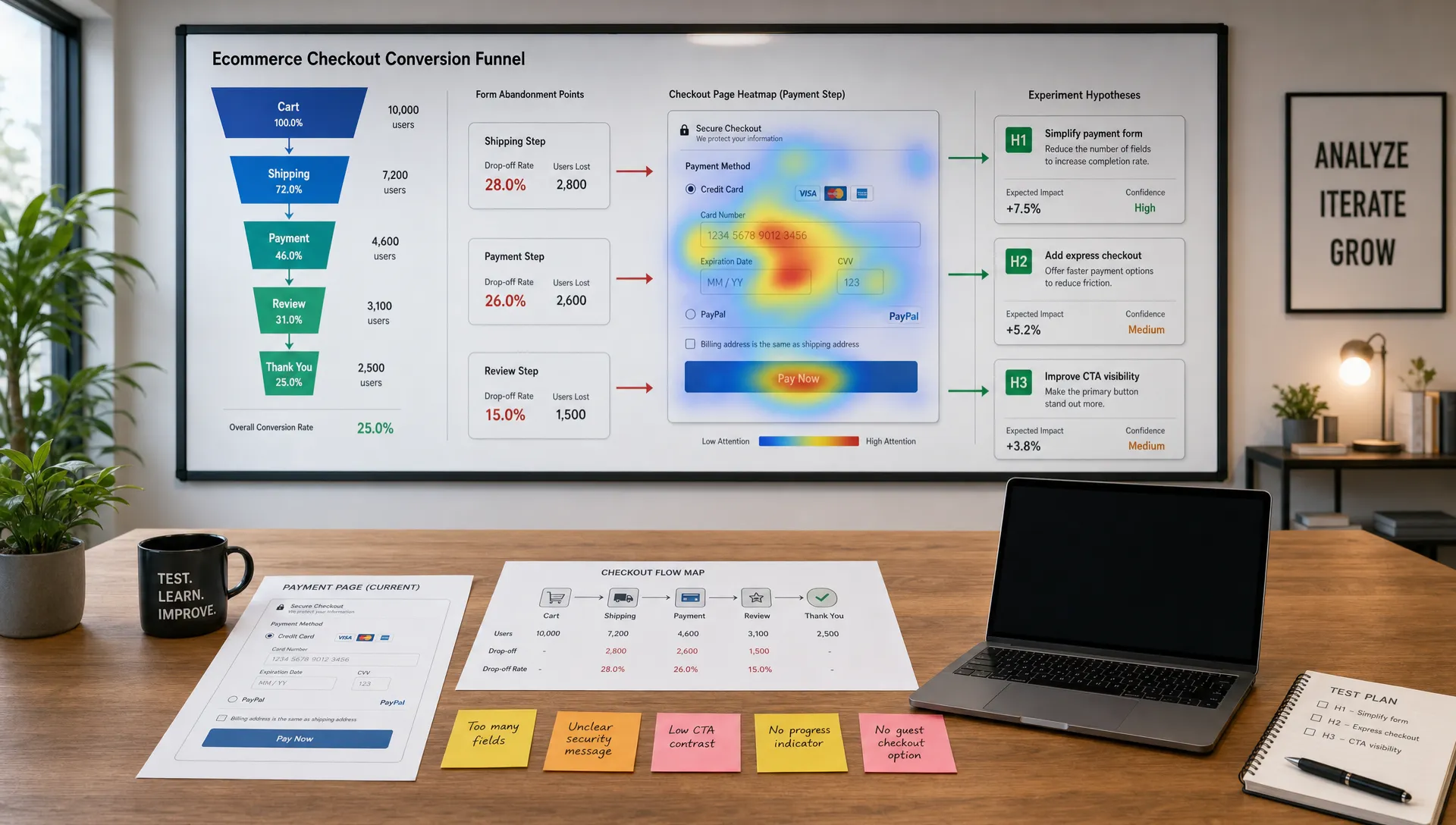
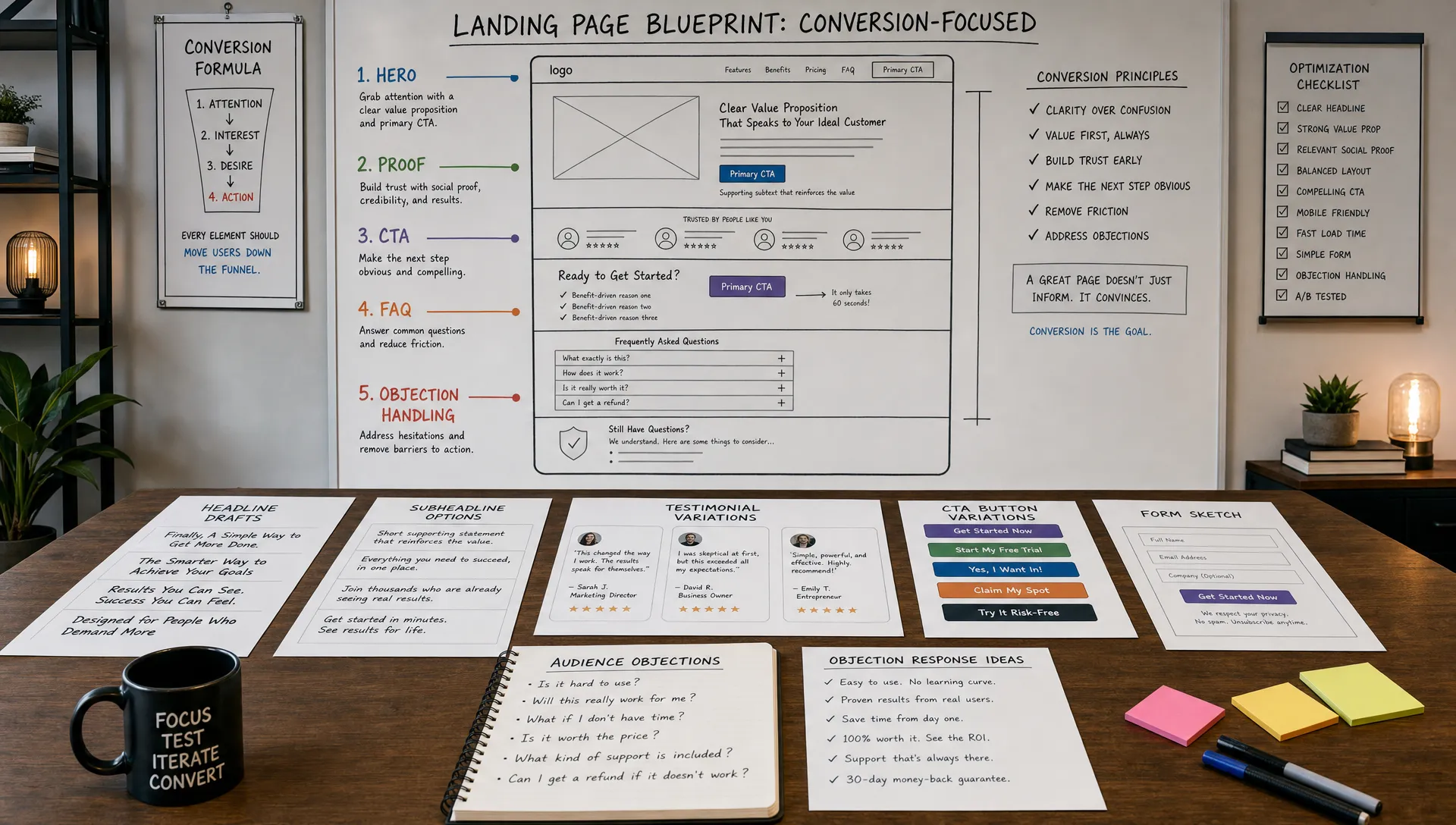
For example, if a campaign is generating clicks but not conversions, the issue may not be the ad platform. It could be a weak landing page, mismatched intent, unclear offer, slow page load time, or poor follow-up. AI-assisted analysis can help detect where the friction appears, while human marketers decide how to fix it.
The result is a more responsive paid media strategy. Instead of waiting weeks to learn what is working, your team can run smaller tests, learn faster, and allocate budget with more confidence.
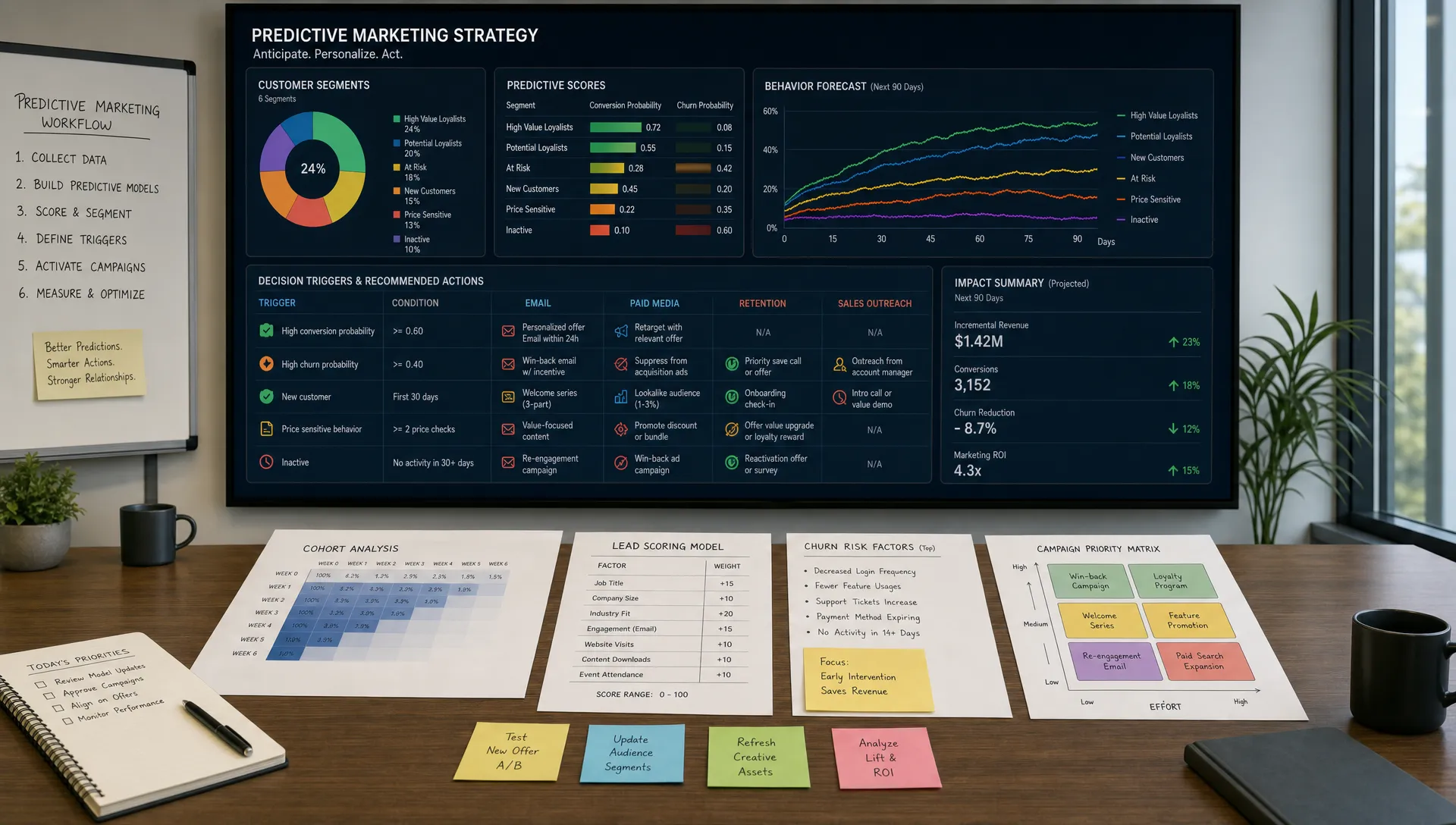
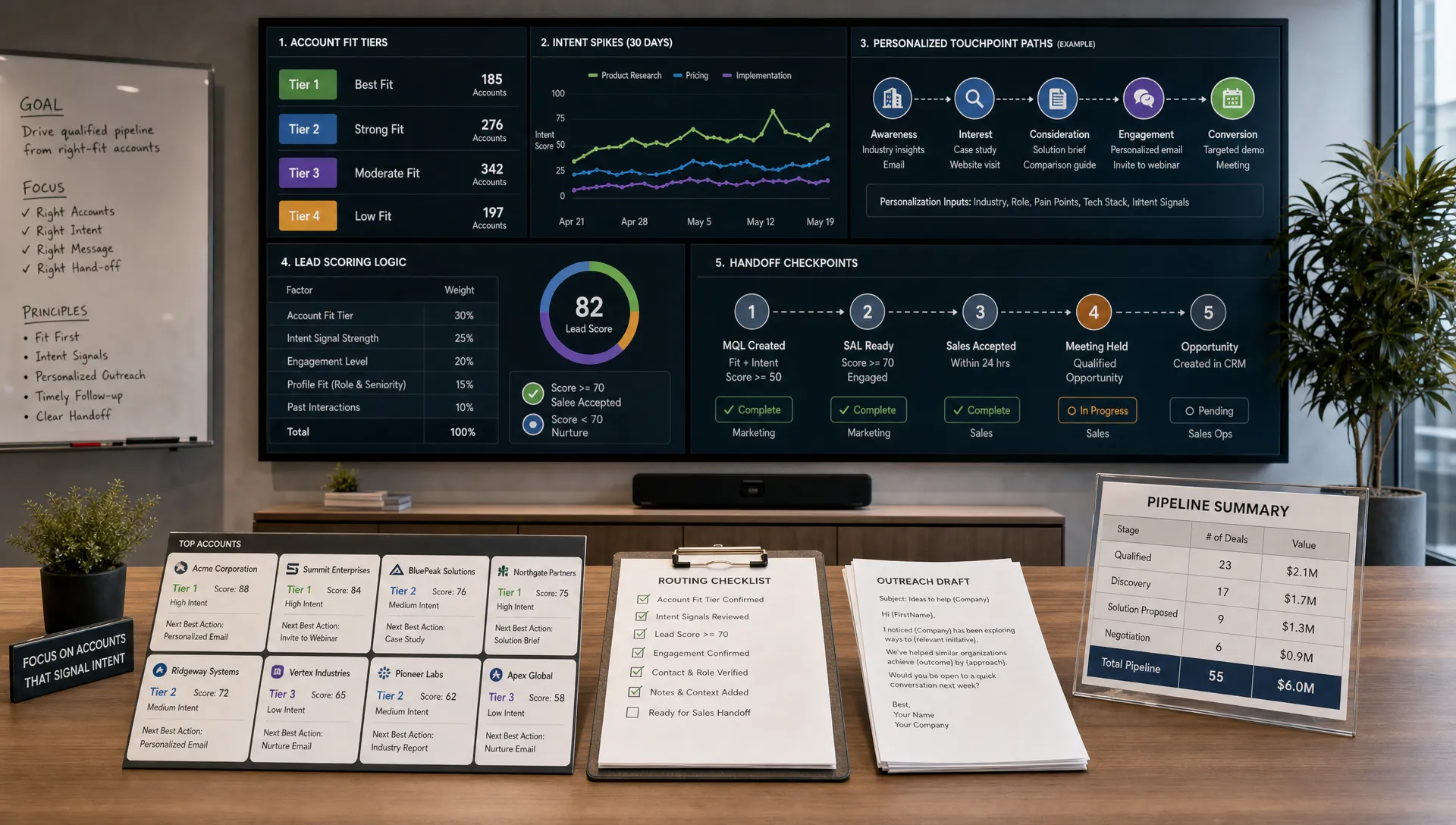
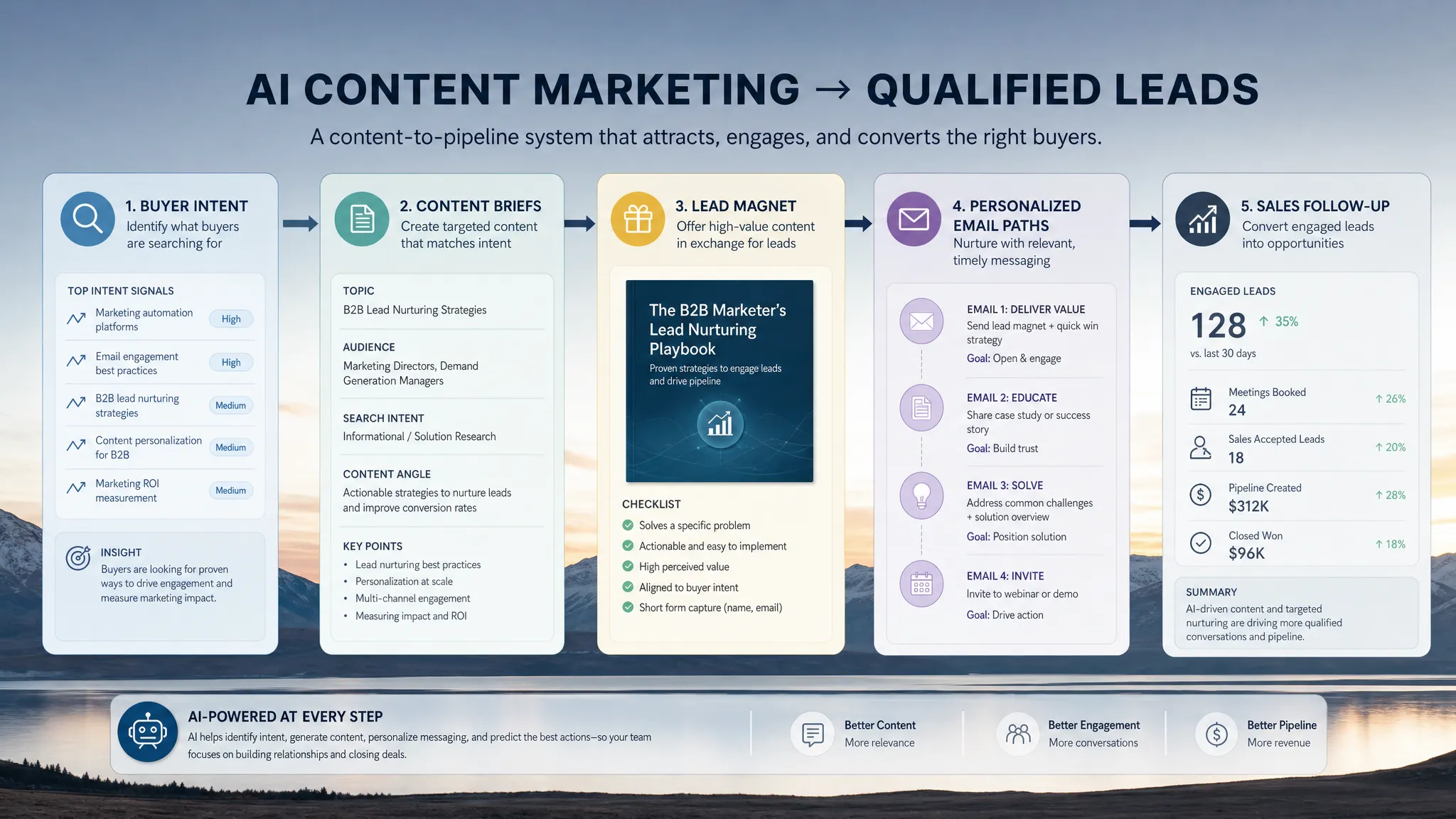
Modern customers expect relevant experiences. They do not want every email, ad, or website message to feel the same. AI can help brands personalize marketing based on behavior, lifecycle stage, interests, purchase history, firmographic data, or engagement patterns.
An AI marketing agency can help design personalization that feels useful rather than intrusive. This might include segment-specific email campaigns, dynamic website messaging, product recommendations, lead scoring, or tailored nurture sequences for different buyer roles.
The key is to personalize based on real value. A prospect who downloaded a pricing guide likely needs different content than someone reading a beginner’s educational article. A returning customer may need onboarding, cross-sell education, or renewal messaging. AI can help identify these moments and trigger the right content at the right time.
Personalization works best when it is supported by clean data, clear consent practices, and thoughtful messaging. Otherwise, it can quickly become confusing or creepy.
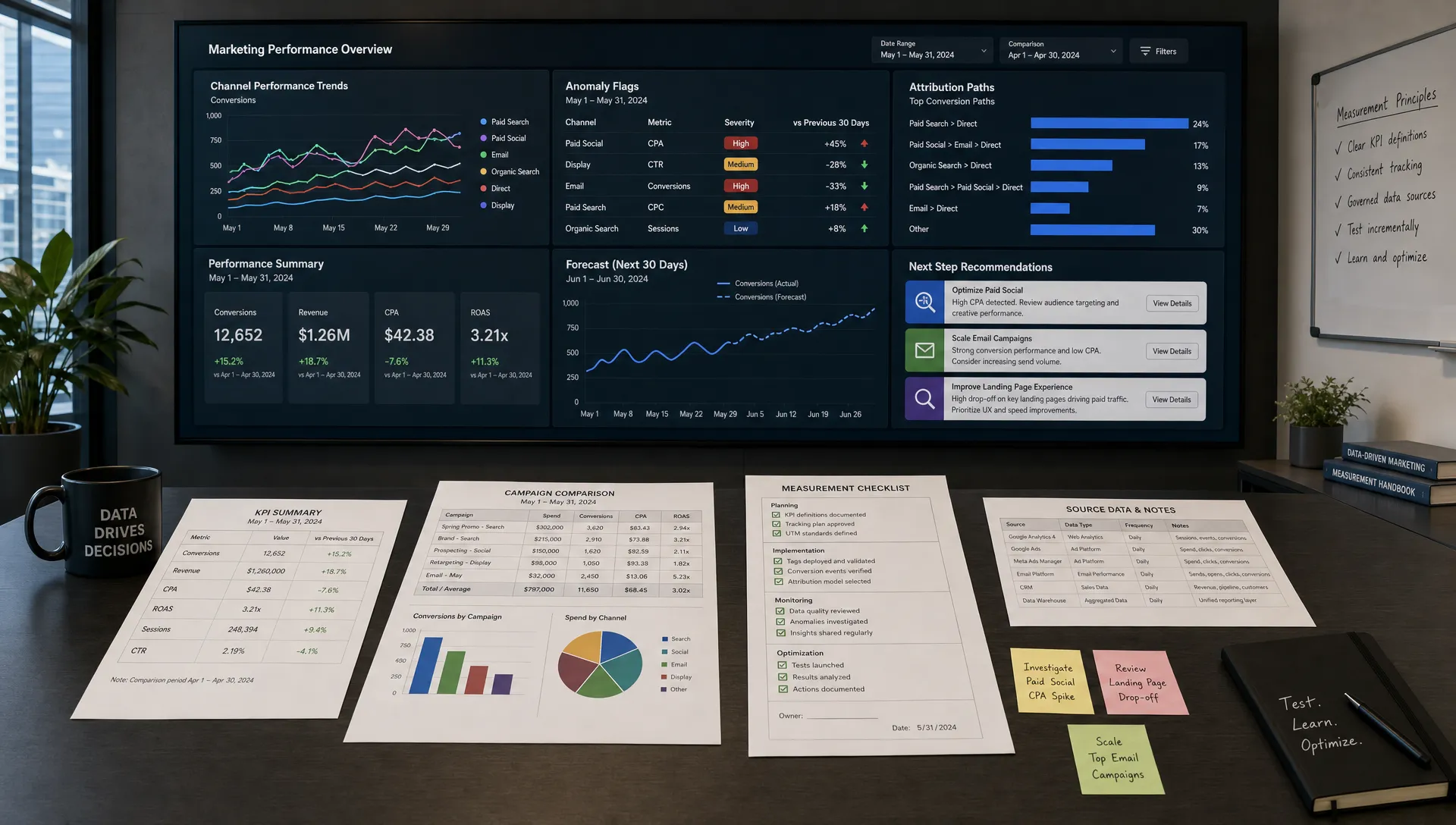
Many marketing teams have access to more data than they can realistically use. Dashboards show traffic, impressions, clicks, conversions, engagement, attribution, and revenue, but the insights are often scattered.
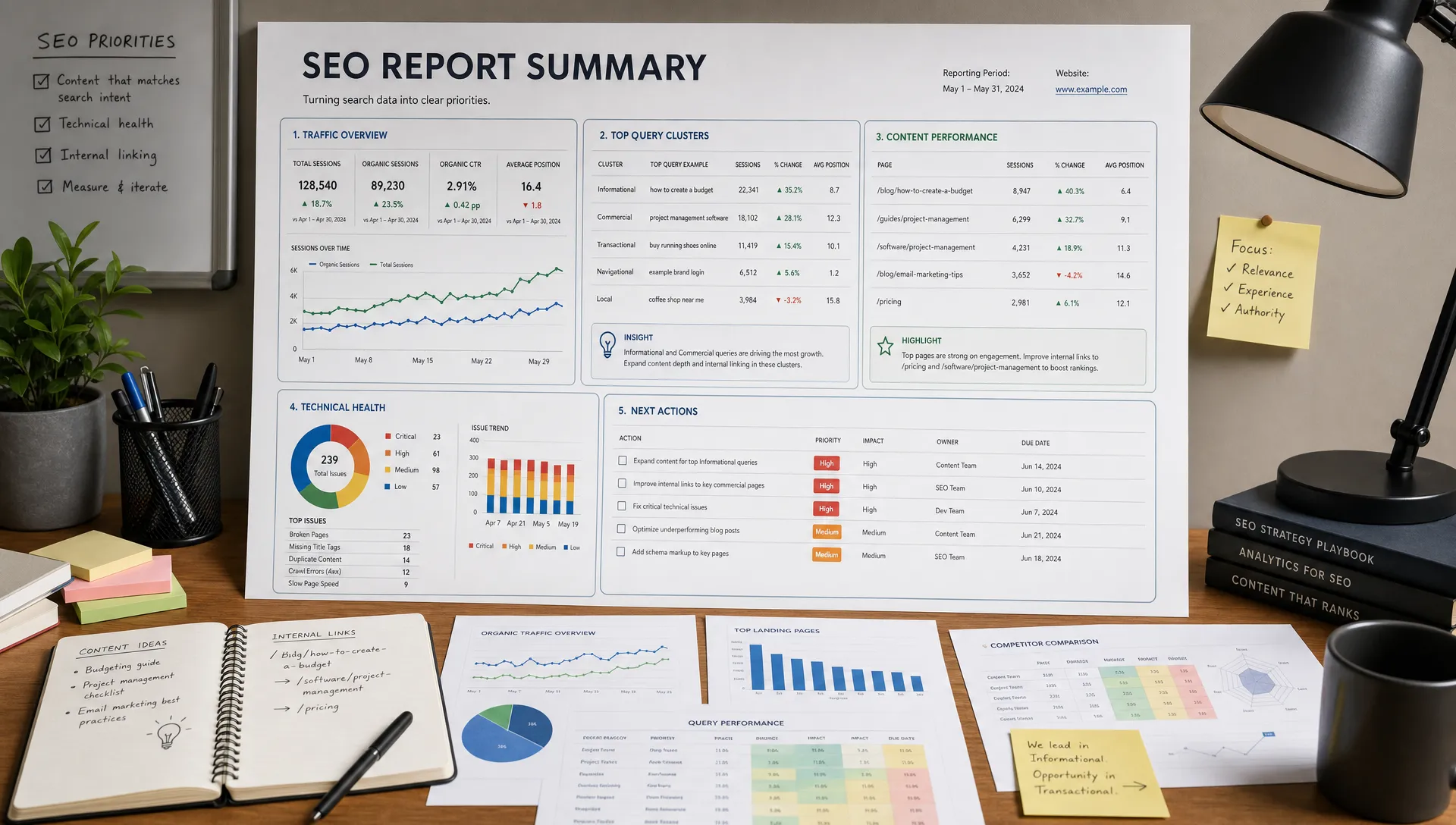
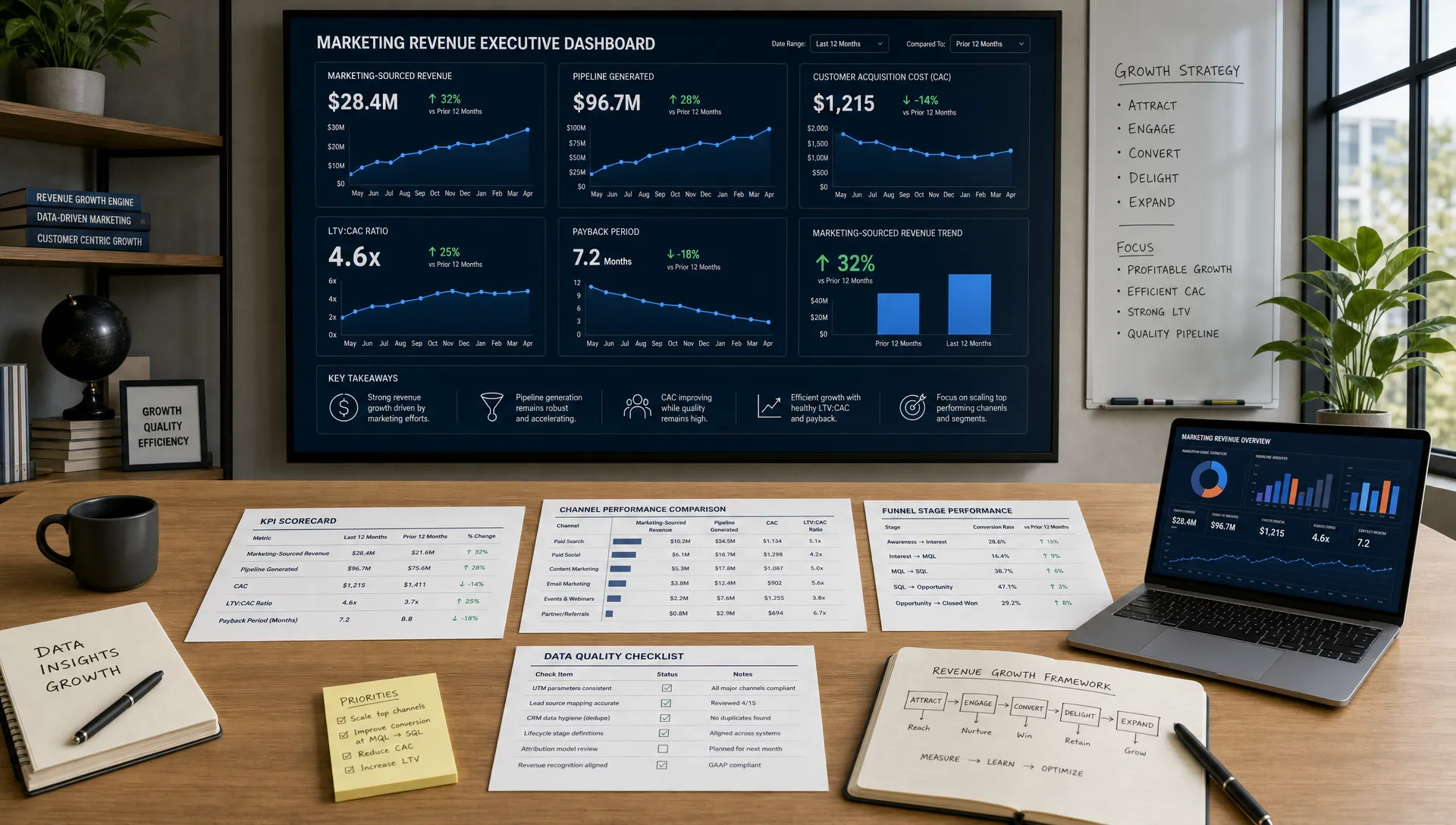
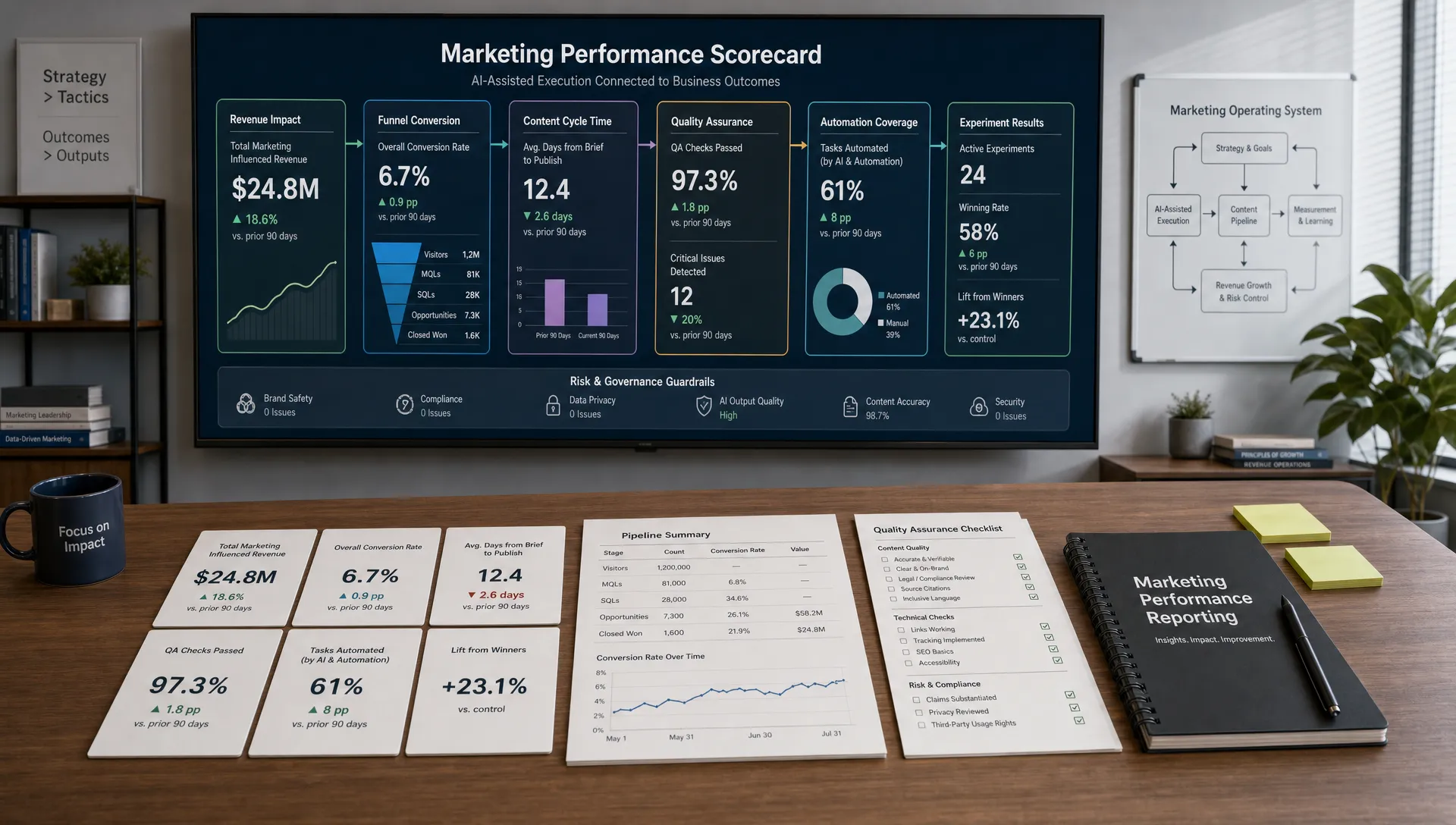
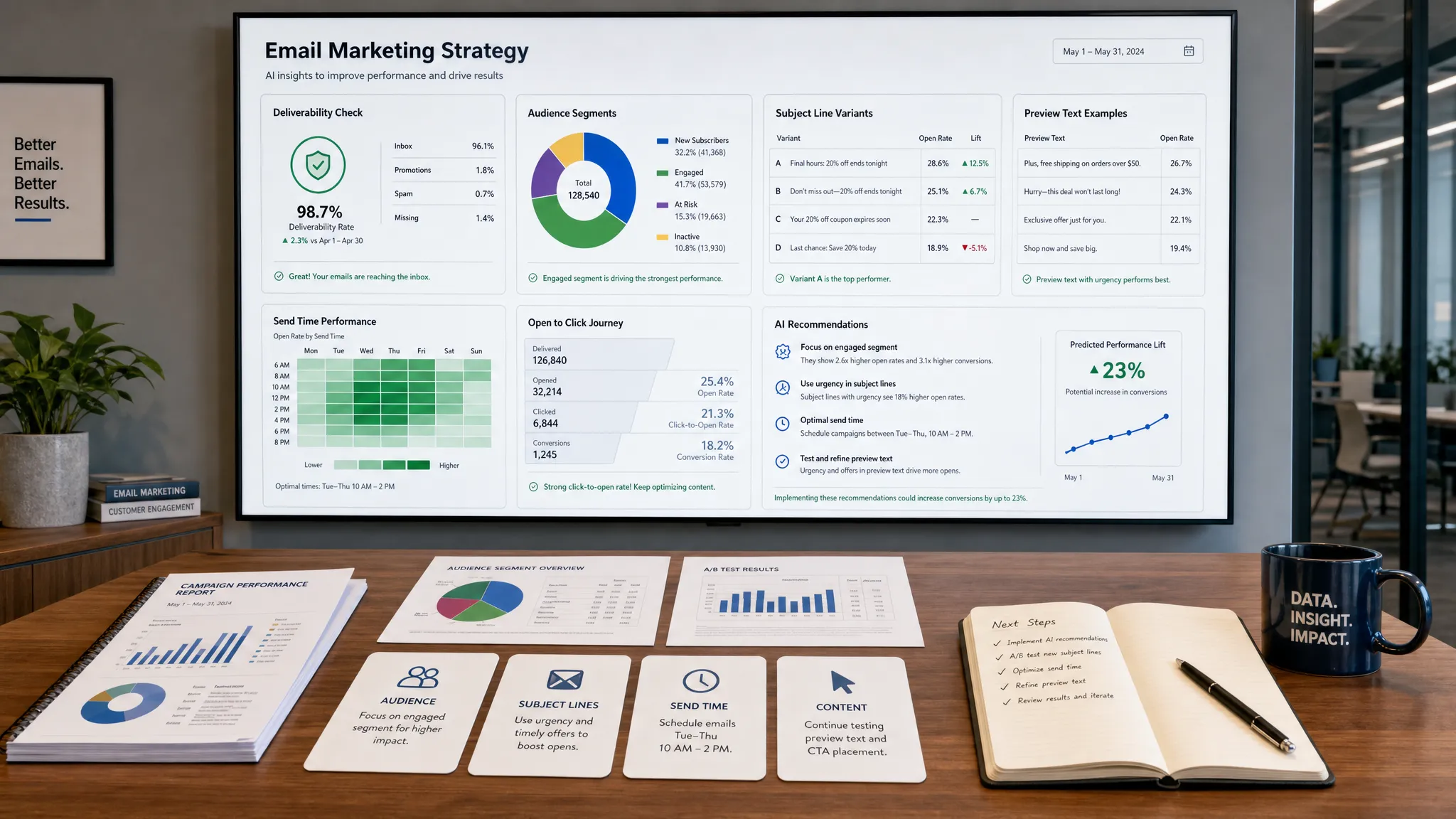
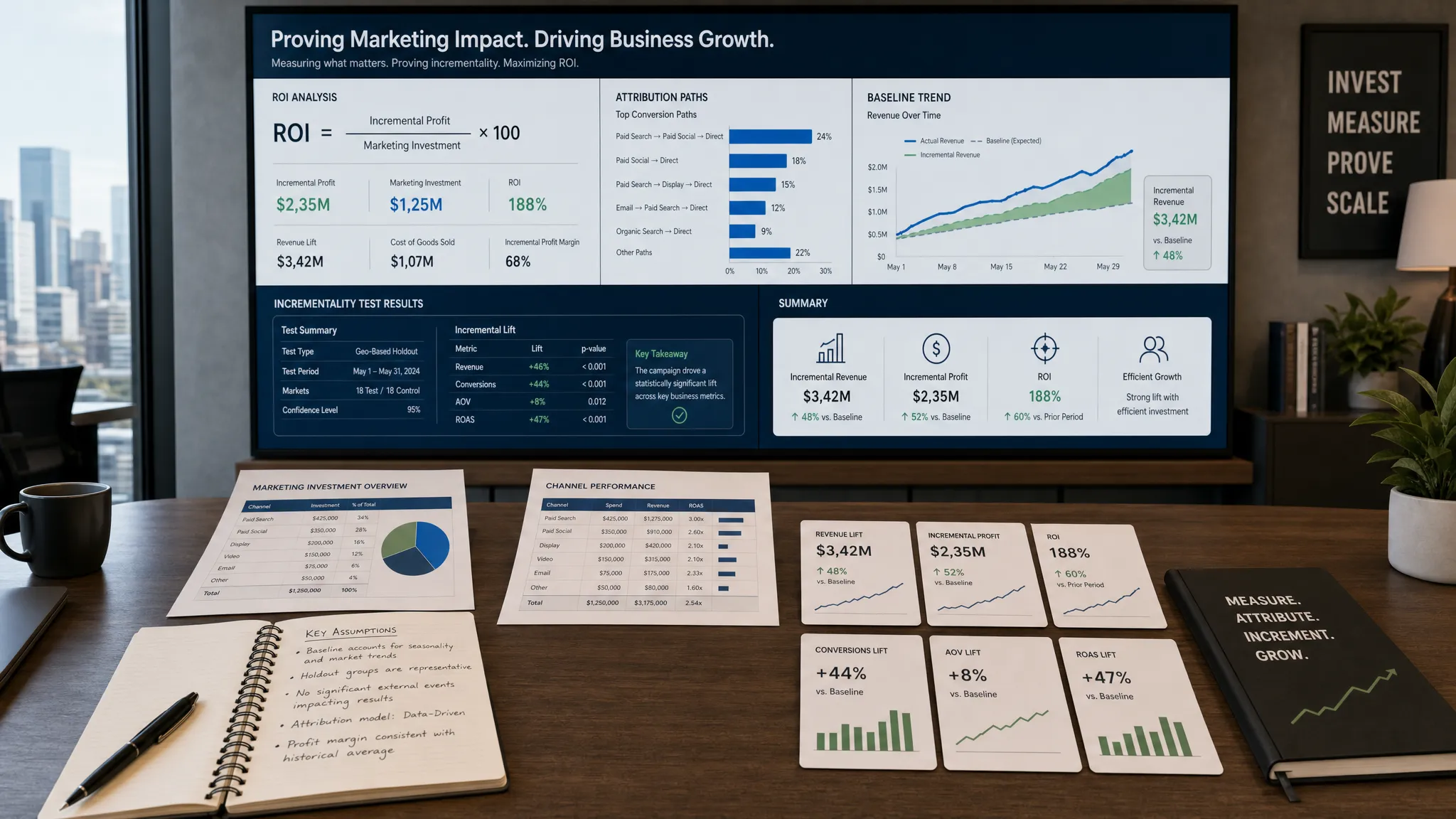
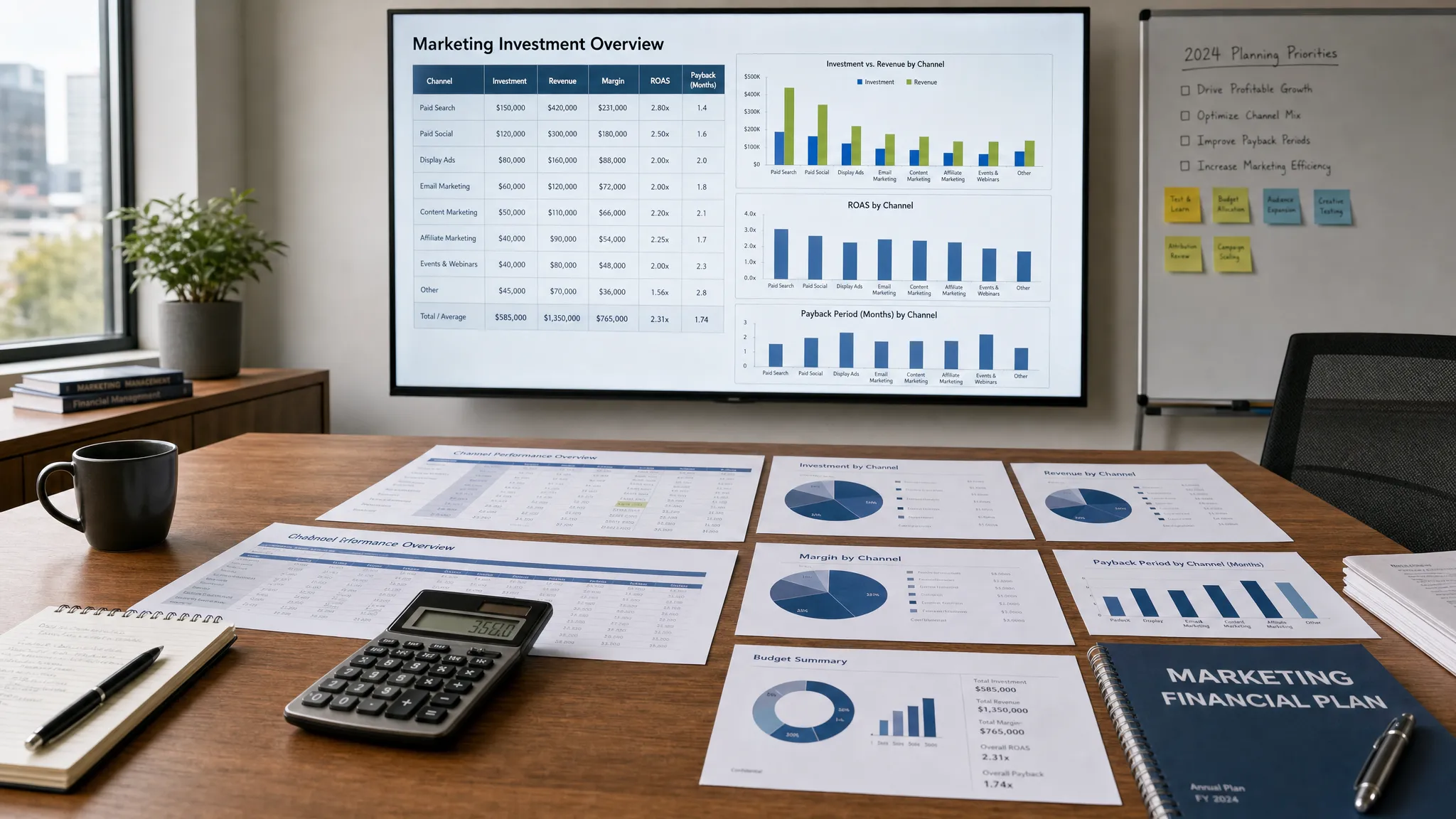
An AI marketing agency can help turn raw data into decisions. This includes building performance reporting, identifying trends, connecting channel data to business outcomes, and highlighting what needs action.
For example, an agency might help determine which content contributes to qualified leads, which paid campaigns attract low-quality traffic, which email segments are disengaging, or which landing pages need conversion improvements.
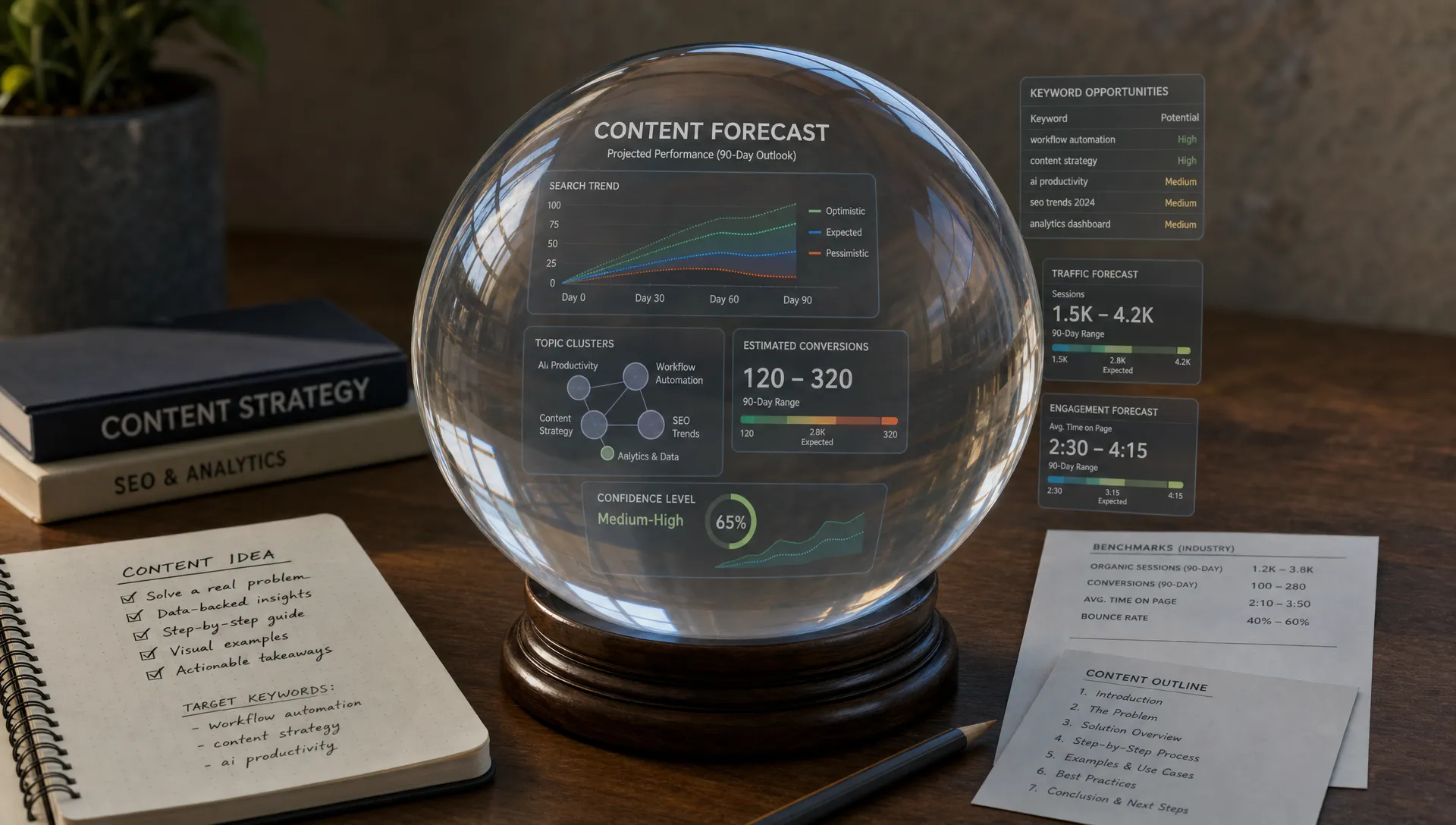
AI can also help with forecasting and anomaly detection. If performance suddenly drops, AI-assisted monitoring can help flag the issue sooner. If a campaign starts outperforming benchmarks, the team can scale it faster.
The best analytics work does not stop at reporting. It creates a feedback loop where every campaign teaches the next campaign what to improve.
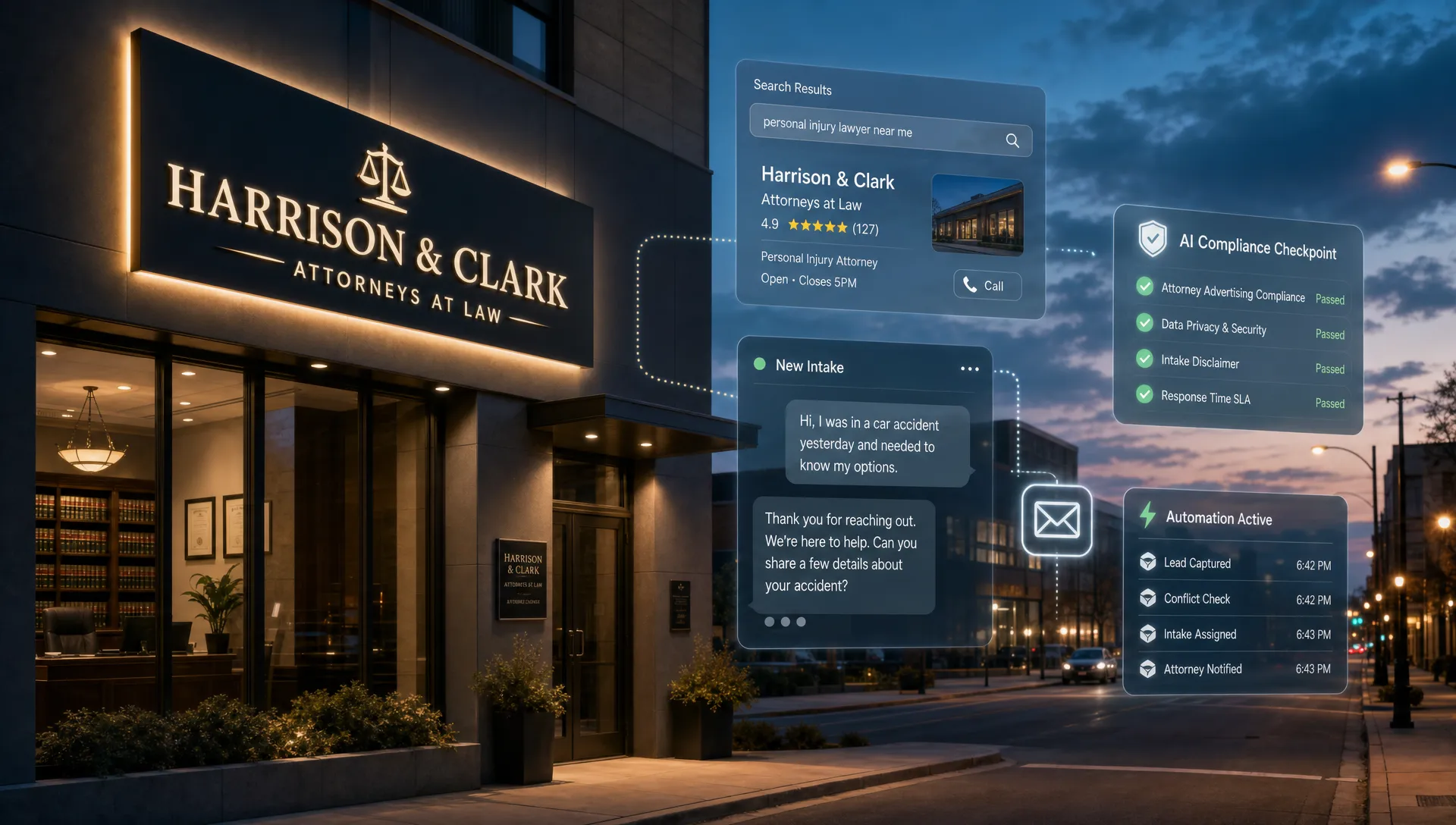
As brands adopt AI, governance becomes more important. Marketing teams need clear rules for data privacy, content review, claim verification, brand voice, disclosure, approvals, and tool usage. This matters even more in regulated industries such as finance, healthcare, insurance, legal services, and enterprise software.
An AI marketing agency can help establish practical guardrails. These may include approval workflows, prompt standards, fact-checking processes, human review requirements, and documentation for how AI is used in content or campaign development.
For organizations with heavier regulatory obligations, marketing AI should also connect with broader compliance workflows. Tools such as Naltilia’s AI platform for compliance teams can help organizations streamline regulatory risk assessment, remediation actions, policy work, automated data collection, and compliance workflow automation.
This is not just about avoiding mistakes. Strong governance gives teams confidence to use AI more effectively because they know what is allowed, what needs review, and where risk must be managed.
One of the biggest advantages of AI marketing is leverage. A smaller team can now execute work that previously required more people, more time, or more budget.
A lean marketing team might use an AI marketing agency to build campaign frameworks, content calendars, SEO briefs, reporting dashboards, nurture sequences, and creative testing systems. The internal team can then focus on strategy, customer relationships, sales alignment, and final approvals.
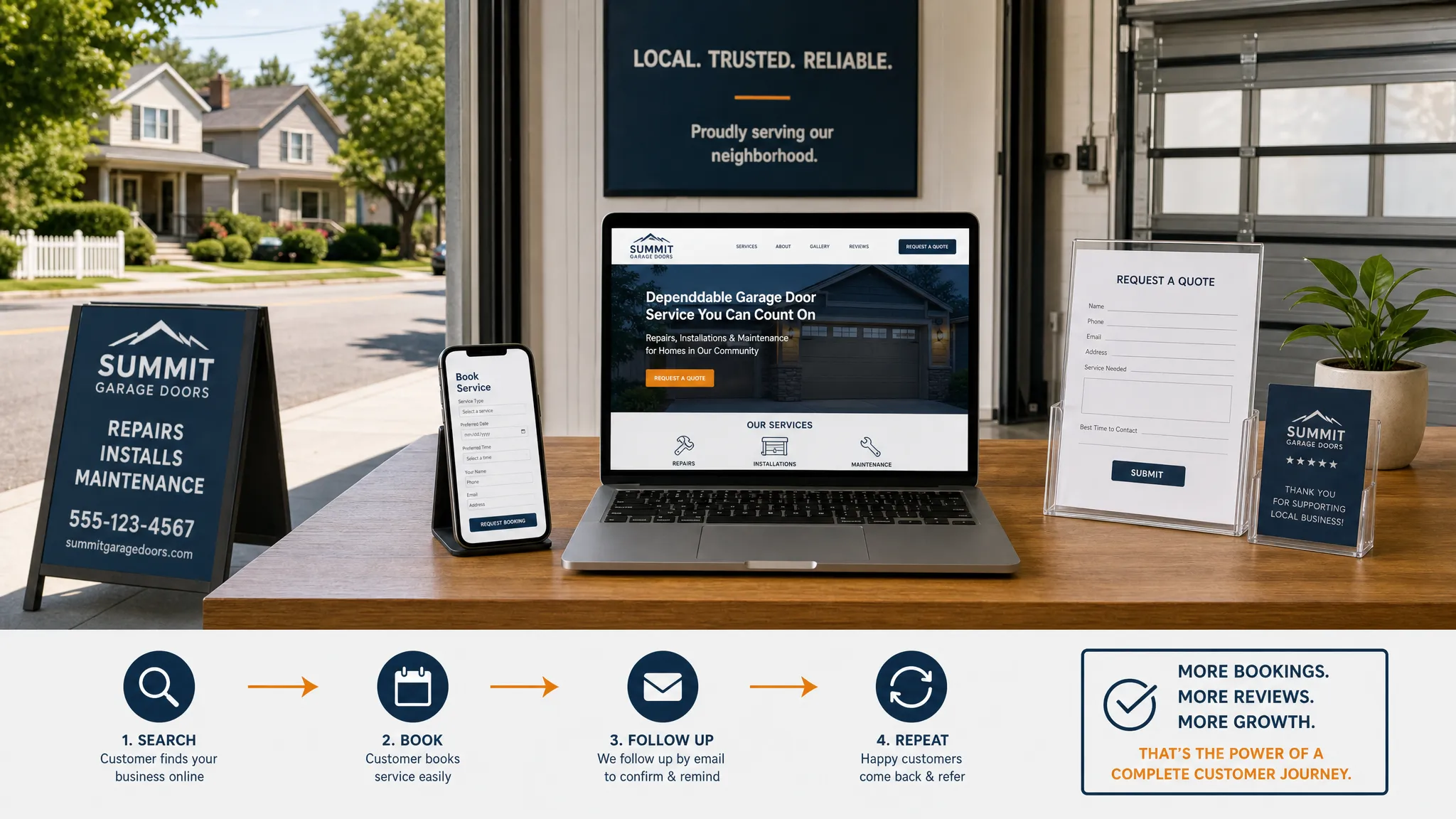
This is especially useful for startups, growing SaaS companies, consultants, agencies, and small businesses that need professional marketing execution but are not ready to hire a full in-house team.
The agency can act as an extension of the team, bringing AI workflows and marketing expertise without forcing the brand to build every capability from scratch.
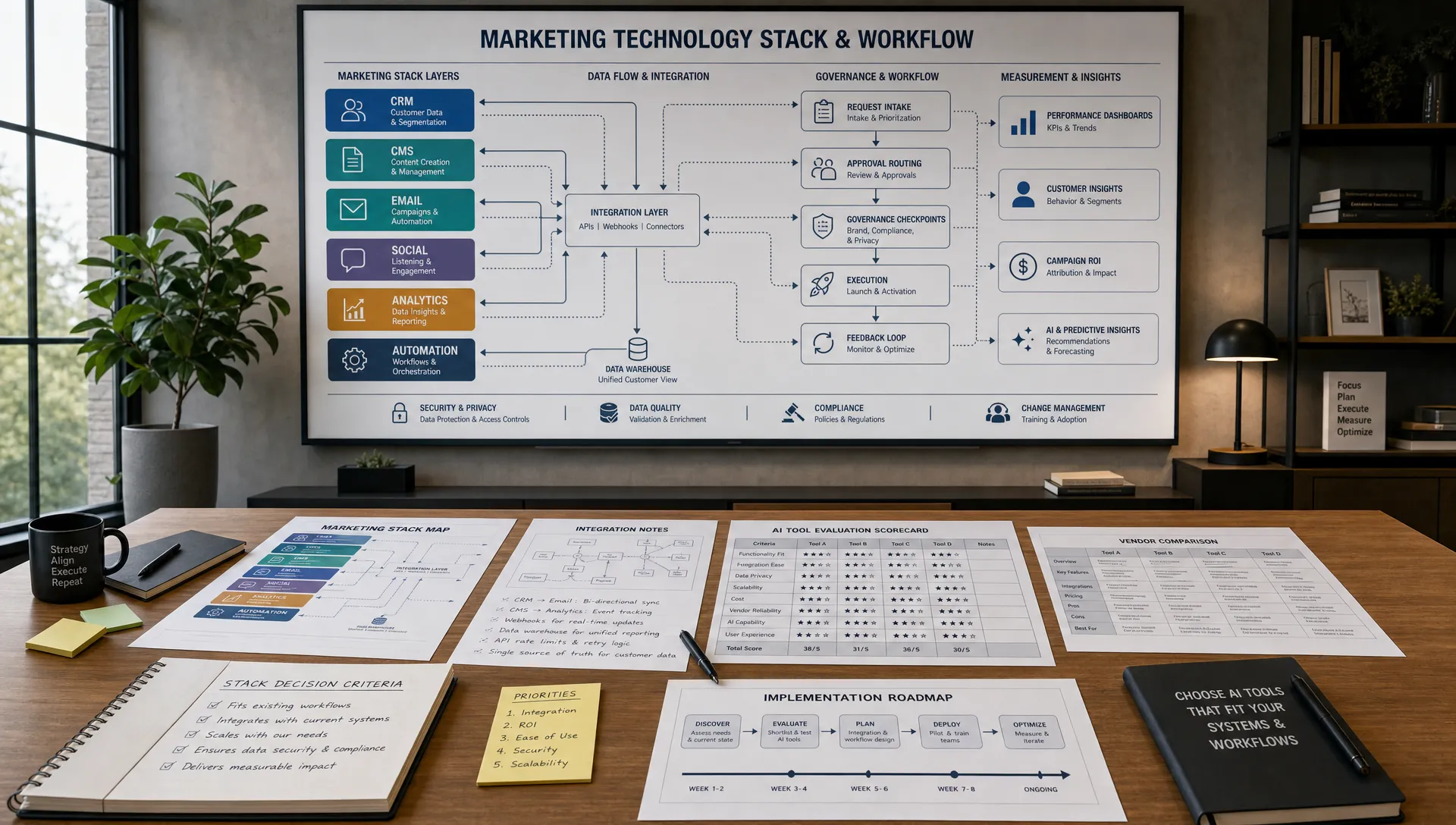
Not every agency that mentions AI is truly AI-driven. Some simply use AI writing tools behind the scenes. Others may overpromise automation without understanding brand strategy or customer acquisition.
When evaluating an AI marketing agency, look for a partner that can explain its process clearly. It should be able to show how AI supports research, execution, optimization, and measurement. It should also be transparent about where human expertise fits in.
Strong signs include:
Be cautious if an agency promises instant rankings, fully automated growth, or massive content output with no mention of quality control. AI can accelerate marketing, but it does not remove the need for positioning, trust, creative judgment, and customer insight.
The best agency relationships start with clarity. Before signing a contract, define what success looks like. Are you trying to increase qualified leads, reduce content production time, improve organic visibility, lower acquisition costs, improve retention, or enter a new market?
You should also decide what the agency owns and what your internal team owns. For example, the agency may handle research, content briefs, draft production, campaign setup, reporting, and optimization. Your team may own subject matter expertise, approvals, sales feedback, product positioning, and customer insights.
A successful partnership usually includes regular communication, shared performance metrics, and a willingness to test. AI marketing works best when teams treat campaigns as learning systems. The first version does not need to be perfect. It needs to produce useful data that improves the next version.
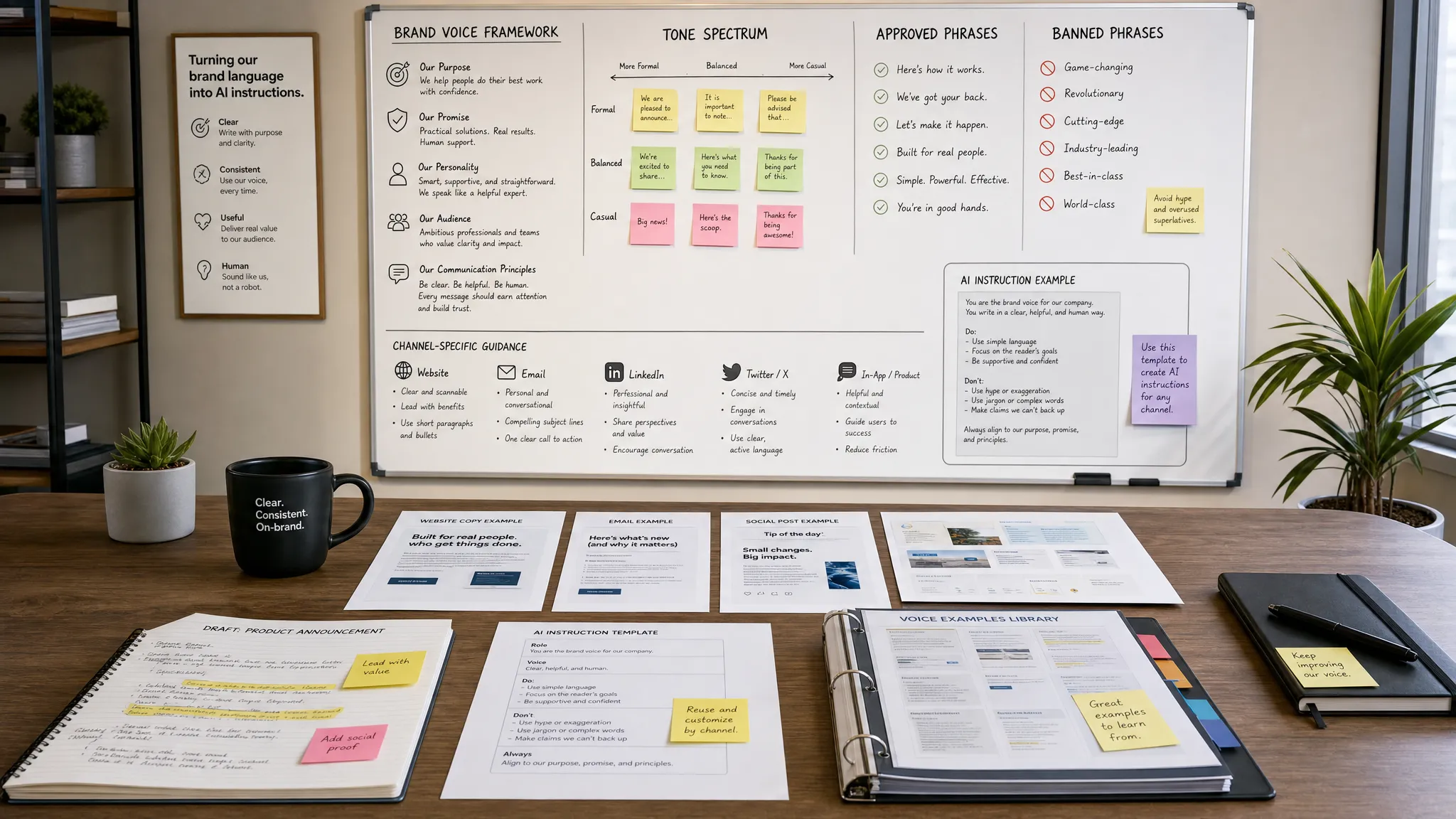
It also helps to maintain a central knowledge base. Brand guidelines, customer personas, approved messaging, product details, compliance rules, and past campaign results should be easy for both the agency and your internal team to access. This improves consistency and reduces rework.
AIMarketer Hub is designed for marketers and businesses that want practical ways to use AI across marketing strategy, content, SEO, analytics, and growth. Whether you work with an AI marketing agency or build more capabilities in-house, the right resources can help your team move faster and make better decisions.
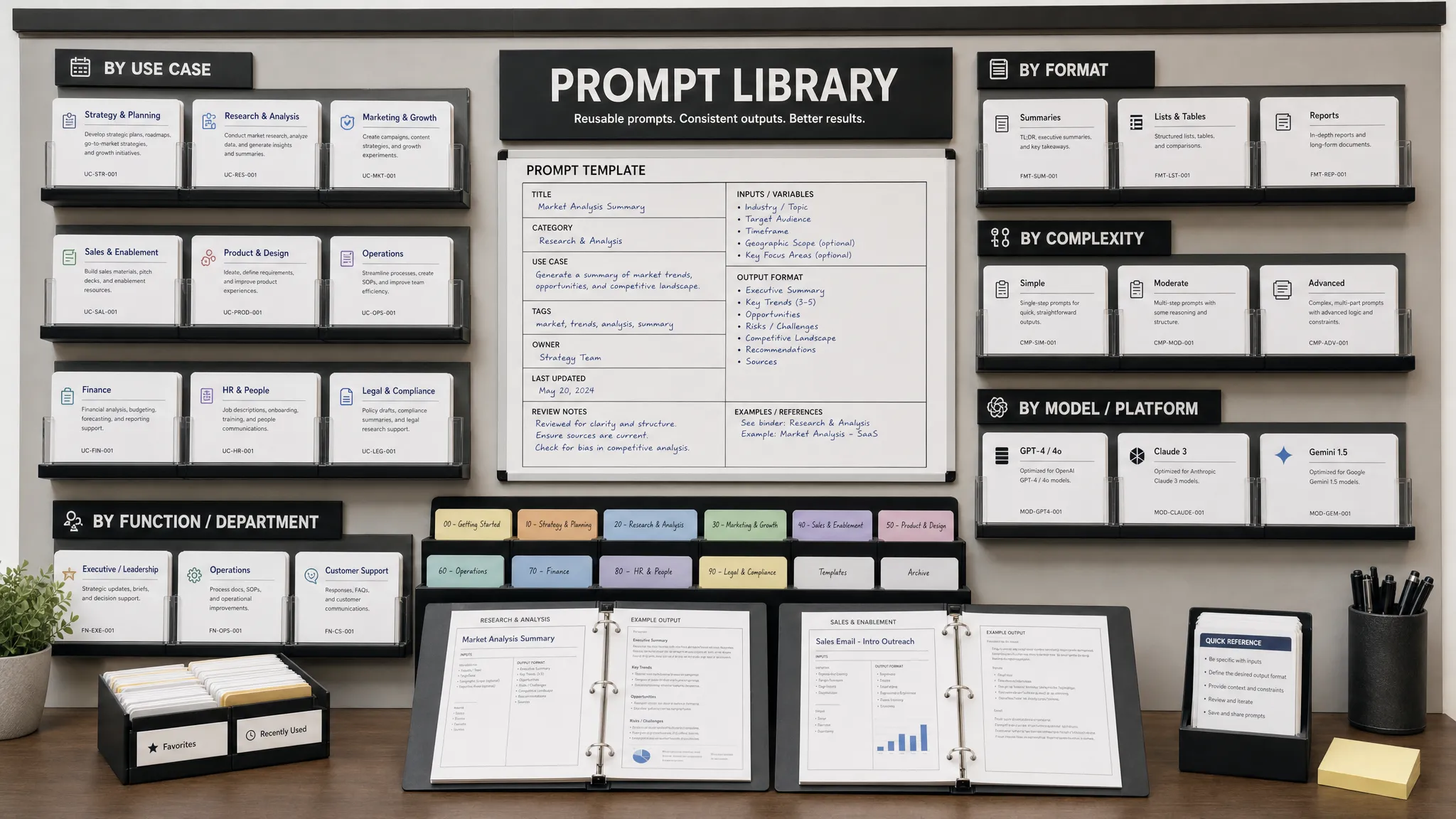
With AI content generation, a prompt library for marketers, SEO tools, performance analytics, calculators, curated resources, and industry-specific guides, AIMarketer Hub can support the systems that modern teams need. It gives marketers a place to explore AI-driven workflows, sharpen execution, and turn ideas into practical campaigns.
An agency can bring expertise and implementation capacity. A resource hub can help your team understand the tools, prompts, frameworks, and strategic choices behind the work. Together, they make AI marketing more accessible and more accountable.
What does an AI marketing agency do? An AI marketing agency uses artificial intelligence to support strategy, content creation, SEO, paid advertising, personalization, automation, analytics, and campaign optimization. The best agencies combine AI tools with human expertise and brand strategy.
Is an AI marketing agency better than a traditional marketing agency? It depends on your goals. An AI marketing agency may be better if you need faster testing, scalable content workflows, data-driven optimization, or automation. A traditional agency may still be valuable for brand strategy, creative production, or specialized campaigns. Many strong agencies now combine both approaches.
Can AI replace my marketing team? AI should not replace your entire marketing team. It can reduce repetitive work, speed up research, generate drafts, and improve analysis, but humans are still needed for positioning, judgment, creativity, customer empathy, approvals, and strategy.
How much does it cost to hire an AI marketing agency? Costs vary widely based on scope, channels, industry, deliverables, and agency experience. A project-based engagement may cost less than a full monthly retainer. Before comparing prices, clarify what is included, how performance is measured, and how much strategy, execution, and reporting support you receive.
What should I prepare before working with an AI marketing agency? Prepare your goals, target audience, brand guidelines, product information, existing content, campaign data, customer insights, sales feedback, and any compliance requirements. The more context the agency has, the better its AI-assisted workflows will perform.
An AI marketing agency can help your brand move faster, test smarter, and turn data into better campaigns. But the real advantage comes from combining AI with a clear strategy, strong creative standards, responsible governance, and consistent measurement.
If you are exploring how AI can improve your marketing, start by building your own knowledge base and workflows. Visit AIMarketer Hub to explore AI marketing tools, prompt resources, SEO support, performance insights, and practical guides built for modern marketing teams.