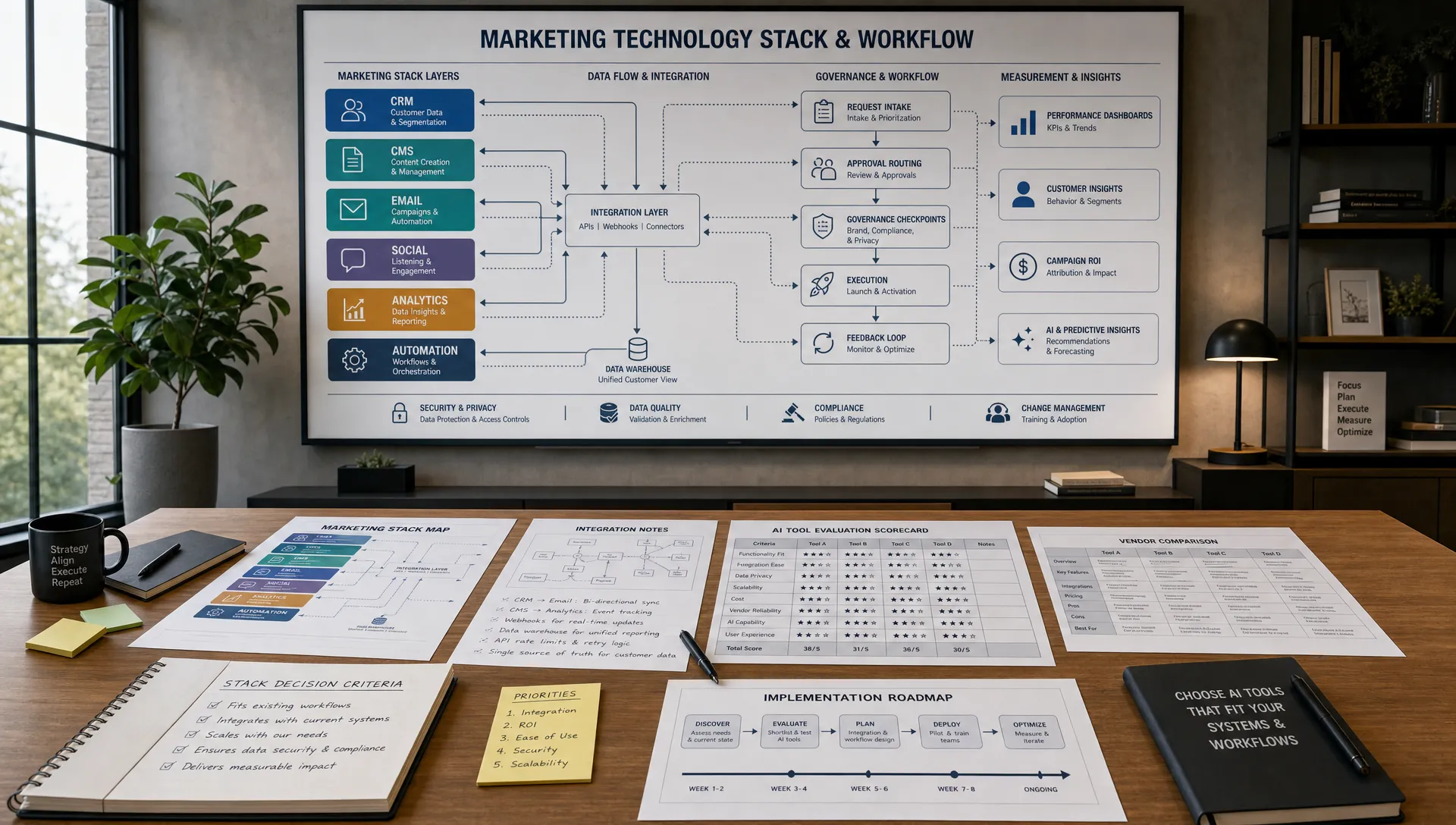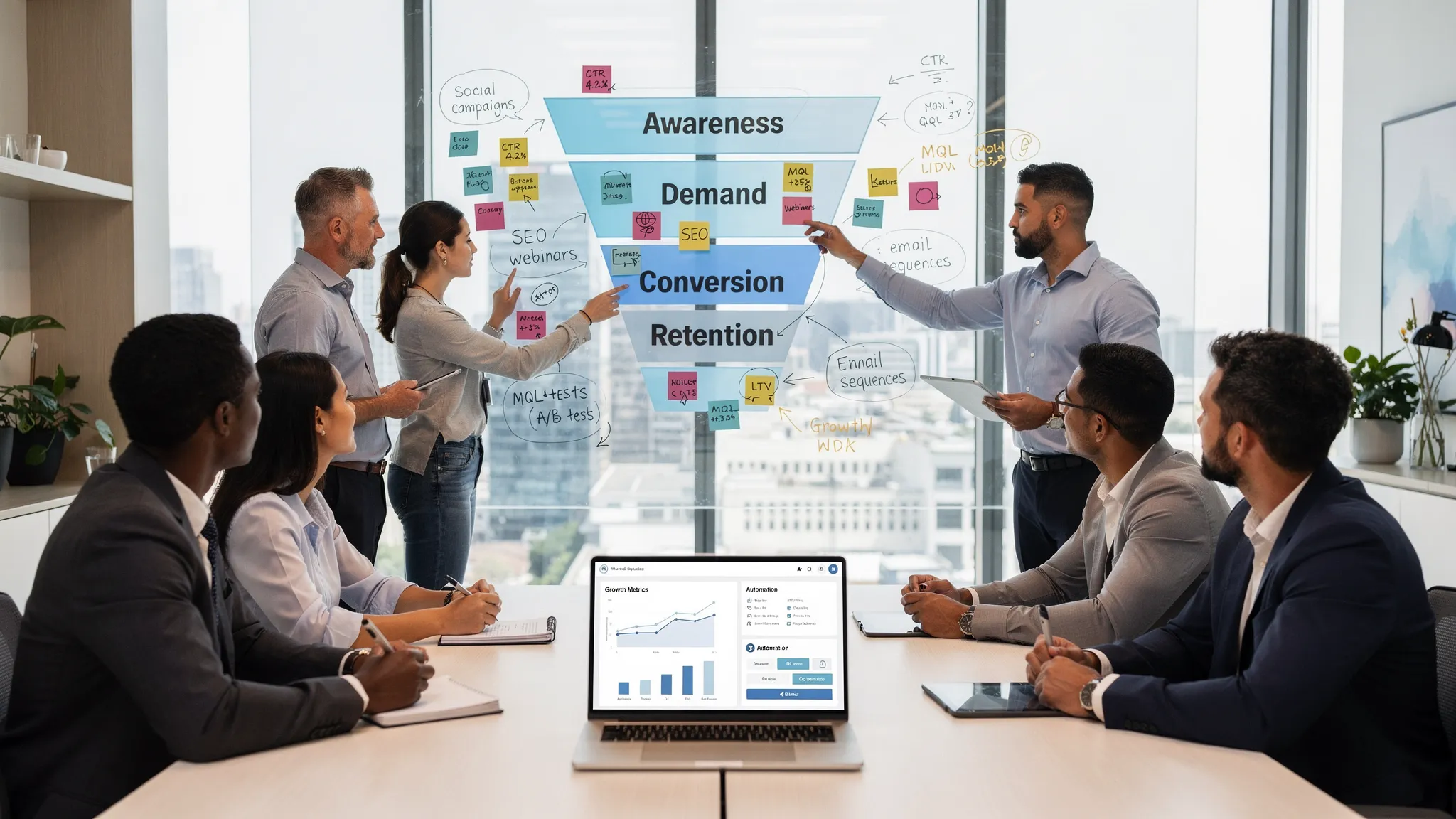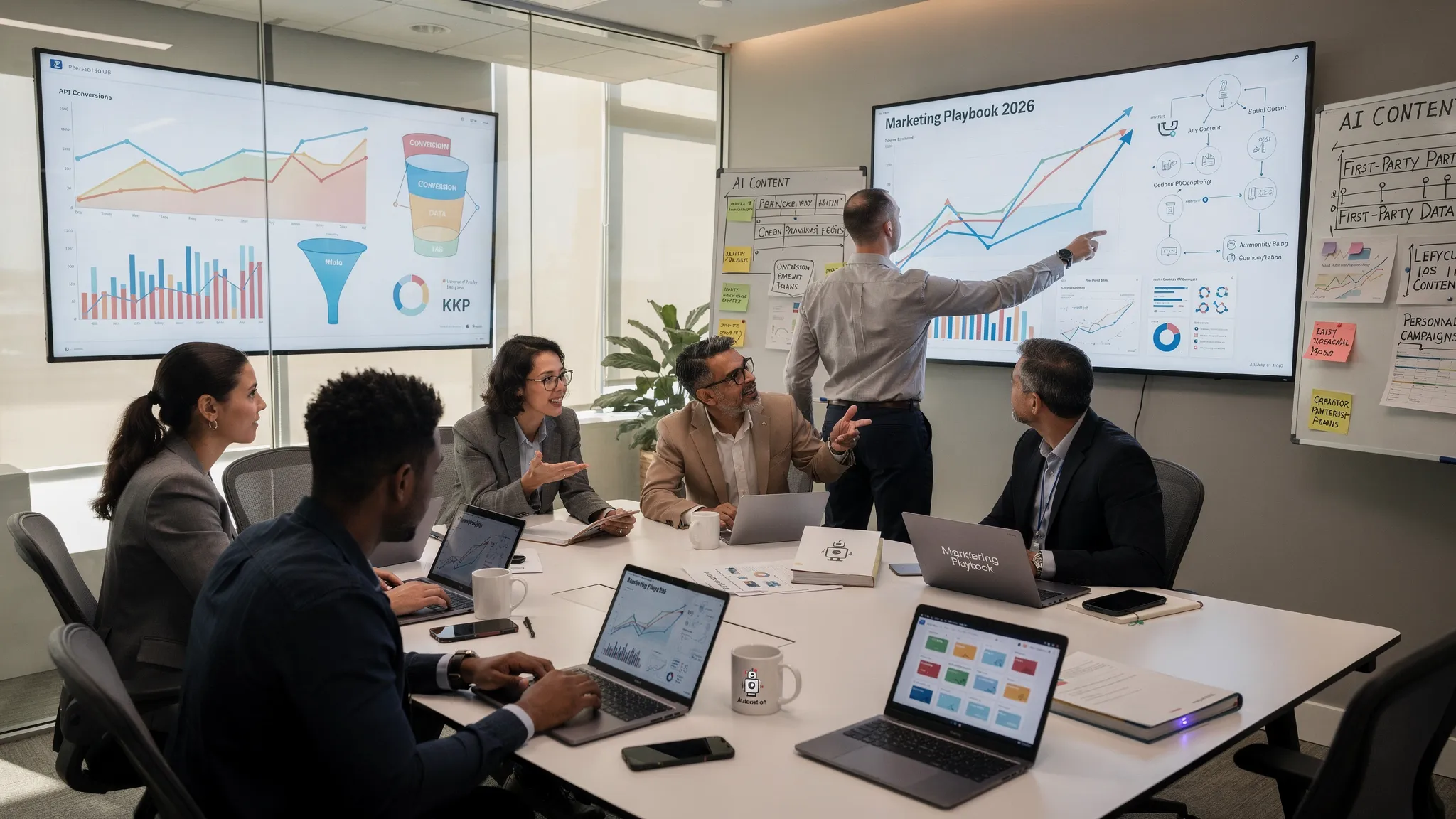
Marketing teams are entering 2026 with a familiar problem: there are more channels, more tools, more data, and more pressure to prove impact. The difference is that the fastest-growing brands are no longer treating AI as a novelty or chasing every shiny platform update. They are building smarter systems that combine automation, first-party insight, human creativity, and customer trust.
That is the real story behind the most important trending marketing tactics shaping 2026. The winning tactics are not just popular. They help teams create better customer experiences, shorten feedback loops, and turn marketing into a more measurable growth engine.
Think of this guide as a practical filter for what deserves your attention this year and what you can safely ignore.
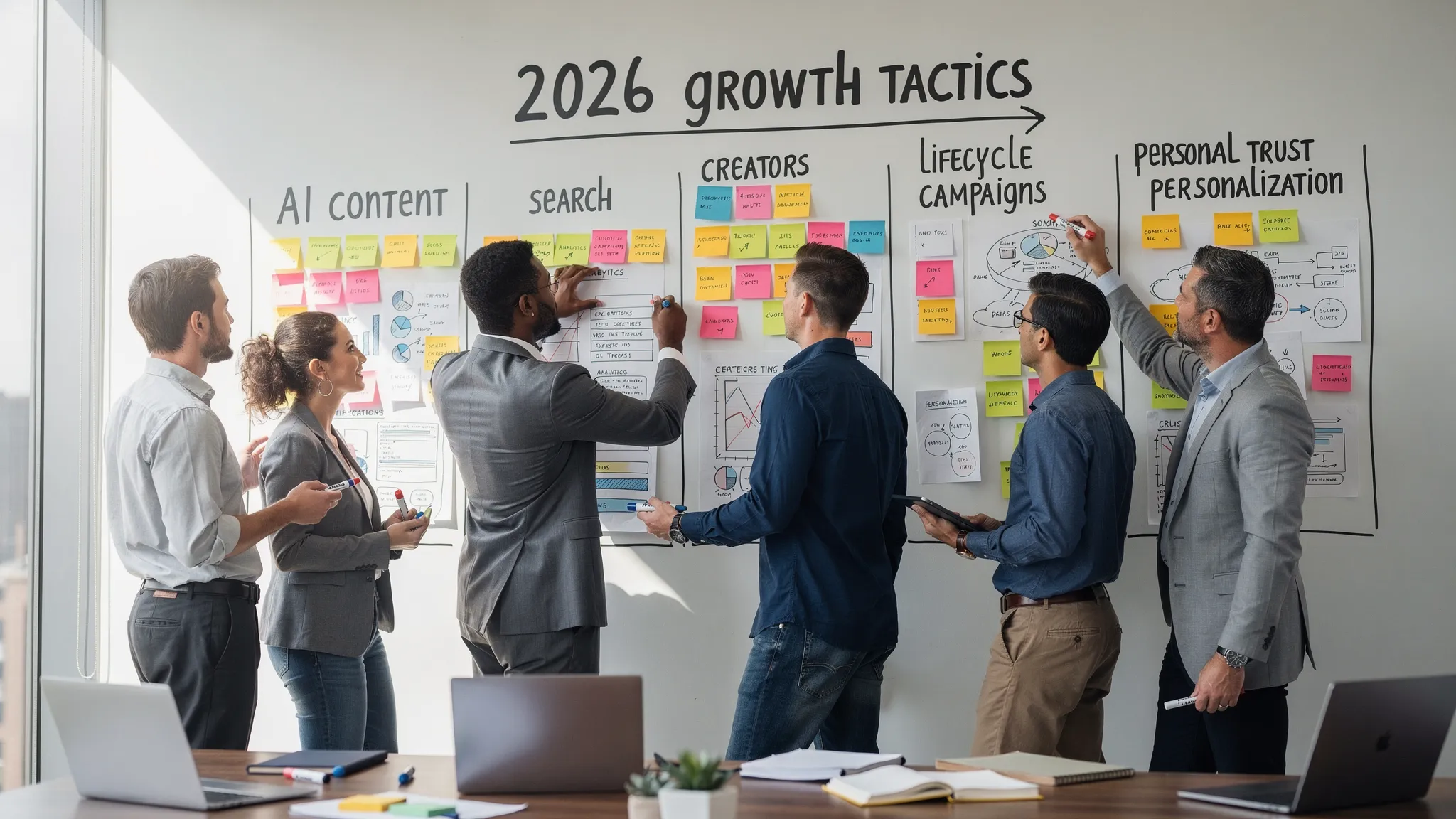
A tactic becomes trend-worthy when it solves a real business constraint. In 2026, those constraints are clear: attention is fragmented, buyers are skeptical, content saturation is high, and teams are expected to do more with leaner resources.
The strongest trending marketing tactics share three traits:
If a tactic does not help with at least one of those outcomes, it is probably noise.
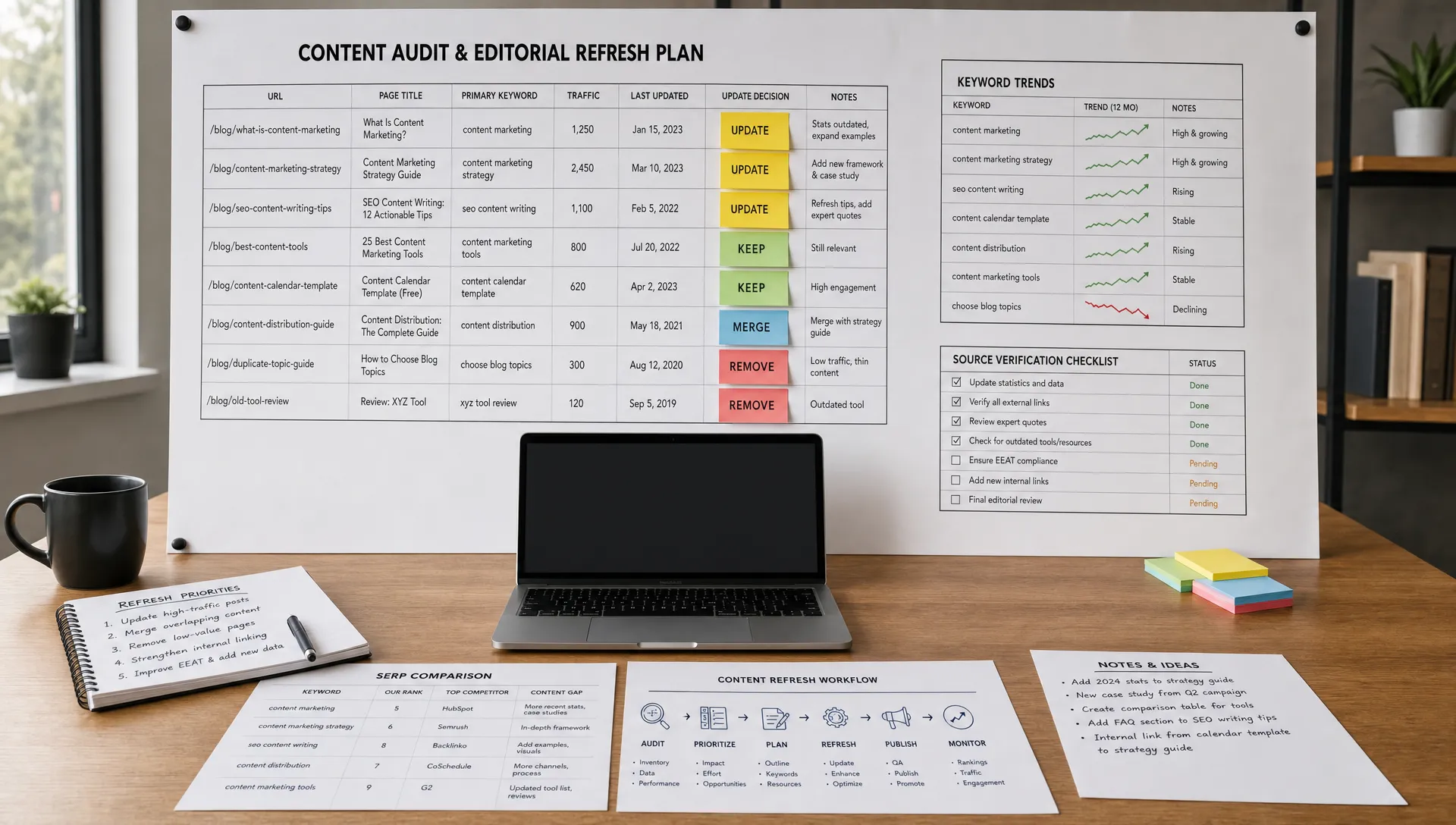
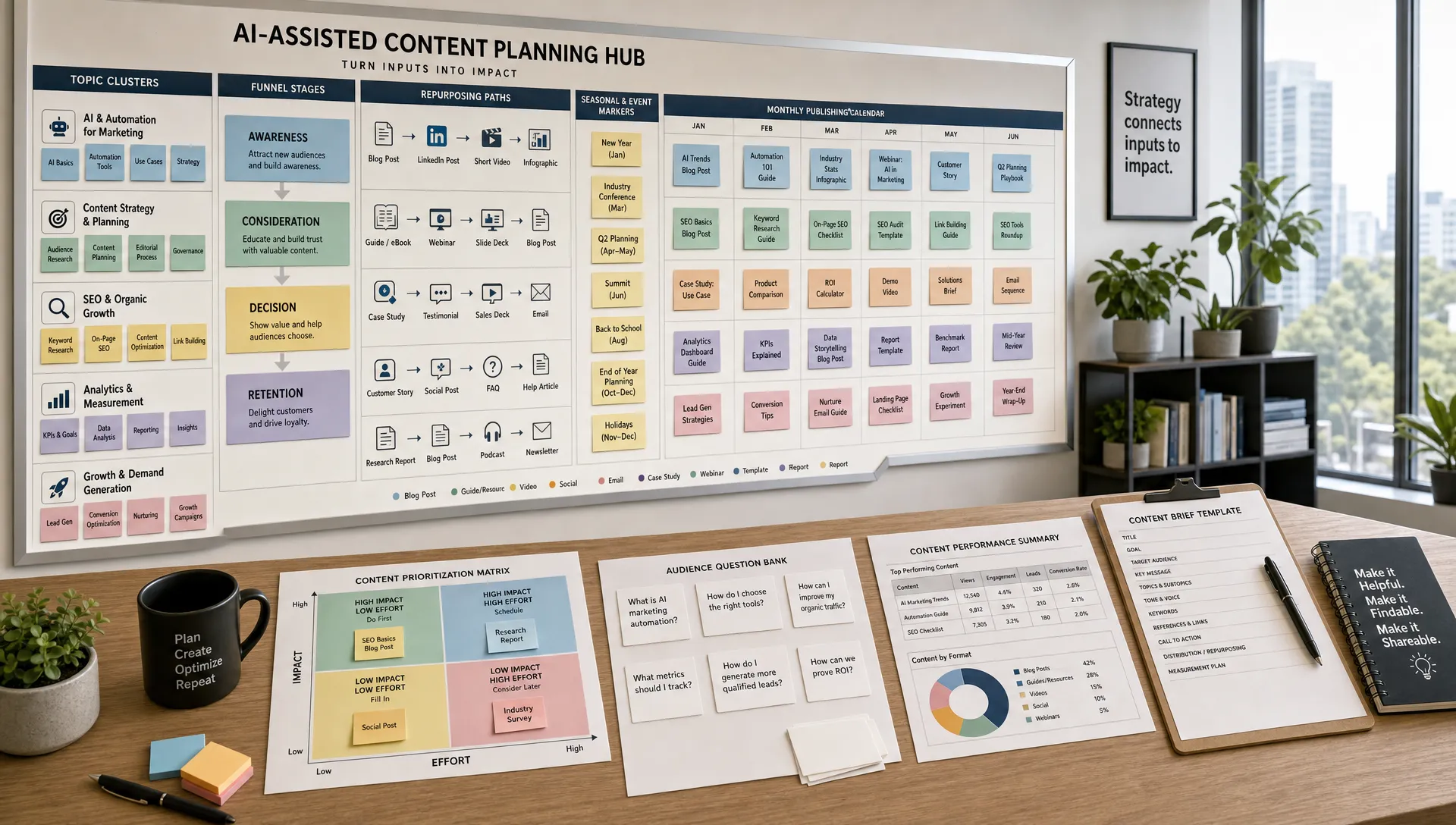
In 2023 and 2024, many teams used AI to draft blog posts, social captions, and emails faster. In 2026, the mature approach is broader: AI content operations.
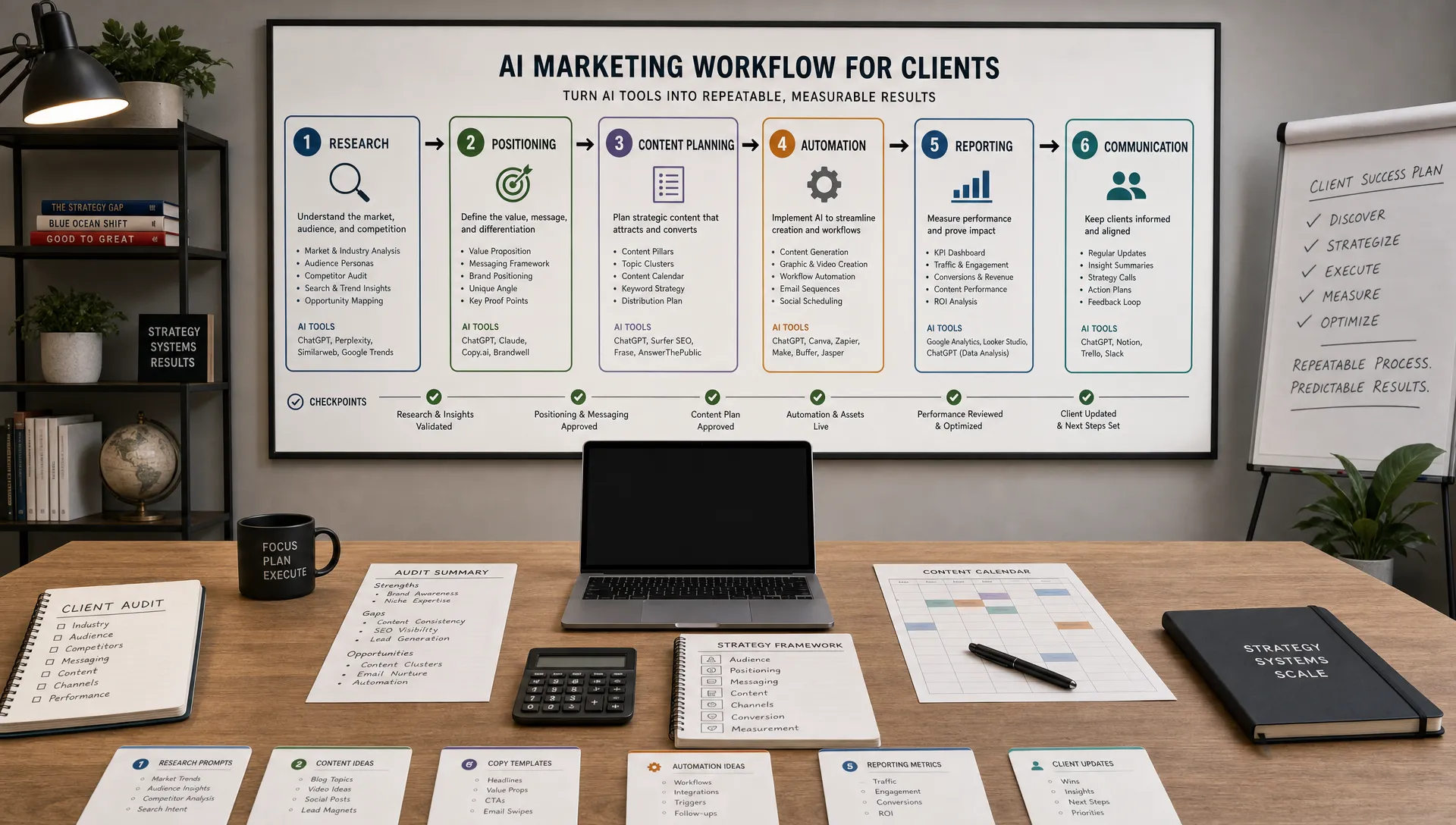
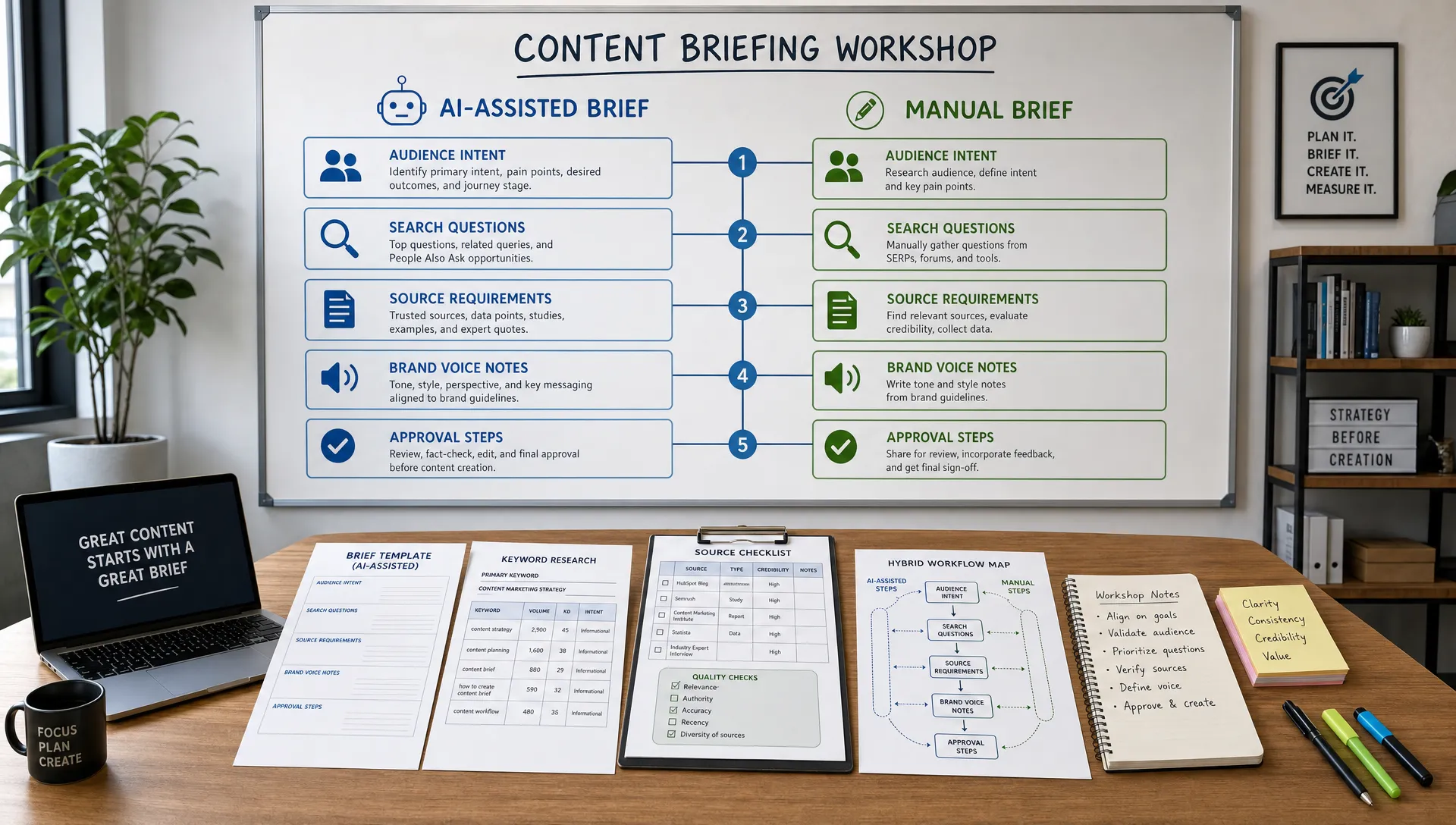
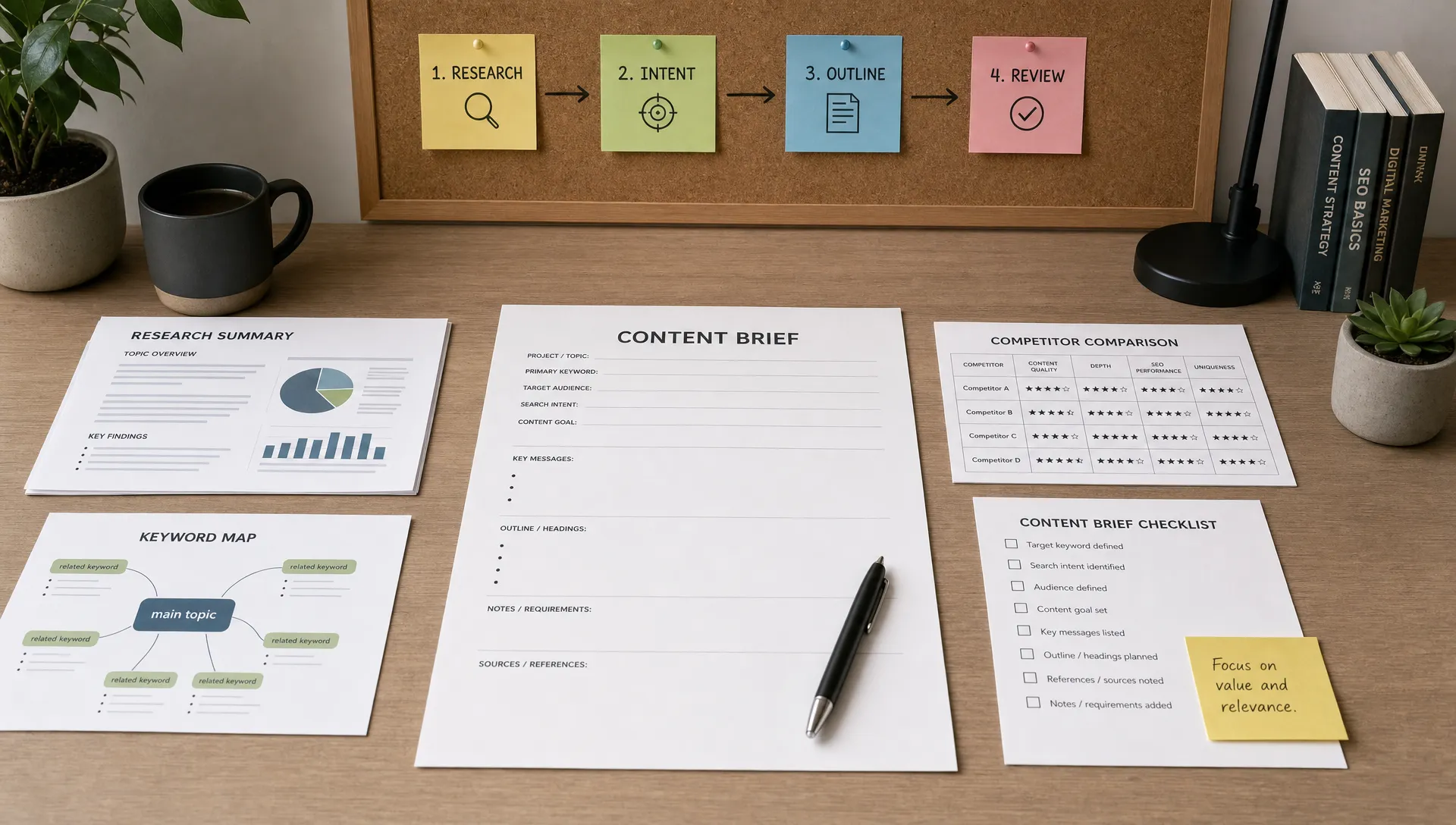
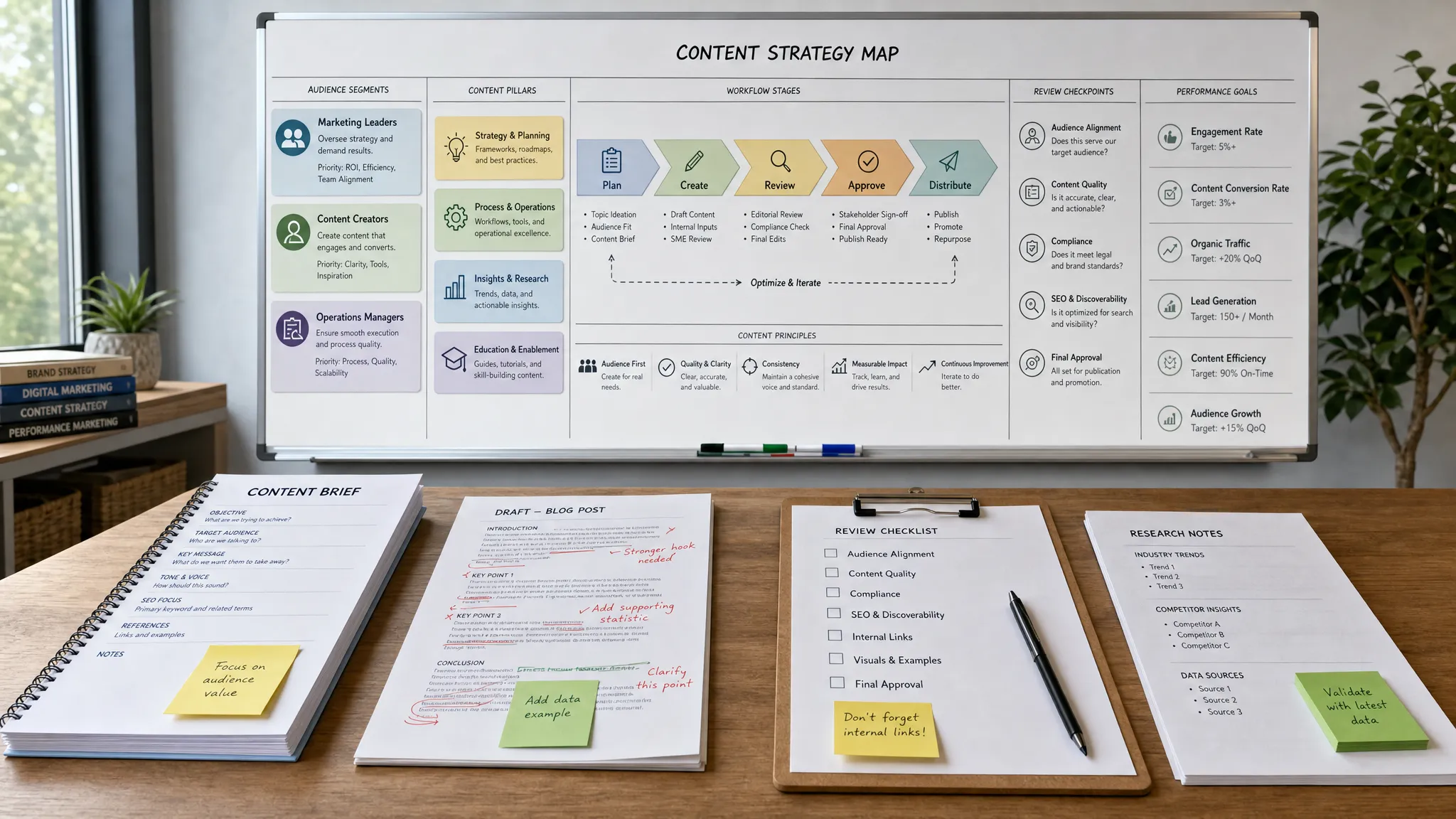
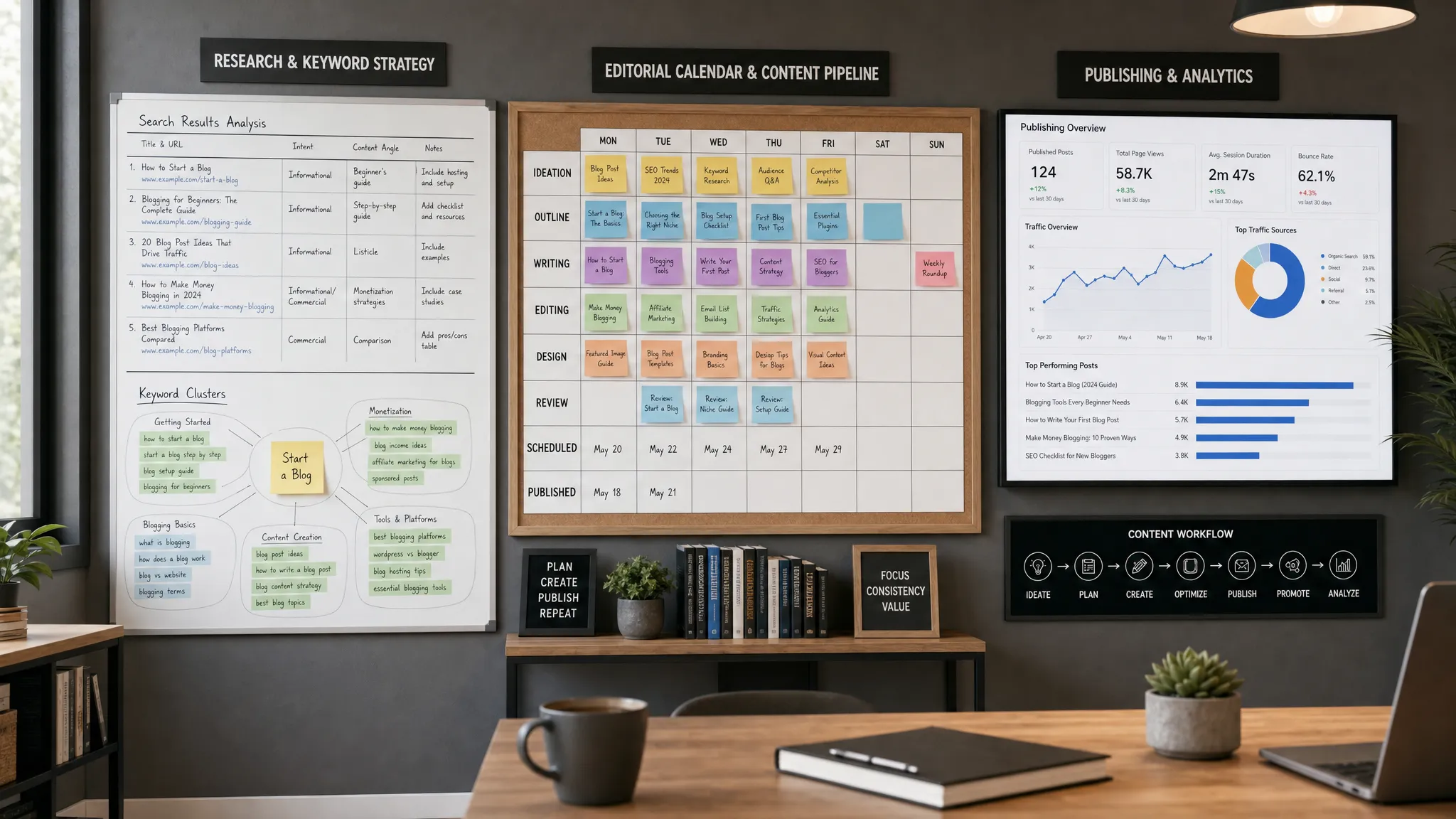
That means using AI across the entire content workflow, from audience research and brief creation to repurposing, quality checks, and performance analysis. The goal is not simply to publish more. The goal is to create a repeatable system that turns expertise into useful assets faster.
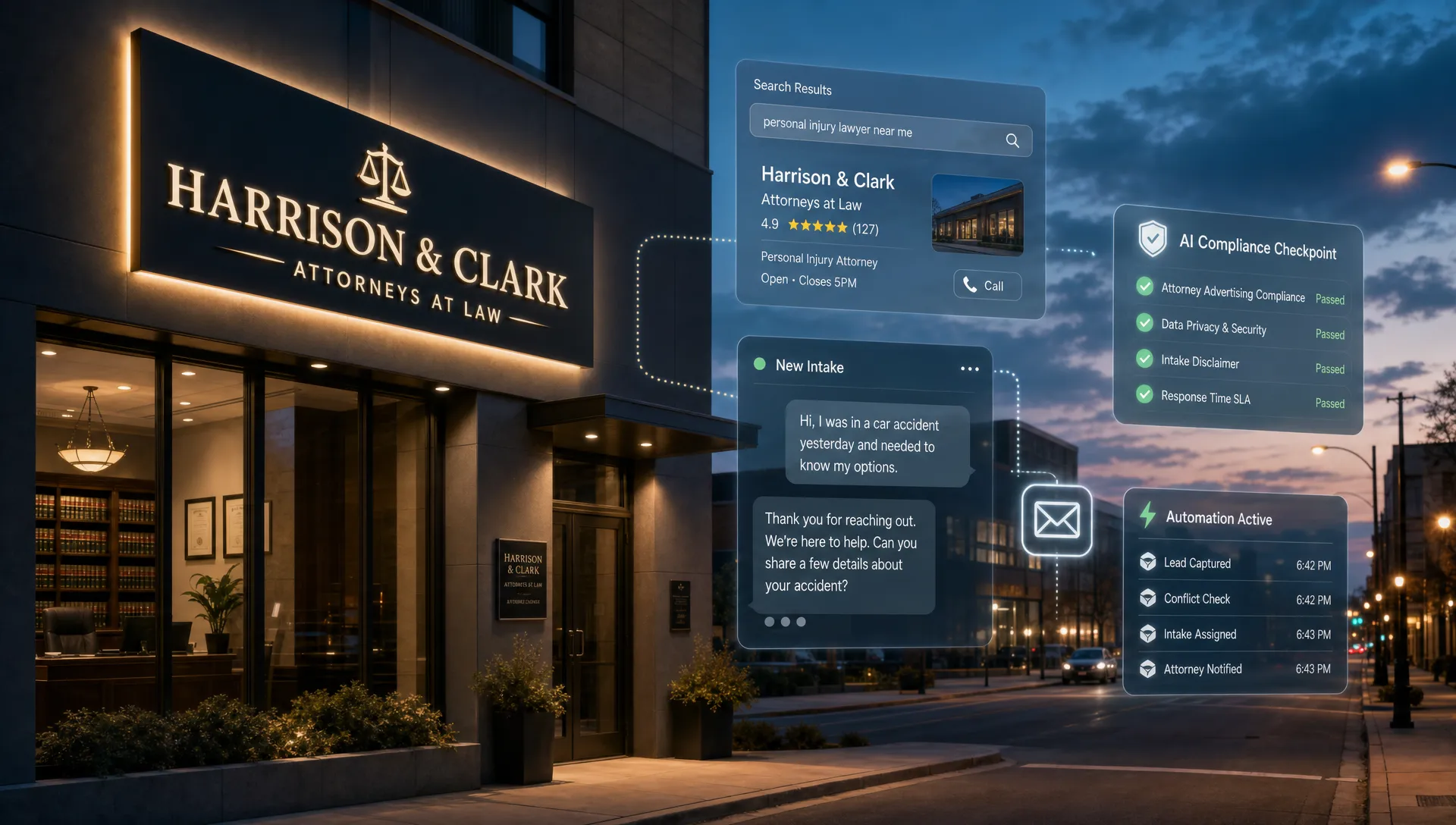
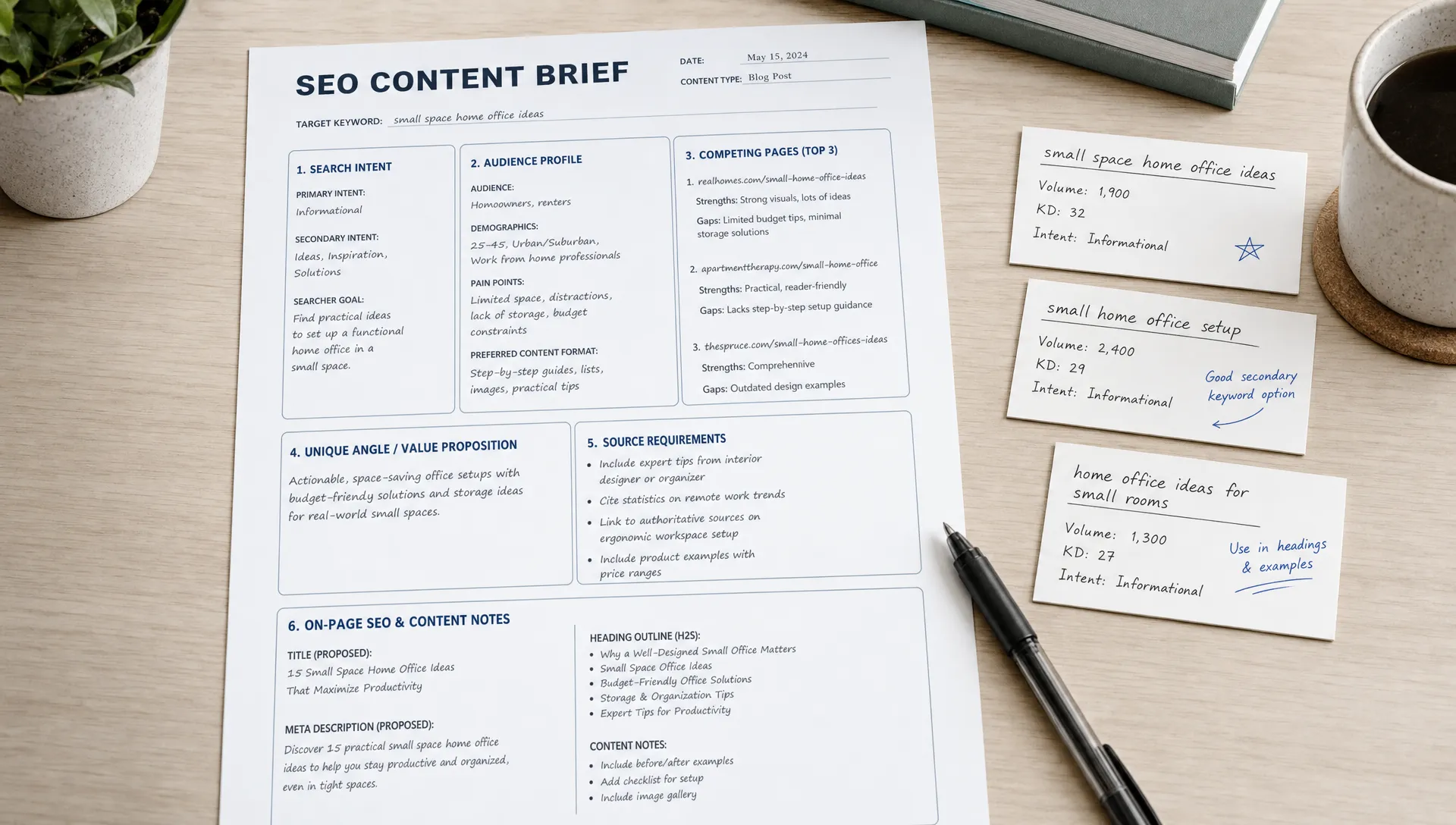
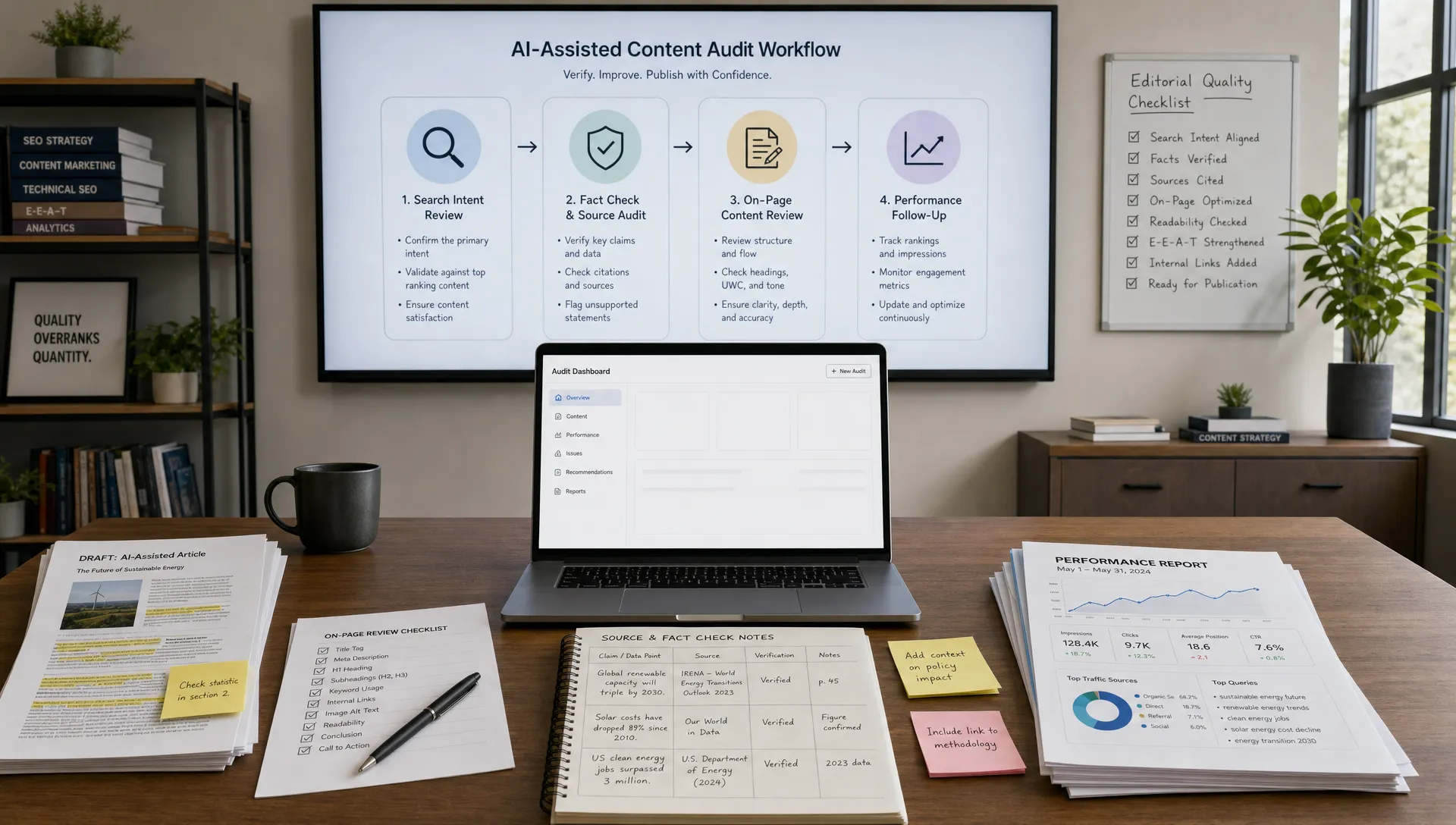
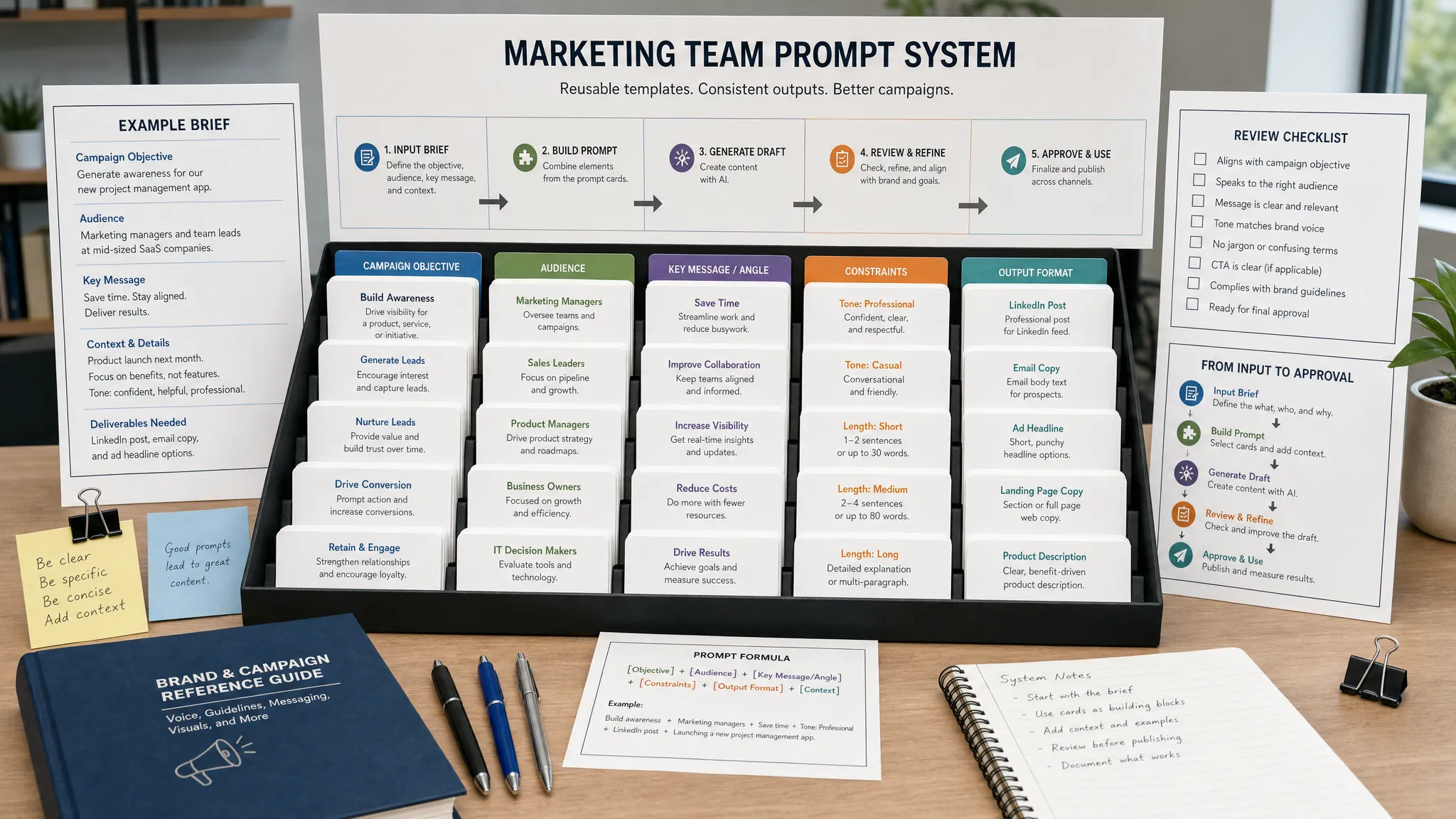
A 2026-ready AI content workflow usually includes audience pain-point mining, SEO and topic research, brand voice prompts, expert review, compliance checks, content repurposing, and post-publish analytics. This is especially useful for teams in SaaS, finance, legal, and professional services, where accuracy and trust matter as much as speed.
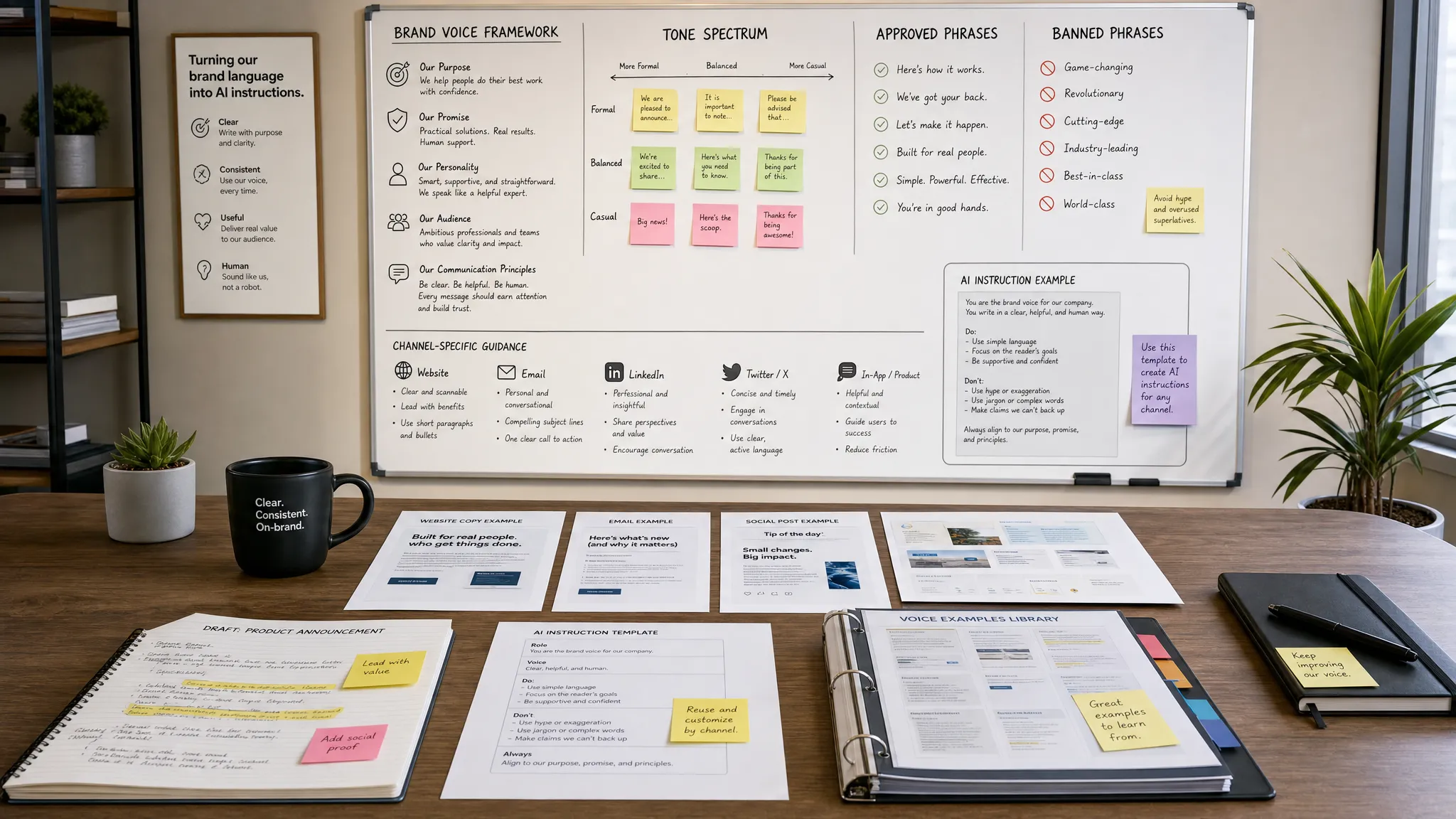
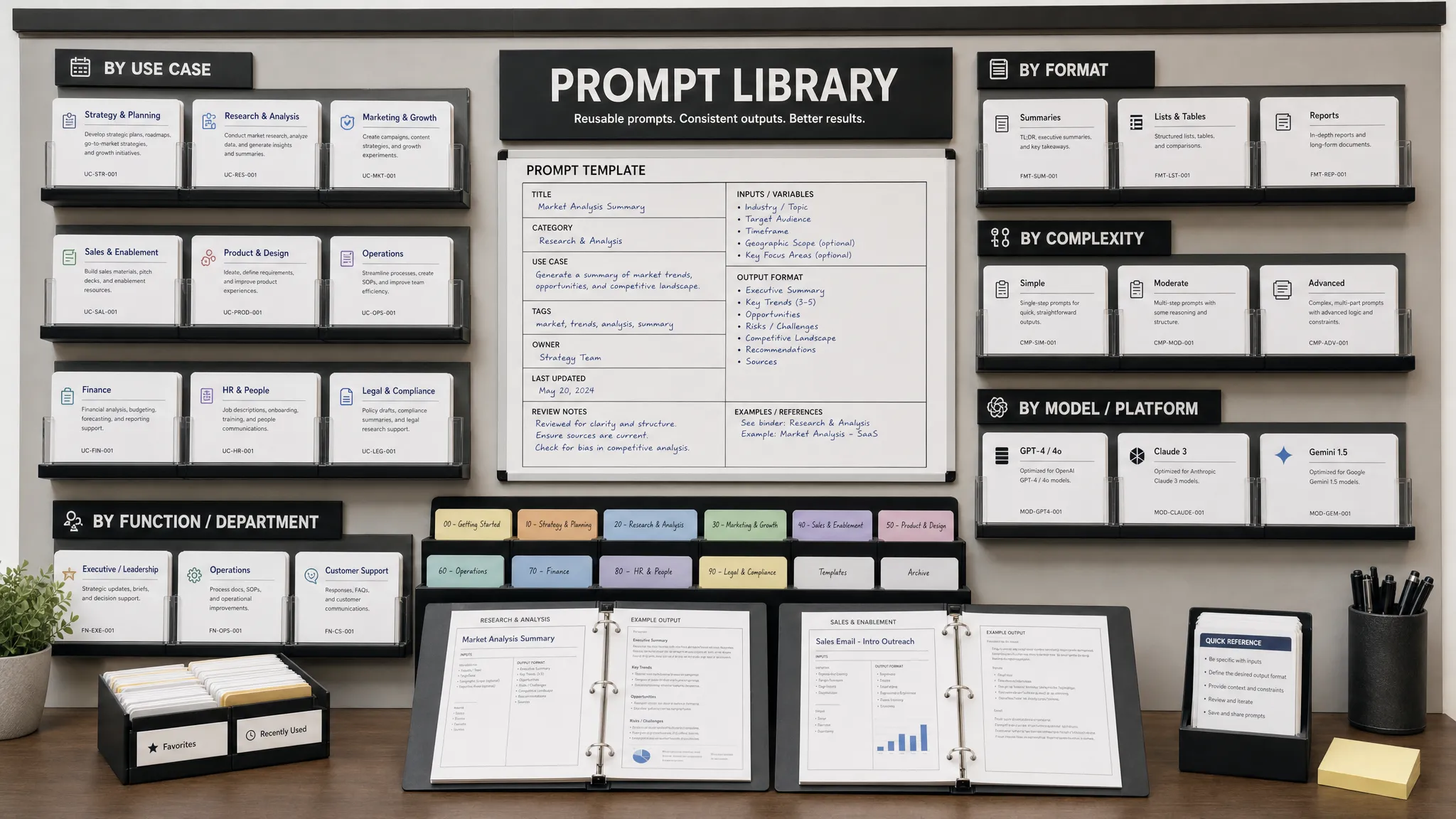
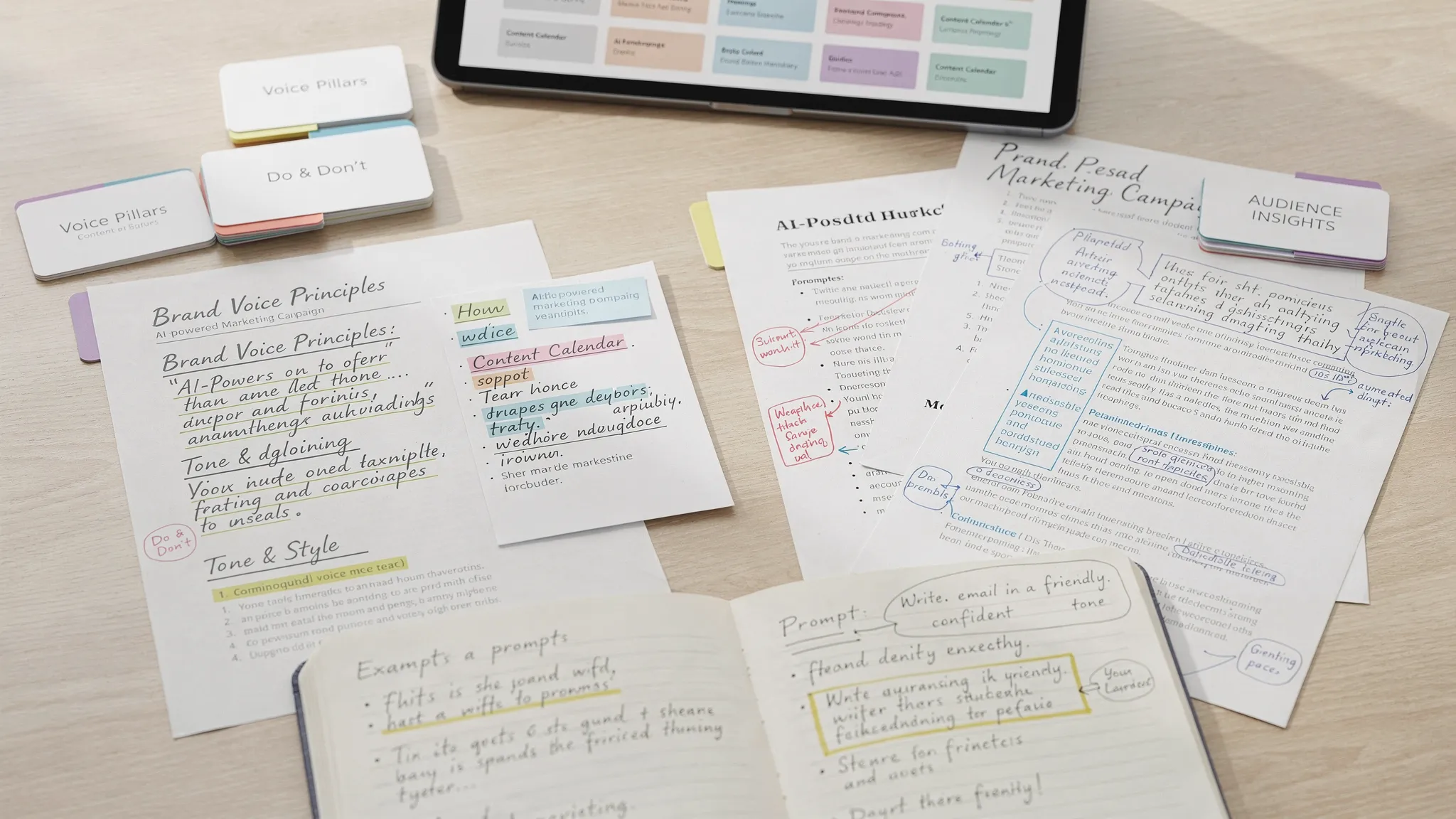
The key shift is governance. A strong prompt library, editorial standards, and human review process help prevent generic output. Teams that win with AI will be the ones that document what good looks like, train their tools on clear inputs, and use experts to refine the final message.
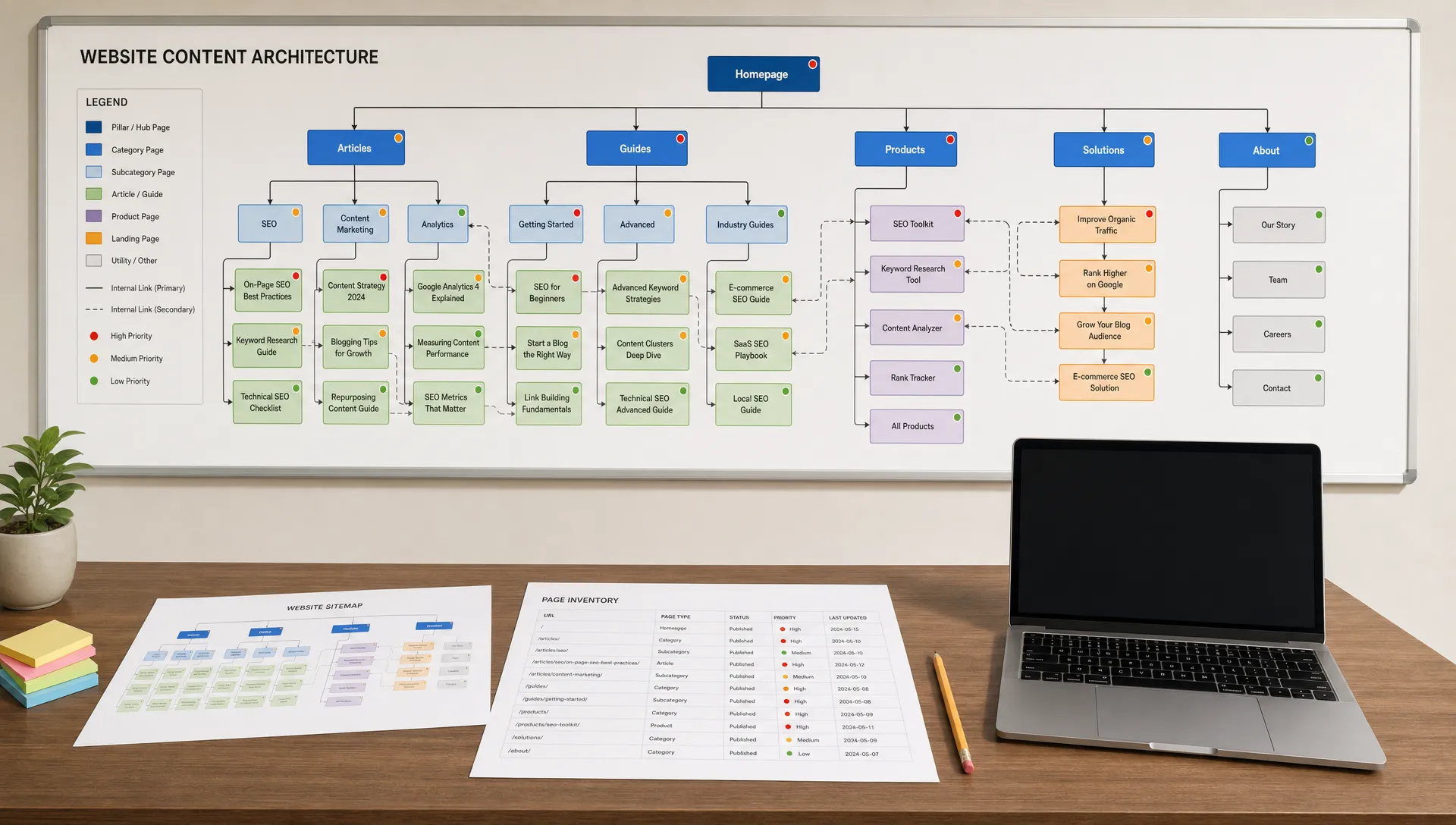
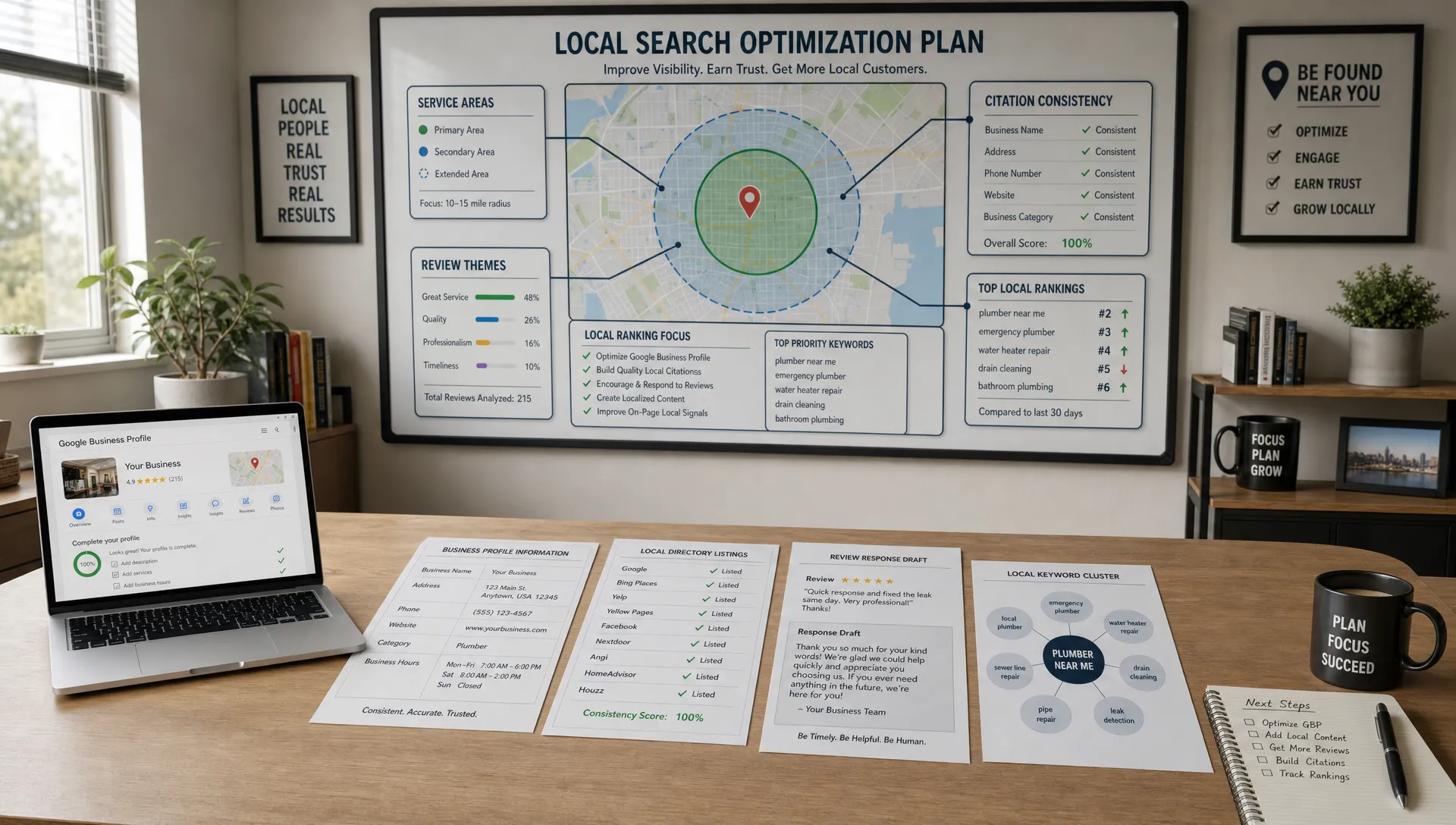
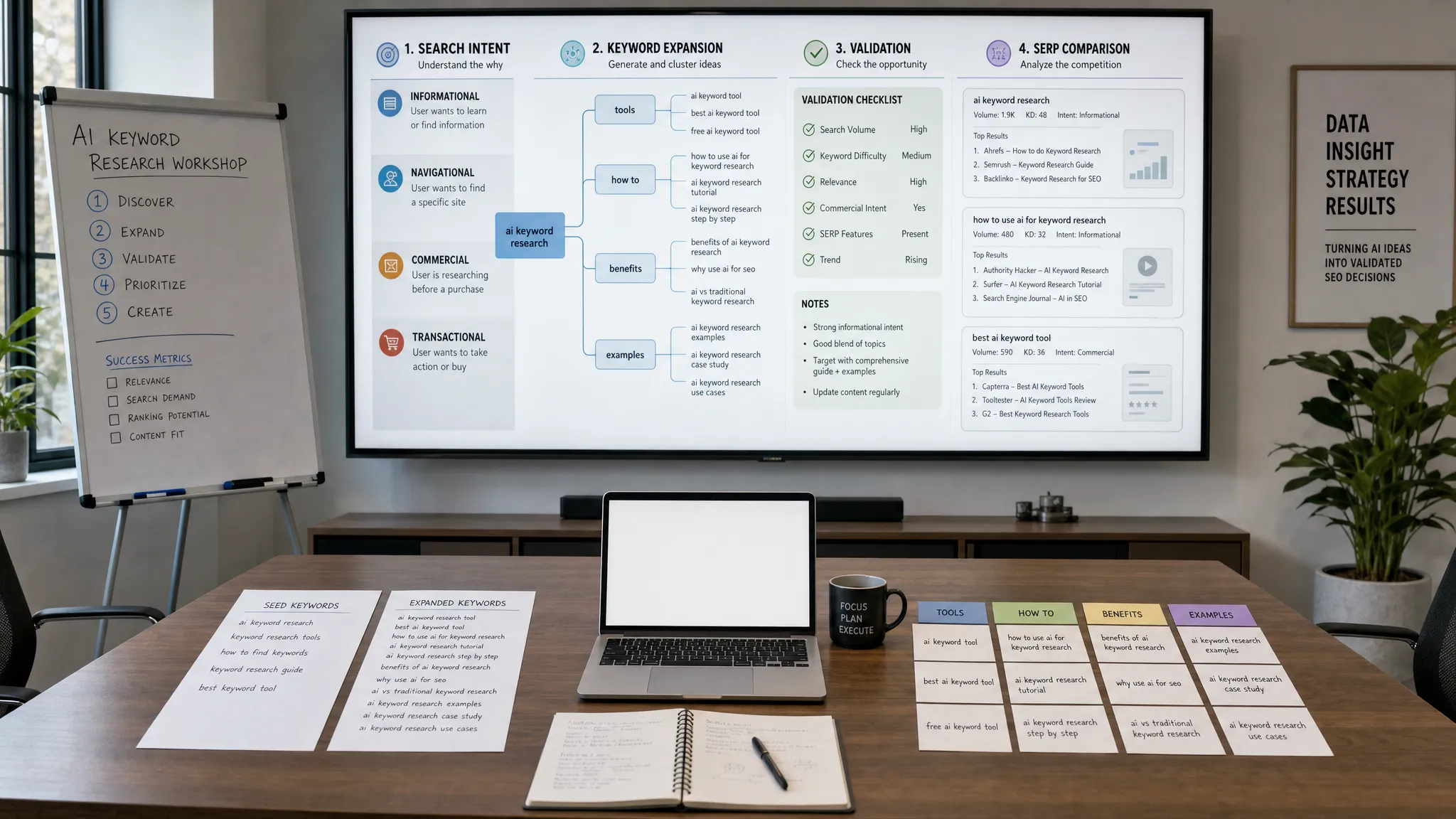
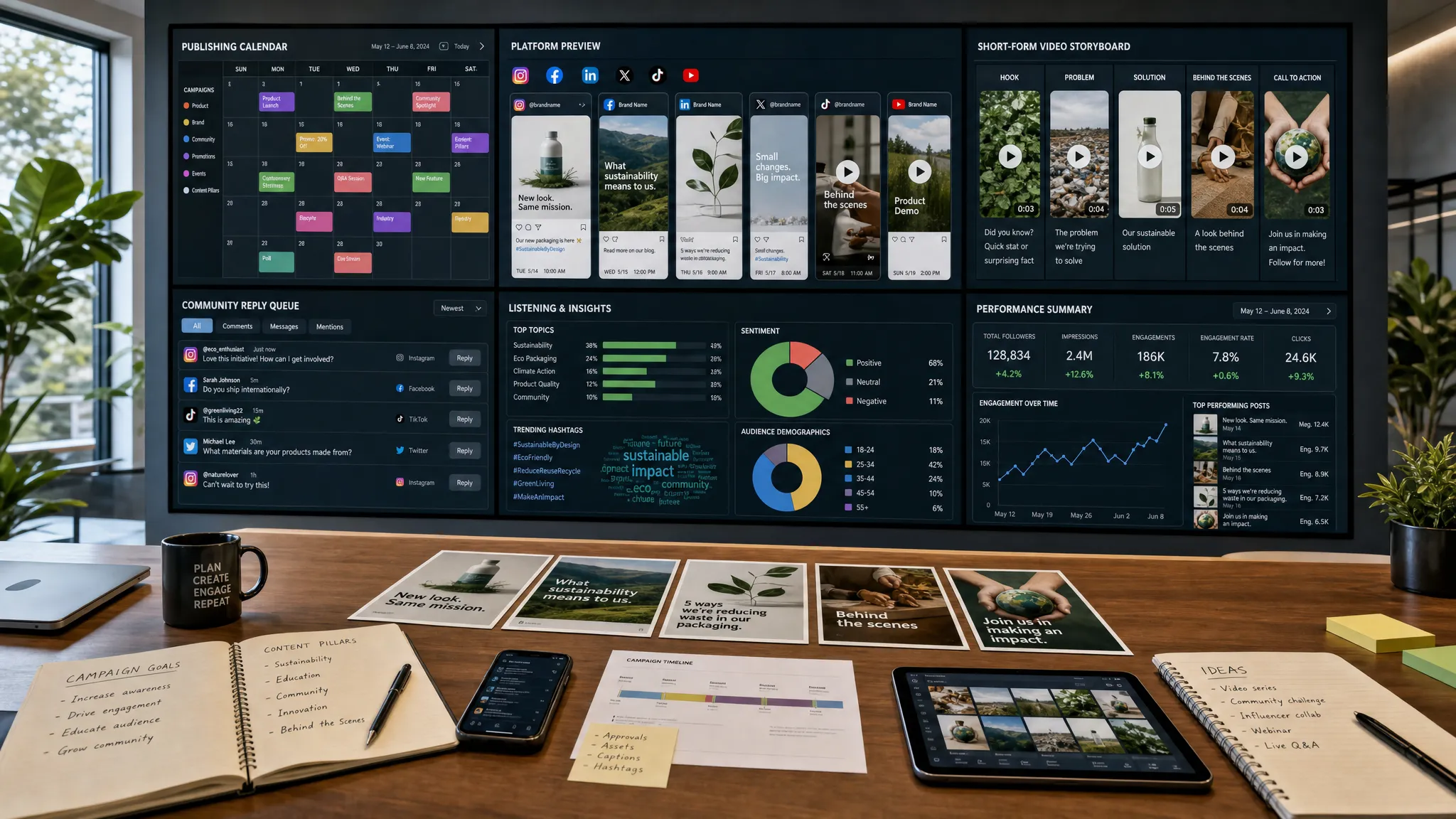
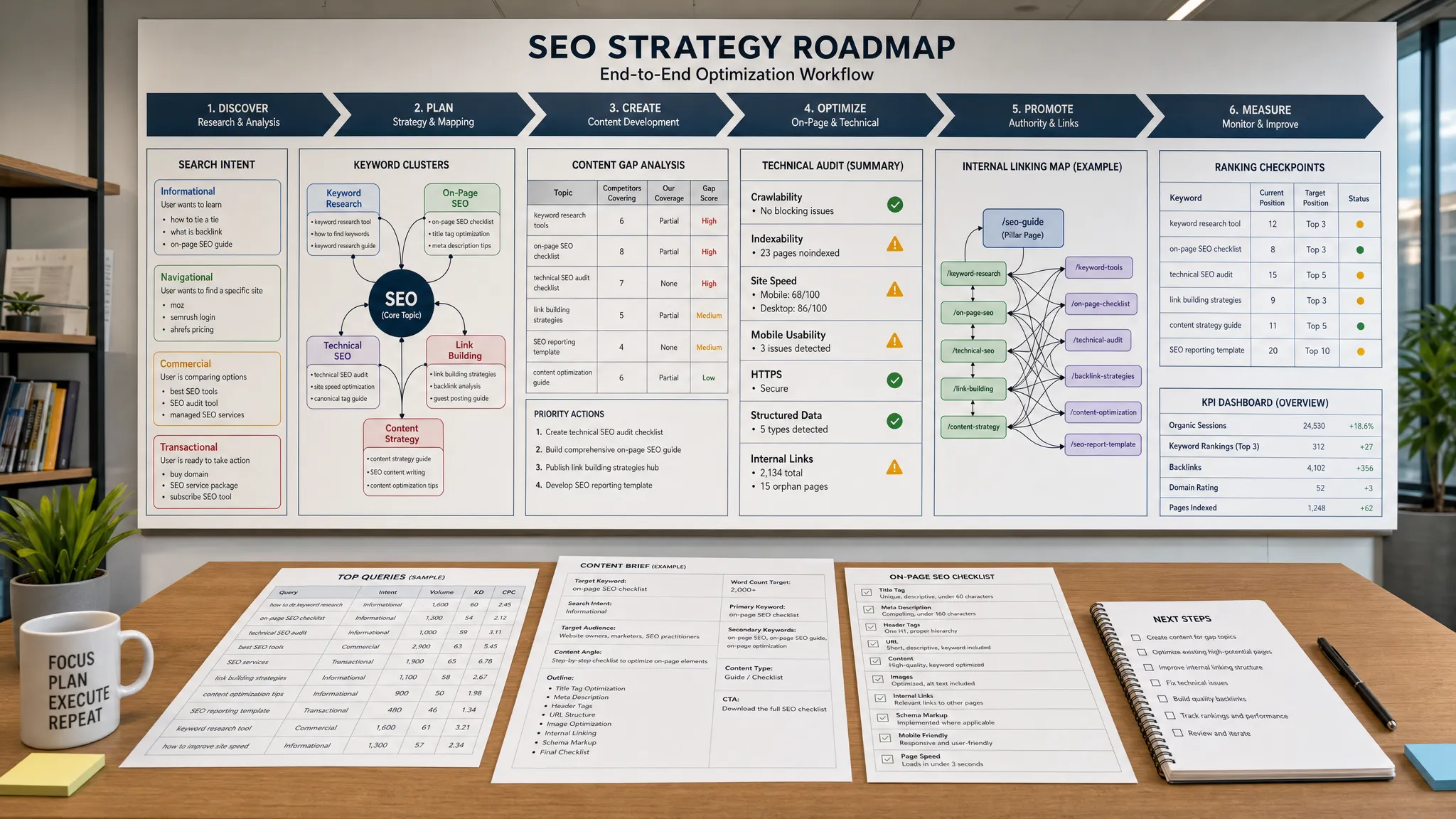
Google still matters, but buyers no longer search in one place. They look for product comparisons on YouTube, reviews in communities, quick explanations on TikTok, vendor opinions on LinkedIn, and summaries from AI-powered search experiences. That is why search everywhere optimization is one of the most important trending marketing shifts of 2026.
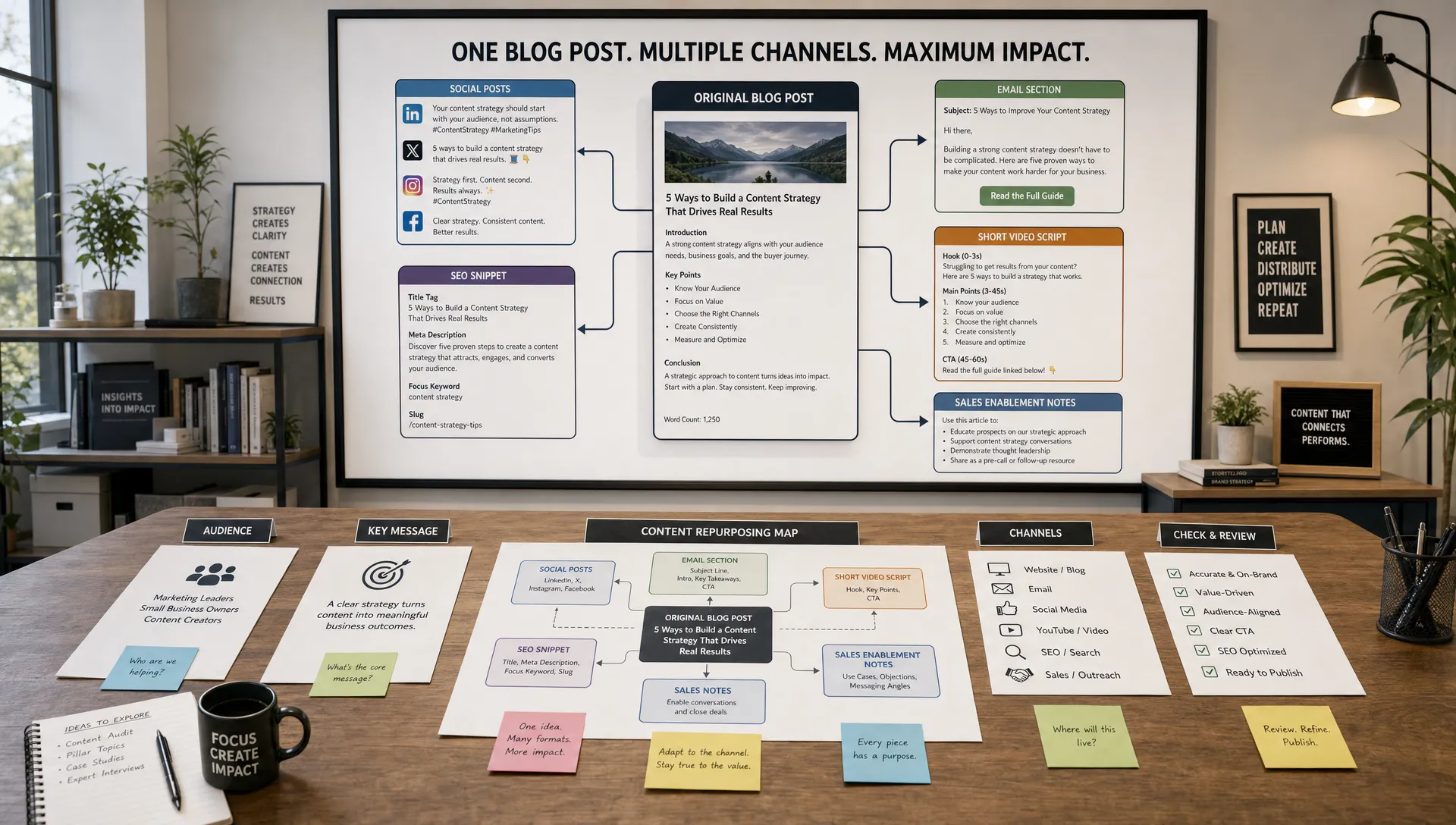
The practical idea is simple: optimize for how people discover, verify, and compare information across platforms. A blog article can still be the source of truth, but it should feed multiple discovery surfaces. A strong article can become a short video, a LinkedIn carousel, a founder post, a newsletter section, a sales enablement snippet, and a FAQ answer.
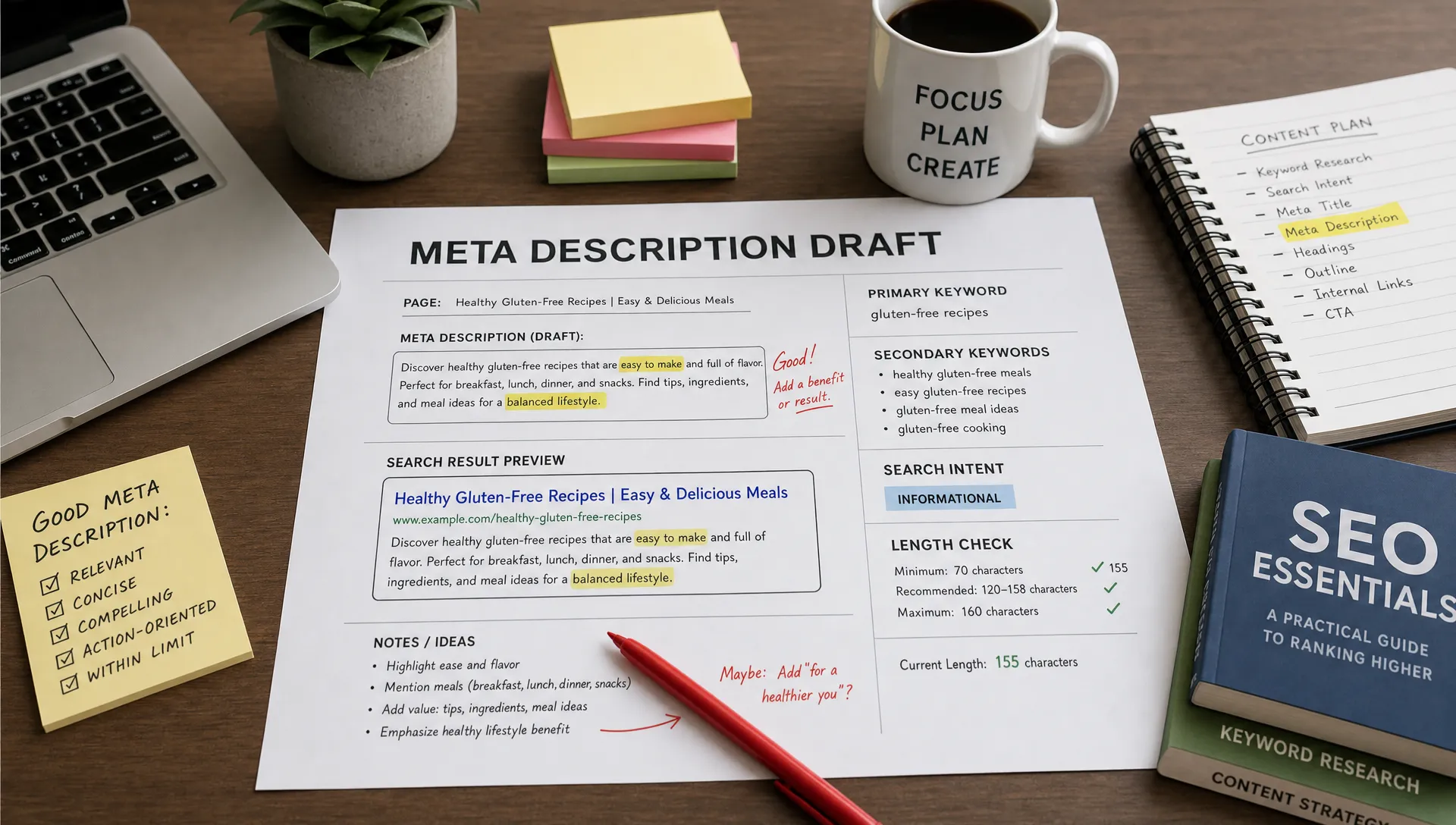
This does not mean abandoning SEO fundamentals. It means making content more useful, evidence-based, and easy to extract. Google has long emphasized creating helpful, reliable, people-first content through its Search Central guidance, and that principle is even more important in an AI-mediated search environment.
To adapt, build content around clear questions, original examples, expert commentary, and concise answers. Include comparison context, practical steps, and proof points where possible. The more your content helps buyers make decisions, the more useful it becomes across search, social, and sales conversations.
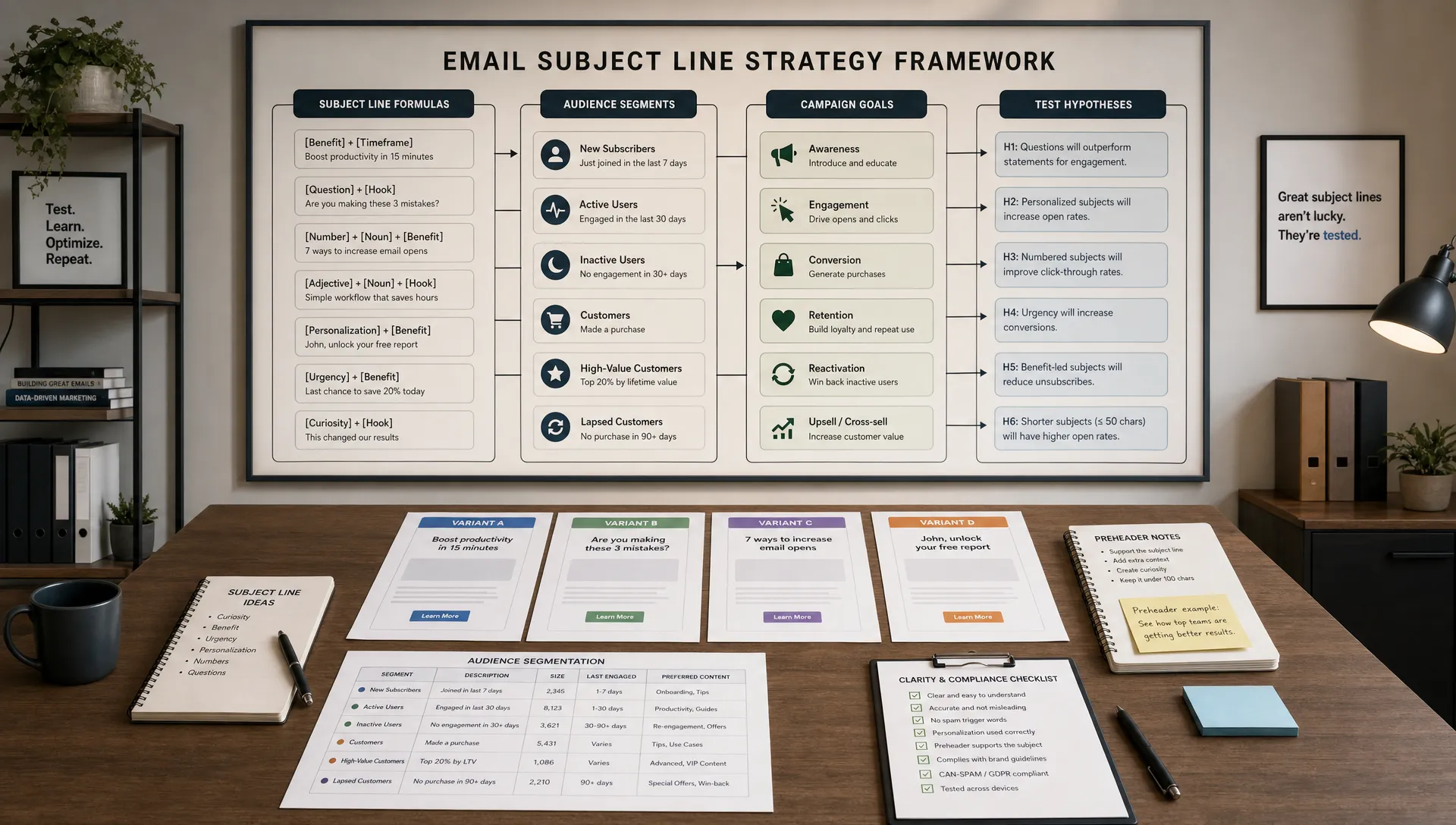
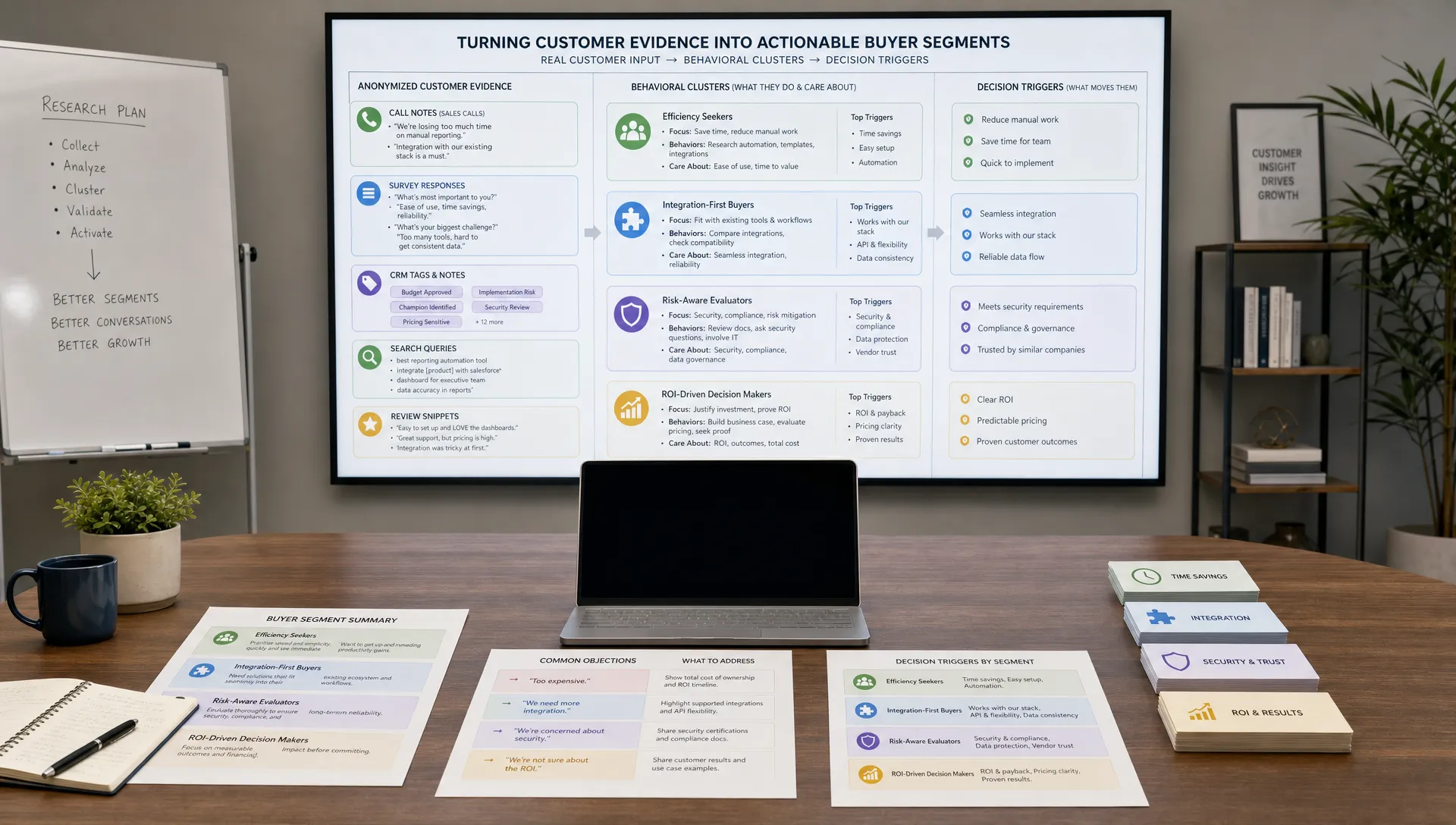
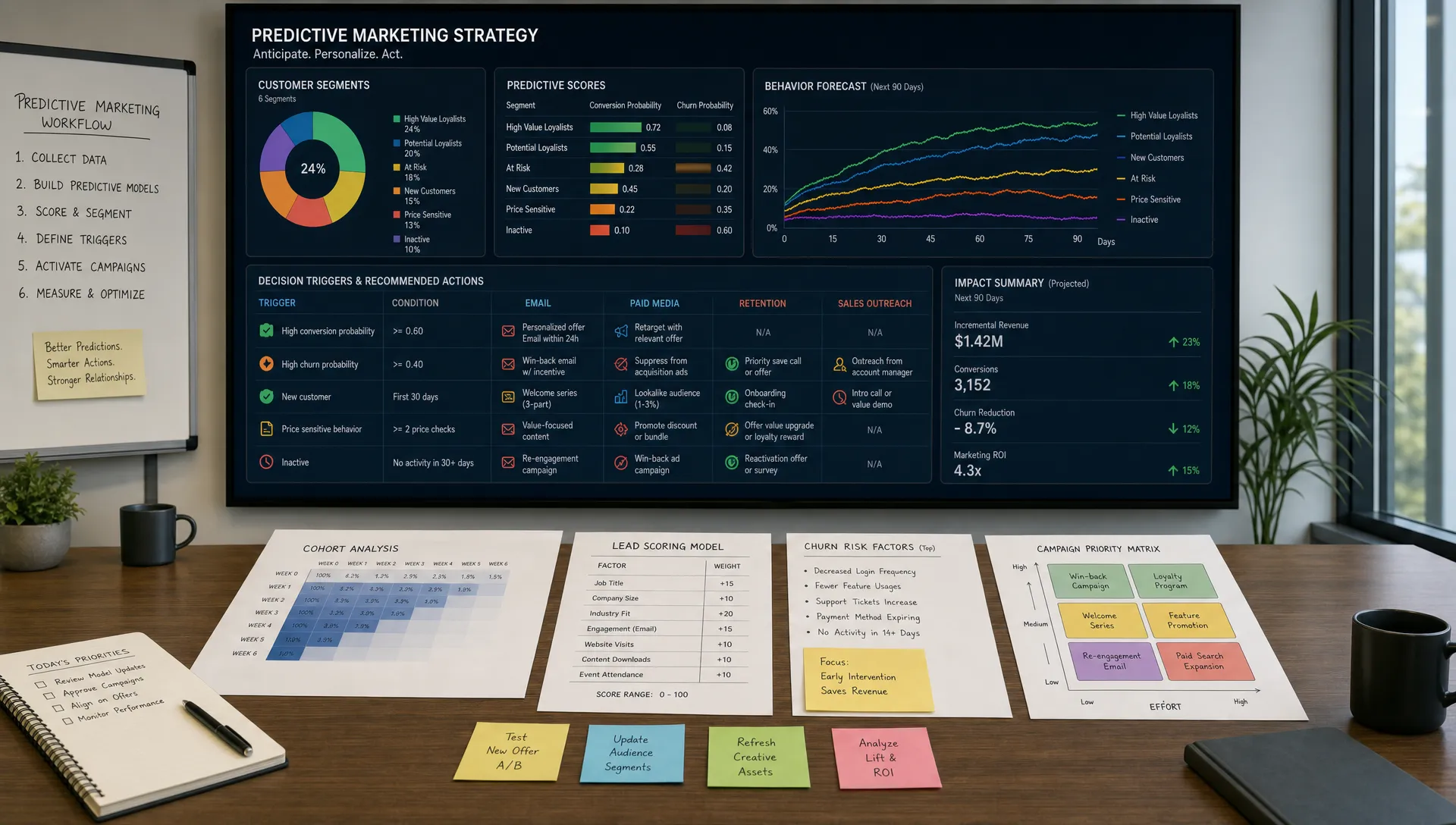
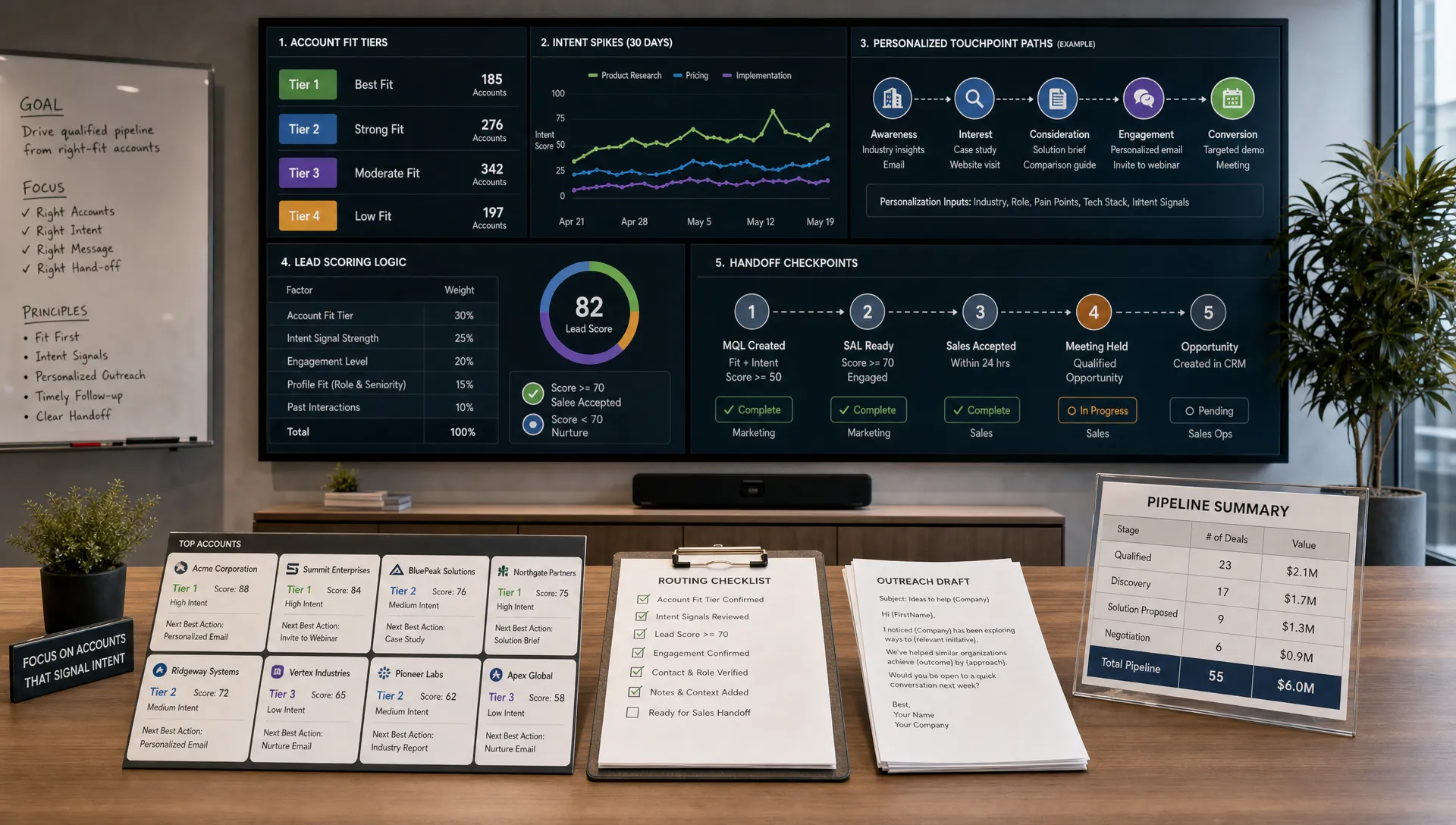
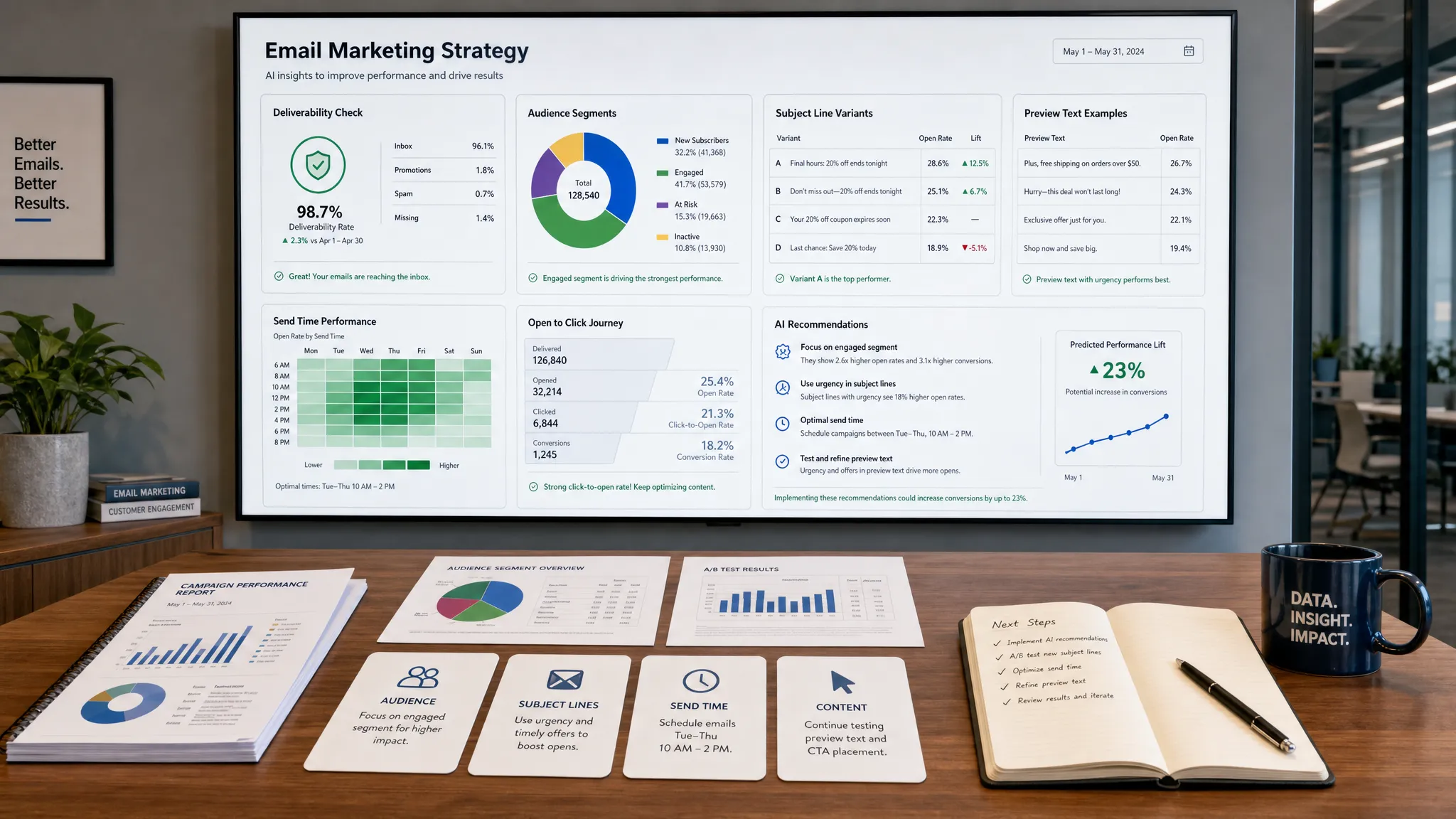
Personalization is not going away, but lazy personalization is. Adding a first name to an email subject line is no longer impressive. In 2026, effective personalization depends on consent-based first-party data, behavioral signals, and meaningful segmentation.
The most useful data often comes from value exchanges. Buyers will share information when they receive something helpful in return, such as a calculator, assessment, benchmark report, template, or diagnostic quiz. This is why interactive assets are gaining momentum across B2B and B2C marketing.
For example, a SaaS company might offer an efficiency calculator that helps prospects estimate time saved. A finance brand might provide loan or salary calculators. A legal services firm might use a readiness checklist to route visitors to the right guide. Each interaction gives the brand better insight into audience needs while giving the user immediate value.
The tactic works best when teams are transparent about data use. Ask only for what you need, explain why it matters, and use the information to improve the customer experience. Trust is a competitive advantage, especially when privacy expectations continue to rise.
Audiences are increasingly resistant to polished brand claims. They want to hear from people: practitioners, customers, founders, analysts, employees, and niche creators who understand the problem.
That is why creator-led marketing continues to grow in 2026. This does not only mean influencer sponsorships. It includes employee advocacy, executive thought leadership, customer storytelling, expert collaborations, and community-led education.
The most effective creator programs are built around fit, not follower count. A small creator with deep credibility in a niche can outperform a broad influencer with a large but passive audience. This is especially true in B2B, where buying decisions are complex and trust is built over multiple touchpoints.
Brands should also take disclosure seriously. The FTC’s guidance for social media endorsements makes clear that sponsored relationships should be transparent. In practice, clear disclosure is not just a compliance issue. It protects the trust that makes creator marketing valuable in the first place.
Chatbots, live chat, and automated email flows have been around for years. What is changing in 2026 is the quality of conversations and the connection to revenue outcomes.
Buyers expect faster answers, but they also expect context. They do not want to restart the same conversation every time they move from an ad to a landing page, from a landing page to a demo request, or from a demo request to a sales call. Marketing teams need to design conversational journeys that feel connected.
This includes better qualification flows, smarter routing, AI-assisted response suggestions, and tighter alignment between marketing and sales. It also includes training teams to handle objections, discovery calls, and service interactions with more confidence. For high-consideration products, tools that provide AI roleplay training for sales and service teams can help teams practice real scenarios, improve messaging consistency, and turn marketing-generated demand into stronger conversations.
The lesson for marketers is direct: campaign performance does not end at the form fill. The handoff, follow-up, and customer conversation are part of the marketing system.
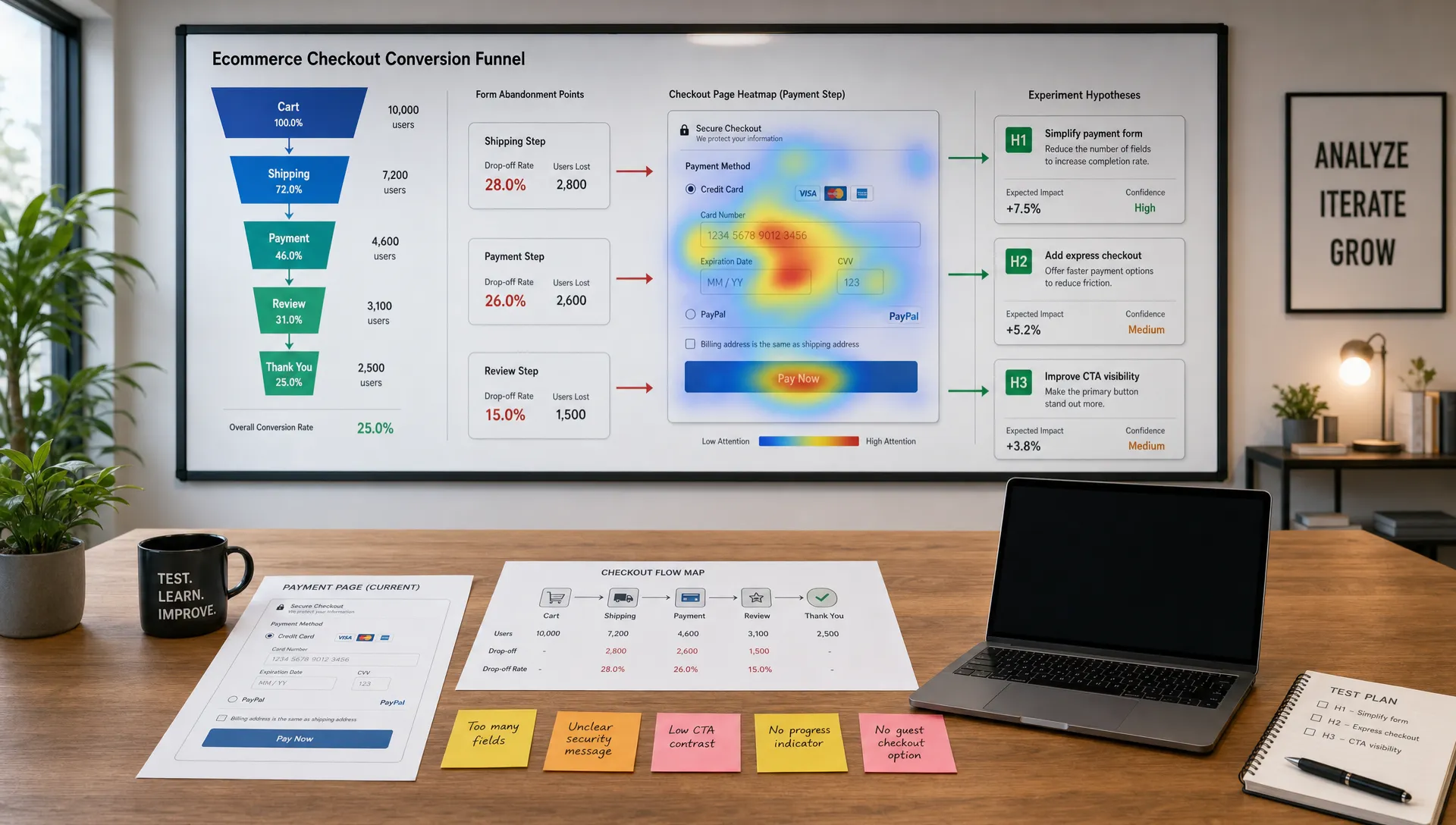
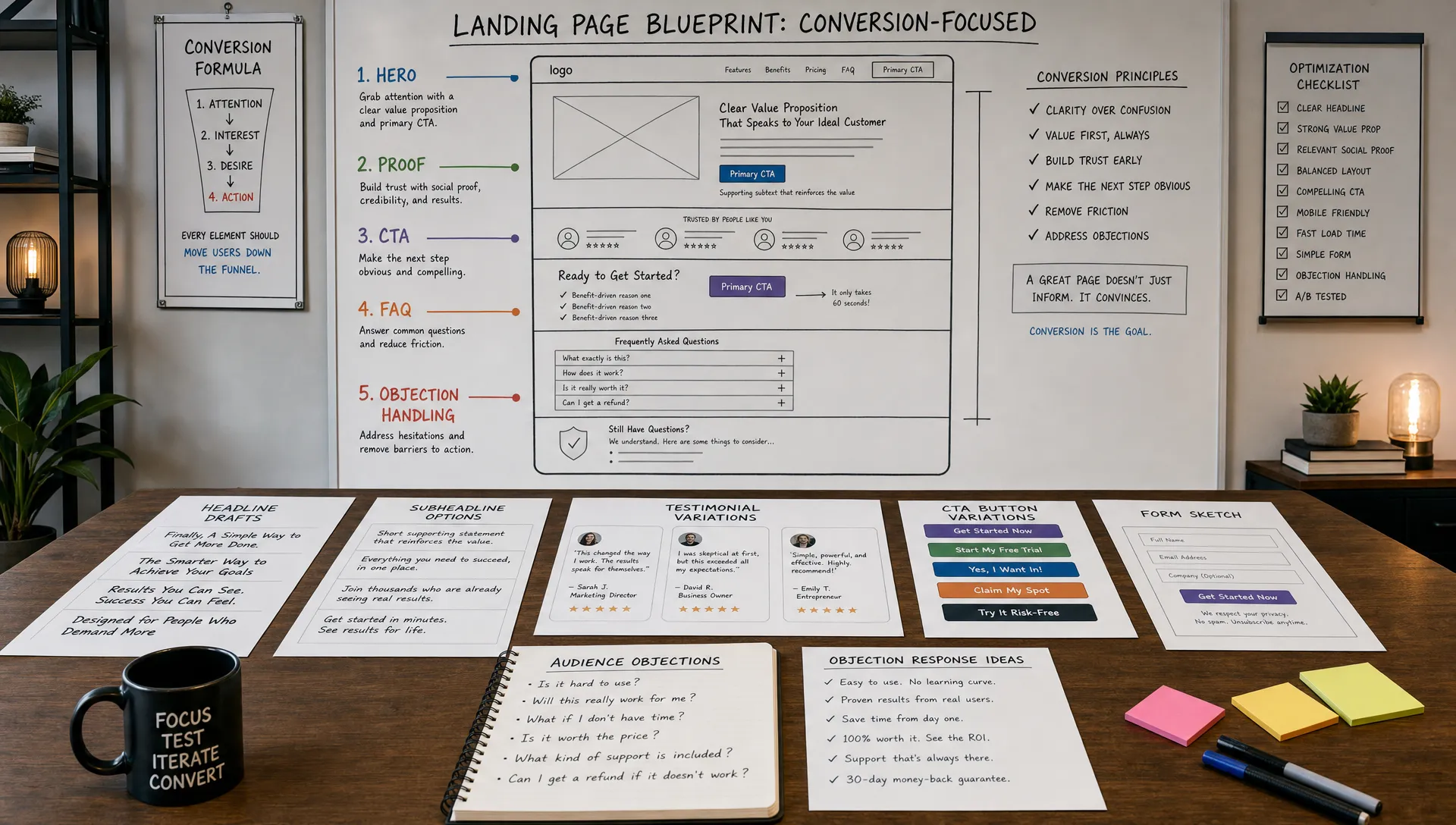
Creative is now one of the biggest levers in paid media performance. Targeting options have become more automated across ad platforms, which means the message, offer, format, and creative angle often determine whether campaigns scale.
In 2026, leading teams treat creative like a testing discipline. They build variations around specific hypotheses rather than random design preferences. One ad might test a pain-point angle, another might test a proof-based angle, and another might test a comparison angle. AI can help generate variations, but performance data decides what stays.
The best creative testing systems document learnings. If an ad works, the team should know why. Was it the hook, the audience insight, the visual, the offer, or the landing page match? Without that learning loop, teams keep paying for the same discoveries.
For lean teams, the simplest approach is to test one variable at a time whenever possible. Refresh hooks before rebuilding entire campaigns. Repurpose winning organic posts into paid creative. Turn customer objections into ad angles. Use performance analytics to identify patterns, not just winners and losers.
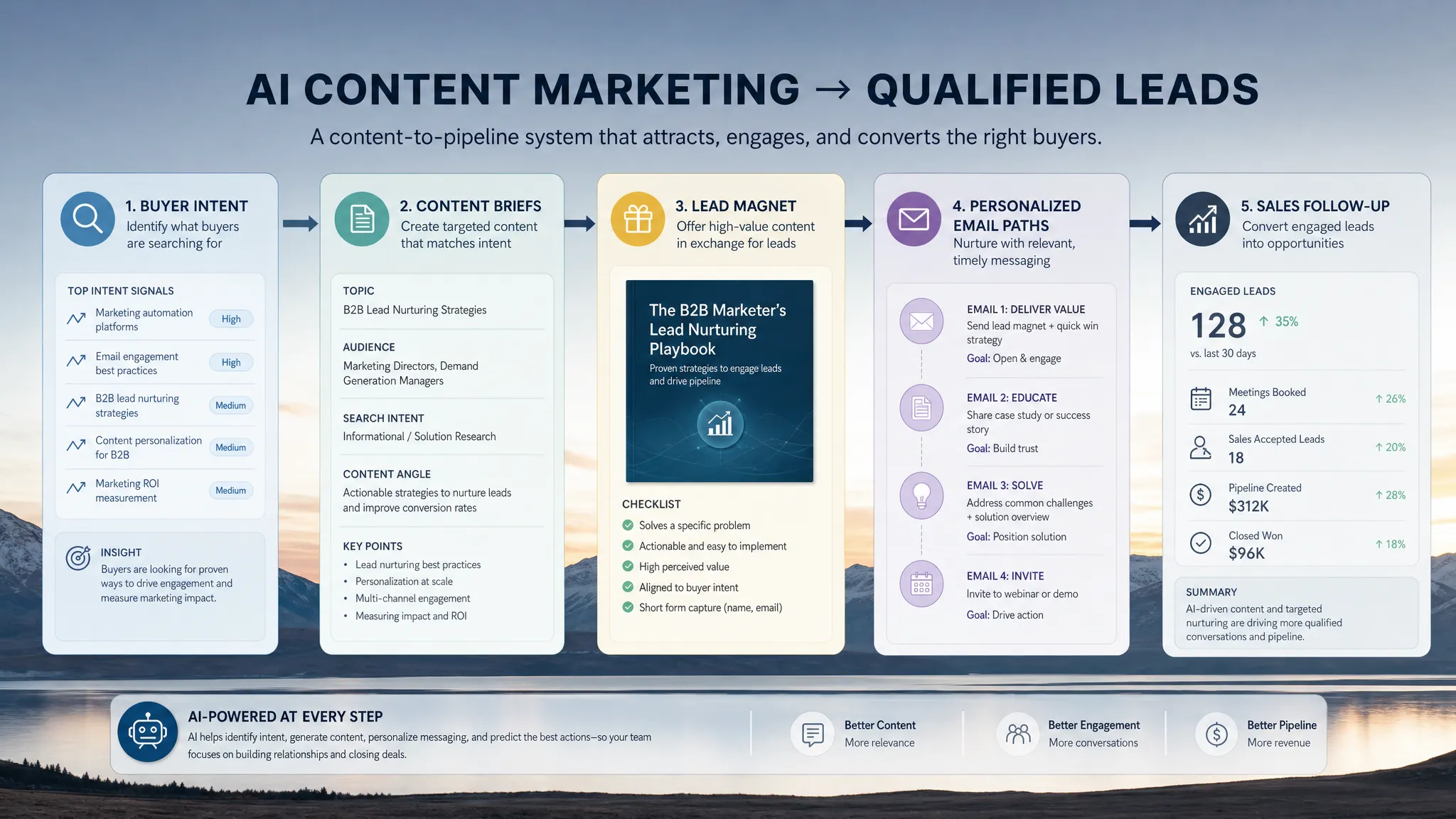
The old lead magnet playbook is losing power. A generic PDF behind a form rarely feels valuable enough to earn attention. Buyers want tools that help them solve a problem immediately.
Interactive assets are a stronger fit for 2026 because they create value and data at the same time. Examples include ROI calculators, budget planners, readiness assessments, maturity scores, comparison tools, and personalized checklists. These assets can support SEO, paid campaigns, sales outreach, and lifecycle nurturing.
A good interactive asset should answer a real question your audience already has. How much could I save? Which option fits my situation? What should I prioritize next? How do I compare to peers? When the output feels useful, the interaction builds trust before a sales conversation begins.
This tactic is especially powerful when combined with segmented follow-up. Someone who completes a readiness assessment should not receive a generic newsletter sequence. They should receive content that matches their result, role, industry, or challenge.
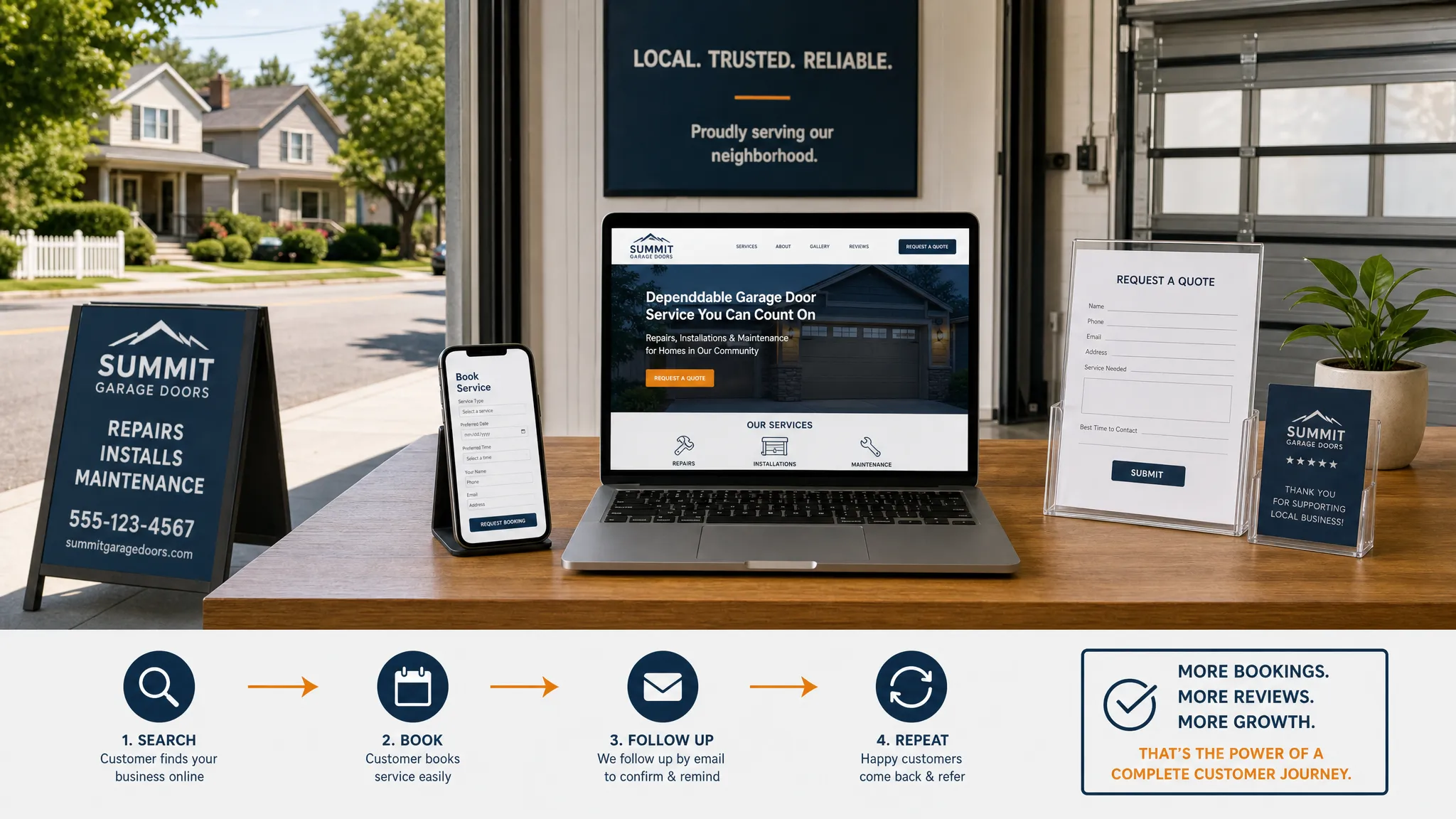
Acquisition gets attention, but lifecycle marketing often creates the strongest compounding growth. In 2026, more teams are investing in the full customer journey: activation, onboarding, adoption, retention, expansion, and advocacy.
This matters because paid acquisition is competitive and buyers take longer to decide. A brand that nurtures existing leads and customers well can improve conversion rates without constantly increasing ad spend.
Lifecycle marketing works best when it is behavior-based. Instead of sending every contact the same sequence, use signals such as content viewed, calculator results, product usage, demo attendance, abandoned signup, or renewal timing. The message should match the customer’s current stage and next best action.
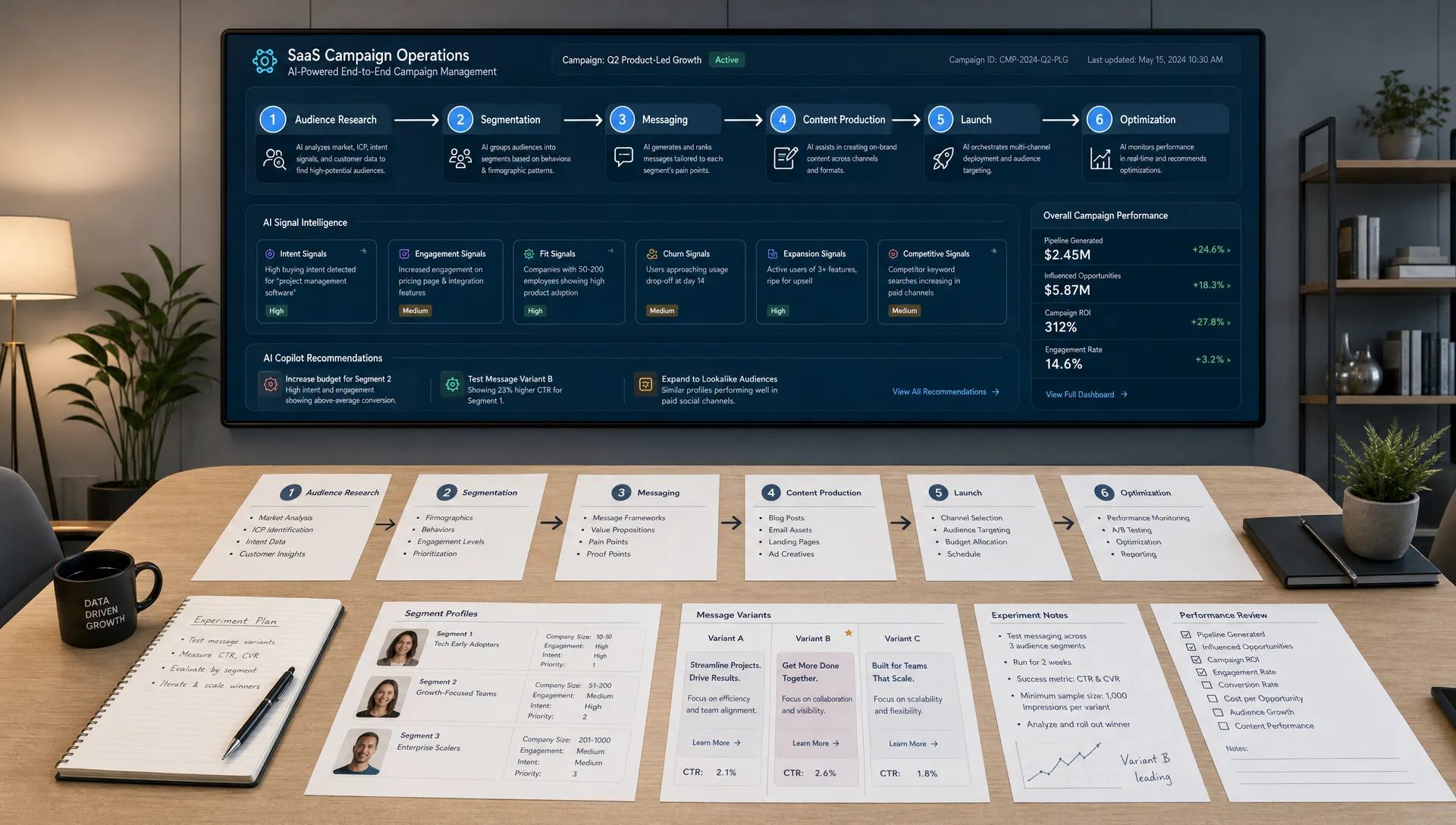
This is also where AI can make a practical difference. AI can help summarize account behavior, suggest segments, draft nurture variations, identify churn signals, and surface content gaps. But strategy still comes first. Automation only works when the journey is mapped clearly.
AI adoption is accelerating, but customer skepticism is rising too. People want to know when AI is used, how data is handled, and whether outputs are accurate. In 2026, responsible AI is not just an internal policy. It is part of brand trust.
Marketing teams should create clear AI usage guidelines for content, customer communication, data analysis, personalization, and creative production. These guidelines should define what can be automated, what requires human review, and how accuracy is checked.
The NIST AI Risk Management Framework is a useful reference for organizations thinking about trustworthy AI practices. Marketers do not need to become compliance officers, but they do need to understand risk, transparency, and accountability.
In practical terms, trust-centered AI means fact-checking AI-assisted content, protecting customer data, avoiding deceptive personalization, labeling synthetic assets when appropriate, and keeping humans involved in sensitive decisions. Brands that handle this well will stand out as AI-generated content becomes more common.
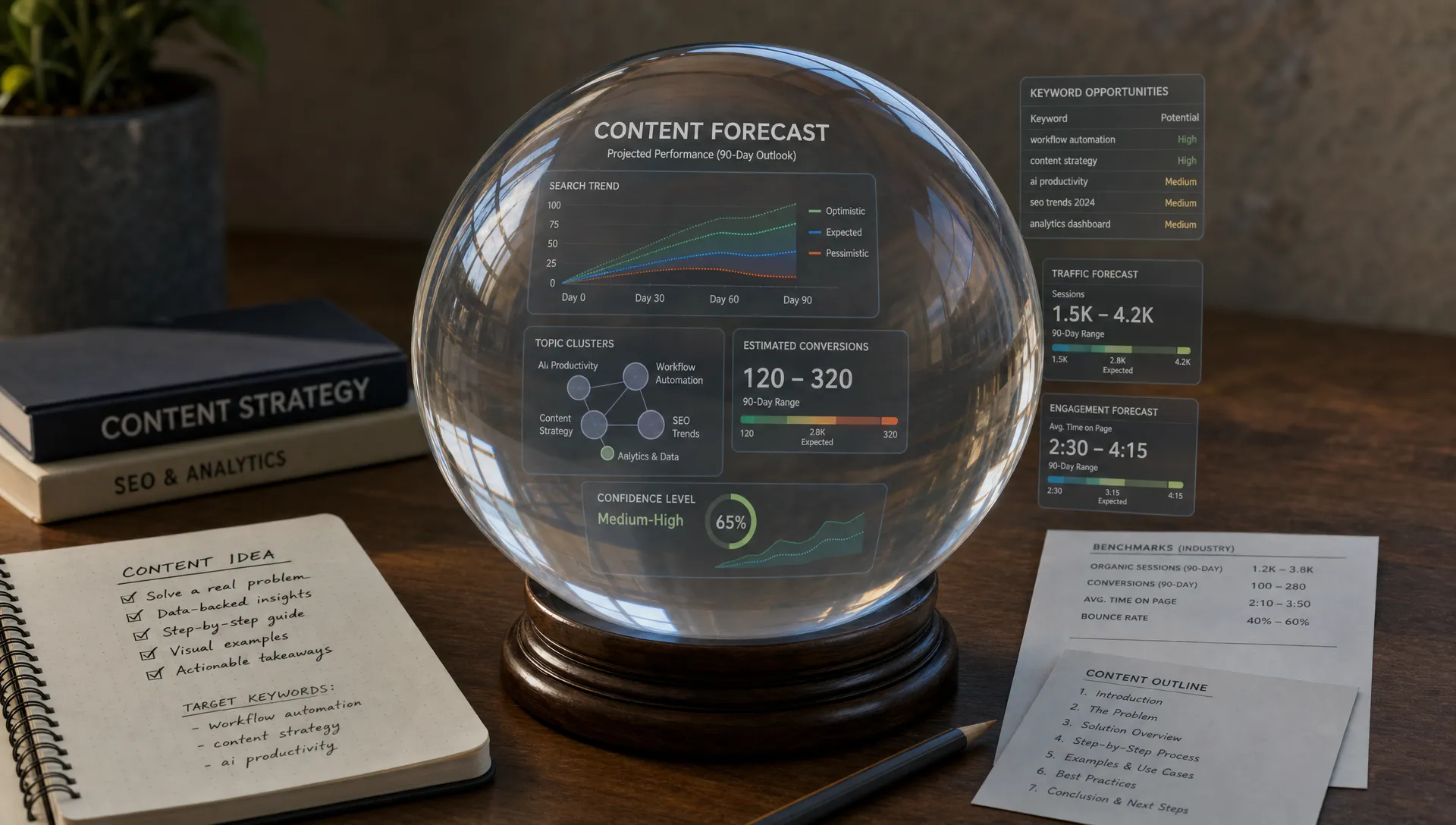
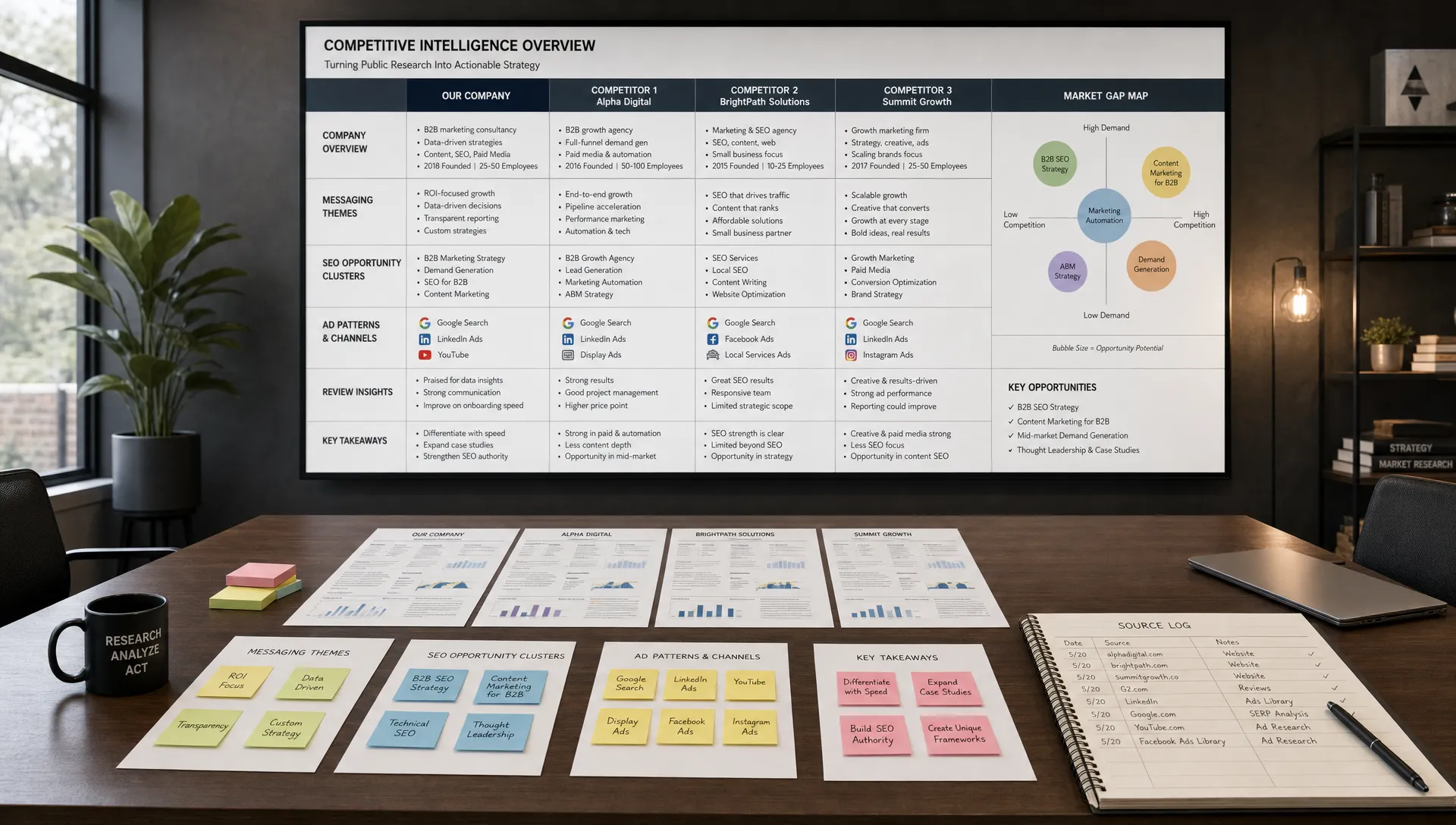
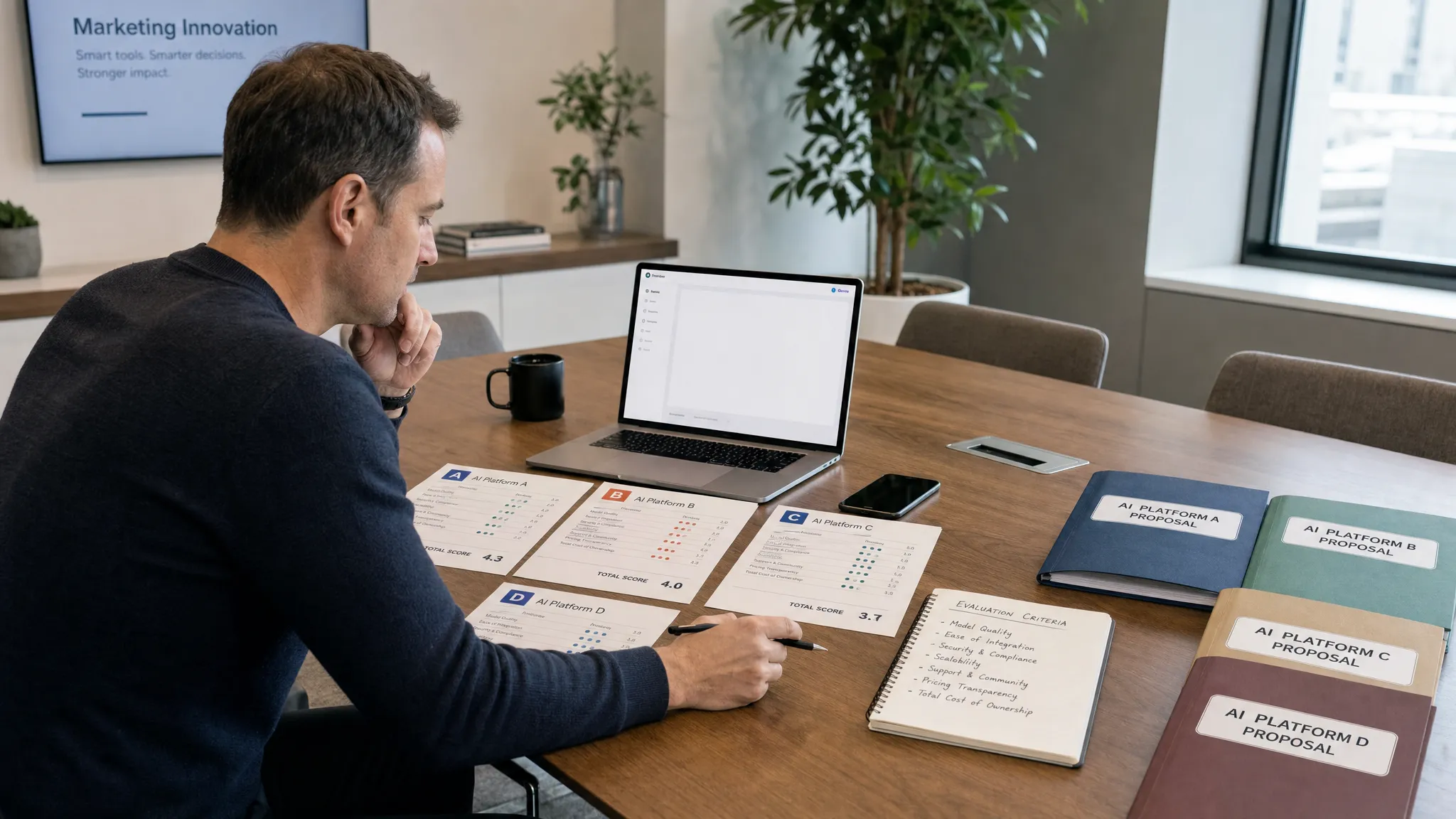
The biggest mistake teams make is trying to adopt every new tactic at once. Trend chasing creates fragmented execution, unclear measurement, and burned-out teams. A better approach is to score each tactic against your audience, resources, and revenue goals.
Use this simple filter before adding a tactic to your roadmap:
A tactic with moderate hype but strong fit is better than a high-hype tactic your team cannot execute. For example, a B2B legal technology company may get more value from expert-led webinars, comparison content, and lifecycle email than from chasing a new social format. A consumer brand with strong visual appeal may prioritize creator partnerships, short-form video, and performance creative testing.
The best marketing plans in 2026 will be selective. They will focus on a few high-fit plays, execute them consistently, and use data to improve.
If you want to act on these trends without overwhelming your team, start with a focused 30-day sprint. The goal is not to transform your entire marketing function in a month. The goal is to create momentum and build a repeatable operating rhythm.
At the end of the sprint, decide whether to scale, refine, or stop. That discipline is what separates strategic marketing from random activity.
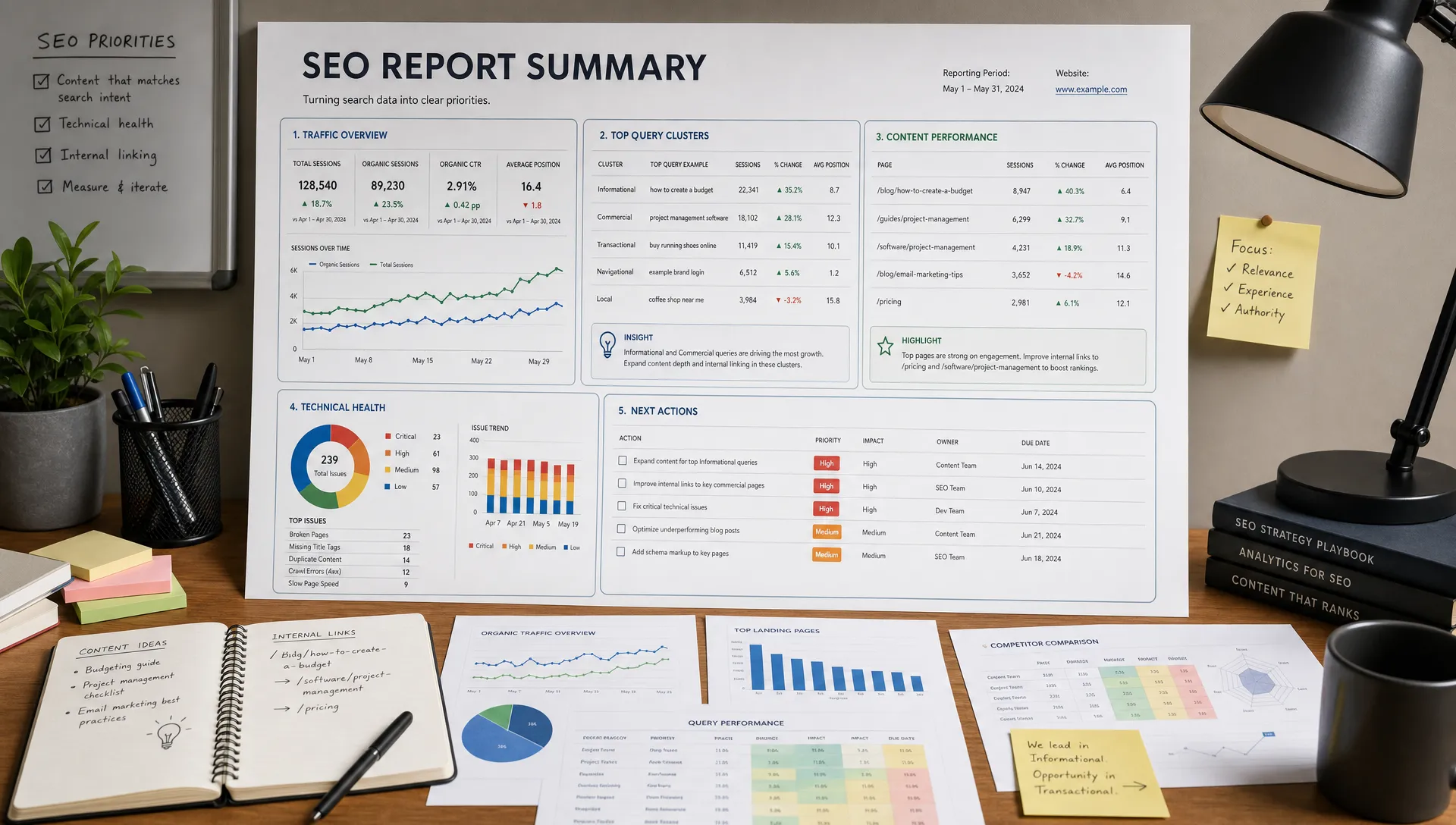
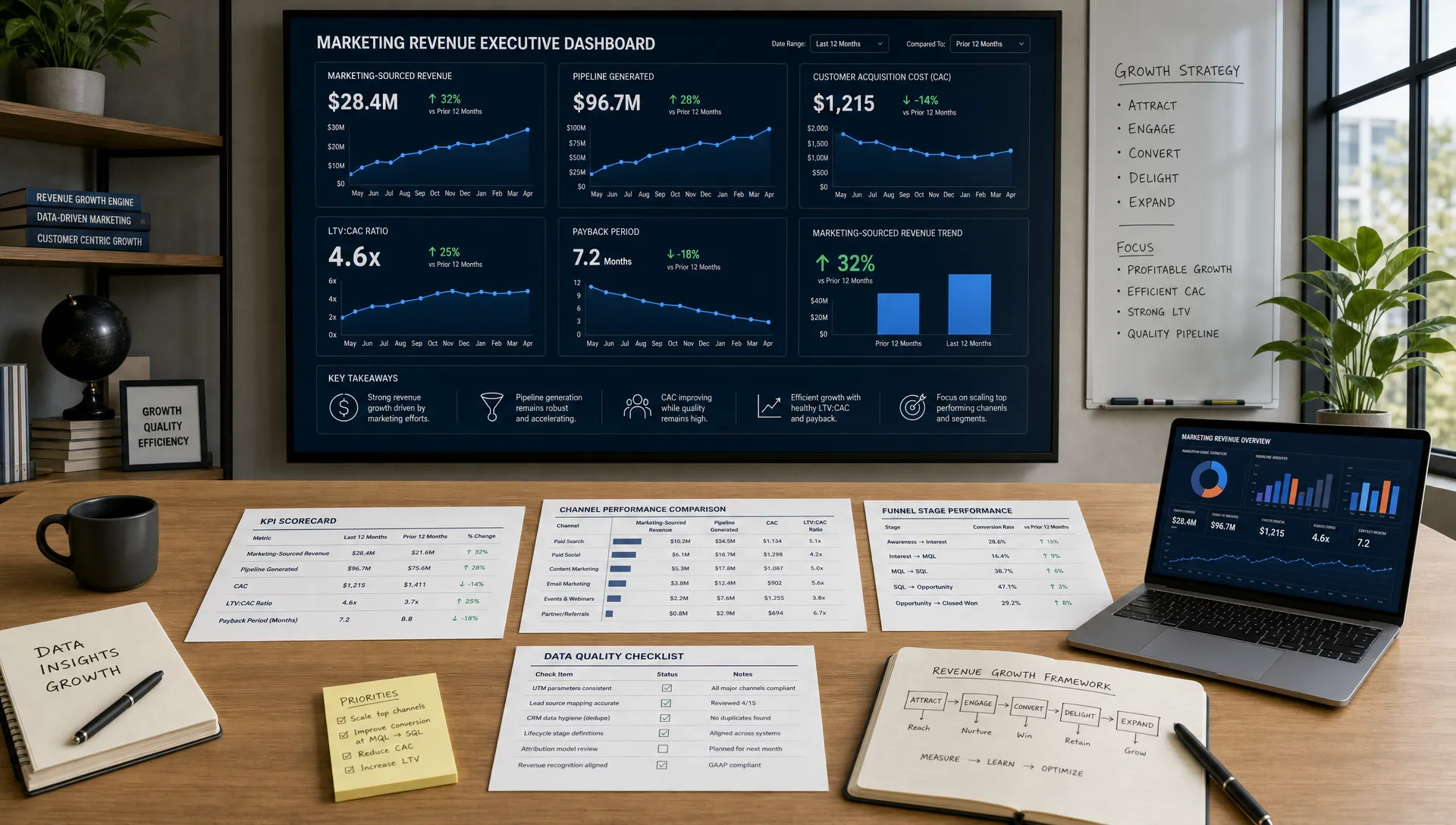
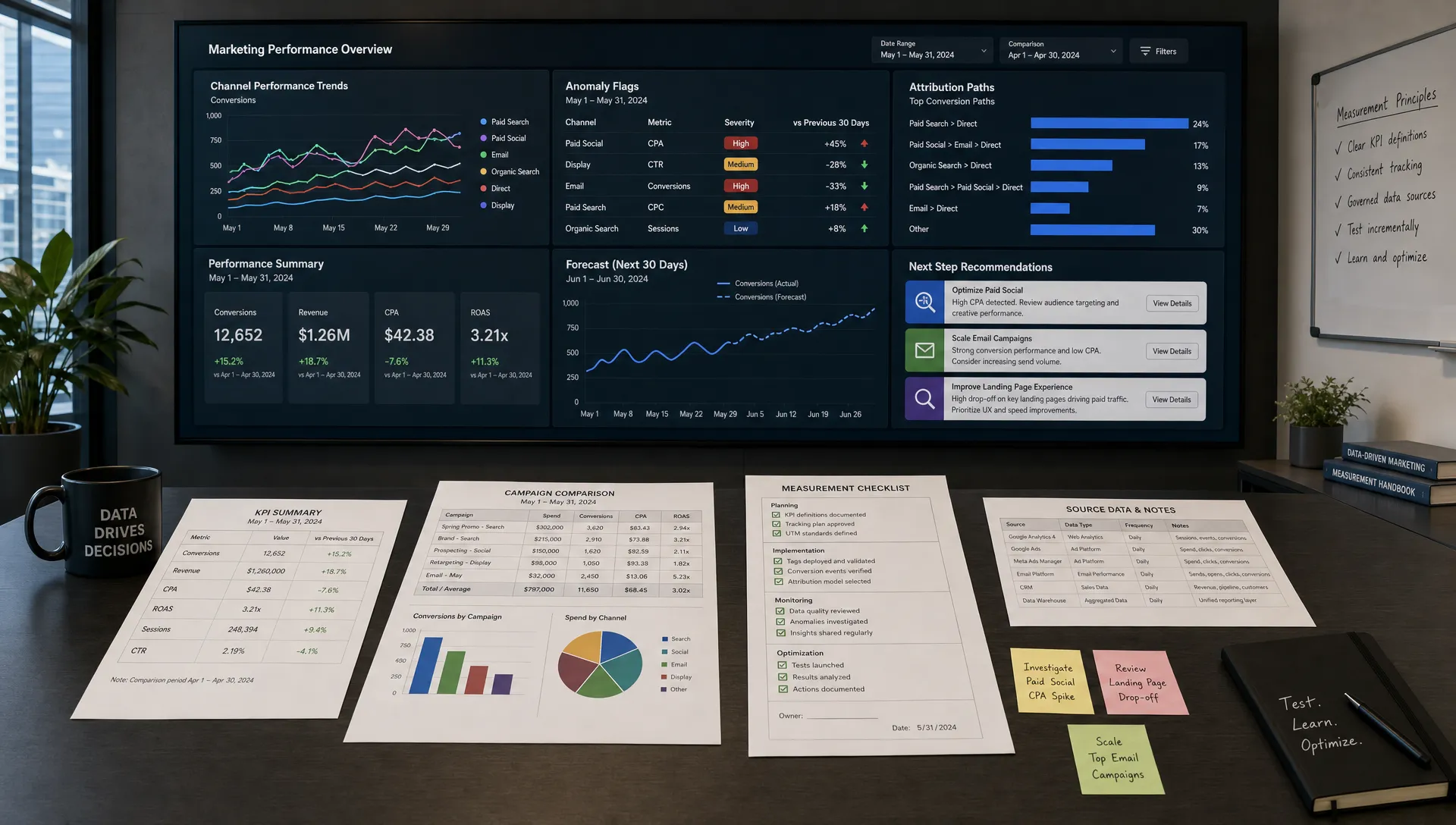
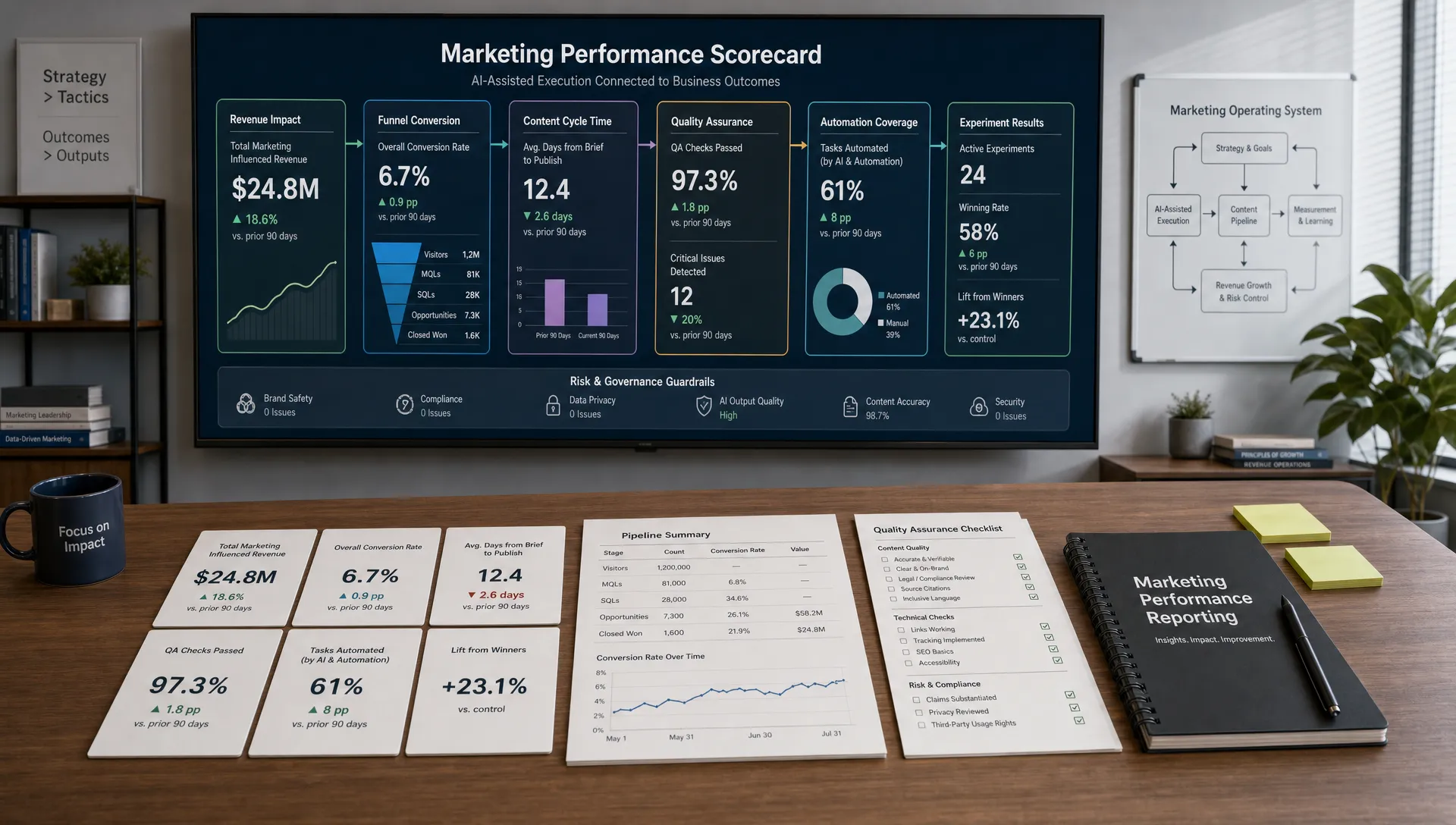
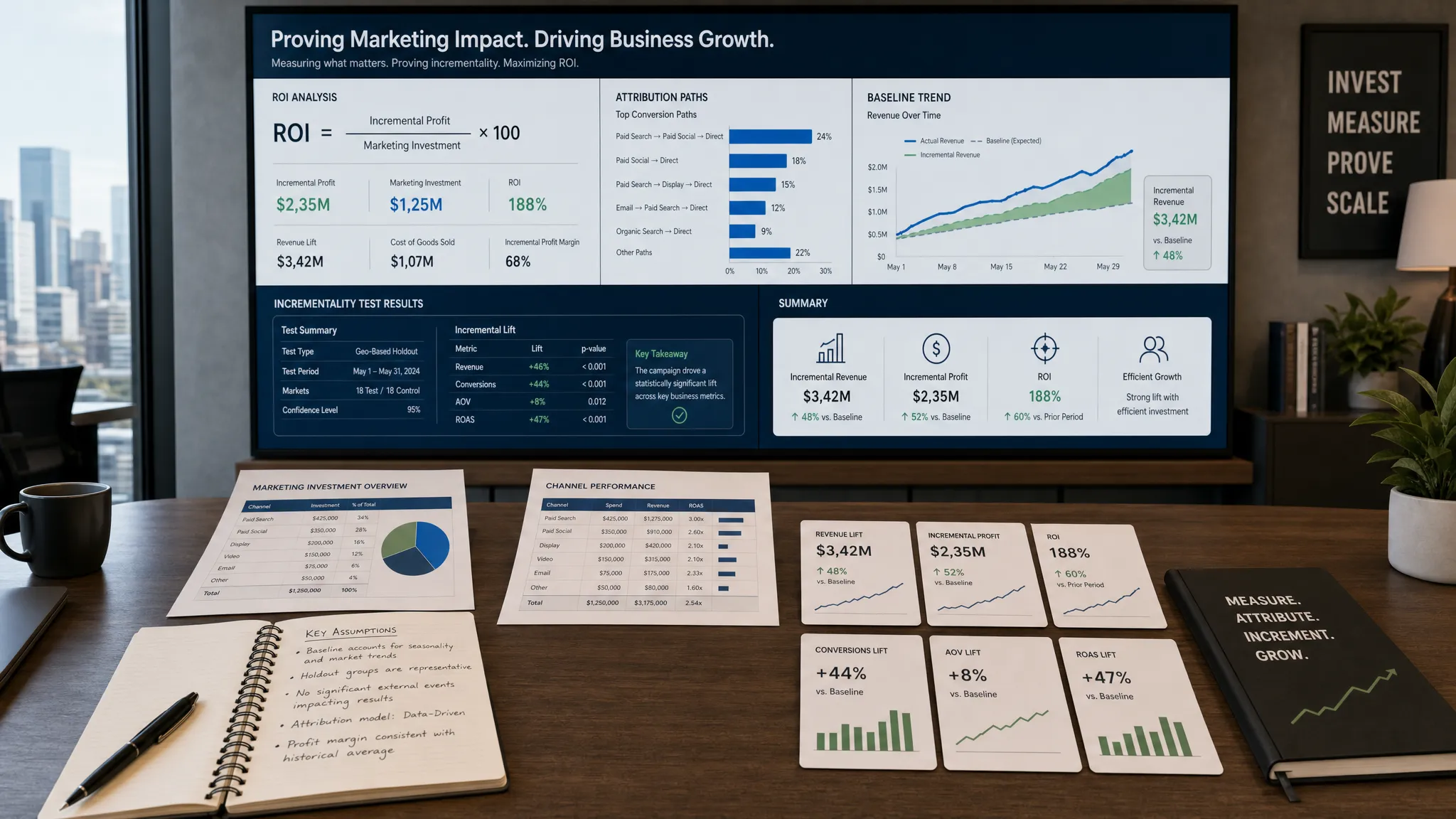
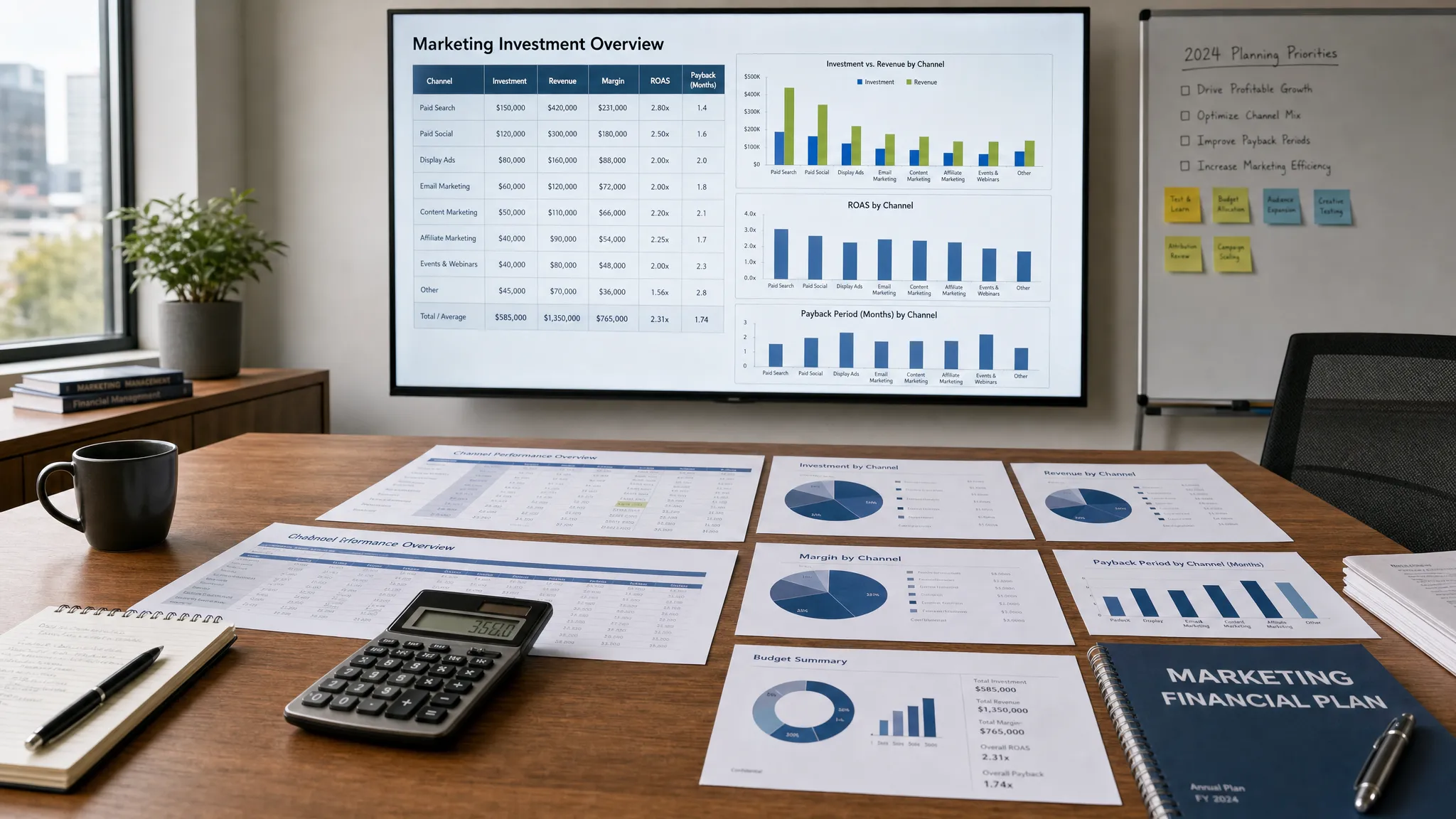
Trending marketing tactics should still be accountable to business outcomes. The challenge is that not every valuable signal shows up as a last-click conversion. Teams need a balanced measurement model that connects attention, trust, and revenue.
Useful metrics include qualified traffic, engaged sessions, content-assisted conversions, lead-to-opportunity rate, demo show rate, email activation, customer acquisition cost, retention, expansion revenue, and sales cycle velocity. For creator and community campaigns, track referral quality, audience sentiment, direct traffic lift, branded search, and pipeline influence where possible.
Efficiency metrics matter too. If AI helps your team produce a campaign in half the time while maintaining quality, that is a real gain. If a calculator improves conversion and gives sales better qualification data, that is more valuable than a static download with a higher raw lead count.
The question is not simply whether a tactic is trending. The question is whether it improves the system.
What are the top trending marketing tactics for 2026? The most important tactics include AI content operations, search everywhere optimization, first-party data personalization, creator-led trust building, conversational marketing, performance creative testing, interactive assets, lifecycle marketing, and responsible AI governance.
Is AI-generated content still effective in 2026? Yes, but only when it is part of a quality-controlled workflow. AI can speed up research, drafting, repurposing, and analysis, but expert input, original examples, and editorial review are essential for trust and performance.
How should small marketing teams choose which trends to test? Small teams should prioritize tactics based on audience fit, revenue proximity, content leverage, operational readiness, and measurement clarity. It is better to execute one or two tactics well than to chase every new trend.
Why is first-party data so important for marketing in 2026? First-party data helps brands personalize experiences in a privacy-conscious way. When collected through useful tools, assessments, calculators, and preference signals, it improves segmentation while giving customers clear value.
How can marketers measure trend-driven campaigns more accurately? Marketers should combine performance metrics with journey metrics. Track conversions, pipeline, retention, engagement quality, branded demand, assisted conversions, and operational efficiency to understand the full impact.
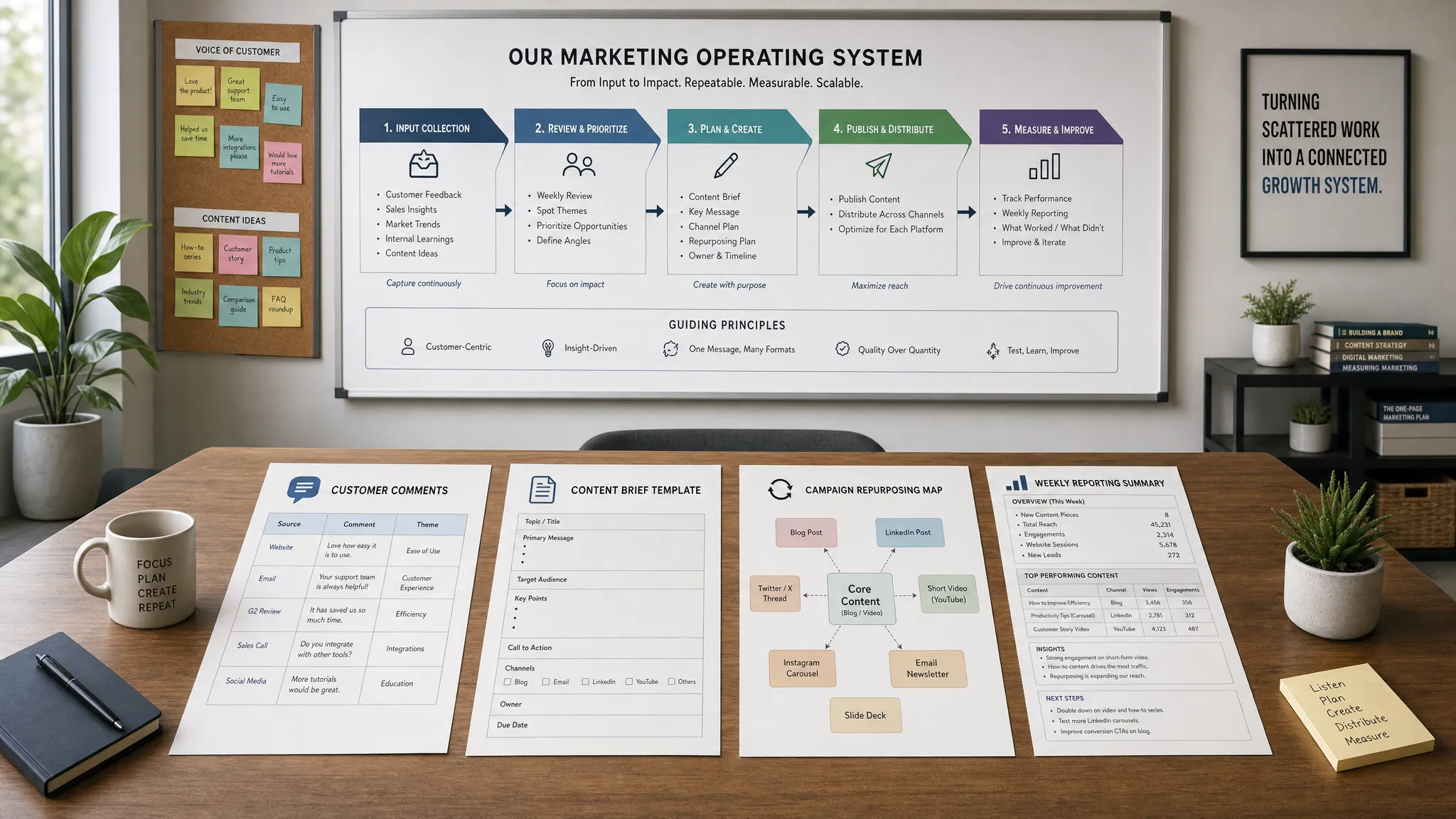
The best trending marketing tactics are not isolated hacks. They work when they are connected through content, data, automation, analytics, and a clear strategy.
AIMarketer Hub helps marketers and businesses turn that strategy into action with AI content generation, a prompt library for marketers, SEO tools, performance analytics, calculators, industry-specific guides, automated content creation resources, and curated learning materials.
If your goal is to automate smarter, create faster, and grow with more confidence in 2026, start by building a marketing system that is practical, measurable, and ready for the way buyers make decisions now.