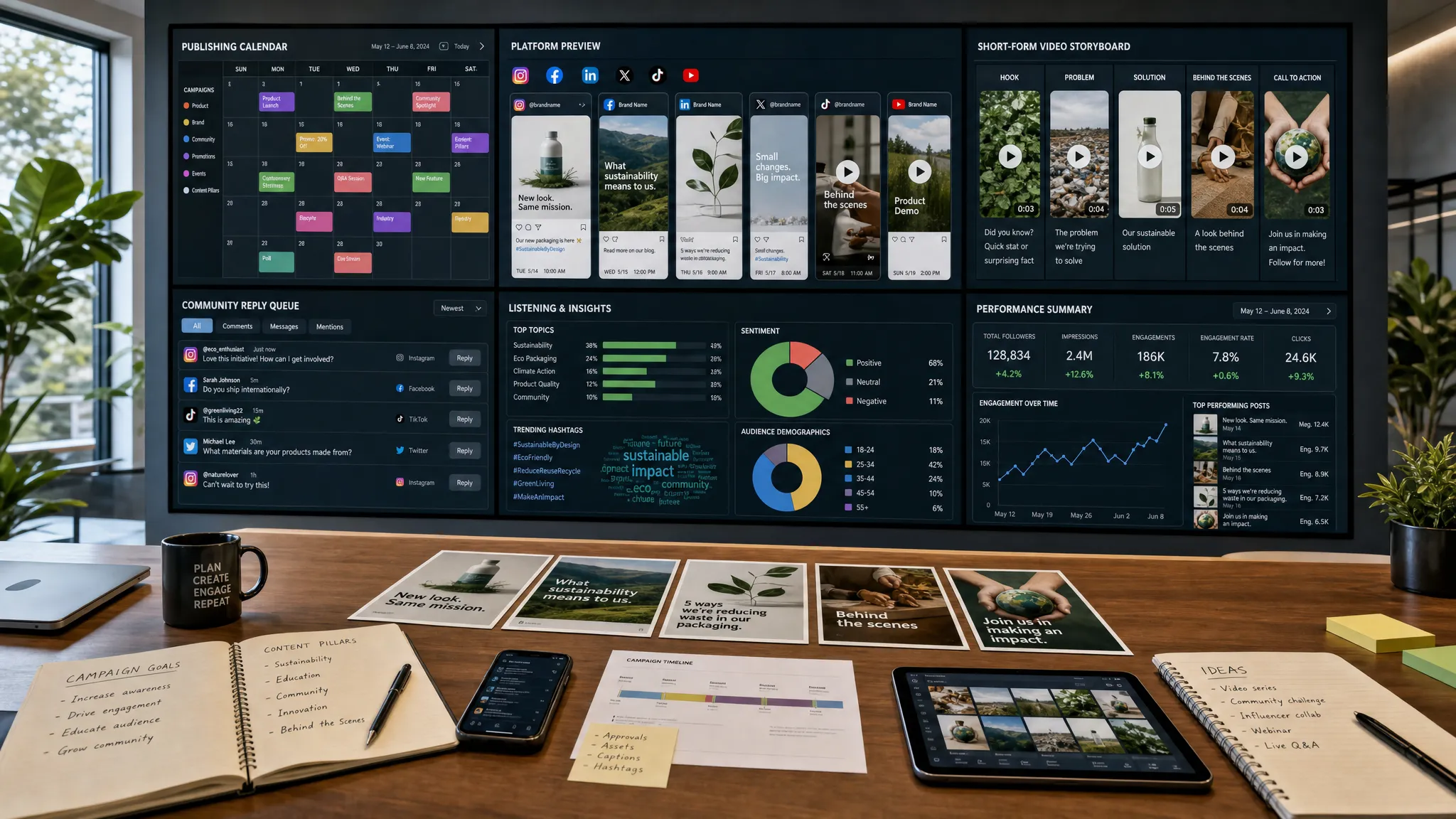
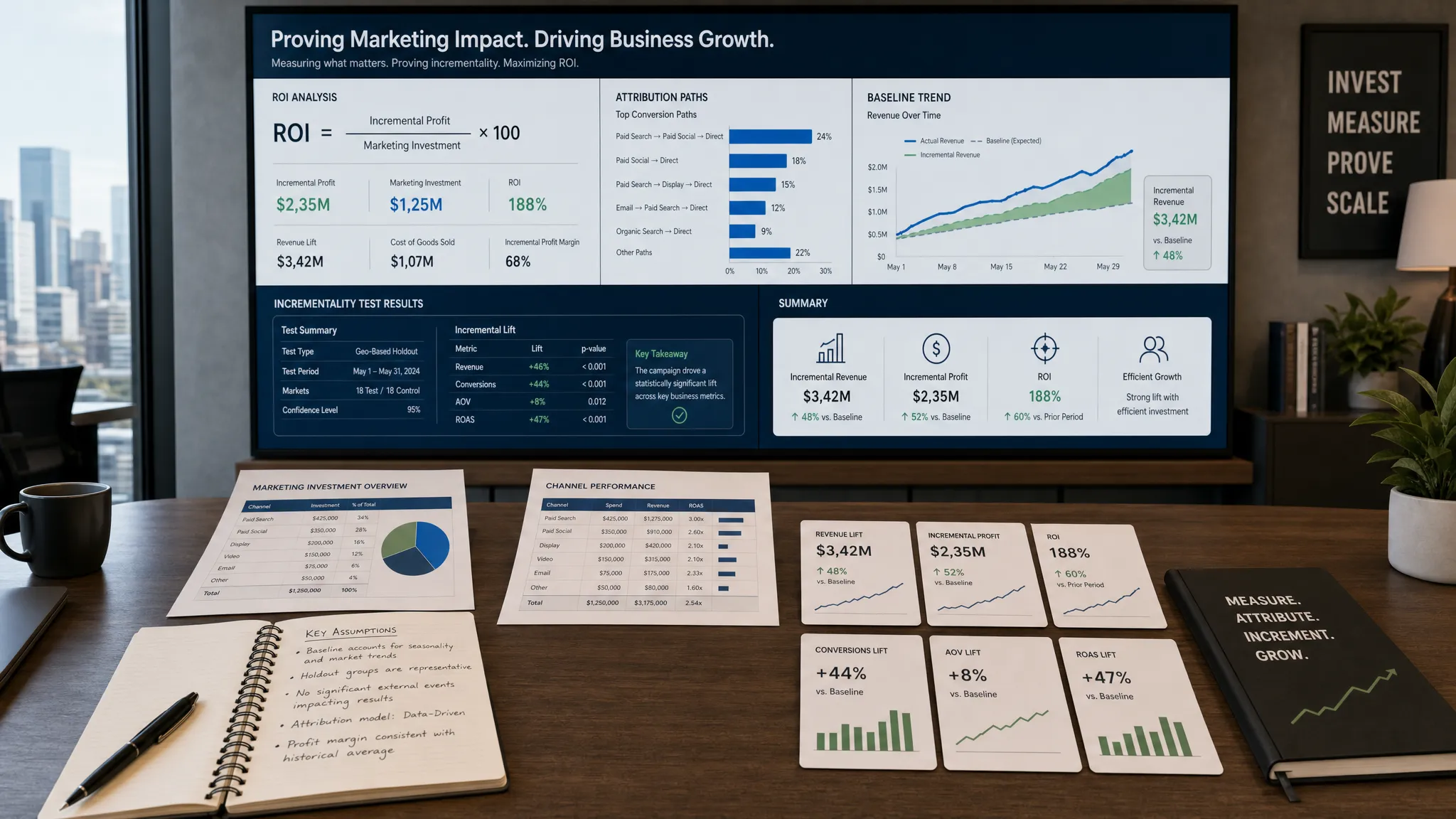
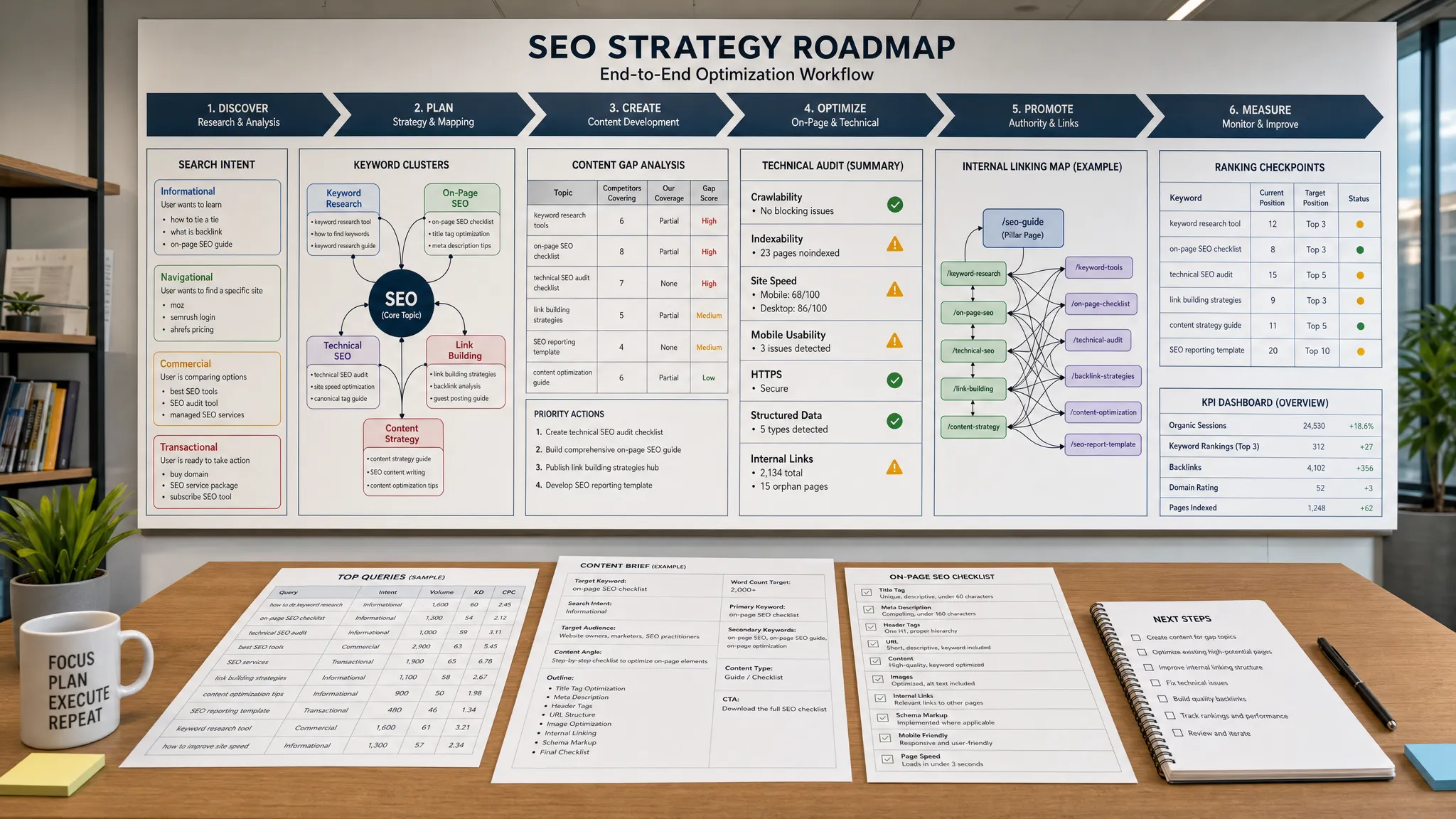
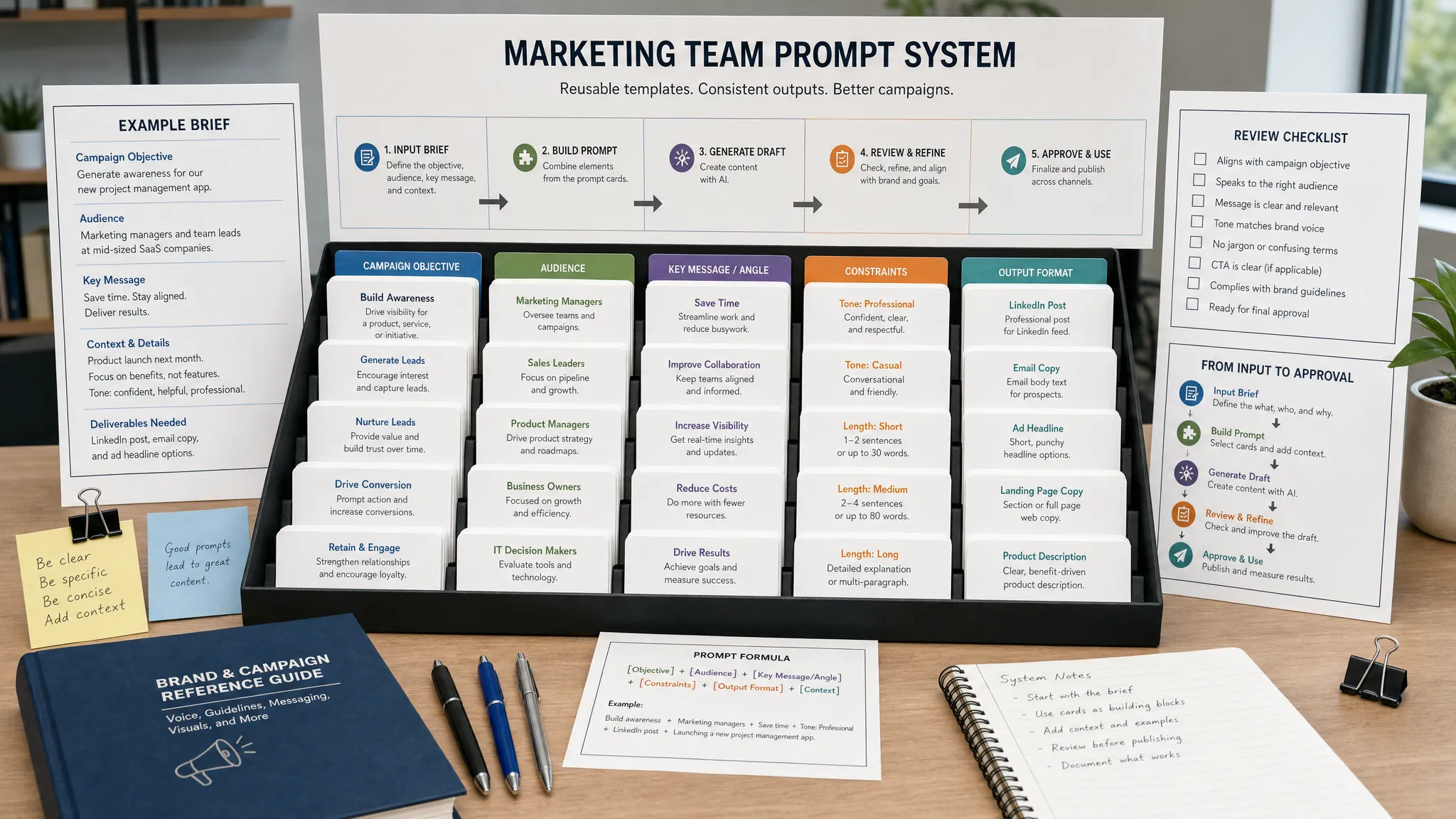
Marketing in 2026 is faster, more automated, and more measurable than ever. But the best marketers are not simply the ones who use the most tools. They are the ones who can connect customer insight, AI-assisted execution, brand judgment, and business outcomes into one repeatable system.
That shift matters because the marketing skill set is changing quickly. The World Economic Forum’s Future of Jobs Report 2025 estimated that 39% of workers’ core skills will change by 2030. For marketing professionals, that change is already visible in day-to-day work: campaigns are built with AI, buyers research through search and AI answer engines, privacy rules keep evolving, and leadership expects clearer proof of ROI.
The skills below are the ones most likely to separate high-impact marketers from task executors in 2026.
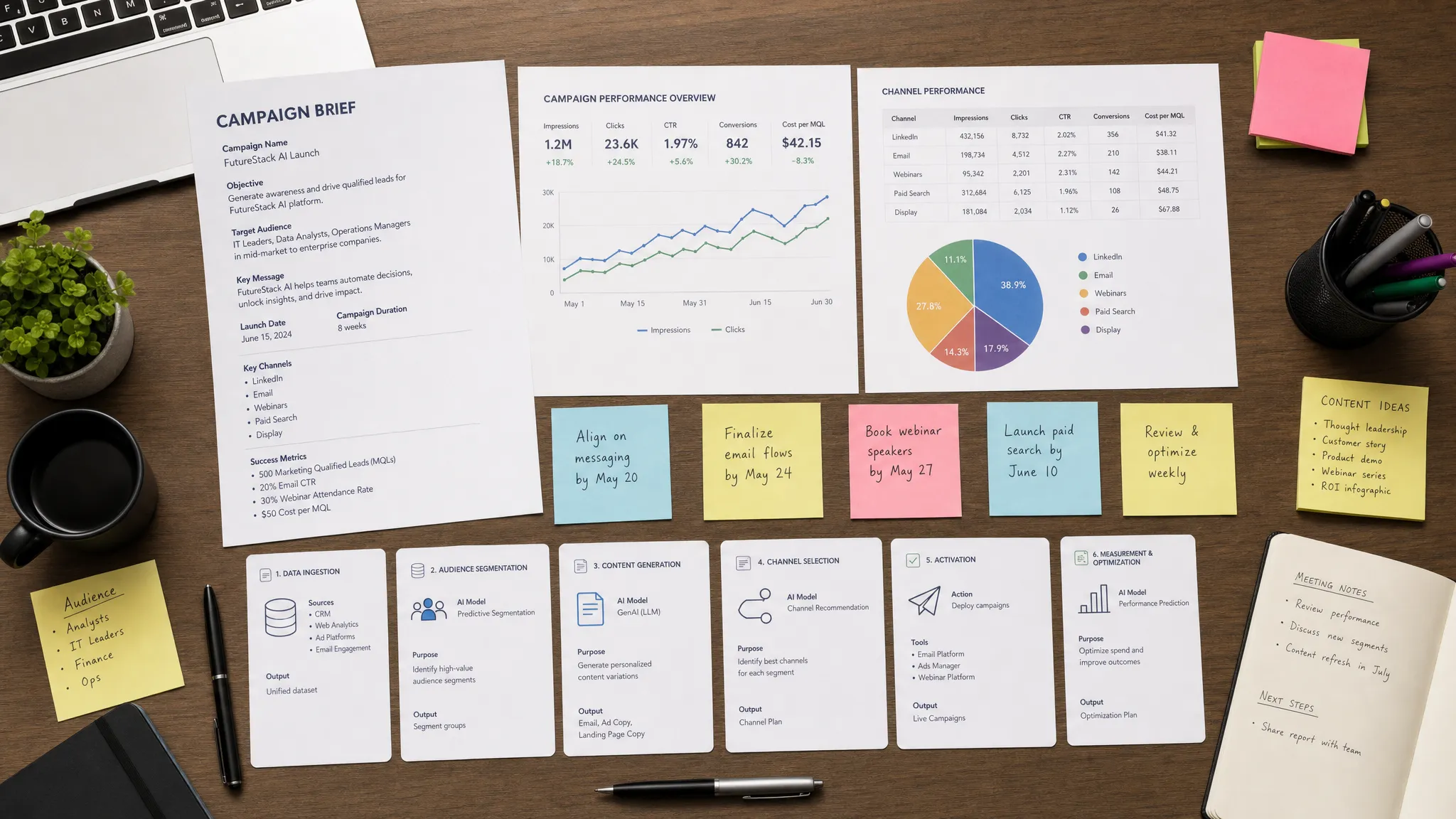
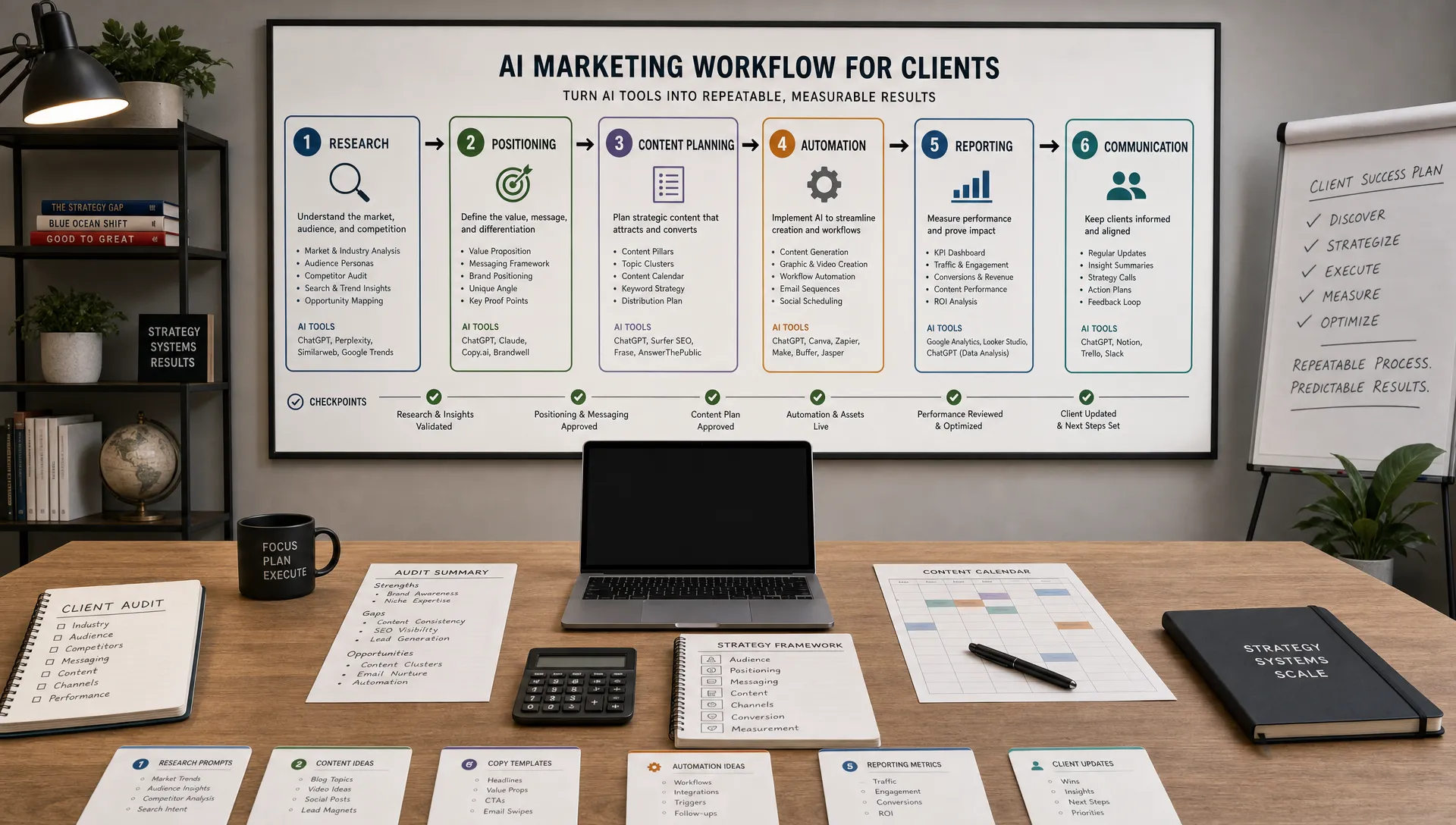
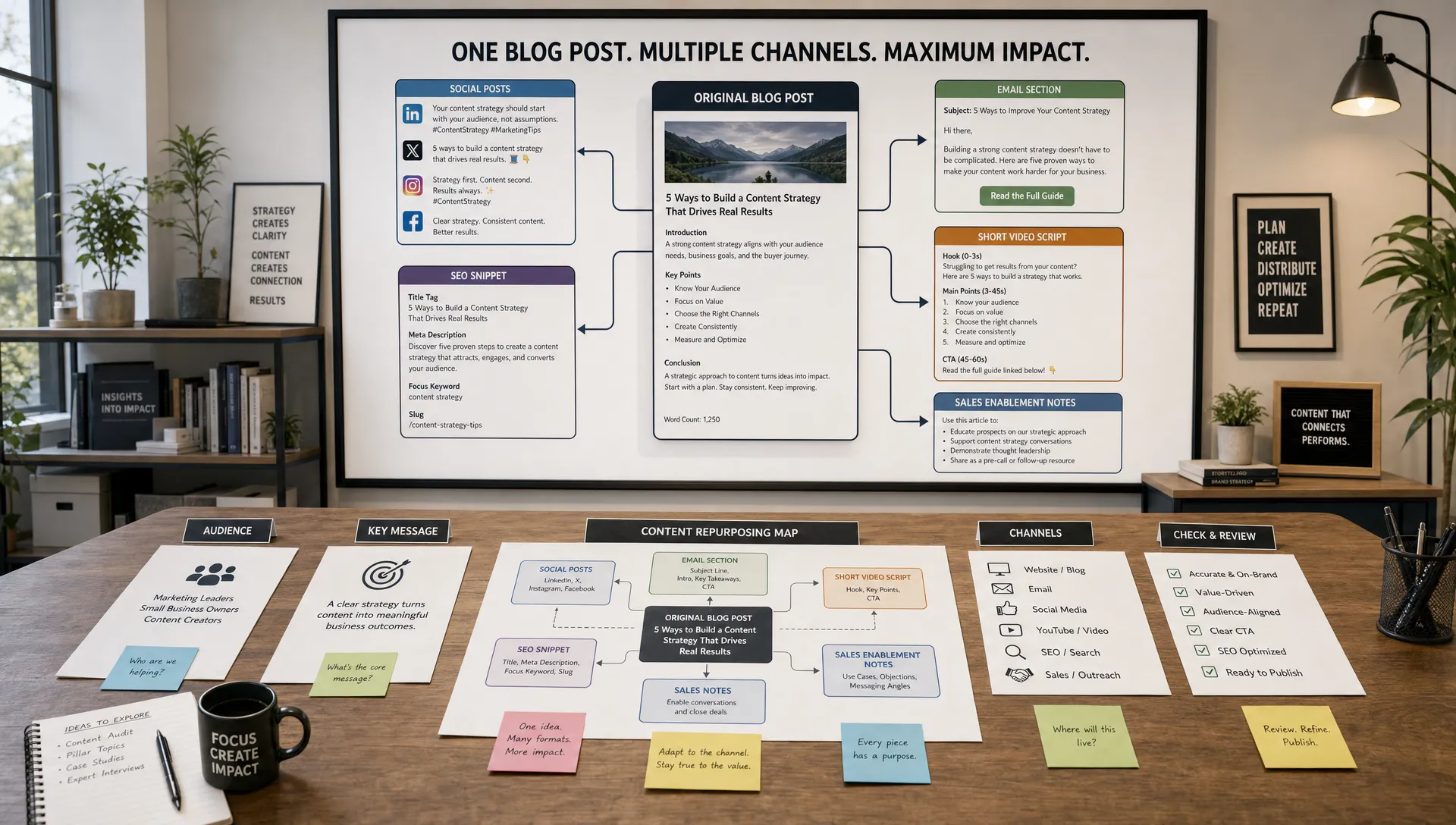
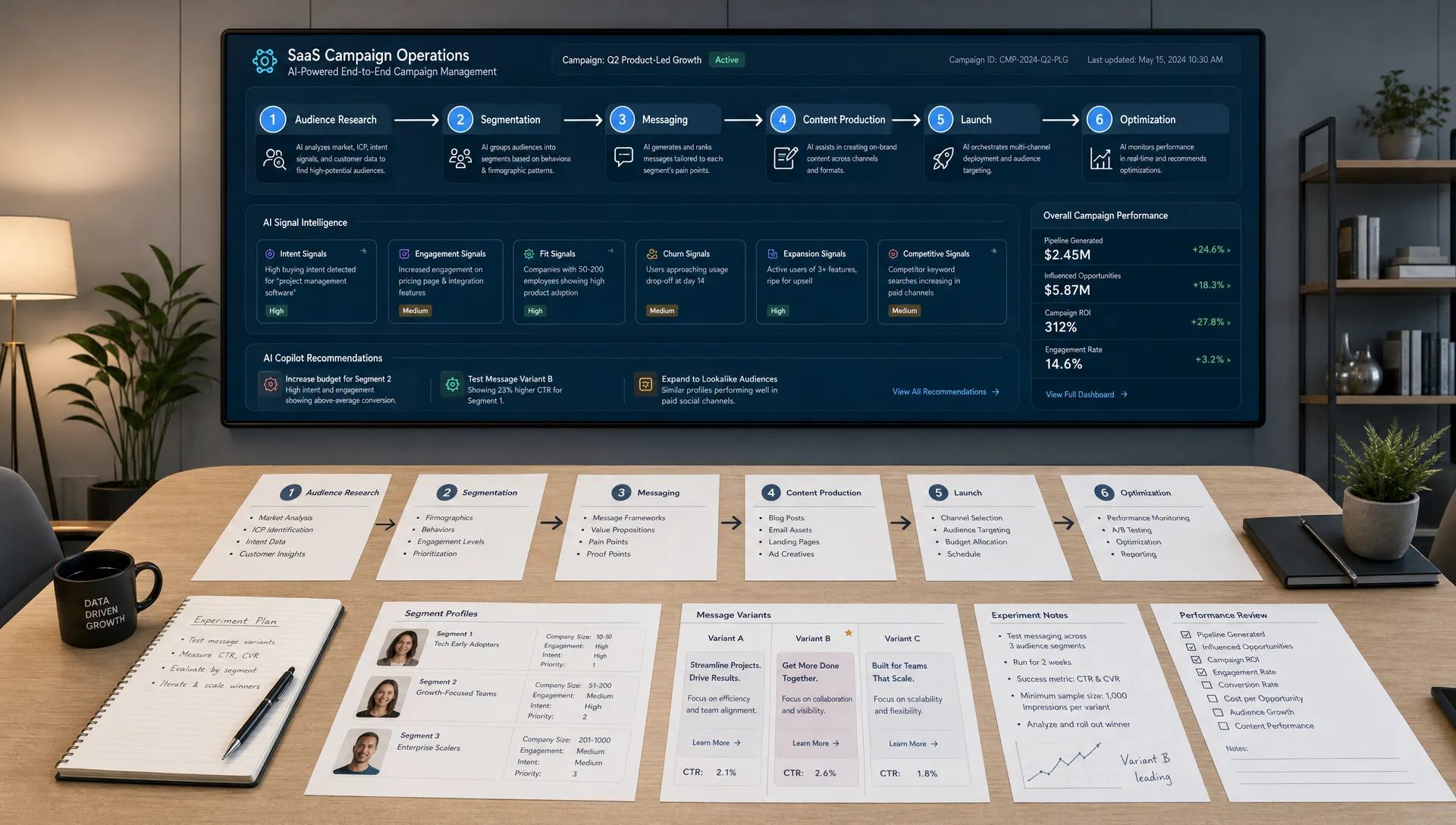
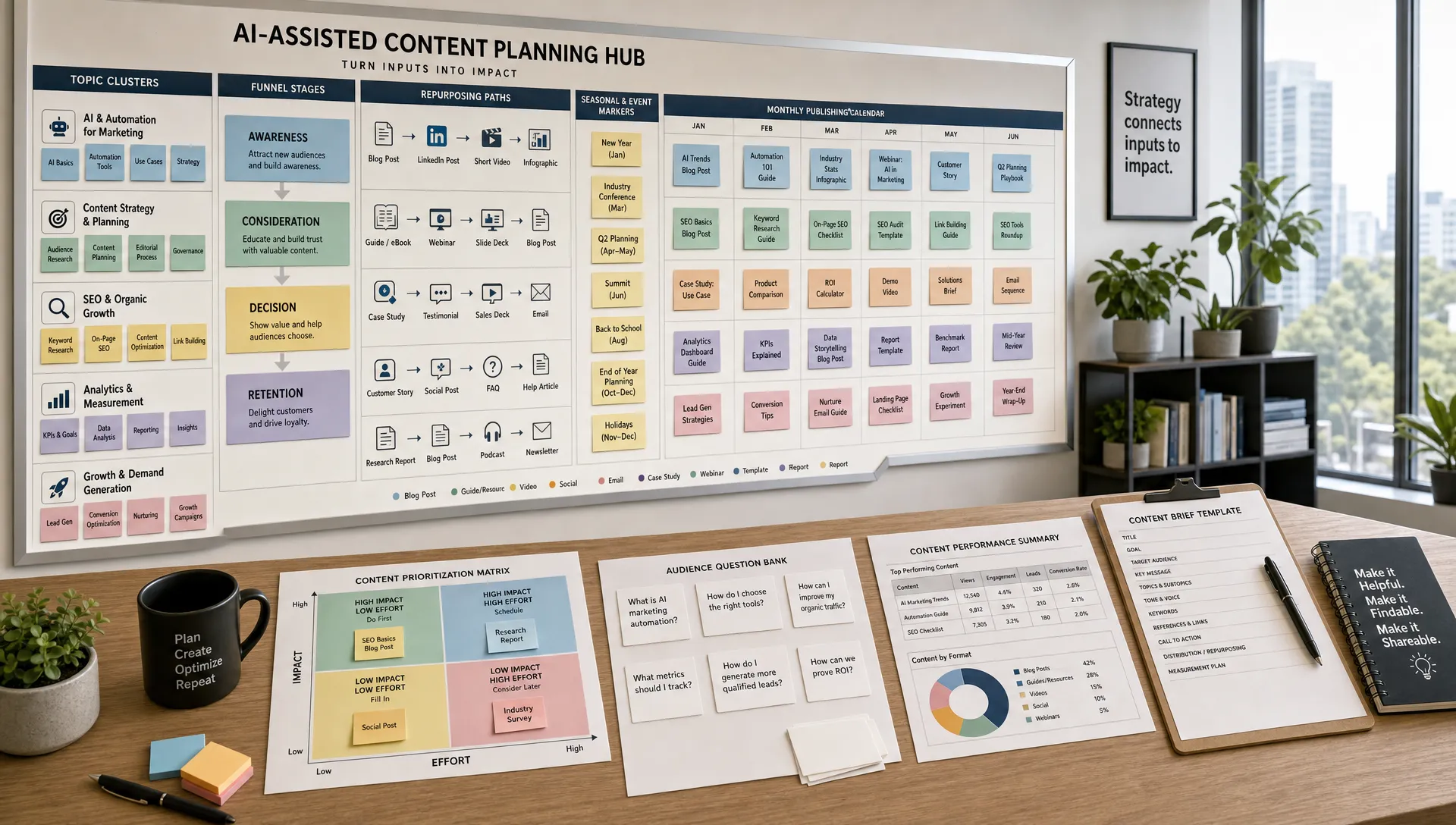
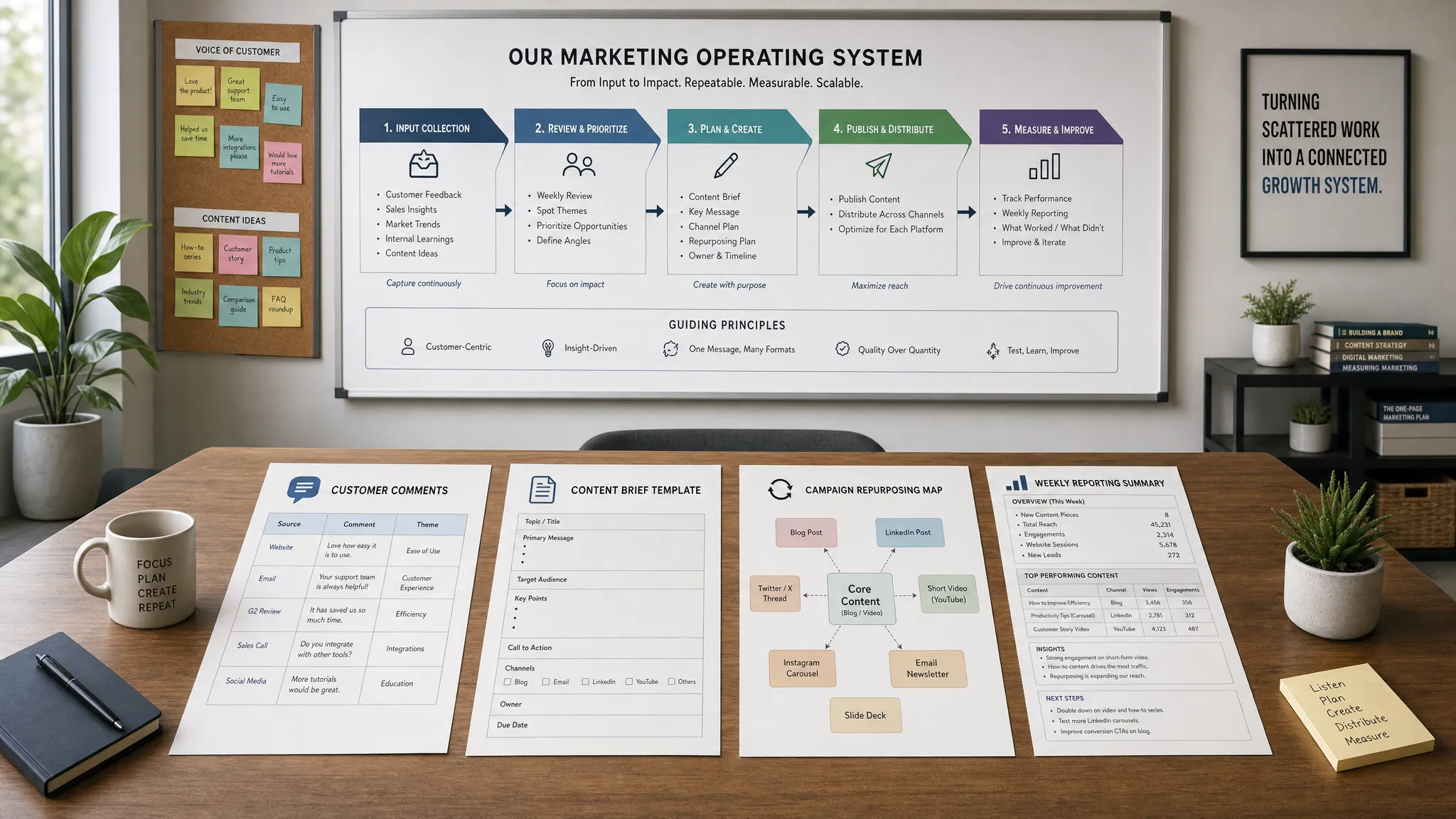
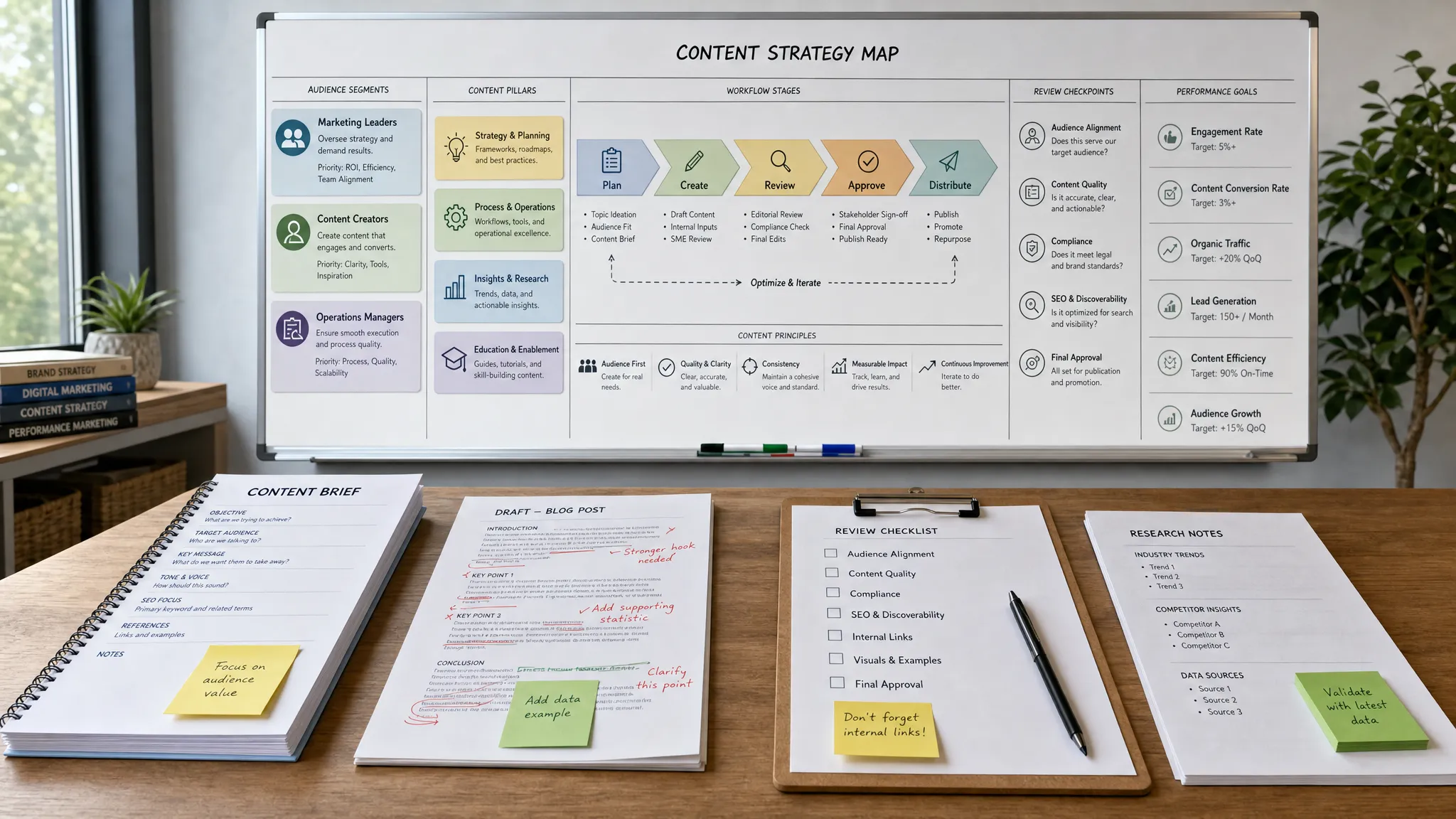
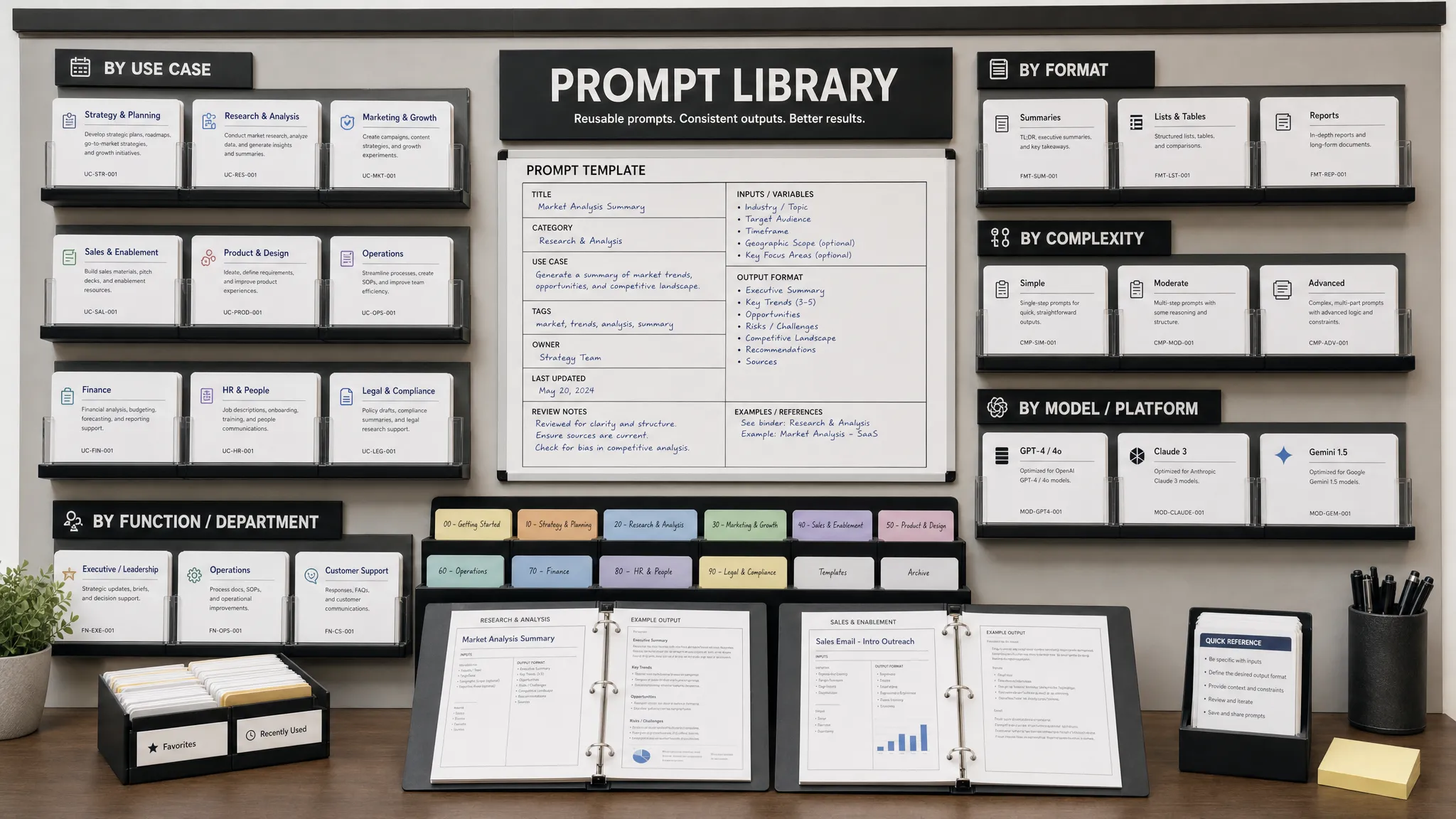
Prompt writing is useful, but it is no longer enough. In 2026, marketing professionals need to know how to design full AI-supported workflows, from research and ideation to content production, QA, approvals, repurposing, and performance review.
This skill is about knowing what AI should do, what humans should own, and where quality checks belong. A strong AI workflow might use AI to summarize customer interviews, generate creative angles, draft first-pass copy, adapt assets by channel, and flag inconsistencies. But a human still needs to set the strategy, validate the insight, protect the brand voice, and decide what is ready to publish.
To build this skill, practice turning common marketing tasks into repeatable processes. Document the inputs, prompts, review criteria, brand rules, and success metrics. The goal is not to automate randomly. The goal is to create reliable systems that save time without lowering quality.
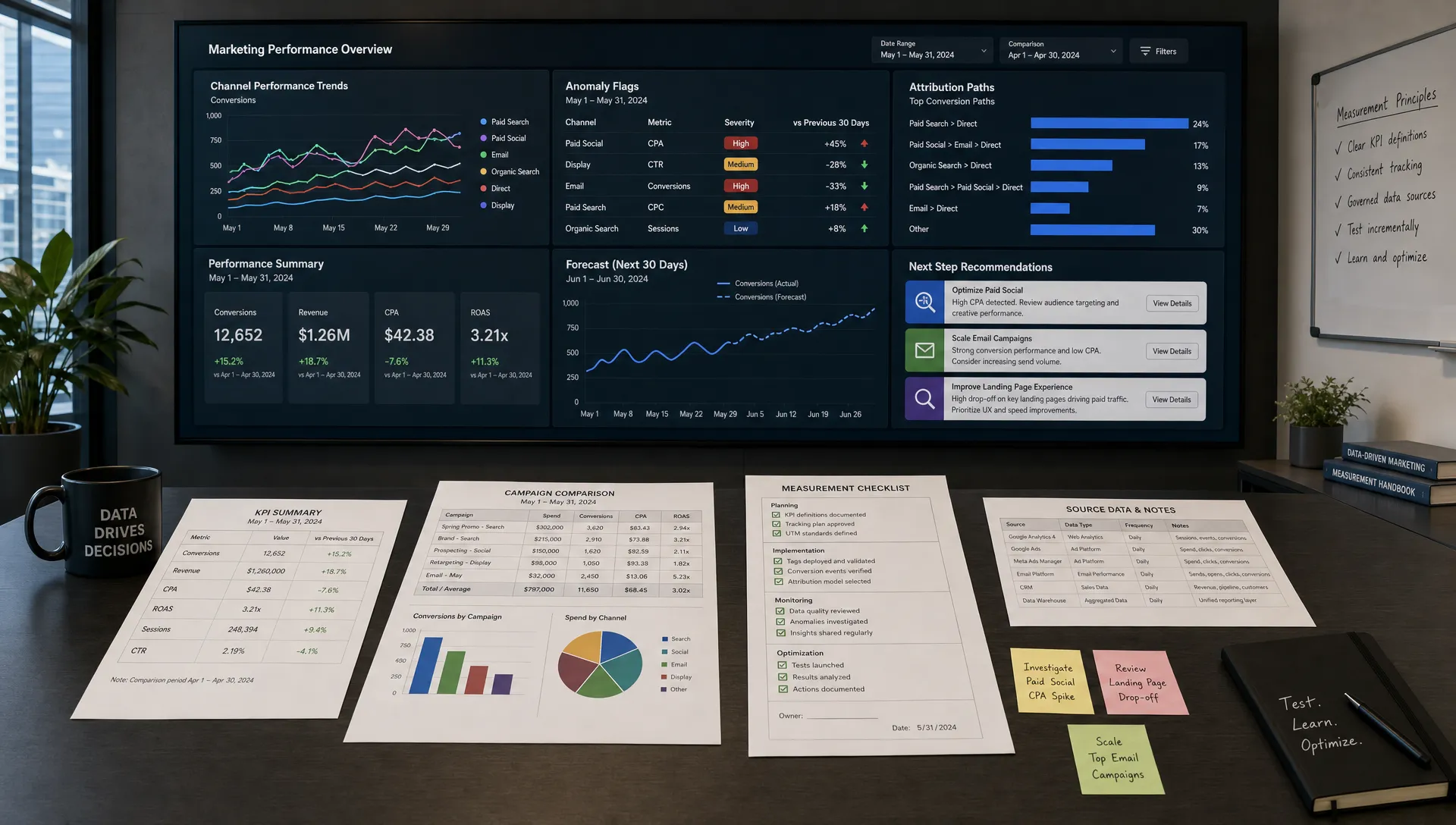
Modern marketing runs on data, but data literacy does not mean every marketer must become a data scientist. It means understanding how to ask better questions, interpret performance correctly, and avoid misleading conclusions.
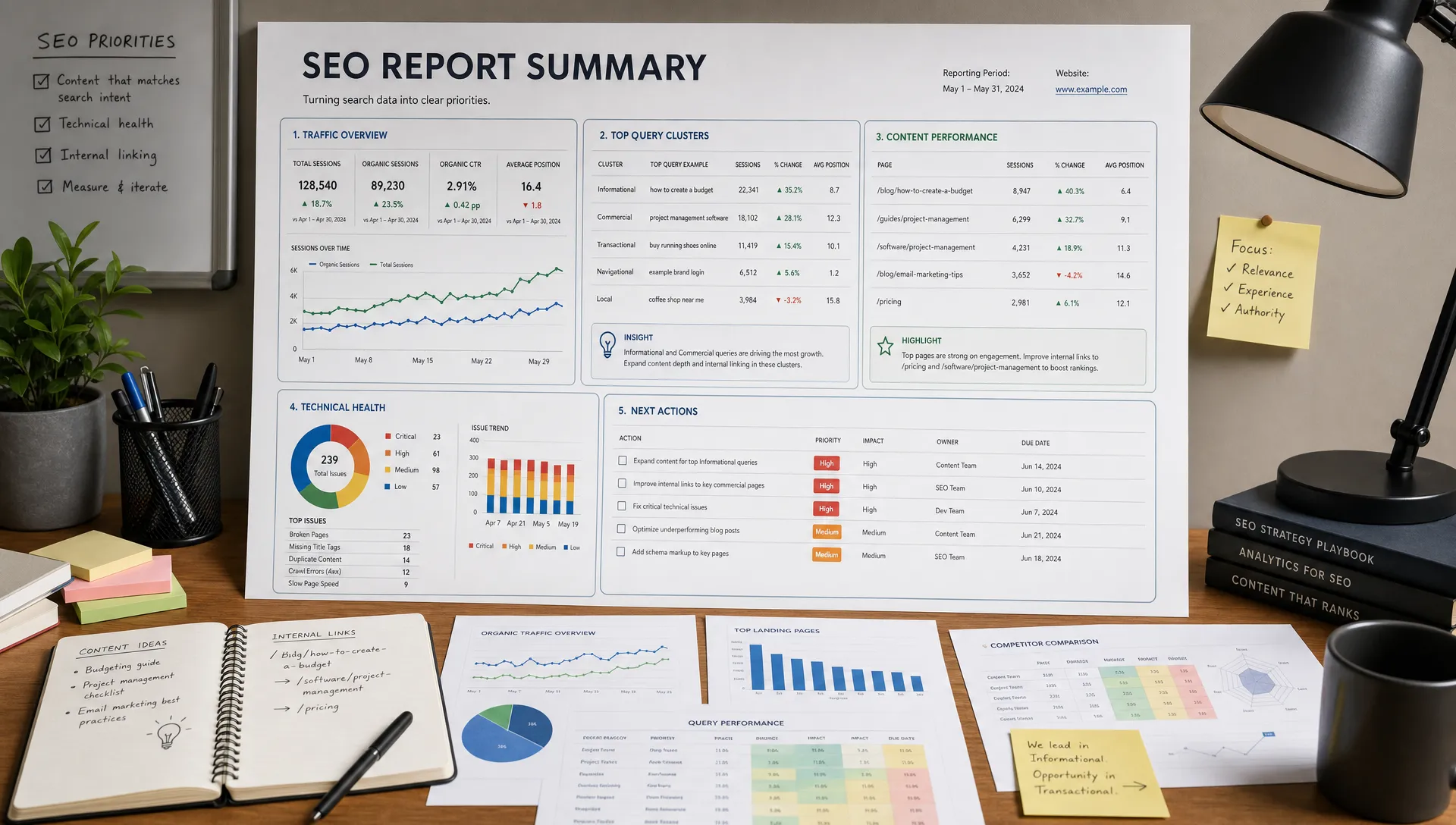
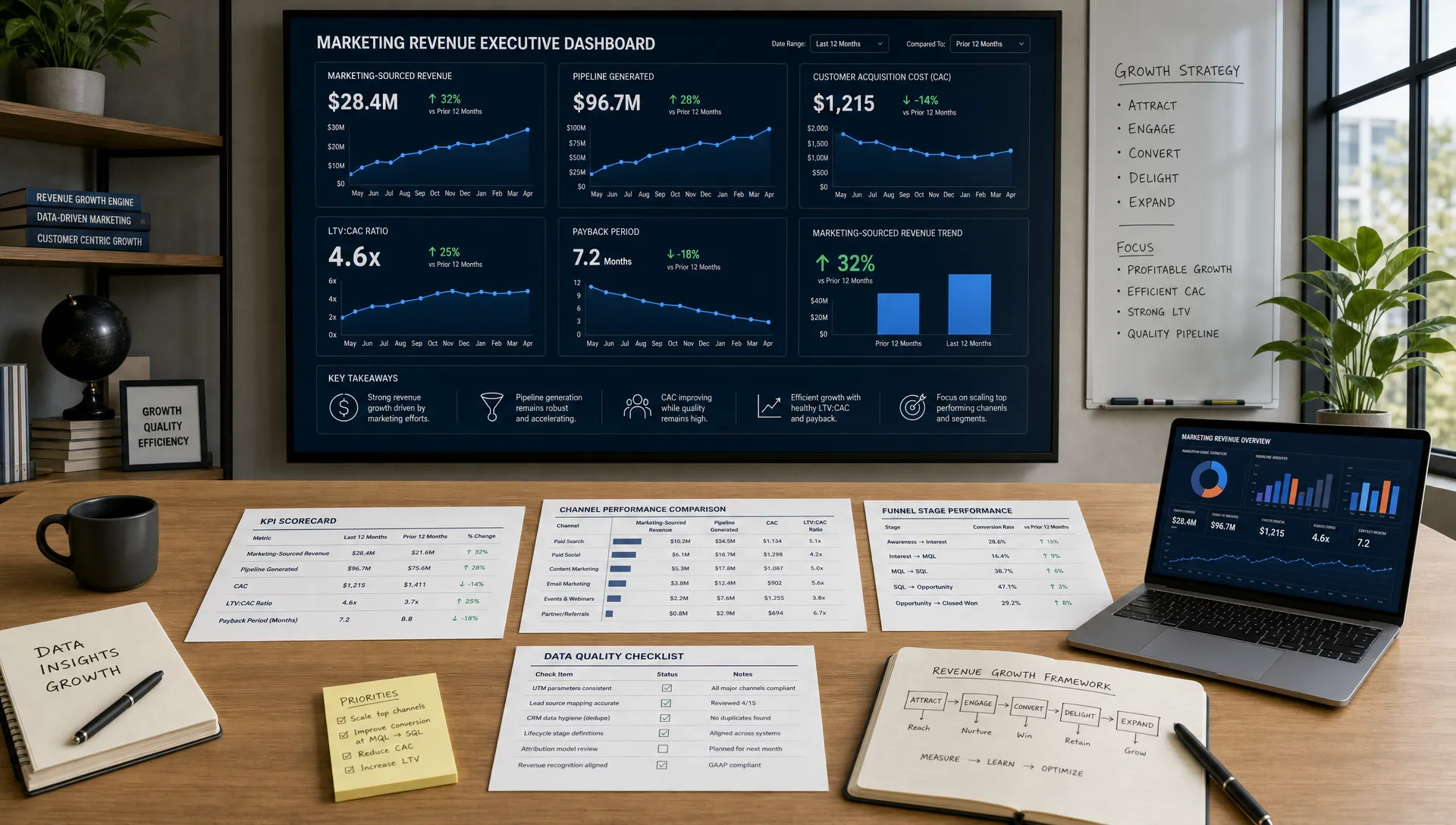
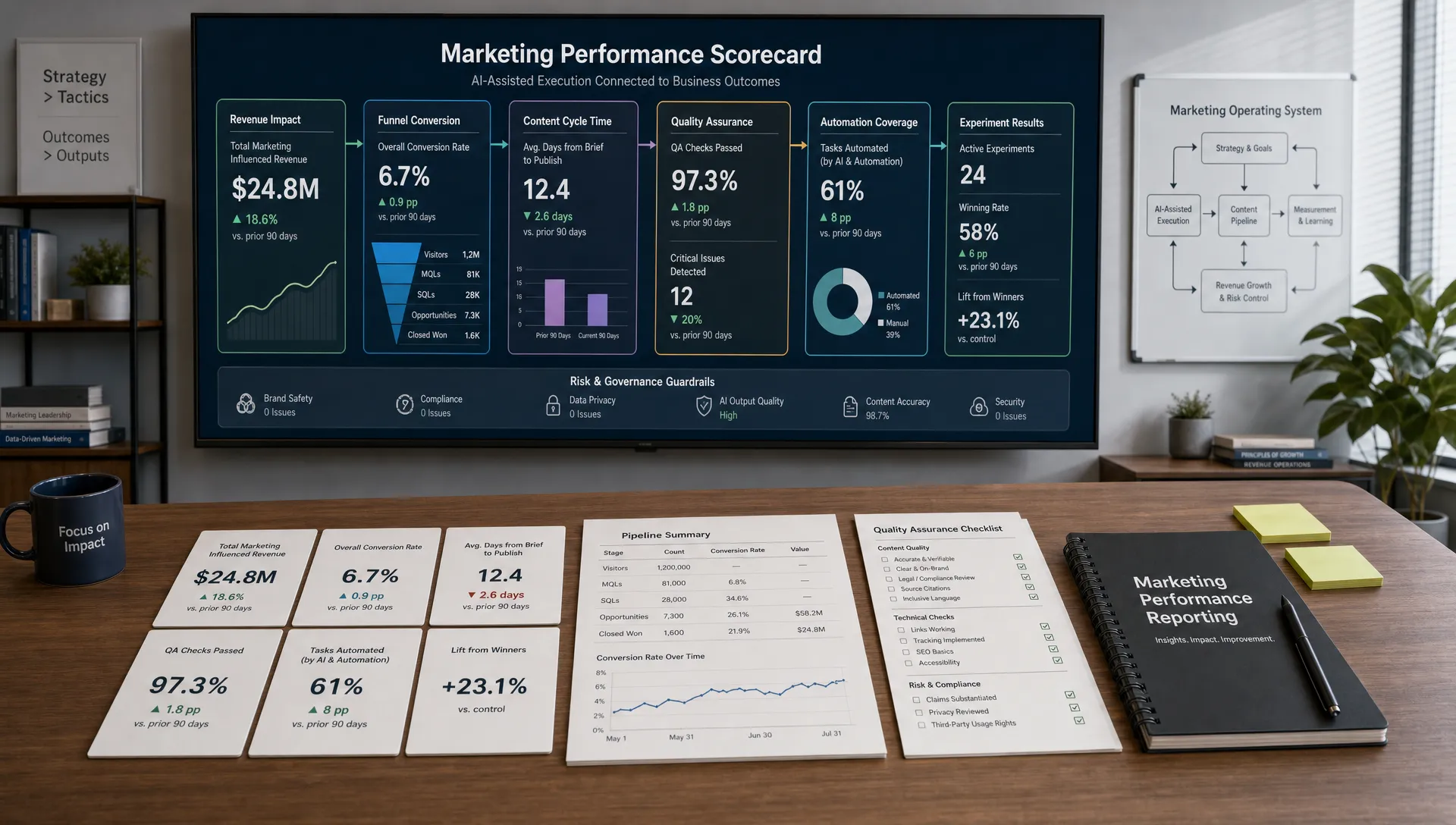
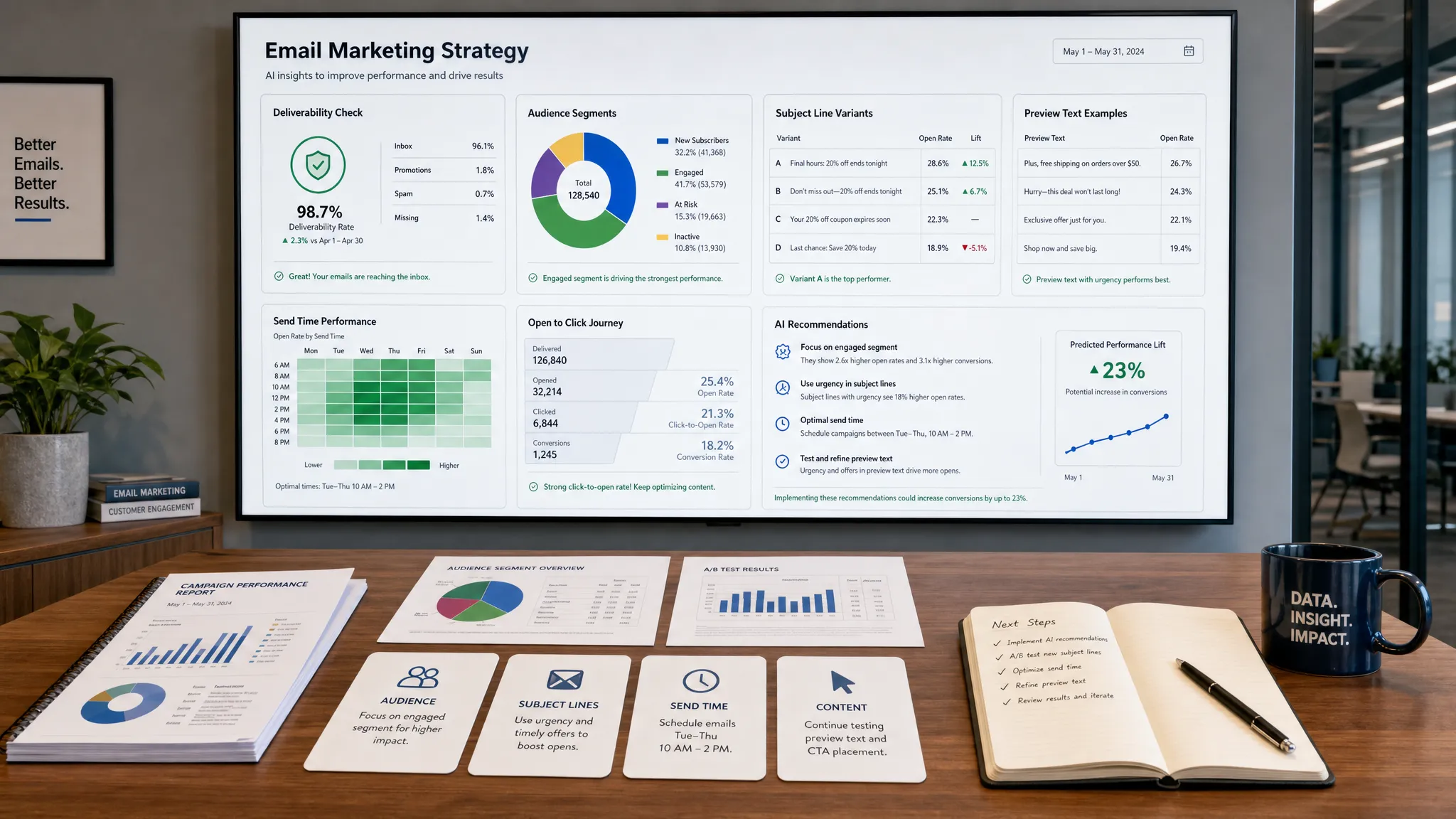
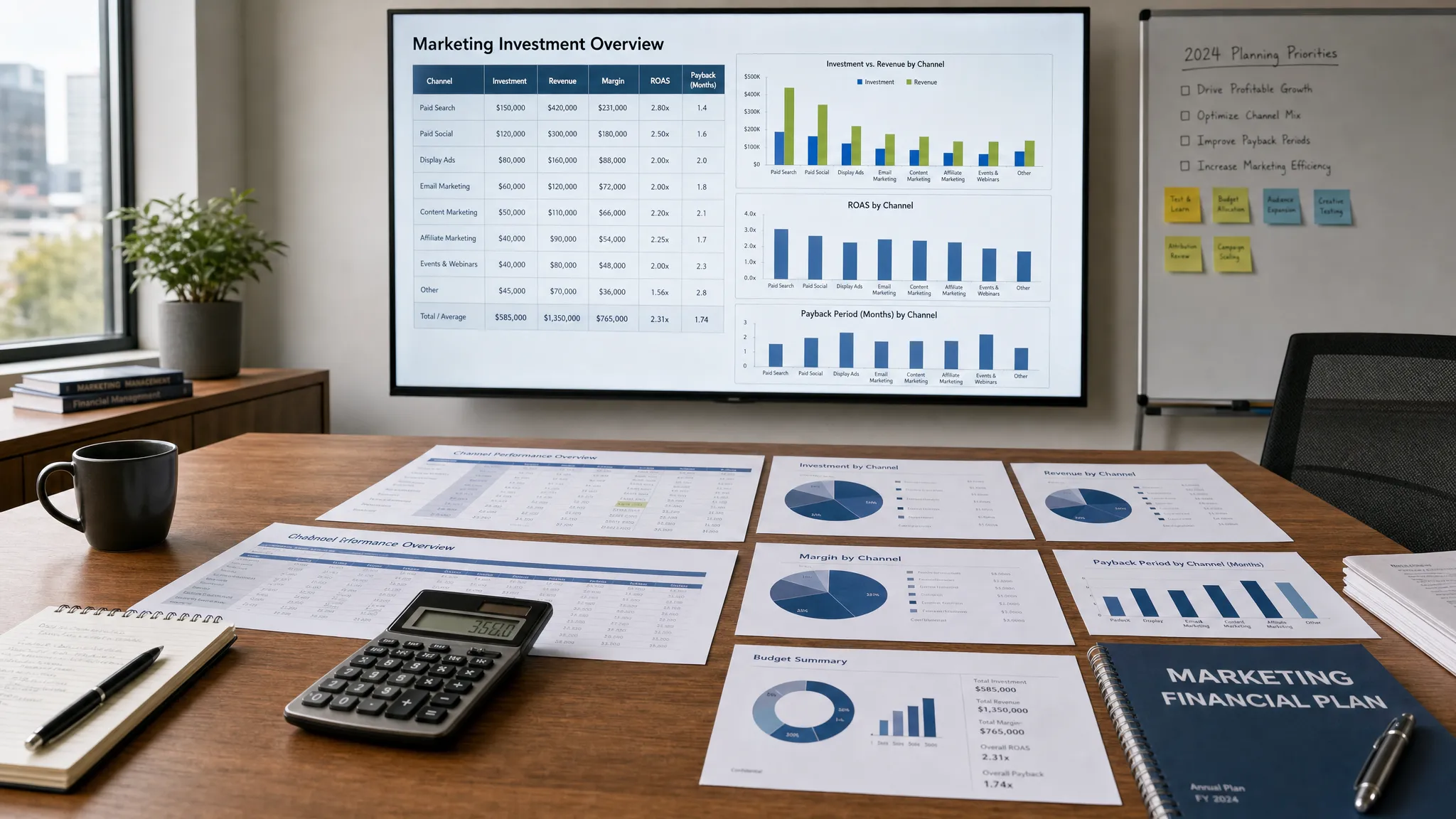
In 2026, marketers should be comfortable with core metrics such as conversion rate, CAC, LTV, ROAS, pipeline influence, churn, retention, engagement quality, and assisted conversions. They should also understand the limits of attribution. A campaign can contribute to revenue even if it is not the final click. A channel can look efficient while quietly attracting low-quality leads.
The strongest marketers can translate numbers into decisions. Instead of saying, “Traffic is up,” they ask whether the new traffic is qualified. Instead of celebrating a lower cost per lead, they check whether those leads convert into customers. This is the difference between reporting activity and improving performance.
AI can generate content quickly, but it cannot replace deep customer understanding. In fact, the more AI-generated content floods the market, the more valuable real customer insight becomes.
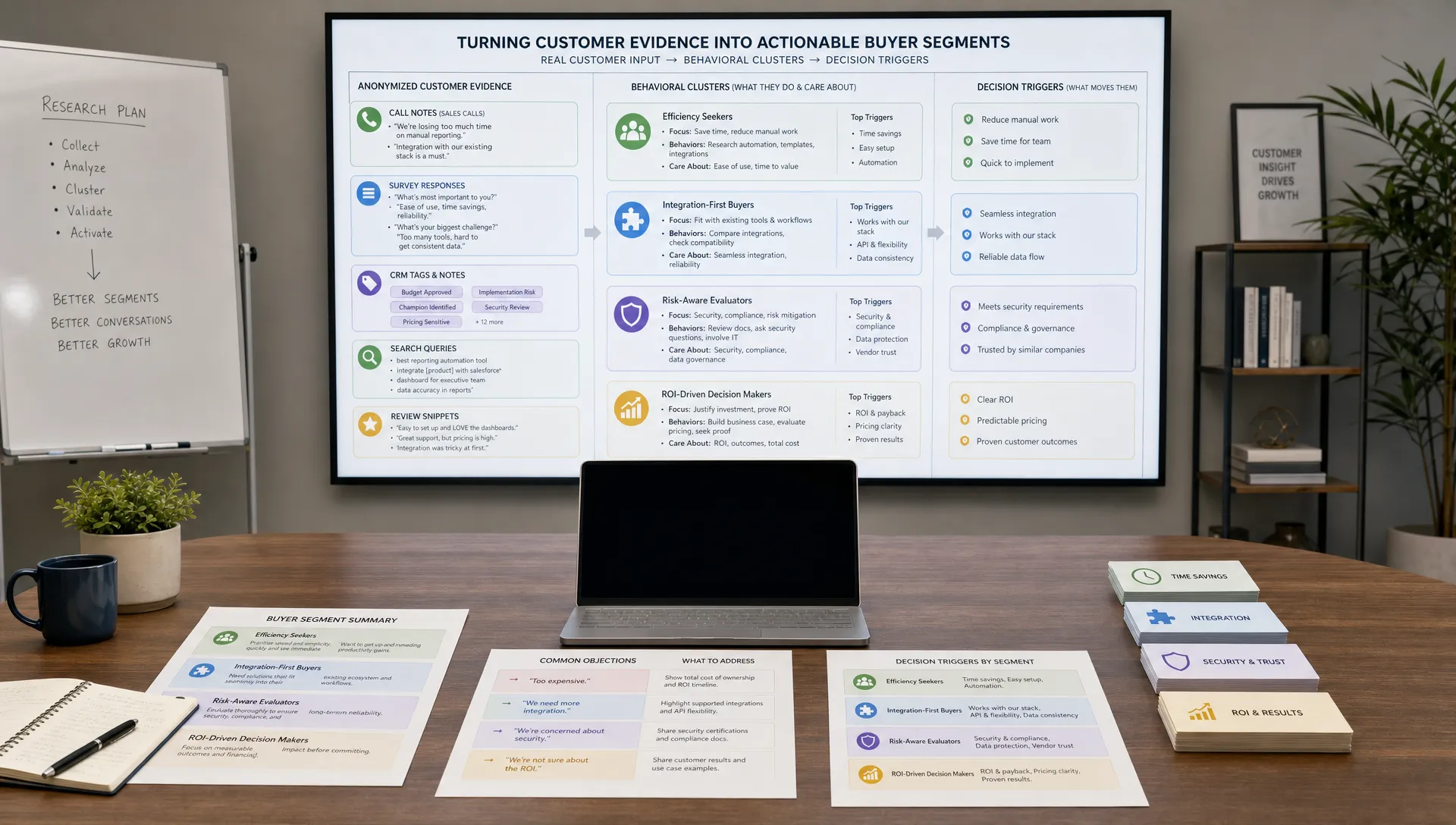
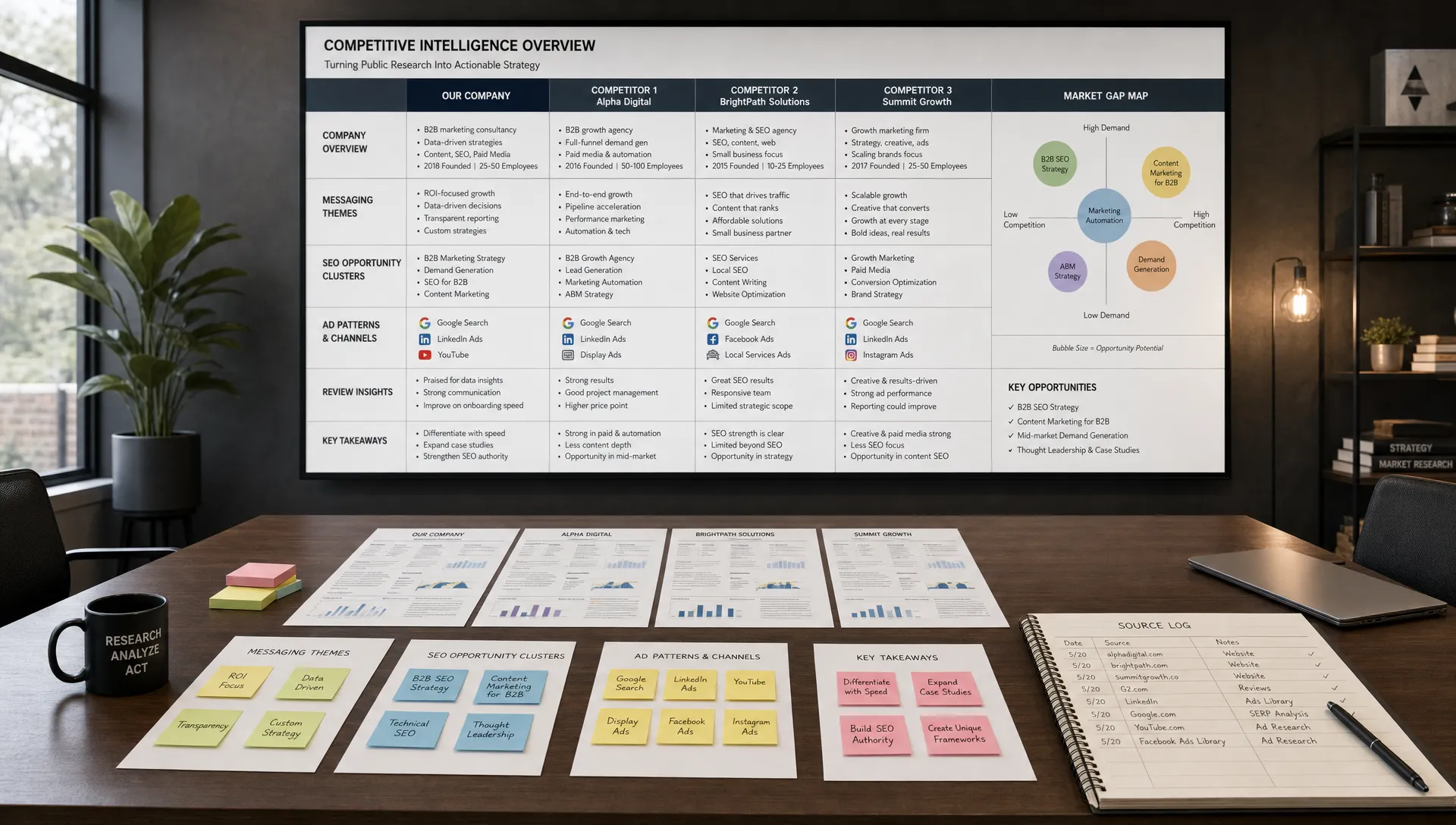
Marketing professionals need to know how to gather and synthesize customer research from interviews, sales calls, support tickets, reviews, surveys, search behavior, community discussions, and CRM notes. AI can help cluster themes and summarize patterns, but marketers still need to identify the emotional drivers behind the data.
Look for the language customers actually use. What frustrates them? What alternatives have they tried? What triggers urgency? What objections slow them down? These details shape stronger positioning, sharper landing pages, better email sequences, and more relevant content.
A practical habit is to maintain a living voice-of-customer library. Add real phrases, objections, desired outcomes, and proof points. Then use that library when briefing AI tools, writers, designers, agencies, and sales teams.
When anyone can produce acceptable content in seconds, “acceptable” is no longer a competitive advantage. Brand strategy becomes more important, not less.
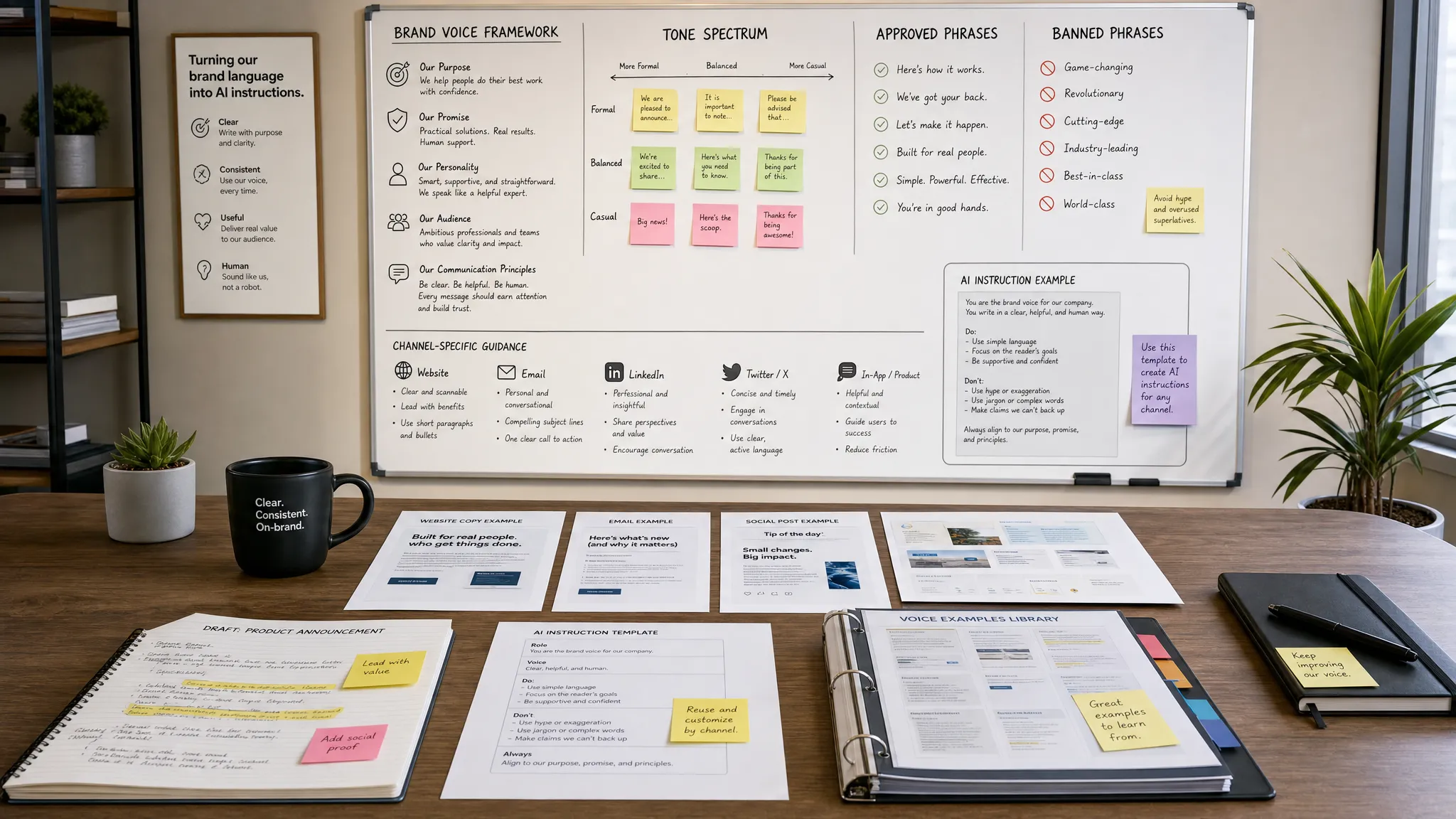
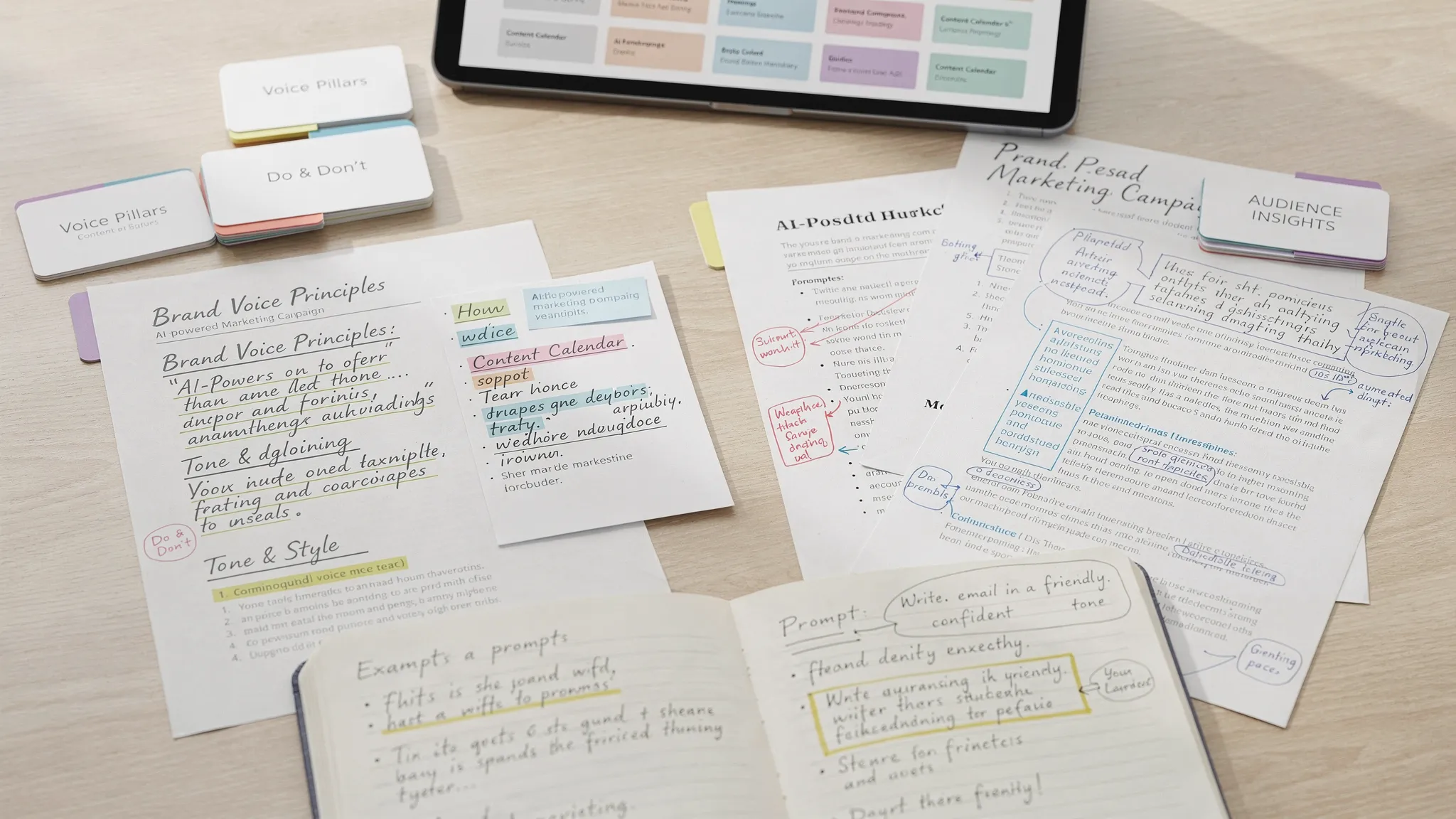
Marketers in 2026 need to define what their brand stands for, who it is for, what it refuses to be, and why customers should believe it. This includes positioning, messaging hierarchy, tone of voice, visual consistency, category narrative, and proof.
The skill is not just making campaigns look polished. It is making every customer touchpoint feel connected. A paid ad, blog post, demo page, sales deck, onboarding email, and product update should all reinforce the same strategic story.
Strong brand marketers can answer questions like these with clarity:
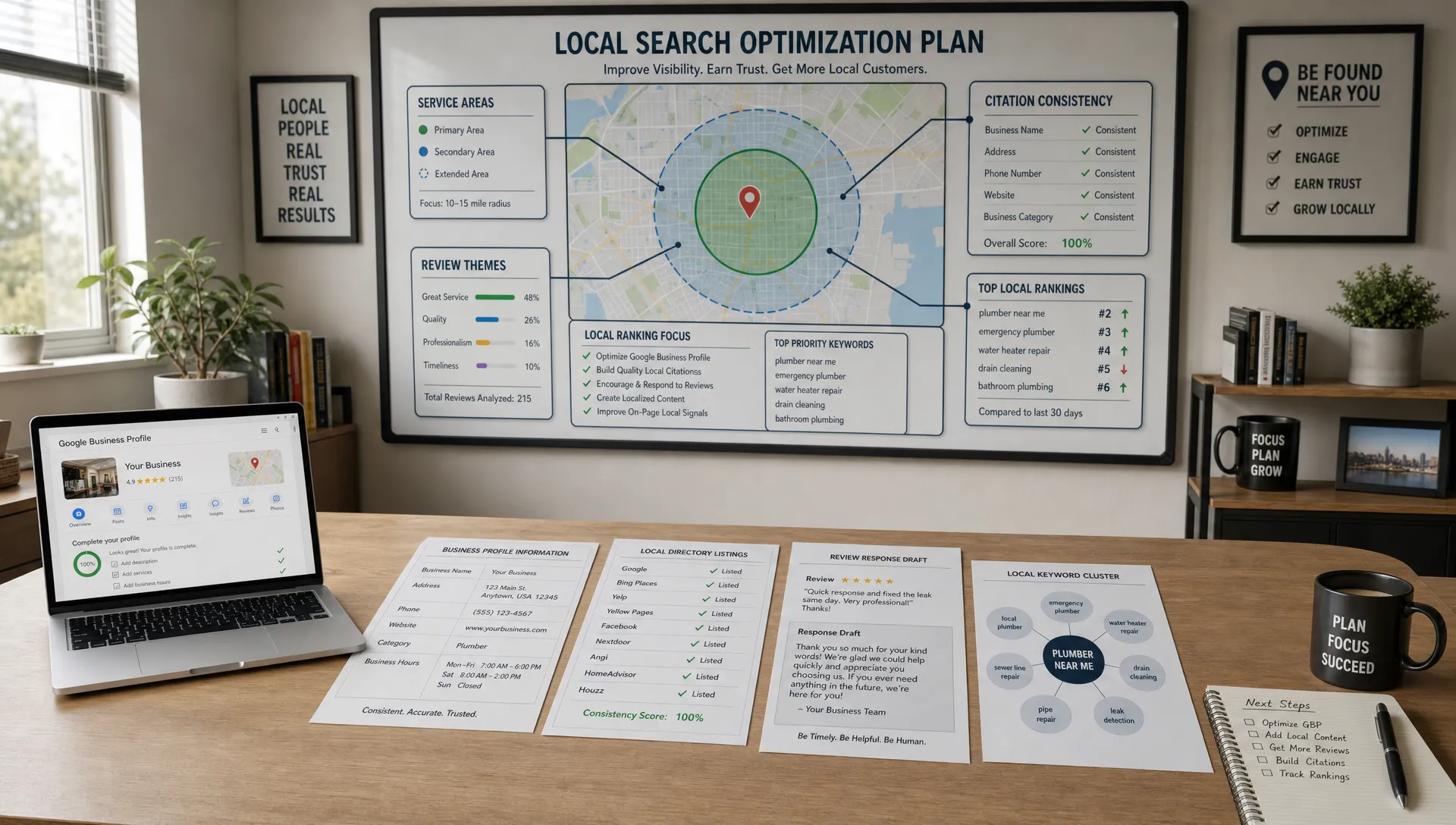
Search is no longer only about ranking blue links. Buyers now discover information through traditional search engines, AI-powered summaries, social search, communities, marketplaces, and niche platforms. This changes how marketers should think about content visibility.
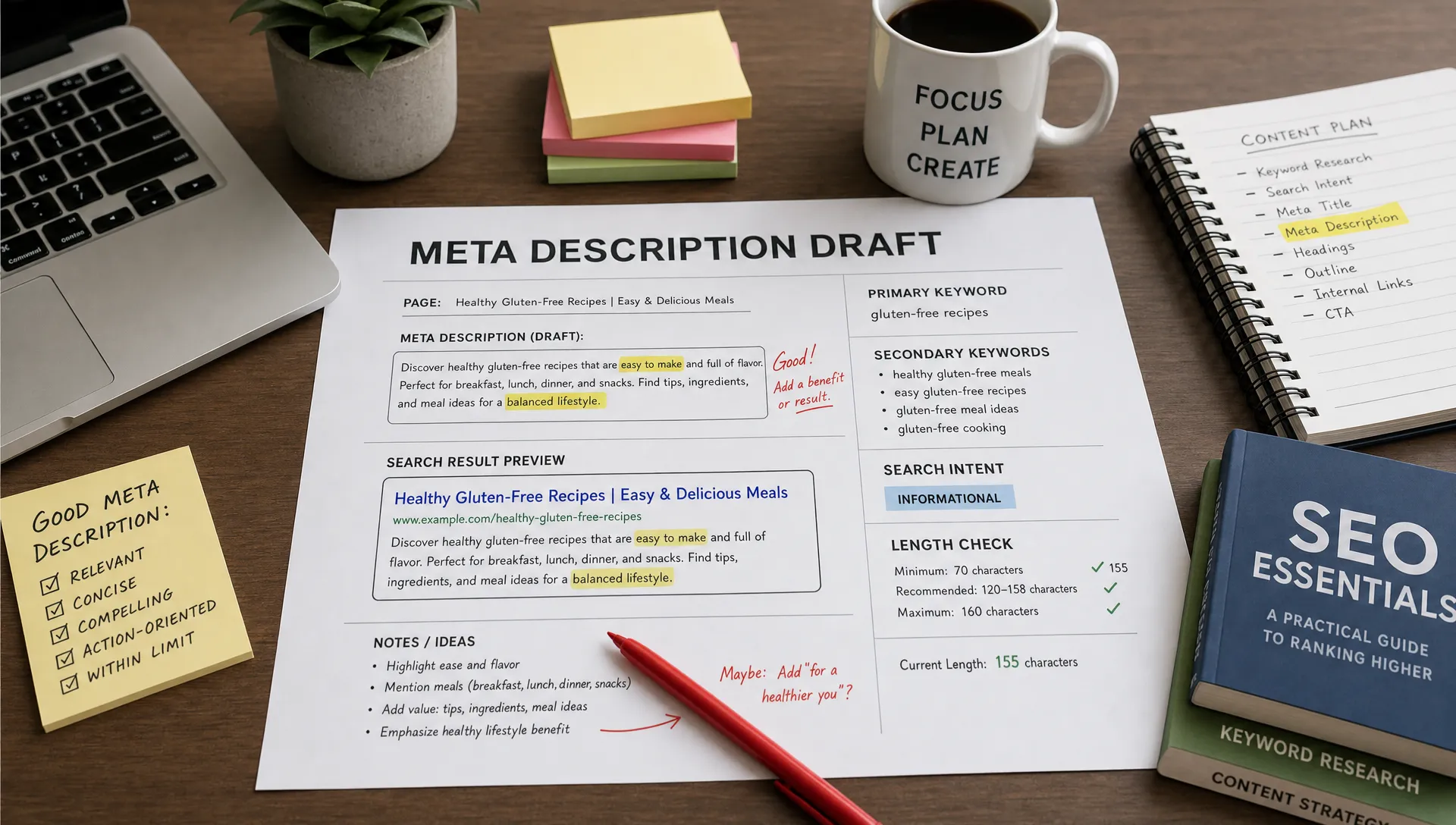
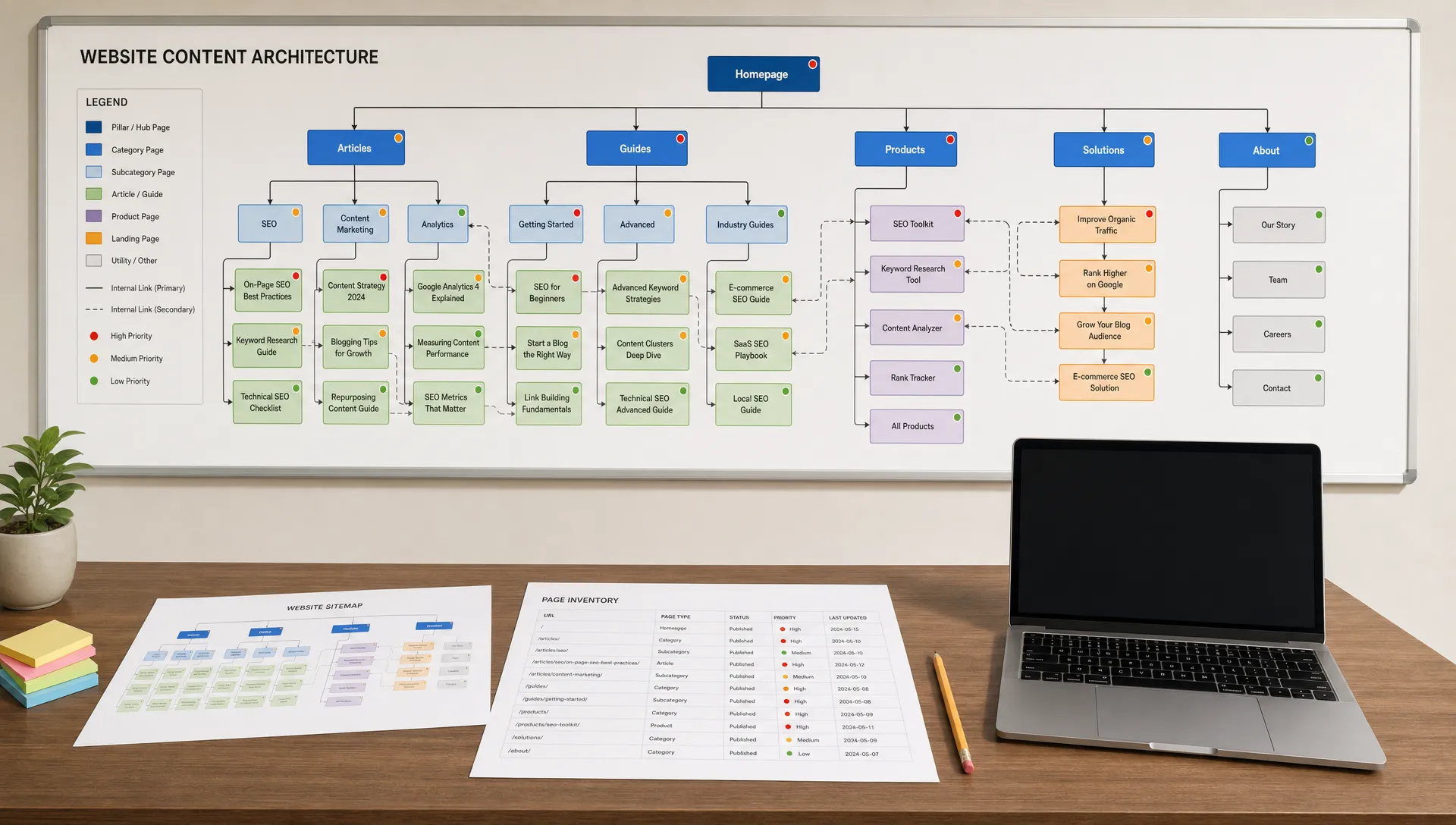
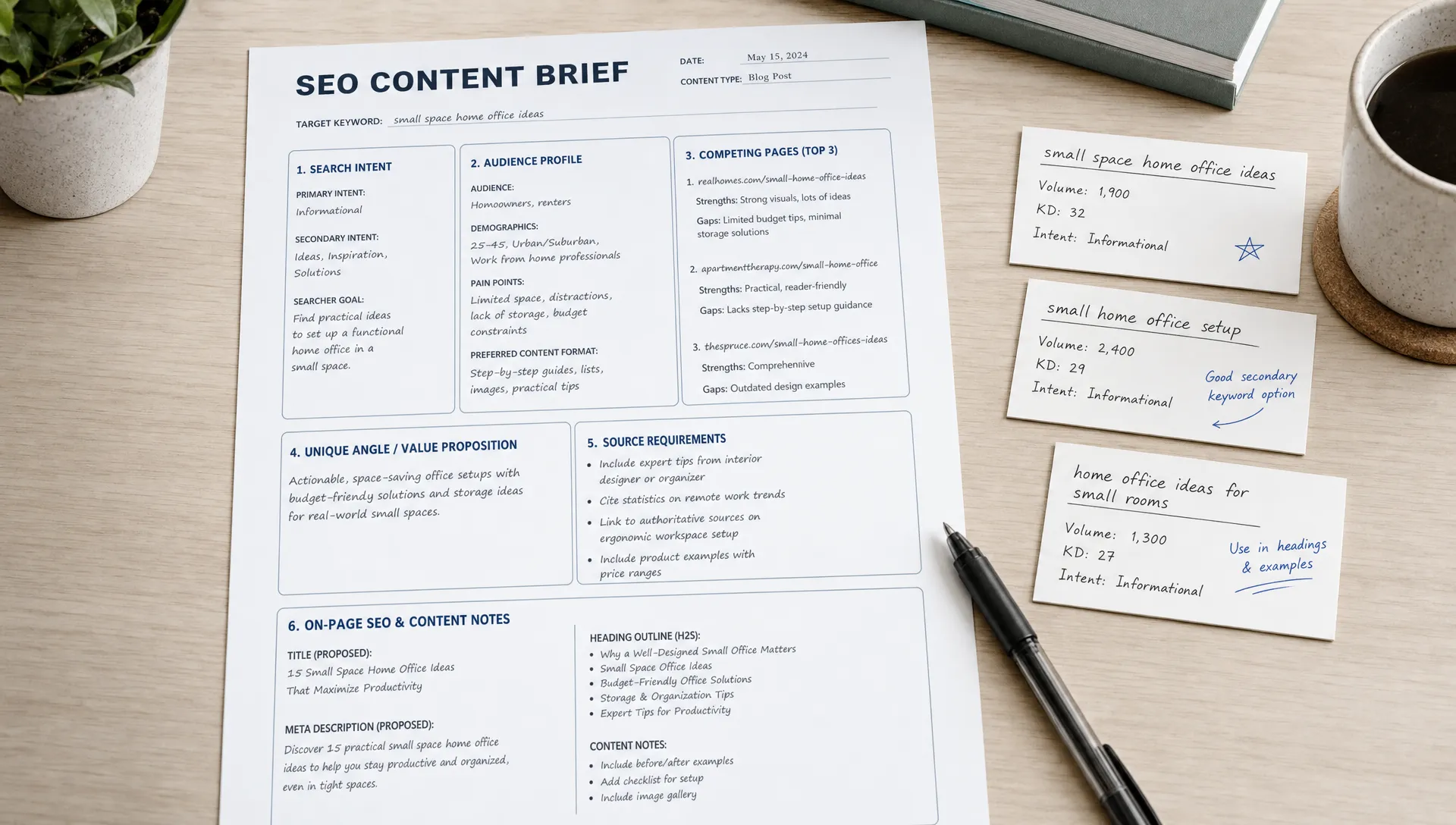
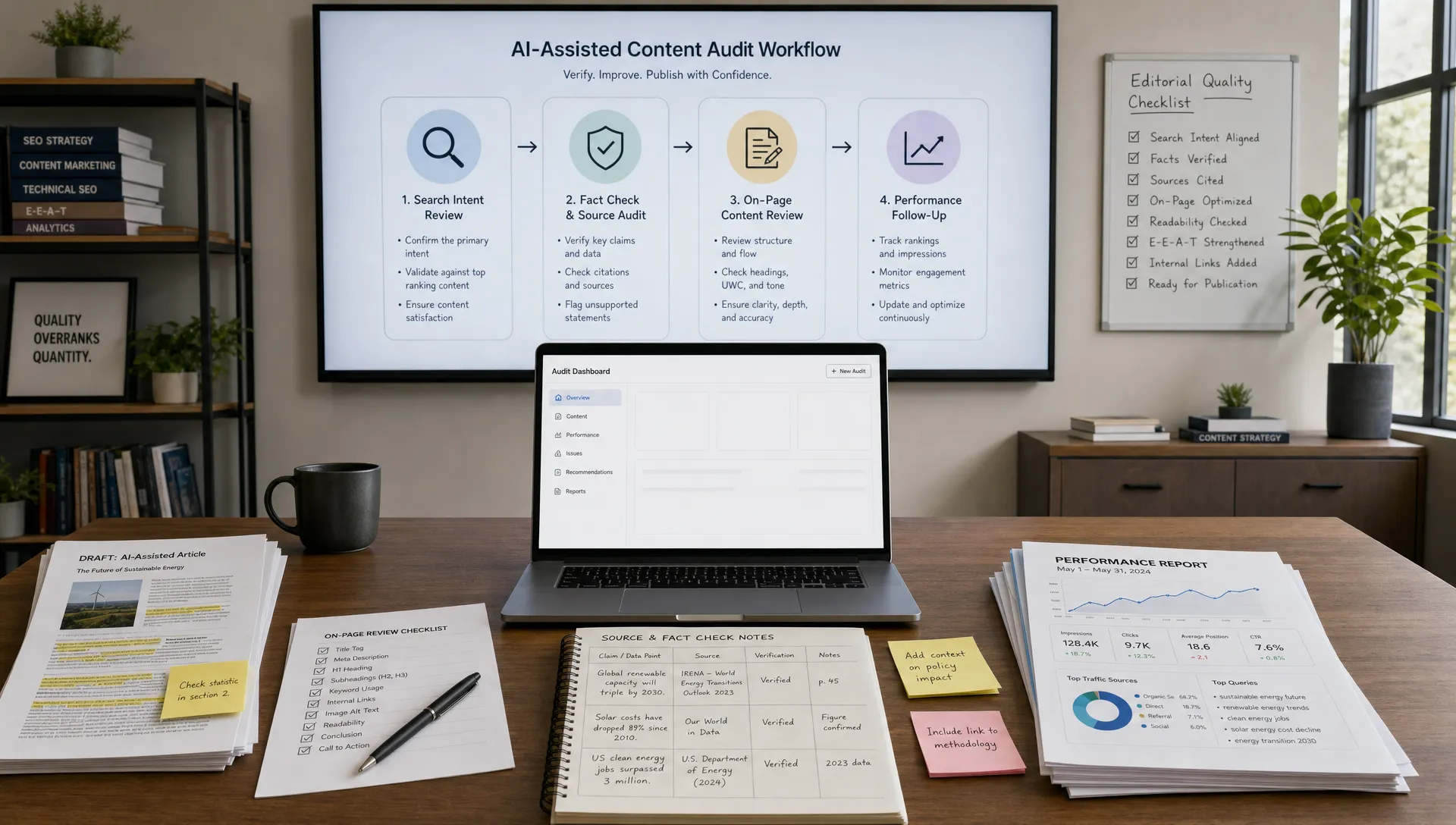
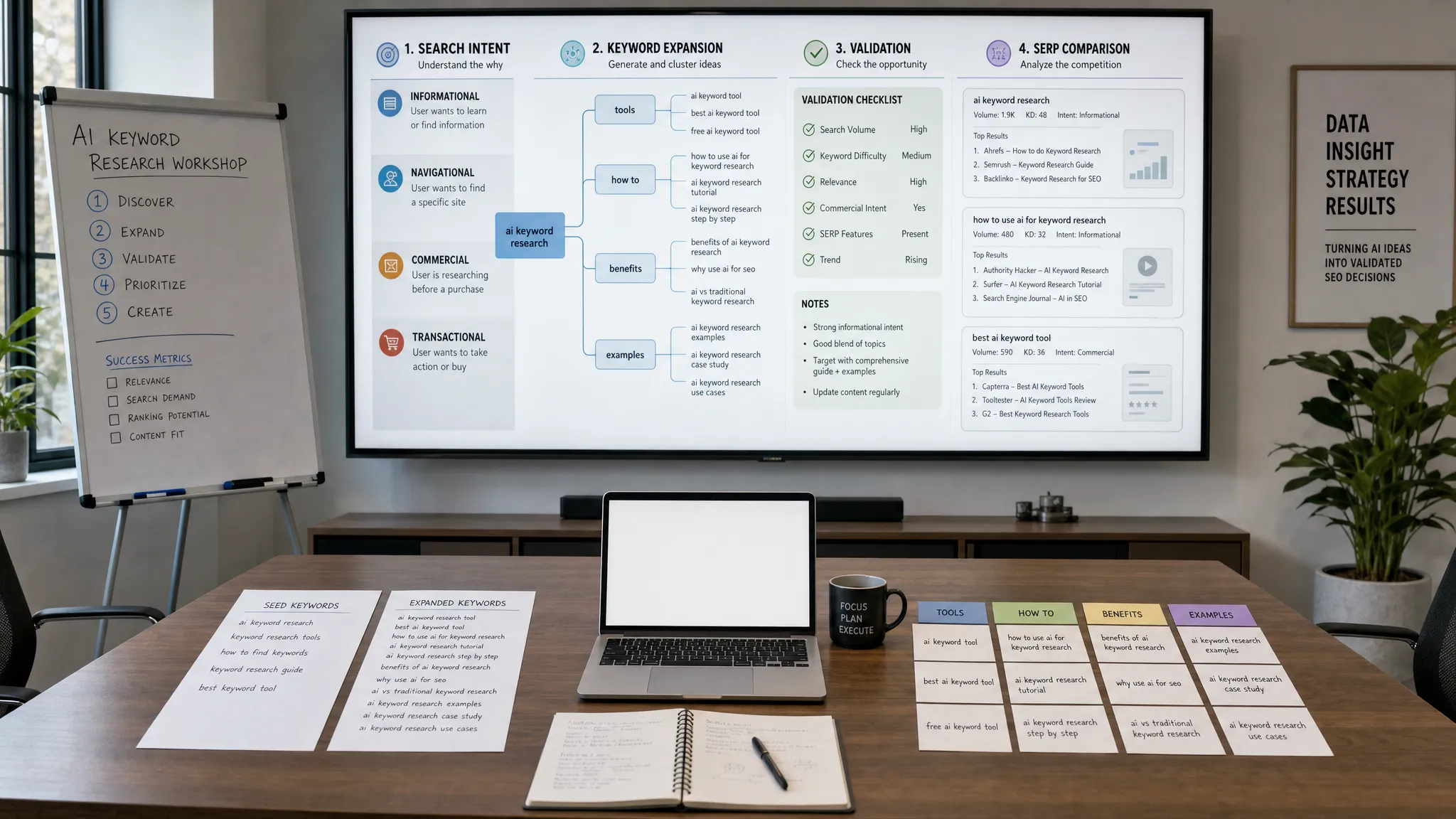
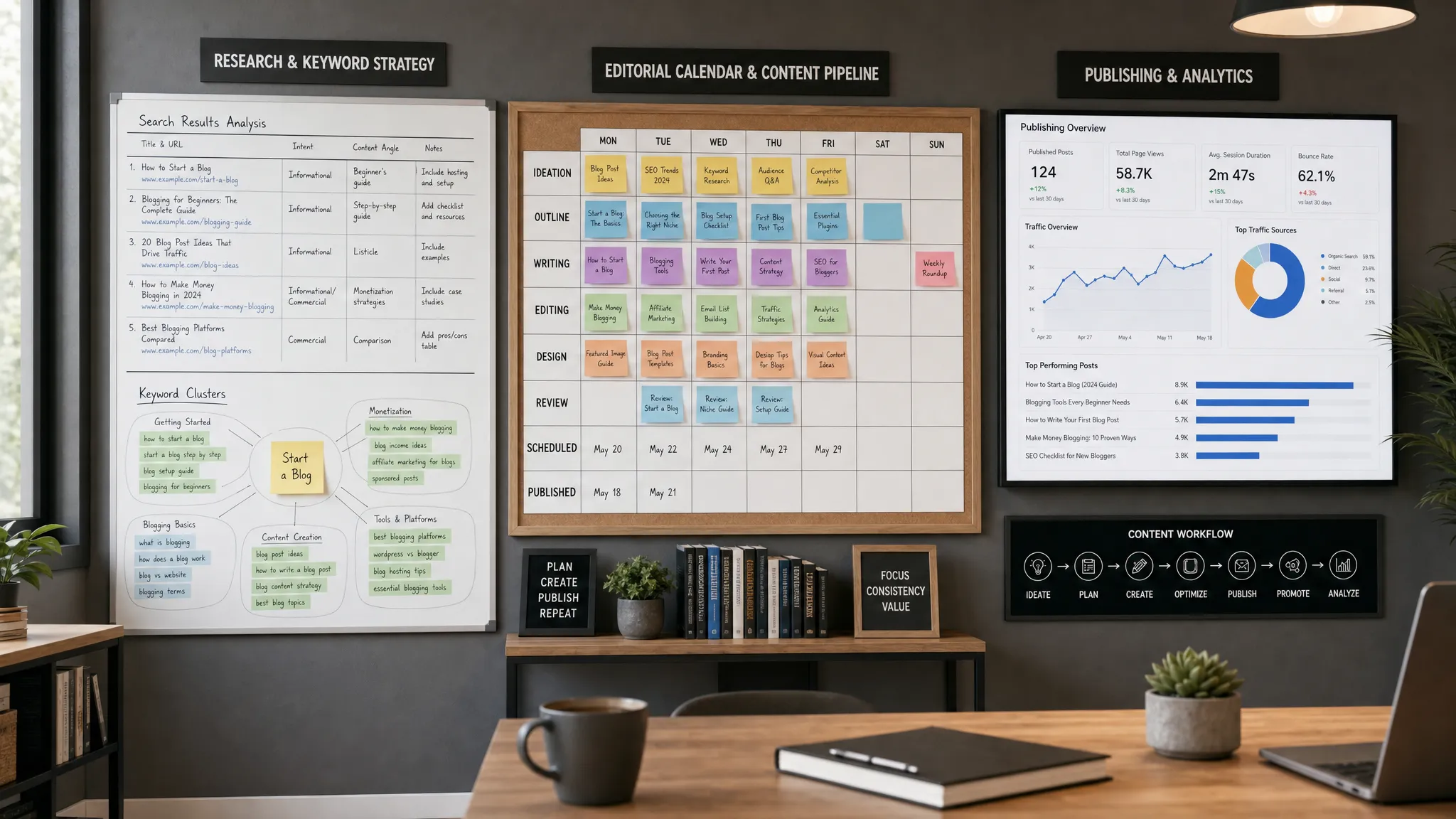
SEO skills still matter, but they need to expand. Marketing professionals should understand search intent, topic authority, content structure, internal linking, technical basics, and on-page optimization. They should also know how to create content that is helpful, credible, and easy for both people and machines to interpret.
Google’s guidance on helpful, reliable, people-first content remains a useful baseline. In practice, this means publishing content with original insight, clear expertise, specific examples, and answers that match the reader’s actual intent.
For 2026, the best content marketers will be able to combine SEO fundamentals with AI-era discoverability. They will create pages that answer complex questions, cite credible sources, show first-hand knowledge, and support the buyer journey beyond a single keyword.
A good marketer has opinions. A great marketer knows how to test them.
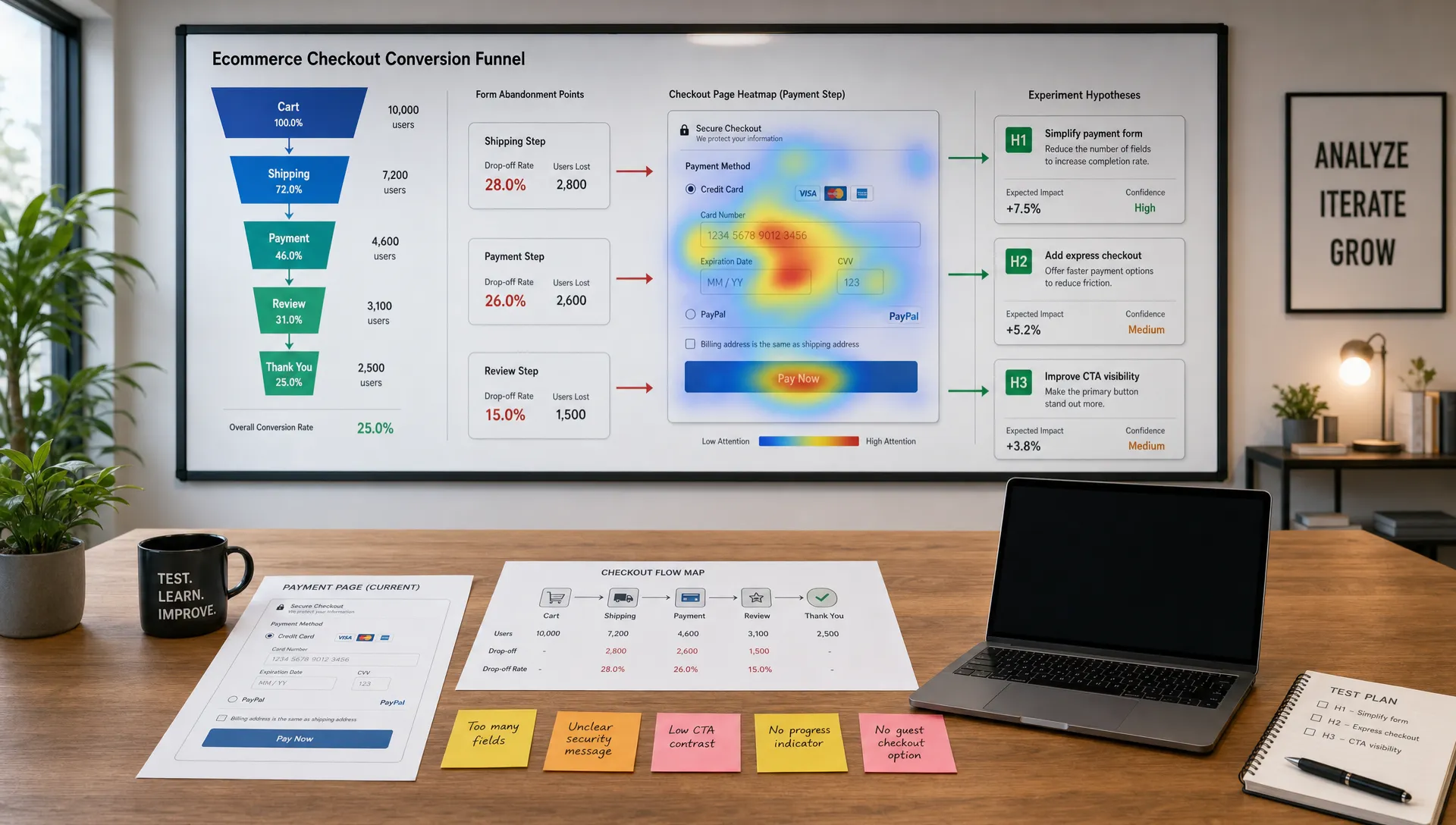
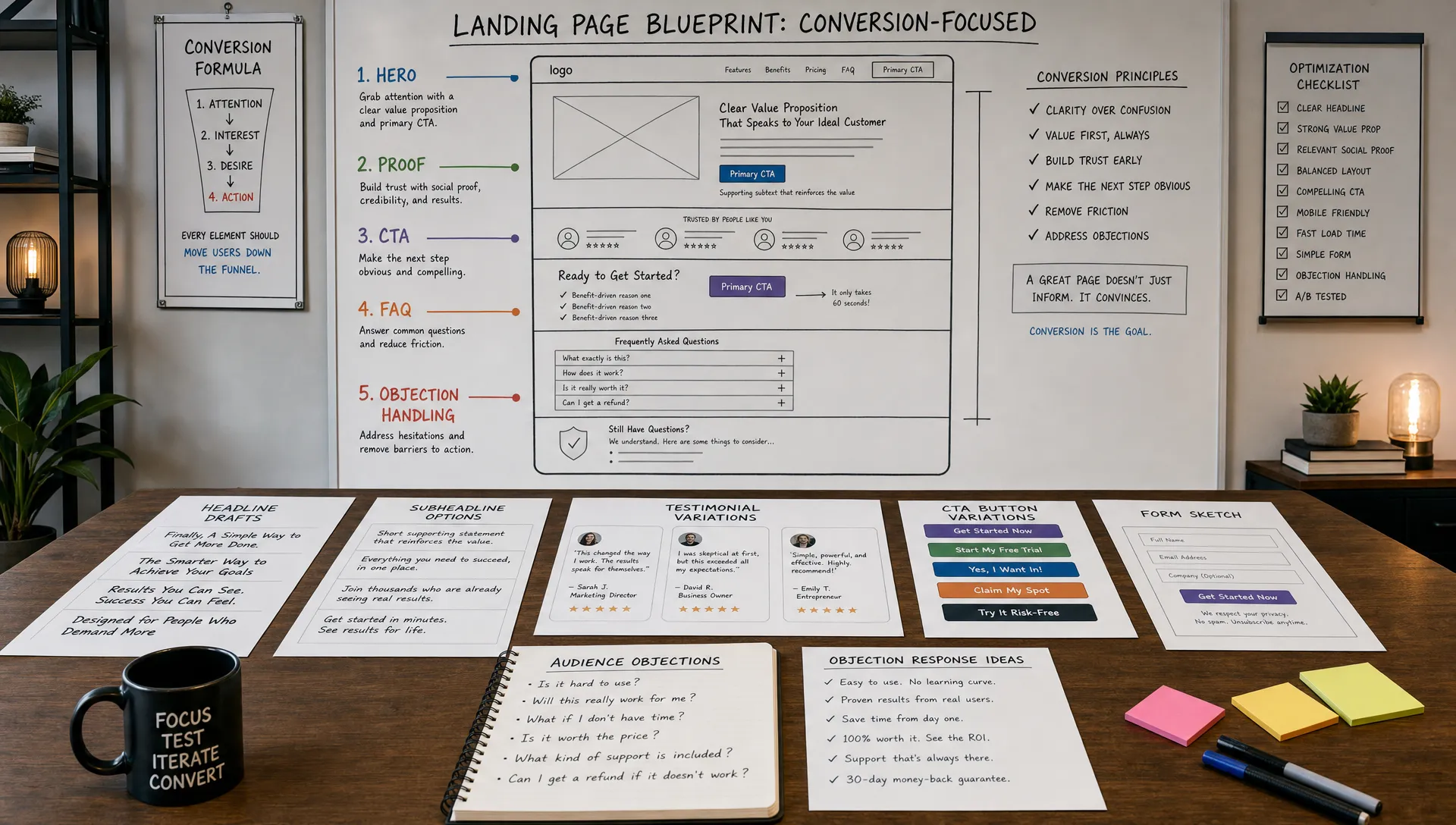
Experimentation is one of the most valuable skills marketing professionals can develop because it turns uncertainty into learning. This includes A/B testing landing pages, testing ad angles, improving email subject lines, comparing offers, refining onboarding flows, and optimizing calls to action.
The key is to test meaningful variables, not random details. Changing a button color may matter less than changing the offer, audience, message, pricing frame, or proof point. Marketers should know how to form a hypothesis, define a success metric, run a clean test, and apply what they learn.
Conversion optimization also requires empathy. Numbers show where people drop off, but customer research explains why. When data and insight work together, marketers can improve performance without relying on guesswork.
Customer acquisition is expensive. That makes lifecycle marketing one of the most important skills for 2026.
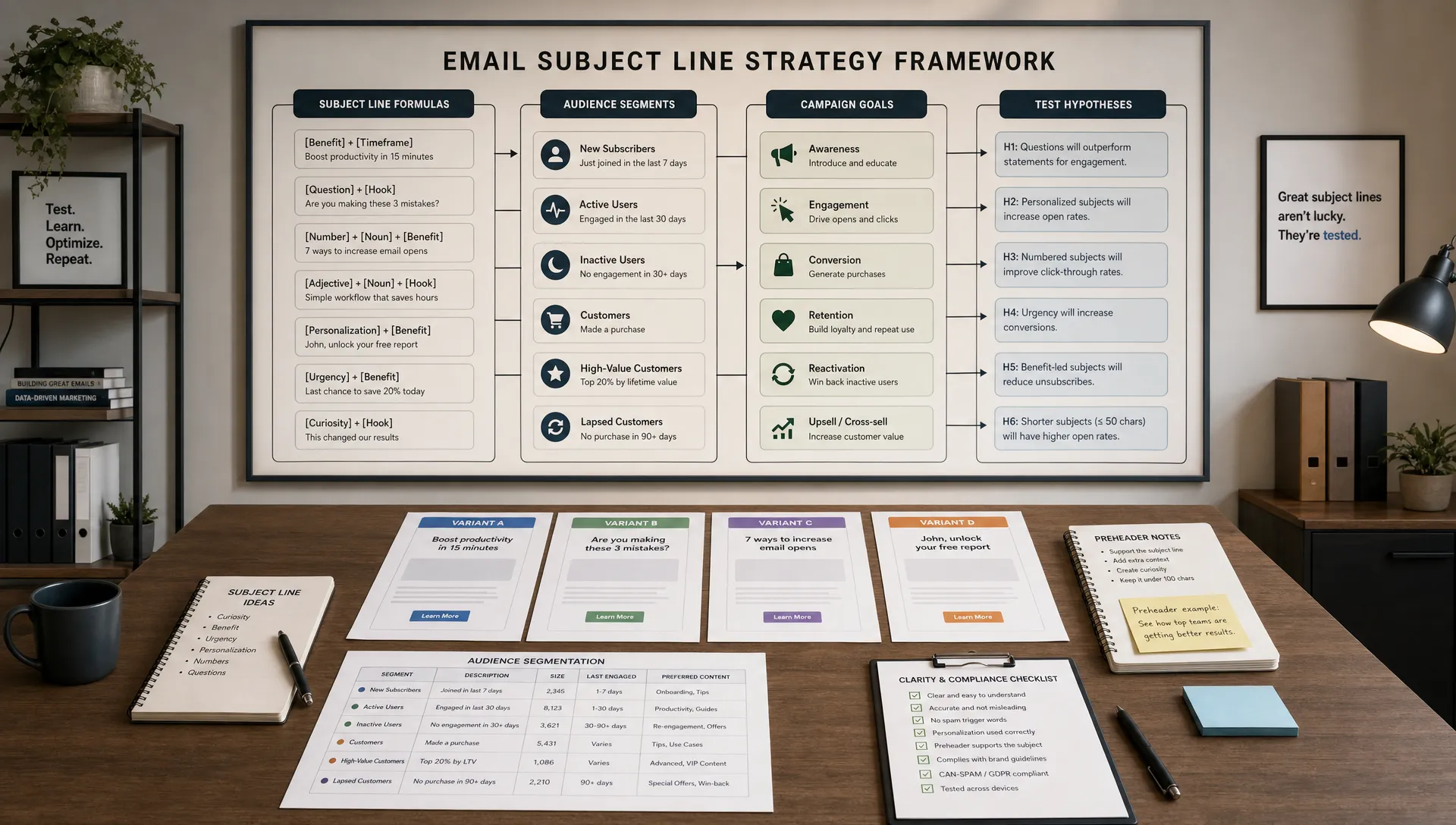
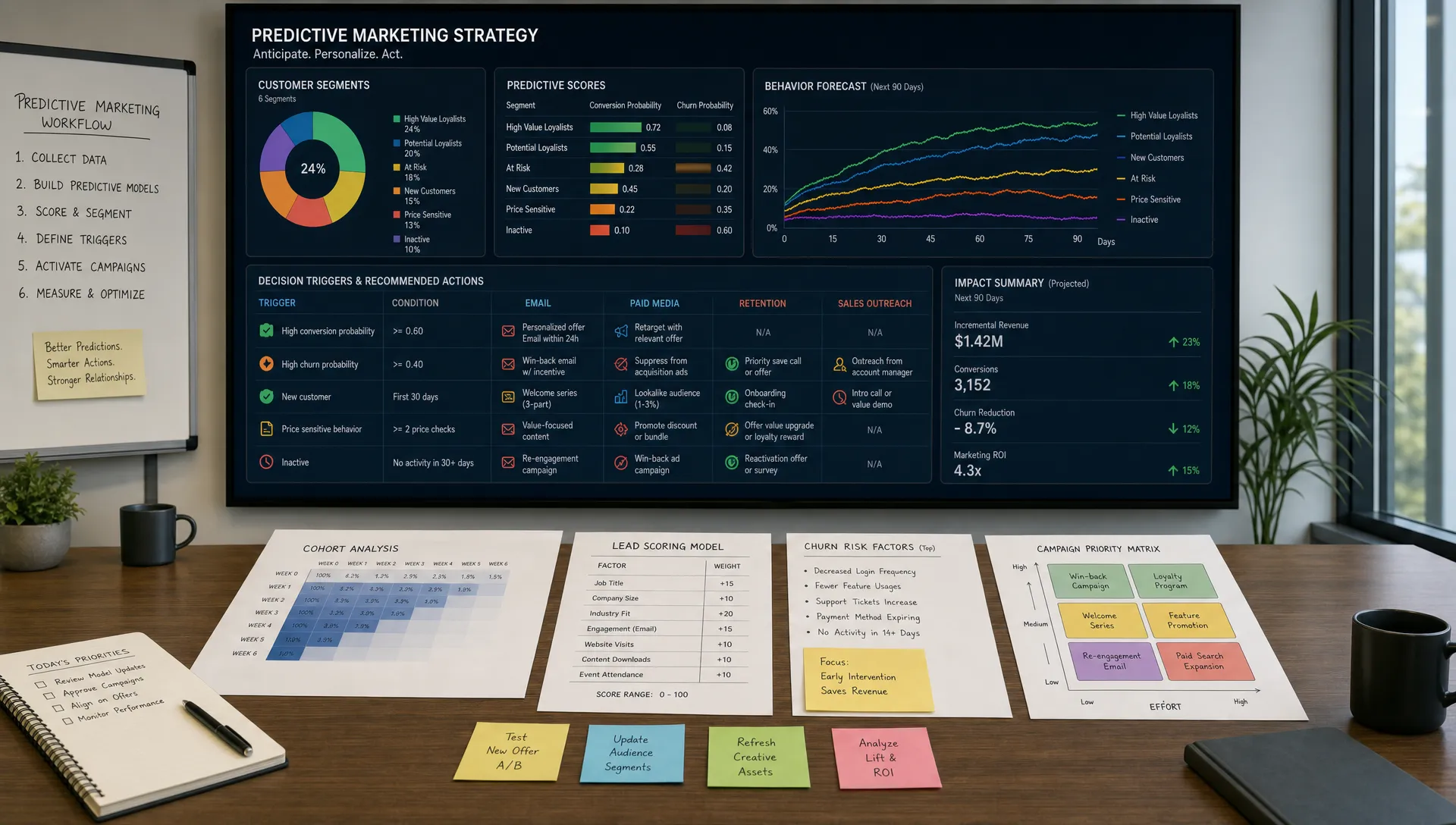
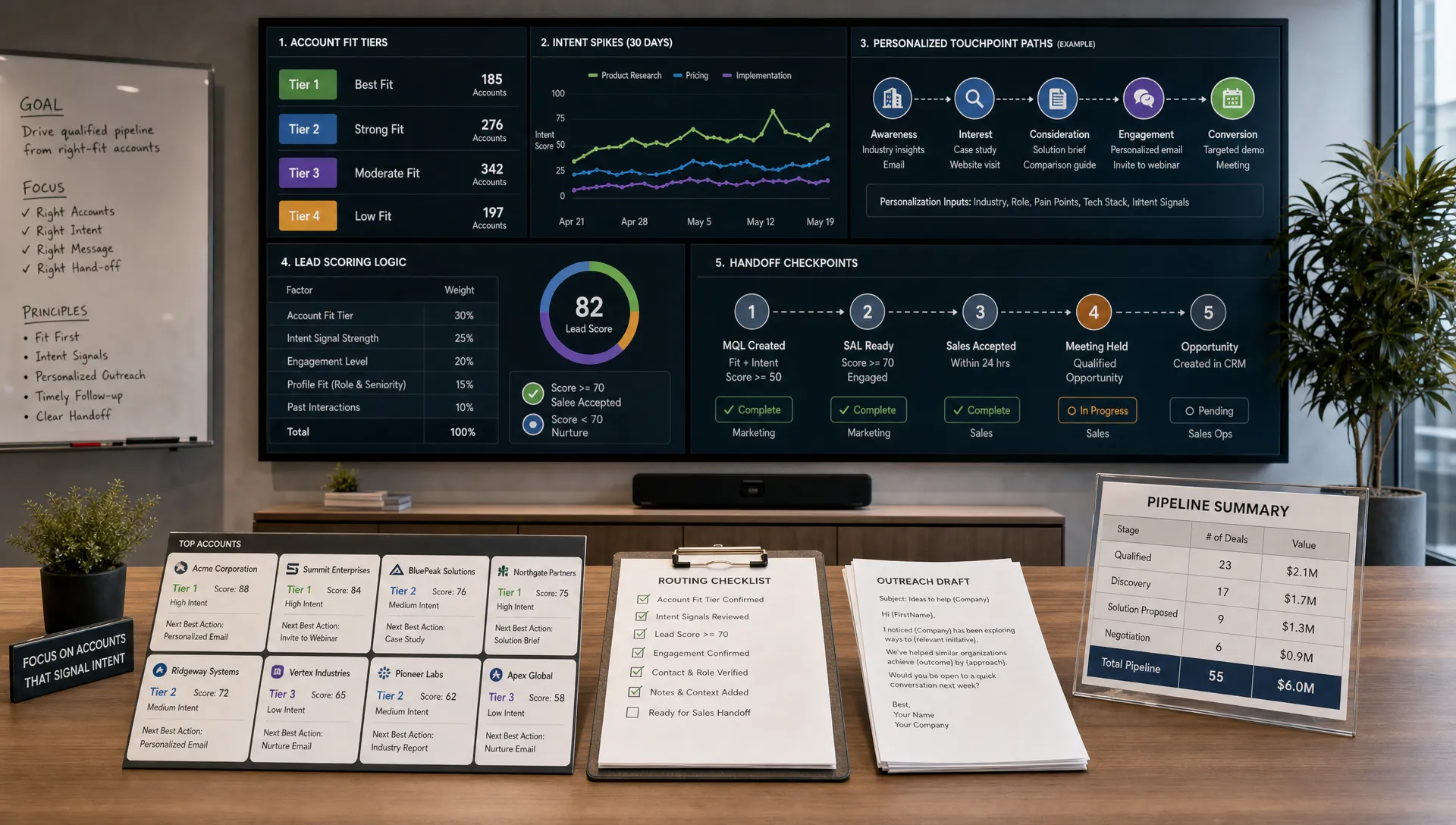
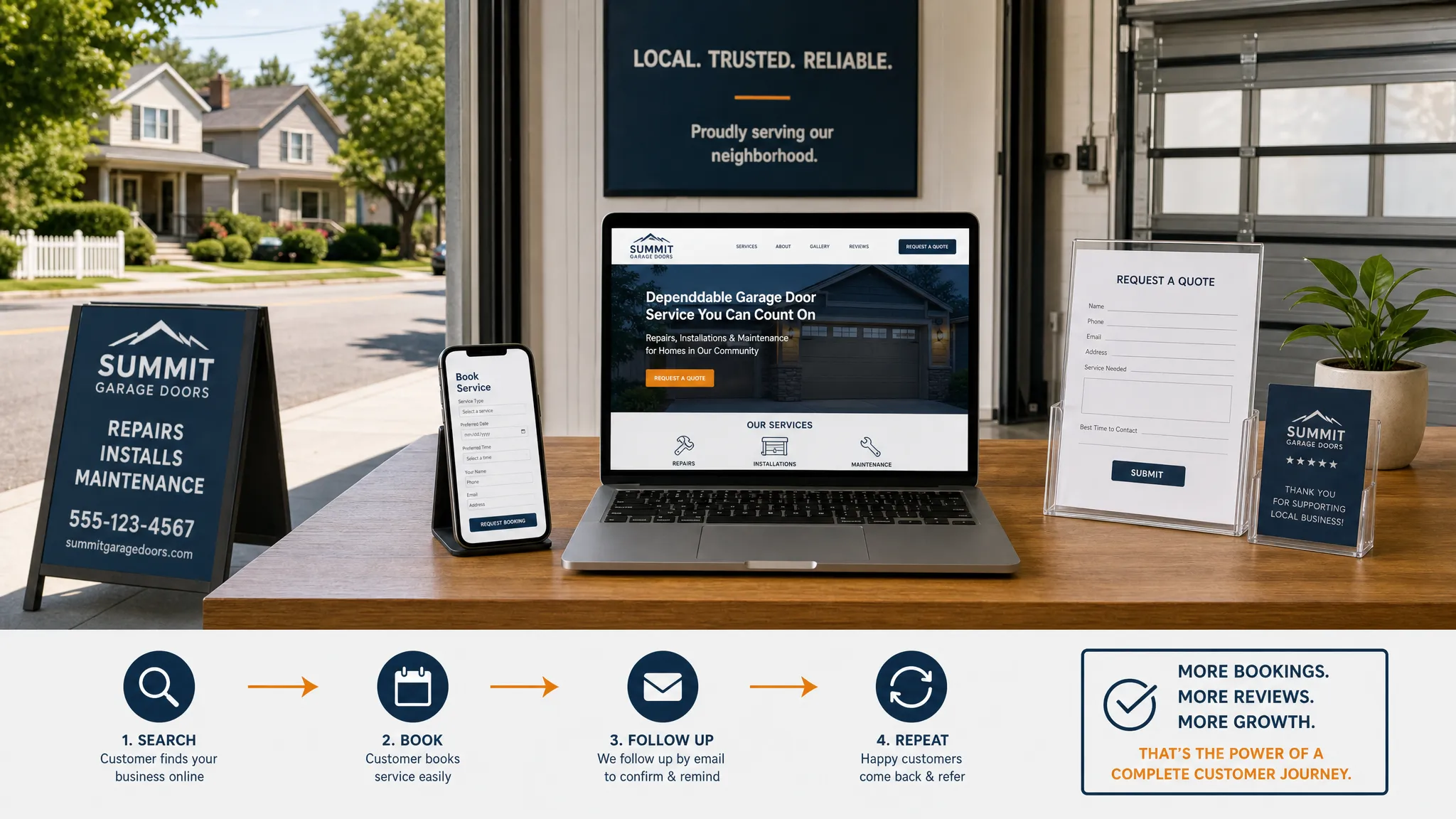
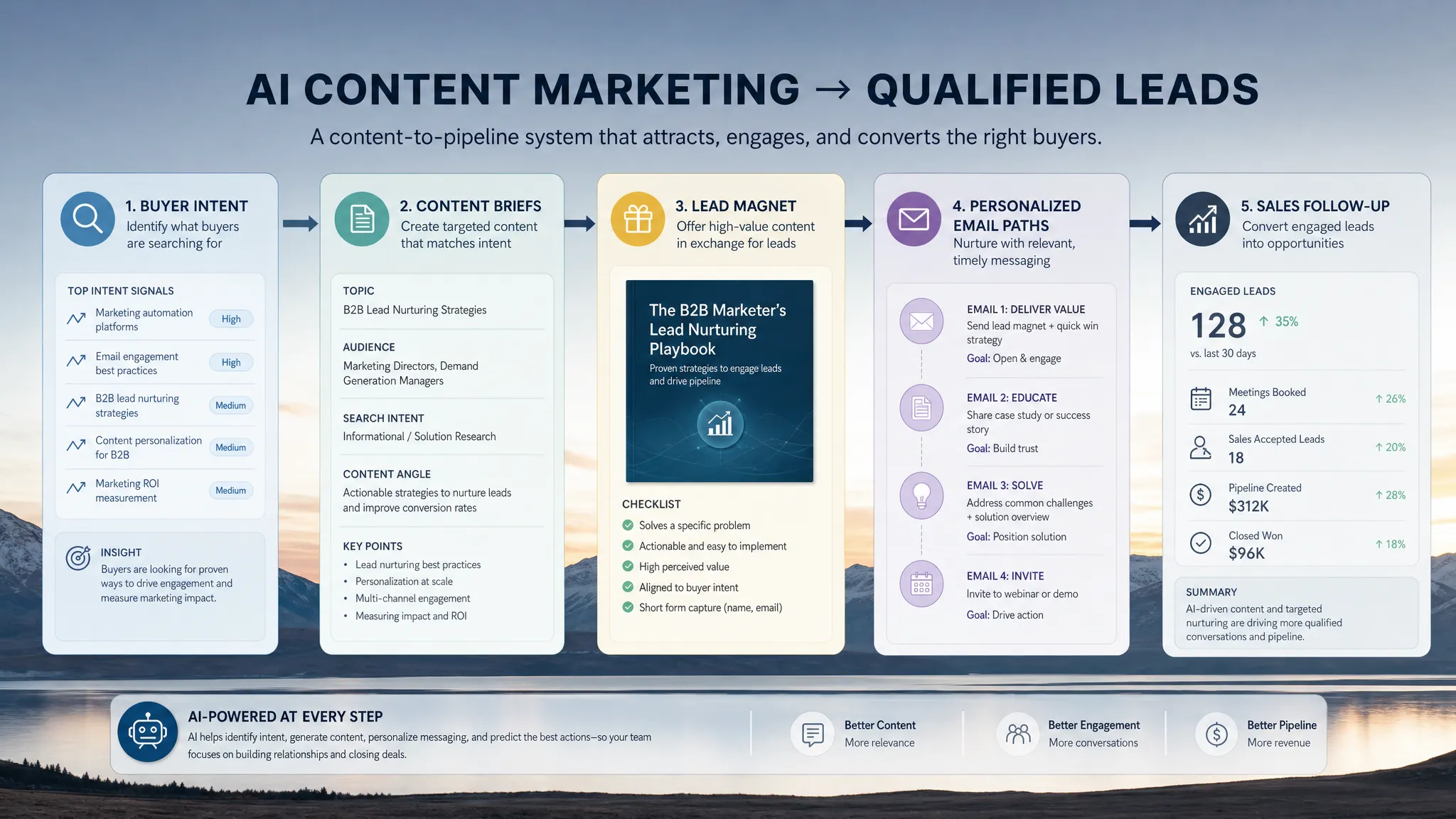
Marketing professionals need to understand how to nurture prospects, onboard new customers, increase activation, encourage repeat purchase, reduce churn, and re-engage dormant audiences. This requires knowledge of segmentation, email marketing, CRM workflows, behavioral triggers, personalization, and customer journey mapping.
Automation plays a major role, but automation should not feel robotic. Strong lifecycle marketers know when to send, what to say, and how to make messages feel relevant. They also understand that personalization is not just inserting a first name. It is using context to deliver the right message at the right moment.
For SaaS, lifecycle skills might focus on activation and retention. For ecommerce, they may focus on repeat purchase and loyalty. For professional services, they may focus on education, trust, and long sales cycles. The channel mix changes, but the principle stays the same: growth improves when customer relationships are managed intentionally.
Creative work is becoming more scalable, but also more complex. Teams now manage human designers, copywriters, freelancers, AI-generated assets, brand guidelines, approval workflows, and channel-specific formats.
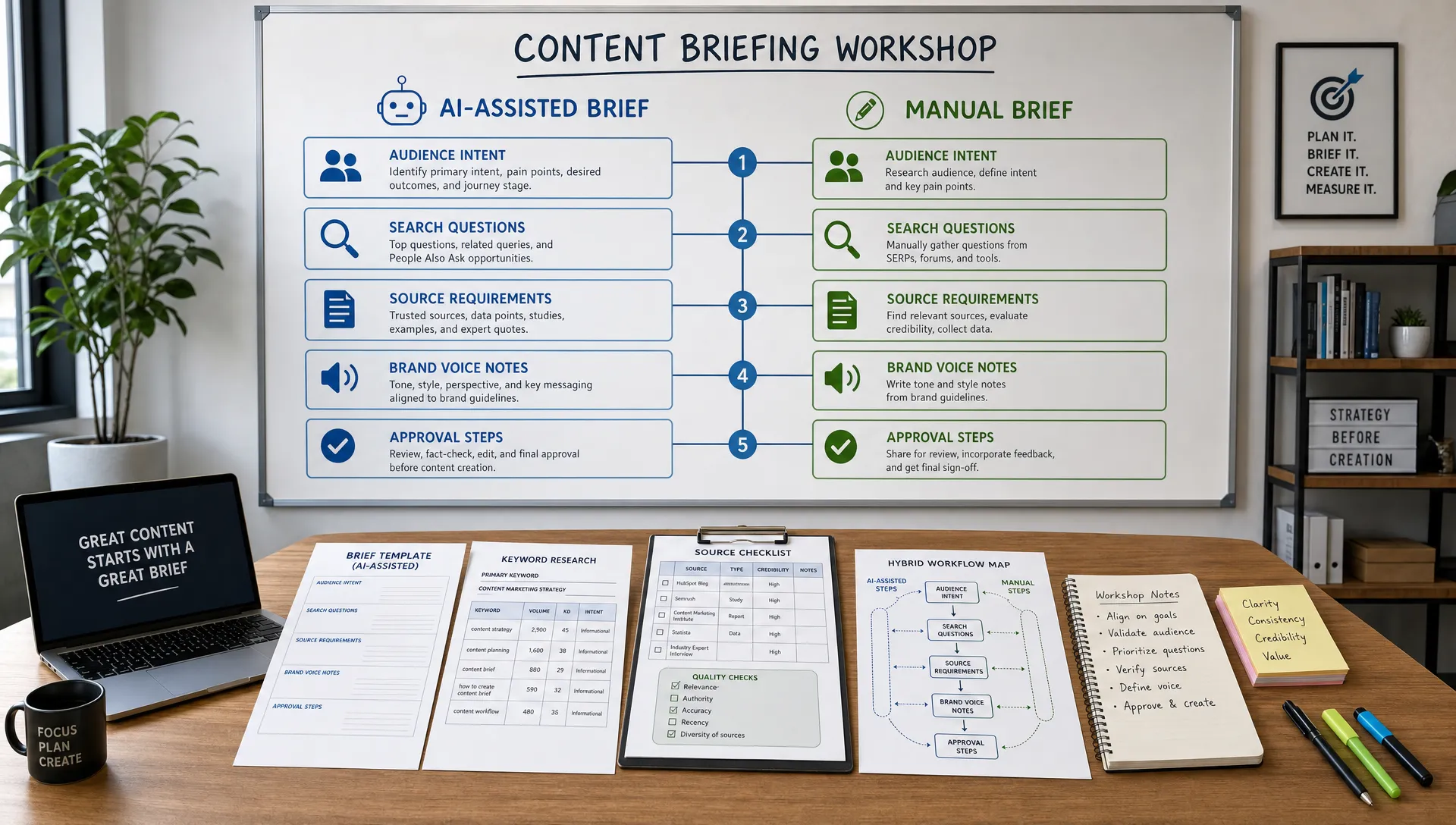
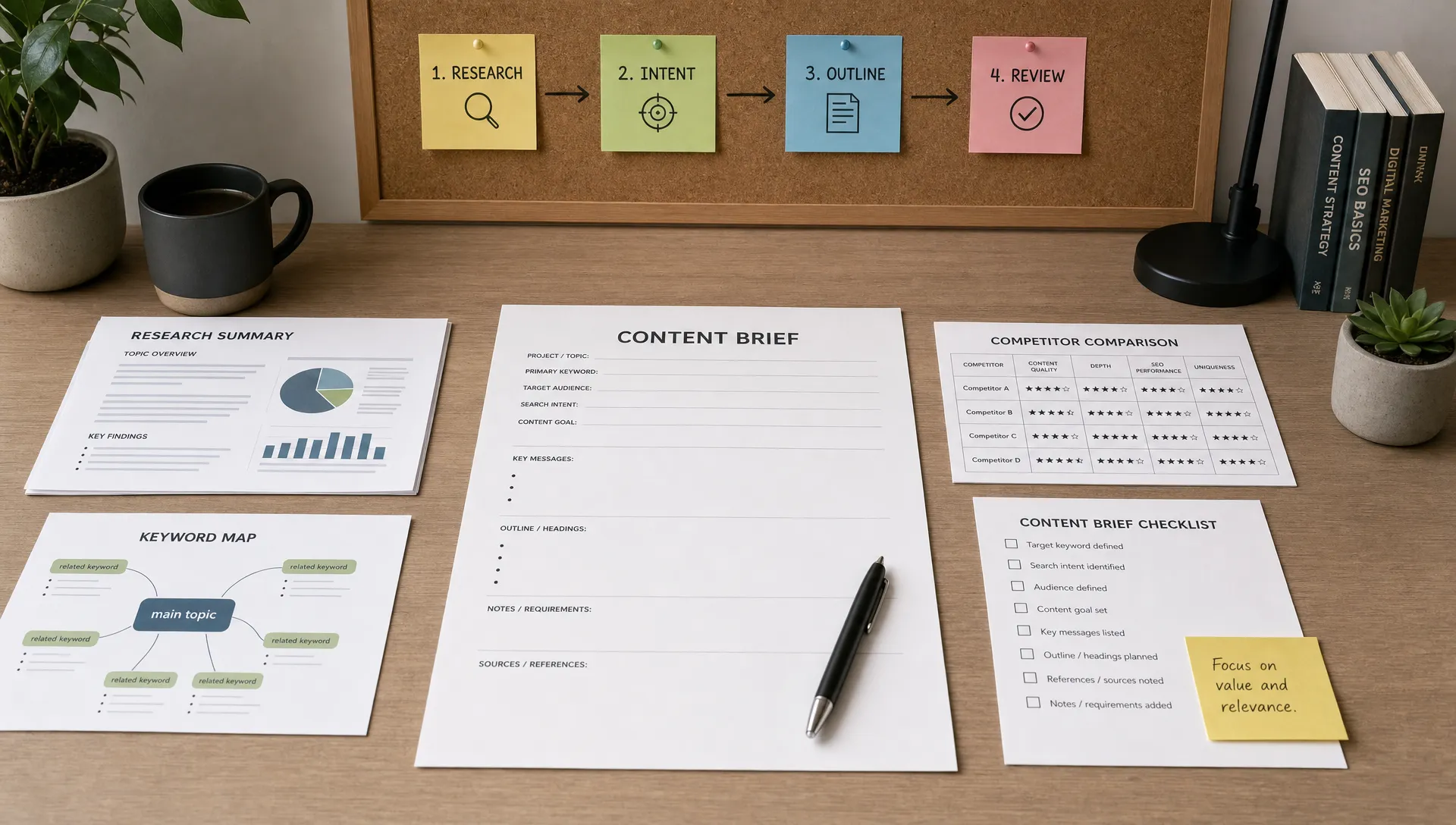
That means marketers need creative operations skills. They should know how to write clear briefs, define review criteria, manage asset libraries, organize feedback, and keep production moving without sacrificing quality.
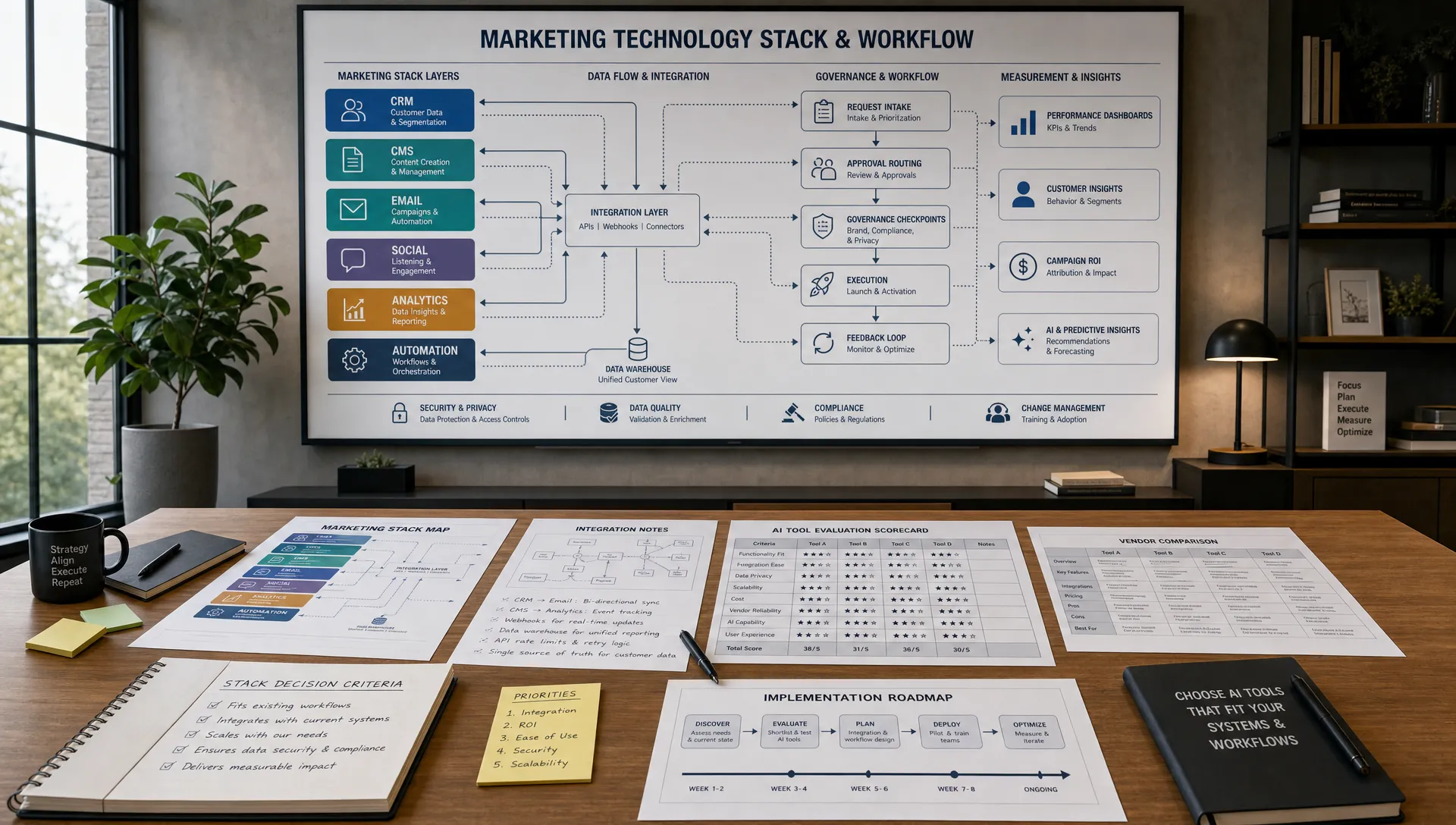
AI adds another layer. Teams need to decide which models to use, how outputs are reviewed, how brand assets are protected, and how spend is controlled. For larger creative teams, operating layers such as Virtuall can be relevant when production needs to run across multiple models, teams, and workflows with more governance.
Even if you are not a designer, you should understand what makes creative effective. Learn how visuals support positioning, how messaging changes by channel, and how to evaluate creative against campaign goals rather than personal preference.
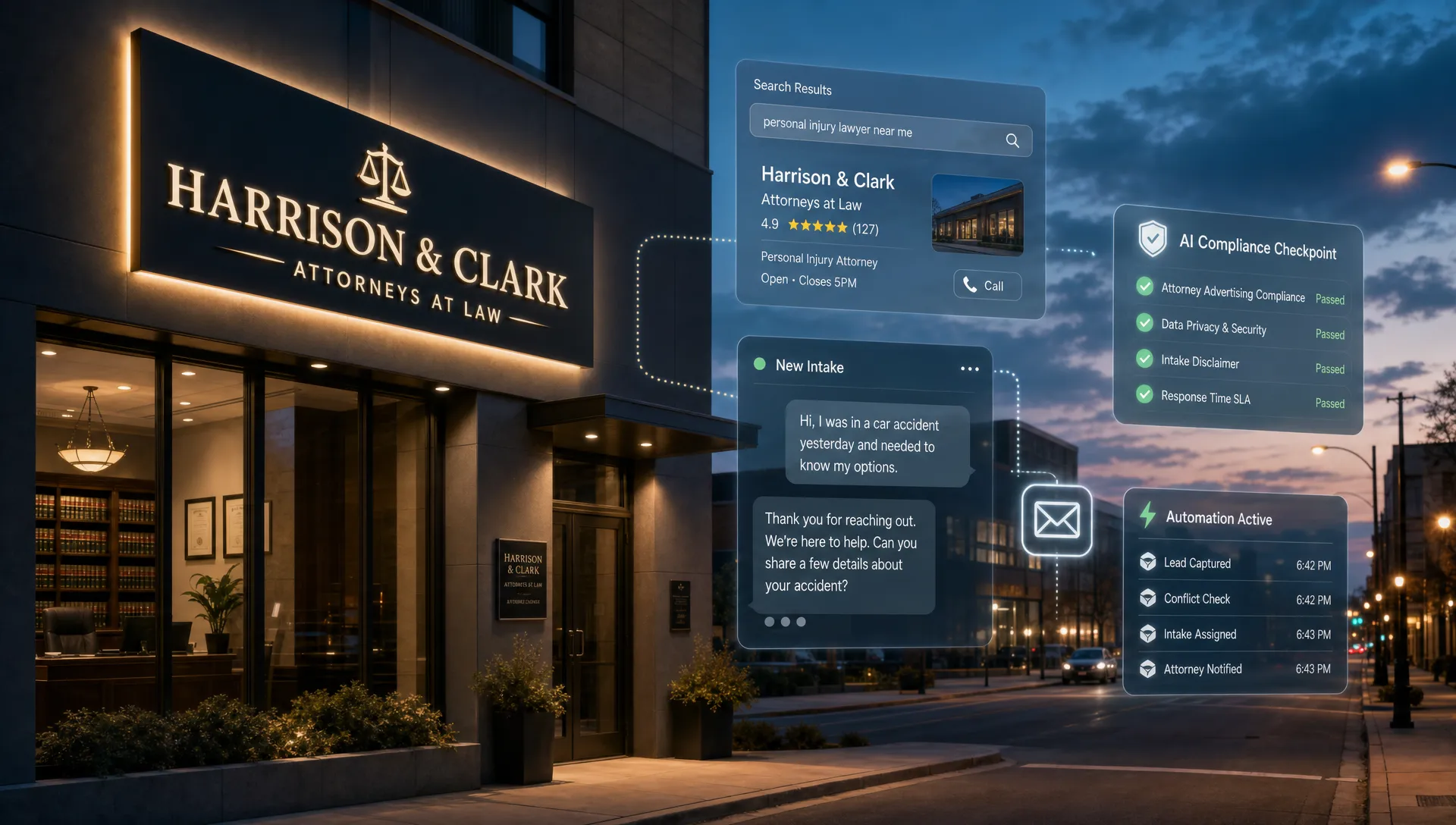
Marketing teams are using AI in content, analytics, personalization, advertising, and customer communication. That creates new responsibilities.
In 2026, marketers should understand the basics of AI governance: data privacy, copyright risk, bias, disclosure, consent, brand safety, and human review. This does not mean every marketer needs to become a legal expert. It means they should know when a workflow could create risk and when to involve legal, compliance, IT, or security teams.
The NIST AI Risk Management Framework is a helpful reference for thinking about AI risk in a structured way. For marketers, the practical takeaway is simple: do not upload sensitive customer data into tools without approval, do not publish AI outputs without review, and do not let speed override trust.
Risk awareness is becoming a leadership skill. The marketers who can move fast while protecting customers and brand reputation will be more valuable than those who only chase efficiency.
Marketing is more credible when it speaks the language of the business. That means understanding revenue, margin, sales cycles, pricing, customer retention, pipeline quality, and operational constraints.
Marketing professionals need to communicate clearly with sales, product, finance, customer success, legal, and leadership. A campaign idea becomes stronger when it is connected to a business priority. A content strategy earns more support when it addresses sales objections. A paid media budget is easier to defend when it is tied to customer economics.
This skill is especially important for marketers who want to move into leadership. Leaders do not just ask, “Did the campaign perform?” They ask, “What business problem did this solve, what did we learn, and where should we invest next?”
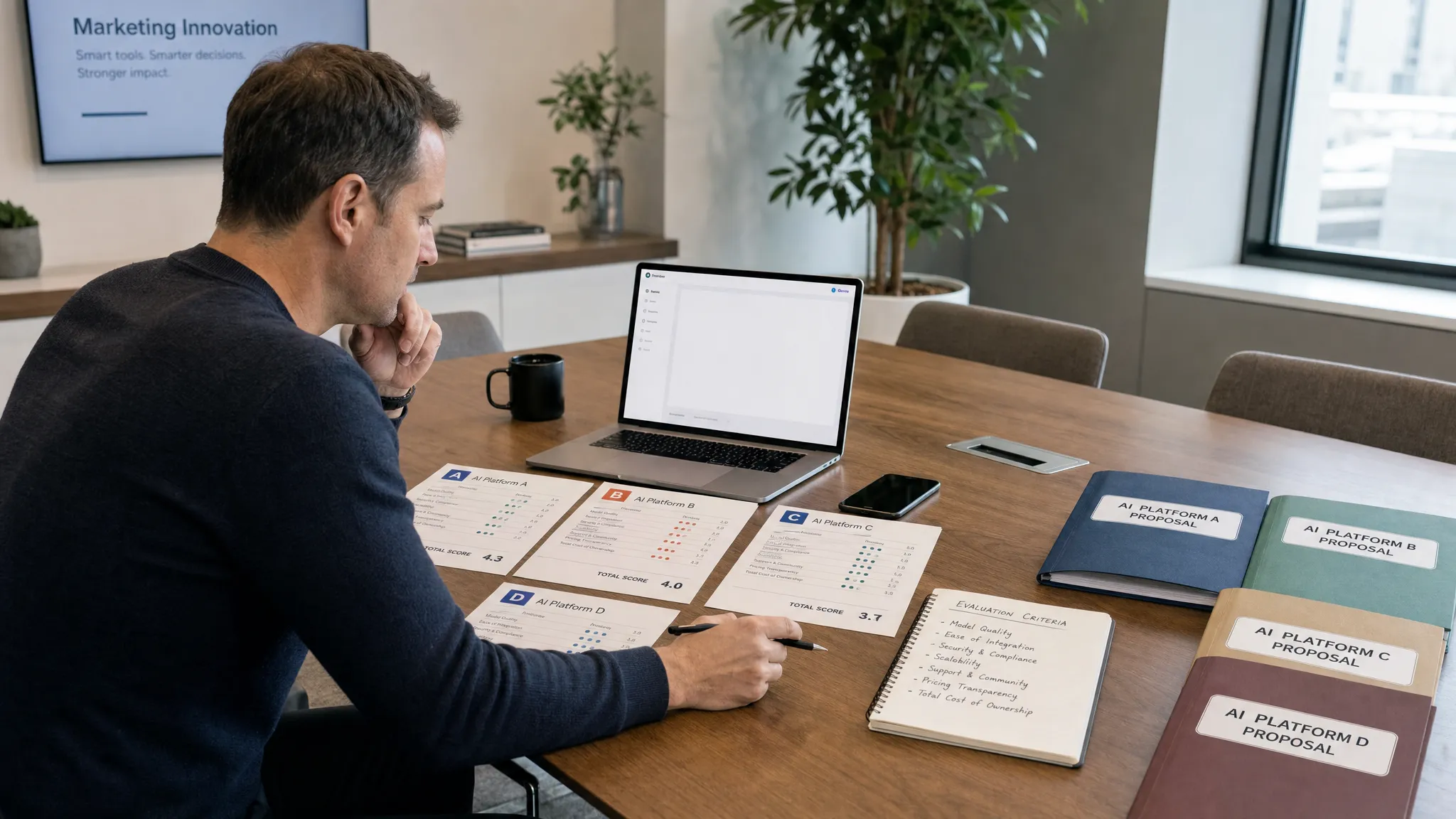
You do not need to master every skill at once. The best approach is to prioritize based on your role, your company’s growth stage, and the biggest bottleneck in your marketing system.
If you work in performance marketing, focus first on measurement, experimentation, AI-assisted analysis, and conversion optimization. If you work in content or SEO, prioritize customer research, AI search visibility, editorial judgment, and brand voice. If you work in brand or creative, strengthen narrative strategy, creative operations, and AI production workflows. If you lead a team, invest in governance, business acumen, and cross-functional communication.
A simple 30-day plan can help you make progress without getting overwhelmed:
The compounding effect matters. One improved workflow, one sharper insight, and one better experiment each month can transform your value over a year.
In the past, many marketers were defined by their channel: SEO specialist, paid media manager, email marketer, social media manager, or content strategist. Those specialties still matter, but the most valuable marketers in 2026 think beyond channels.
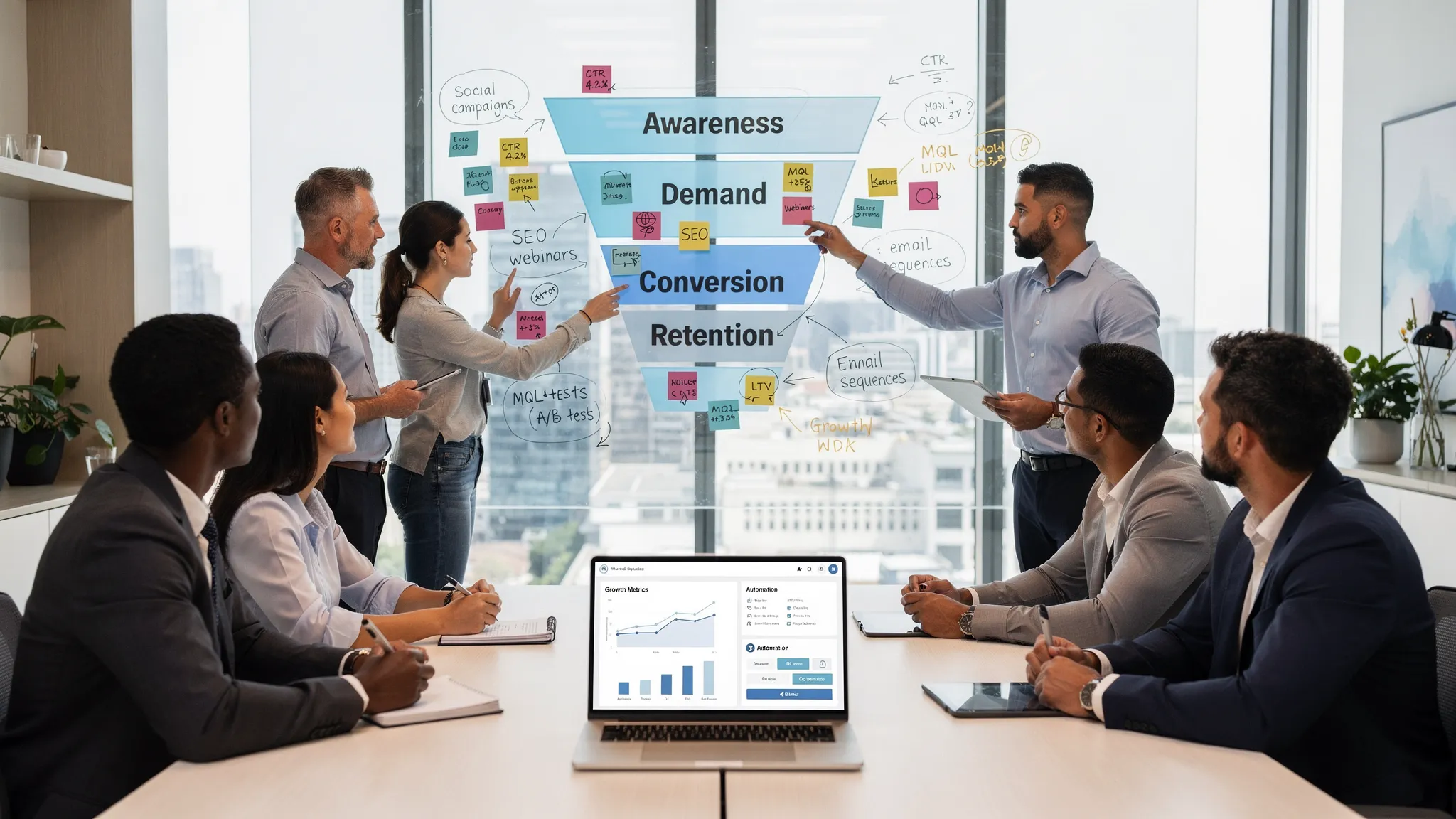
They understand how channels connect. They know how a customer moves from awareness to trust to purchase to retention. They use AI to increase leverage, but they do not outsource strategy. They measure performance, but they do not ignore creativity. They protect brand trust while moving quickly.
That is the real skill stack for the next era of marketing: technical fluency, strategic judgment, customer empathy, and commercial accountability.
What is the most important skill for marketing professionals in 2026? The most important skill is AI workflow orchestration because it helps marketers use AI strategically across research, content, analytics, and campaign execution while maintaining human quality control.
Do marketers still need SEO skills in 2026? Yes. SEO remains important, but it now includes broader content discoverability across search engines, AI summaries, social search, and other buyer research channels.
Will AI replace marketing jobs? AI will replace some repetitive tasks, but it increases demand for marketers who can guide strategy, interpret data, understand customers, manage AI workflows, and connect marketing to revenue.
How can a marketer become more data-driven? Start by learning the metrics that matter for your role, reviewing campaign performance regularly, asking what the data proves, and connecting marketing activity to qualified leads, revenue, retention, or customer behavior.
Which soft skills matter most for marketers in 2026? Communication, adaptability, curiosity, creative judgment, collaboration, and ethical decision-making are essential because marketers must work across teams and make fast decisions in complex environments.
The marketers who win in 2026 will not be the ones chasing every new tool. They will be the ones building smarter systems, asking better questions, and using AI to amplify strategy rather than replace it.
AIMarketer Hub helps businesses and marketers strengthen that skill stack with AI content generation, SEO tools, prompt resources, calculators, performance insights, and industry-specific guides. Use it as a practical resource to automate the right tasks, improve your decisions, and grow with more confidence.