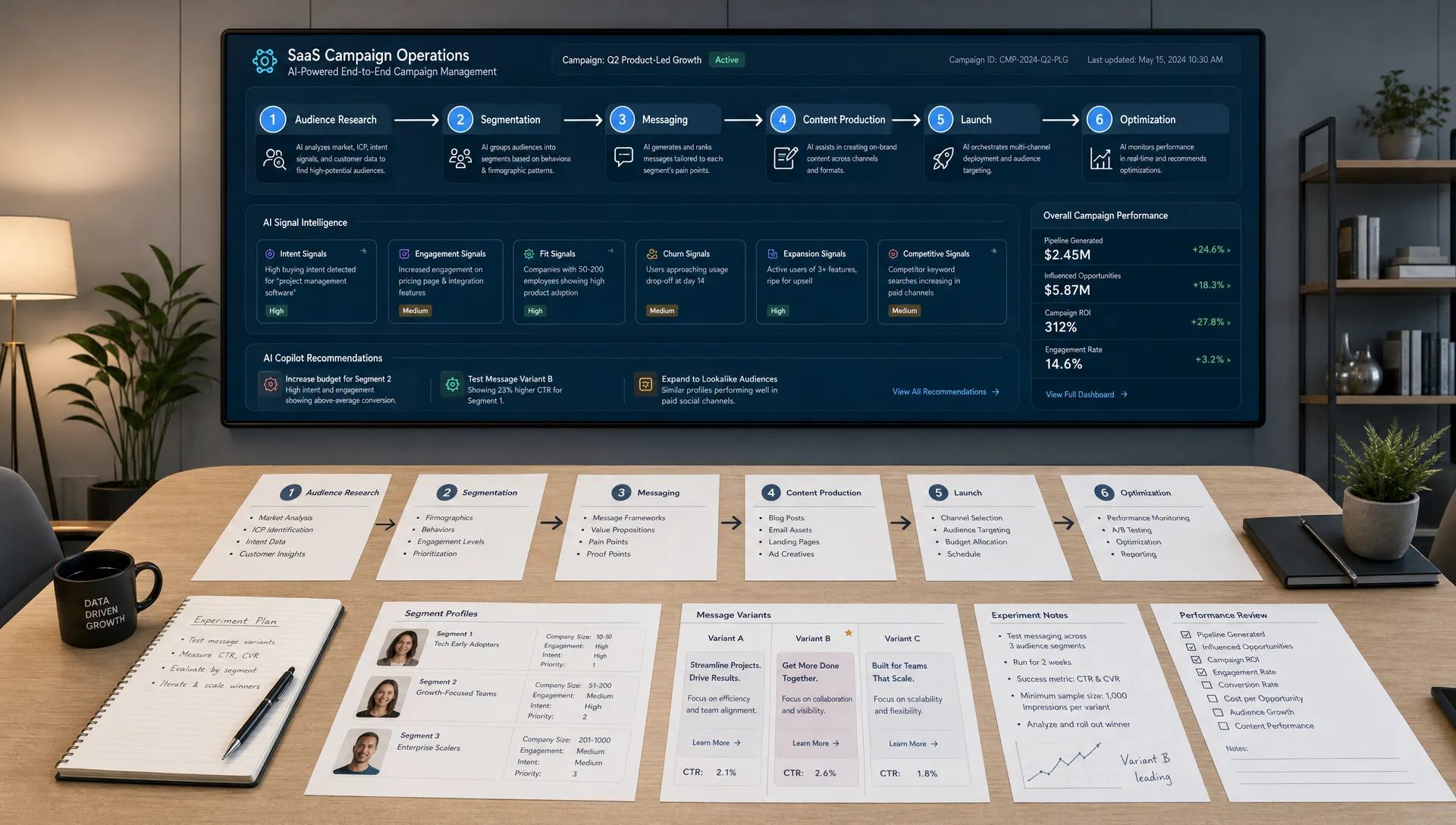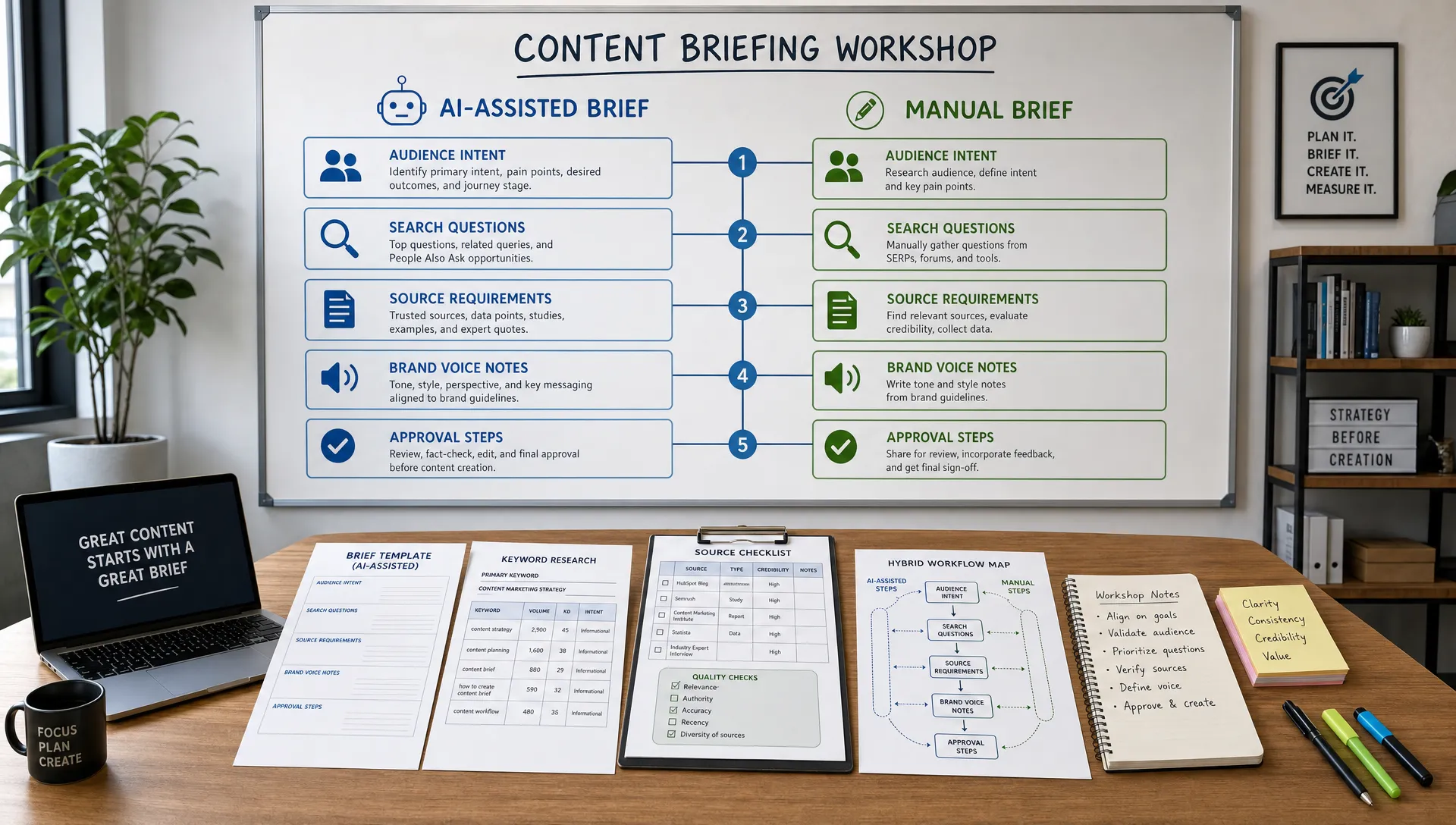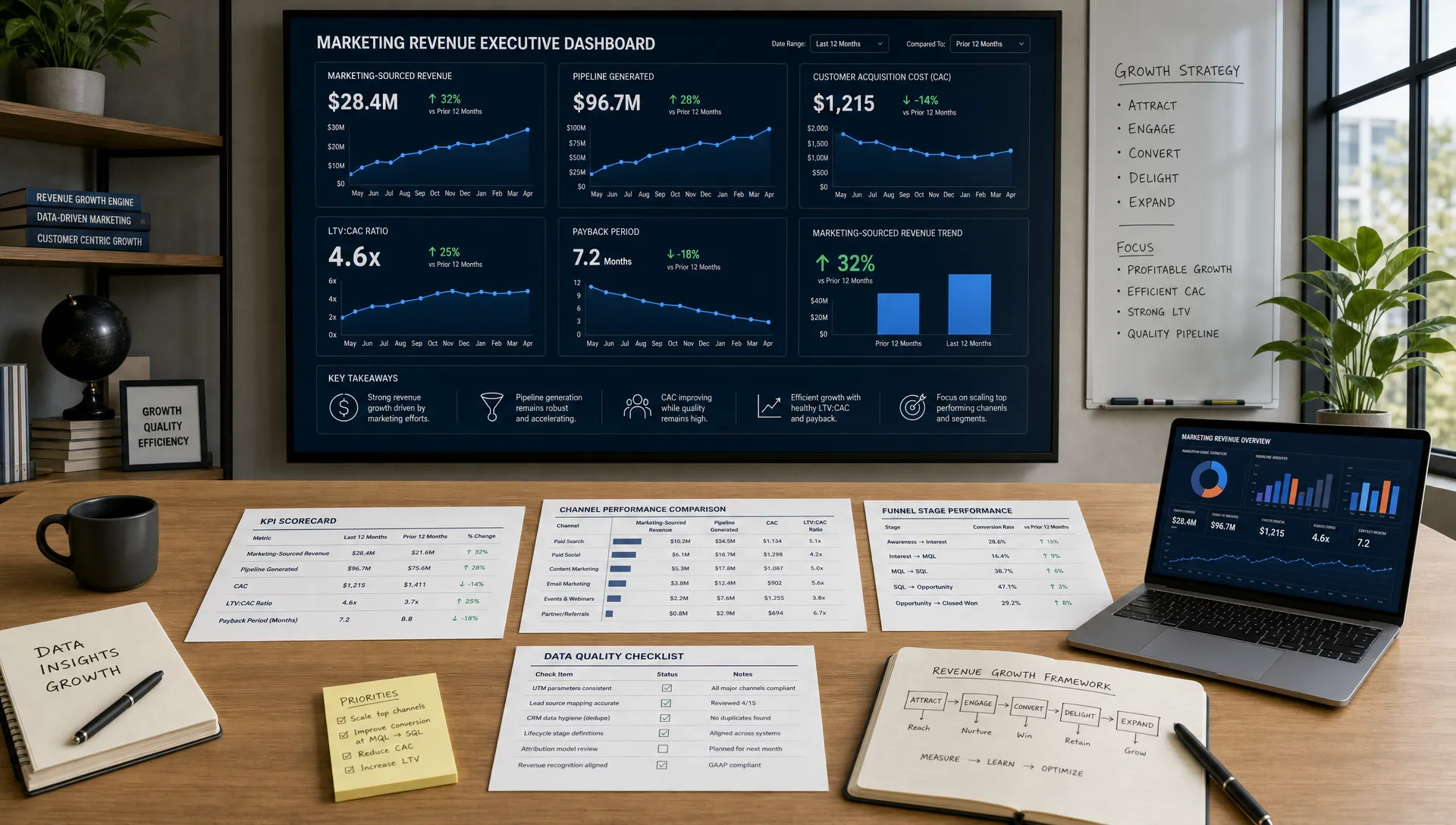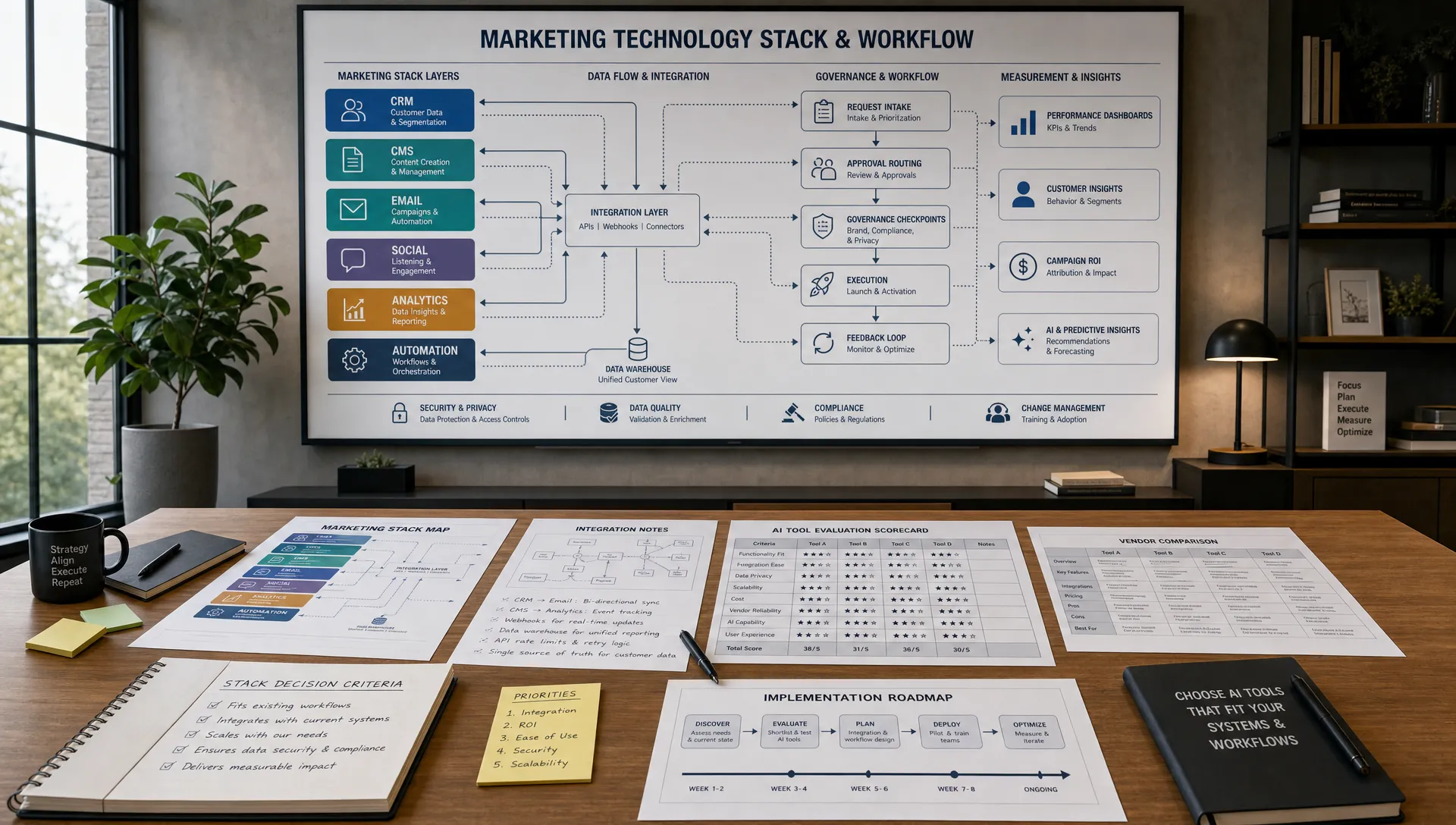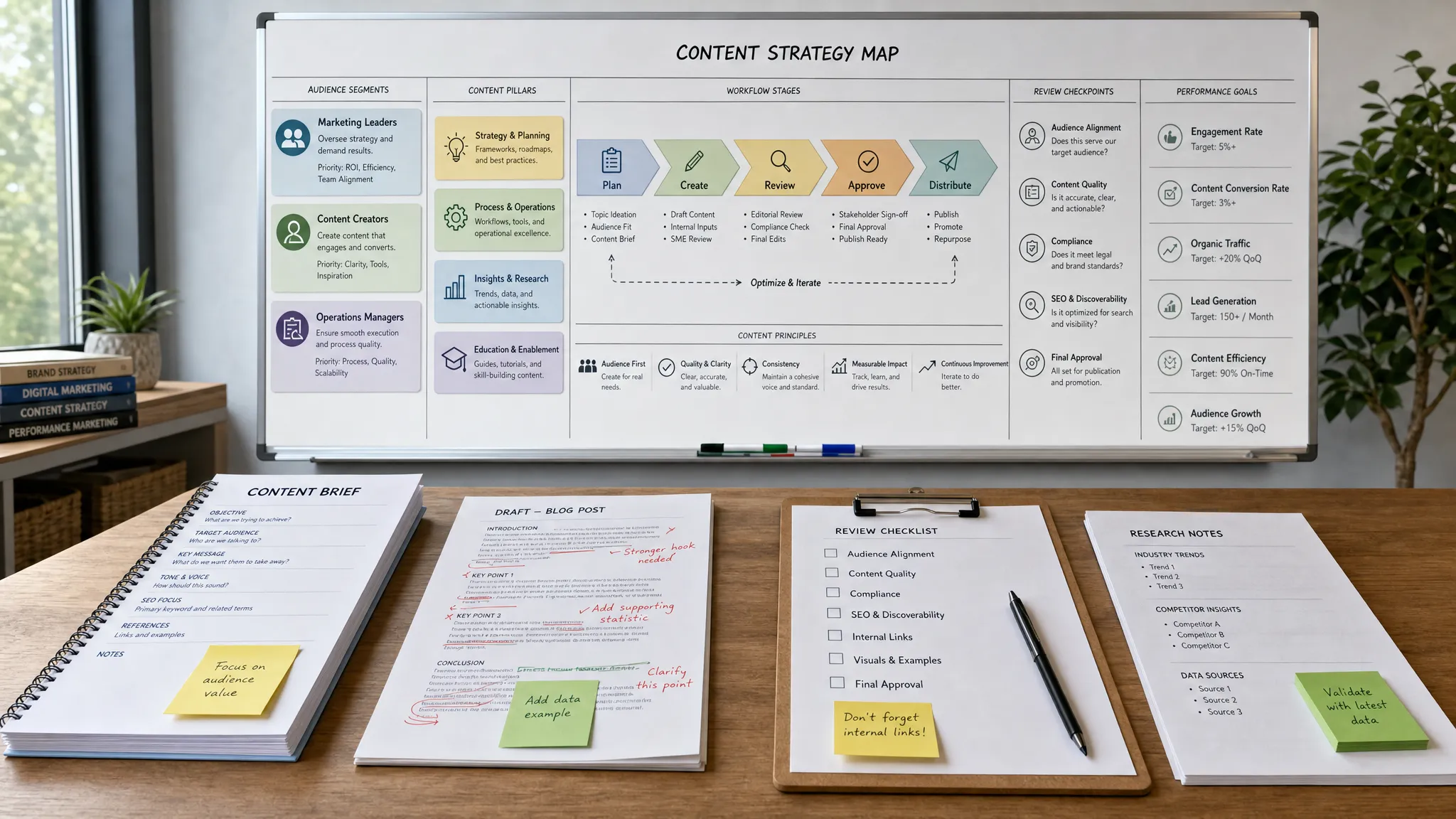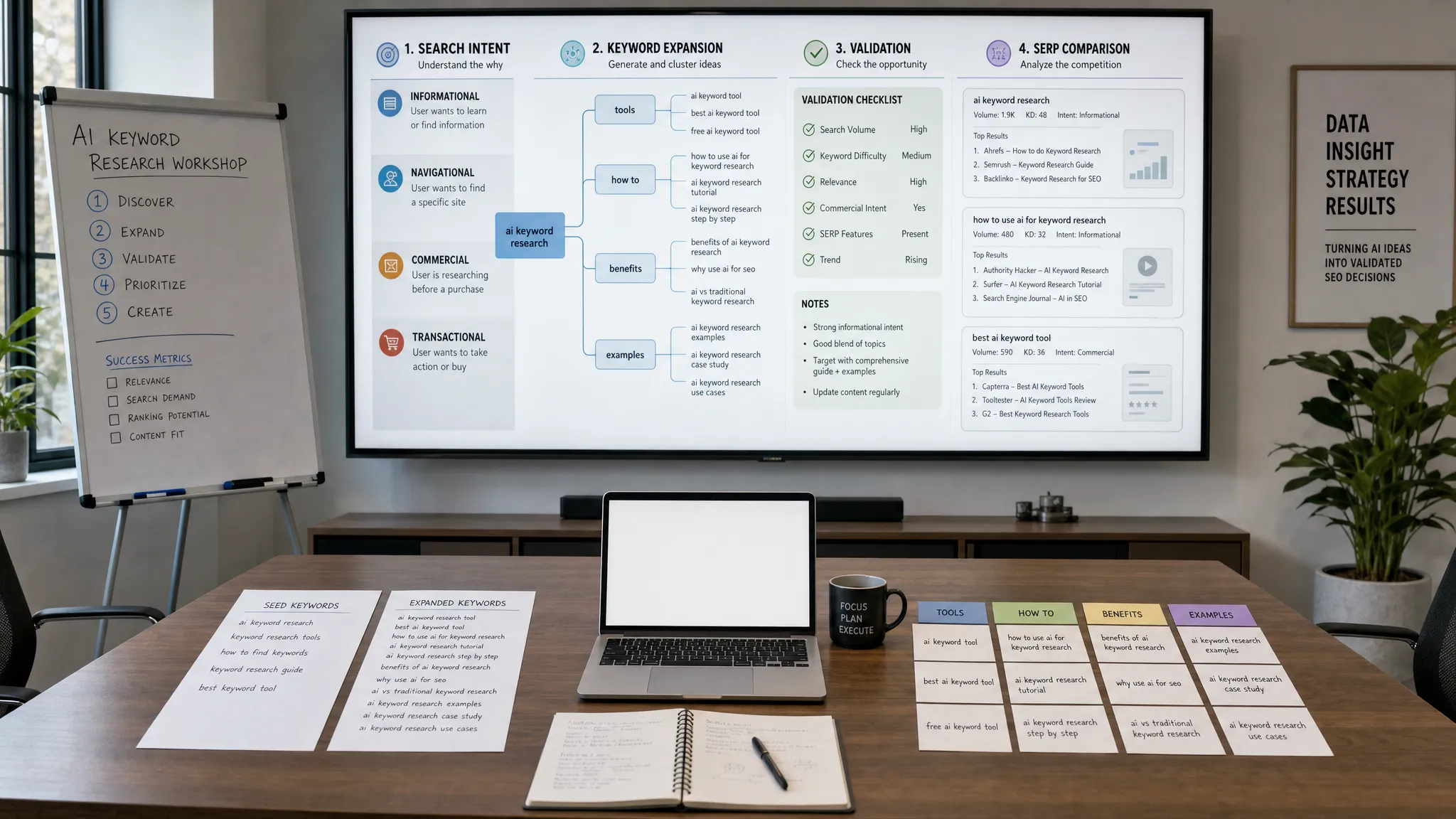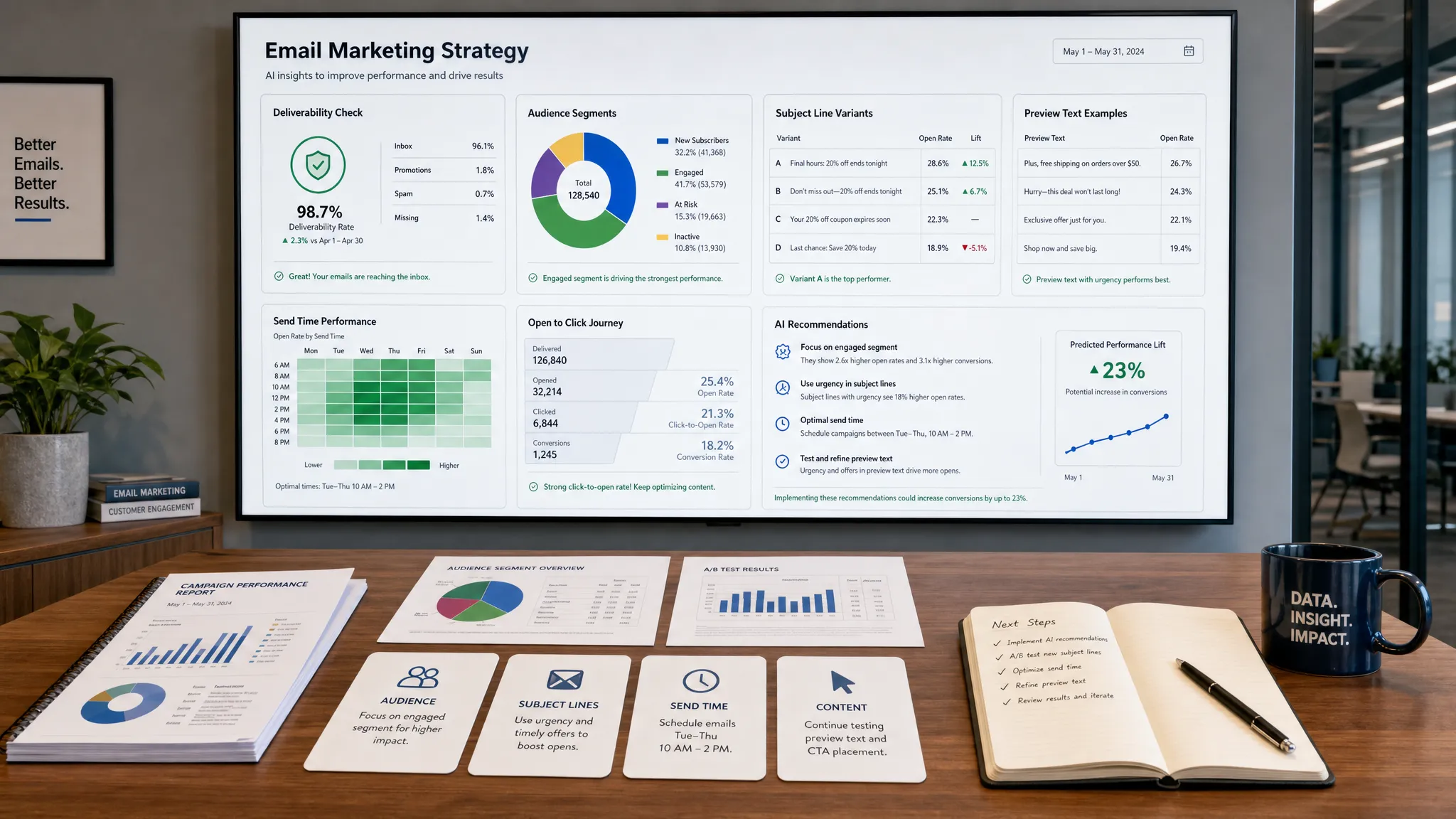
A prompt library for marketers is not a folder full of clever one-off AI requests. It is a reusable operating system for content creation, campaign planning, research, reporting, and marketing workflow automation.
When it is built well, it helps your team stop rewriting the same instructions every week. It also reduces inconsistent outputs, shortens review cycles, and makes AI marketing more reliable across channels. Instead of asking, “What should I type into the AI tool today?” your team starts from proven prompts that already reflect your audience, brand voice, offer, and quality standards.
That matters because AI adoption is no longer experimental for most marketing teams. McKinsey estimates that generative AI could add trillions in annual value across business functions, with marketing and sales among the areas most affected. The teams that benefit most are not necessarily the ones with the most tools. They are the ones with the clearest workflows.
This guide walks you through how to build a prompt library that saves time without turning your content into generic AI copy.
A prompt library is a centralized collection of reusable AI prompts designed for specific marketing tasks. It can live in a document, spreadsheet, project management system, knowledge base, or a dedicated AI marketing platform.
The goal is not to collect hundreds of prompts just because they sound useful. The goal is to make repeatable work faster and more consistent. A strong prompt library helps marketers create better first drafts, analyze performance data, generate campaign ideas, repurpose content, write briefs, and align outputs with brand standards.
Think of it as a shared playbook. Each prompt should explain what the AI should do, what inputs it needs, what output format is expected, and how the result should be reviewed before it goes live.
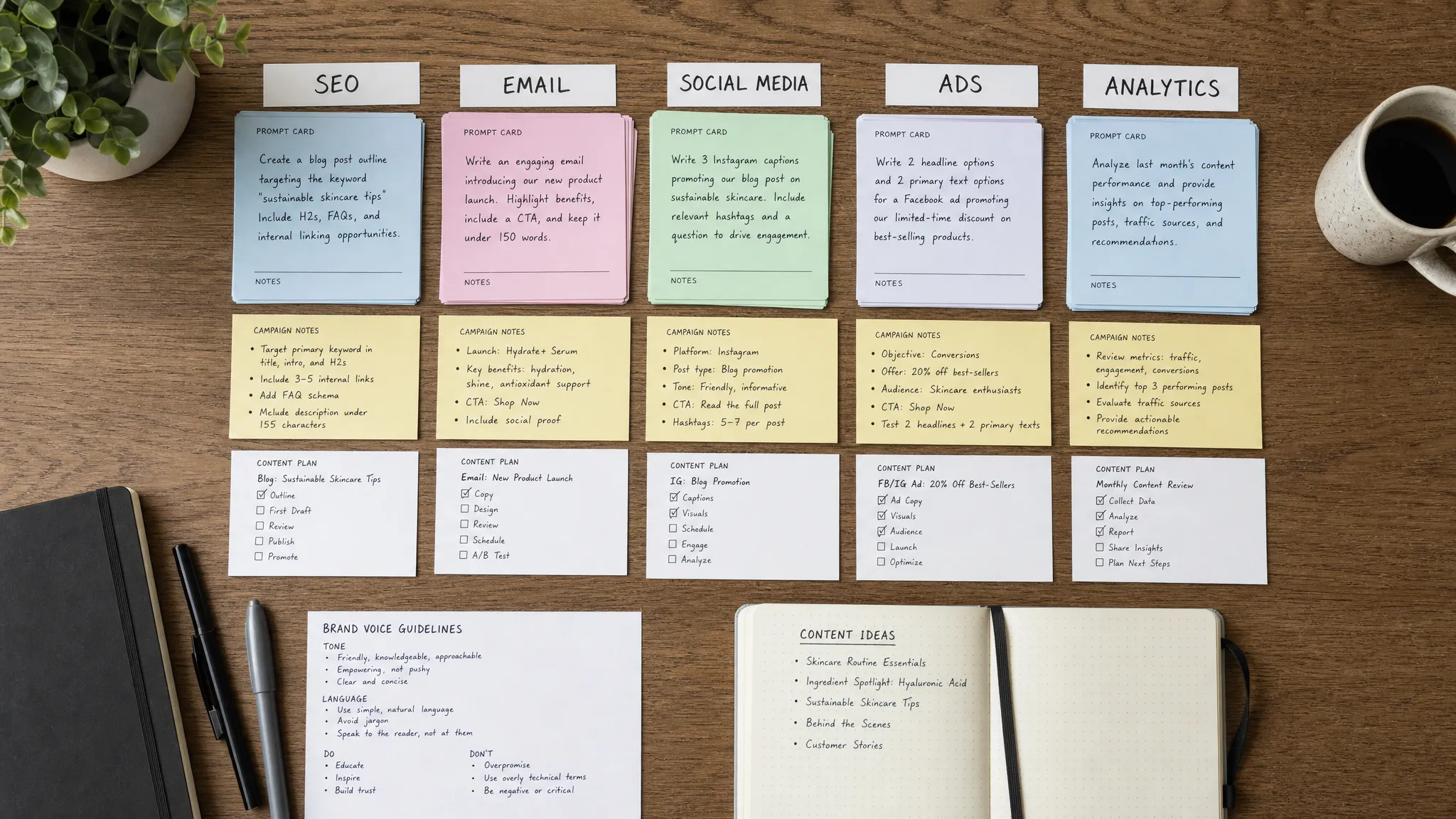
Random AI use feels fast at first. You open a tool, type a rough request, get an answer, and edit from there. But over time, the hidden costs add up. Marketers repeat the same context, fix the same tone issues, reformat outputs, and explain the same standards to the AI again and again.
A prompt library removes that friction. The best prompts include the strategic context up front, which means the AI can produce something closer to usable on the first attempt. This is especially valuable for teams that publish across multiple channels, manage multiple personas, or work in regulated industries where accuracy and claims matter.
A library also makes AI adoption easier across the team. Instead of relying on one “AI power user,” newer team members can start from approved prompts and learn the team’s content standards as they work.
According to OpenAI’s prompt engineering guidance, clear instructions, useful reference material, and task breakdowns can improve output quality. A prompt library turns those principles into a repeatable marketing process.
Before writing prompts, identify the tasks your team repeats often. A prompt library should be based on actual workflow pain, not abstract AI possibilities.
Look at your calendar, content backlog, campaign process, and reporting routine. Where does the team lose time? Where do briefs lack consistency? Where do drafts require the same edits? Where do marketers spend too much time turning one asset into five channel-specific versions?
Good candidates for a prompt library include:
Do not try to automate every marketing task immediately. Start with the workflows that are frequent, time-consuming, and easy to review. A prompt that saves 20 minutes every week is more valuable than a clever prompt your team only uses once.
The biggest mistake teams make is saving only the prompt text. That is not enough. A prompt without context becomes hard to reuse, hard to improve, and hard to trust.
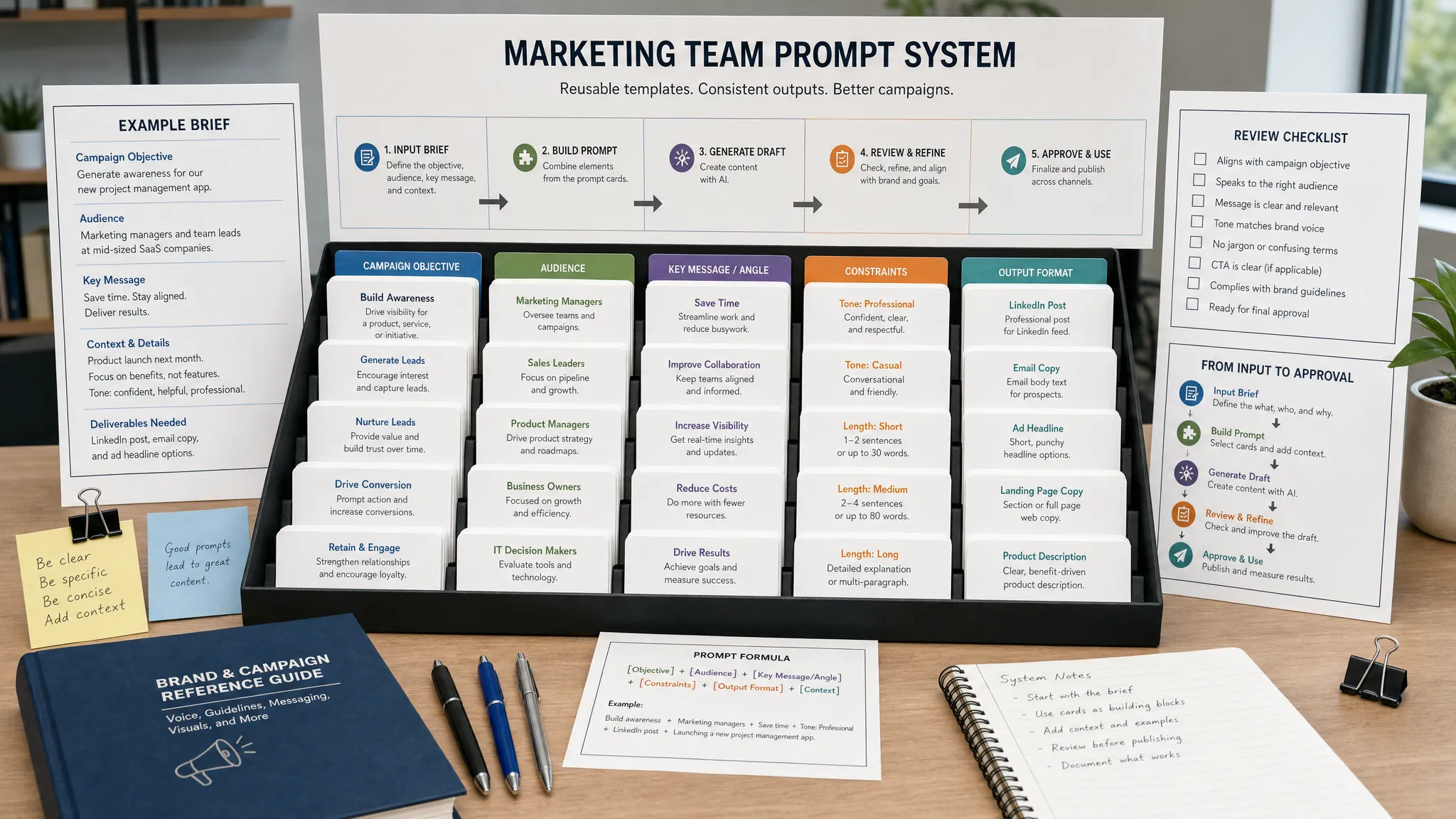
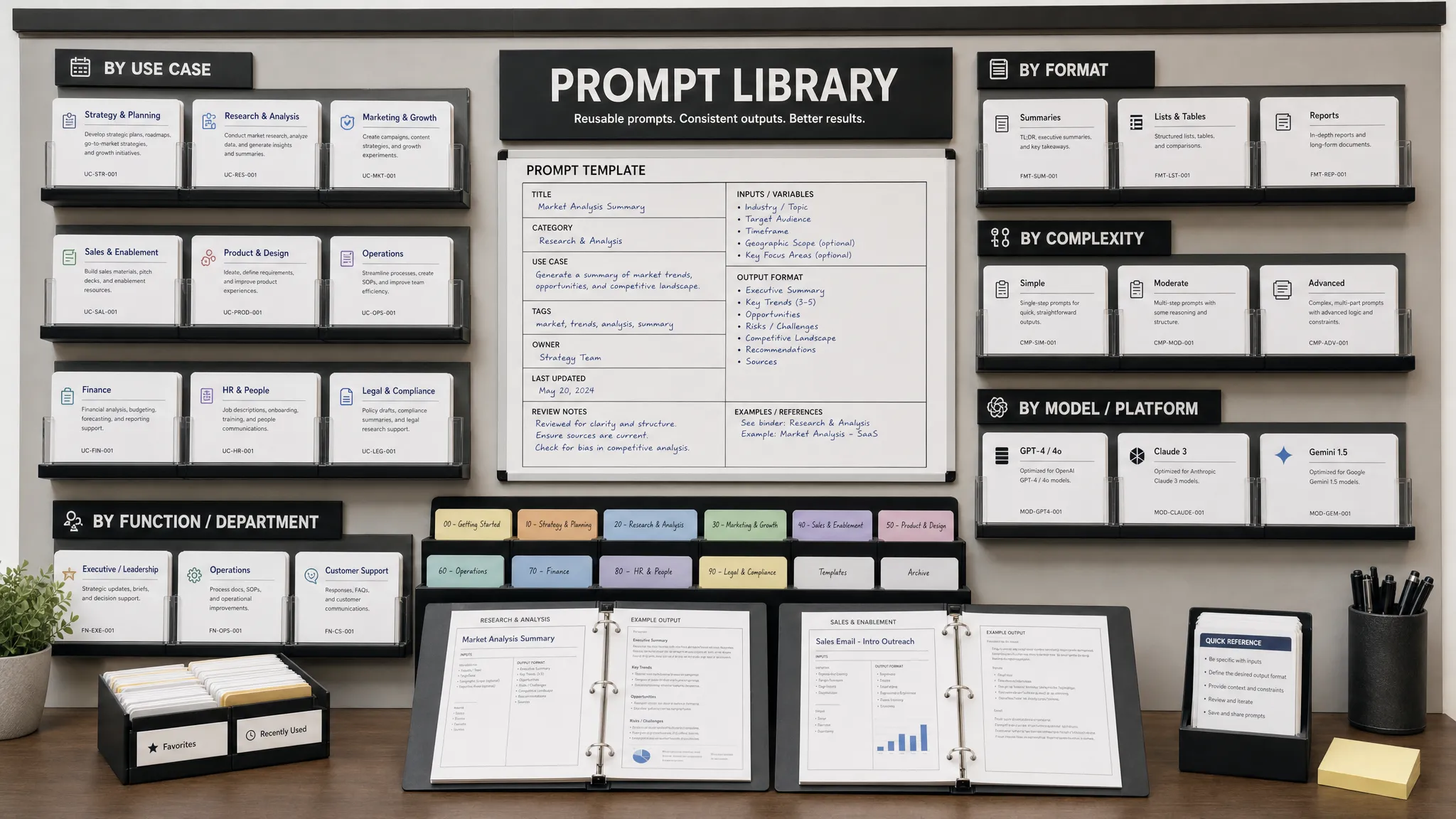
Create a simple “prompt card” format so every prompt in your library follows the same structure. This keeps the library usable as it grows.
Prompt name:
Use case:
Best for:
Inputs needed:
Prompt text:
Recommended output format:
Brand or compliance notes:
Review checklist:
Owner:
Last tested:
This structure helps marketers understand when to use a prompt, what to paste into it, and how to judge the result. It also prevents your library from becoming a messy archive of old AI experiments.
The “owner” and “last tested” fields are especially important. AI tools change, your brand changes, and your campaigns change. A prompt that worked six months ago may need revisions today.
A reusable prompt should not be locked to one campaign, product, or audience. Use variables so marketers can adapt it quickly.
Variables are simple placeholders that tell the user what information to insert. They make the prompt flexible while preserving the structure that makes it effective.
For example, a campaign angle prompt might look like this:
You are a B2B marketing strategist helping create campaign angles for [PRODUCT OR OFFER].

Audience: [TARGET AUDIENCE]
Primary pain point: [PAIN POINT]
Desired action: [ACTION]
Channel: [CHANNEL]
Brand voice: [VOICE GUIDELINES]
Proof points available: [PROOF POINTS]

Generate 10 campaign angles. For each angle, include:
- A short headline
- The core message
- The buyer motivation it targets
- A suggested call to action

Avoid unsupported claims, exaggerated results, or language that sounds generic.
This prompt is reusable because it separates the workflow from the campaign details. A marketer can use the same structure for a SaaS launch, a webinar, a consulting offer, or a lead magnet.
The more your prompts rely on variables, the easier they are to maintain. You can improve the underlying process once and apply that improvement across many future campaigns.
It is tempting to organize your library around tools, such as “ChatGPT prompts,” “image prompts,” or “SEO tool prompts.” That structure usually breaks down quickly because tools change and teams use different platforms.
A better approach is to organize by marketing workflow. This mirrors how marketers actually work and makes prompts easier to find under deadline pressure.
Consider organizing your library into sections such as:
This structure also helps you spot gaps. If you have 40 prompts for content creation but none for reporting or campaign analysis, your library may be over-focused on production and under-focused on optimization.
For teams using AIMarketer Hub, this workflow-based approach pairs naturally with AI marketing tools, SEO resources, performance analytics, and industry-specific guides. The point is to connect prompts to real marketing outcomes, not to collect prompts for their own sake.
A prompt library saves time only if the output still sounds like your brand. Otherwise, the team spends the saved time rewriting generic copy.
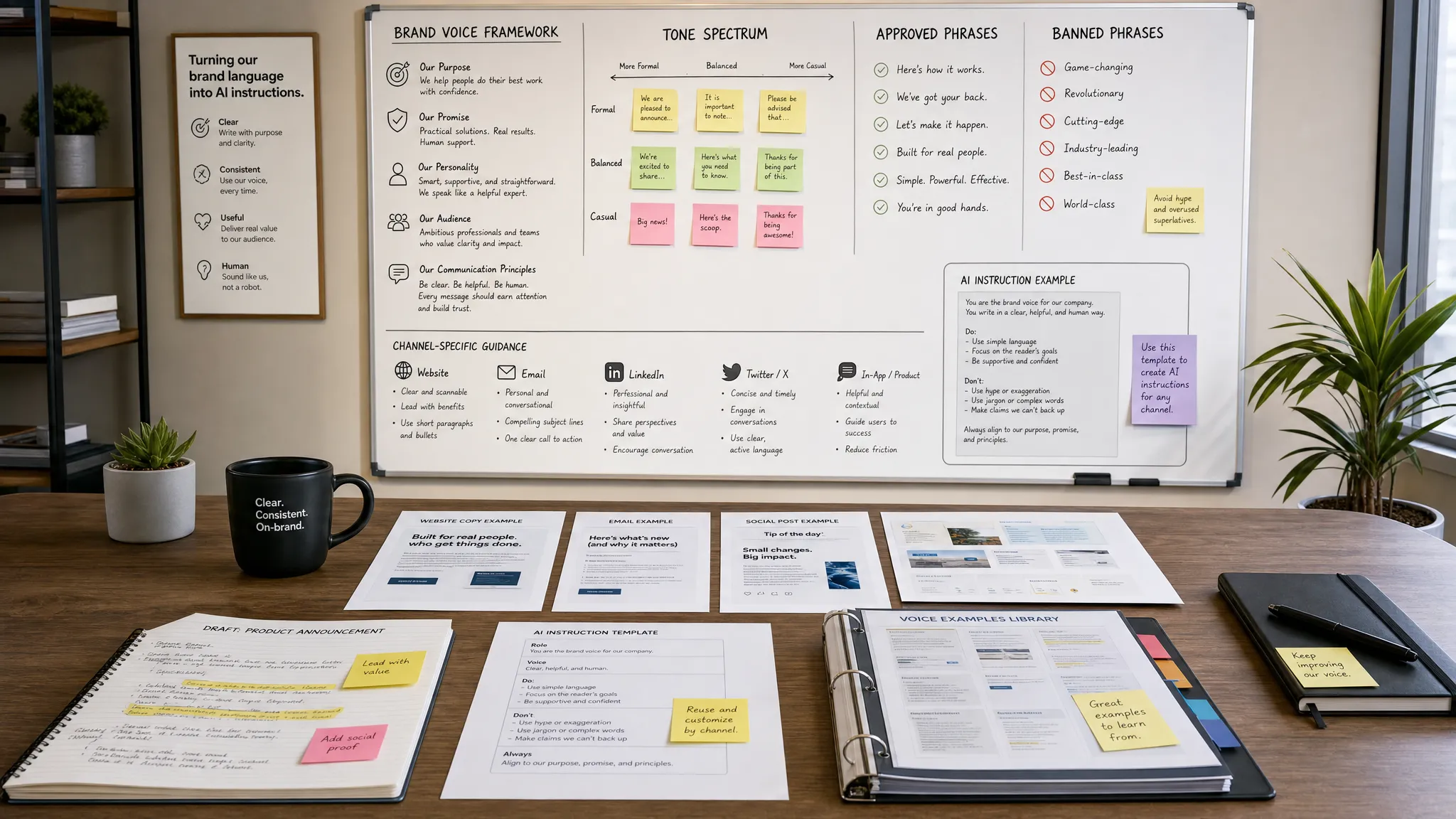
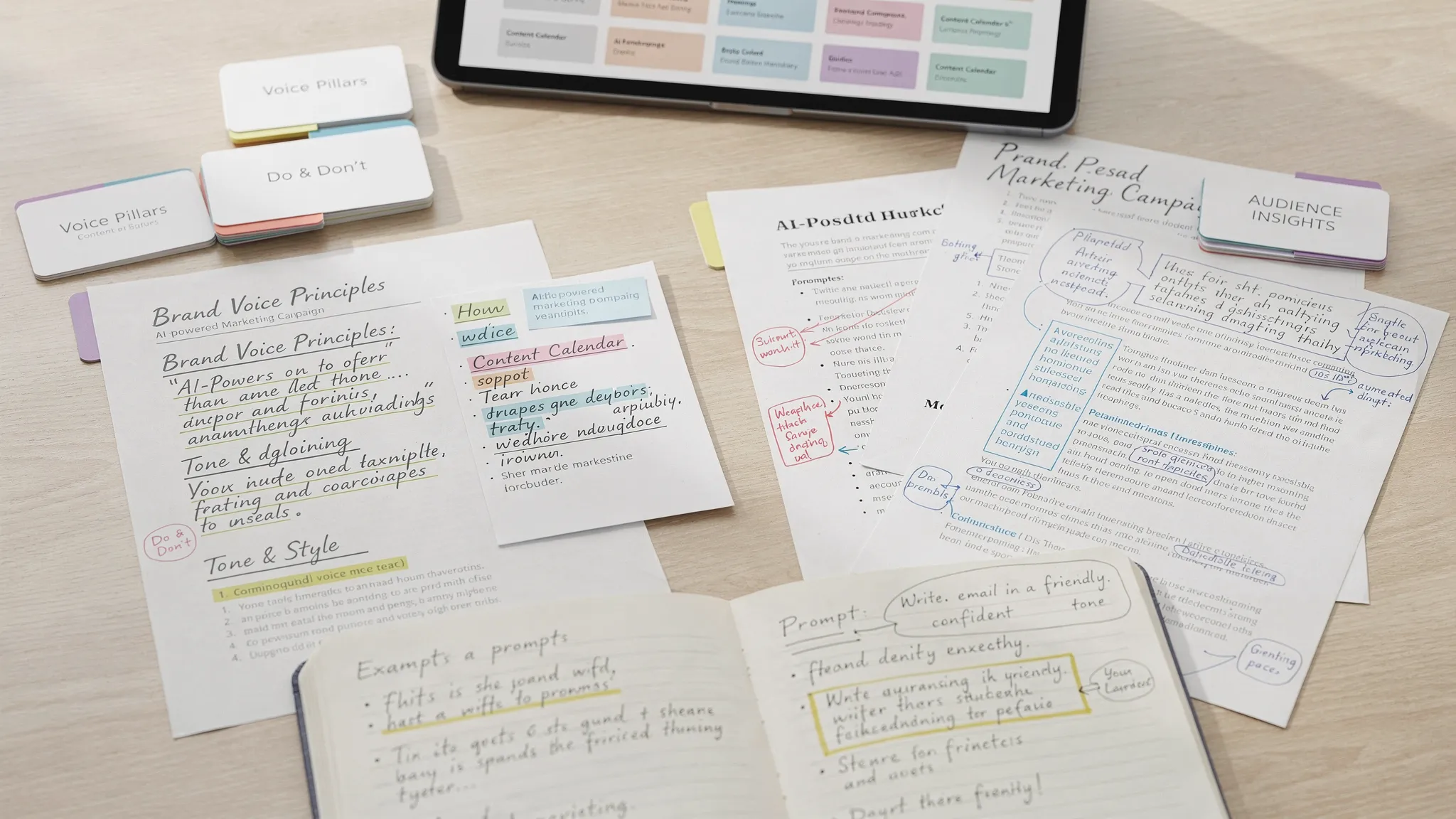
Create a short brand voice block that can be inserted into your most-used prompts. This block should include your tone, sentence style, preferred vocabulary, banned phrases, and examples of what “good” sounds like.
For example, your brand voice instructions might say:
Write in a practical, confident, and helpful tone. Use clear language for busy marketers and business owners. Avoid hype, vague buzzwords, and exaggerated claims. Prefer specific advice, concrete examples, and concise explanations. Do not use fear-based messaging or unsupported performance promises.
You can make this more advanced by creating separate voice blocks for different channels. A blog prompt may need a more educational tone, while a paid ad prompt may need sharper hooks and shorter copy. A customer retention email may need a warmer, more conversational style.
The key is consistency. If every prompt teaches the AI your standards, your team spends less time correcting tone and more time improving strategy.
Marketers often use AI for speed, but speed without review creates risk. This is especially true in finance, legal, healthcare, SaaS, and other industries where inaccurate claims can damage trust.
Your prompt library should include clear guardrails. Tell the AI not to invent statistics, customer quotes, product features, pricing, legal claims, or competitor details. If the prompt asks for factual content, require sources or mark unsupported statements for verification.
For example, you can add this instruction to research-heavy prompts:
Do not fabricate facts, statistics, quotes, product capabilities, or source citations. If information is missing, state what needs to be verified. Separate confirmed information from assumptions.
This will not eliminate the need for human review, but it will reduce avoidable cleanup. It also teaches your team to treat AI as a drafting and analysis assistant, not as an unchecked source of truth.
For regulated or high-stakes content, add a review trigger to the prompt card. That trigger might say, “Requires legal review,” “Requires subject matter expert approval,” or “Do not publish without source verification.”
A prompt should earn its place in your library. If someone writes a prompt once and immediately saves it, the library can quickly become cluttered with untested assets.
Before approving a prompt, run it through a simple quality check. Test it with at least three realistic inputs. Compare the outputs against what your team would expect from a strong first draft. Then revise the instructions until the prompt produces consistent results.
Use a lightweight scoring system. You can rate each prompt based on clarity, usefulness, brand fit, factual reliability, and edit time. If a prompt regularly produces outputs that need heavy rewriting, it is not saving time yet.
This testing process does not need to be complicated. The important part is to validate prompts before they become team standards.
A prompt library should improve marketing productivity in visible ways. If you cannot measure its impact, it becomes hard to justify maintaining it.
Track practical metrics such as draft creation time, number of revision rounds, approval cycle length, output quality ratings, content throughput, and campaign asset turnaround time. For SEO workflows, you can also monitor how quickly briefs are created, how consistently pages follow search intent, and whether content updates become easier to execute.
You do not need perfect attribution. A simple before-and-after comparison is enough to show whether the library is helping. For example, if your team used to spend 90 minutes creating a blog brief and now spends 35 minutes producing a better structured brief, that is a meaningful workflow win.
Pair time-saved metrics with quality metrics. Faster content is not useful if engagement, conversions, or search performance decline. The best prompt libraries improve both speed and consistency.
A bloated prompt library is almost as bad as having no library. If marketers cannot find the right prompt quickly, they will stop using it.
Start with 10 to 20 high-value prompts. Focus on the tasks your team performs every week. Once those prompts are tested and adopted, expand into adjacent workflows.
A strong starter library might include prompts for SEO brief creation, blog outline development, email sequence drafting, social repurposing, ad copy variation, customer review analysis, campaign reporting, brand voice editing, landing page critique, and content refresh recommendations.
As the library grows, archive prompts that are outdated, redundant, or rarely used. A smaller library of proven prompts will save more time than a large collection nobody trusts.
One common mistake is writing prompts that are too generic. “Write a blog post about AI marketing” is not a reusable marketing asset. A better prompt defines the audience, search intent, outline requirements, differentiation angle, internal linking opportunities, and review criteria.
Another mistake is asking one prompt to do too much. If a prompt tries to research, strategize, write, edit, fact-check, and format all at once, the output often becomes shallow. Break complex workflows into stages. Use one prompt for research synthesis, another for outline creation, another for drafting, and another for editing.
Teams also forget to update prompts after learning what works. If a campaign performs well, study the prompts that supported it. If a prompt consistently creates weak hooks, revise it. Treat the library as a living system, not a static document.
Finally, do not let prompts replace marketing judgment. AI can accelerate content creation and analysis, but marketers still need to validate strategy, understand customer context, and make final decisions.
Here are three practical prompts that can form the foundation of a marketer’s prompt library.
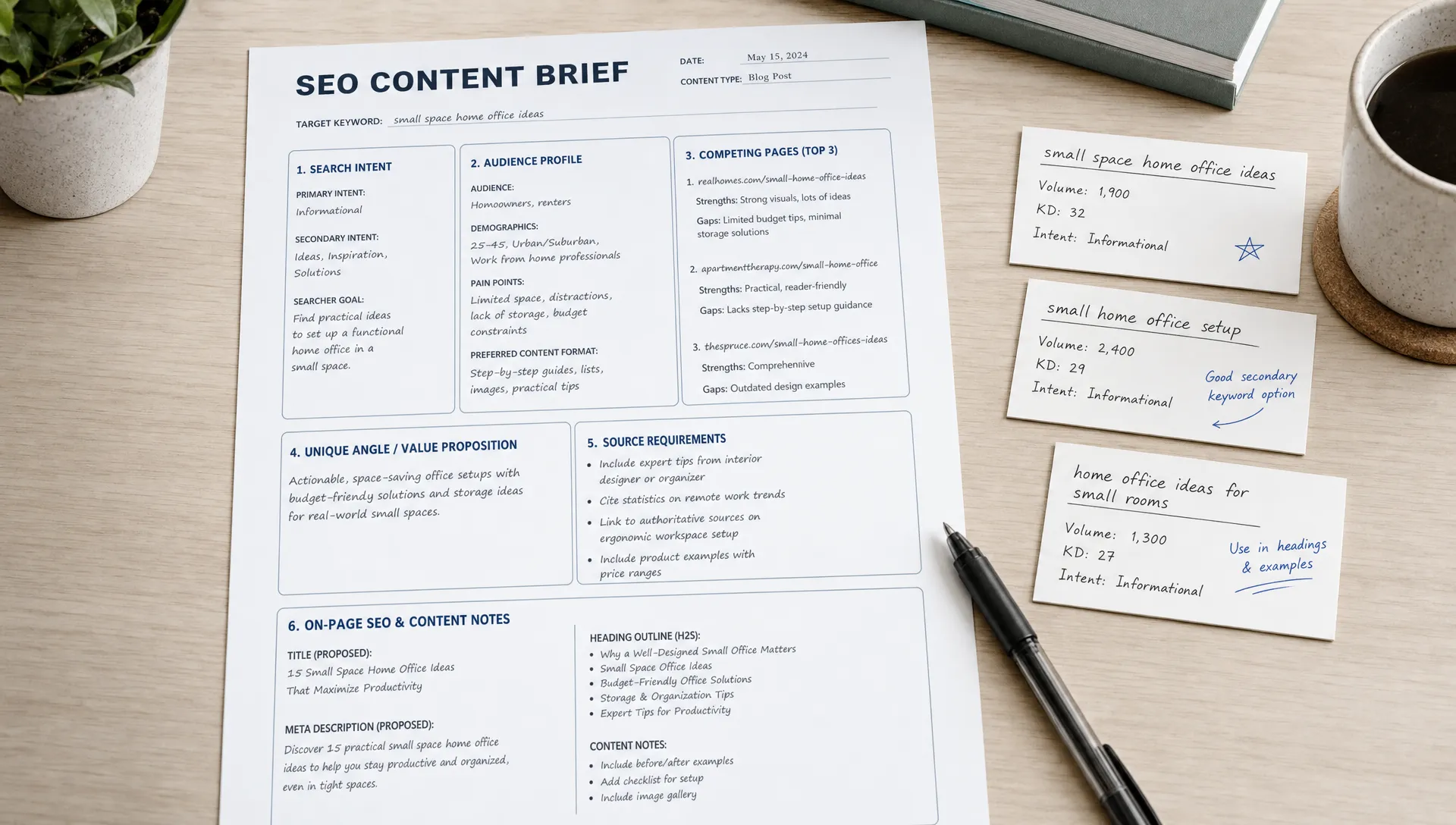
You are an SEO content strategist. Create a content brief for the keyword [KEYWORD] targeting [AUDIENCE].

Search intent: [INTENT]
Business goal: [GOAL]
Offer or product context: [CONTEXT]
Brand voice: [VOICE]

Include the recommended angle, key questions to answer, suggested H2 sections, related terms to cover naturally, internal link opportunities, external source ideas, and a quality checklist for the writer.

Do not stuff keywords. Prioritize usefulness, clarity, and search intent match.
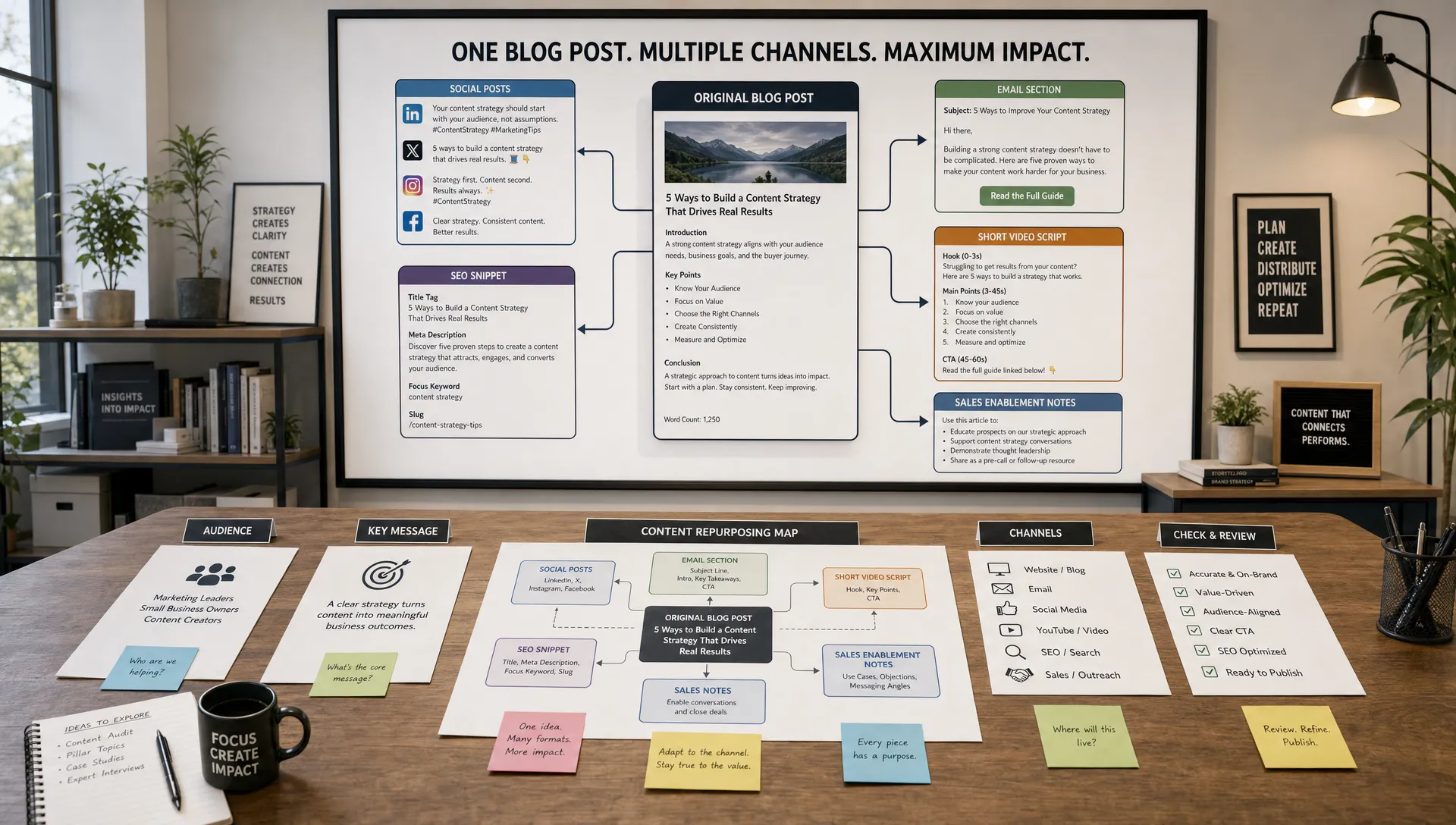
You are a content repurposing specialist. Turn the source content below into channel-specific assets for [TARGET AUDIENCE].

Source content: [PASTE CONTENT]
Channels needed: [CHANNELS]
Campaign goal: [GOAL]
Brand voice: [VOICE]

Create distinct versions for each channel. Adapt the hook, length, format, and call to action to fit the channel. Do not repeat the same wording across every asset.
You are a marketing analyst. Summarize the campaign performance data below for a busy marketing leader.

Campaign goal: [GOAL]
Data: [PASTE METRICS]
Time period: [DATES]
Context: [NOTES]

Provide a concise summary of what happened, what likely drove the results, what needs more investigation, and three recommended next actions. Separate observations from assumptions.
These prompts are intentionally structured but not overly complex. They give the AI enough context to be useful while leaving room for the marketer’s expertise.
How many prompts should a marketing prompt library include? Start with 10 to 20 tested prompts tied to frequent workflows. A small, trusted library is more useful than a large collection of prompts that are hard to find or rarely maintained.
Where should marketers store a prompt library? Use whichever system your team already checks regularly, such as a shared document, knowledge base, project management tool, or AI marketing platform. The best location is the one your team will actually use.
How often should prompts be updated? Review high-use prompts monthly or quarterly. Update them when your brand voice changes, a workflow changes, an AI tool behaves differently, or the team discovers a better way to structure outputs.
Can a prompt library help with SEO? Yes. SEO prompts can help standardize keyword research summaries, content briefs, outlines, metadata drafts, internal linking suggestions, and content refresh recommendations. Human review is still essential for search intent, accuracy, and quality.
Should every team member be allowed to add prompts? Team members should be encouraged to suggest prompts, but approved library entries should have an owner and a review process. This keeps the library useful, current, and consistent.
A prompt library for marketers saves time because it turns repeatable work into reusable systems. It helps your team create faster drafts, stronger briefs, clearer reports, and more consistent campaign assets without starting from scratch every time.
If you want a practical starting point, explore AIMarketer Hub for AI marketing tools, prompt resources, SEO support, calculators, and guides designed to help marketers automate, optimize, and grow with more confidence.