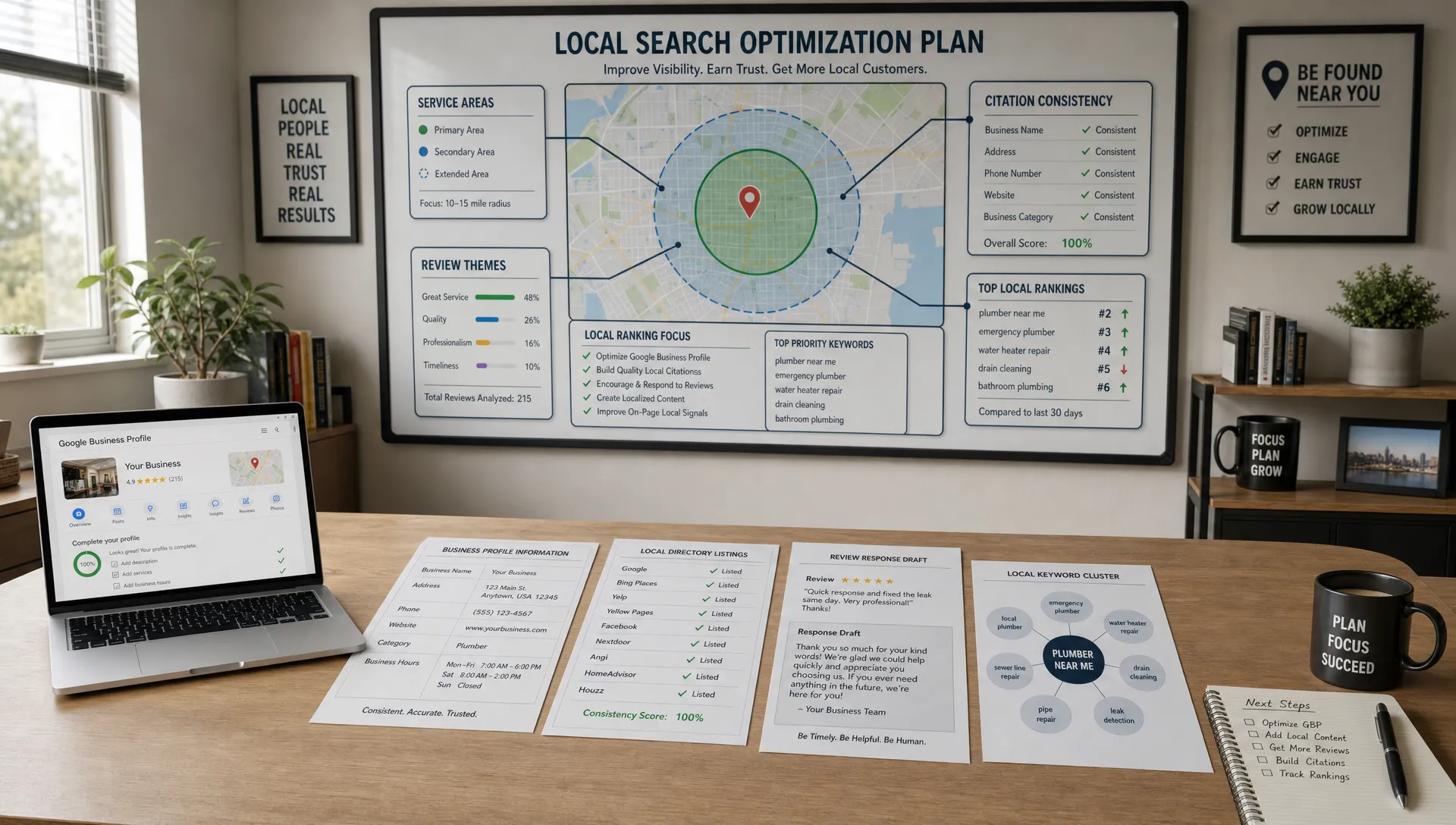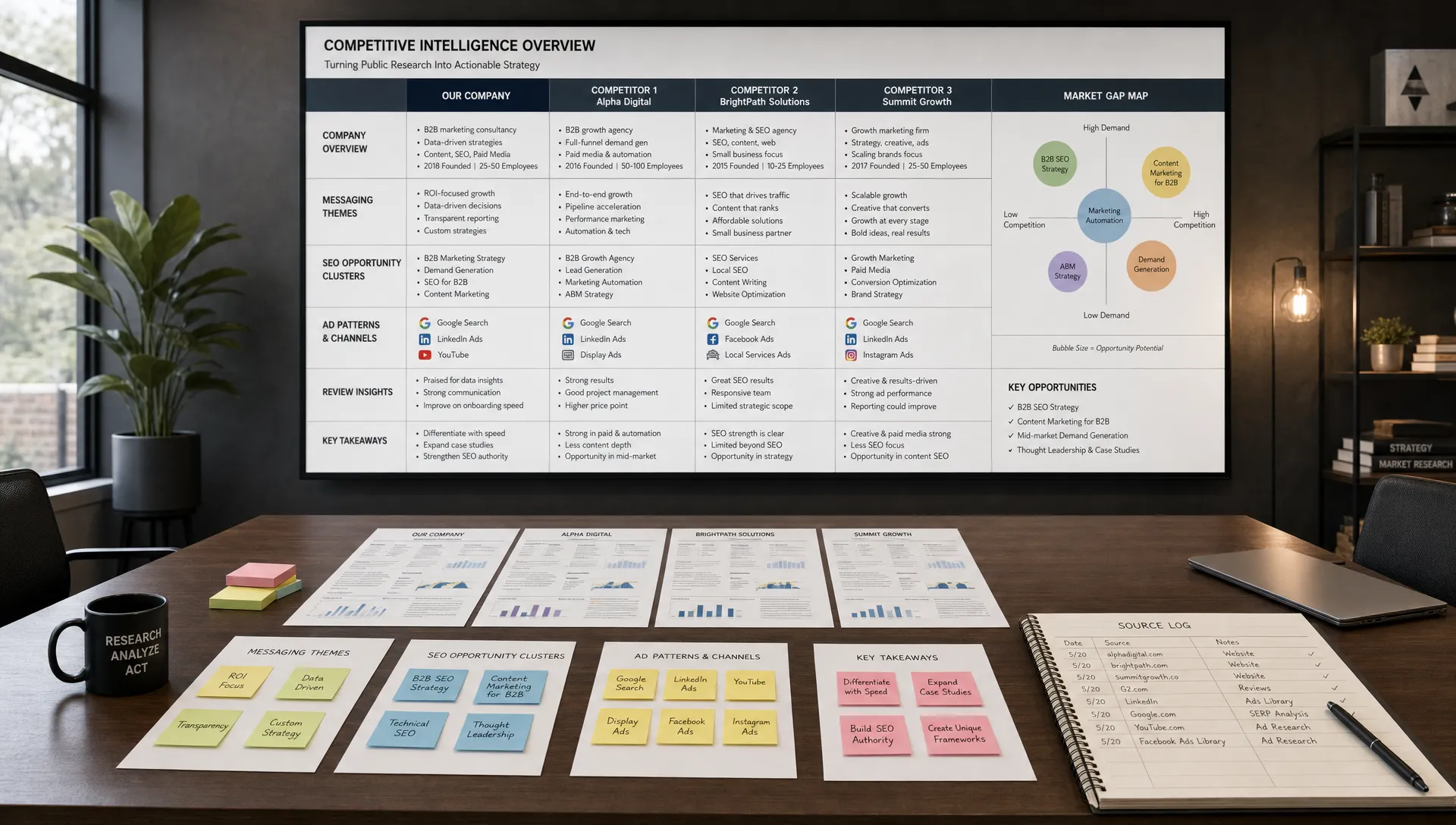
Multi-channel brands rarely struggle because they lack channels. They struggle because every channel starts behaving like a separate business. The email team has one calendar, paid media has another, social is chasing trends, sales wants faster leads, and the website is expected to convert traffic it did not help shape.
That is where platform marketing becomes useful. Instead of treating each channel as a disconnected distribution point, platform marketing builds a connected system across the platforms your audience already uses, including search, social, marketplaces, email, communities, paid media, partner ecosystems, and owned content hubs.
For modern brands, the goal is not to “be everywhere.” The goal is to show up with the right message, in the right format, at the right moment, while keeping your data, creative, automation, and measurement aligned.
Platform marketing is the practice of designing marketing around the unique role, behavior, data, and creative requirements of each platform, then connecting those efforts into one coherent customer journey.
A platform can be a social network, an ad network, an e-commerce marketplace, an app store, a content hub, a CRM, an email platform, a community, or an AI-powered search experience. Each one has its own audience behaviors and algorithms. A strong platform marketing strategy respects those differences without letting the brand become fragmented.
For example, a SaaS brand might use LinkedIn for thought leadership, Google Search for high-intent demand capture, YouTube for education, email for nurturing, review sites for proof, and its website for conversion. A consumer brand might combine TikTok discovery, Instagram trust-building, Amazon conversion, SMS retention, and creator partnerships.
In both cases, the strategy works only when the channels reinforce each other.
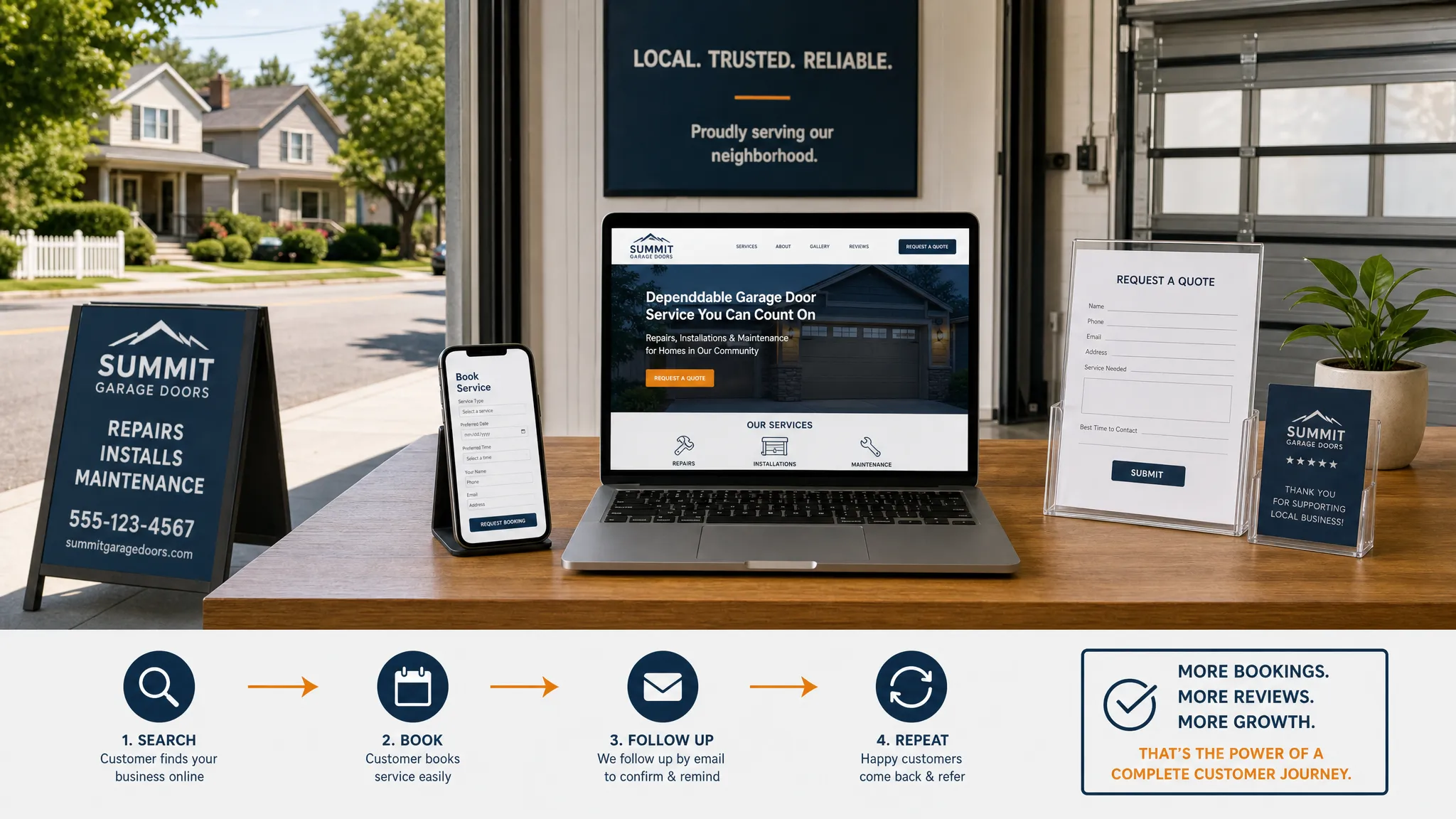
Customer journeys are no longer linear. A buyer may discover your brand through a short-form video, compare you in search results, check reviews, ask an AI assistant for alternatives, visit your website, abandon a cart, receive an email, and finally convert after seeing a retargeting ad.
McKinsey research on omnichannel B2B buying has shown that buyers increasingly expect to interact across many channels before making decisions. That pattern is now common in B2B, SaaS, e-commerce, financial services, and professional services.
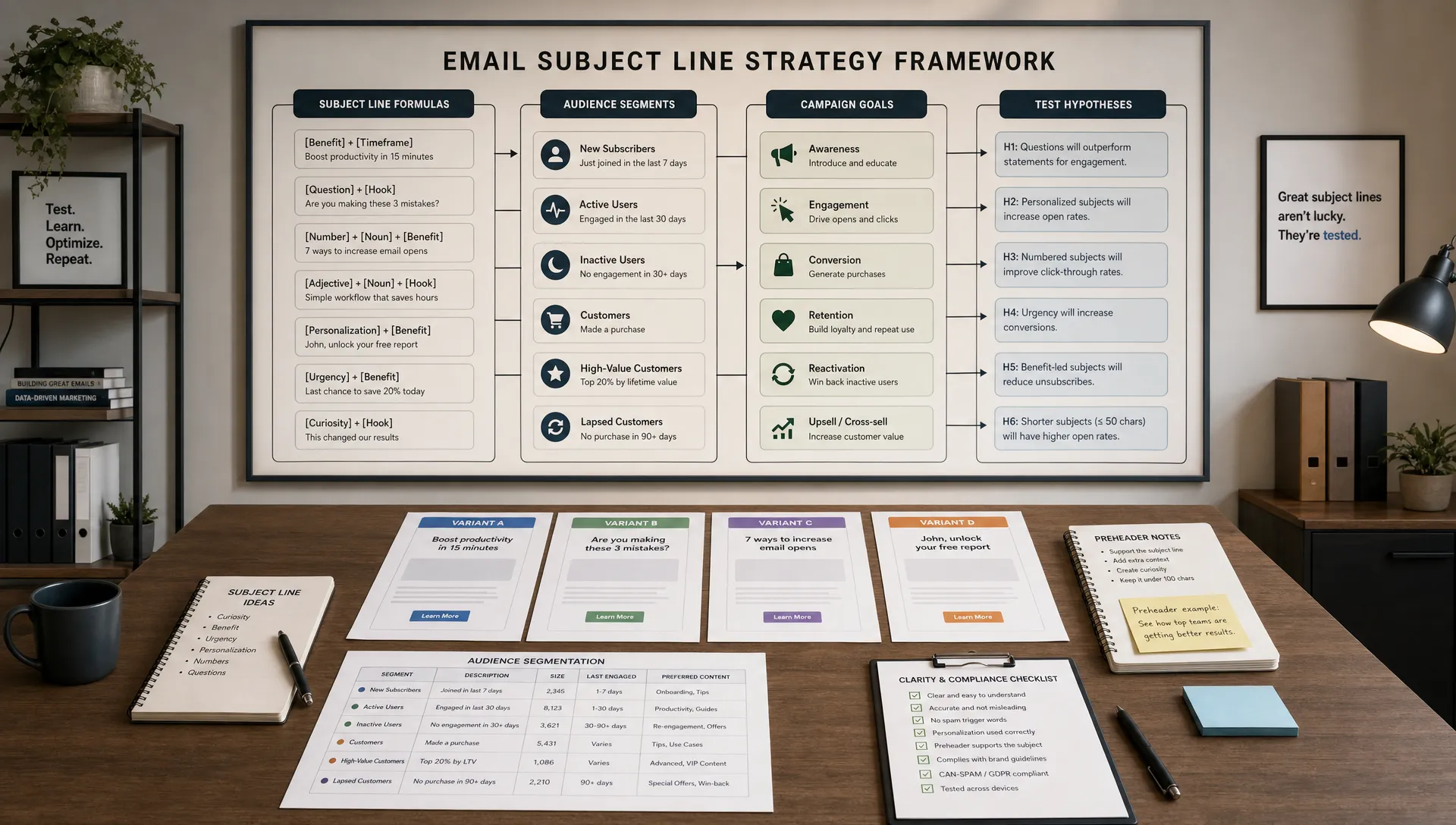
The challenge is that every platform rewards different behavior. Search rewards relevance and authority. Social rewards engagement and native creativity. Email rewards trust and timing. Paid media rewards efficient targeting and compelling offers. Marketplaces reward reviews, availability, pricing, and conversion history.
A platform marketing strategy helps brands avoid three costly problems:
The best multi-channel brands solve these problems by building a shared strategy before scaling channel activity.

The first mistake many brands make is trying to publish on every platform at the same pace. That usually creates more noise than growth.
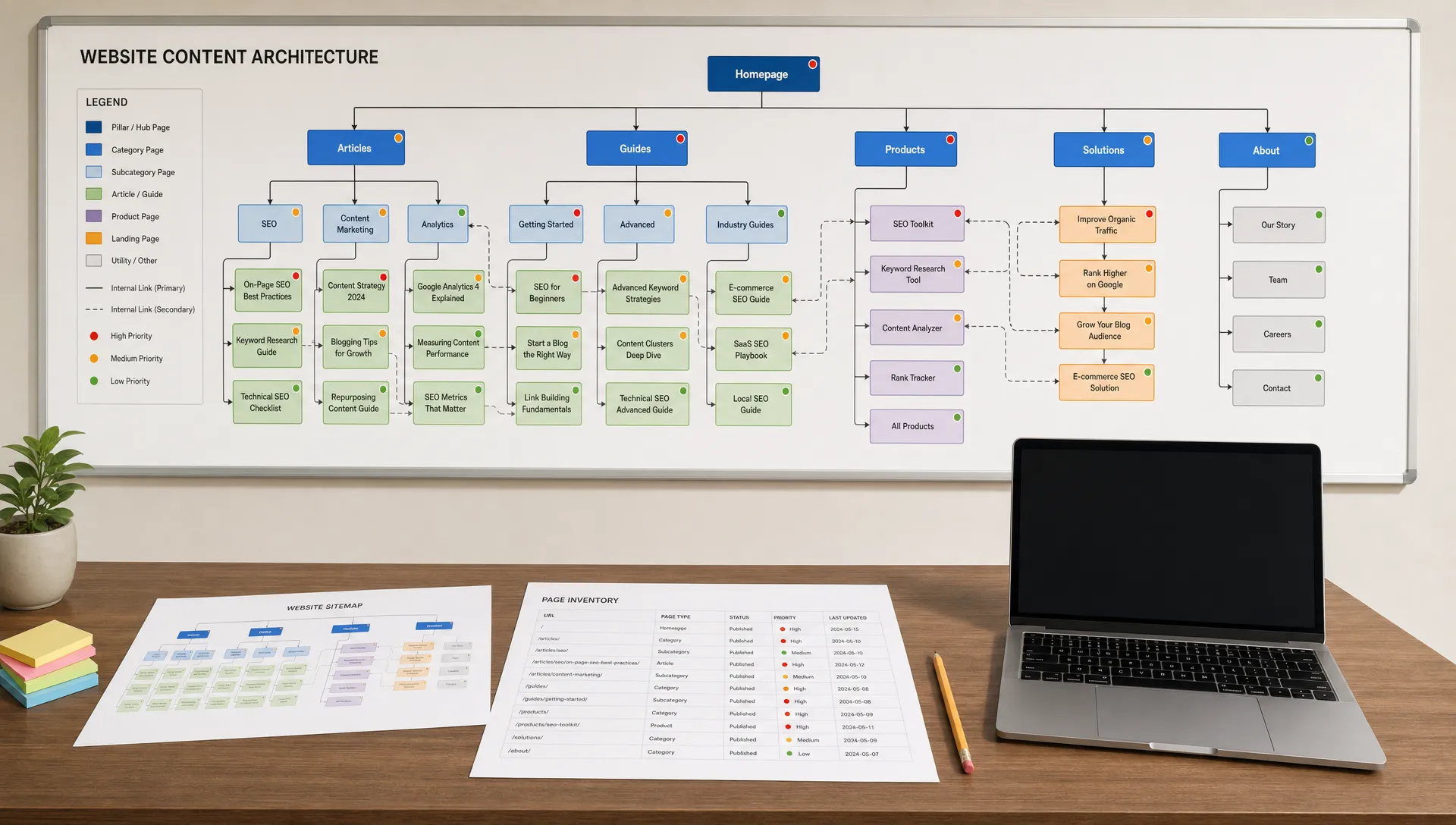
A better approach is to assign each channel a role in the customer journey. Not every channel needs to convert directly. Some platforms are better for awareness, some for trust, some for demand capture, and some for retention.
A practical channel role map might include:
This does not mean every brand needs all of these. It means each chosen platform should have a clear job.
Before adding a new channel, ask three questions. Does our audience use this platform during a meaningful decision moment? Can we create content that fits the platform natively? Can we measure its contribution to a business outcome?
If the answer is no, the platform may be a distraction.
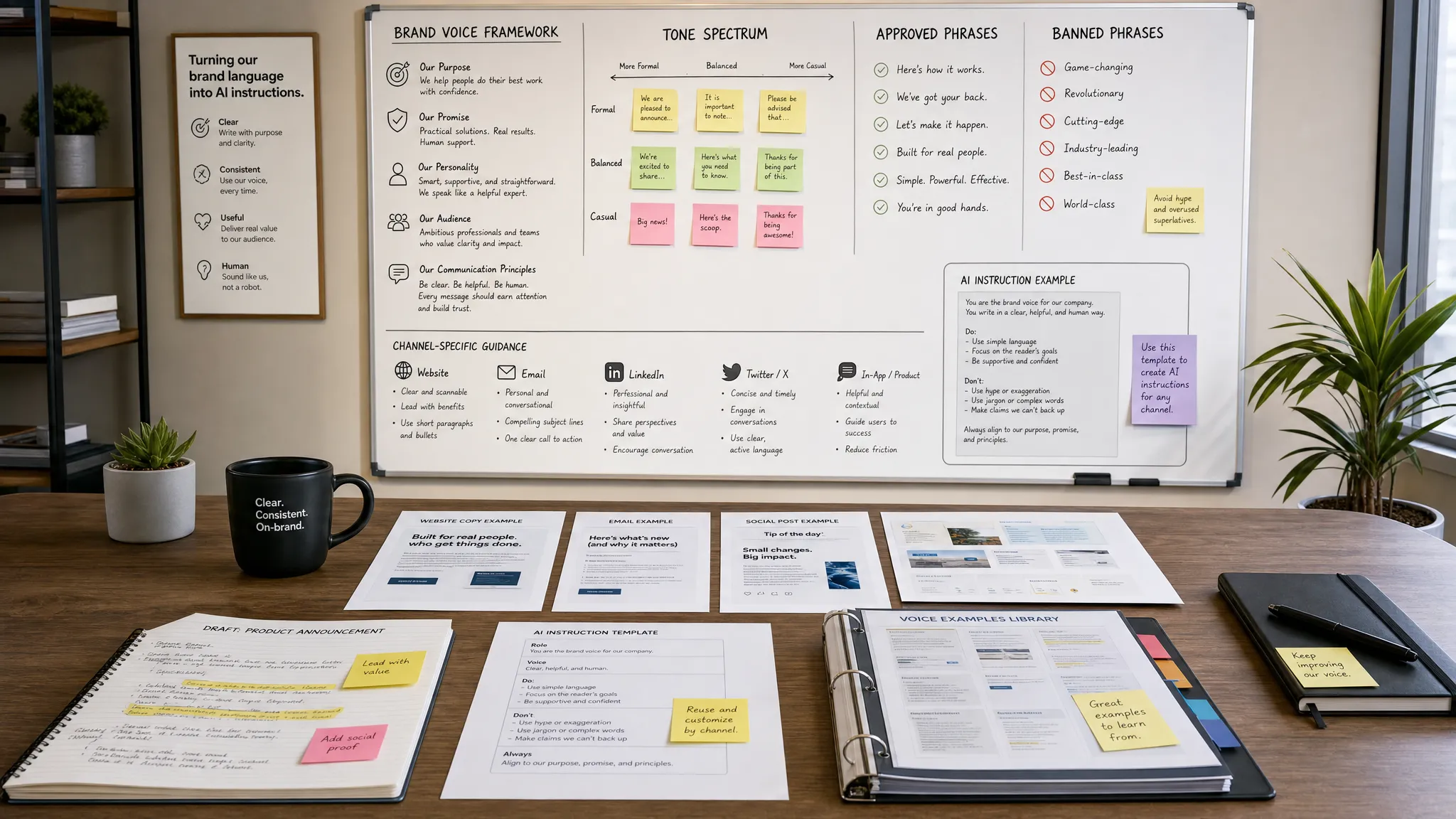
Multi-channel marketing becomes easier when every platform draws from the same strategic message system. This does not mean repeating the same sentence everywhere. It means building a consistent foundation that can flex by platform.
Your message architecture should define your core positioning, audience pain points, proof points, differentiators, objections, offers, and calls to action. Once that foundation is clear, teams can adapt it for different formats.
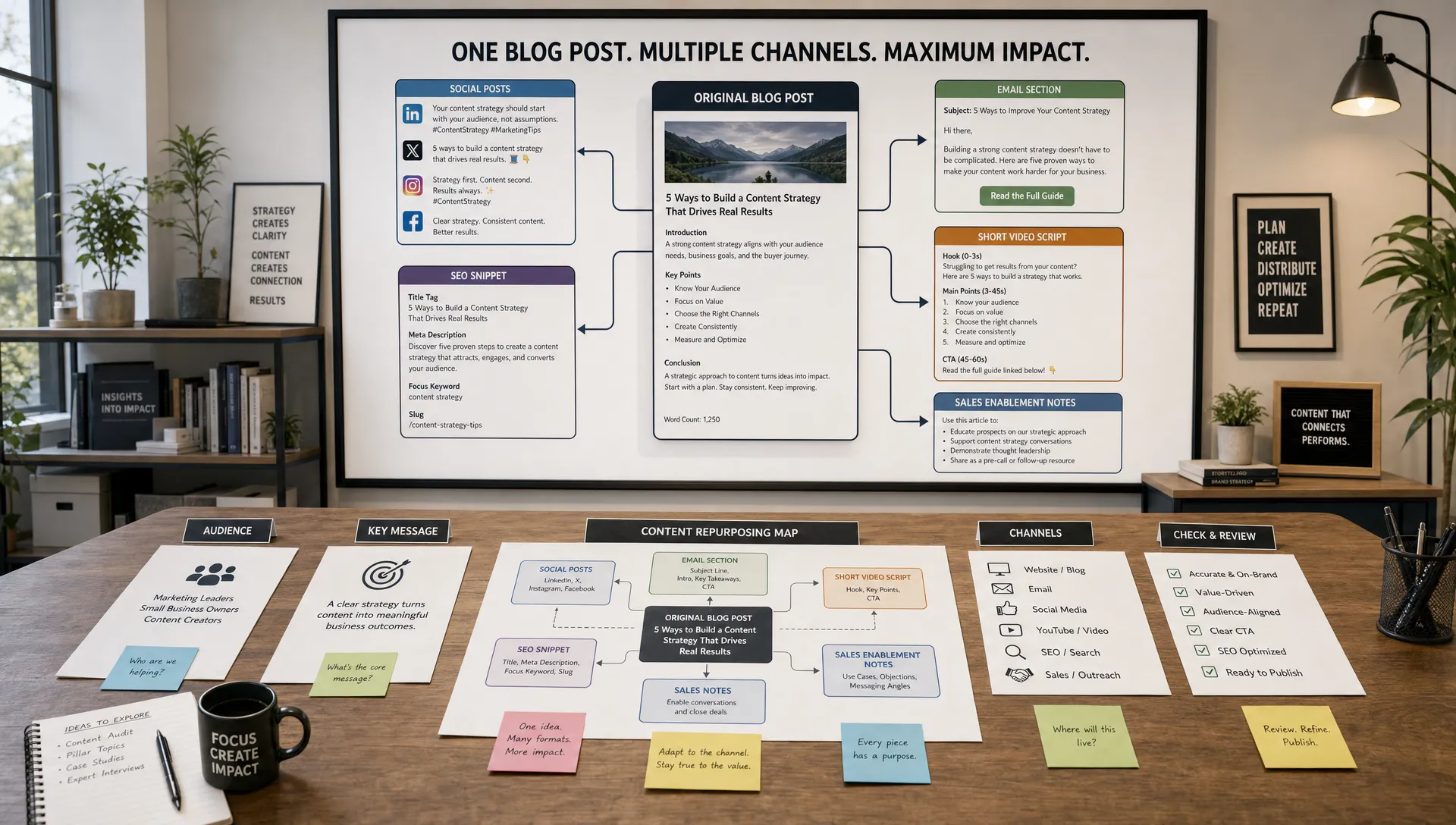
A single value proposition might become a search-optimized landing page, a LinkedIn carousel, a founder-led video, an email sequence, a sales deck slide, a paid ad headline, and a customer story. The message stays consistent, but the execution changes based on platform behavior.
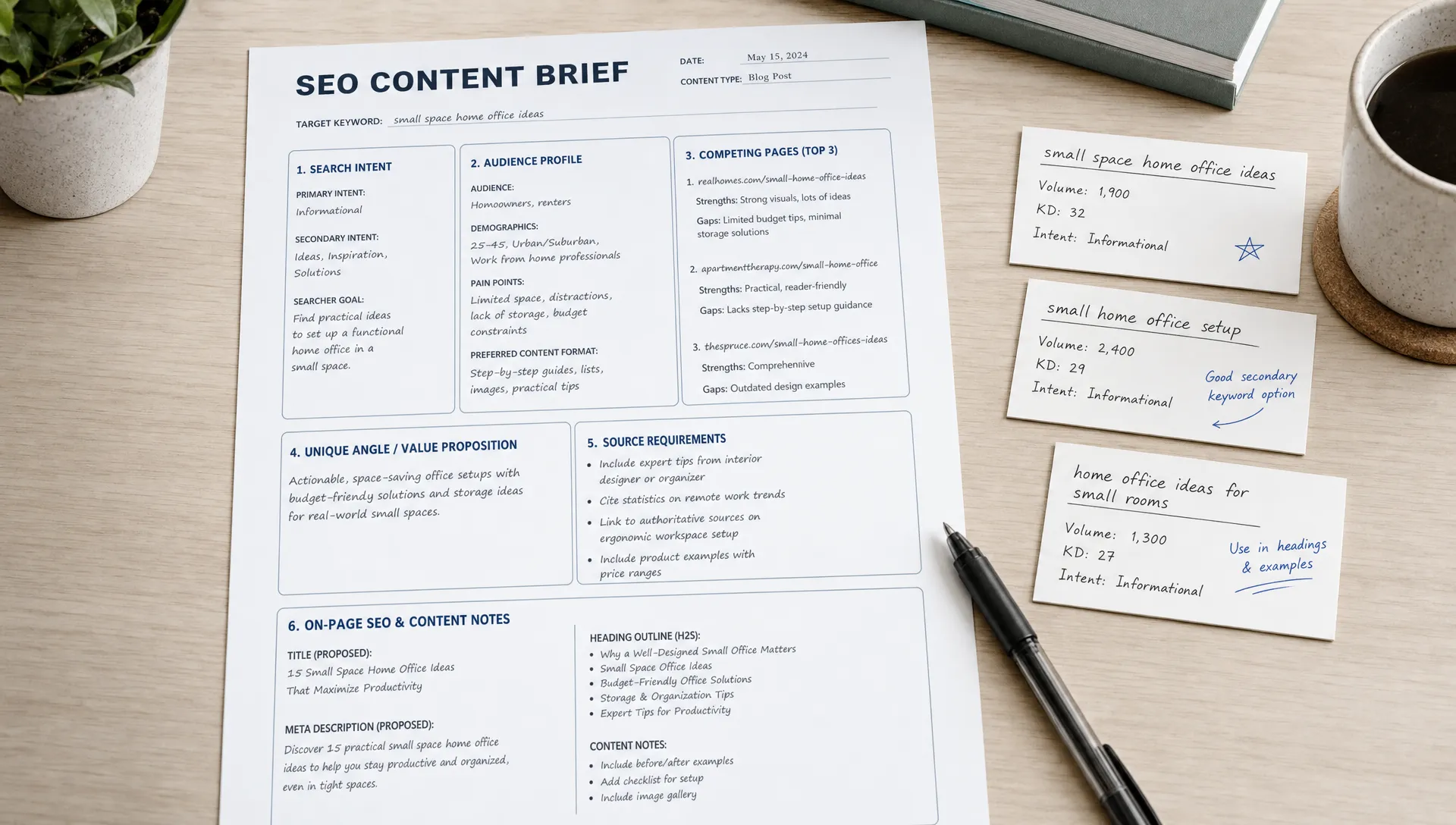
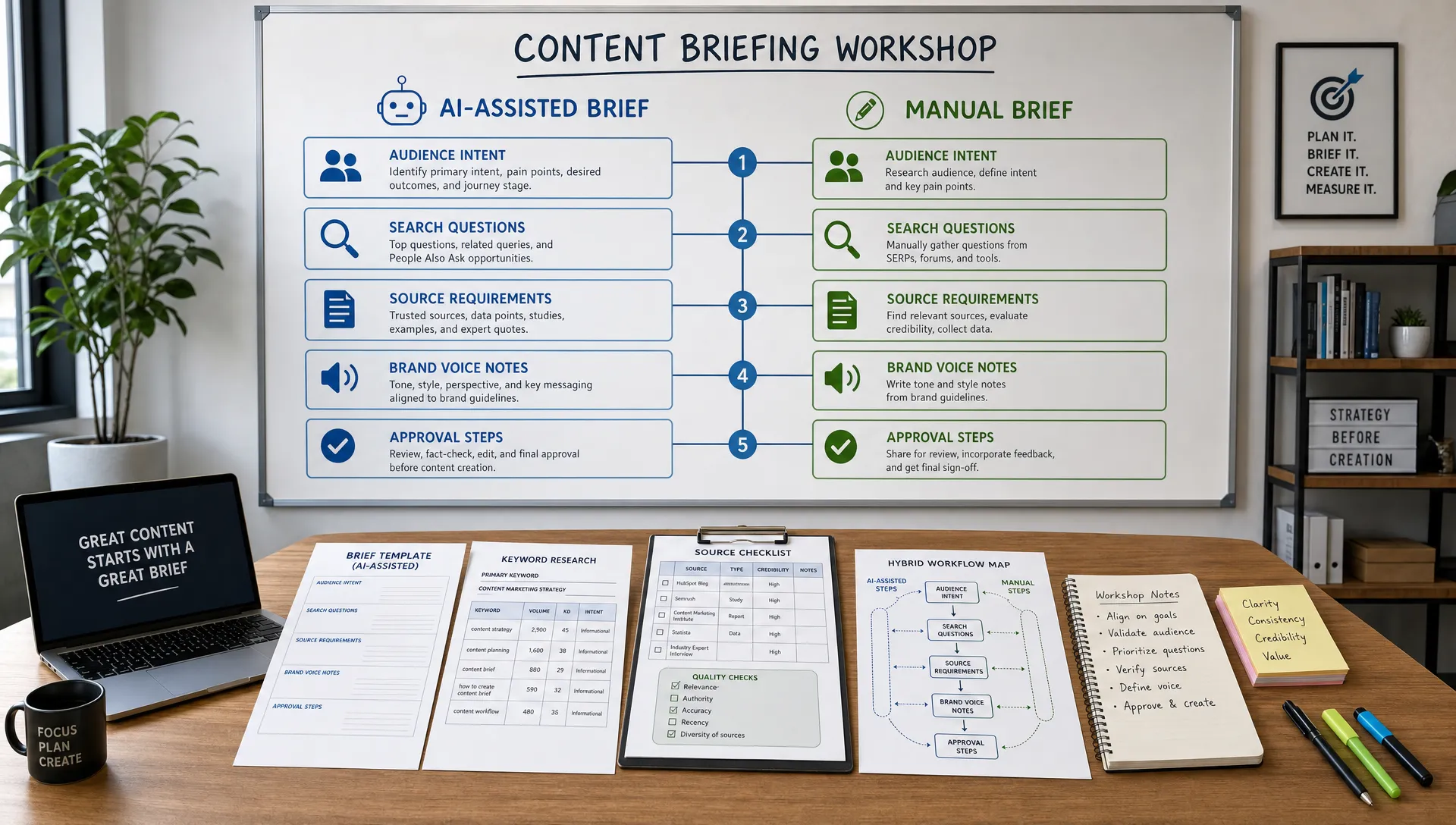
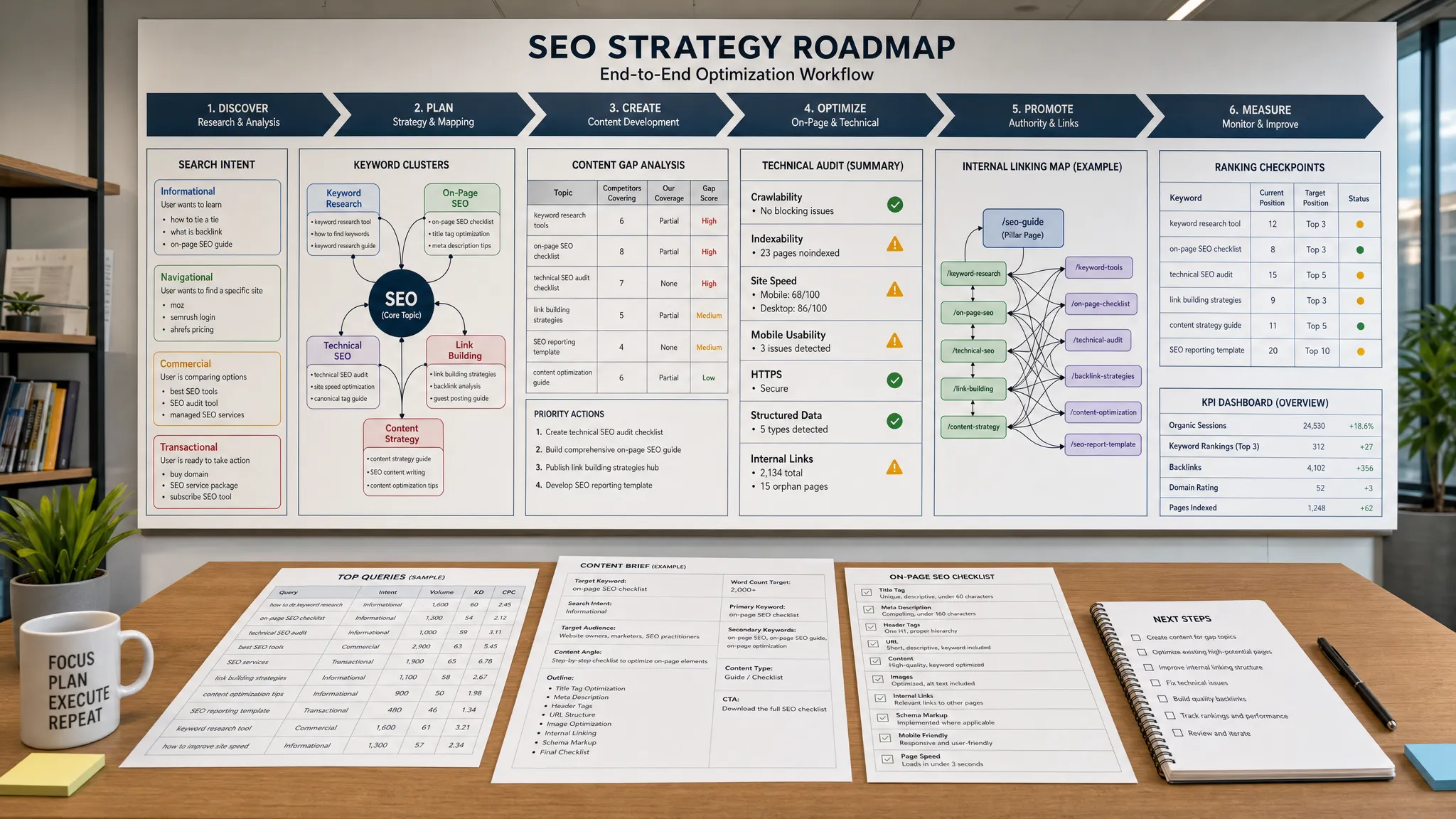
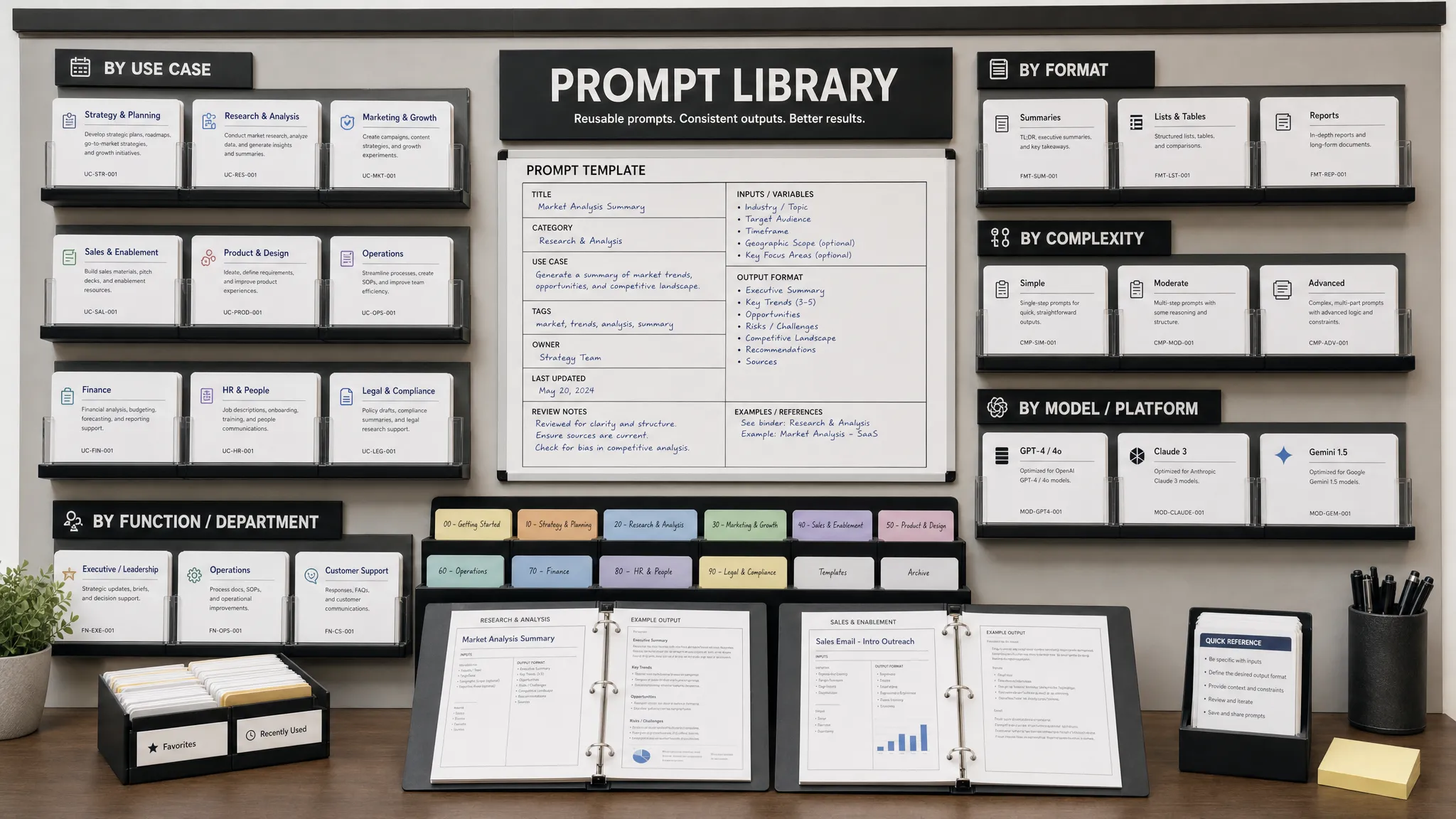
This is where AI can help, especially for lean teams. AI content generation, prompt libraries, SEO tools, and automated content workflows can speed up adaptation across platforms. The key is to use AI as a system for structured variation, not as a substitute for strategy.
AIMarketer Hub, for example, is designed around practical AI-powered marketing resources, including prompt support, content generation, SEO tools, calculators, analytics, and industry-specific guides. For multi-channel brands, resources like these can help teams move faster while keeping content aligned.
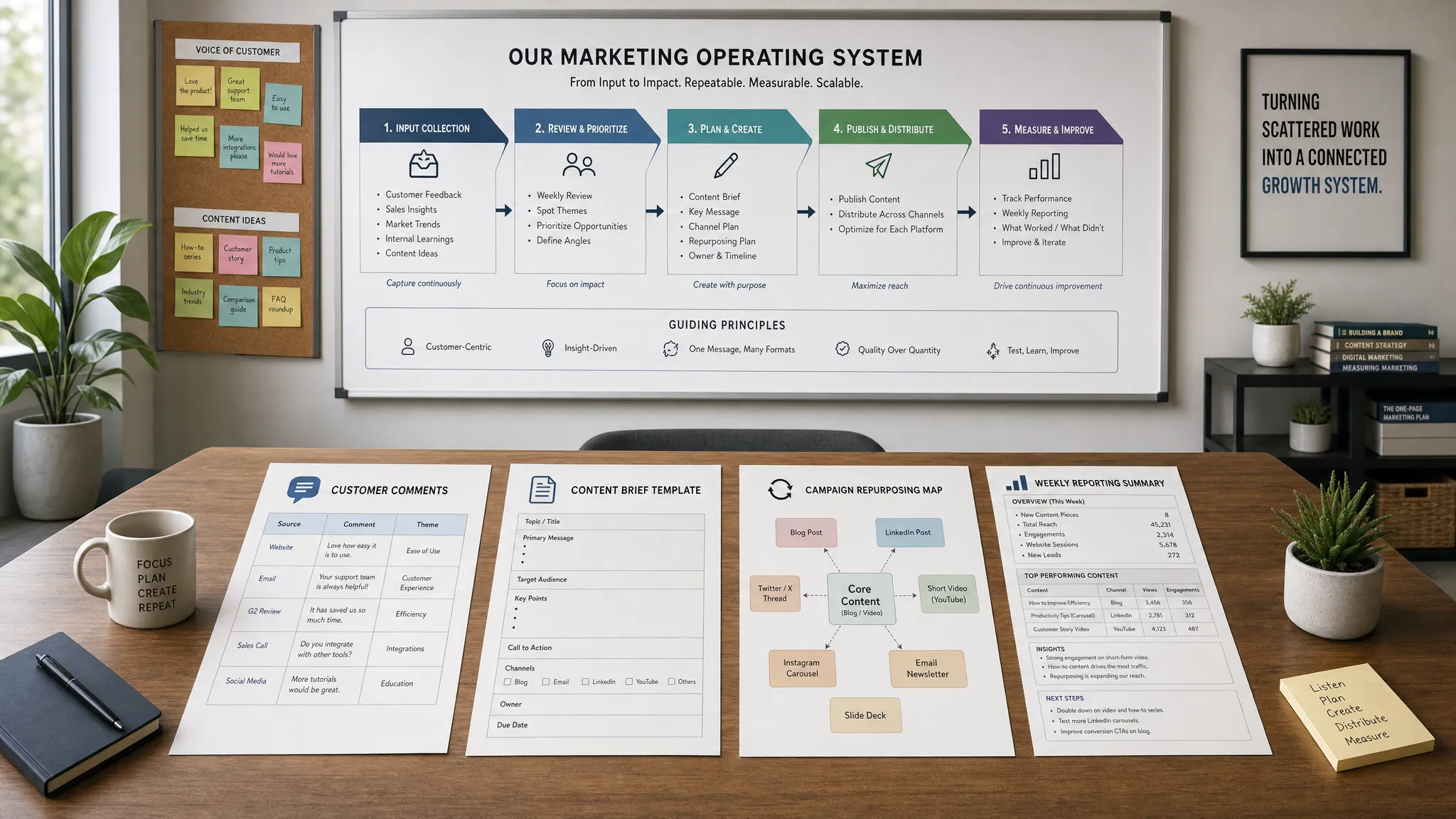
High-performing platform marketing does not mean creating completely separate content for every channel. It means building a repeatable content engine.
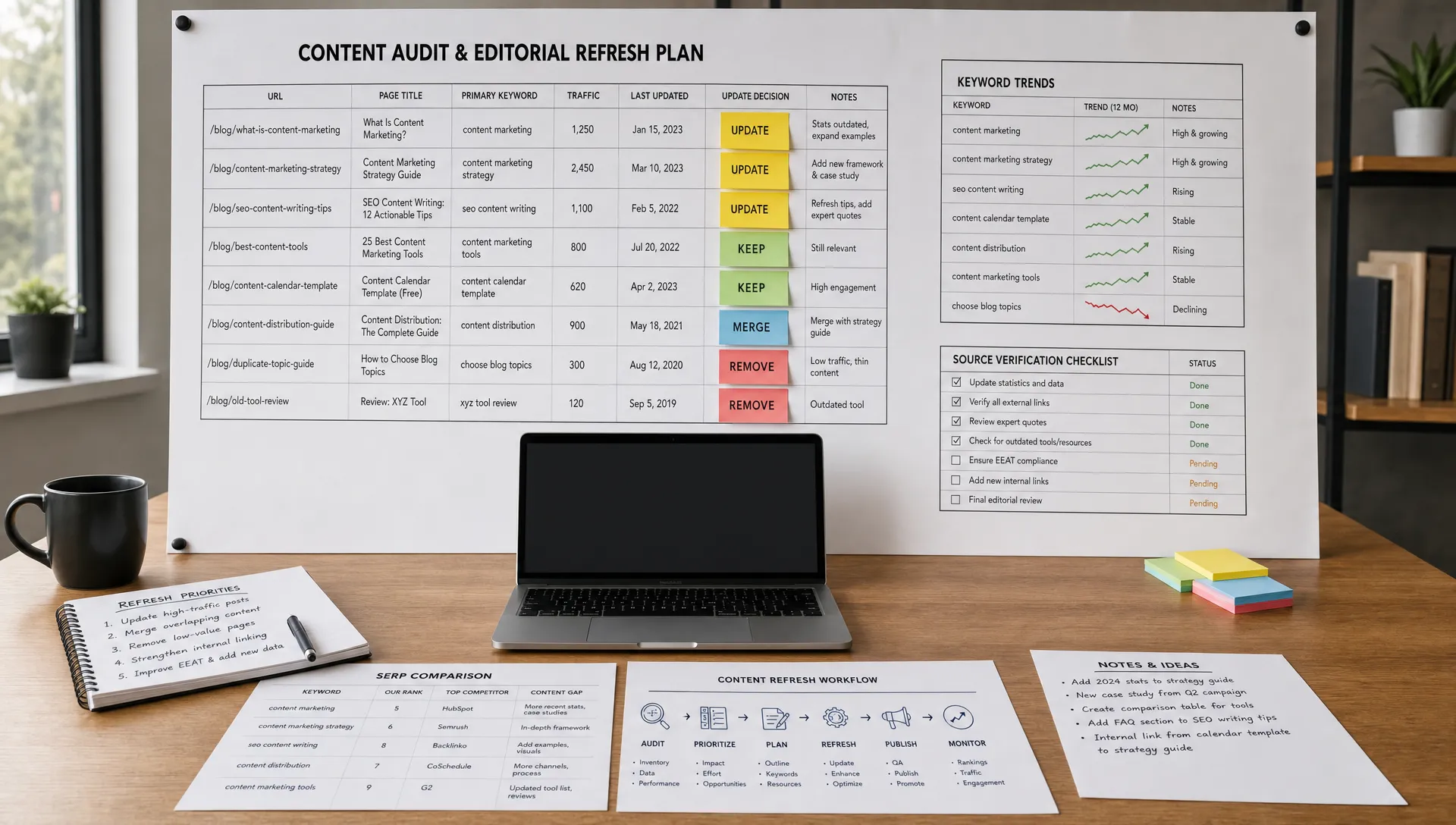
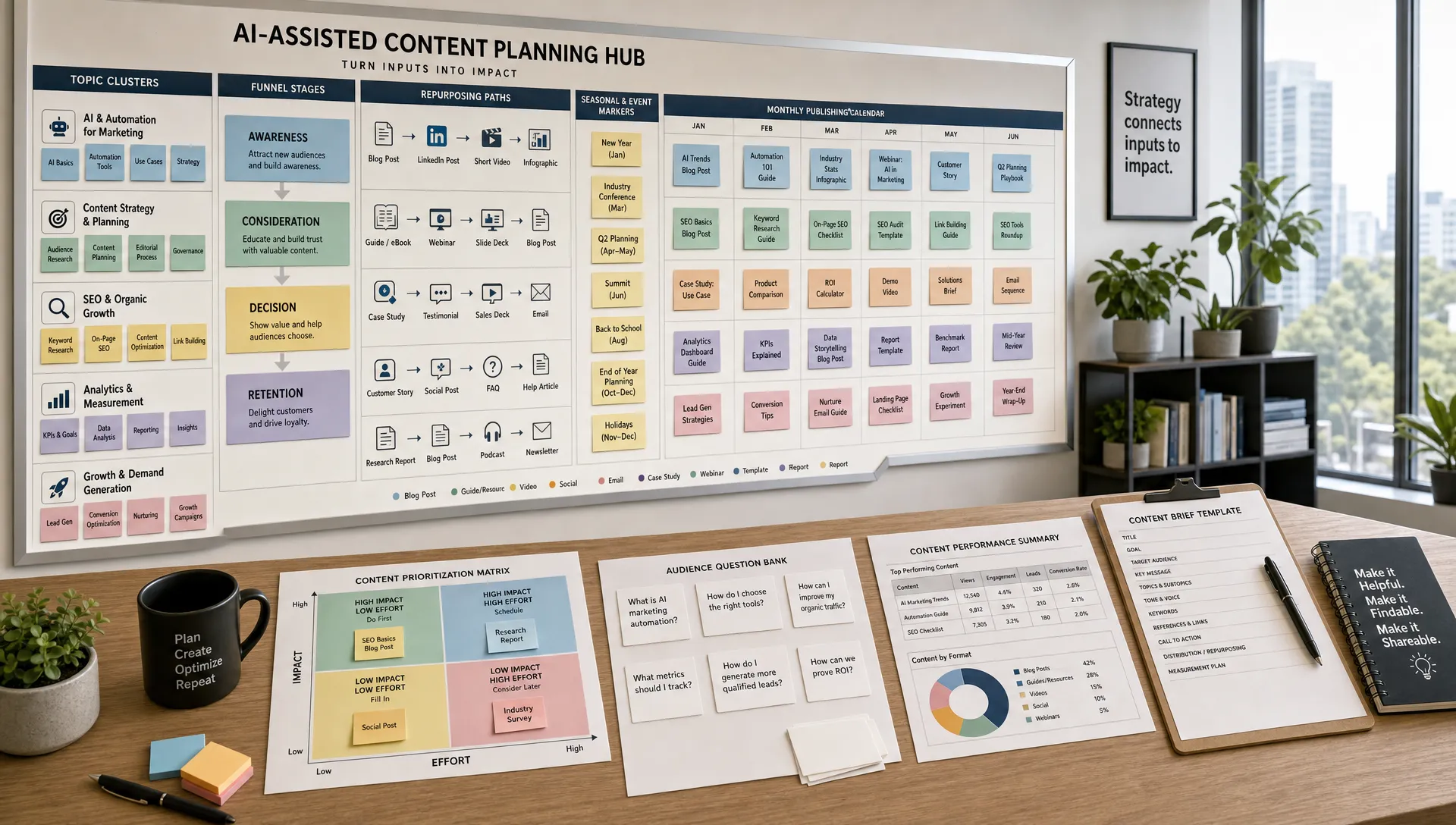
Start with one strong core idea, then adapt it into platform-native formats. A core idea could be a research insight, a customer problem, a product use case, a founder perspective, a how-to framework, or a trend analysis.
For example, one guide on “reducing customer acquisition cost with better lifecycle marketing” could become a blog article, a LinkedIn post series, a webinar topic, a short-form video script, a sales enablement one-pager, an email nurture sequence, and a paid social ad set.
The best content engines follow a simple rhythm:
This approach reduces production pressure and improves consistency. It also gives your brand more chances to meet buyers at different points in the journey.
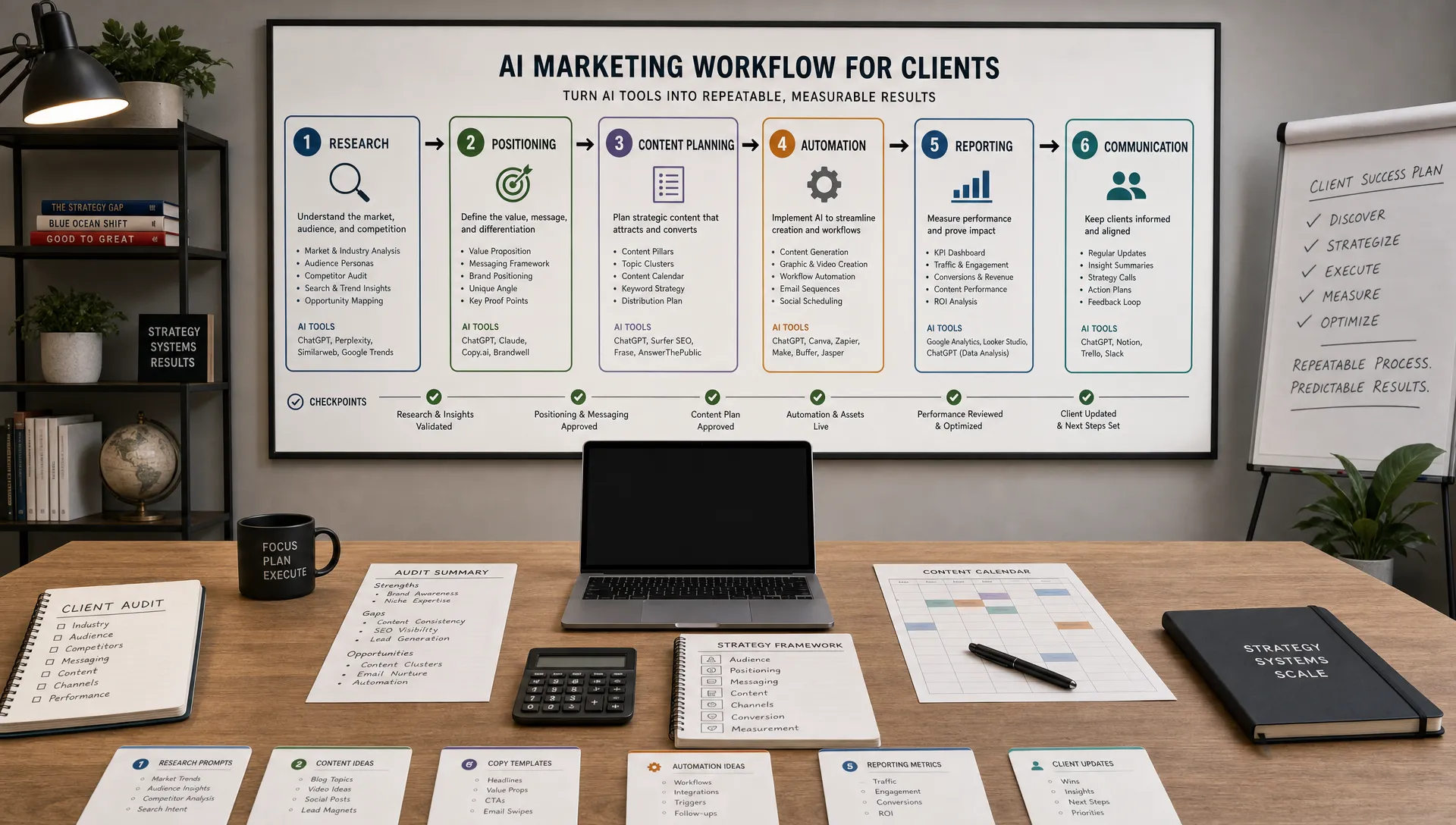
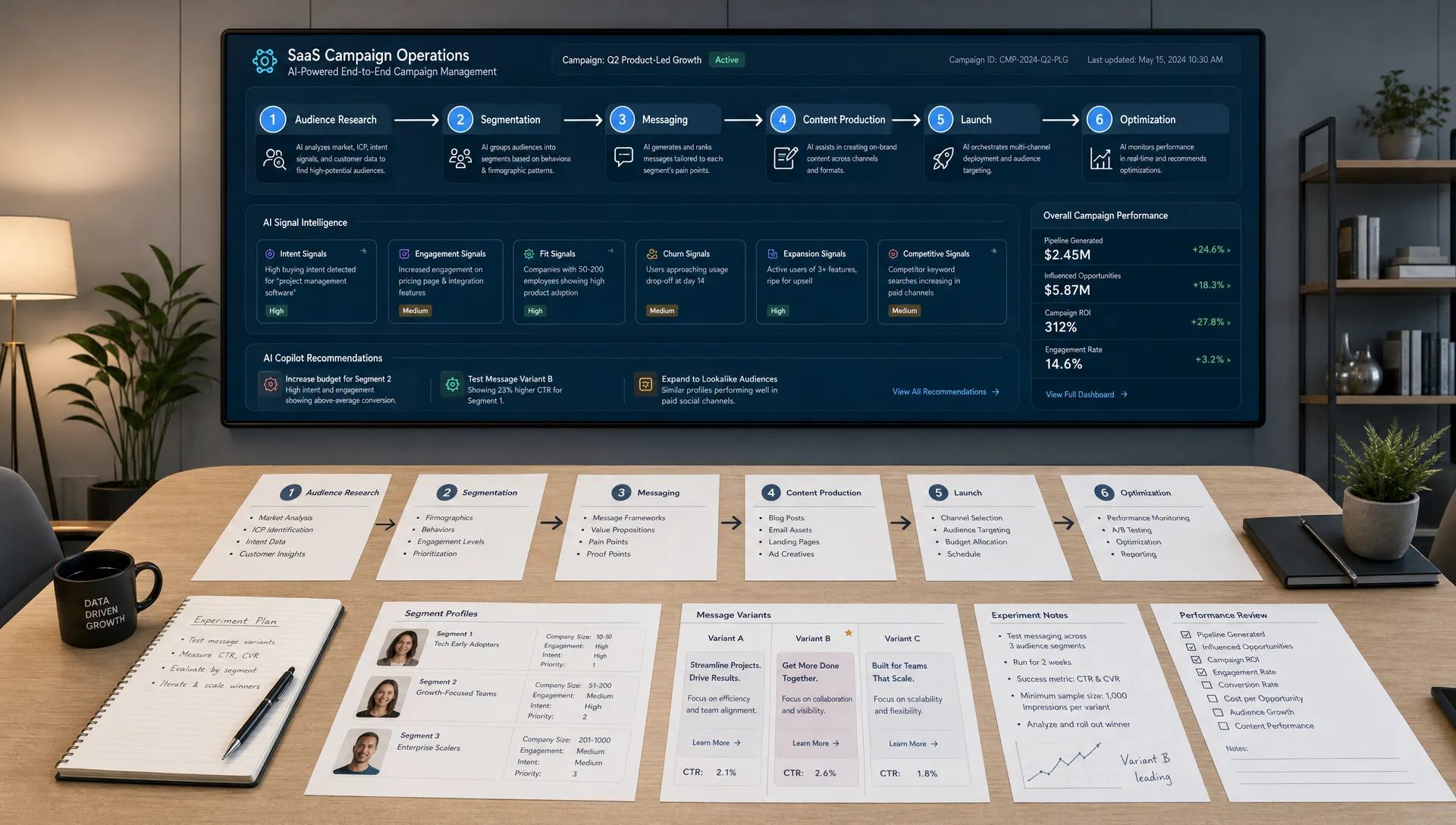
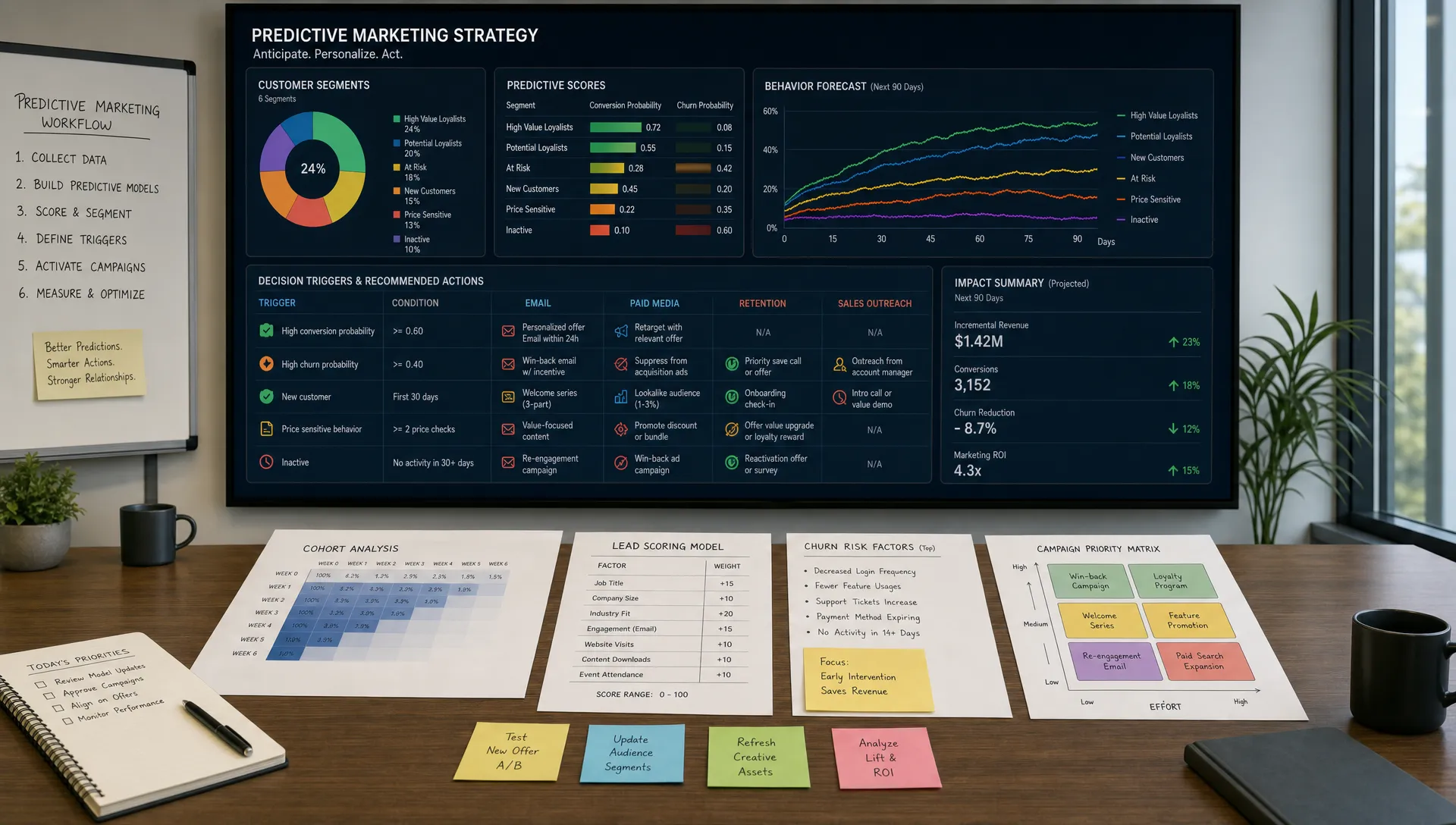
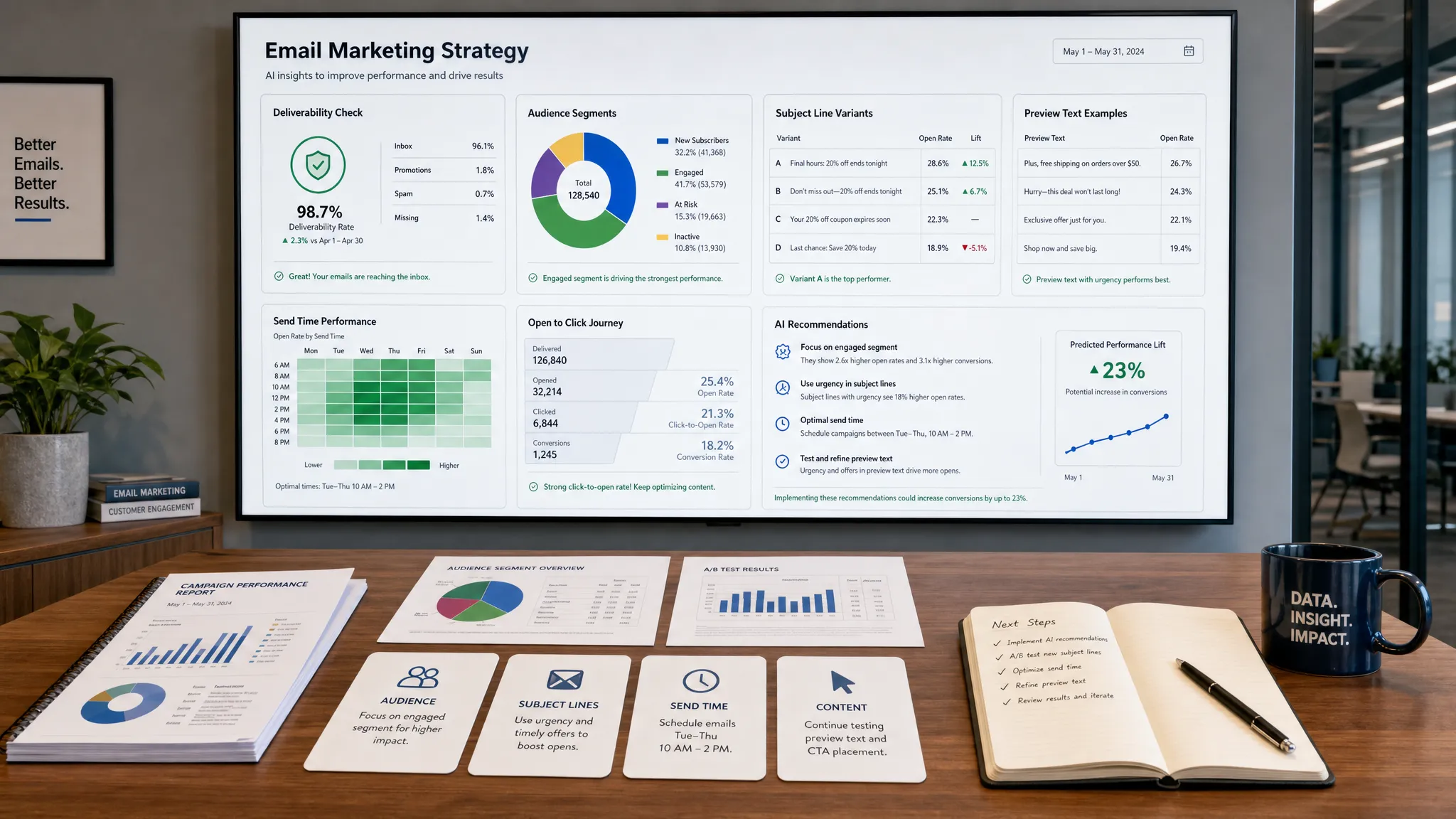
AI has changed the economics of platform marketing. Teams can now produce briefs, outlines, ad variations, email drafts, SEO recommendations, audience segments, and reporting summaries much faster than before.
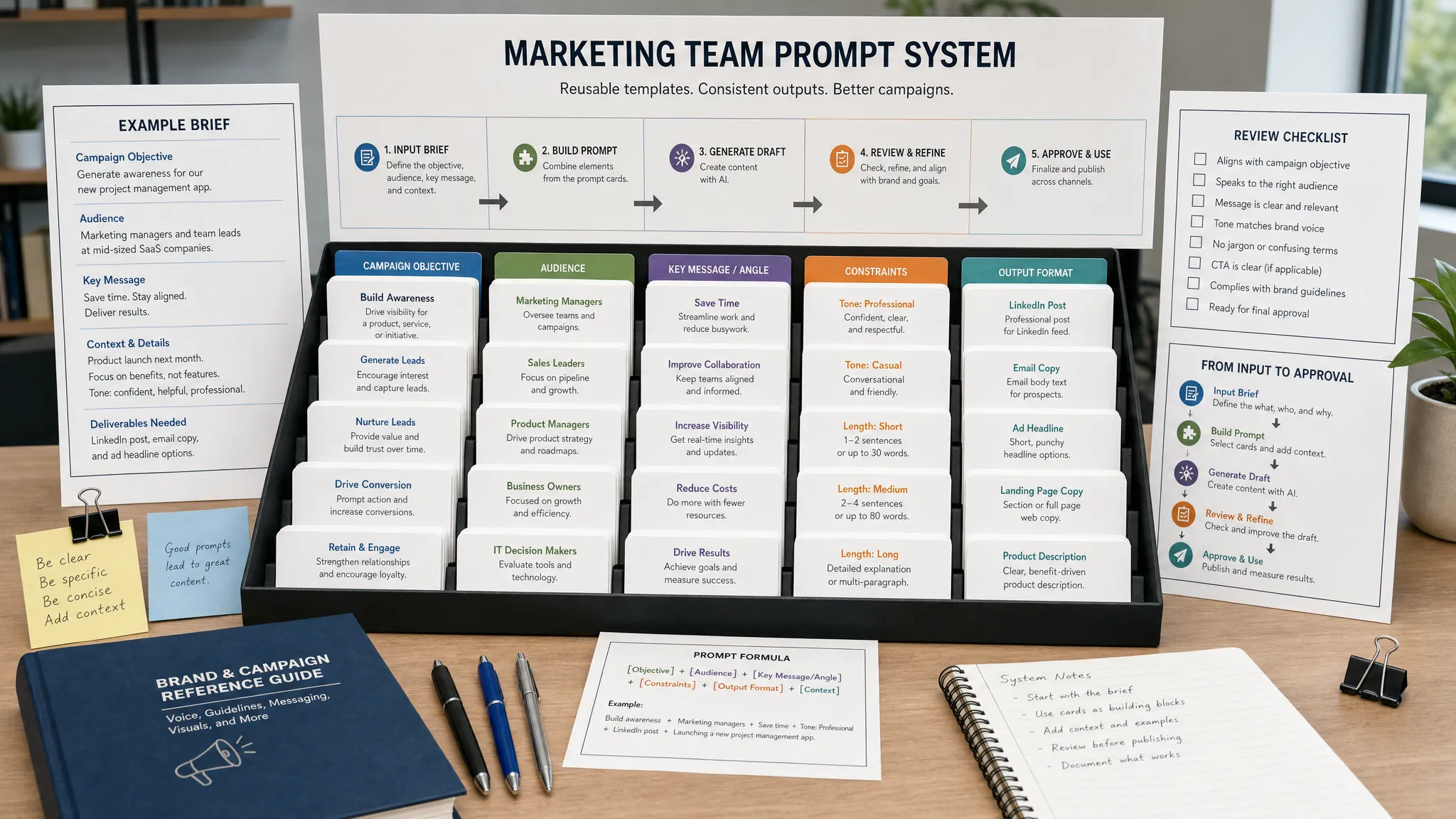
But speed without governance creates risk. If every team uses AI differently, the brand can become inconsistent quickly. The solution is to create shared rules for AI-assisted marketing.
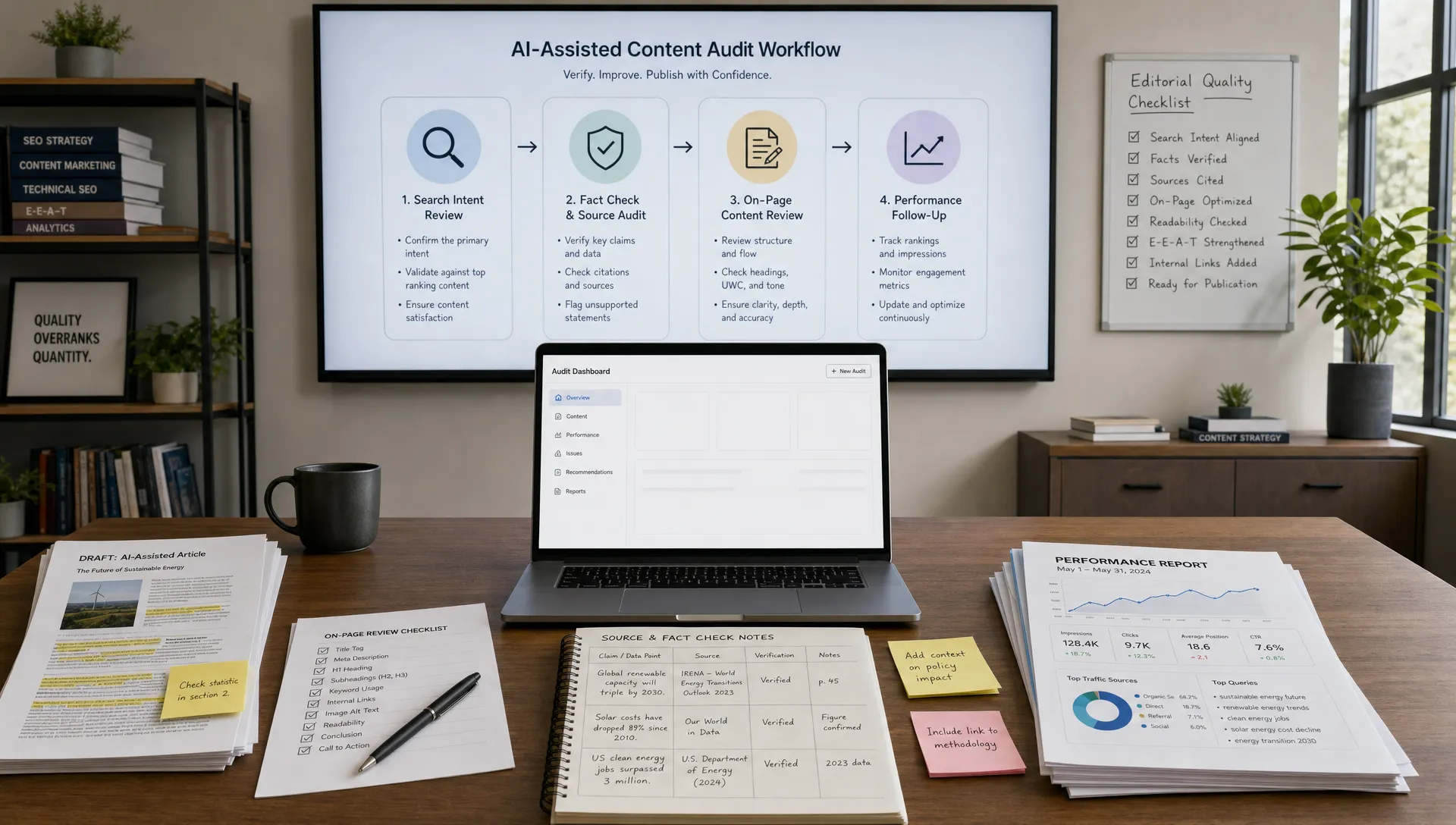
Your AI workflow should include approved brand voice guidelines, audience personas, prompt templates, compliance checks, review steps, and performance feedback. This is especially important in regulated or trust-heavy industries such as finance, legal, healthcare, and B2B SaaS.
AI is most valuable when it helps marketers do the following:
The human role becomes more strategic. Marketers decide what matters, what is true, what fits the brand, and what should be improved.
One of the strongest advantages of platform marketing is that it breaks down the wall between paid, organic, and lifecycle teams.
Paid media can reveal which messages generate clicks and conversions quickly. Organic content can build long-term authority and reduce dependency on ad spend. Lifecycle marketing can turn new leads into customers and customers into repeat buyers. When these functions share insights, every platform improves.
For example, if a paid search campaign shows that buyers respond strongly to a specific pain point, that insight can shape blog content, landing pages, email subject lines, and sales scripts. If a LinkedIn post gets strong engagement around a customer objection, that objection can become a nurture email or FAQ section. If an email campaign gets high clicks but low conversions, the landing page or offer may need improvement.
Multi-channel brands should create a regular feedback loop between teams. A weekly or biweekly performance review can focus on what message worked, which audience segment responded, what friction appeared, and what should be tested next.
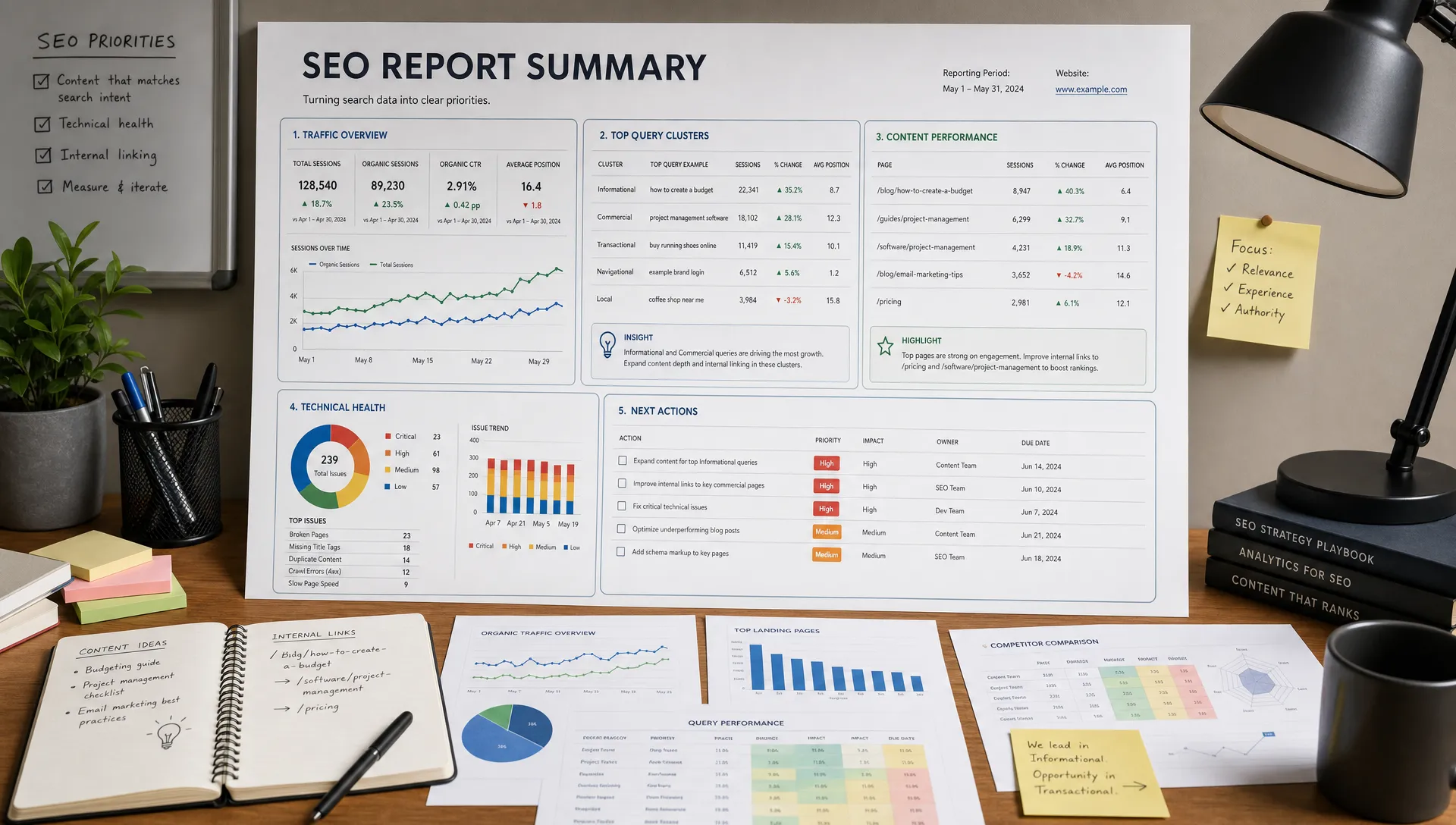
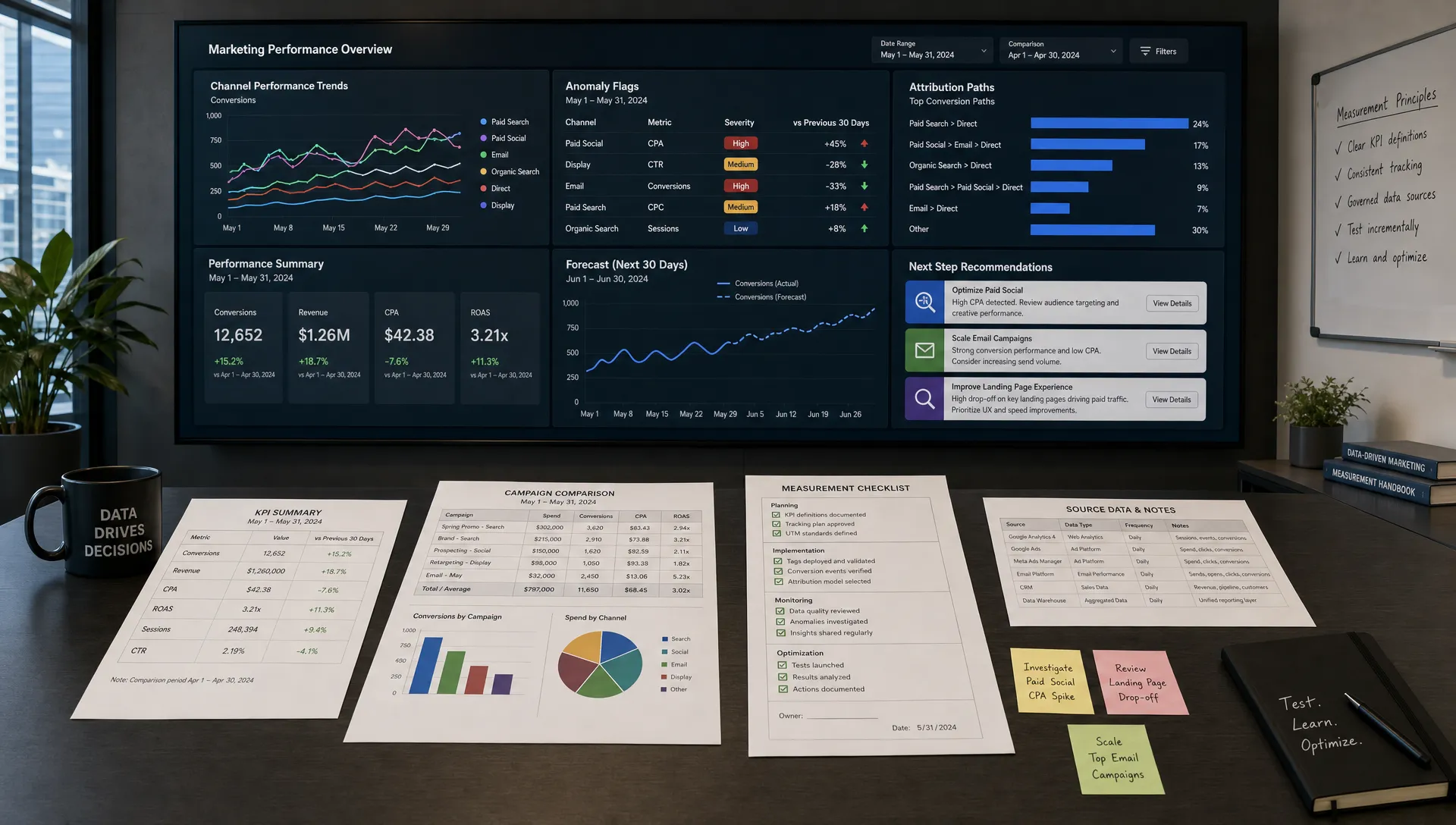
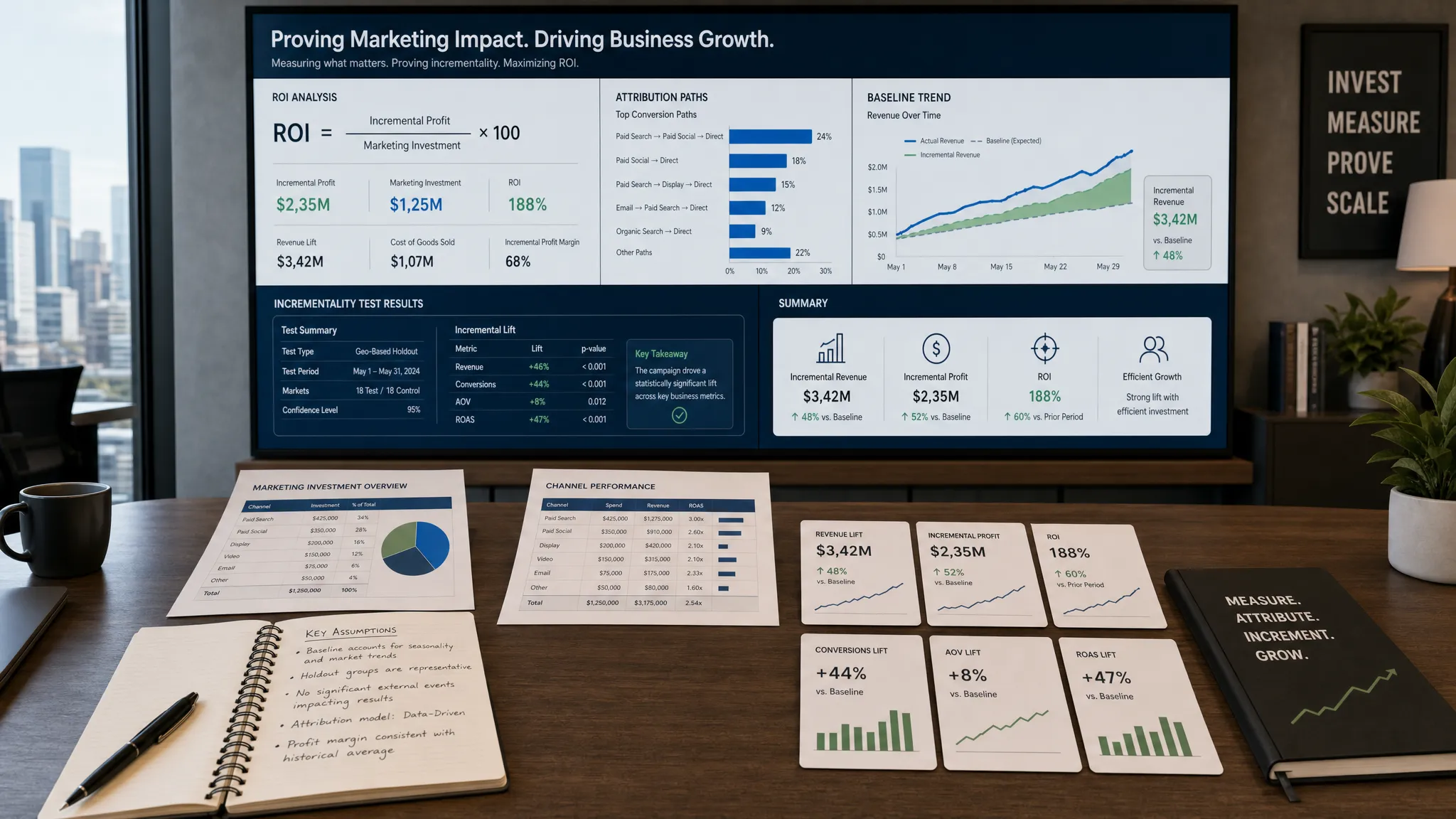
Most brands have more marketing data than they can use. Platform dashboards show impressions, clicks, views, opens, conversions, assisted conversions, engagement rates, watch time, revenue, and attribution models. The issue is not access to data. The issue is interpretation.
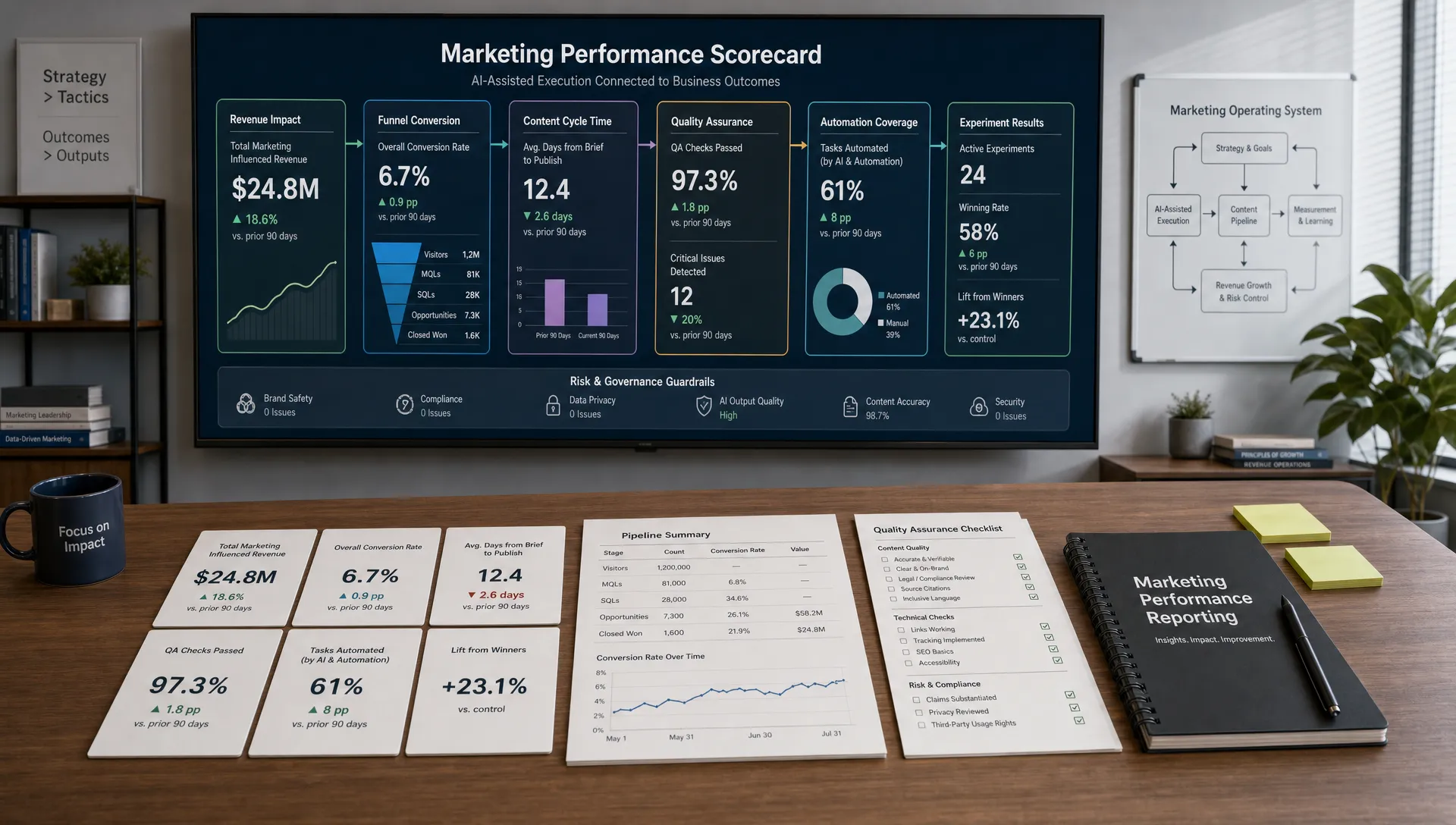
A strong platform marketing measurement system separates platform metrics from business metrics.
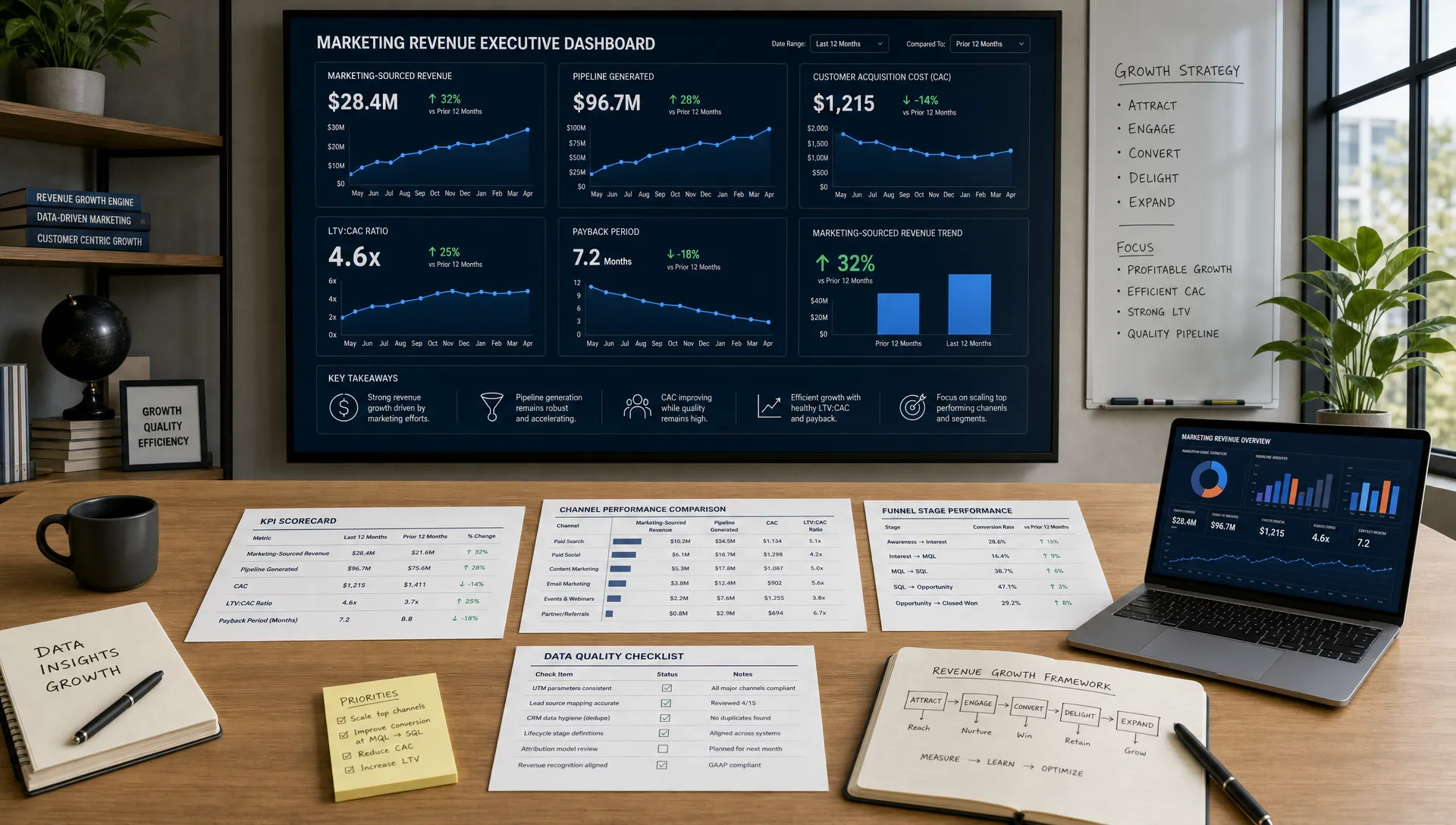
Platform metrics help teams optimize within a channel. These include click-through rate, cost per click, engagement rate, video completion rate, email open rate, and organic ranking movement. Business metrics show whether marketing is helping the company grow. These include qualified pipeline, customer acquisition cost, conversion rate, revenue, retention, lifetime value, and payback period.
Both matter, but they should not be confused. A campaign with high engagement may not drive revenue. A channel with lower engagement may produce better-fit leads. A platform may look inefficient on last-click attribution but play an important role in awareness or trust-building.
The goal is to build a measurement view that answers practical questions. Which platforms create demand? Which capture demand? Which accelerate conversion? Which improve retention? Which are underperforming because of weak creative, poor targeting, or a broken landing experience?
Platform marketing requires more than tools. It requires people who understand strategy, analytics, content, automation, creative testing, and platform behavior.
As AI and platform algorithms evolve, ongoing learning becomes a competitive advantage. Marketing teams need to build skills in prompt engineering, data interpretation, content strategy, paid media testing, SEO, marketing automation, and customer journey design. For teams looking to formalize that learning, structured upskilling programs for marketing and business professionals can help create consistent capability across departments.
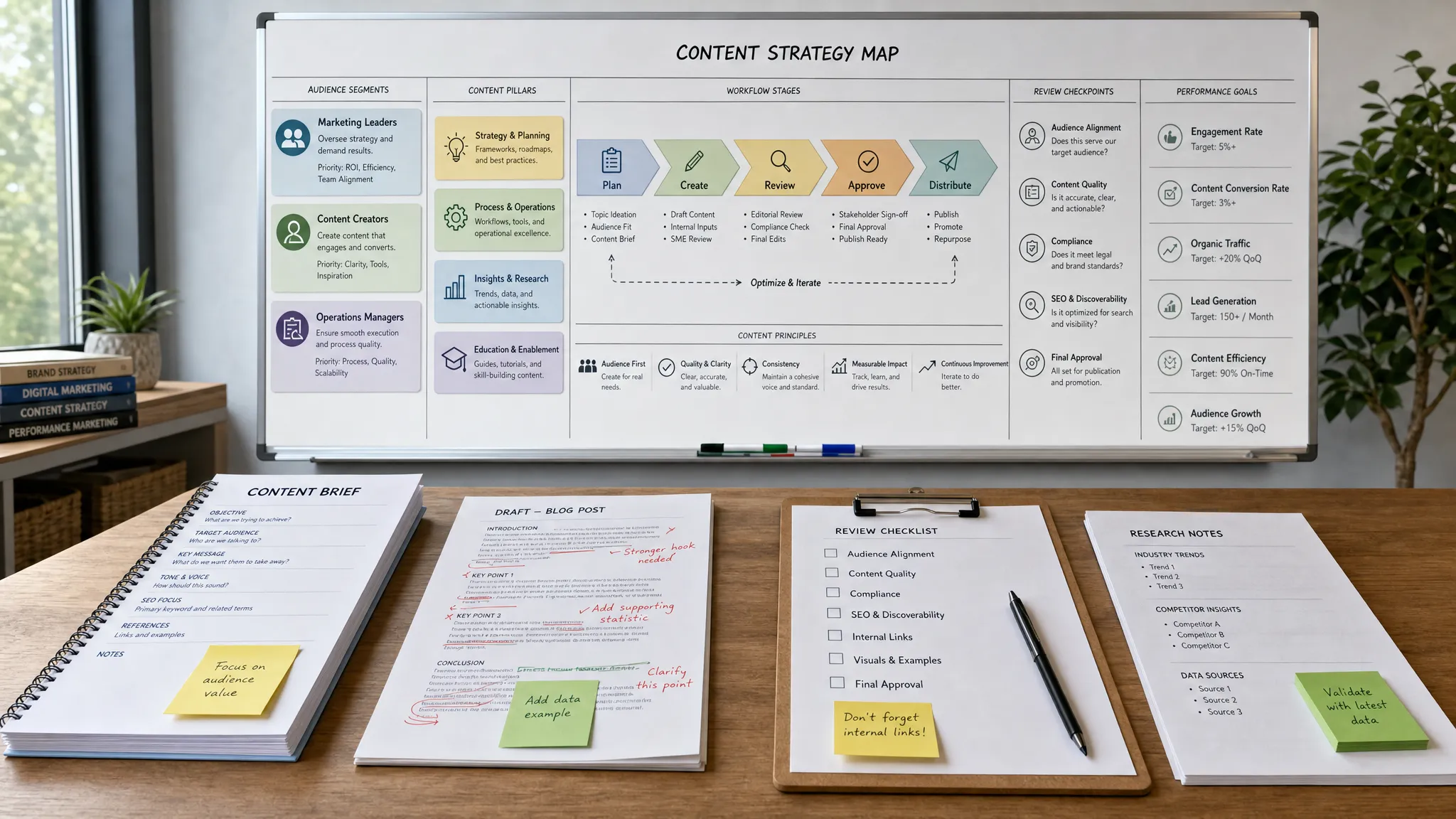
Skills also need operating systems. That means clear processes for campaign planning, content approvals, reporting, experimentation, and knowledge sharing. Without a workflow, even talented teams end up reacting to platform demands instead of leading with strategy.
A simple operating system might include a monthly campaign theme, weekly content planning, shared creative briefs, centralized performance dashboards, and quarterly channel reviews. The structure does not need to be complicated. It needs to be consistent.
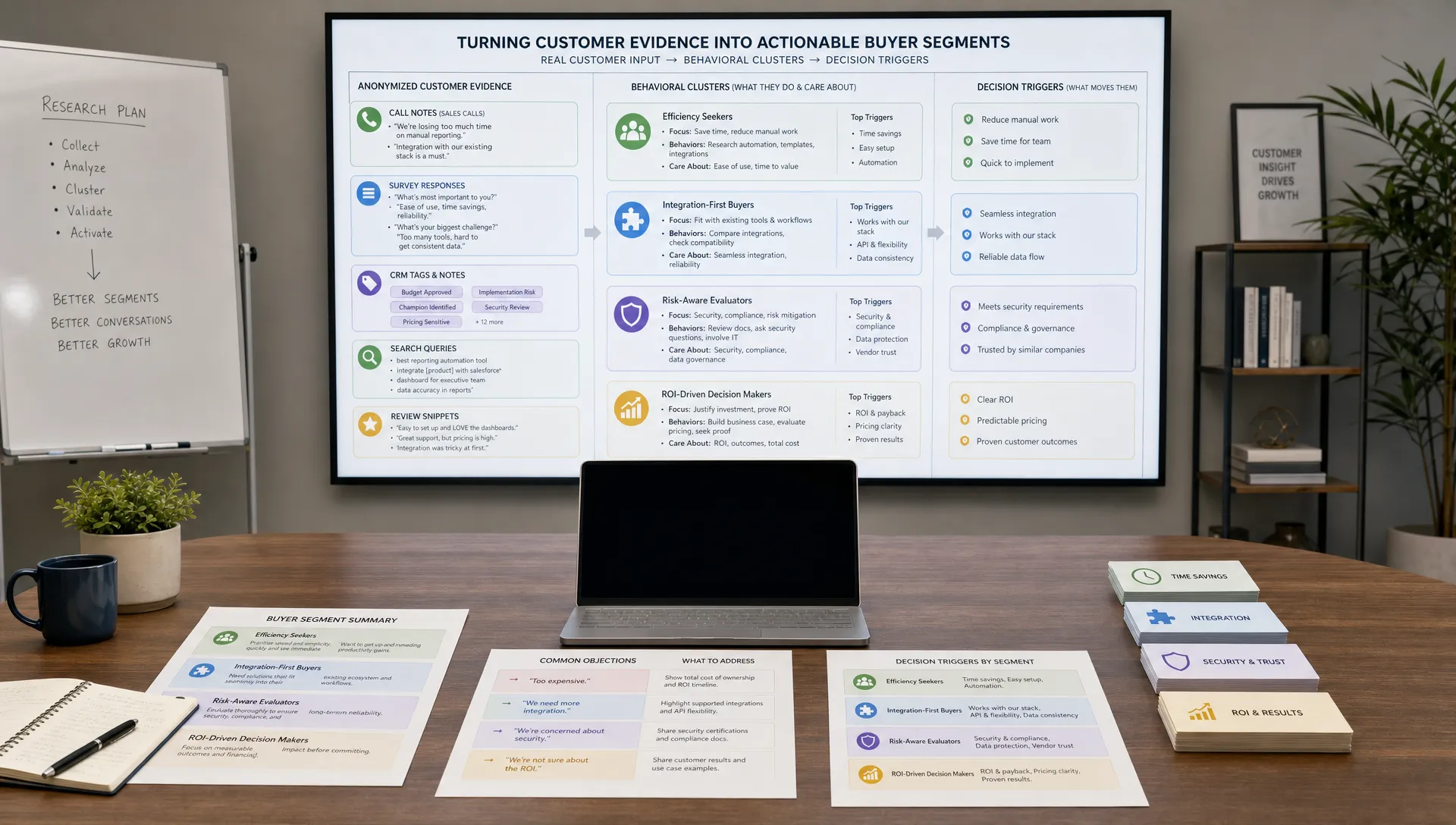
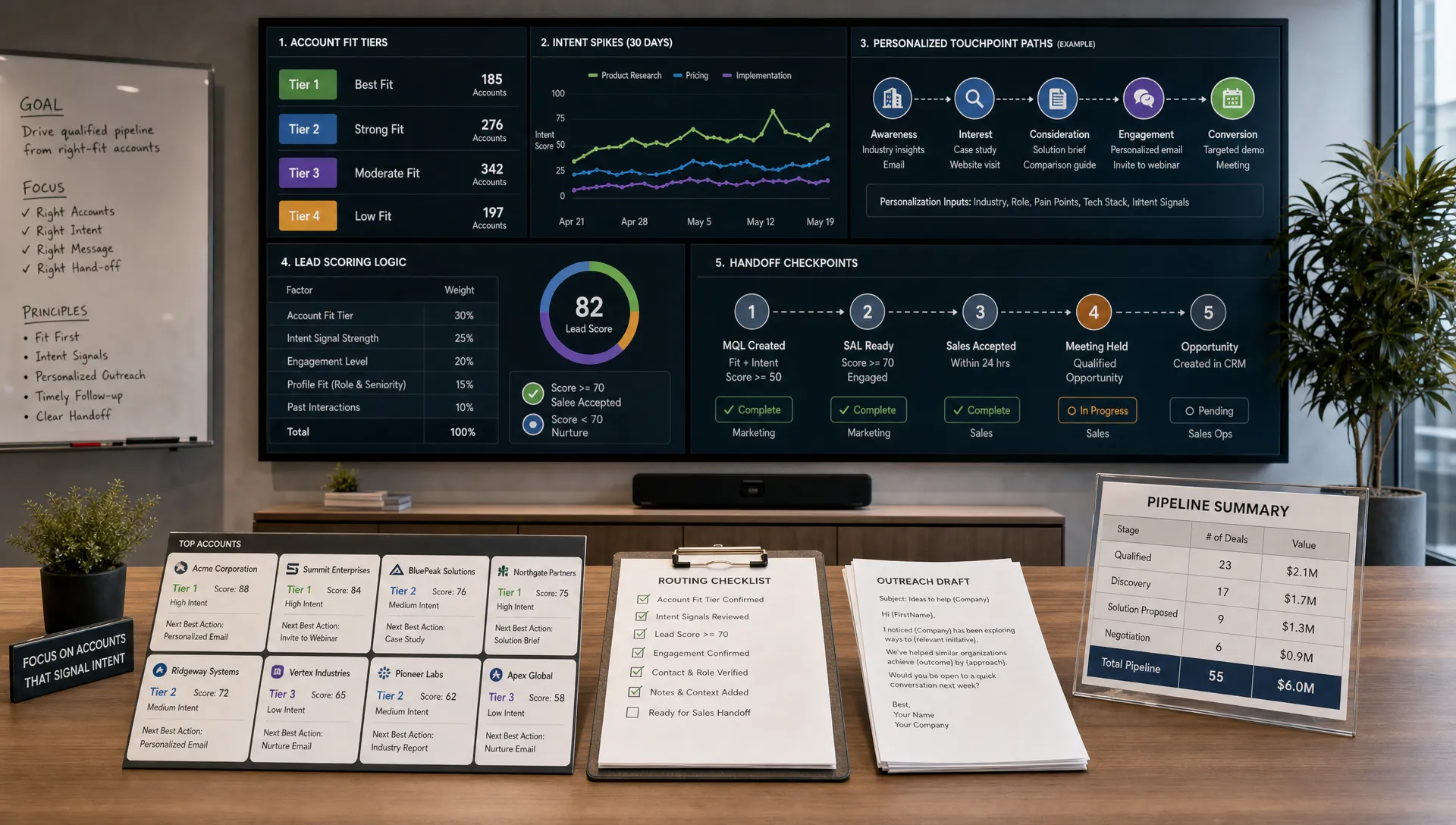
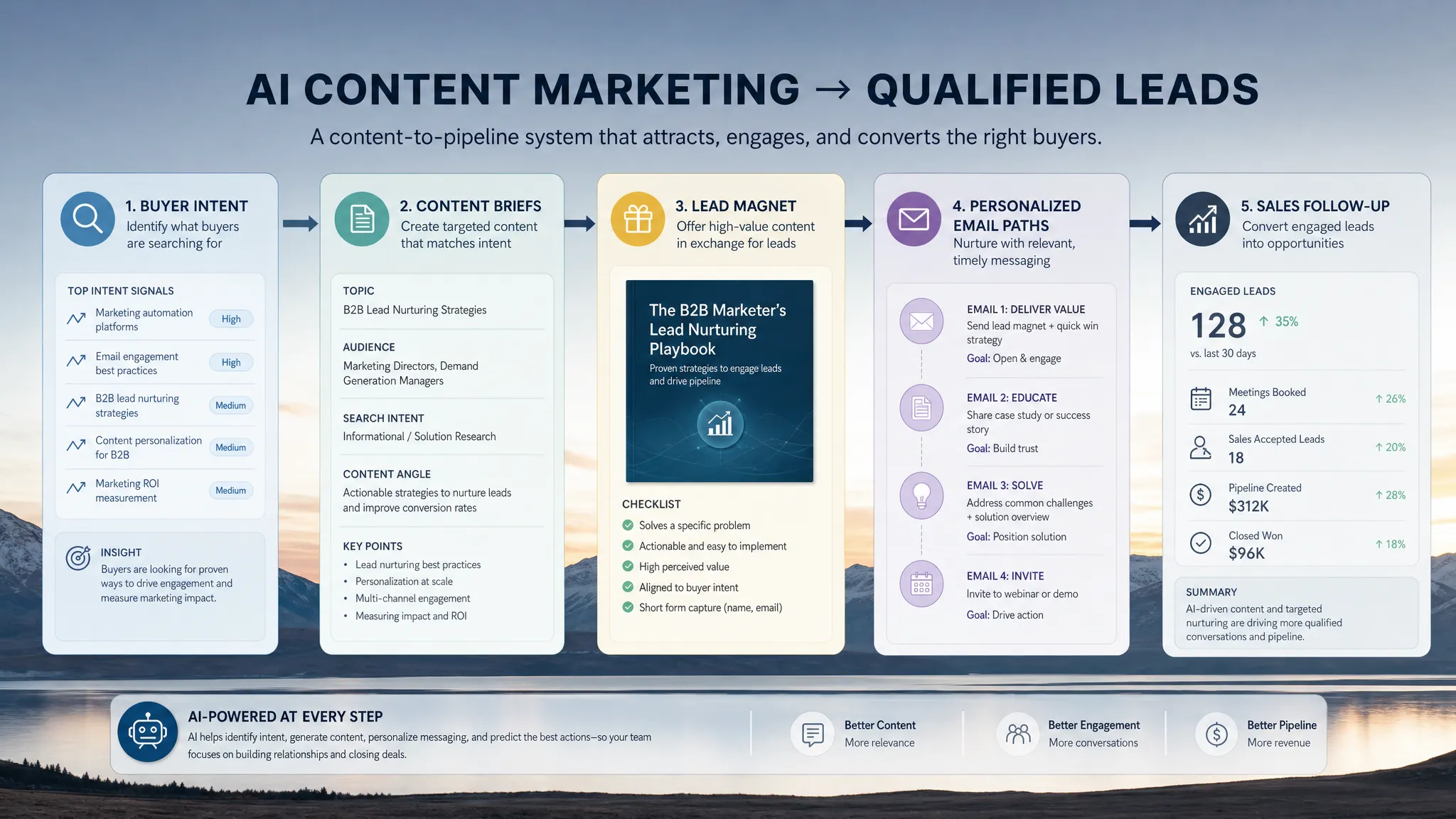
The most effective platform marketing strategies are built around buyer intent. A person who is discovering a problem needs a different message than someone comparing vendors or deciding whether to renew.
At the awareness stage, your content should help people understand a problem or opportunity. Social videos, thought leadership, educational articles, and creator content can work well here.
At the consideration stage, your content should help buyers evaluate options. Comparison pages, case studies, webinars, expert guides, ROI calculators, and product explainers become more useful.
At the decision stage, your content should reduce risk. Demos, reviews, testimonials, pricing clarity, FAQs, security information, implementation details, and sales enablement materials matter more.
At the retention stage, your content should help customers succeed. Onboarding emails, tutorials, product updates, community content, and advanced use cases can improve loyalty and expansion.
When each platform supports a specific journey stage, your marketing becomes more intentional. You stop asking every channel to do everything.
Even experienced teams can weaken their multi-channel performance by making a few predictable mistakes.
The first mistake is copying the same asset across every platform. A webinar clip, a search article, and a TikTok video can all come from the same idea, but they should not look or sound identical.
The second mistake is optimizing for vanity metrics. Reach and engagement can be useful, but they do not always indicate business impact. Tie each platform to a clear purpose.
The third mistake is launching channels without ownership. If no one owns the platform strategy, content quality, testing rhythm, and reporting, the channel will drift.
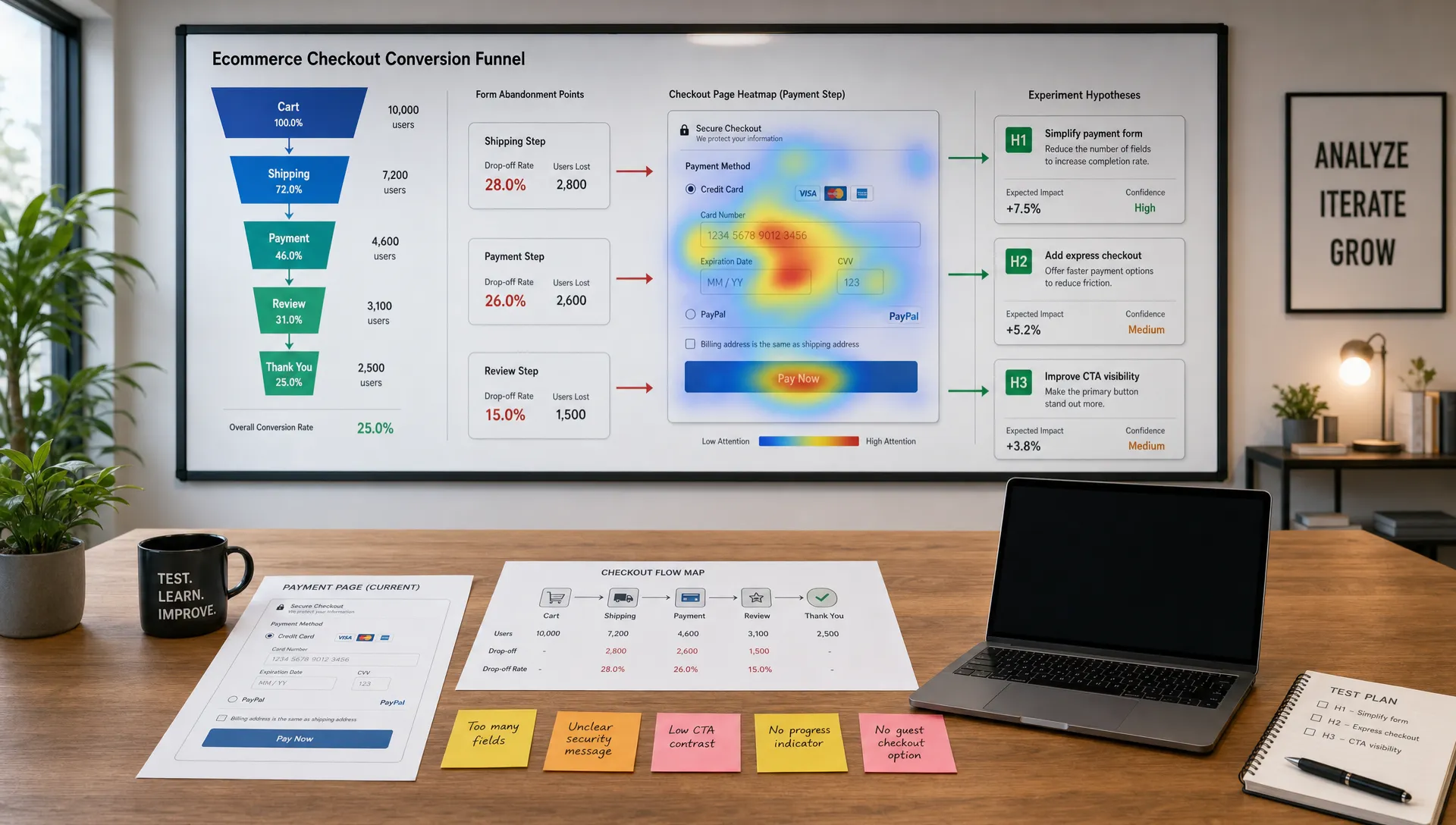
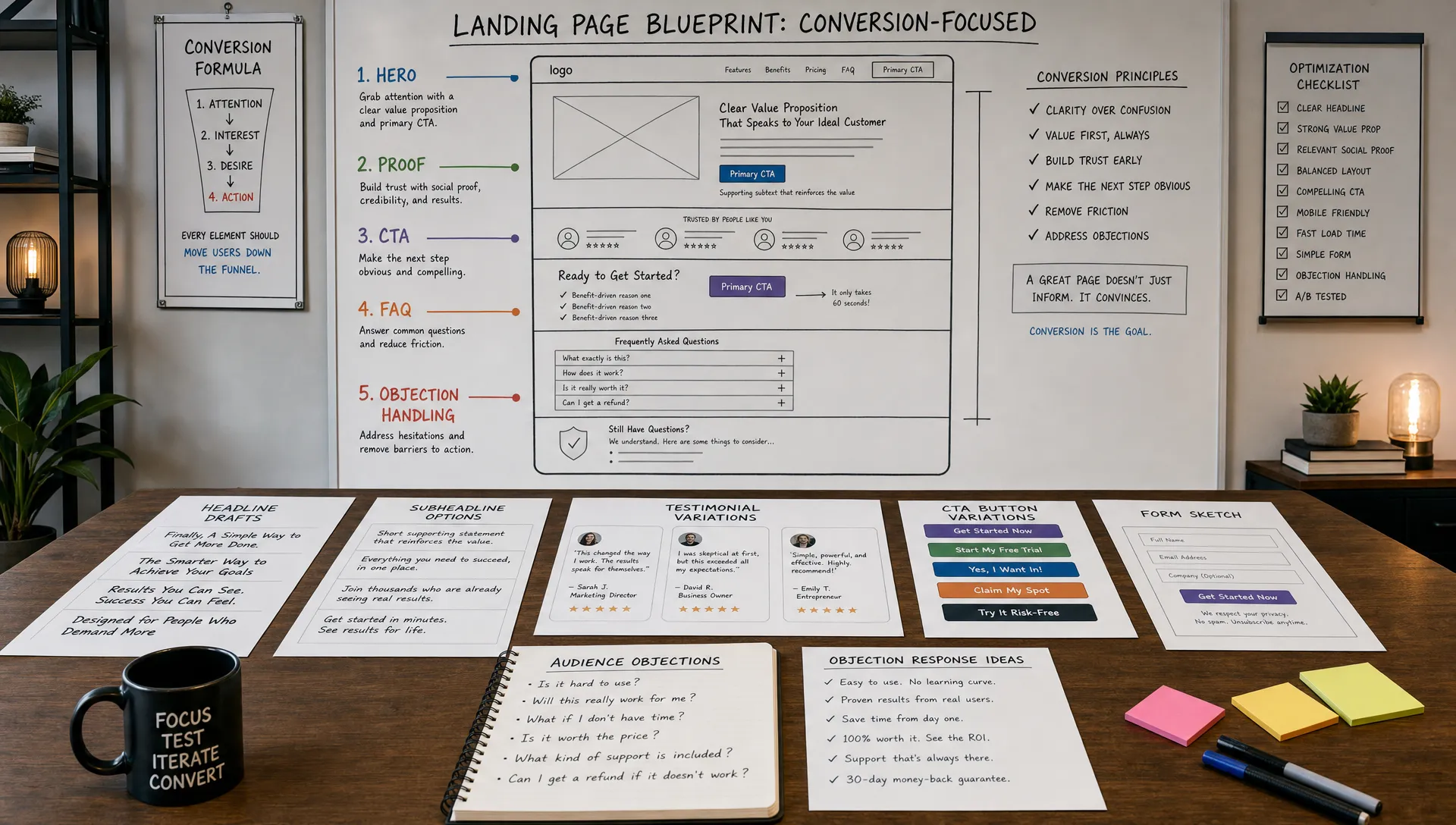
The fourth mistake is ignoring post-click experience. A strong ad or social post cannot overcome a confusing landing page, weak offer, or slow follow-up process.
The fifth mistake is treating AI as a volume machine only. AI should improve strategy, consistency, testing, and analysis, not simply increase the number of generic posts.
If your brand already operates across multiple channels, you do not need to rebuild everything at once. Start with a 30-day reset.
In week one, audit your current platforms. Identify the purpose of each channel, the audience it reaches, the content it uses, the metrics it reports, and the business outcome it supports.
In week two, review your message consistency. Look at your website, ads, email campaigns, social profiles, landing pages, and sales materials. Note where positioning, proof points, and calls to action are misaligned.
In week three, choose one campaign theme and build a cross-platform content plan around it. Create one core asset, then adapt it into platform-native formats.
In week four, review performance and document what you learned. Focus on practical insights, not just dashboard exports. Which message worked? Which audience responded? Which platform helped move people forward? What should change next month?
This short reset can reveal where your strategy is strong, where your teams are duplicating effort, and where AI-powered workflows can help.
What is platform marketing? Platform marketing is a strategy that uses each marketing platform according to its unique role, audience behavior, content format, and data signals, while connecting all channels into one coordinated customer journey.
How is platform marketing different from multi-channel marketing? Multi-channel marketing means using several channels. Platform marketing goes further by defining how each platform contributes to awareness, engagement, conversion, retention, and measurement.
Which platforms should a brand prioritize first? Start with the platforms where your audience already shows buying intent or meaningful engagement. For many brands, that means a mix of search, owned content, email, paid media, and one or two social or community platforms.
Can AI help with platform marketing? Yes. AI can help generate content variations, build briefs, analyze performance, support SEO, personalize messaging, and automate repetitive workflows. Human review is still essential for accuracy, brand voice, and strategic judgment.
What metrics matter most in platform marketing? The best metrics depend on the platform’s role. Awareness channels may track reach and engagement, while demand capture channels may track conversion rate, qualified leads, acquisition cost, and revenue contribution.
Platform marketing works best when strategy, content, AI, analytics, and execution operate together. Multi-channel brands do not need more disconnected activity. They need a system that helps every platform support the same growth goals.
AIMarketer Hub helps marketers and businesses explore AI-powered tools, practical guides, SEO resources, prompt libraries, calculators, and industry-specific insights designed to make modern marketing more efficient and actionable.
If your team is ready to improve content output, sharpen strategy, and connect marketing efforts across channels, explore the resources at AIMarketer Hub and start building a smarter platform marketing workflow.