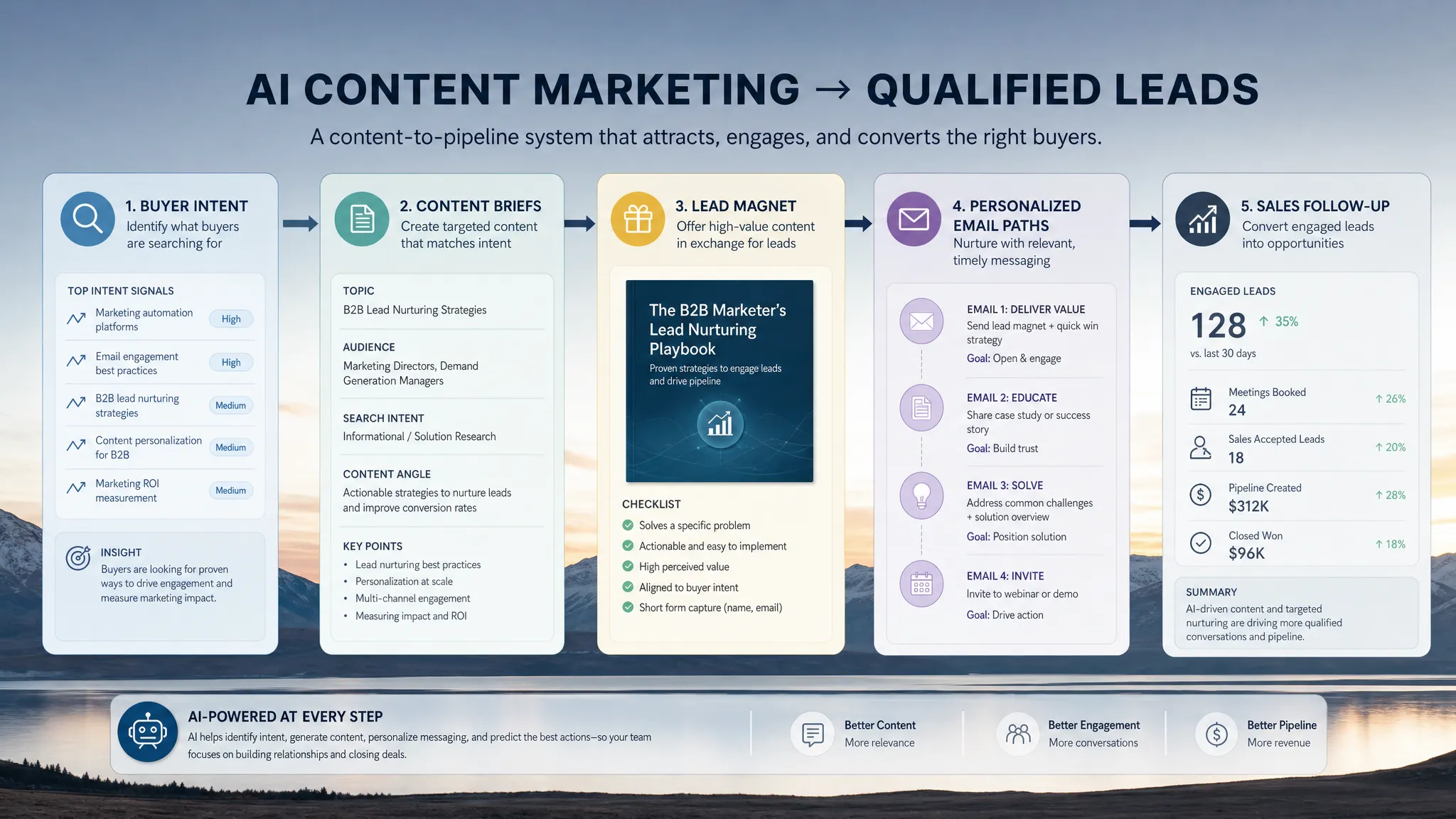
Growth changes the rules of online marketing. What worked when your brand was small, such as posting when you had time or launching campaigns based on hunches, starts to break down when traffic, spend, leads, and customer expectations increase.
Brands ready to grow need more than scattered tactics. They need a repeatable system for attracting the right audience, converting demand, learning from performance data, and scaling what works. The best online marketing tips are not about chasing every new platform. They are about building a focused growth engine that compounds over time.
Below are practical, brand-building strategies you can use to sharpen your positioning, improve your campaigns, and turn marketing activity into measurable growth.
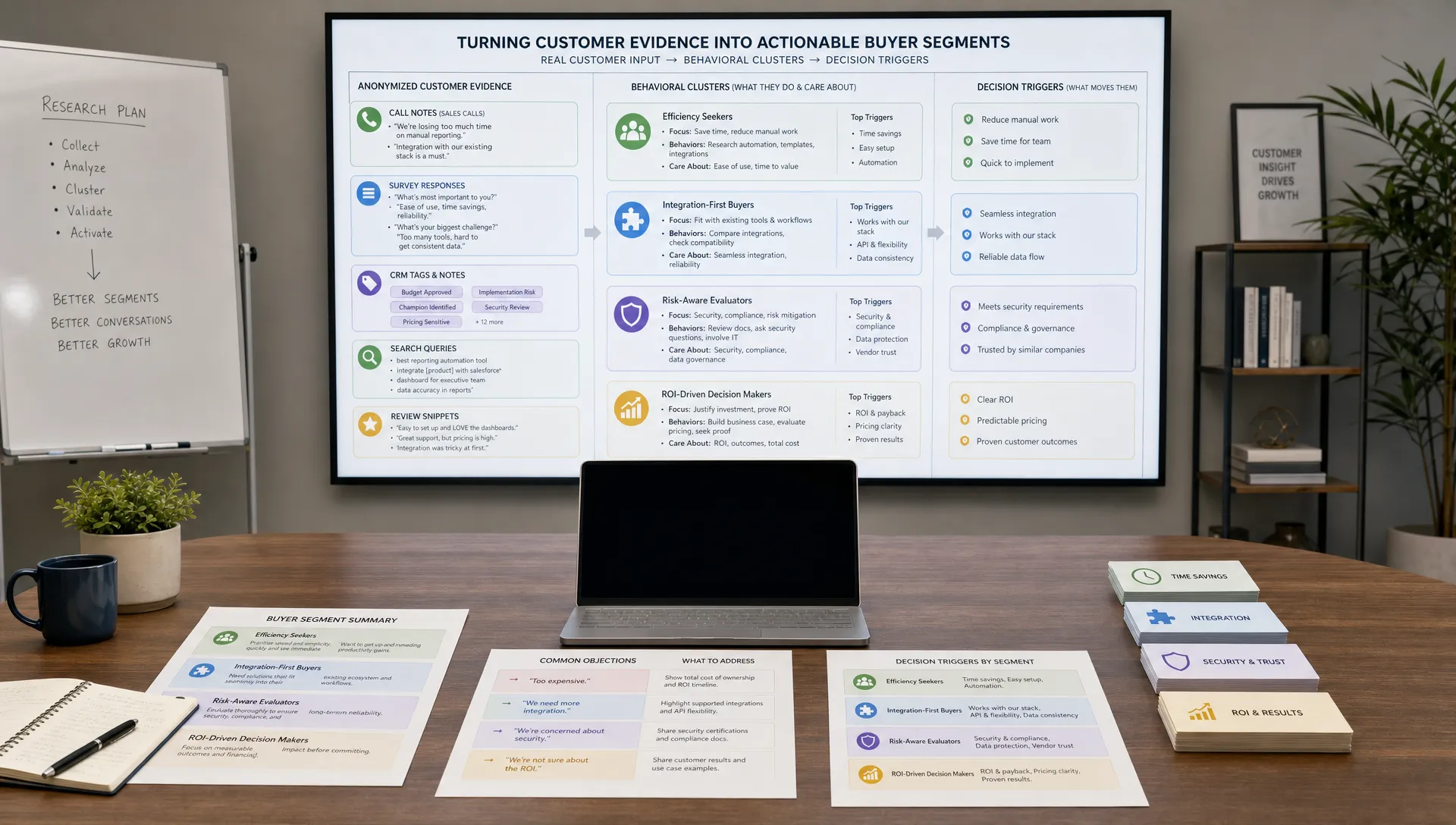
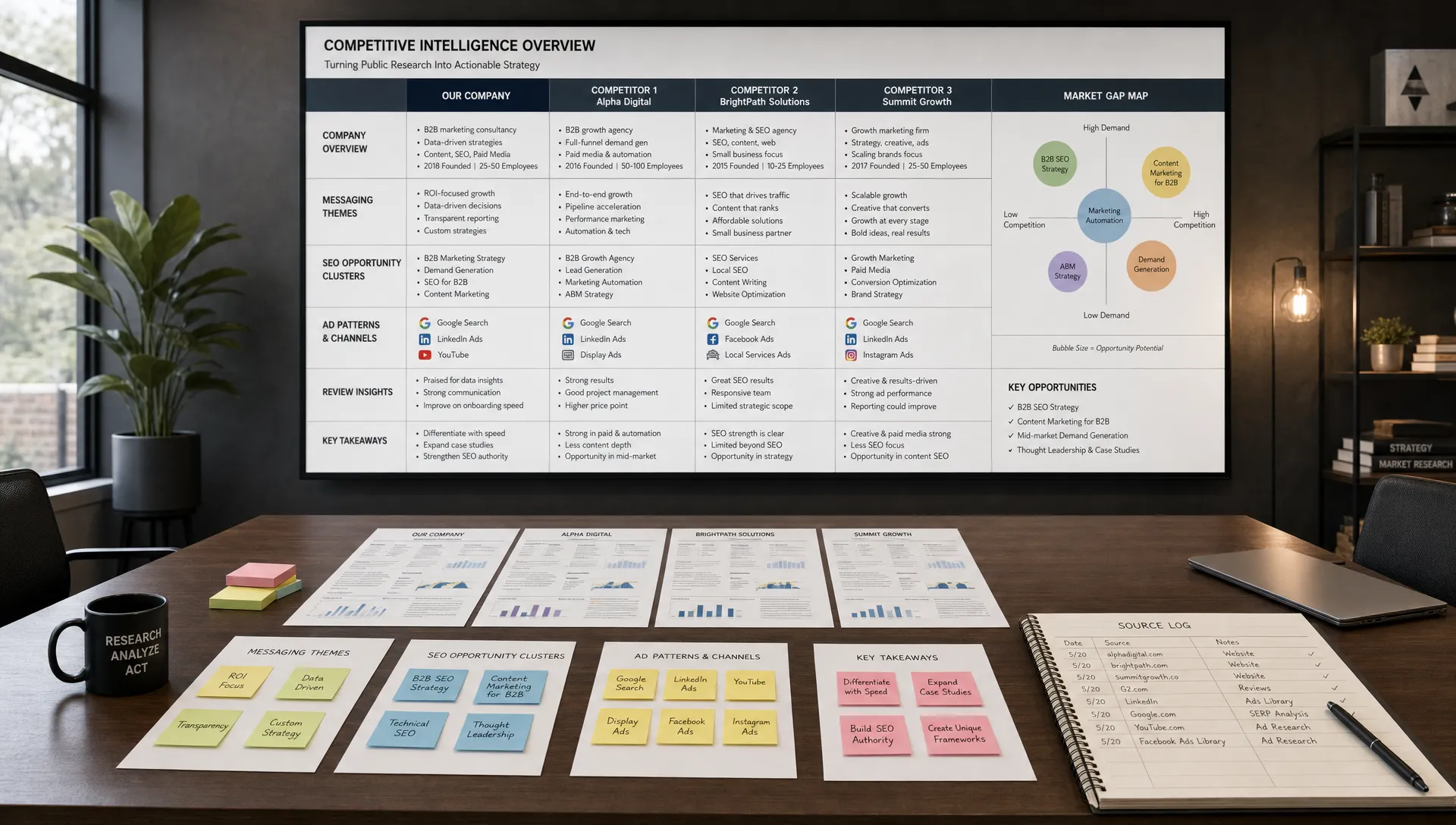
Before you invest more in content, ads, SEO, email, or AI tools, clarify why your brand deserves attention. Scaling weak positioning only makes confusion more expensive.
A useful positioning statement answers four questions:
For example, “We help busy B2B founders generate qualified leads” is broad. “We help bootstrapped SaaS founders turn product expertise into search-driven demos without hiring a full content team” is sharper. The second version tells you who to target, what channels matter, and what message to repeat.
Strong positioning also makes AI-assisted marketing more effective. Prompt libraries, AI content generation, and campaign automation work best when your audience, value proposition, and brand voice are already defined.
One of the biggest mistakes growing brands make is expanding too quickly. They launch TikTok, LinkedIn, webinars, influencer campaigns, paid search, newsletters, and SEO all at once, then struggle to understand what is actually driving results.
Before adding a new channel, run a simple marketing audit. Look at the last 90 days and identify:
This process does not need to be complicated. Even a basic review of your analytics, CRM, email reports, and ad platforms can reveal where your next growth opportunity is hiding.
If your team needs help turning fragmented systems into an AI-enabled growth workflow, working with specialists in custom AI audits and automation can help identify practical use cases before you commit to building new processes or platforms.
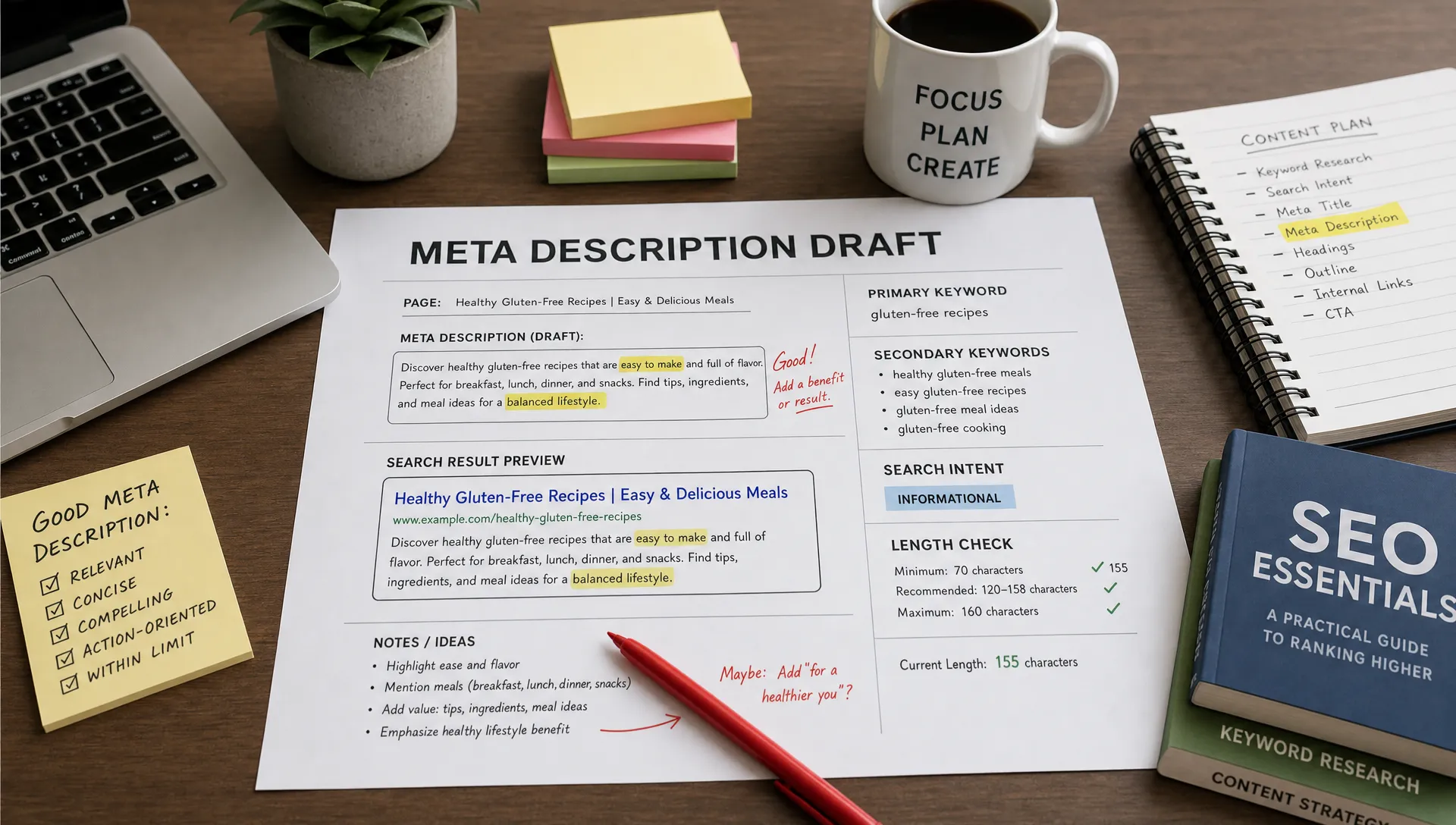
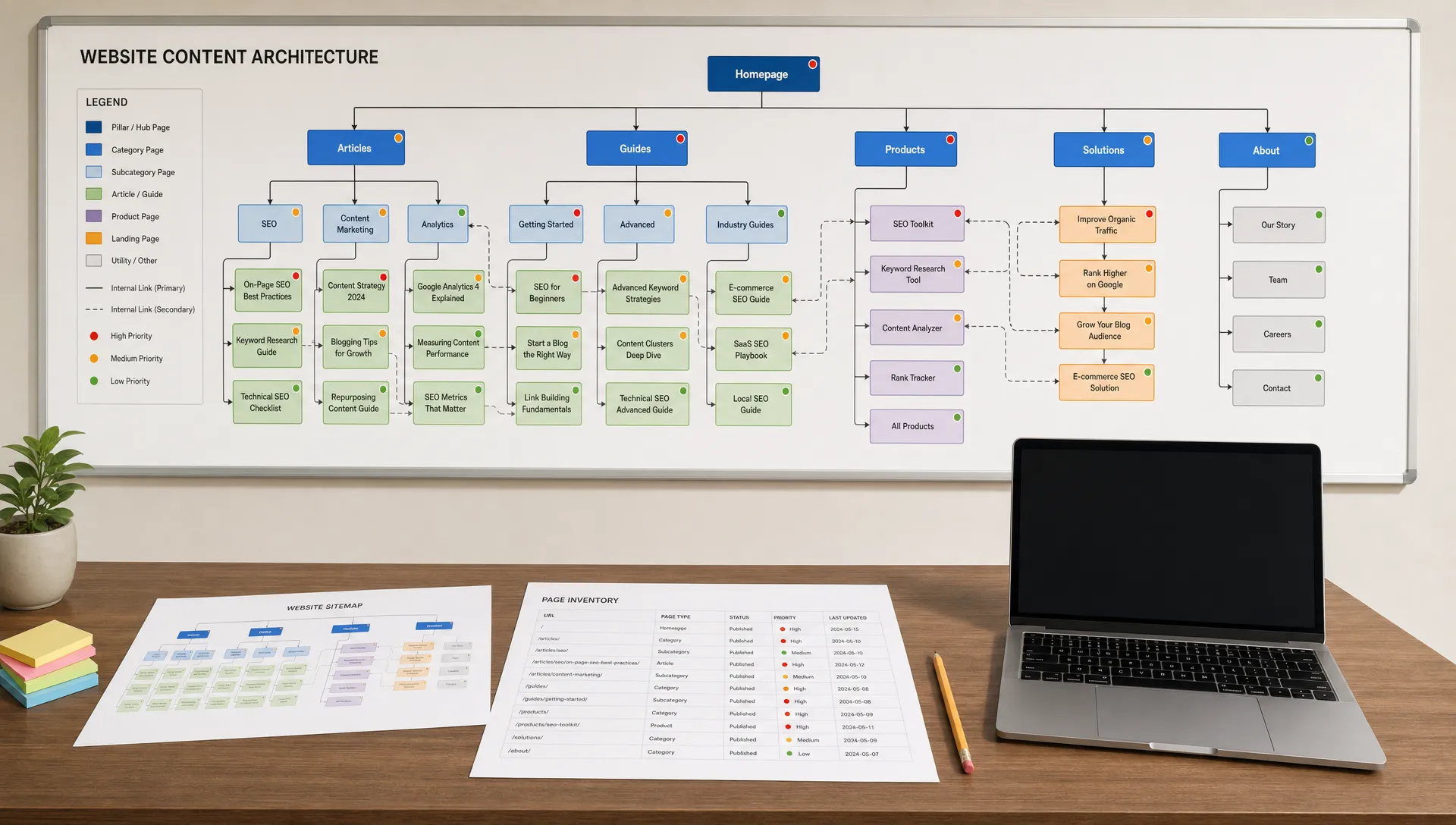
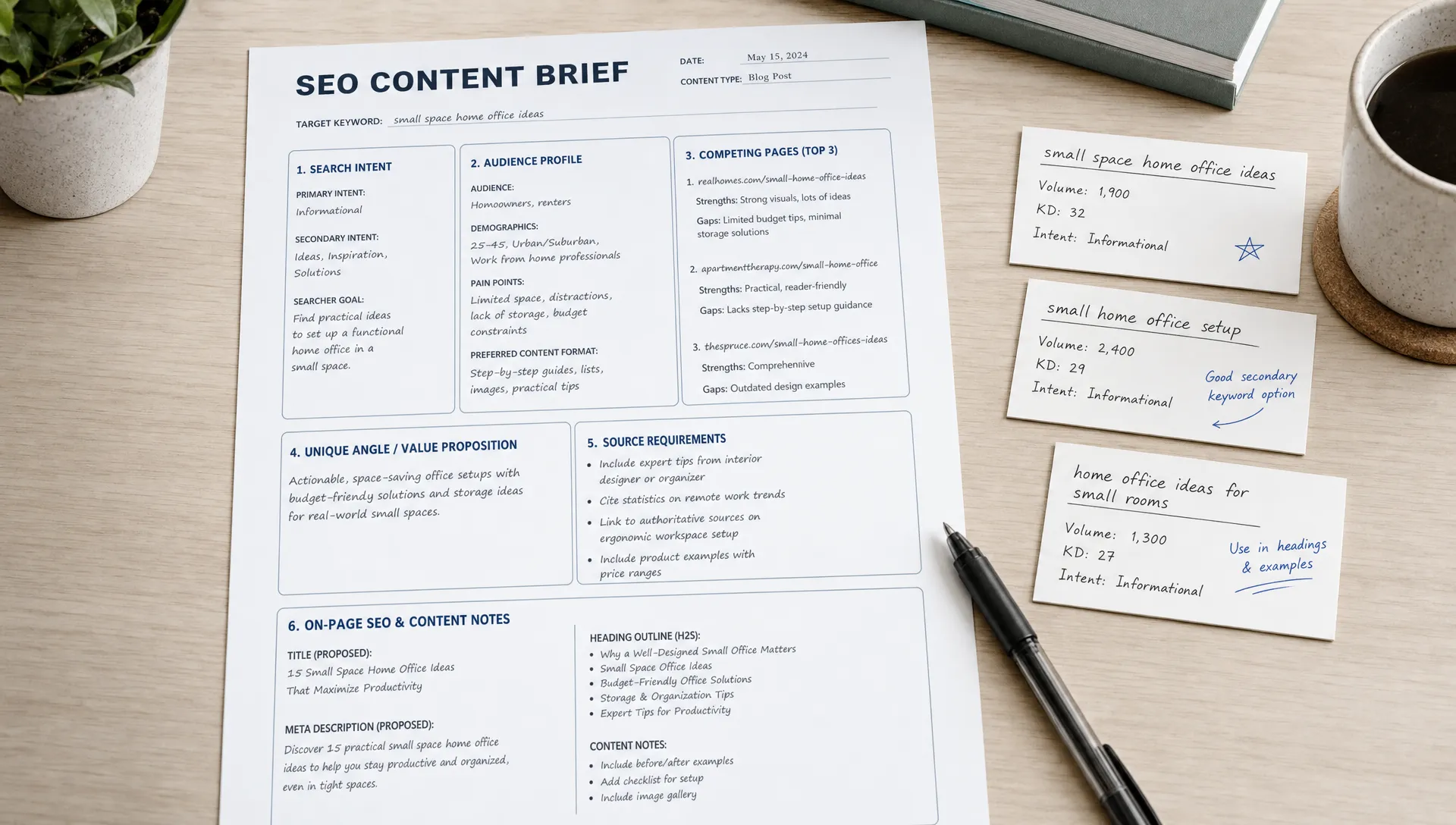
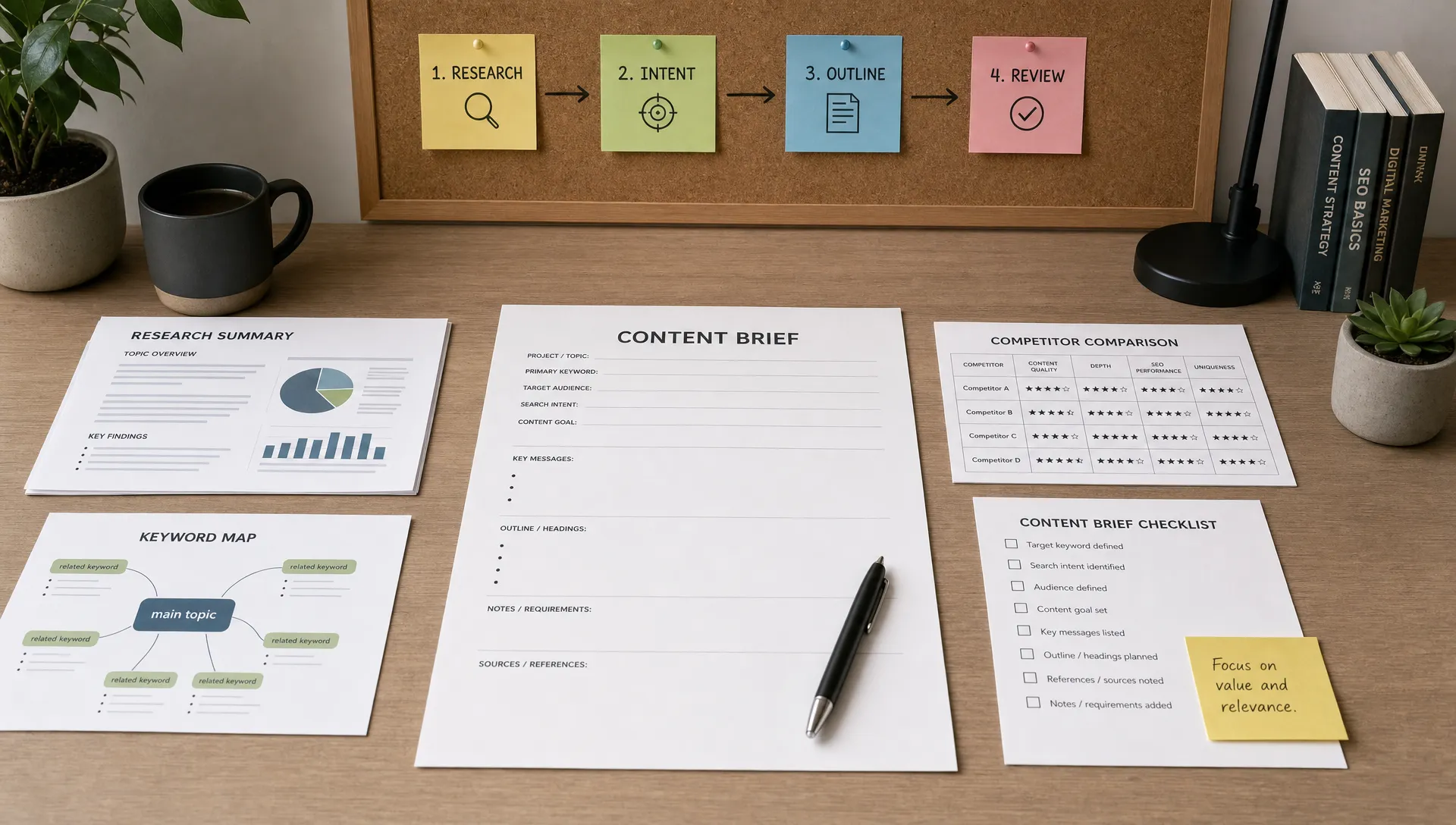
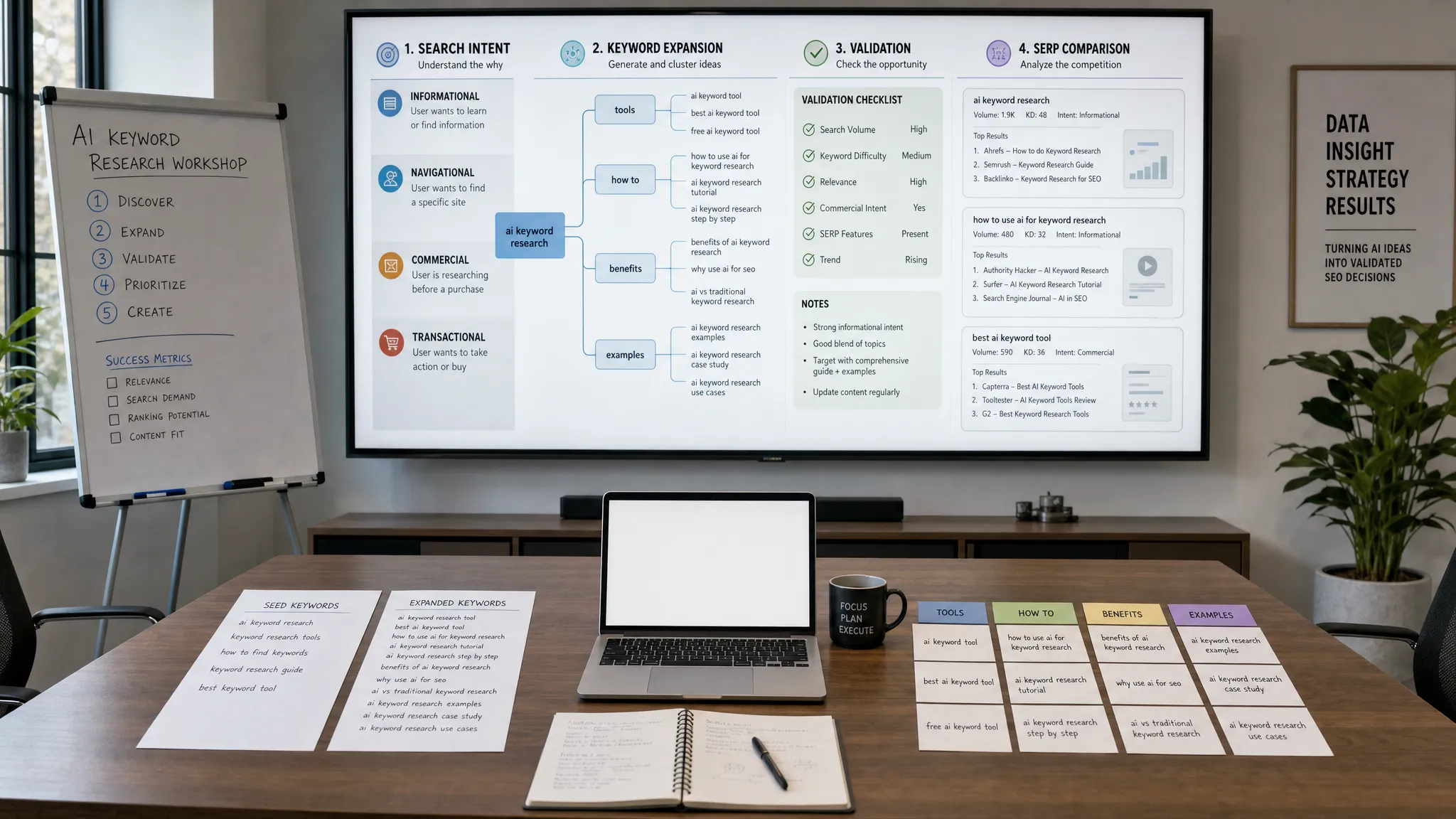
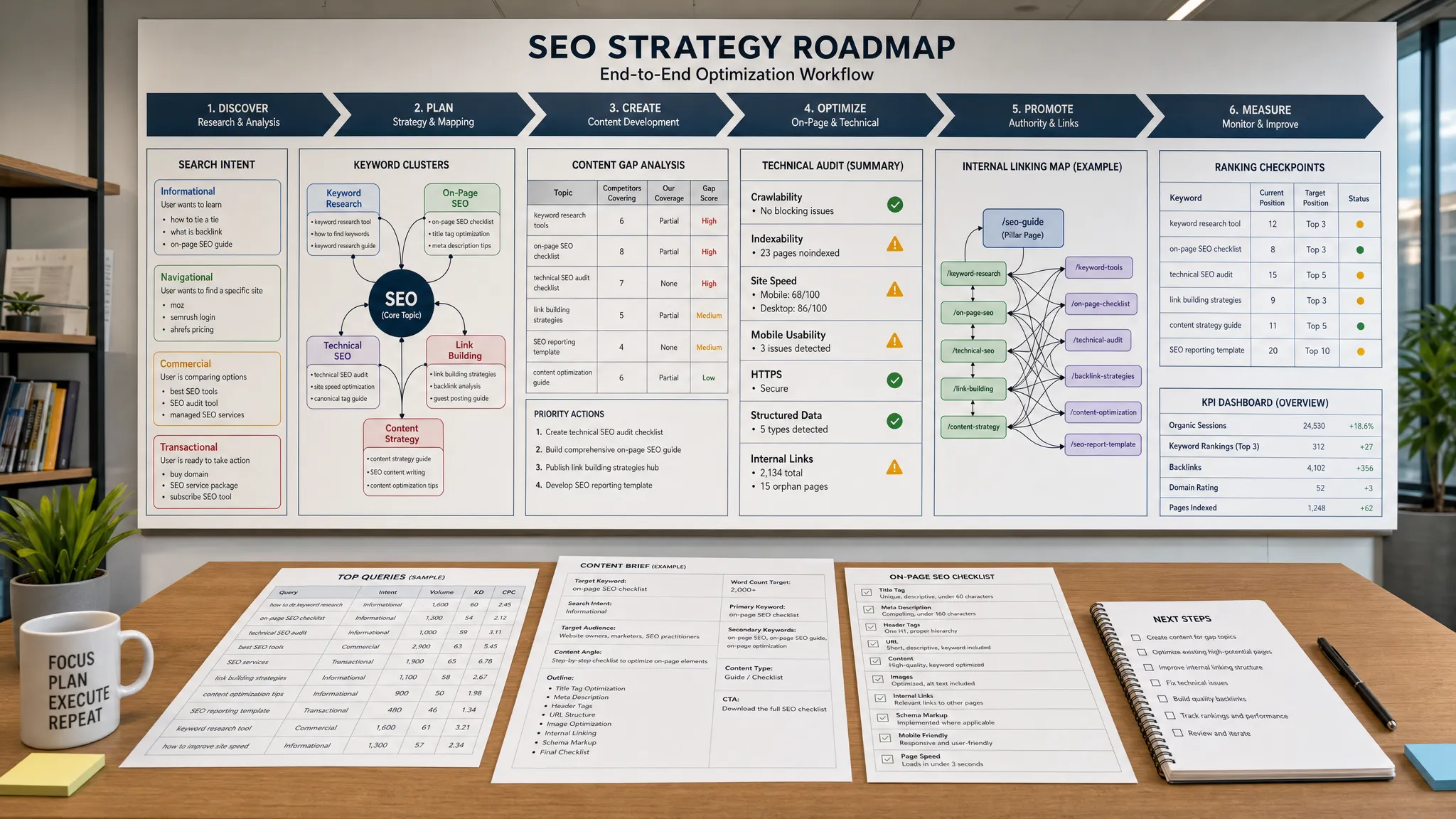
SEO is still one of the most durable online marketing channels for brands that want compounding growth. But modern SEO is not about publishing as many keyword-targeted posts as possible. It is about matching search intent with genuinely useful content.
Search intent is the reason behind a query. A customer searching “what is online marketing” is likely learning. Someone searching “best AI marketing tools for small business” is comparing options. A person searching “content marketing agency pricing” may be close to buying.
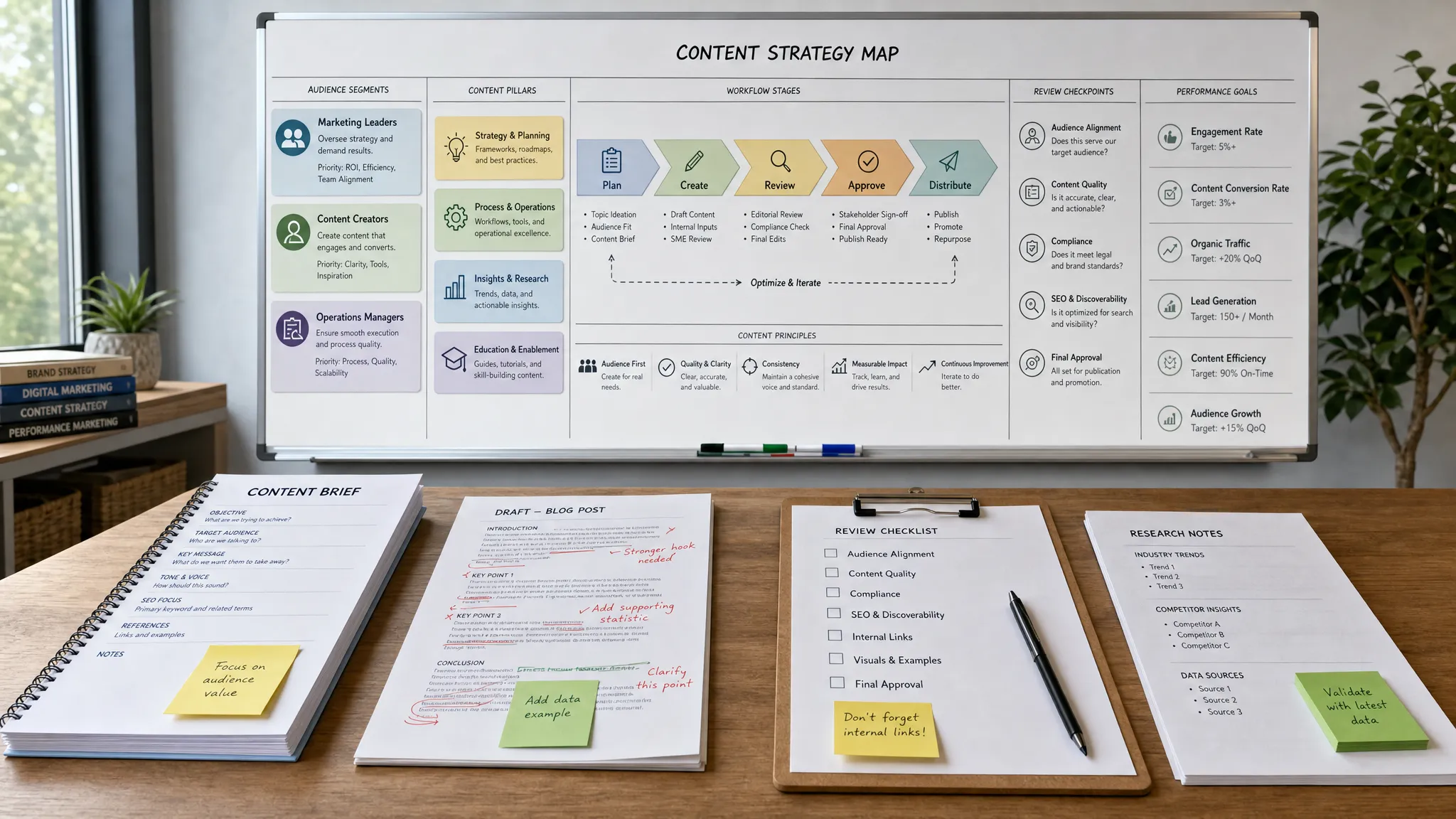
Your content strategy should serve each stage of the journey:
This matters because growth brands often focus only on top-of-funnel content. That can build traffic, but it may not build pipeline. Balance broad educational articles with bottom-of-funnel pages that explain your solution, show proof, answer objections, and guide visitors toward the next step.
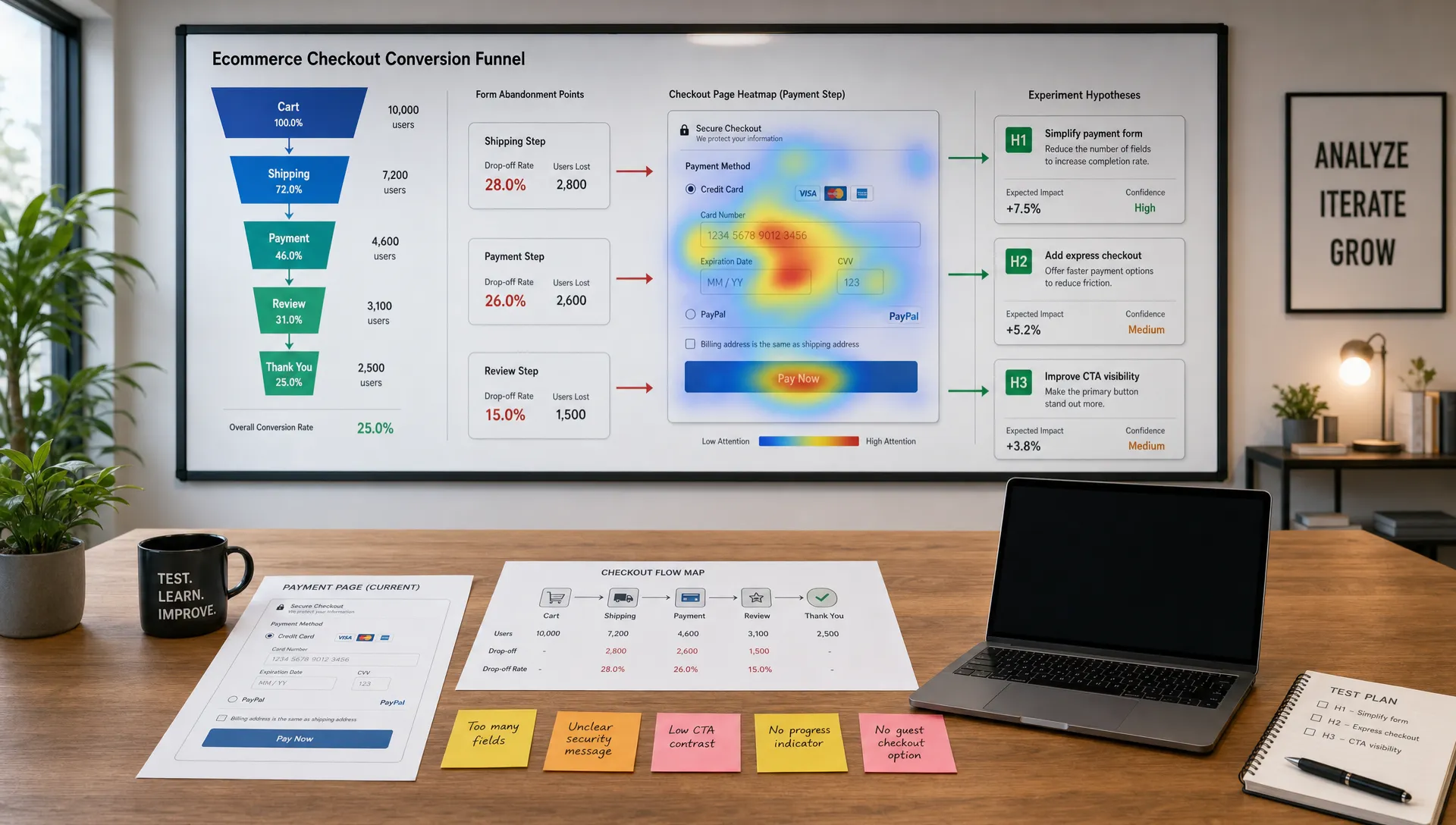
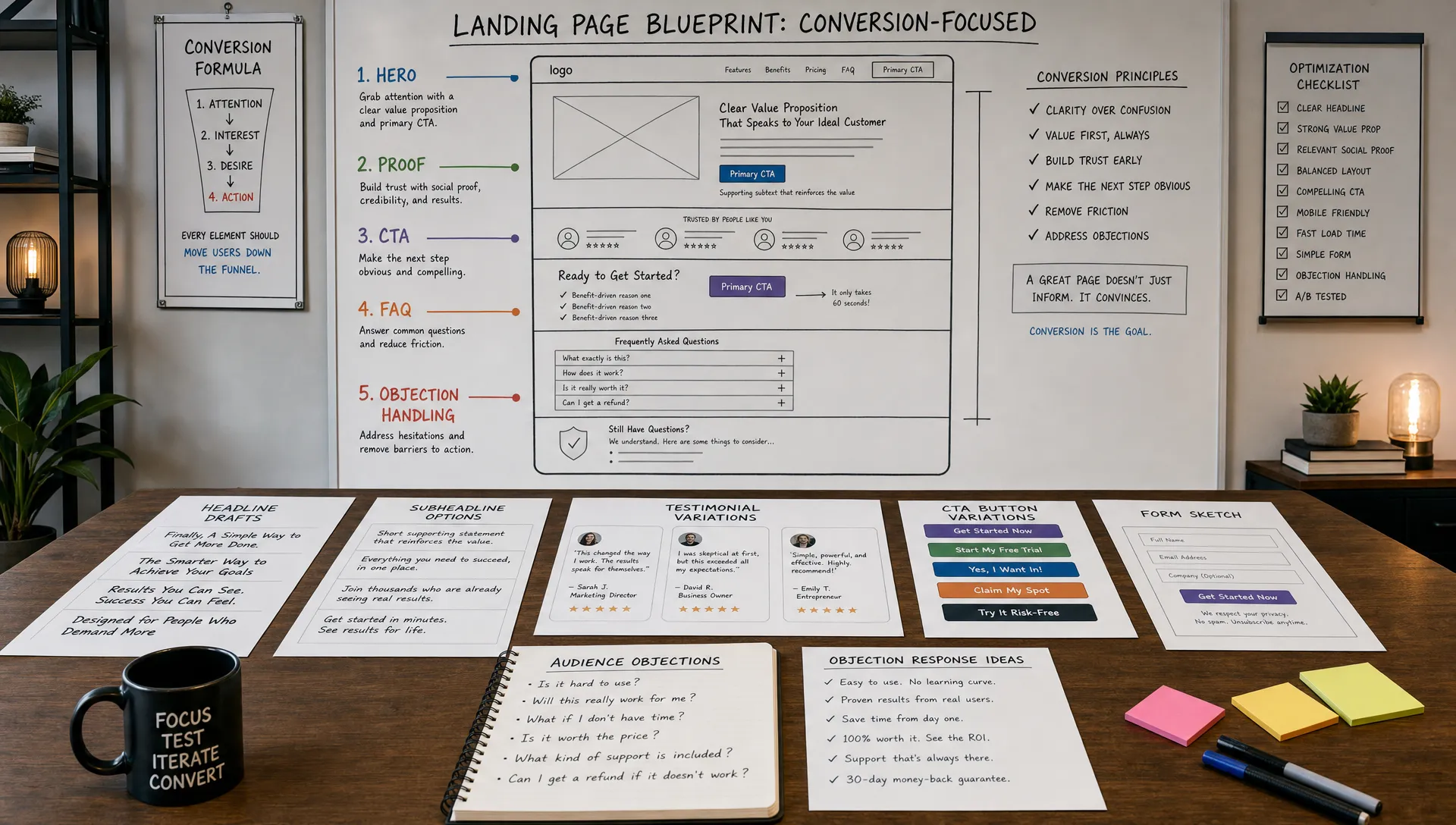
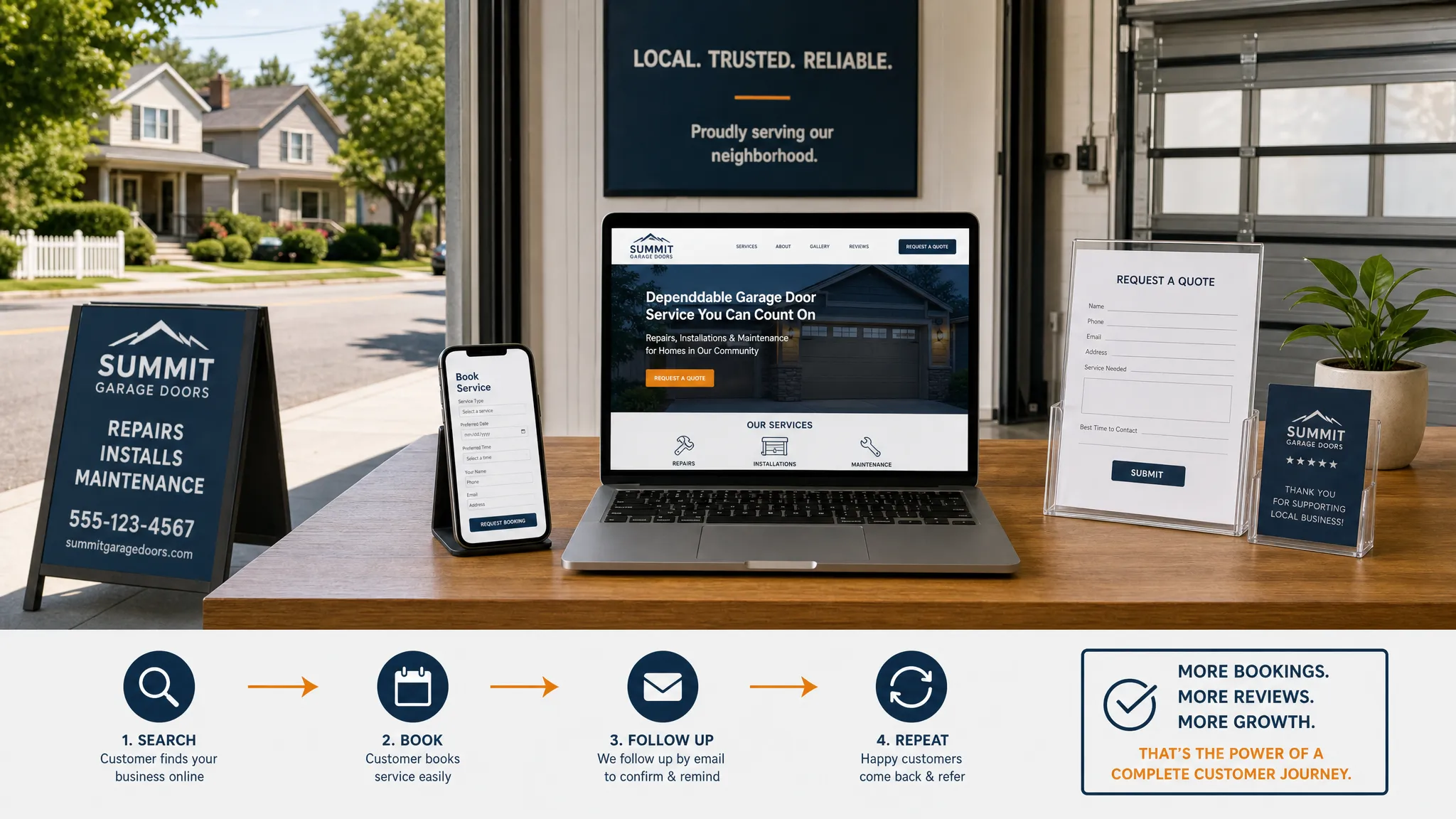
Traffic is only valuable if your website turns the right visitors into subscribers, leads, trials, calls, or customers. As your brand grows, your website should evolve from a digital brochure into a conversion system.
Start with your highest-impact pages: homepage, product or service pages, pricing page, blog posts with traffic, and landing pages tied to campaigns. Each page should have one primary job. If a page is meant to generate demos, the call to action should be obvious. If a blog post is meant to educate, the next step might be a checklist, calculator, newsletter, or relevant tool.
Small conversion improvements can have a major impact when traffic increases. Look for friction points such as vague headlines, slow-loading pages, weak proof, unclear forms, missing FAQs, or calls to action that appear too late.

A high-performing conversion page usually includes a clear promise, audience-specific messaging, credible proof, benefit-led copy, concise answers to objections, and a low-friction next step. This structure helps visitors quickly understand whether your offer is relevant to them.
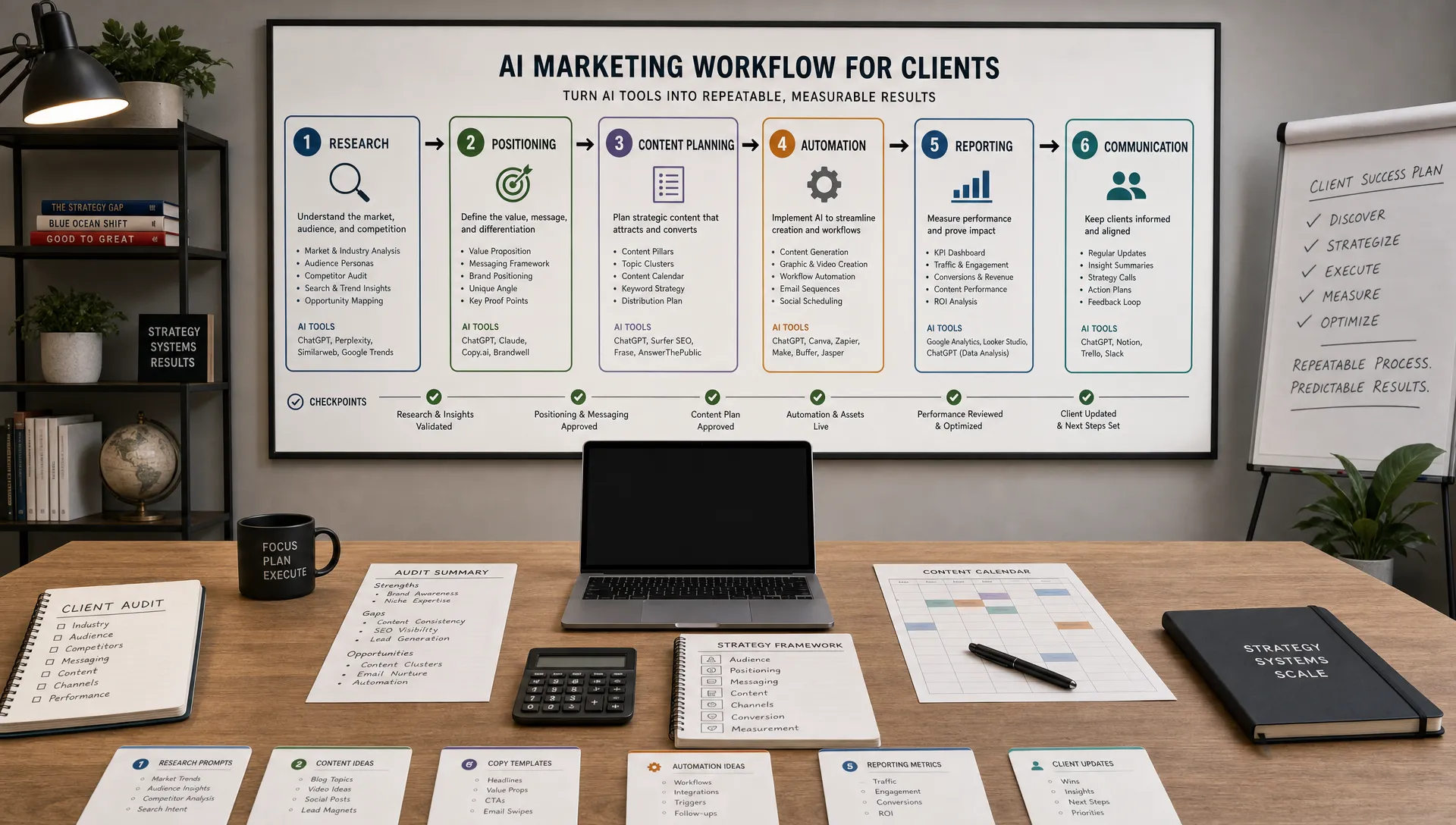
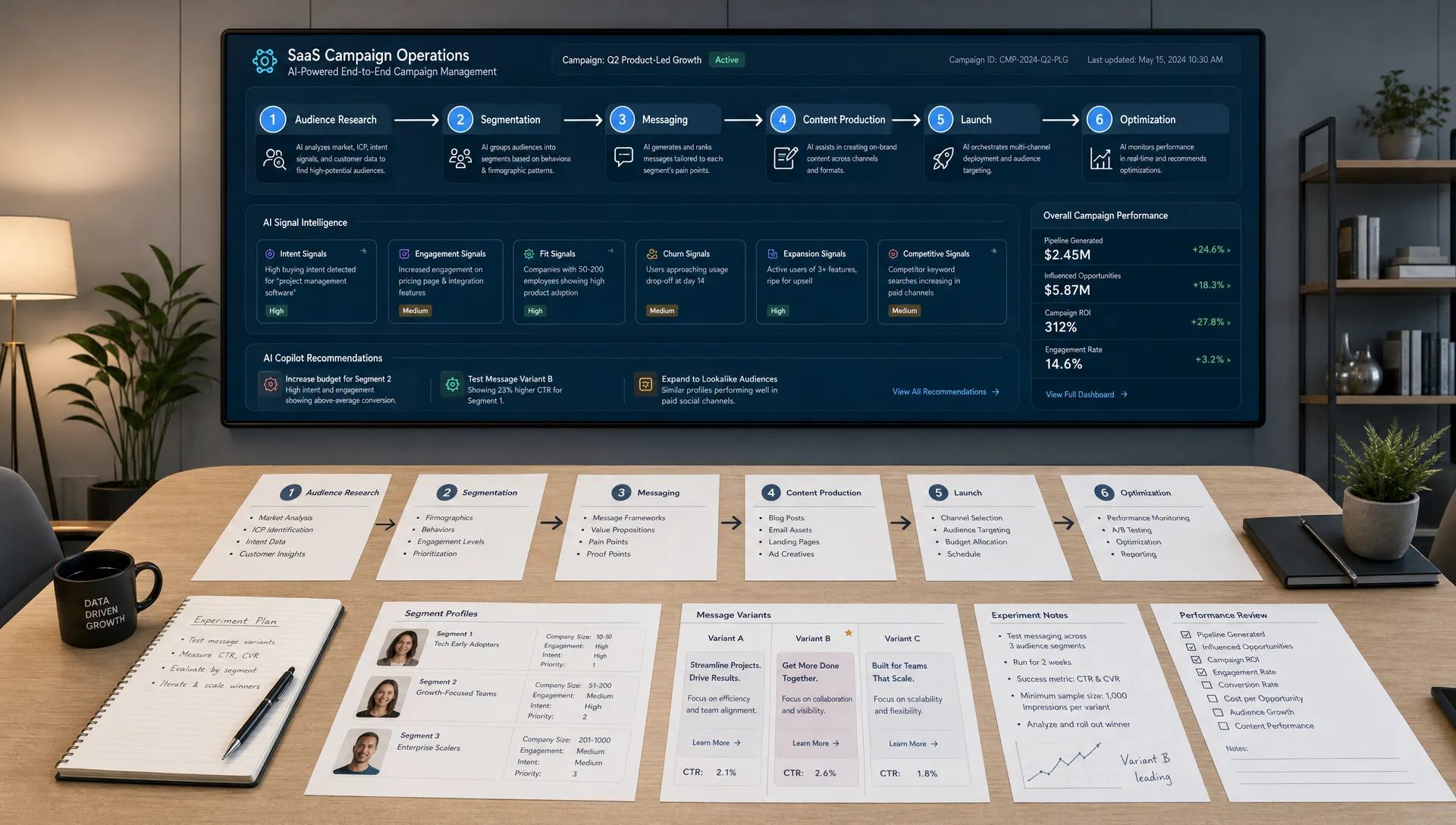
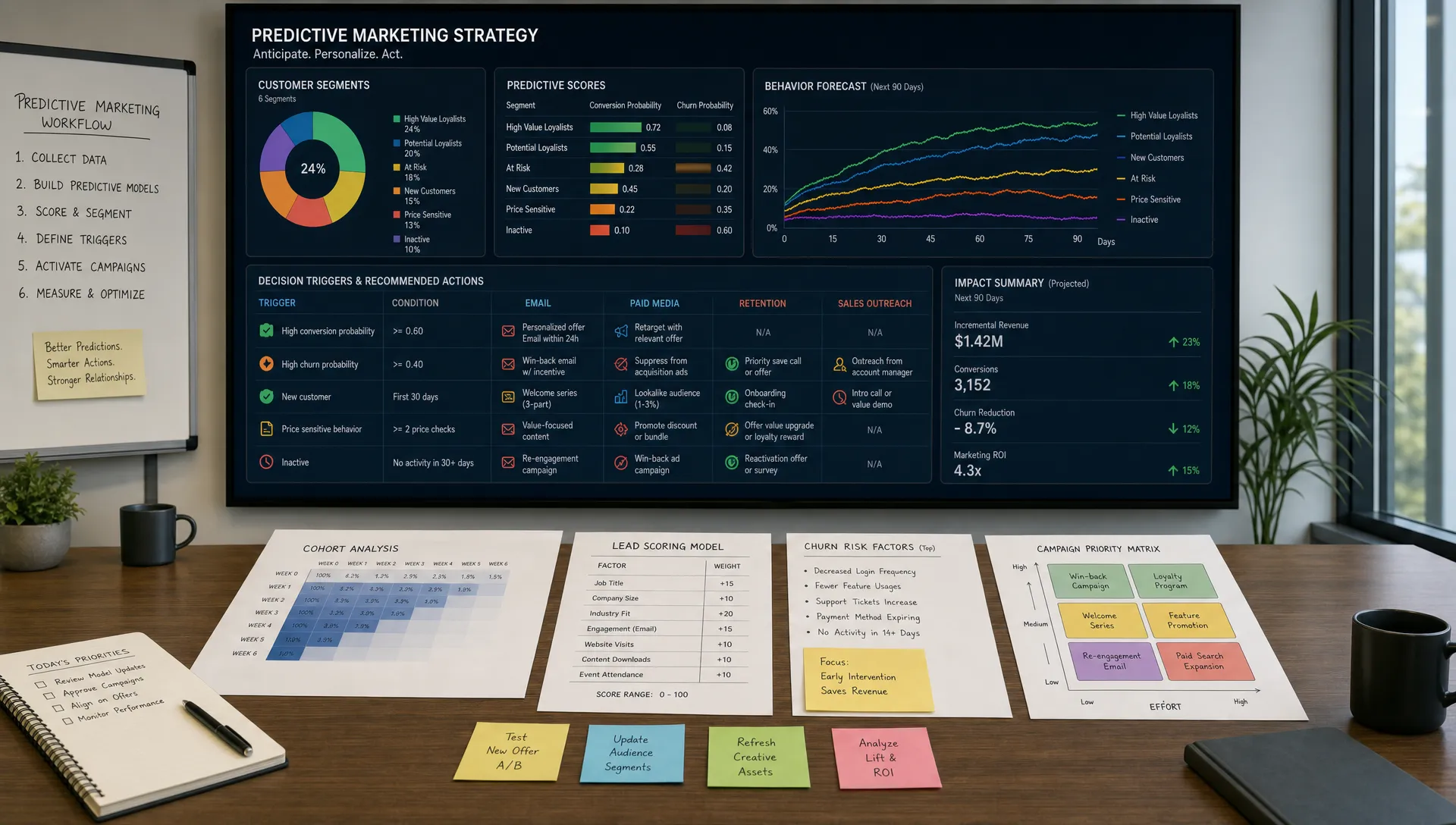
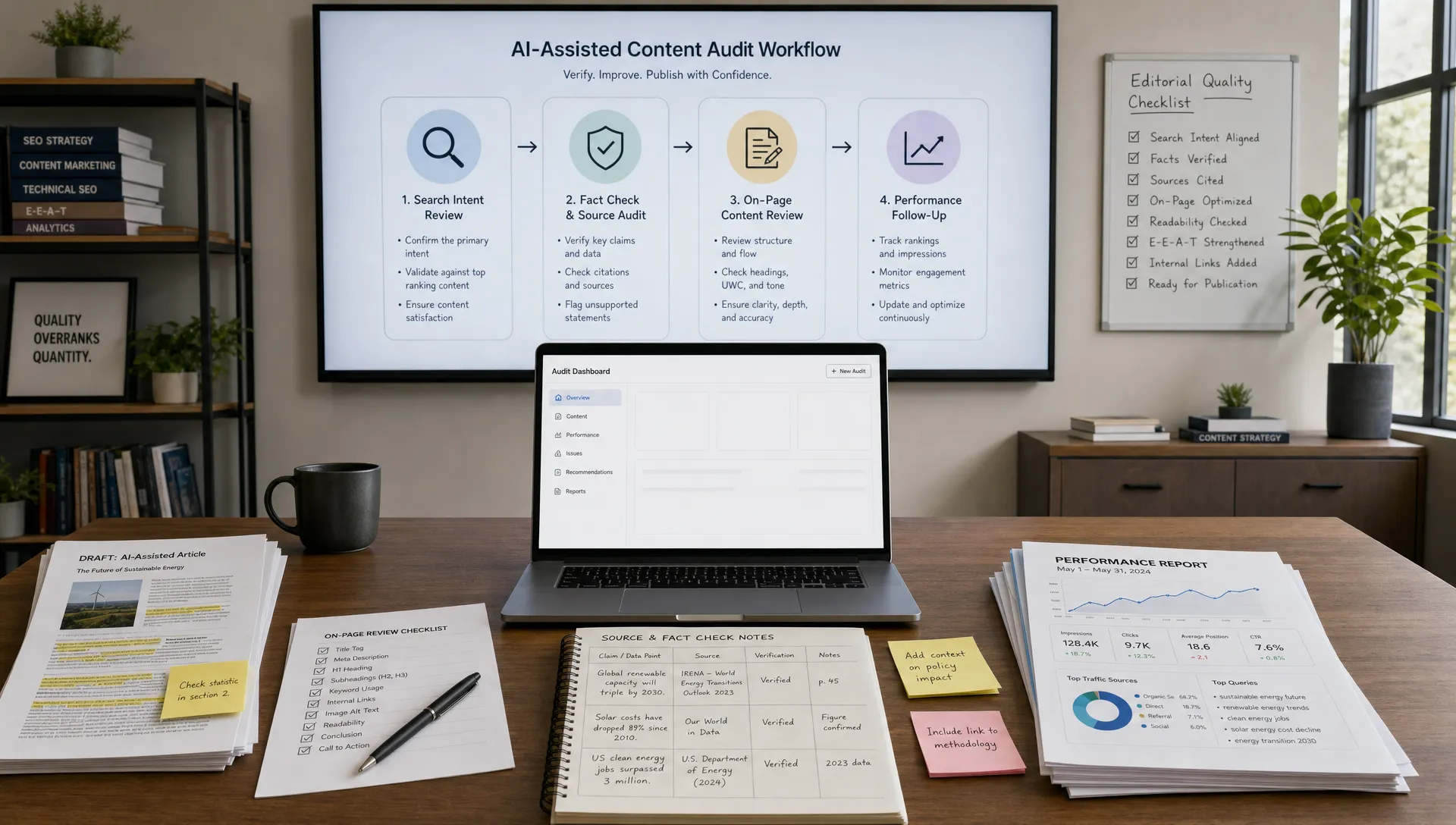
AI can help growing brands move faster, but speed alone is not a strategy. The goal is not to publish more average content. The goal is to reduce manual work, improve consistency, and give marketers more time for positioning, creativity, analysis, and customer insight.
Useful AI marketing workflows include generating first drafts, repurposing webinars into articles, creating email variations, summarizing customer research, building ad concept lists, drafting SEO briefs, and analyzing campaign performance notes.
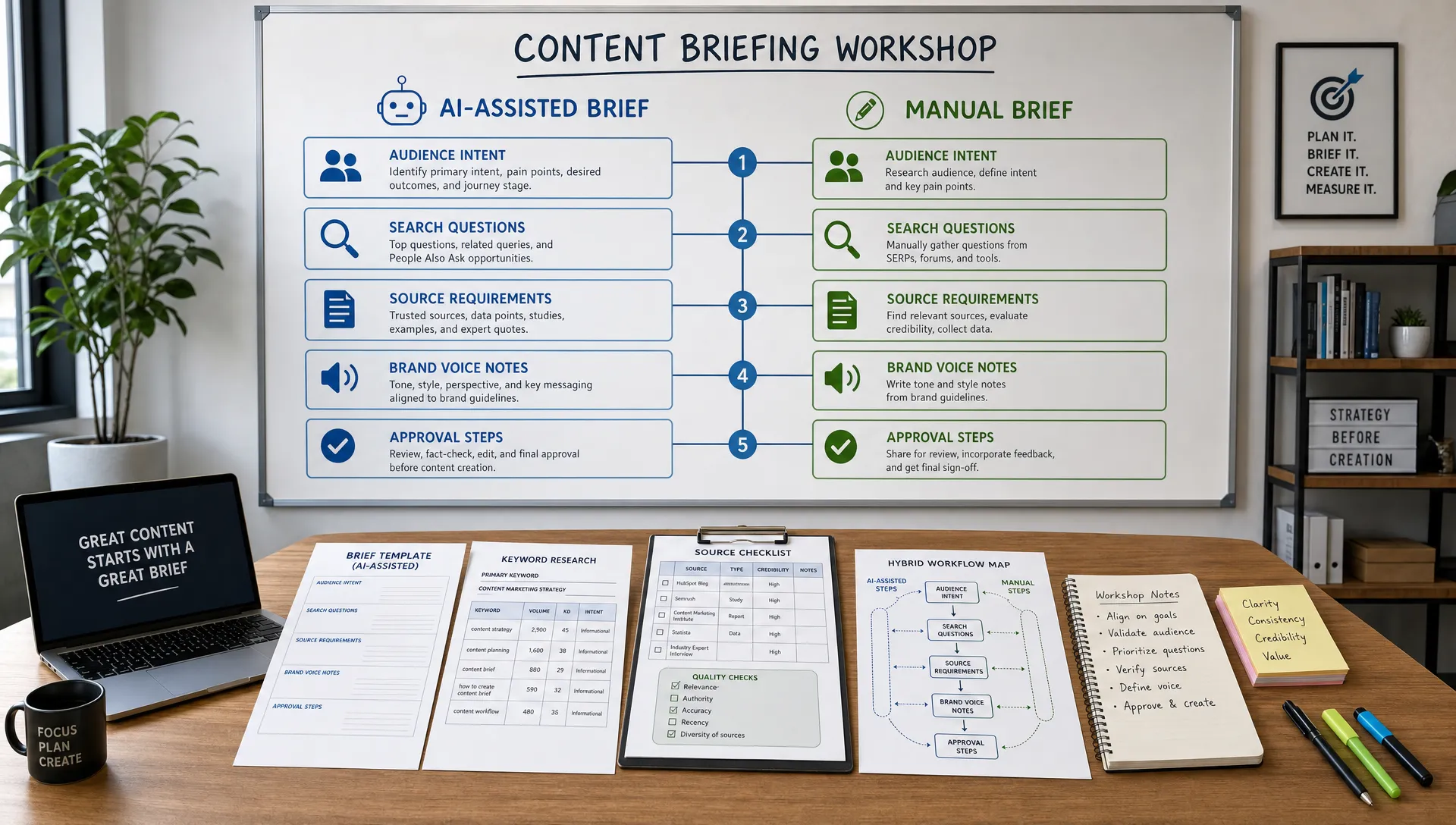
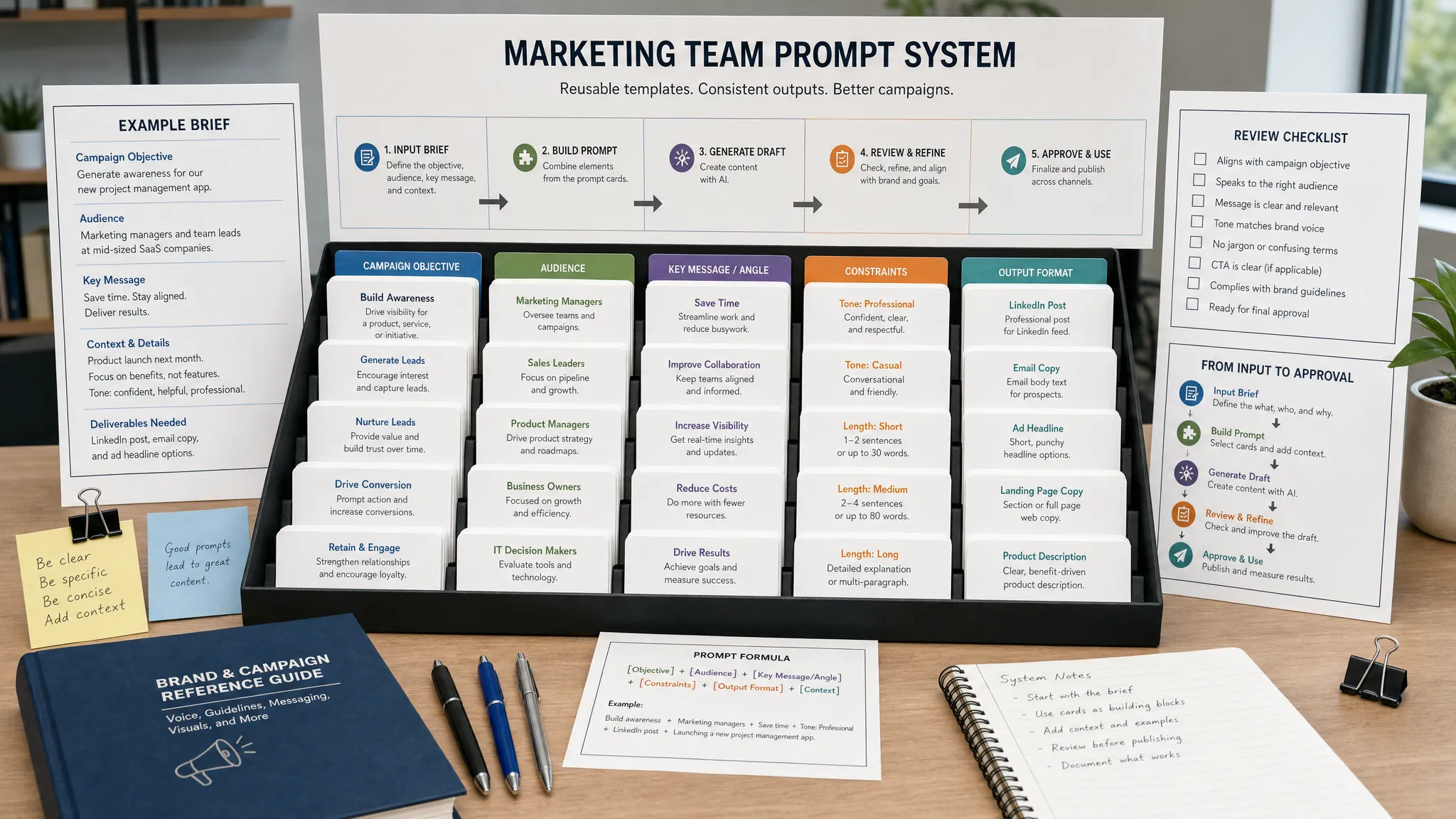
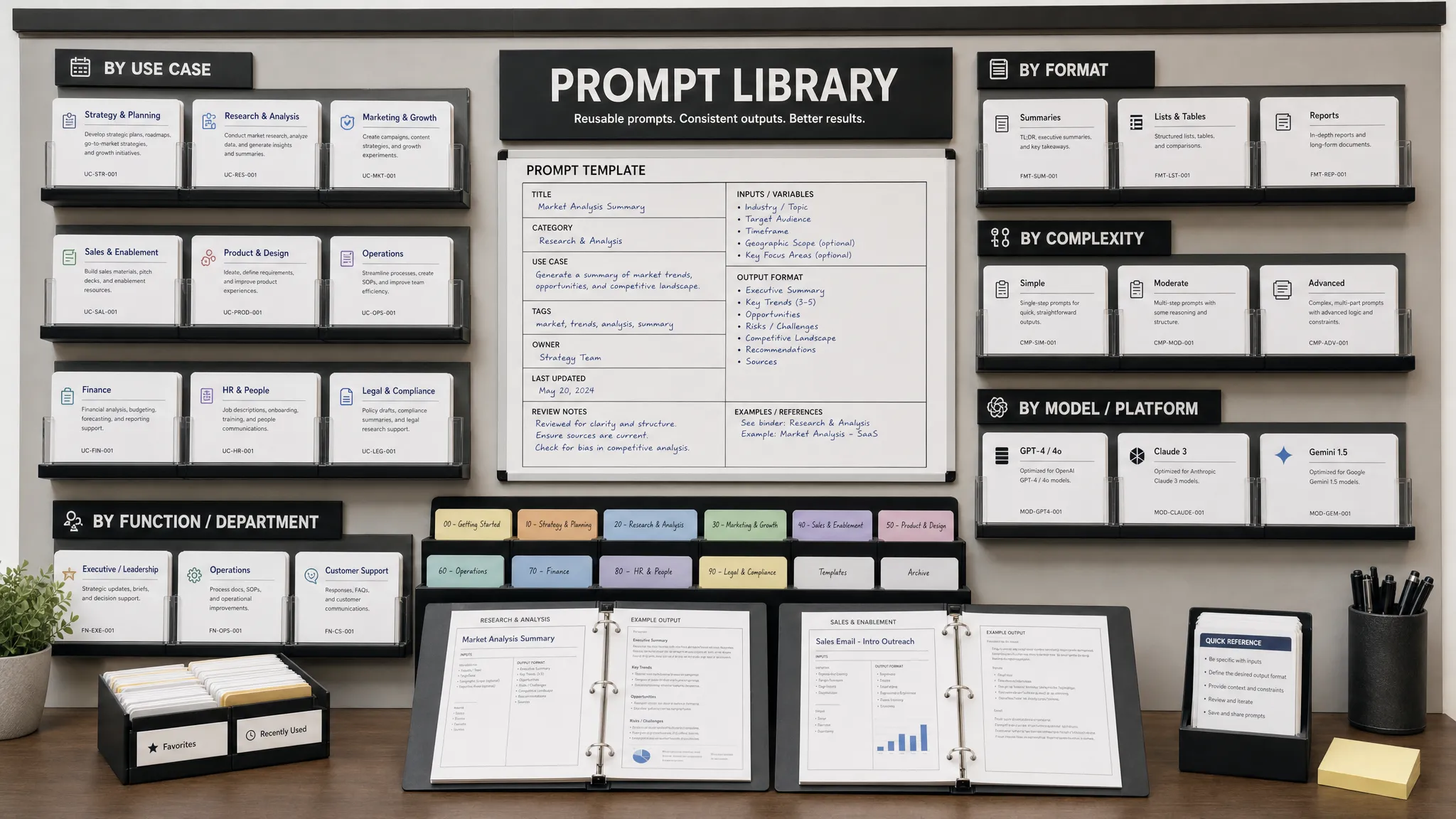
To maintain quality, create reusable AI prompts that include your audience, tone, product context, offer, channel, and desired outcome. A generic prompt produces generic output. A specific prompt grounded in your brand strategy can produce usable drafts faster.
For example, instead of asking AI to “write a LinkedIn post,” give it context: the target buyer, the pain point, the belief you want to challenge, the proof you can share, and the action you want readers to take. This turns AI into a marketing assistant rather than a content vending machine.
AIMarketer Hub supports this kind of workflow with AI content generation, a prompt library for marketers, SEO tools, performance analytics, calculators, and industry-specific guides designed to help teams automate and optimize marketing without starting from scratch.
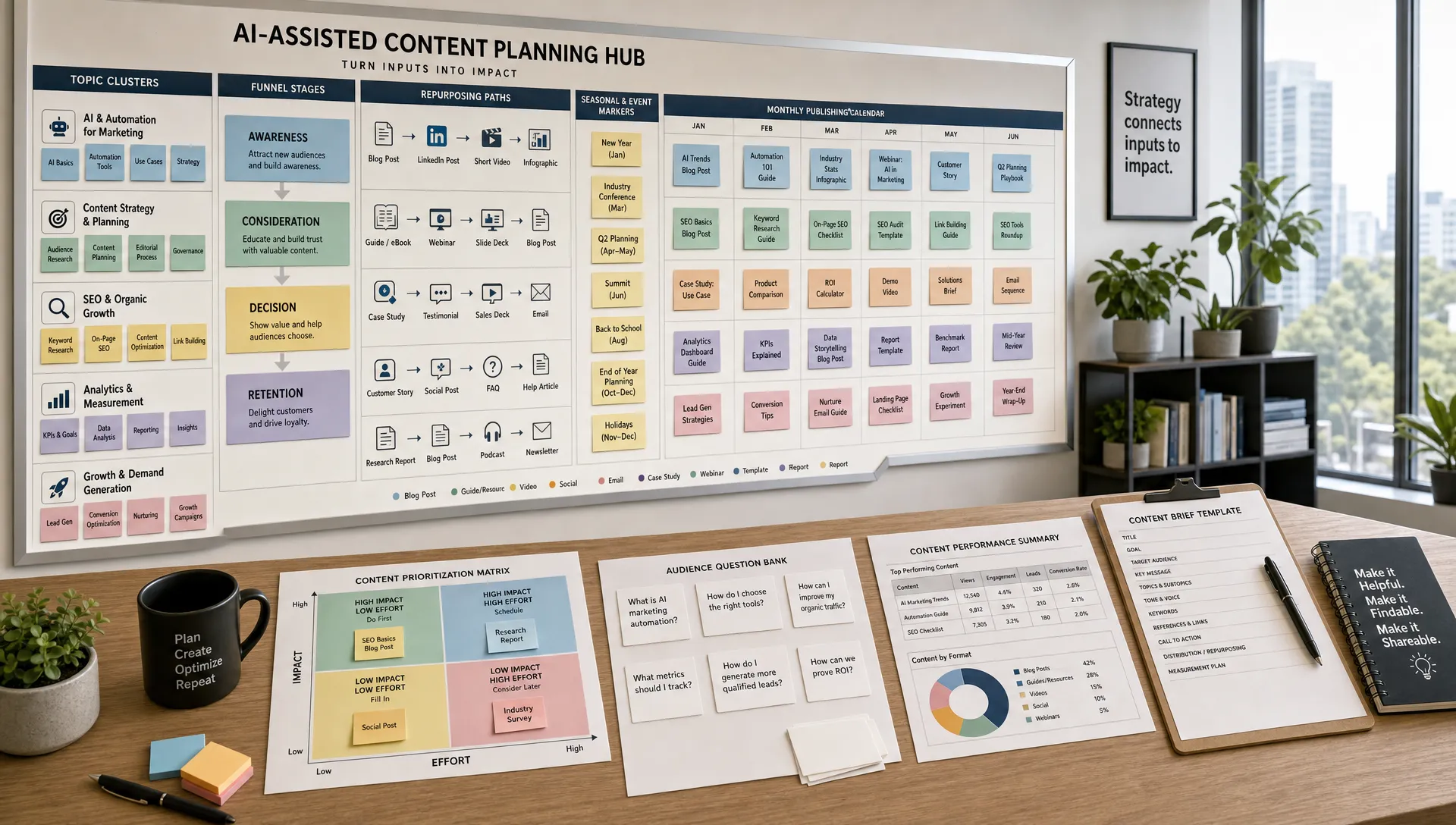
Content should do more than fill a publishing calendar. Every asset should move a buyer from one level of awareness to the next.
A practical way to plan content is to map each asset to a customer question. Early-stage buyers ask, “Why does this problem matter?” Mid-stage buyers ask, “What are my options?” Late-stage buyers ask, “Why should I choose this brand?”
This gives your content a clear purpose. A thought leadership post can challenge outdated assumptions. A guide can teach a process. A comparison article can explain tradeoffs. A case study can reduce risk. A calculator can help visitors estimate value or cost.
For brands ready to grow, the most valuable content often sits close to revenue. That includes product-led tutorials, industry guides, ROI explainers, objection-handling posts, and resources that help decision-makers justify action internally.
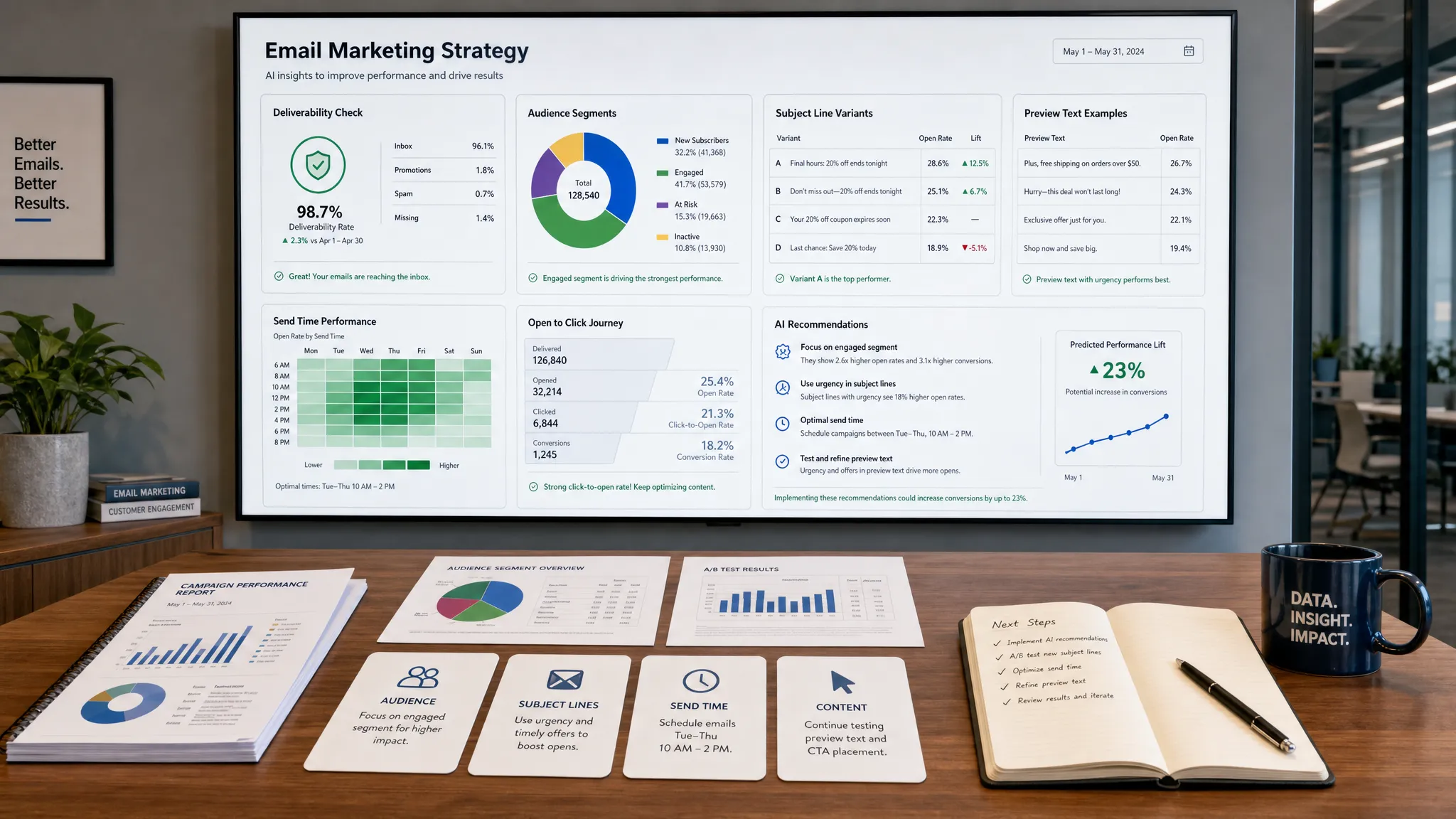
Paid campaigns can generate fast visibility, but email often determines whether that attention turns into revenue. If you are paying to attract visitors and then letting most of them leave forever, your growth engine is leaking.
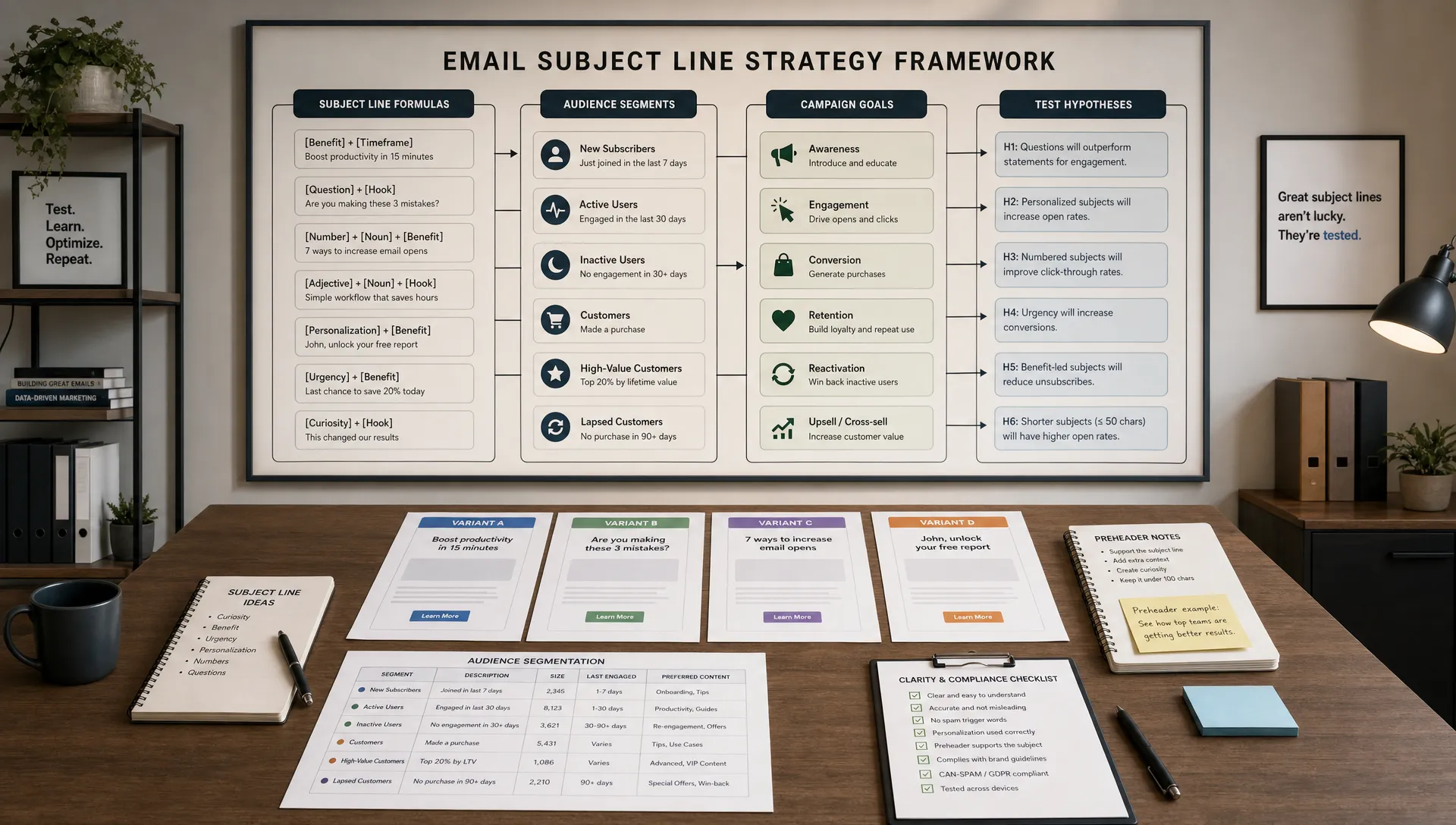
A strong email strategy helps you nurture prospects, educate buyers, re-engage inactive leads, and increase customer lifetime value. You do not need a complex sequence to start. You need relevant messages based on what people care about.
Consider building a few core email flows:
The key is to segment when possible. A founder researching growth tools should not receive the same message as a marketing manager comparing SEO workflows. Even simple segmentation by industry, role, content downloaded, or lifecycle stage can improve relevance.
Paid media is powerful when it amplifies a validated message. It becomes expensive when it is used to guess what the market wants.
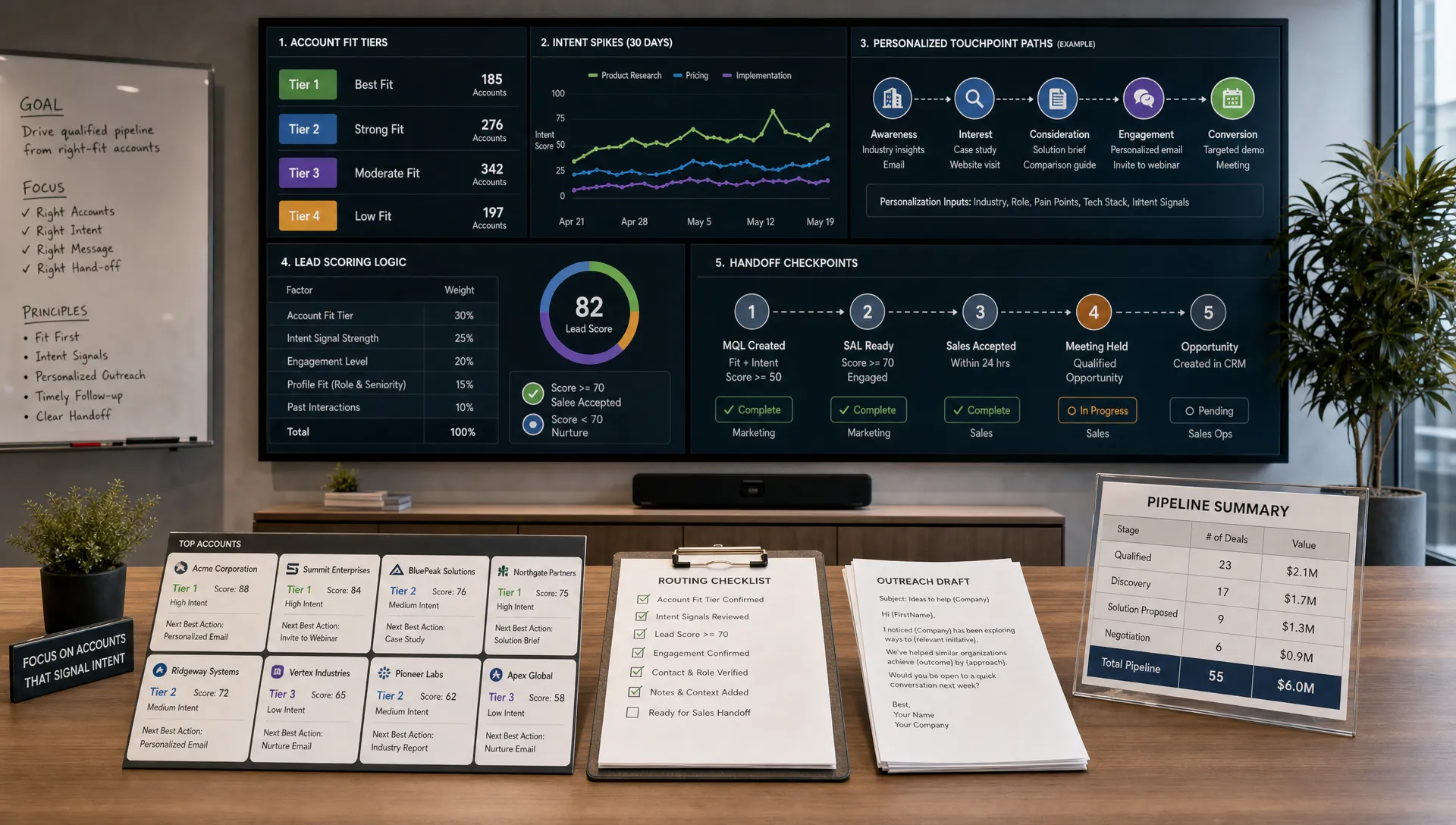
Before scaling paid ads, make sure you know which offer, audience, landing page, and message combination already performs. If organic content, sales calls, or email campaigns show that a certain pain point resonates, that insight can become the foundation for paid testing.
Avoid judging ads only by clicks or cost per lead. A campaign that produces cheap but unqualified leads can waste sales time and distort your data. Track quality signals such as form completion accuracy, sales acceptance, pipeline created, customer acquisition cost, and retention.
For growth-stage brands, paid media works best when connected to the full funnel. Search ads can capture high-intent demand. Retargeting can bring back visitors who explored key pages. Social ads can test creative angles and audience segments. Sponsored content can support thought leadership. Each campaign should have a clear role.
As your brand reaches larger audiences, trust becomes a growth lever. People may like your message, but they still need evidence before they act.
Social proof can take many forms: testimonials, case studies, customer logos, expert quotes, review snippets, usage metrics, before-and-after examples, and screenshots of real outcomes. The most persuasive proof is specific. “Great service” is less useful than “We reduced campaign reporting time from six hours to one hour per week.”
Place proof near moments of hesitation. Add testimonials near calls to action, answer objections on pricing or service pages, include mini case studies in nurture emails, and use customer language in landing page copy.
Proof is not only for enterprise brands. Small businesses can use anonymized examples, founder credibility, process transparency, customer quotes, or documented results. The goal is to make your promise feel safer and more believable.
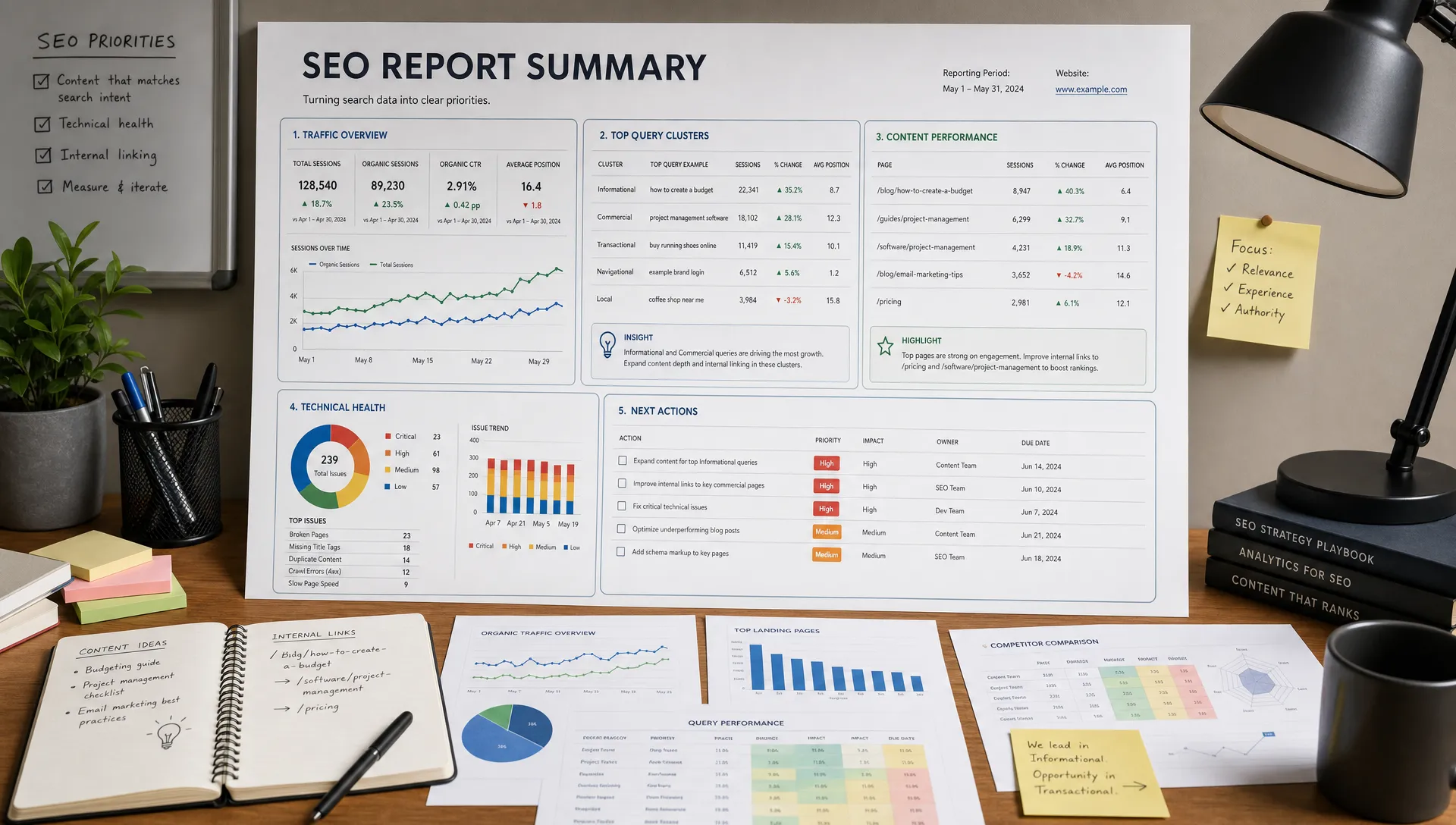
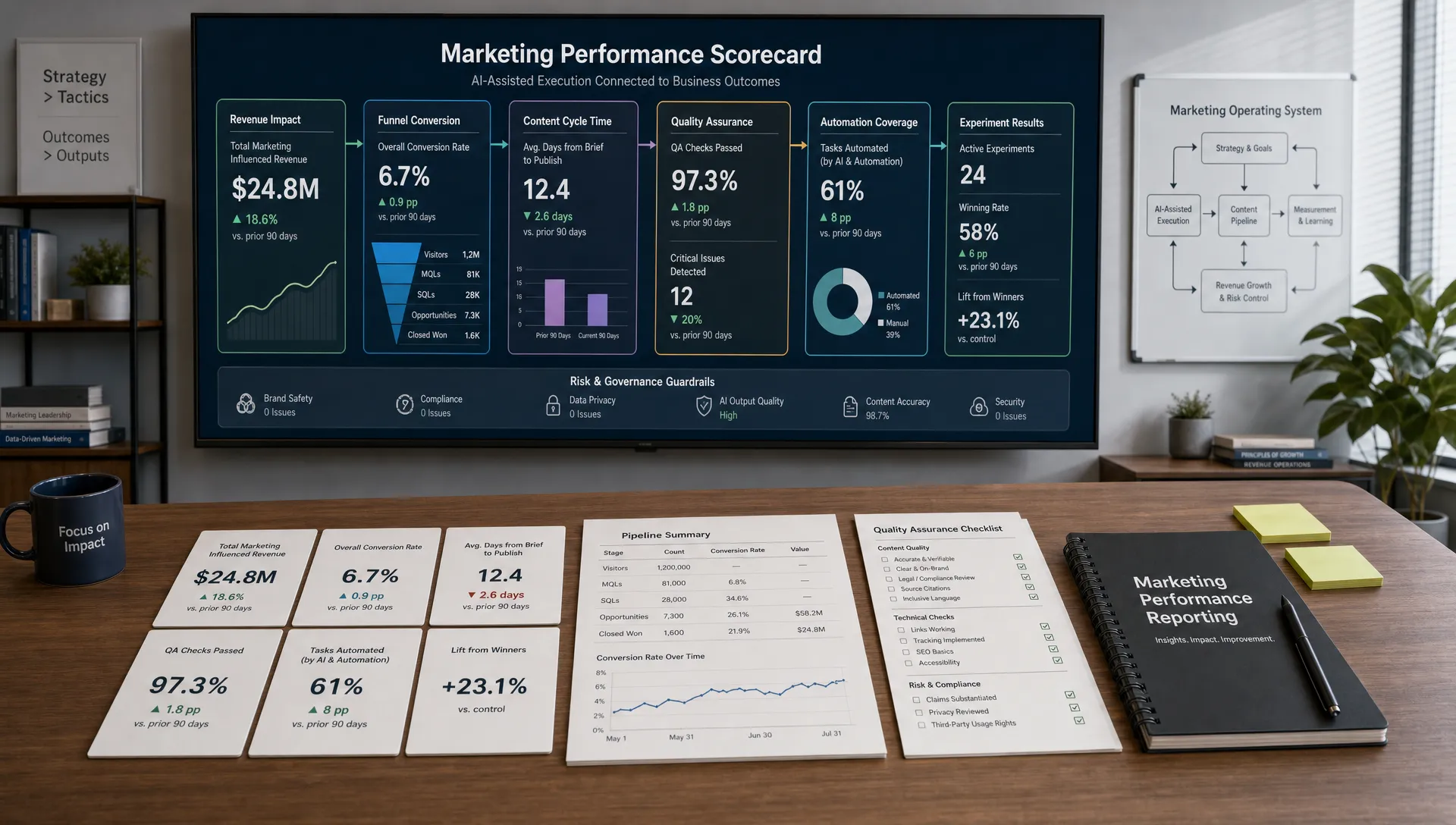
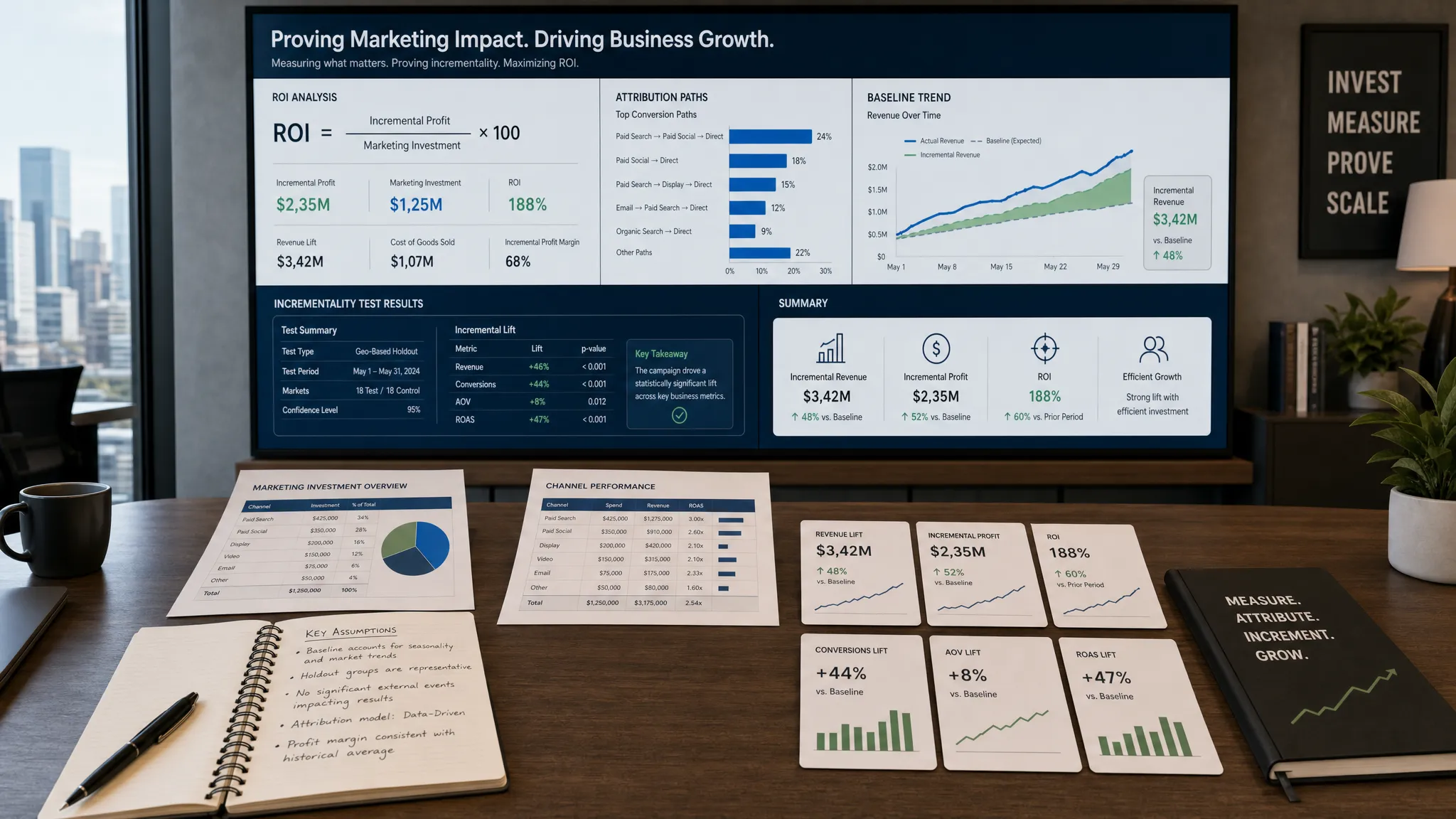
Growing brands often drown in dashboards. Impressions, likes, clicks, opens, followers, rankings, and bounce rates all have value, but they are not equally important.
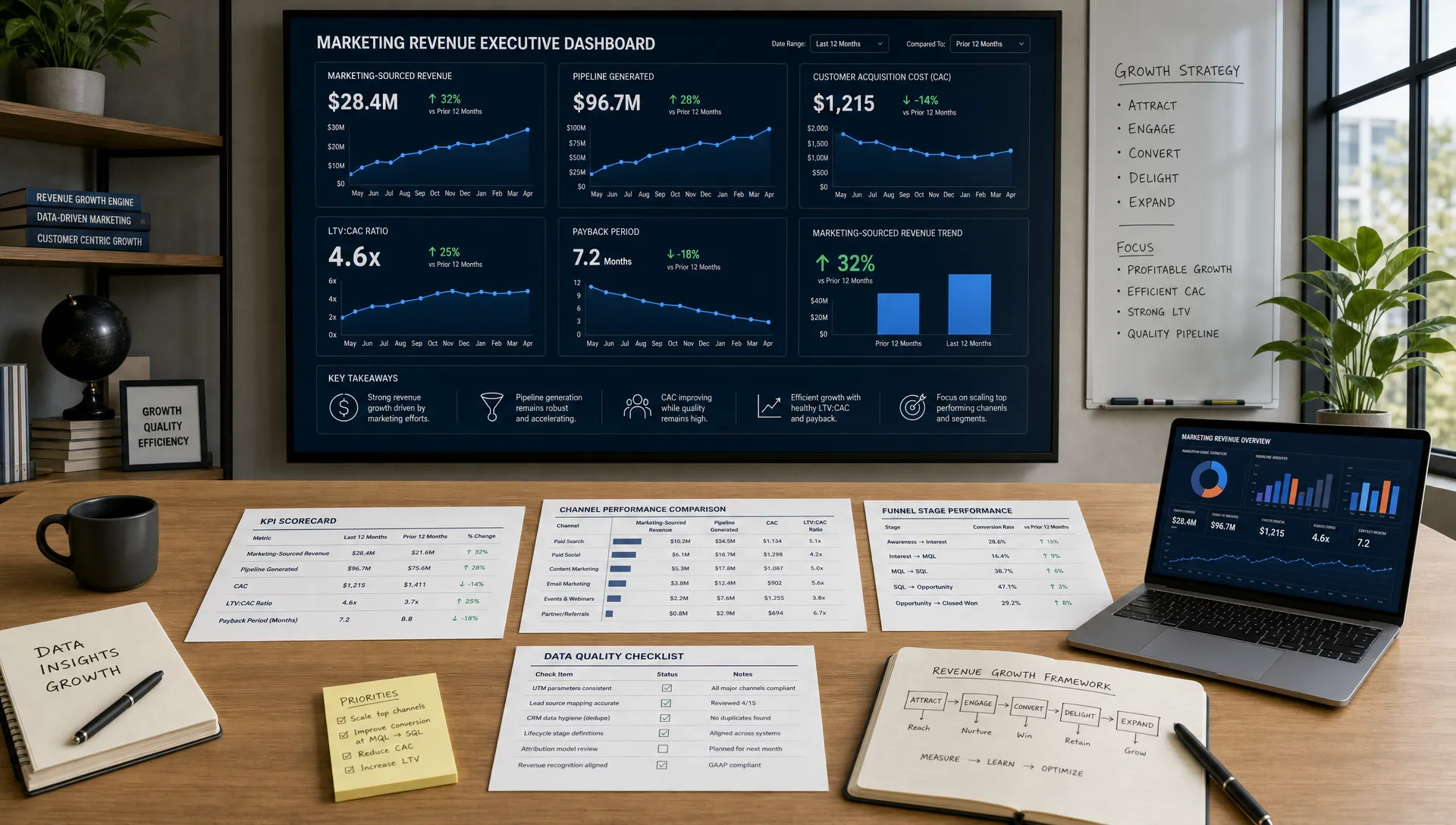
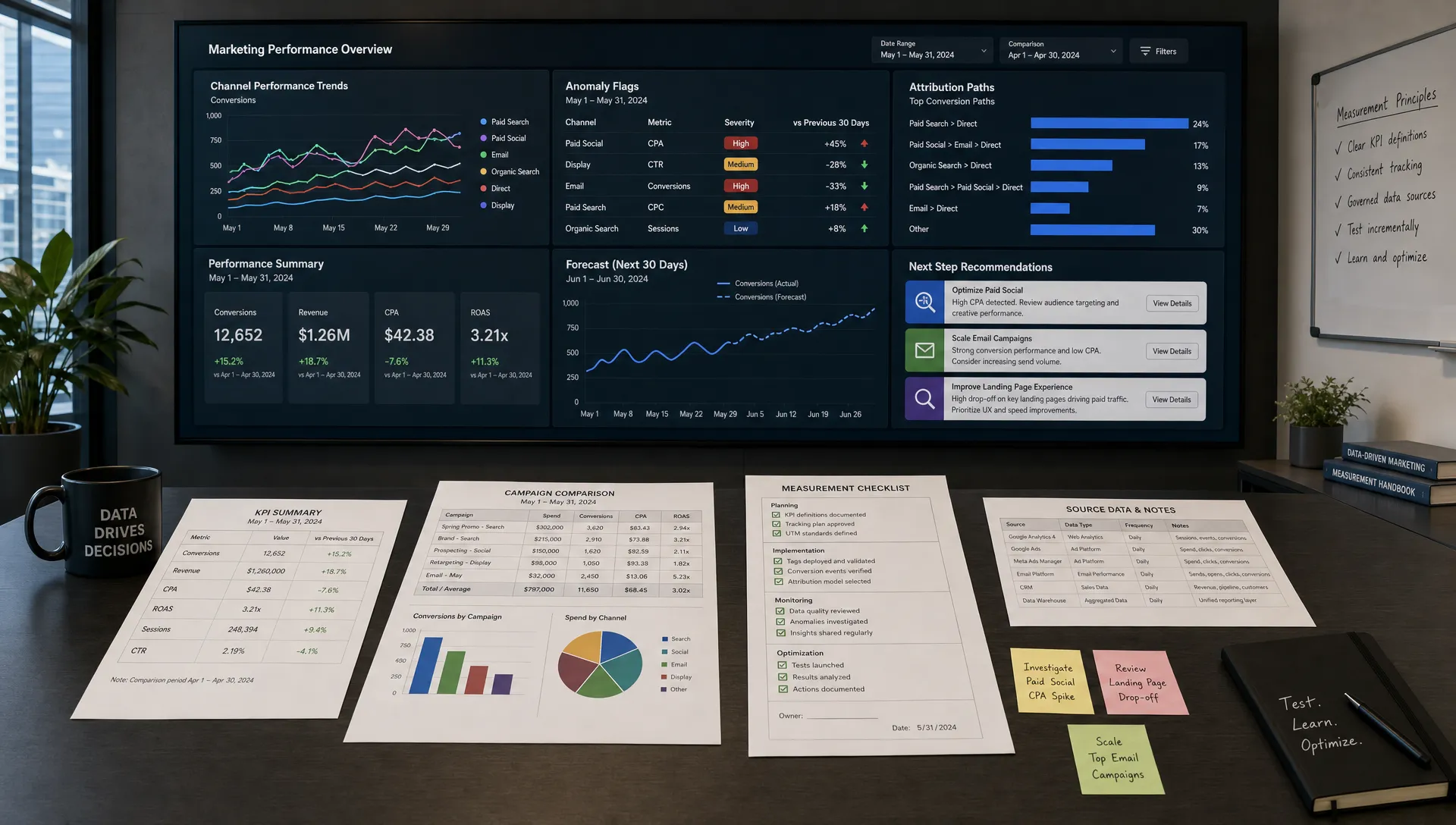
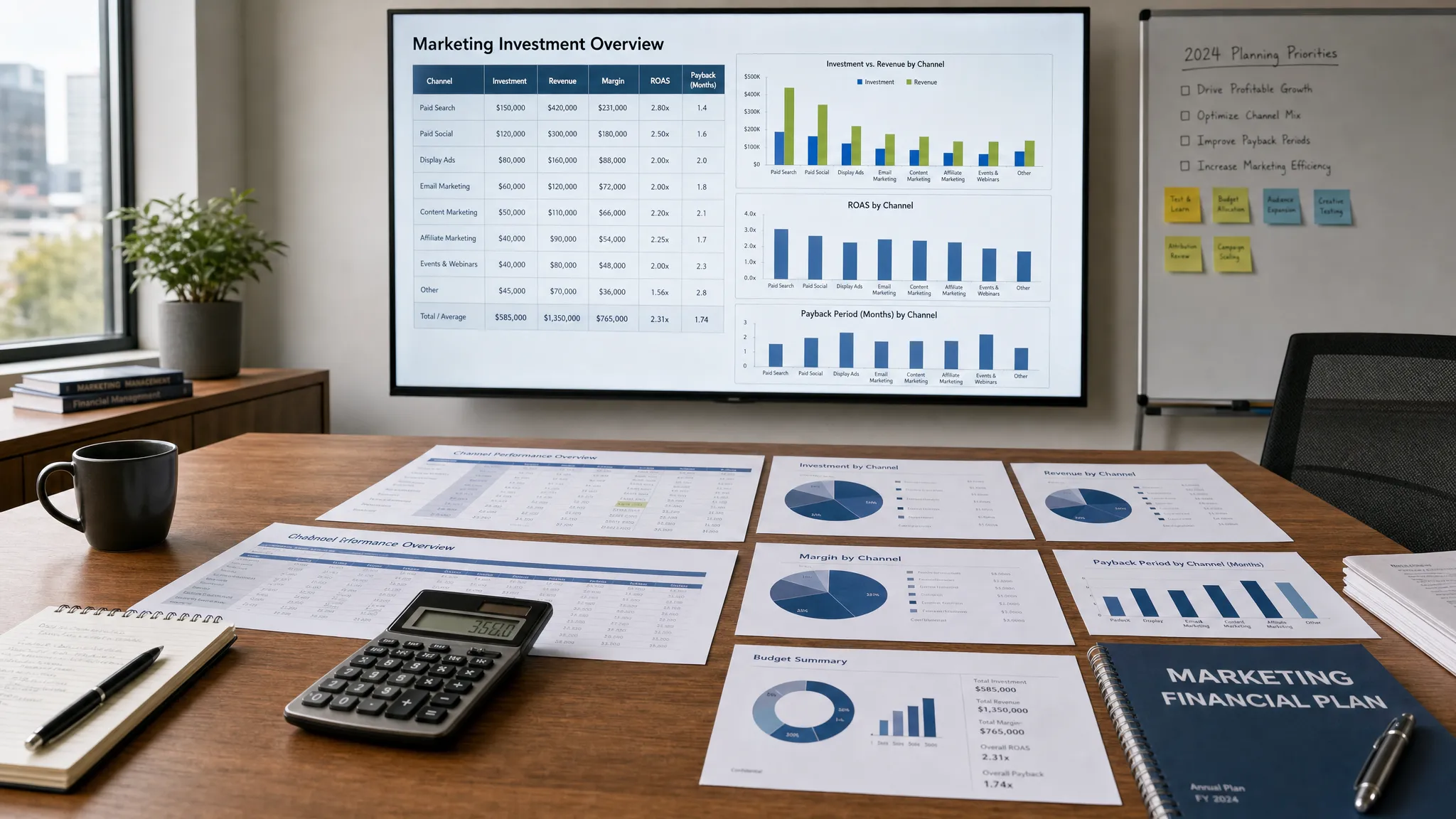
Focus on metrics that connect marketing activity to business outcomes. Depending on your model, that may include qualified leads, demo requests, trial activation, conversion rate, customer acquisition cost, pipeline influenced, revenue, retention, or customer lifetime value.
You should still track channel-level indicators, but separate diagnostic metrics from decision metrics. A low email click rate may help diagnose a messaging problem. Revenue from email helps you decide whether to invest more in that channel.
A simple monthly growth review can keep your team aligned. Ask what improved, what declined, what surprised you, what you learned about the customer, and what you will test next. This rhythm turns marketing from a collection of tasks into a learning system.
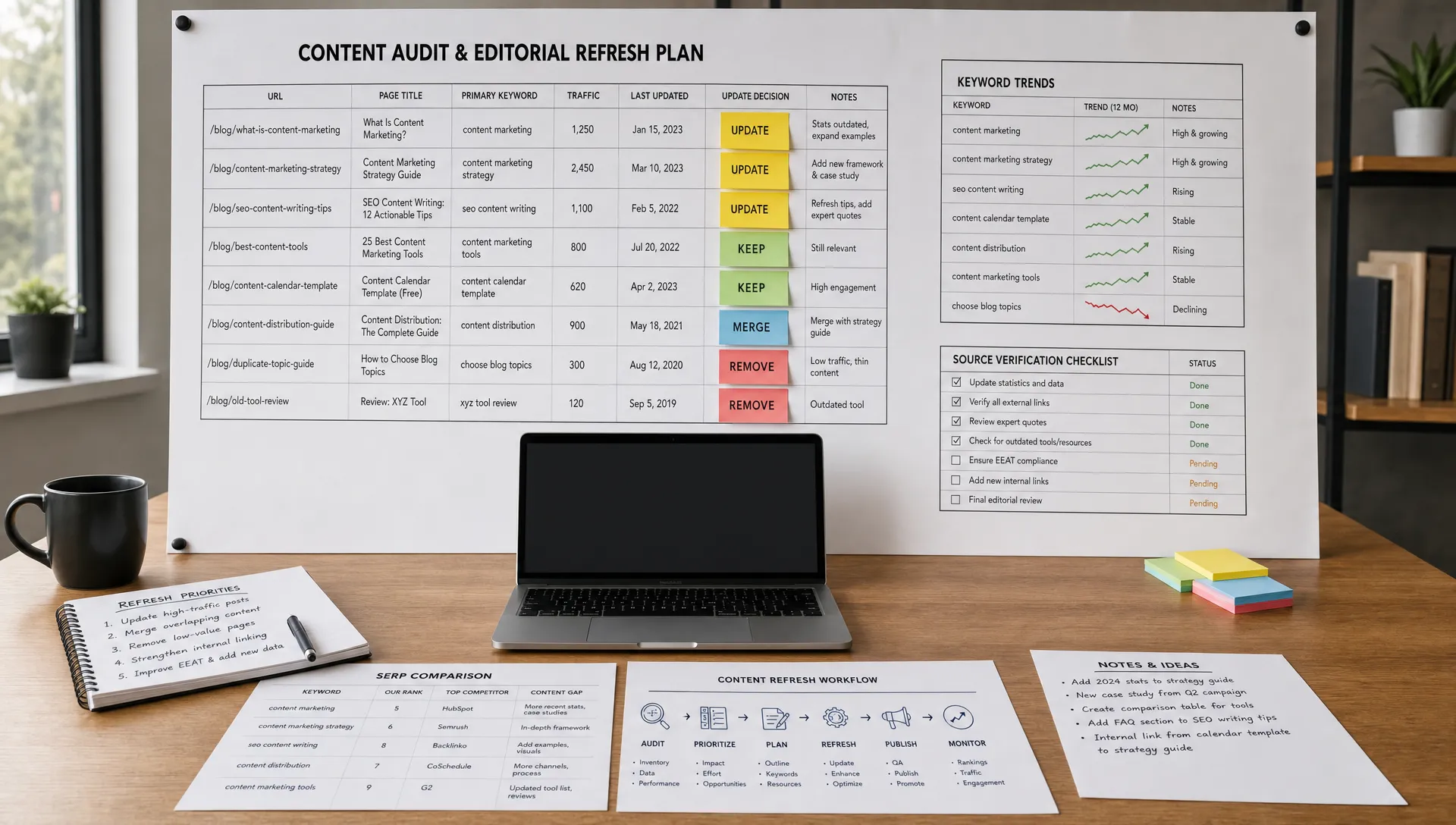
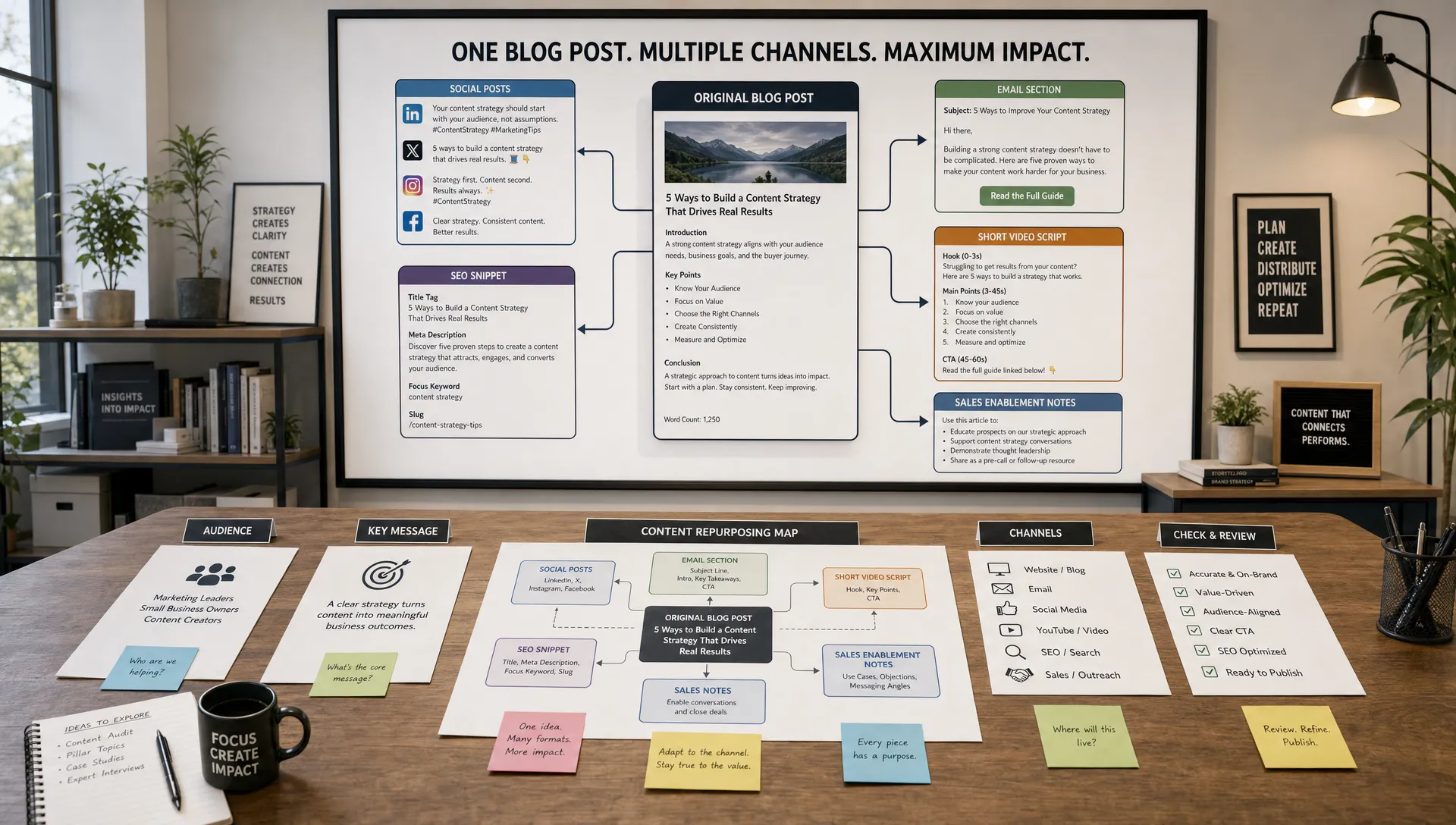
Scaling online marketing does not mean creating something new every day. It means getting more value from your strongest ideas.
A high-performing guide can become several social posts, an email series, a webinar outline, a short video script, a sales enablement resource, and a downloadable checklist. A customer interview can become a case study, quote graphics, objection-handling content, and ad copy. A data insight can become a newsletter, LinkedIn post, infographic, and landing page section.
Repurposing works because audiences consume information differently. Some people discover you through search. Others prefer email, social, podcasts, tools, or communities. Reframing the same core idea for different contexts increases reach without diluting your strategy.
The best starting point is your existing performance data. Find the pages, posts, emails, and offers that already show traction. Then adapt them into formats that support the next stage of the buyer journey.
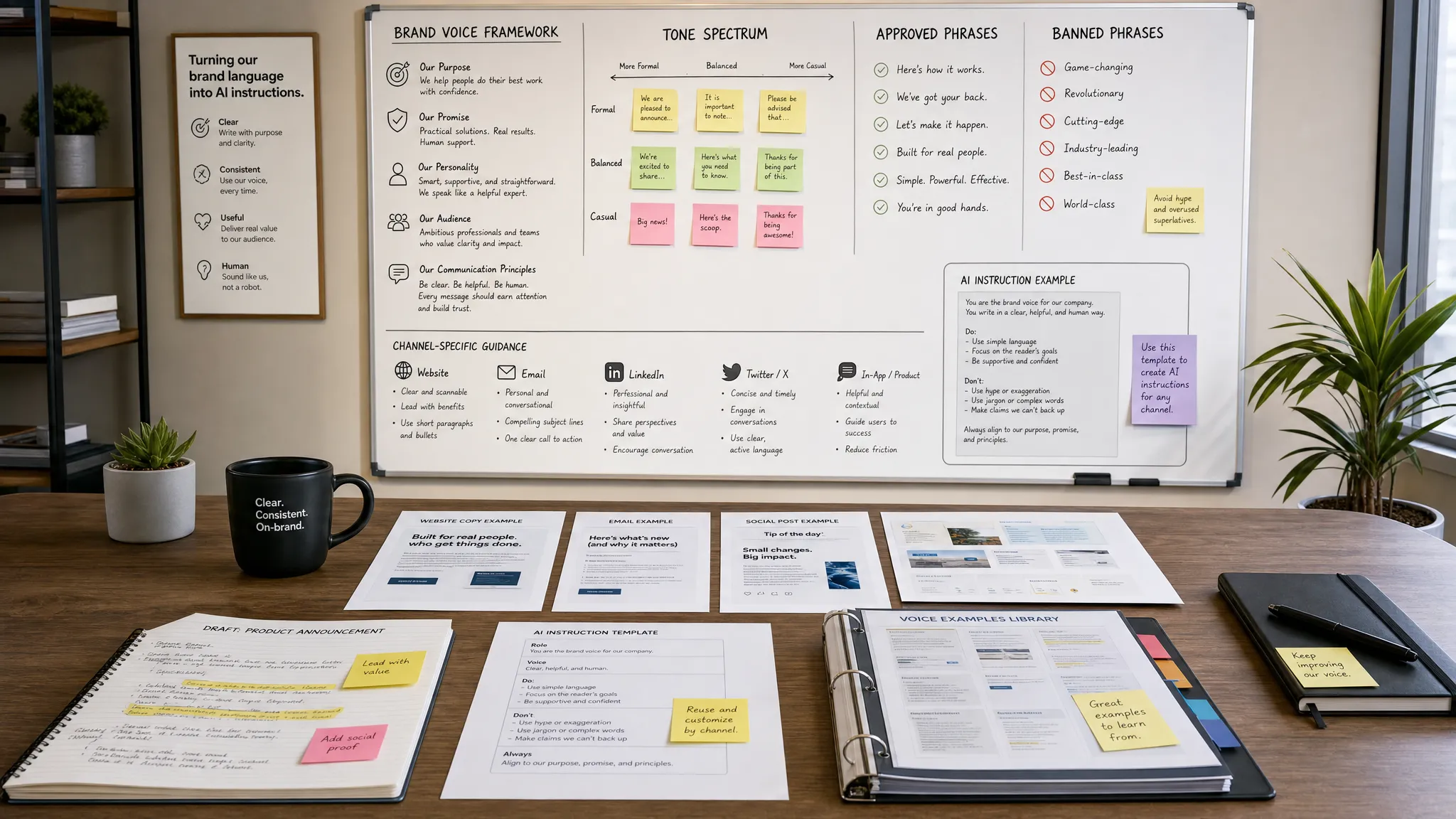
Growth often introduces more contributors: freelancers, agencies, AI tools, sales teams, product marketers, and subject matter experts. Without a clear voice system, your brand can quickly feel inconsistent.
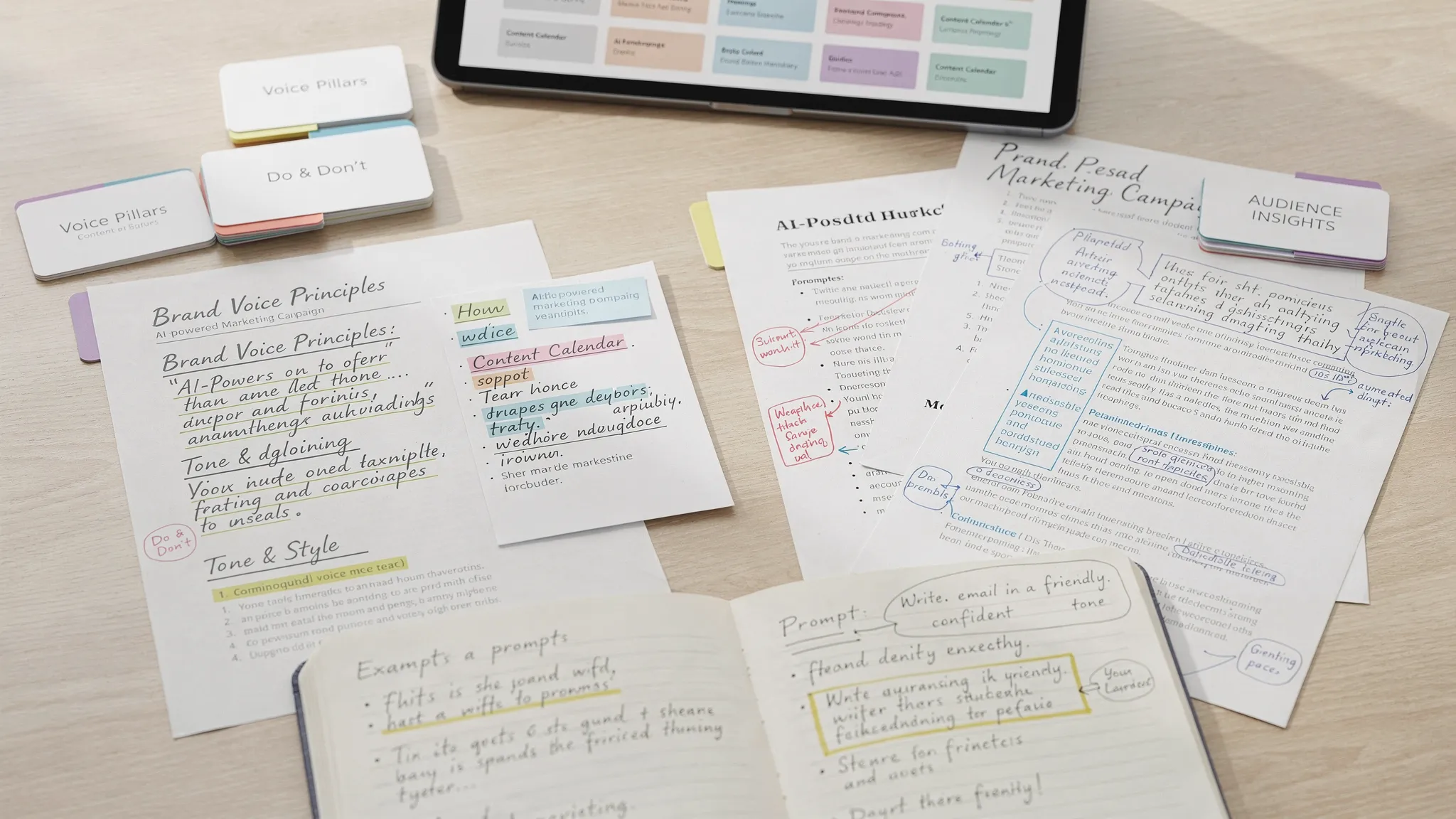
Create a simple brand voice guide that defines your tone, vocabulary, point of view, claims you can support, claims to avoid, and examples of strong messaging. Include customer language gathered from reviews, sales calls, surveys, and support tickets.
Consistency does not mean every channel sounds identical. A technical guide can be more detailed than a social post. A nurture email can be warmer than a landing page. But the underlying promise, expertise, and personality should feel recognizable everywhere.
This is especially important when using AI. Your prompts should include voice rules, audience context, and examples of approved copy. Over time, this helps your team produce content faster while preserving trust.
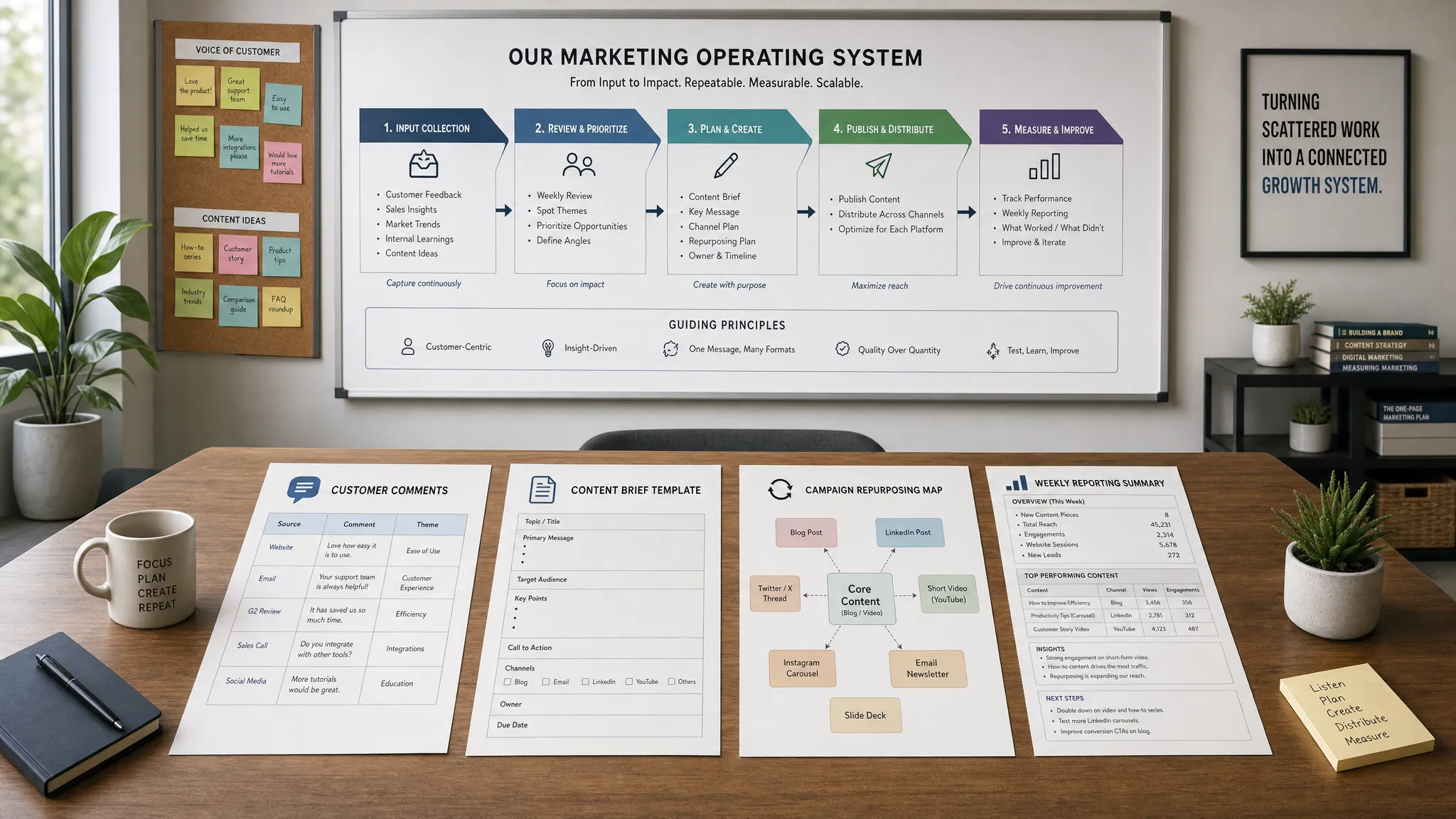
Campaign calendars are useful, but they are not enough. Brands ready to grow need a repeatable process for deciding what to test, how to measure it, and when to scale it.
A practical growth process includes research, prioritization, execution, measurement, and learning. Research identifies customer needs. Prioritization selects the best opportunities. Execution turns ideas into campaigns. Measurement shows what happened. Learning improves the next cycle.
This does not need to slow your team down. In fact, it prevents random work. When everyone understands the goal, the audience, the channel, the message, and the metric, campaigns become easier to evaluate.
The brands that grow sustainably are not always the ones with the biggest budgets. They are the ones that learn faster, document what works, and build systems around proven insights.
What are the most important online marketing tips for a growing brand? Start with clear positioning, audit your current performance, improve your website conversions, create search-intent-driven content, build email nurture flows, and measure business outcomes instead of vanity metrics.
How can AI improve online marketing? AI can speed up content drafting, campaign ideation, SEO research, email variation, reporting summaries, and content repurposing. It works best when guided by clear prompts, brand voice rules, and real customer insight.
Should growing brands focus on SEO or paid ads first? It depends on your goals and timeline. SEO builds compounding visibility over time, while paid ads can generate faster testing and demand capture. Many brands benefit from using paid media to test messaging while building long-term organic assets.
How often should we review marketing performance? Review tactical performance weekly and strategic performance monthly. Weekly reviews help catch issues quickly, while monthly reviews reveal bigger patterns in channel performance, lead quality, conversion rates, and revenue impact.
What is the biggest online marketing mistake brands make when scaling? The biggest mistake is adding more channels before fixing positioning, measurement, and conversion. Scaling activity without a clear strategy usually creates more complexity, not more growth.
Online marketing becomes easier to scale when your brand has the right strategy, tools, and workflows in place. Instead of chasing every tactic, focus on what compounds: clear positioning, useful content, better conversion paths, stronger email, smarter analytics, and repeatable AI-assisted processes.
If you want practical resources to help your team move faster, explore AIMarketer Hub. You will find AI-powered marketing tools, prompt resources, SEO support, calculators, performance insights, and guides built for marketers and businesses ready to grow with more confidence.