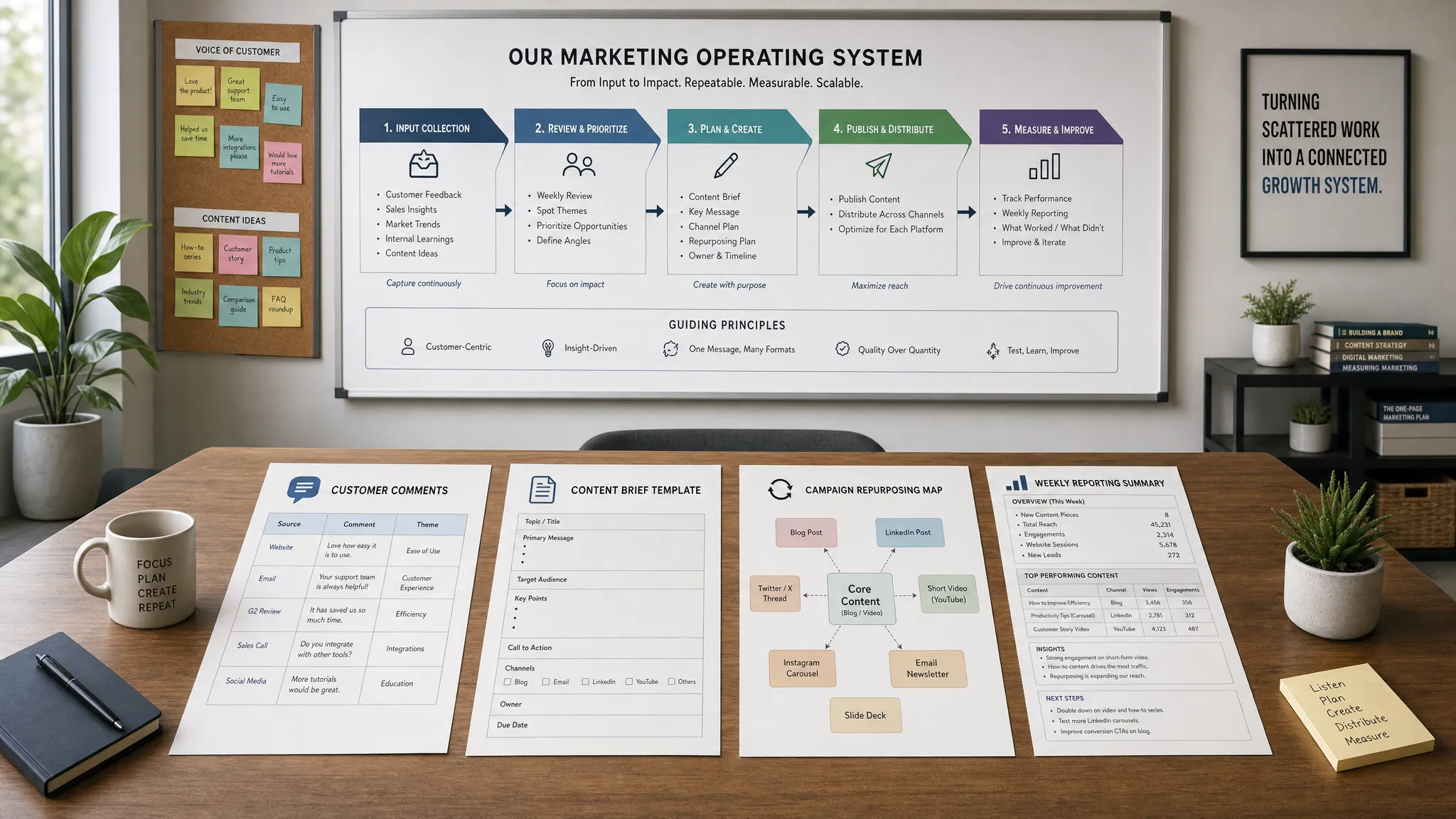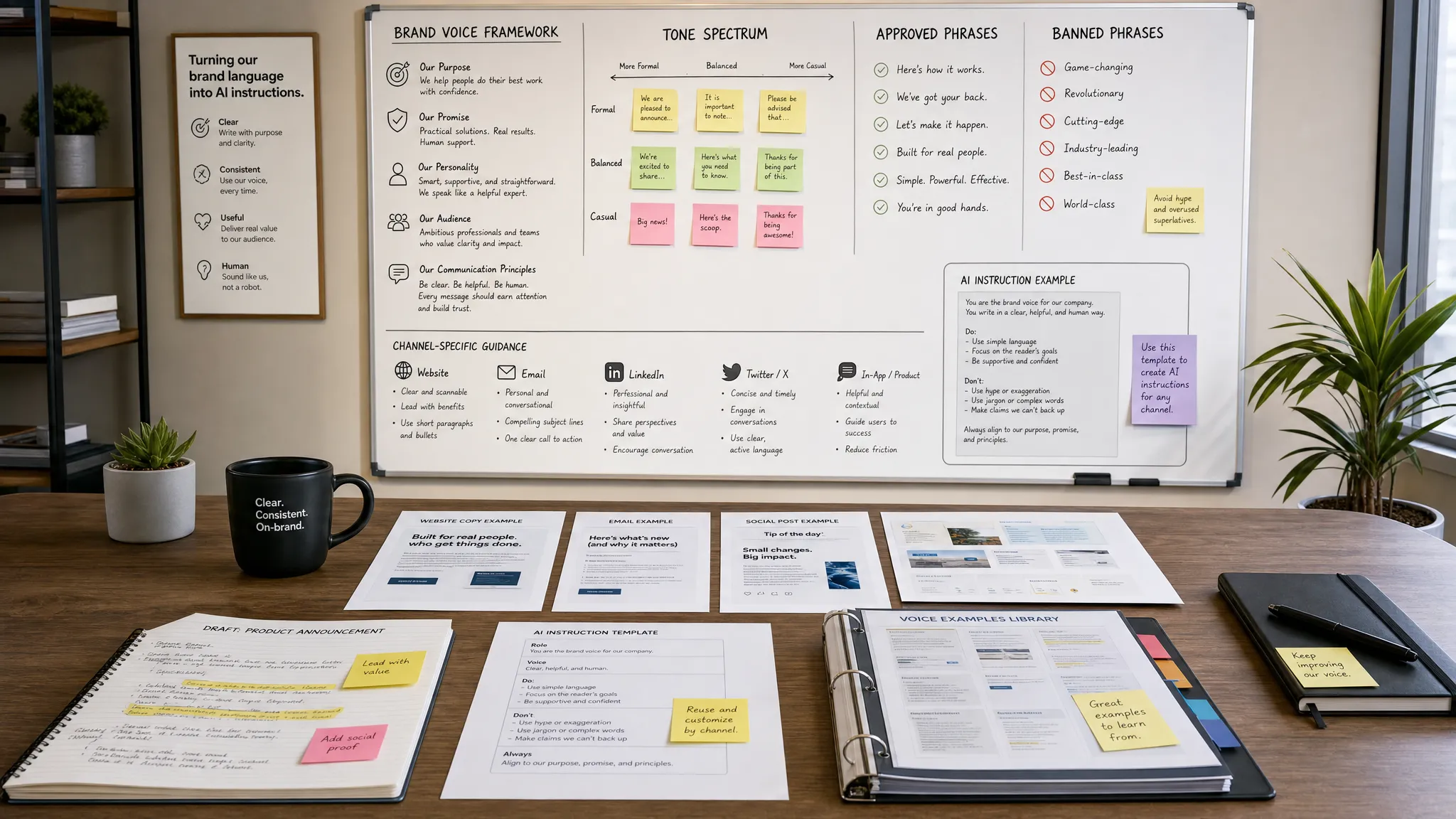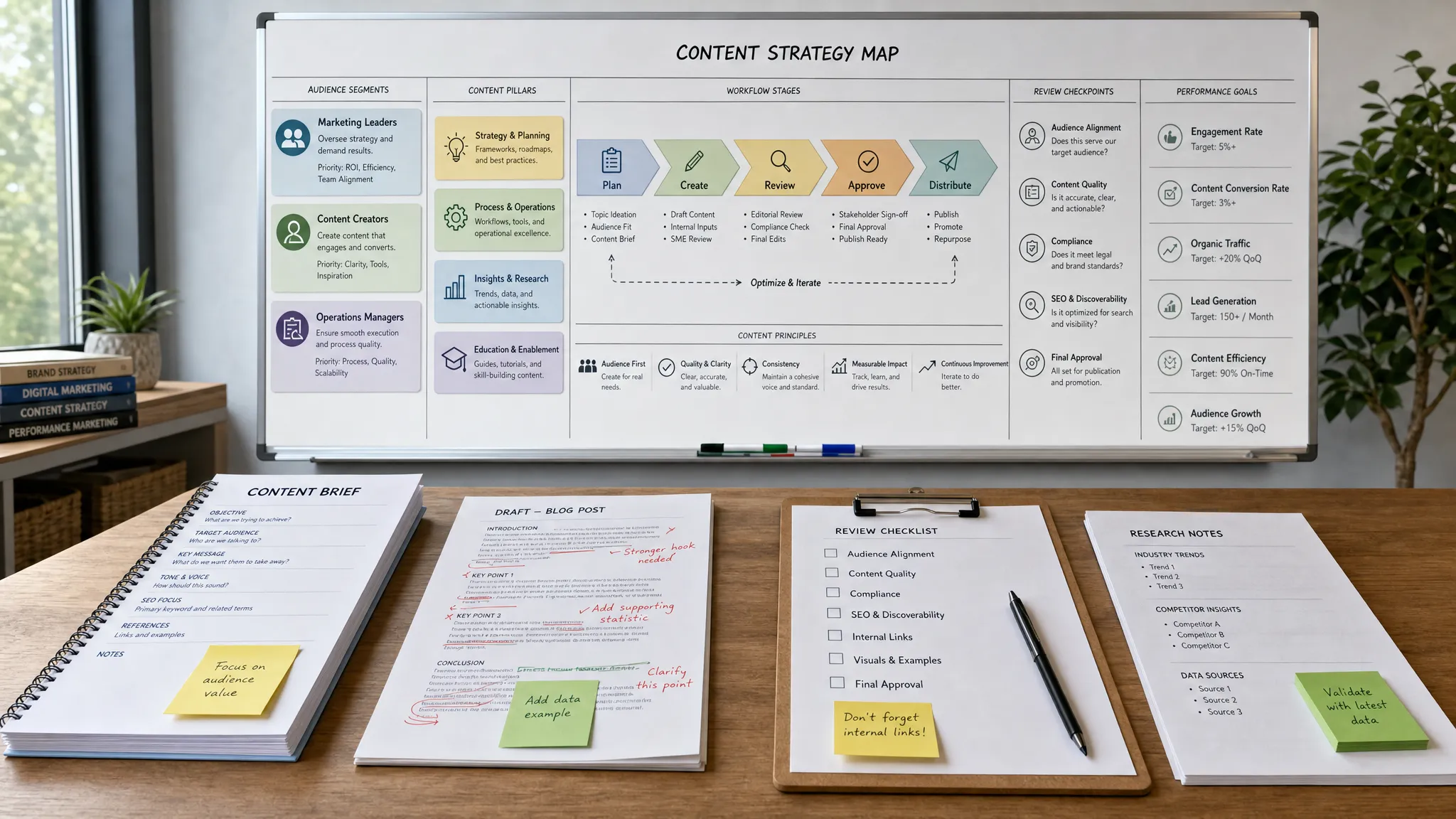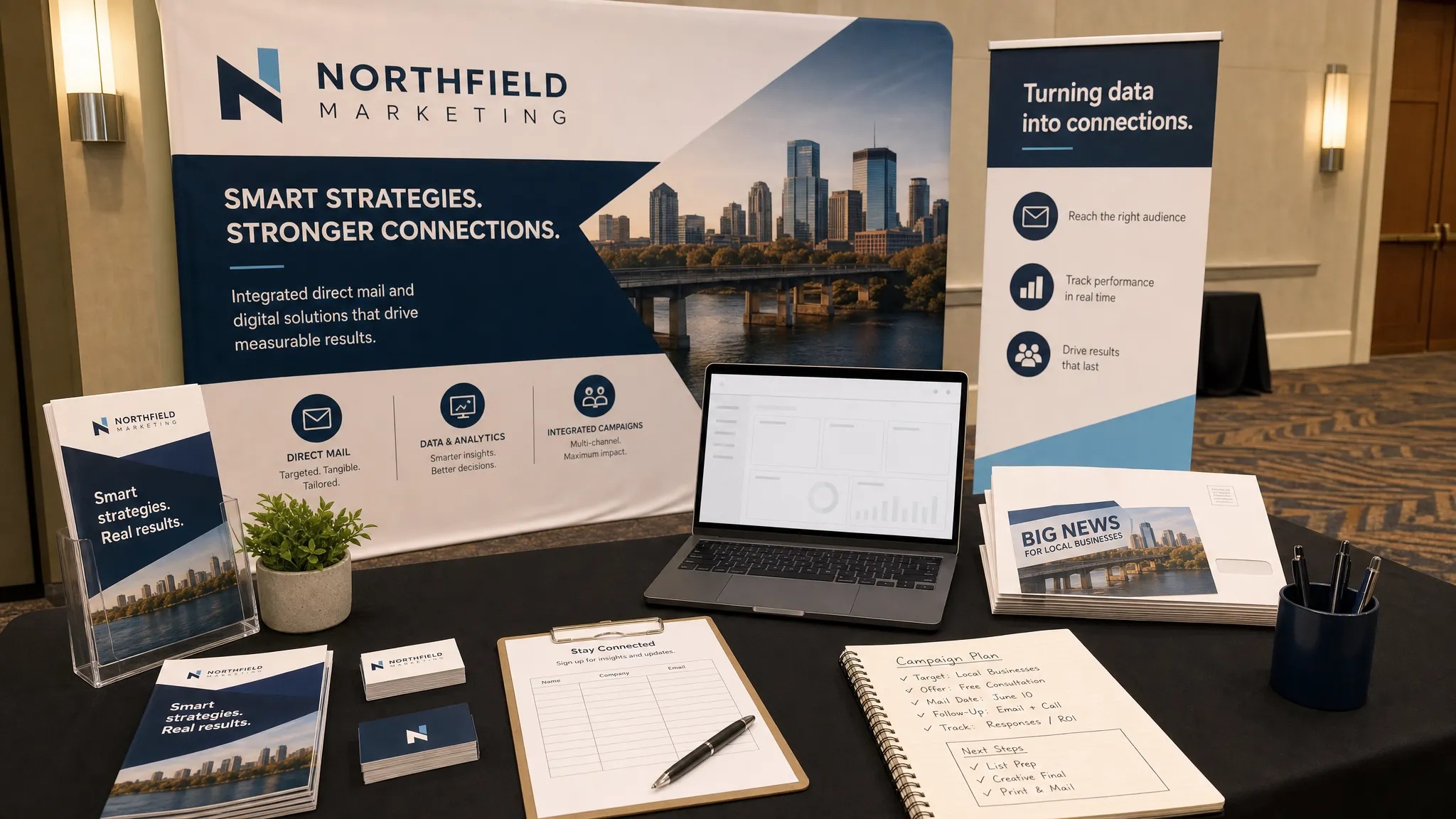
Fast growth rarely comes from a single viral campaign, a new ad platform, or publishing more content for the sake of volume. It comes from choosing the right marketing tactics for the bottleneck in your business, then executing them consistently enough to see compounding results.
In 2026, the teams growing fastest usually have two things in common: they use AI to move faster, and they stay disciplined about strategy, measurement, and customer relevance. AI can help you research, draft, segment, test, and analyze, but it cannot replace a clear offer, a strong positioning angle, or a buyer journey that makes sense.
This guide breaks down practical marketing tactics that can accelerate growth without turning your marketing plan into a list of disconnected experiments.
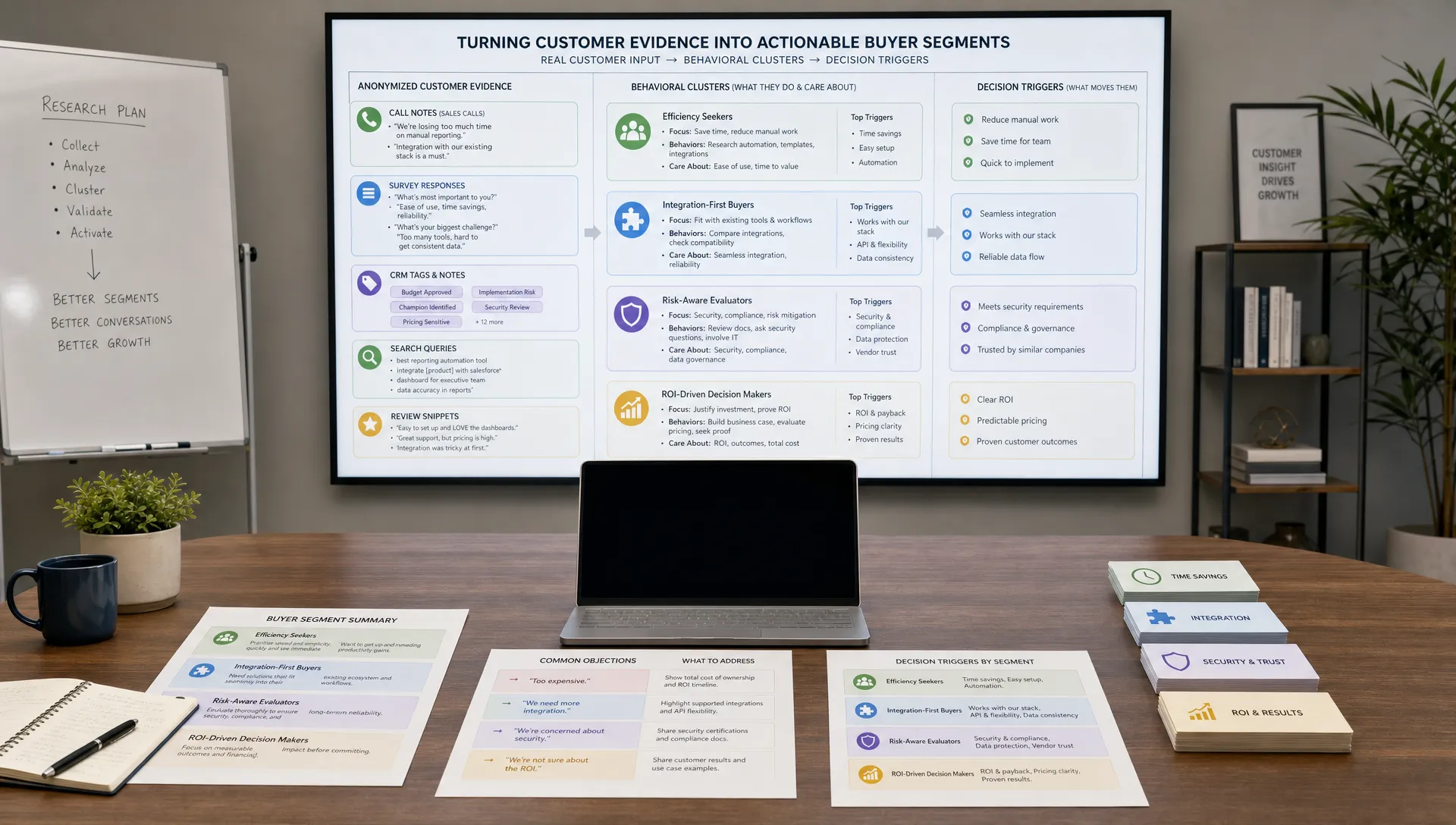
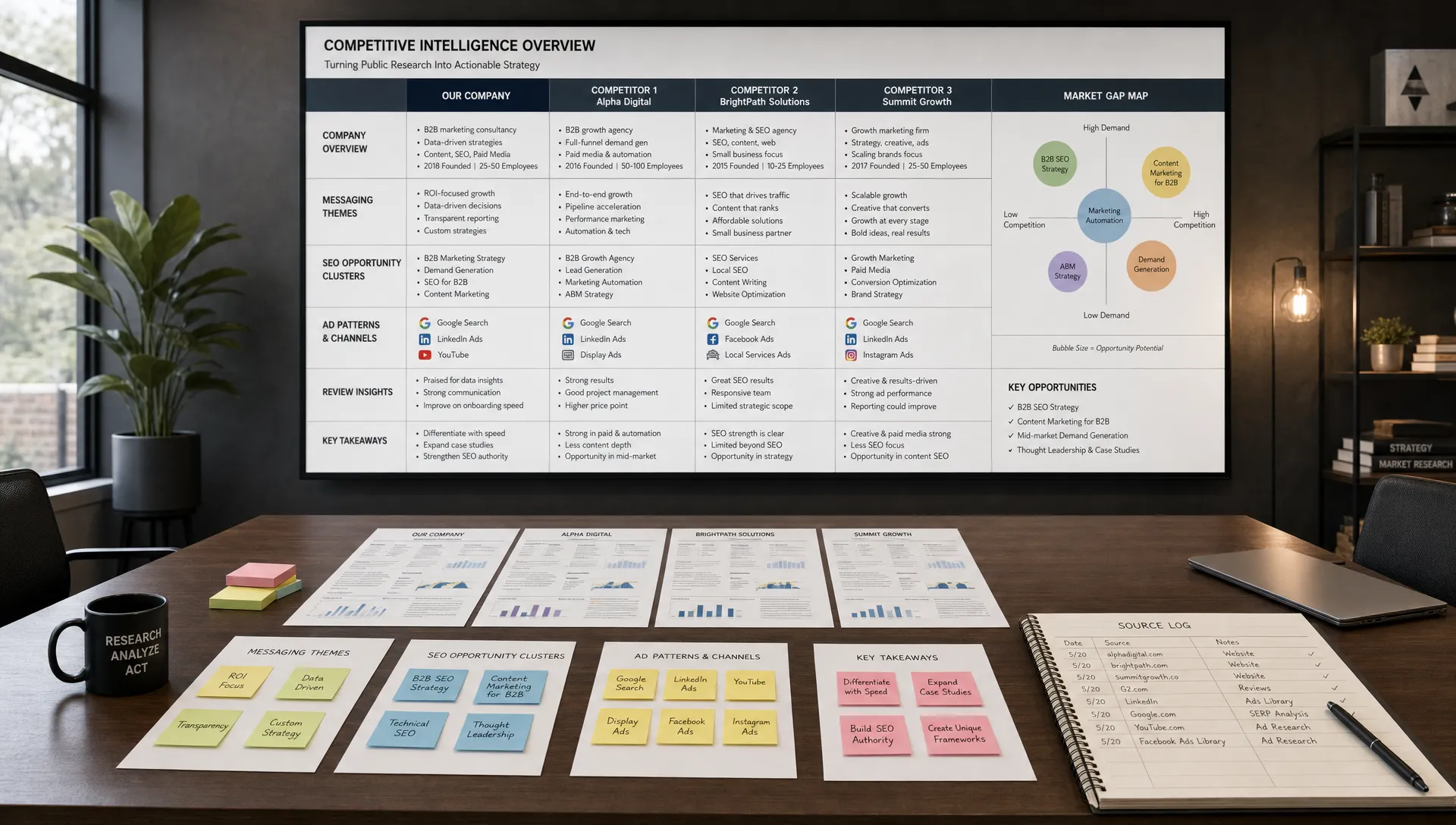
Before choosing tactics, identify where growth is slowing down. A business with plenty of traffic but weak conversion does not need the same plan as a business with a great close rate but too few qualified leads.
Most growth problems fall into one of four categories:
This matters because marketing tactics only work when they match the problem. Posting daily on social media will not fix a confusing landing page. More paid traffic will not save an offer that lacks proof. A new newsletter will not create faster growth if your list is full of unqualified contacts.
Start by asking one question: Where is the most valuable prospect dropping off today? Your answer should guide the tactics you prioritize first.
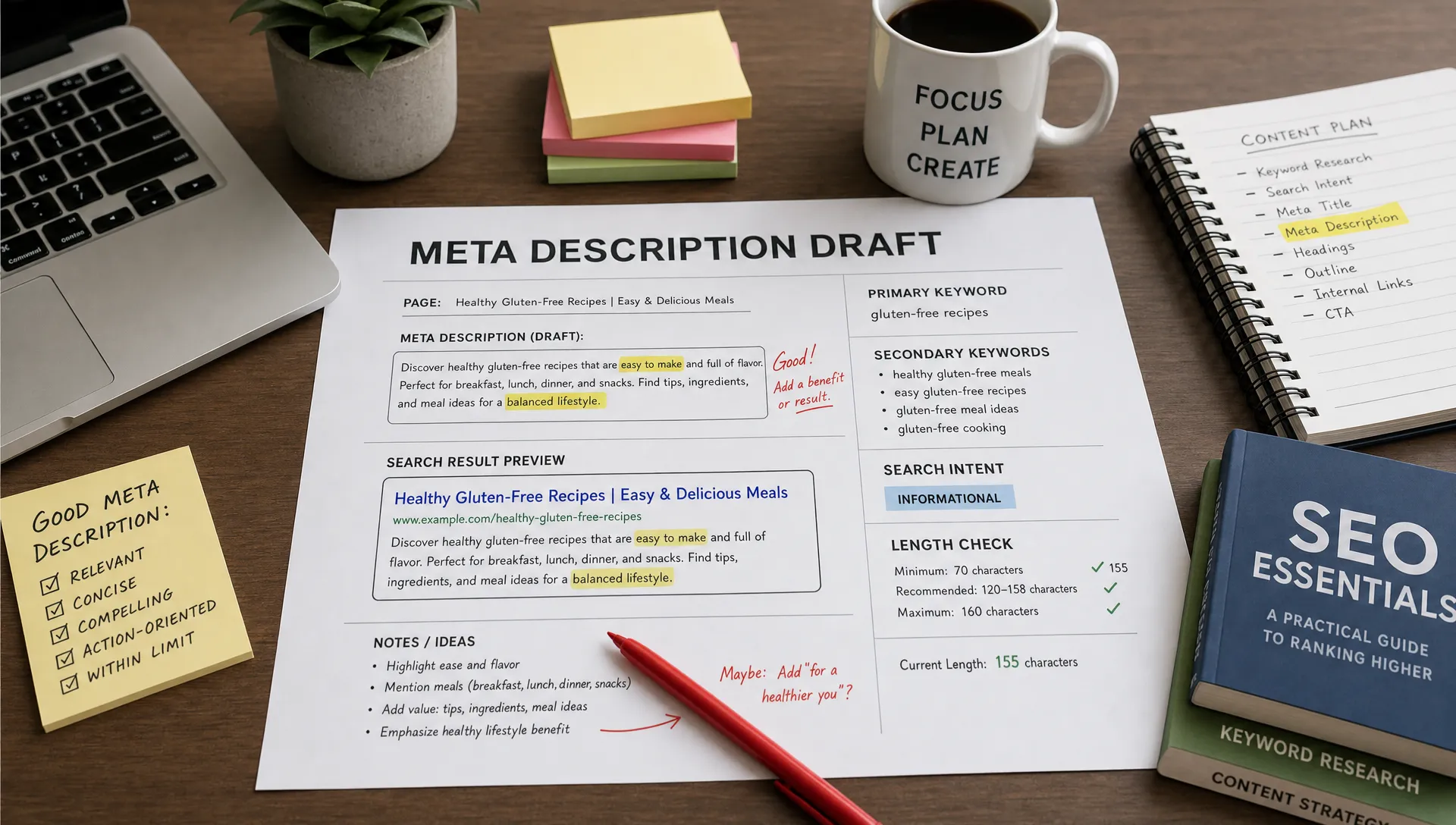
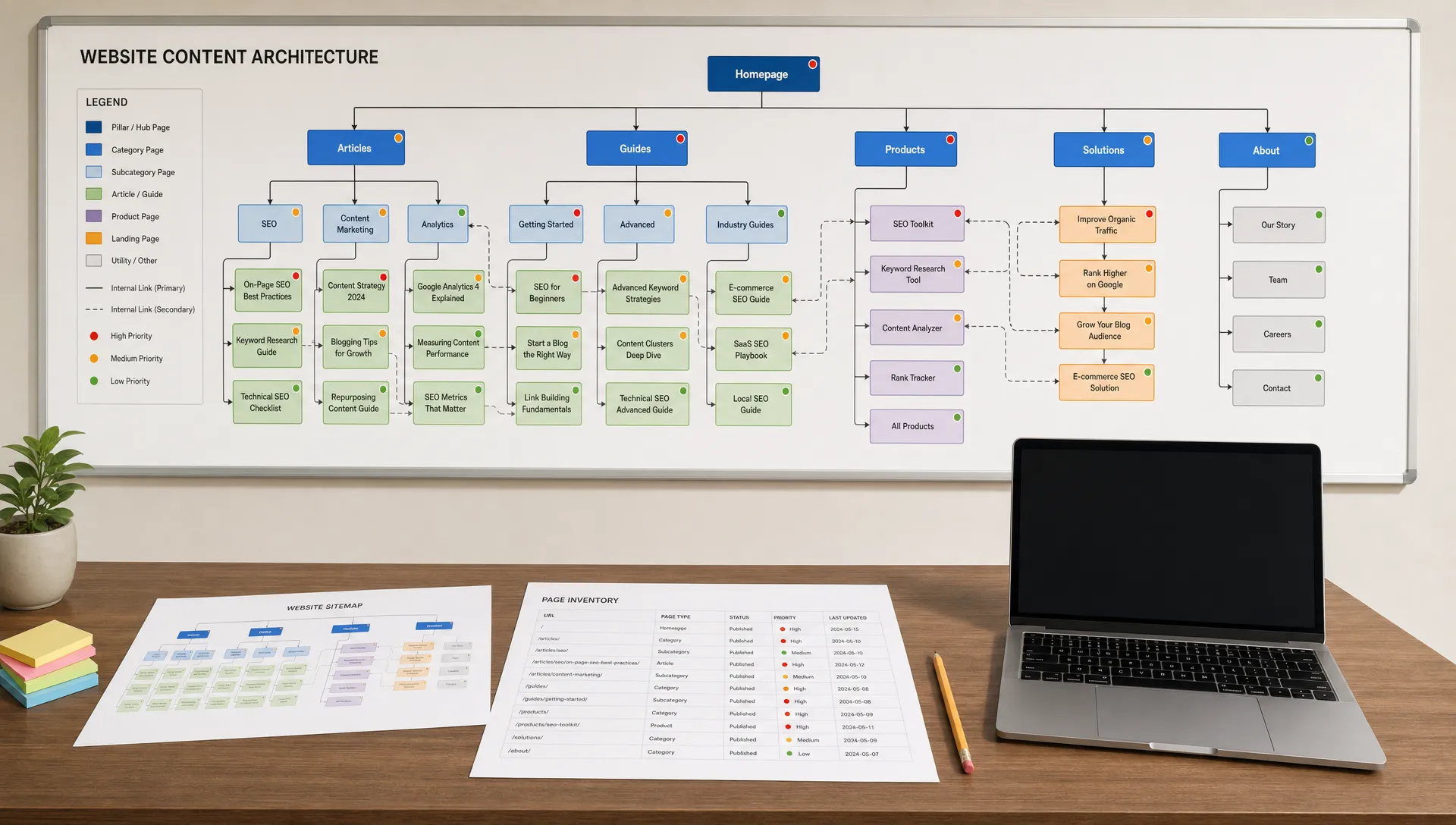
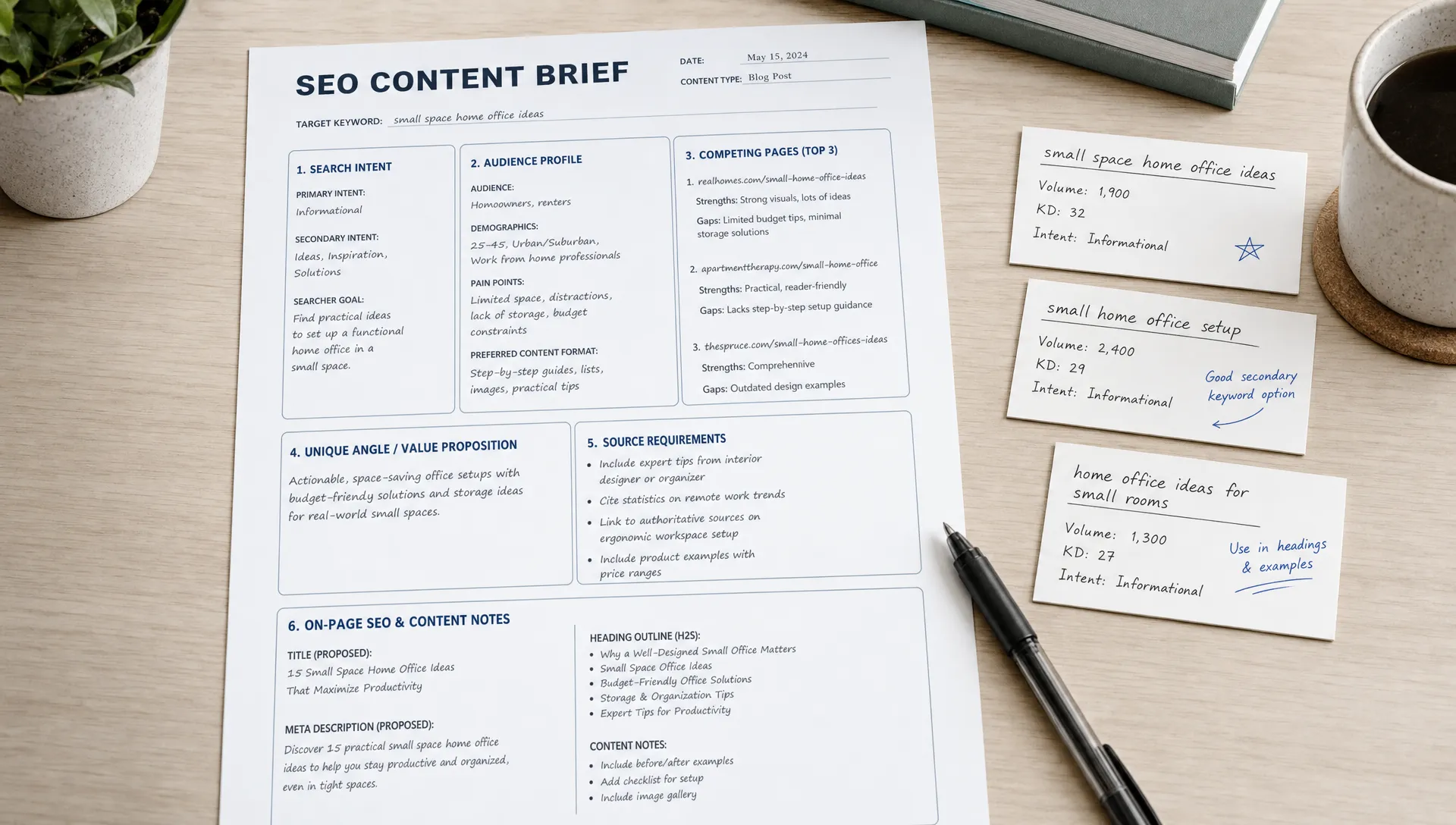
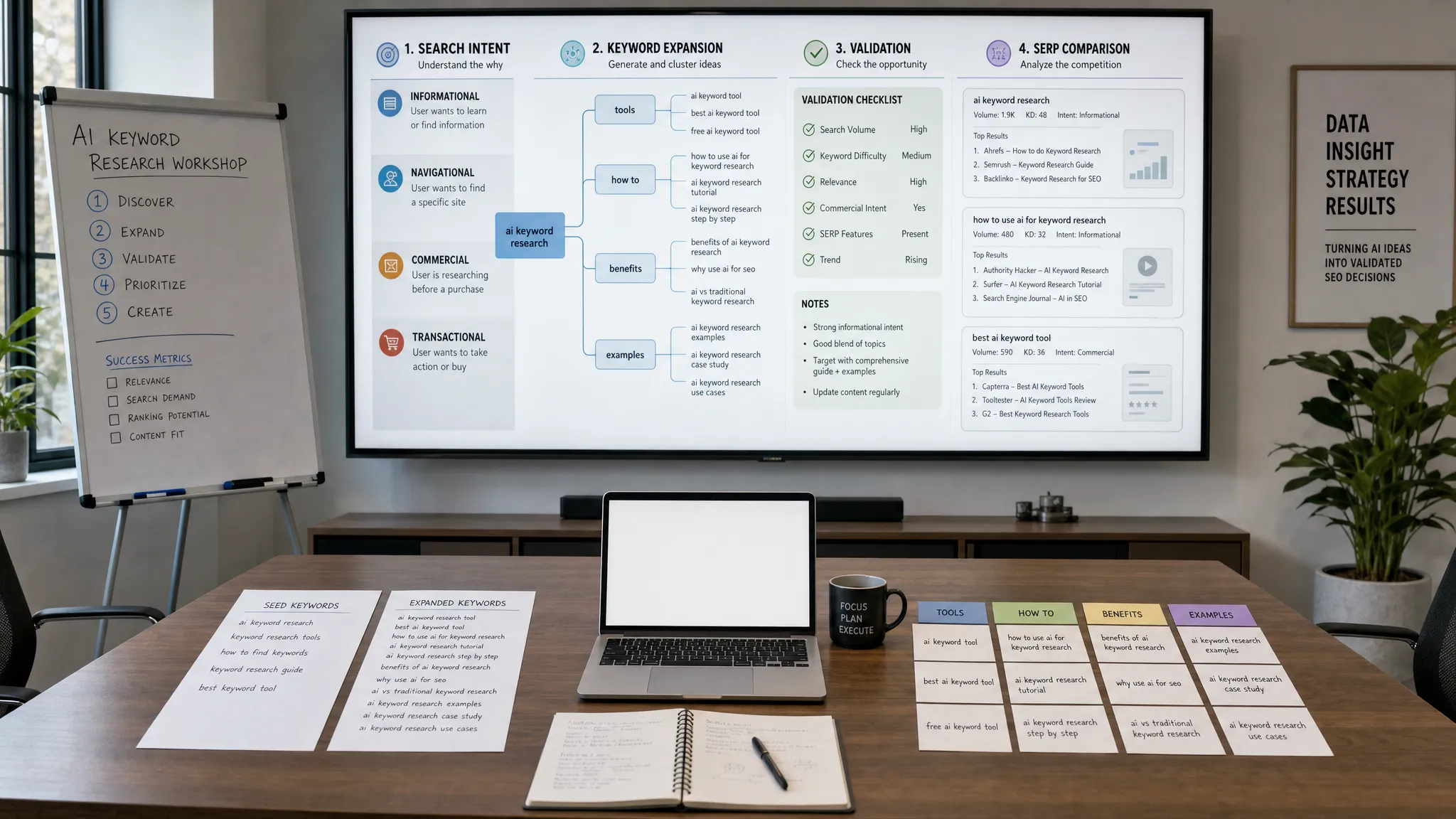
SEO is often treated as a long-term brand play, but it can drive faster growth when you focus on high-intent topics. These are searches that suggest the person is trying to solve a real business problem, compare options, or take action soon.
Instead of targeting only broad keywords, look for phrases tied to buying momentum, such as:
For AIMarketer Hub’s audience, that might mean content around AI marketing workflows, prompt examples, campaign planning, SEO optimization, content automation, or marketing analytics. The goal is not to publish generic thought leadership. The goal is to answer the exact questions your best prospects ask before they commit time, budget, or attention.
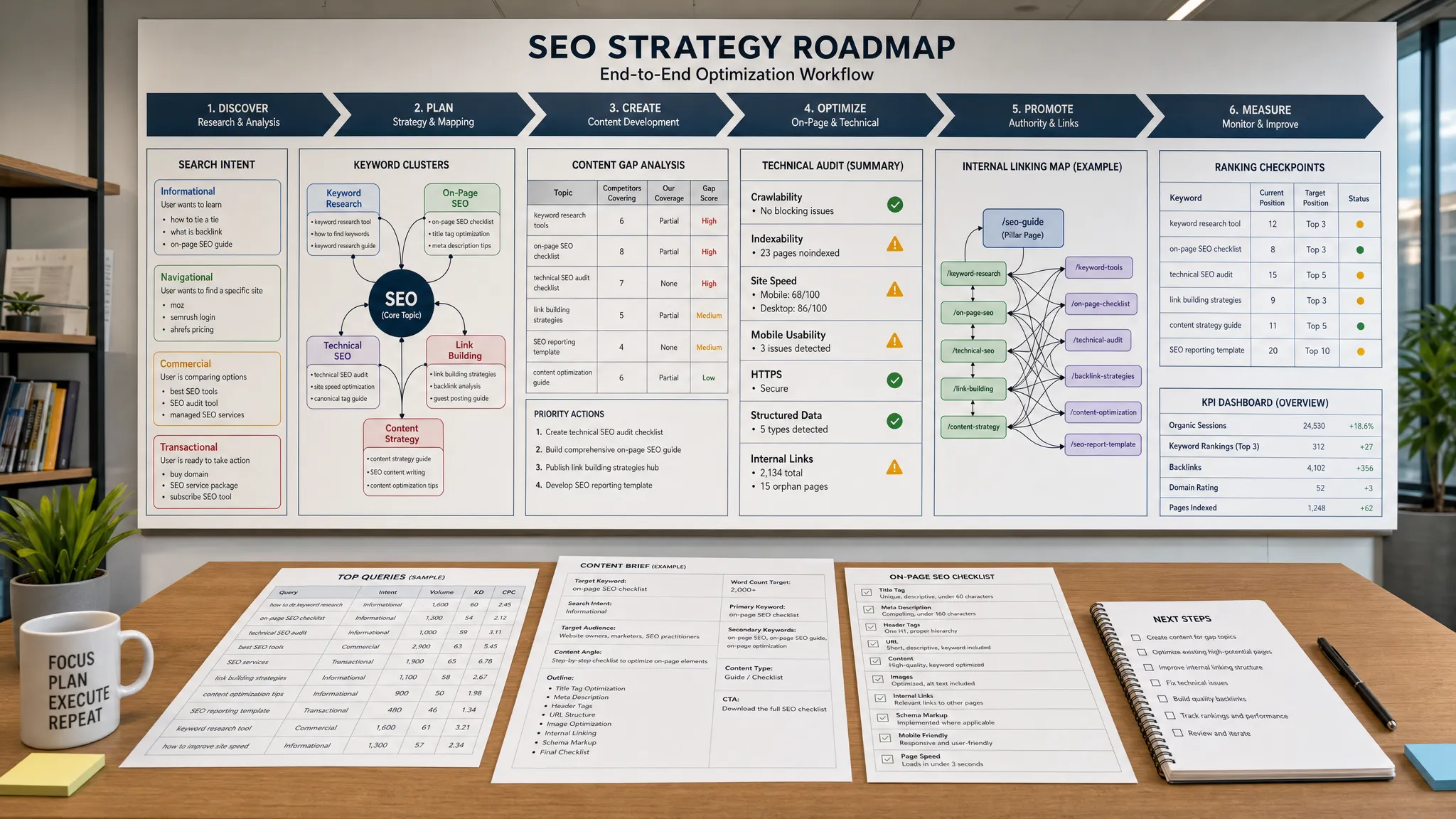
A strong high-intent content system usually includes three layers. First, create educational guides that explain the problem clearly. Second, publish practical assets such as templates, checklists, calculators, or prompt examples. Third, add decision-stage content that helps readers compare approaches and choose the right next step.
Google’s own guidance on creating helpful, reliable, people-first content reinforces the importance of serving the reader rather than producing pages only for search engines. That is especially important now that AI makes it easy to create large amounts of average content. The advantage goes to brands that add experience, examples, and useful next steps.
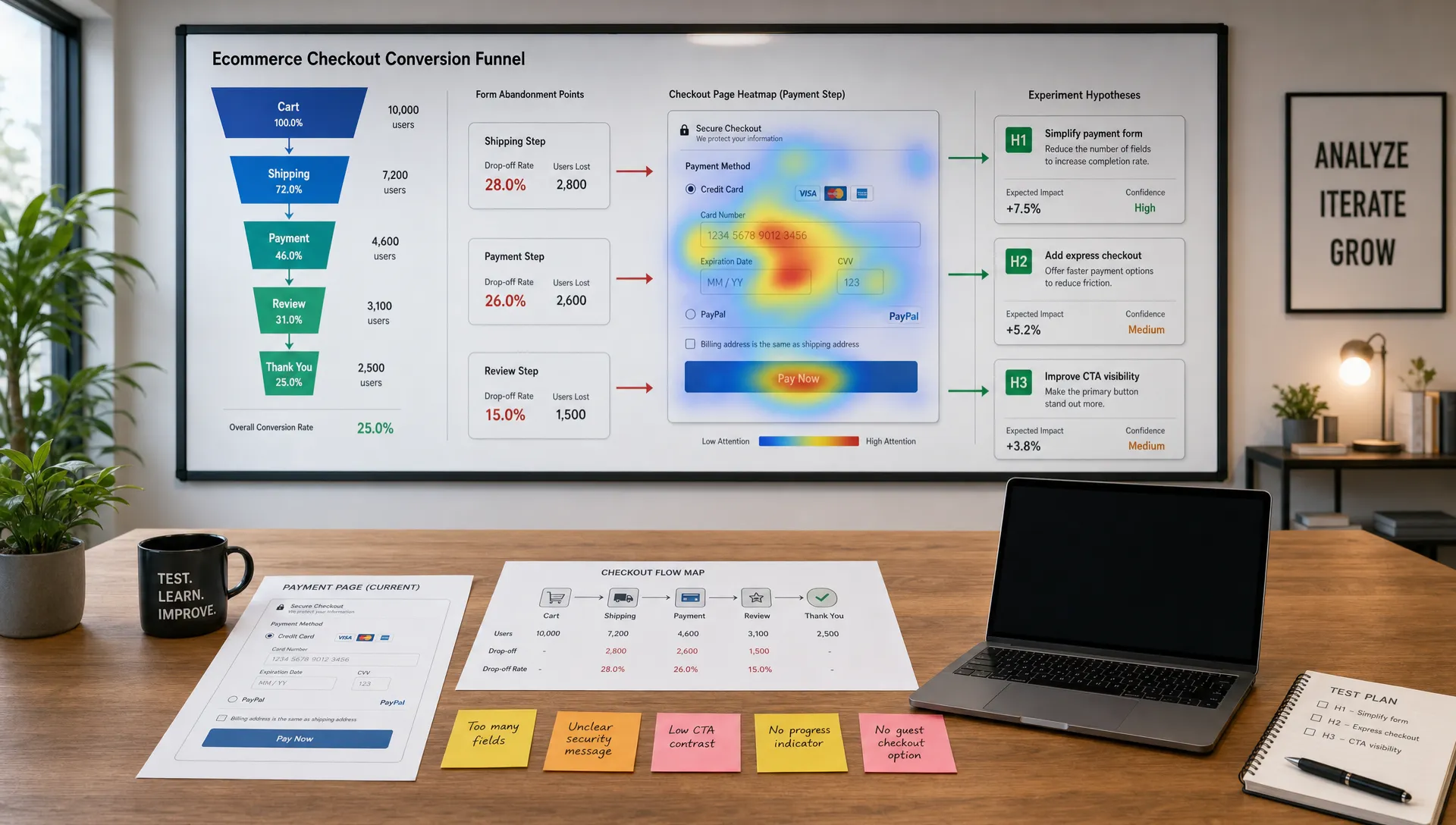
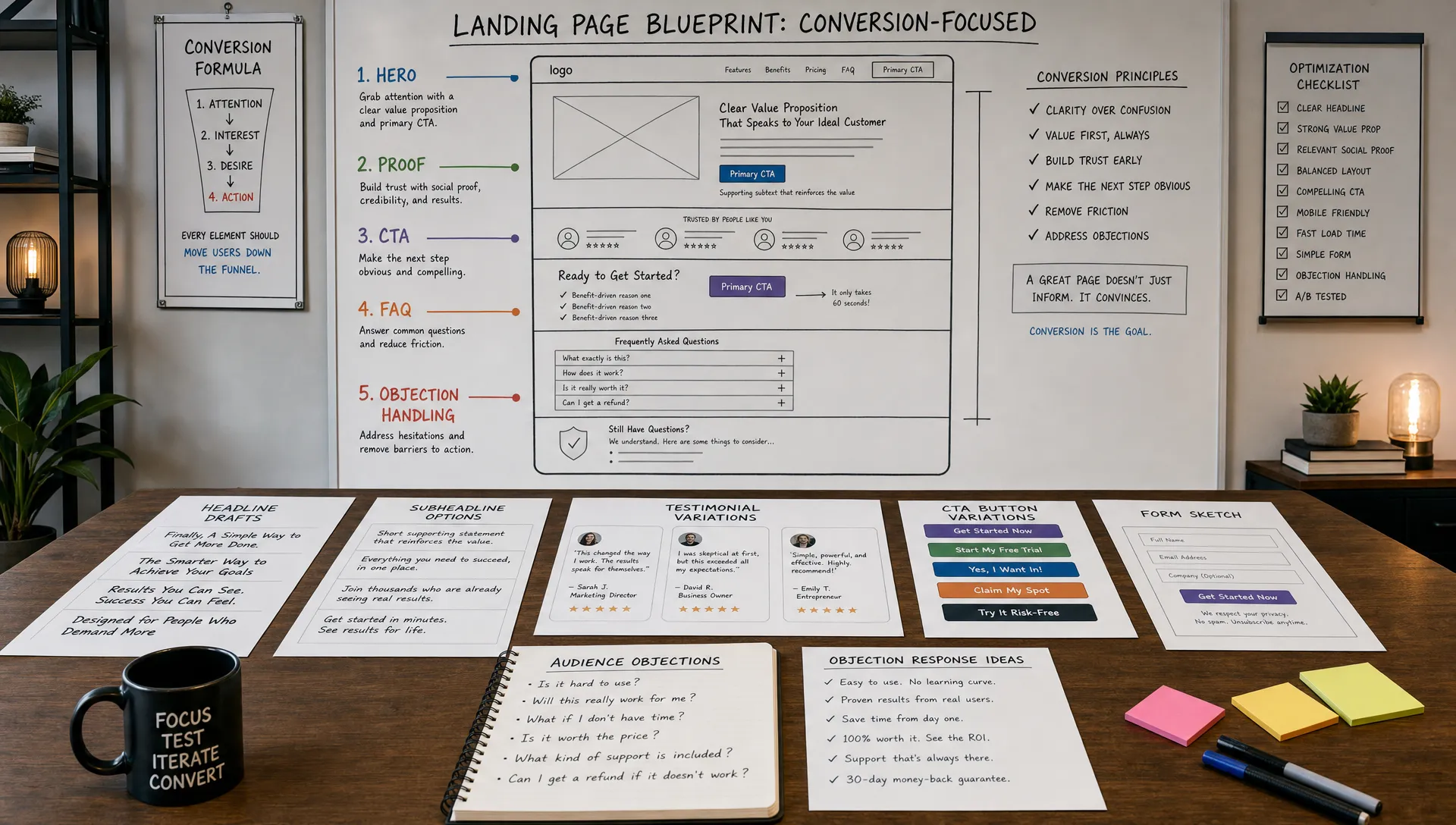
Traffic is not growth unless it moves people closer to action. One of the fastest ways to improve results is to upgrade the pages that already get attention.
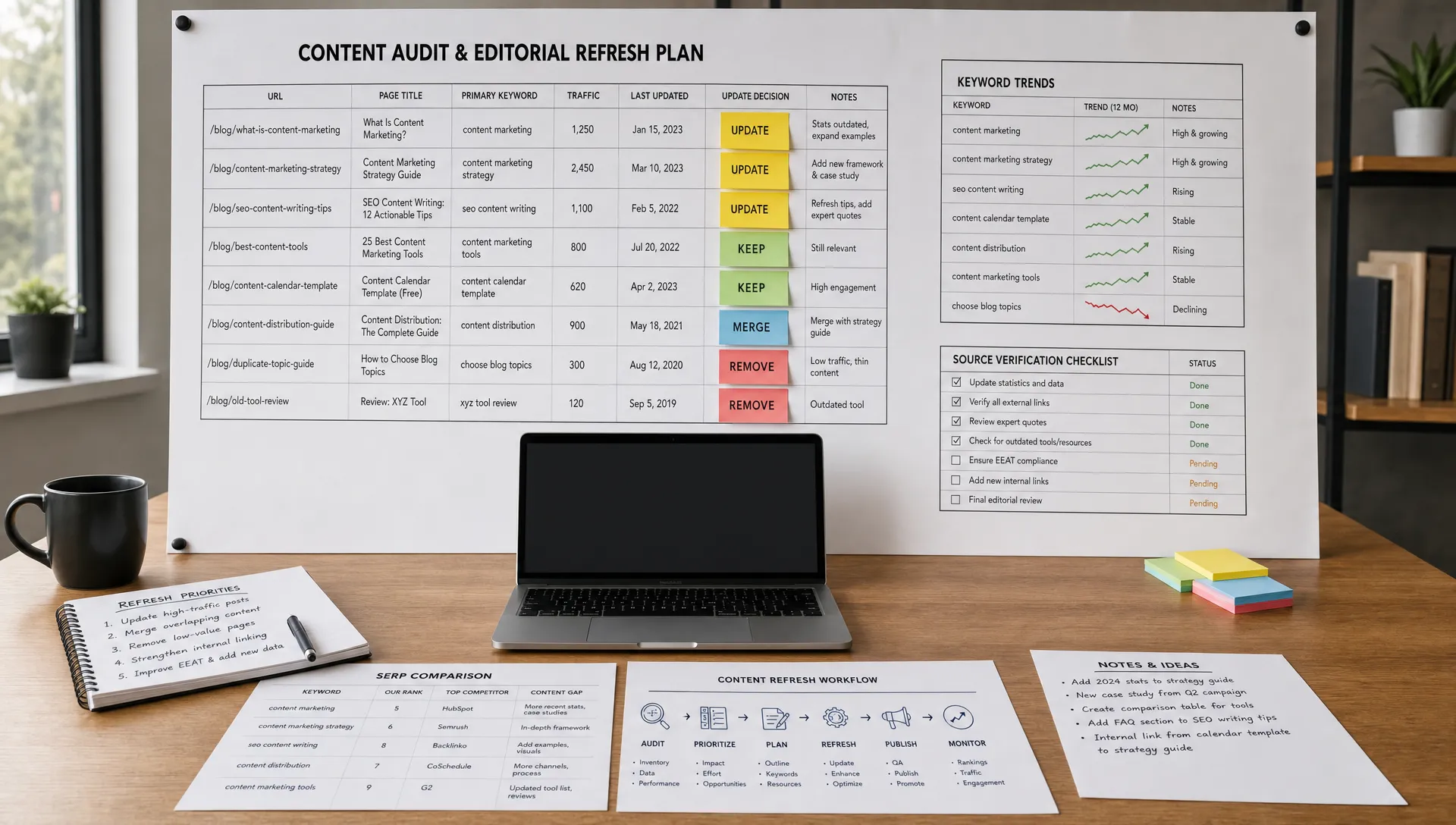
Start with your top-performing blog posts, landing pages, and resource pages. For each one, ask whether the next step is obvious, relevant, and low-friction. A reader learning about AI content generation may not be ready for a sales call, but they may be ready to download a prompt checklist, try a calculator, explore a guide, or subscribe for practical resources.
Strong conversion assets usually have a few things in common:
Small changes can have an outsized impact. Clarifying a CTA, adding a relevant content upgrade, improving page speed, or placing proof near a key claim can turn passive traffic into pipeline. Before chasing more visitors, make sure your best pages are doing their job.

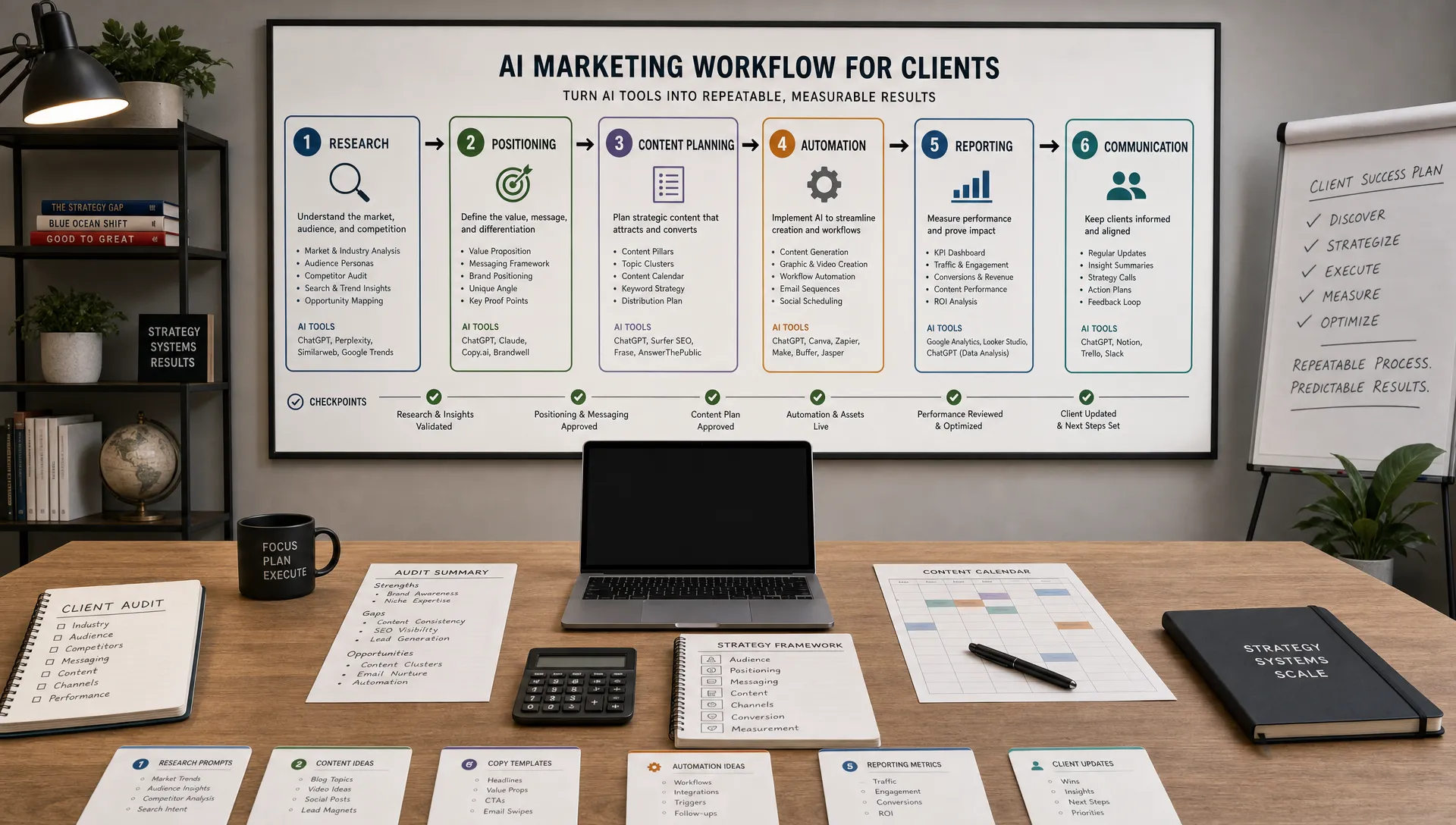
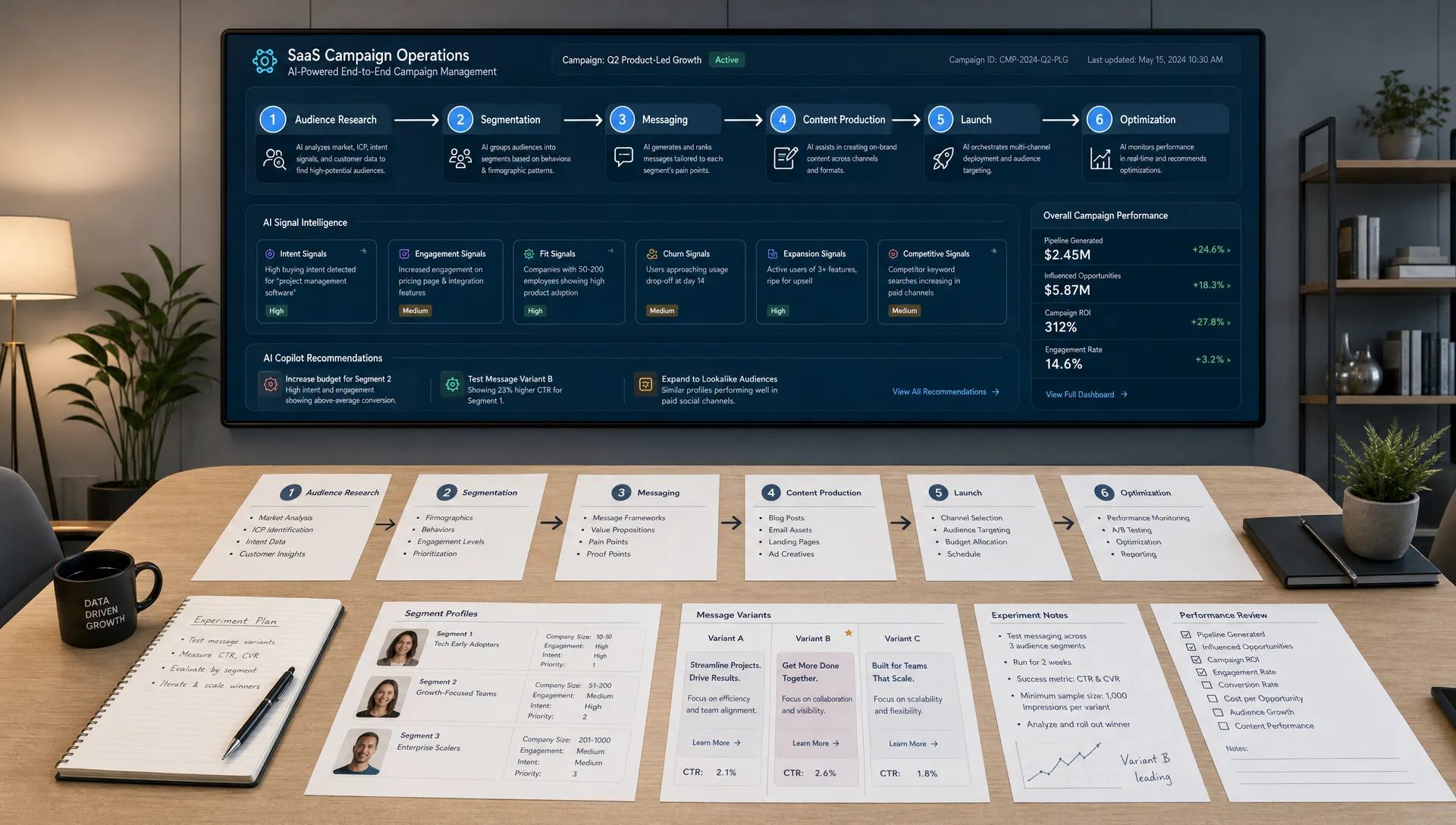
AI has become one of the most powerful accelerators in modern marketing, but only when it is used as a workflow enhancer rather than a substitute for strategy.
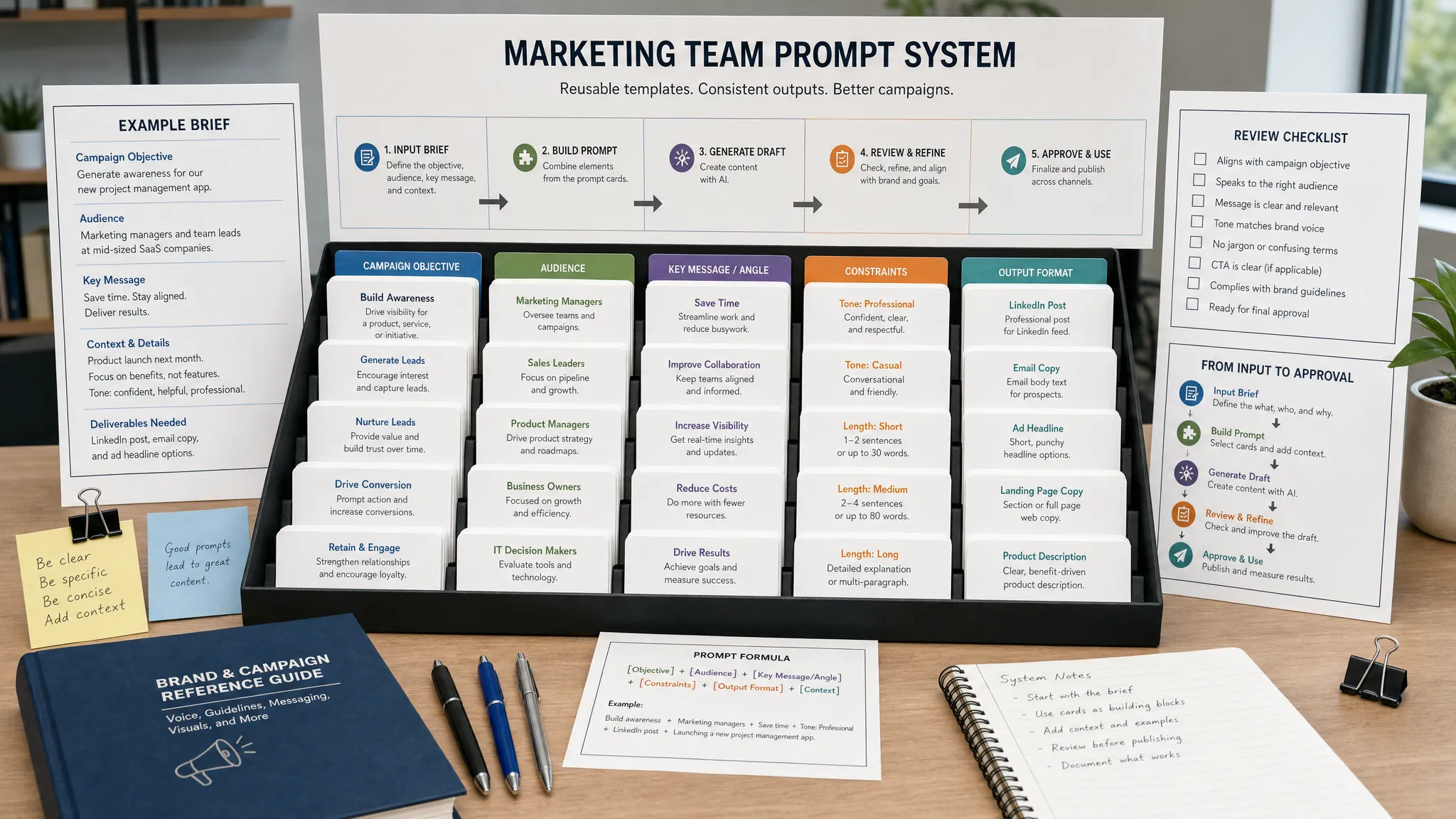
The best use cases are the ones that remove repetitive work and give marketers more time for judgment. AI can help generate content outlines, summarize customer research, create first-draft ad variations, repurpose webinars into social posts, cluster keyword ideas, and build prompt-based campaign workflows.
For faster growth, use AI in places where speed and consistency matter:
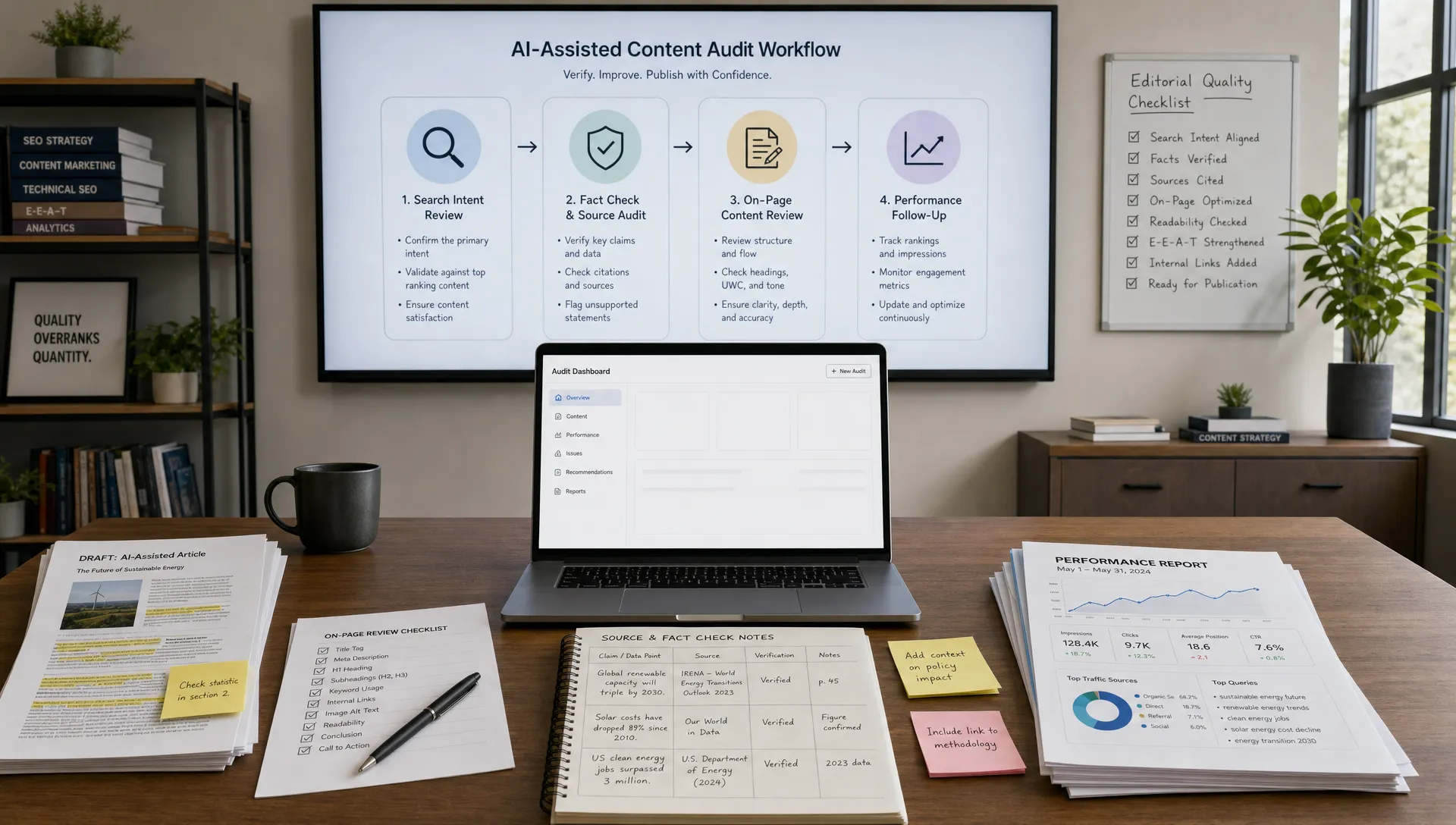
The key is to keep human review in the process. AI can produce plausible content that sounds polished but lacks nuance, original insight, or brand-specific accuracy. Marketers should verify claims, add real examples, align messaging with customer language, and make sure the content reflects the company’s actual offer.
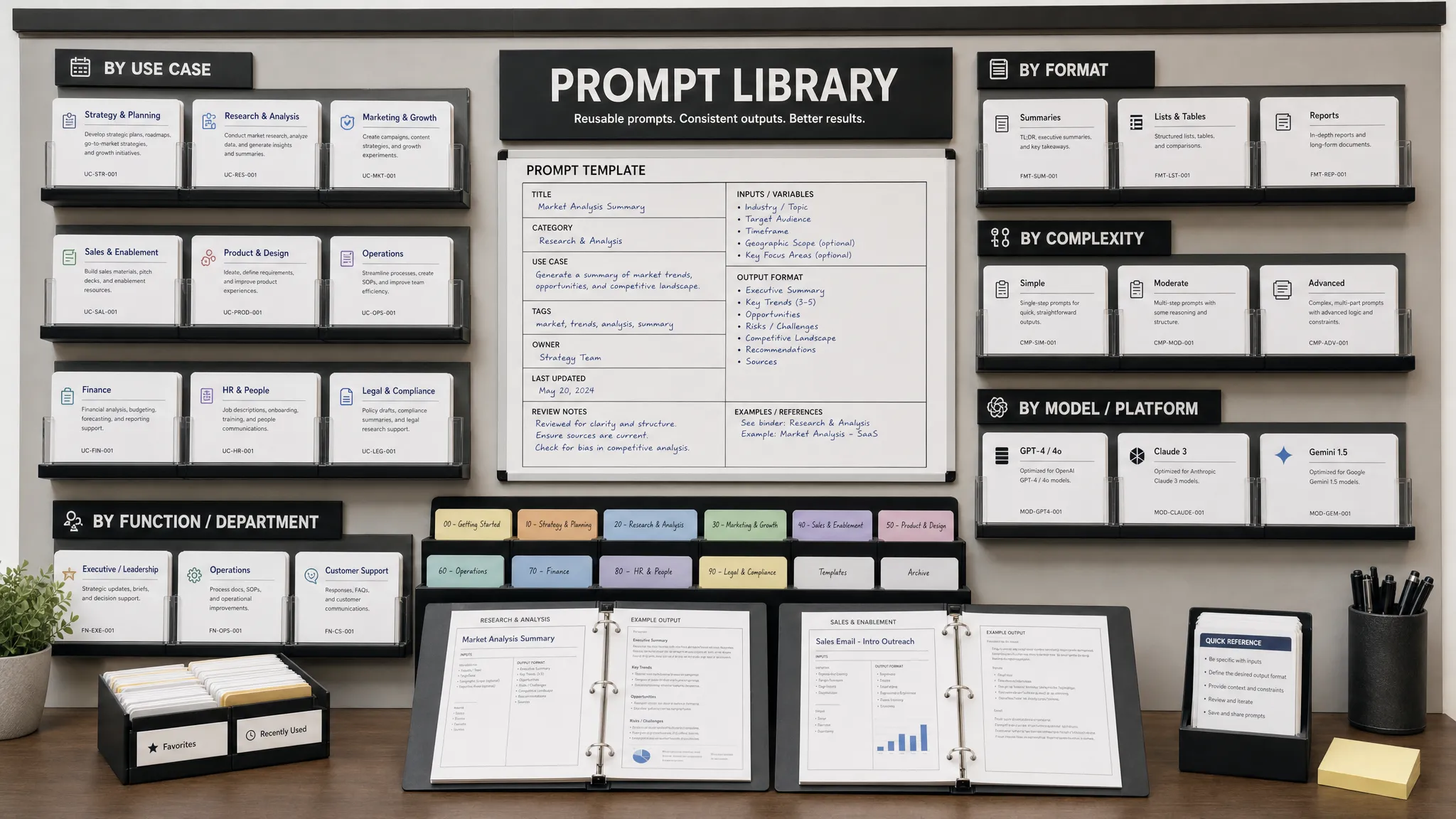
For businesses trying to move faster, tools like AIMarketer Hub’s AI content generation, prompt library, SEO resources, and industry-specific guides can help teams standardize repeatable workflows instead of starting from a blank page every time.
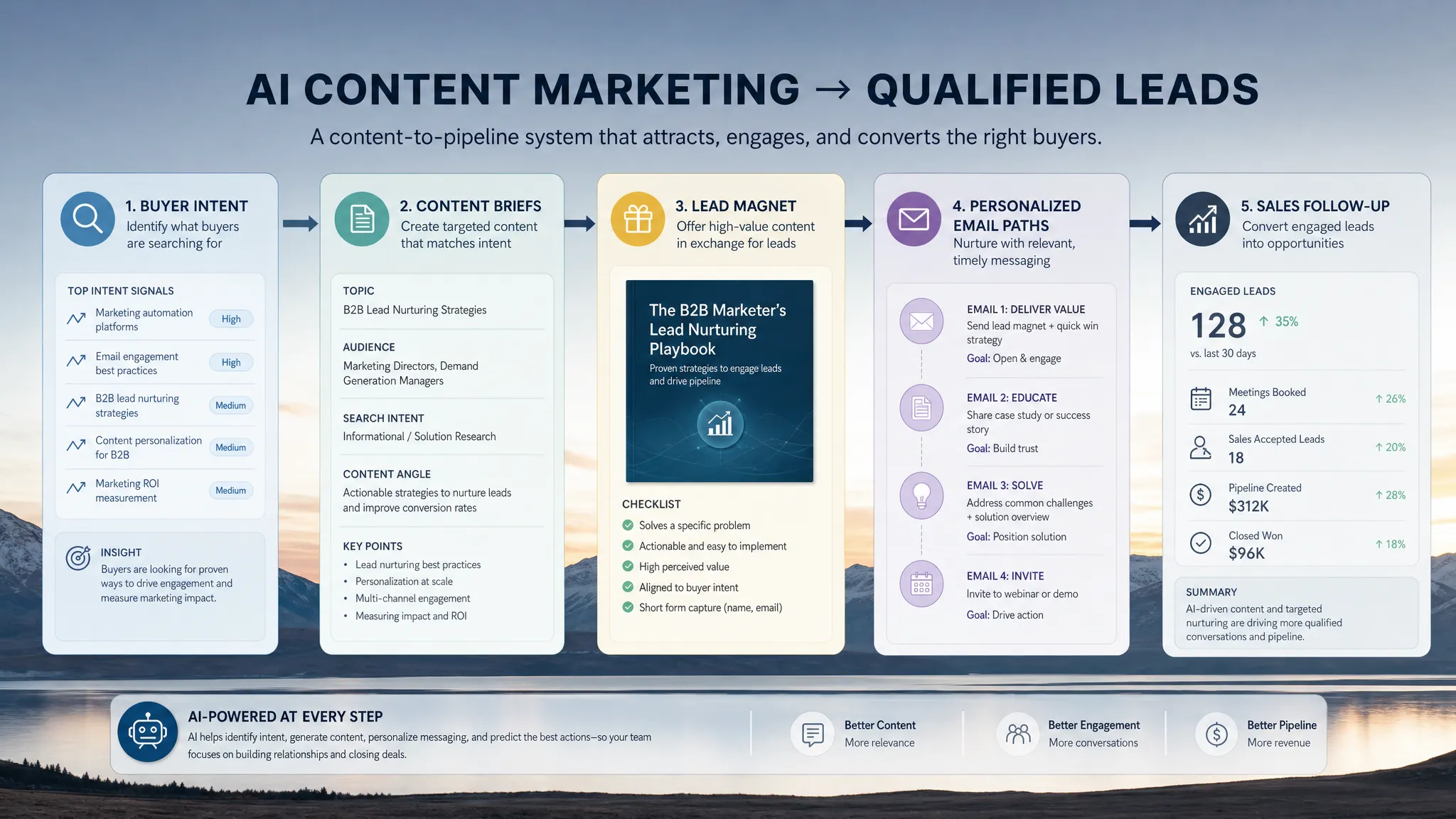
Not all leads are equal. A generic ebook download may grow your email list, but it may not tell you much about whether someone is close to buying. Faster growth comes from lead magnets that both help the user and reveal intent.
Good intent-based lead magnets solve a specific problem. A calculator can reveal budget, savings potential, or ROI expectations. A checklist can show what stage of implementation someone is in. A template can indicate that the person is actively building something. A diagnostic quiz can surface priorities and segment the audience for follow-up.
For example, a marketing team interested in AI automation may find more value in a “Campaign Prompt Pack” or “SEO Content Brief Template” than in a broad “Future of Marketing” report. The more practical the asset, the more likely it is to attract people with an active need.
Once someone converts, use the asset they chose to personalize the next step. A person who downloads a content planning template should not receive the same follow-up as someone using a performance calculator. Even simple segmentation can make email and retargeting feel more relevant.
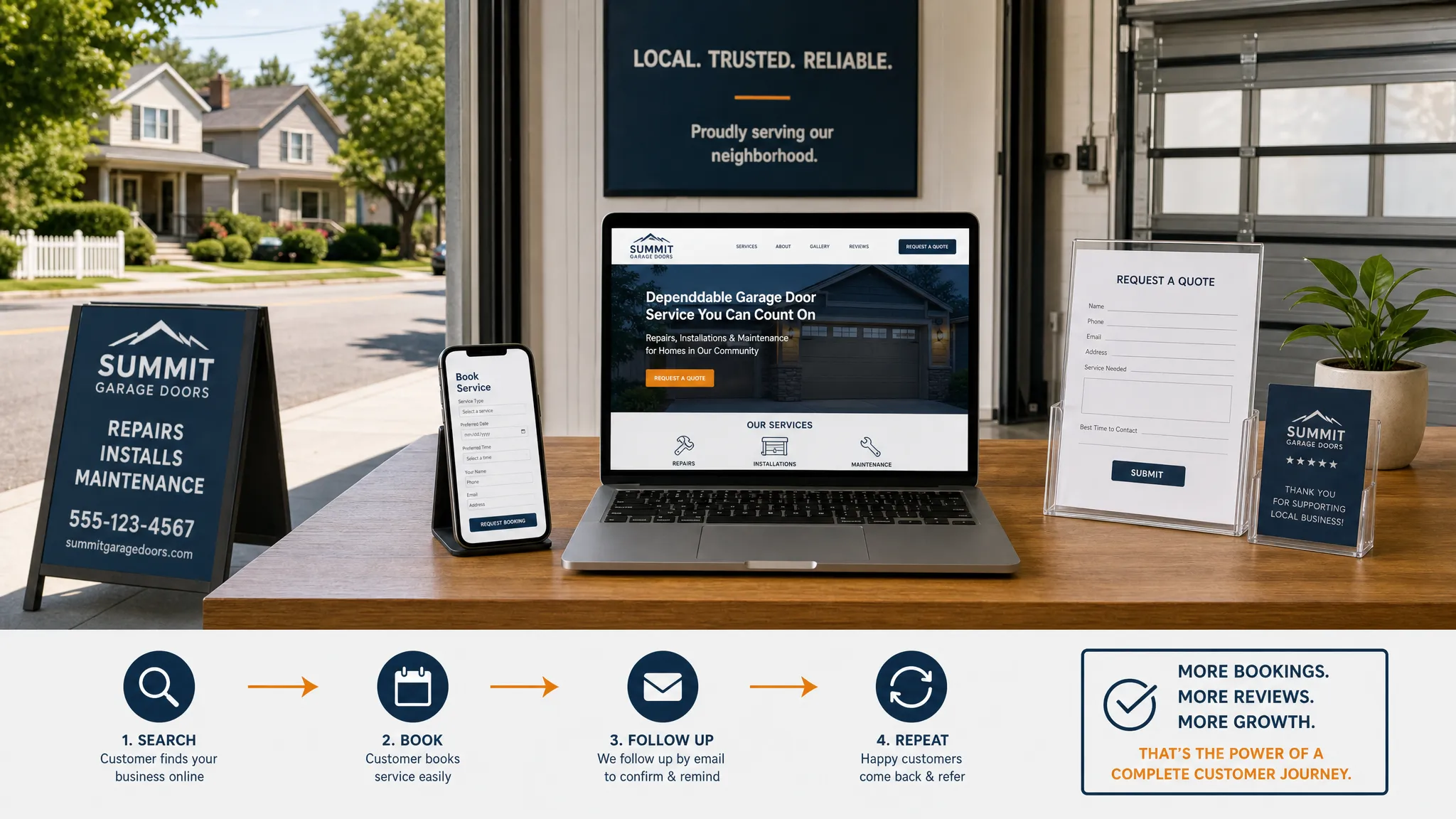
Many companies lose growth not because they lack leads, but because follow-up is slow, generic, or disconnected from the original interaction.
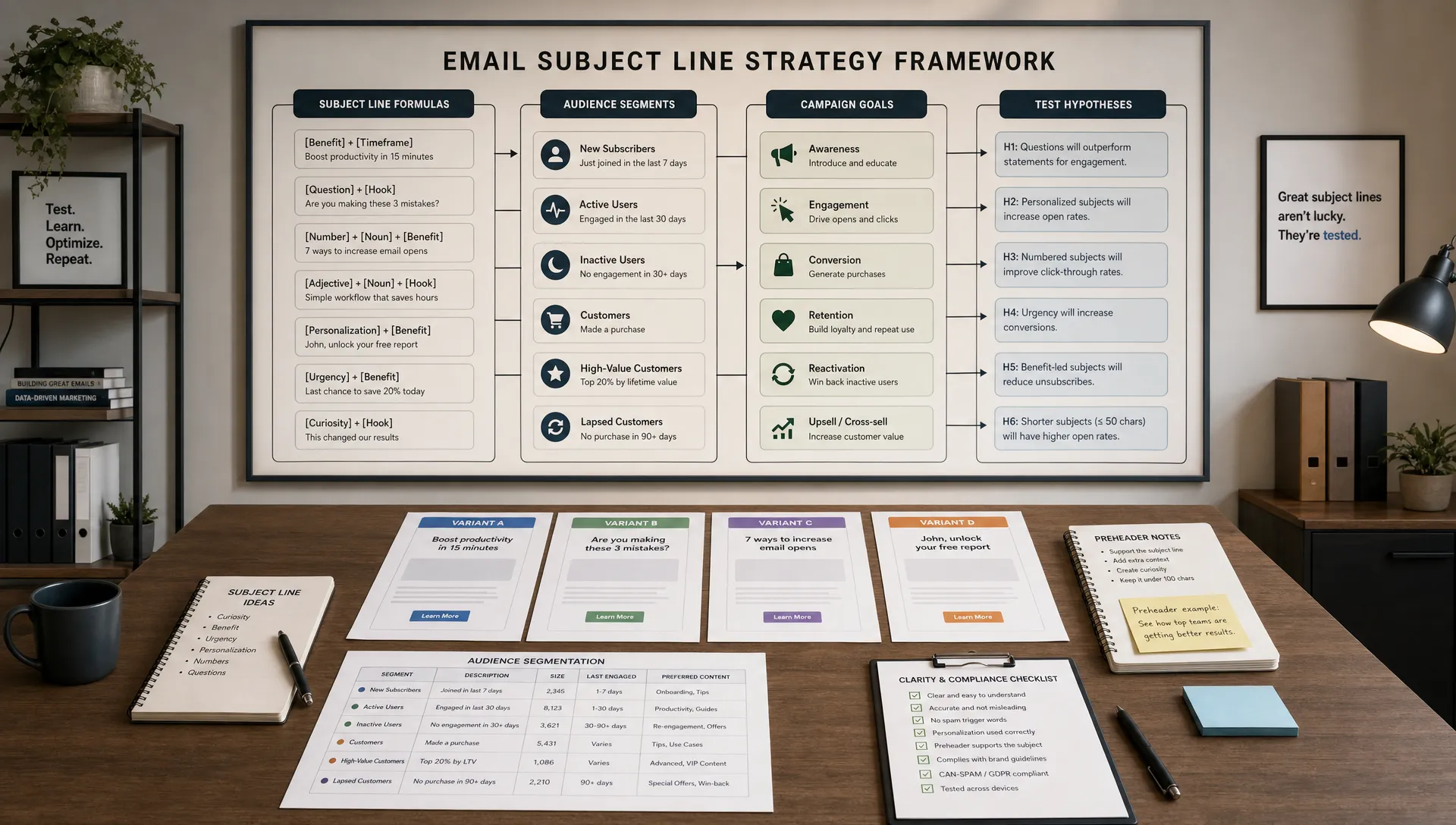
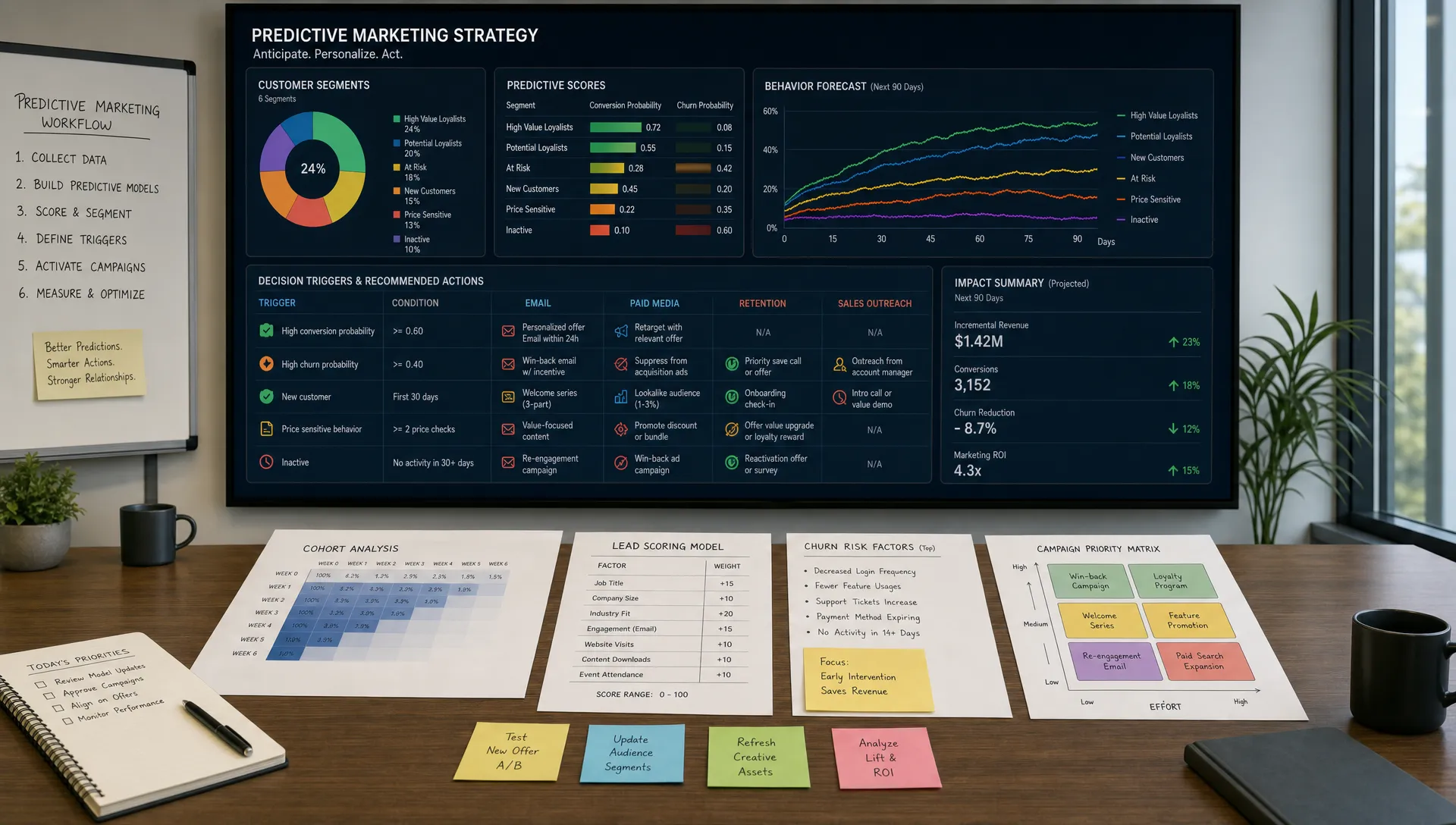
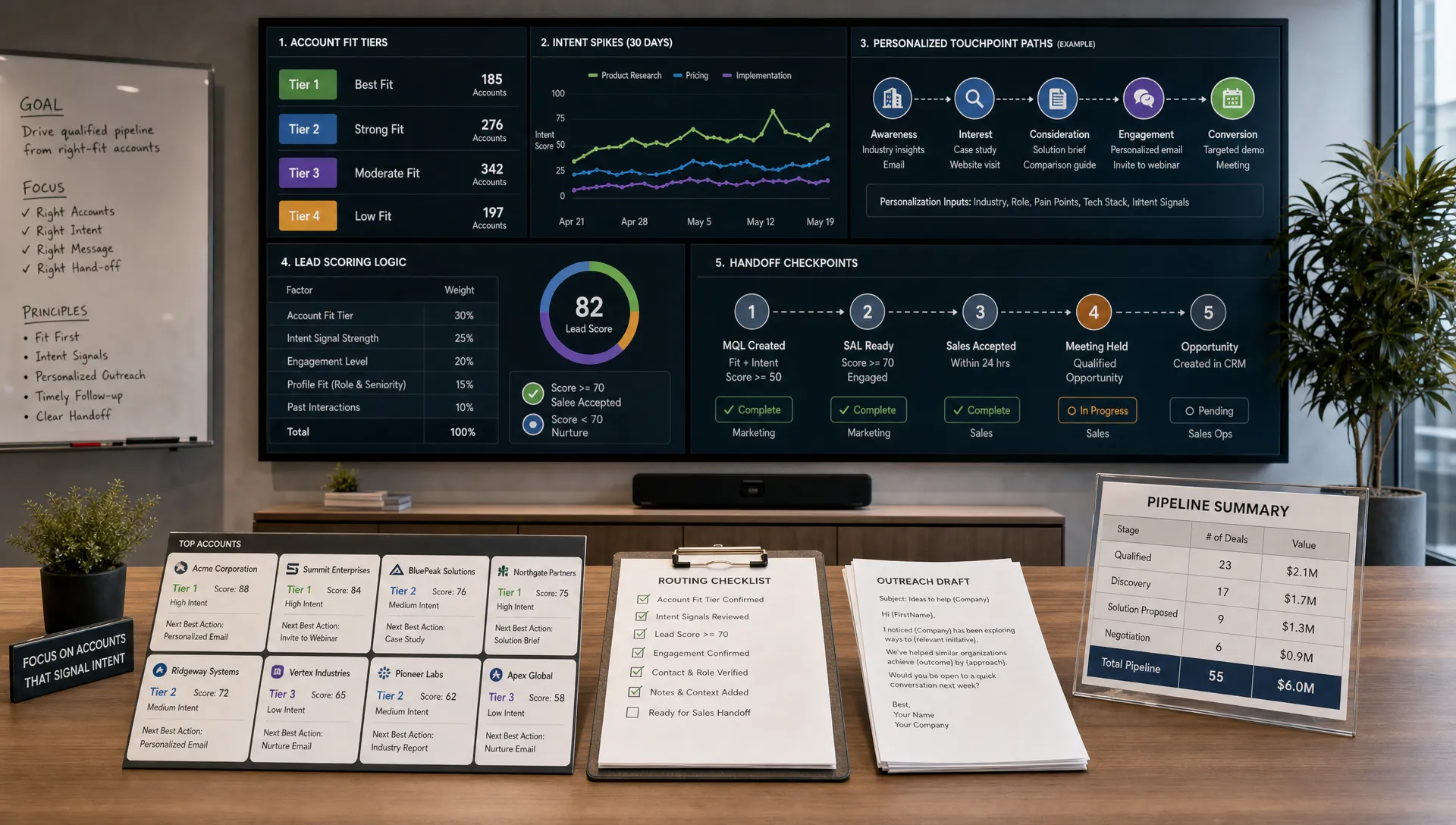
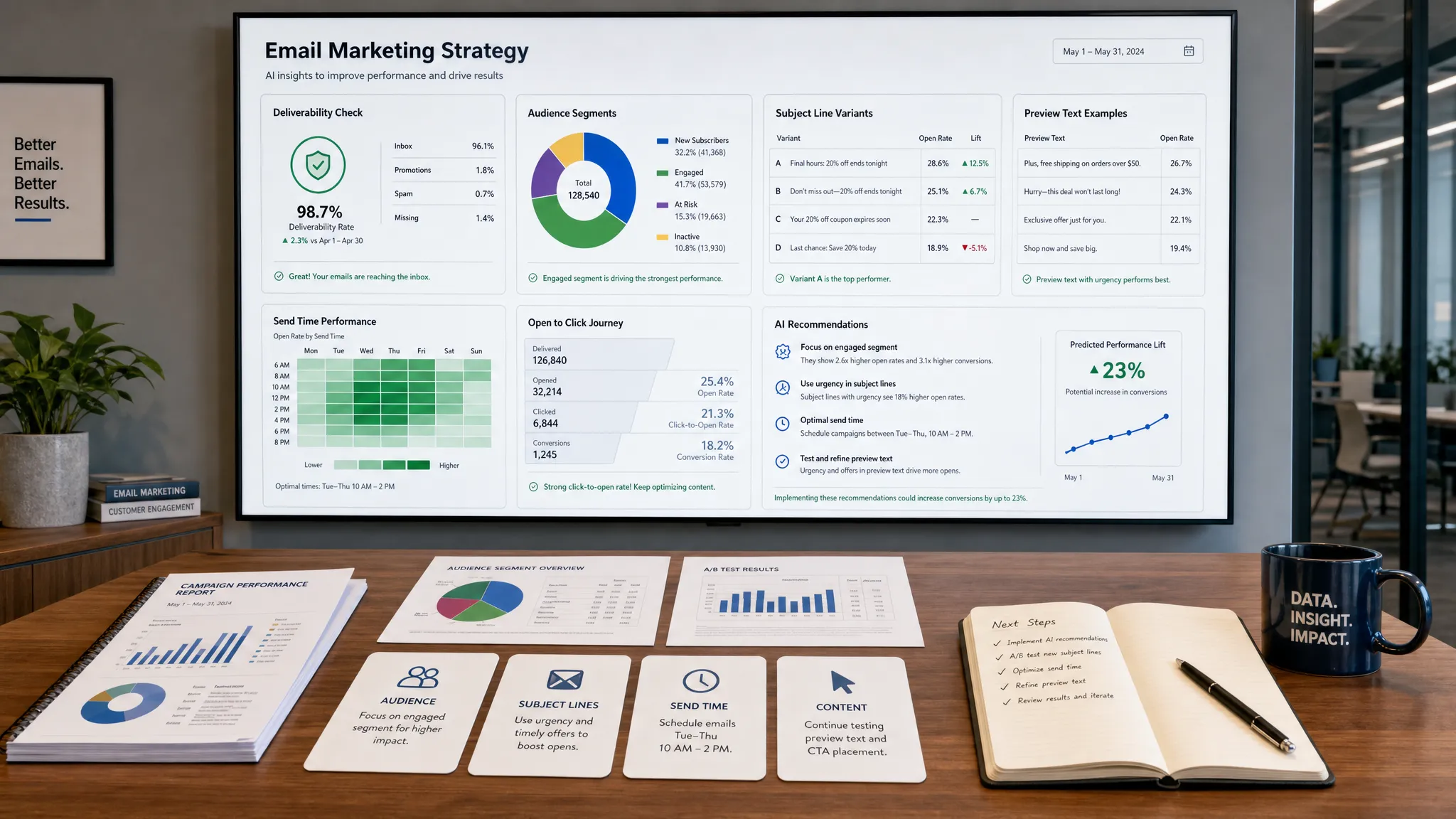
If someone downloads a resource, attends a webinar, or clicks a product-focused email, your next message should build on that behavior. This is where lifecycle automation becomes a growth lever. The goal is not to bombard subscribers. The goal is to help them take the next logical step.
A simple lifecycle system can include a welcome sequence, a resource-specific follow-up, a behavior-triggered nurture flow, and a reactivation campaign for inactive contacts. Each message should answer one question: What would be most useful for this person right now?
Personalization matters because buyers expect relevance. McKinsey has reported that companies that excel at personalization can generate significantly more revenue from those activities than slower-growing peers, as outlined in its research on the value of getting personalization right.
You do not need a complex enterprise setup to start. Segment by source, downloaded asset, industry, lifecycle stage, or key behavior. Then write follow-up content that connects the dots.
Paid advertising can speed up growth, but it can also waste budget quickly if you use it to test unclear messaging or weak offers. The smarter approach is to use paid campaigns around demand that already shows promise.
Start with what your organic data is telling you. Which pages convert? Which search terms bring qualified visitors? Which lead magnets attract engaged subscribers? Which posts or emails generate replies, demo requests, or signups?
Use paid spend to amplify those signals. High-intent search campaigns, retargeting campaigns, and narrow audience tests often outperform broad awareness campaigns because they meet prospects closer to action.
When testing paid campaigns, keep the experiment focused. Test one audience, one offer, or one message angle at a time. If every variable changes at once, you will not know what worked.
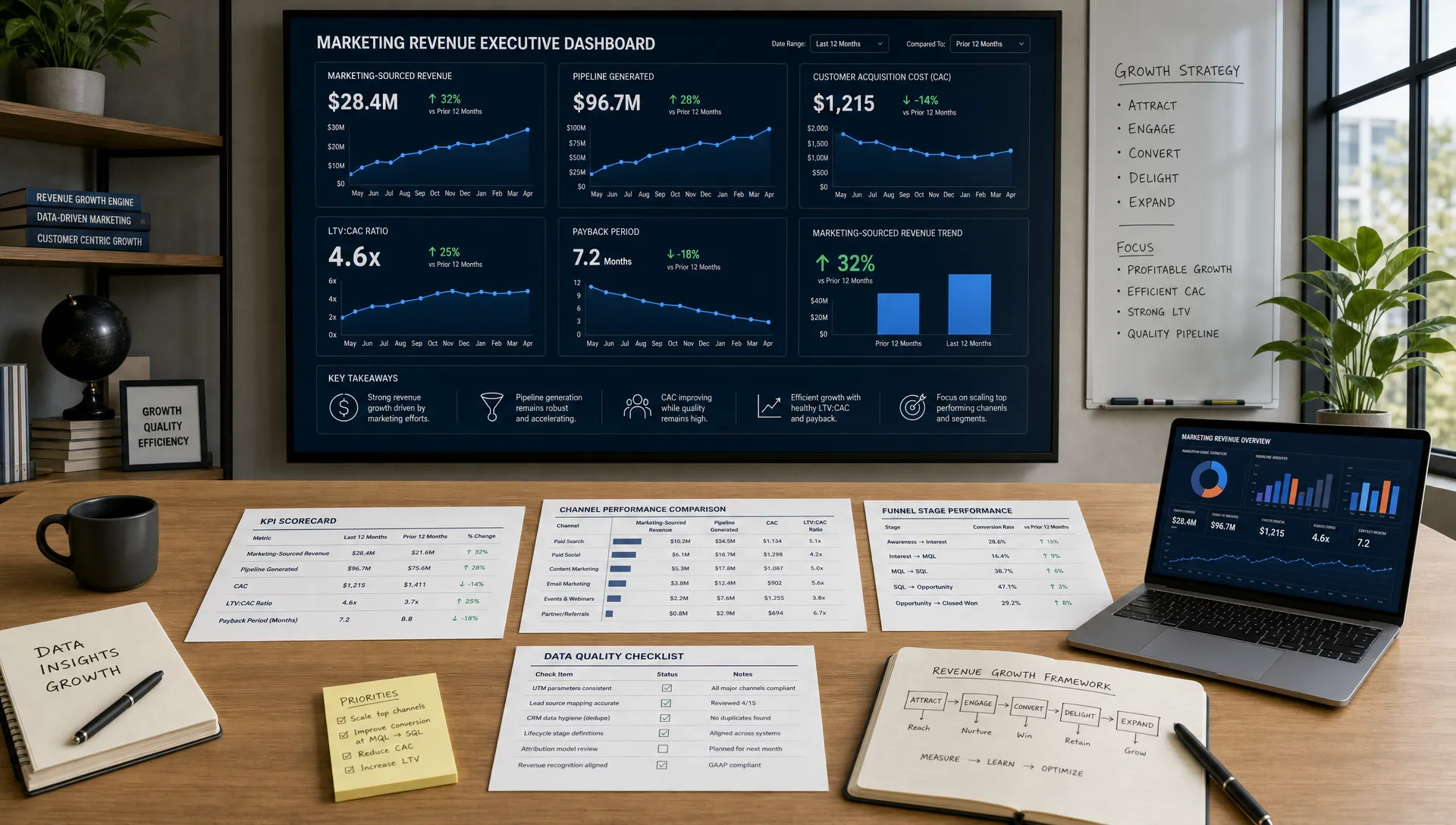
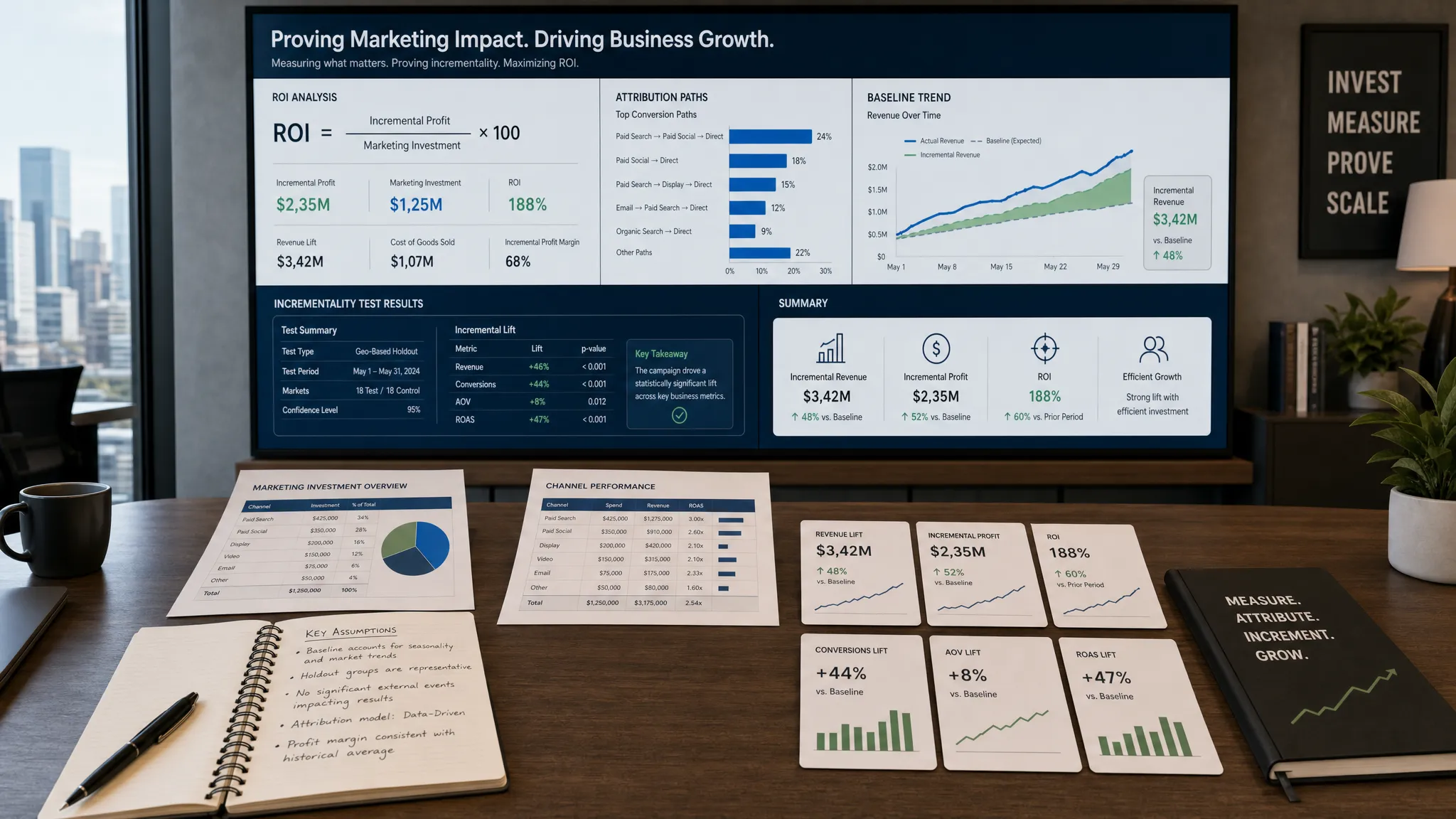
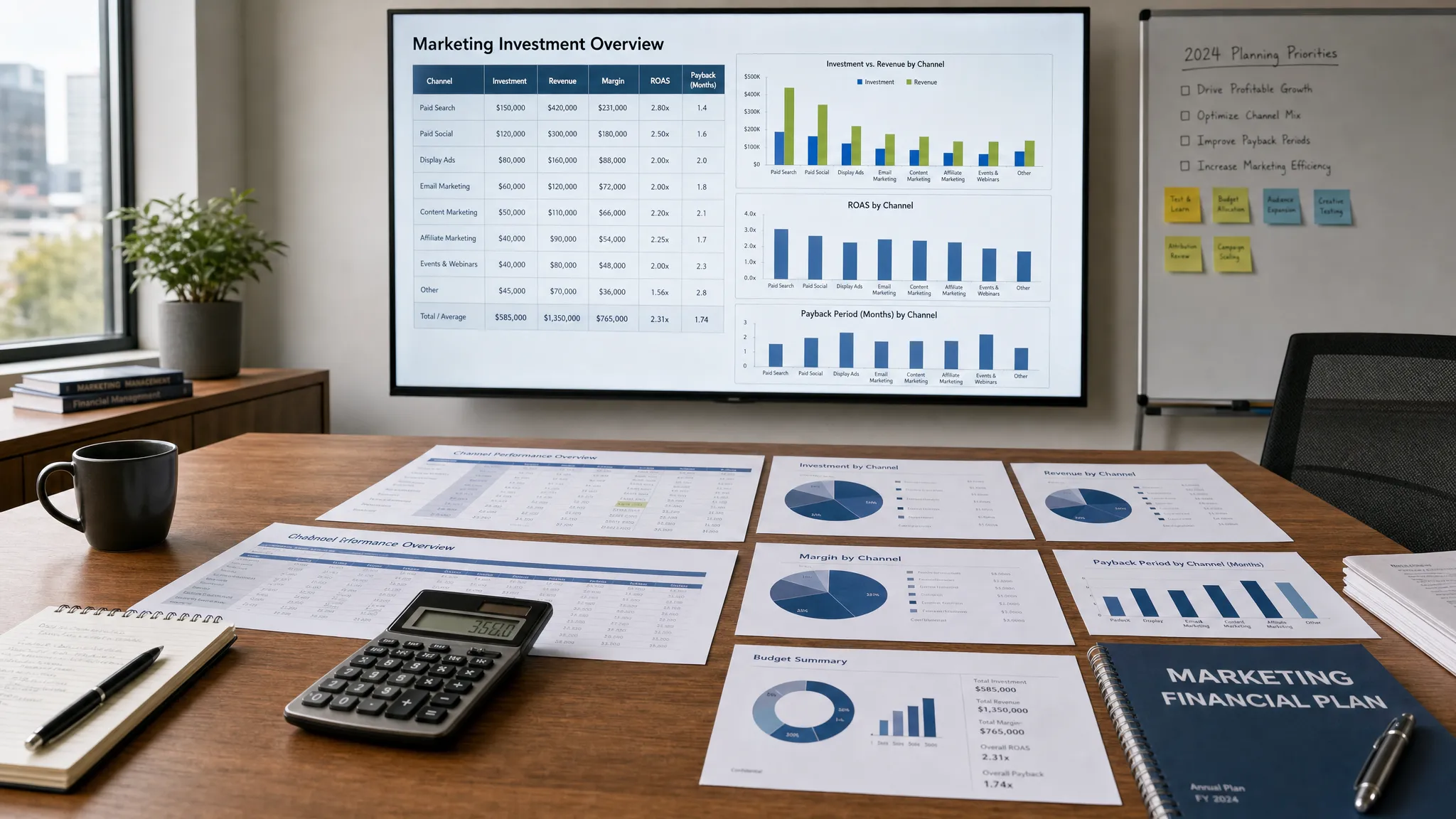
Track metrics that connect to revenue, not just attention. Click-through rate and cost per click are useful, but they do not tell the full story. Look at landing page conversion rate, cost per qualified lead, sales acceptance, pipeline created, payback period, and customer quality.
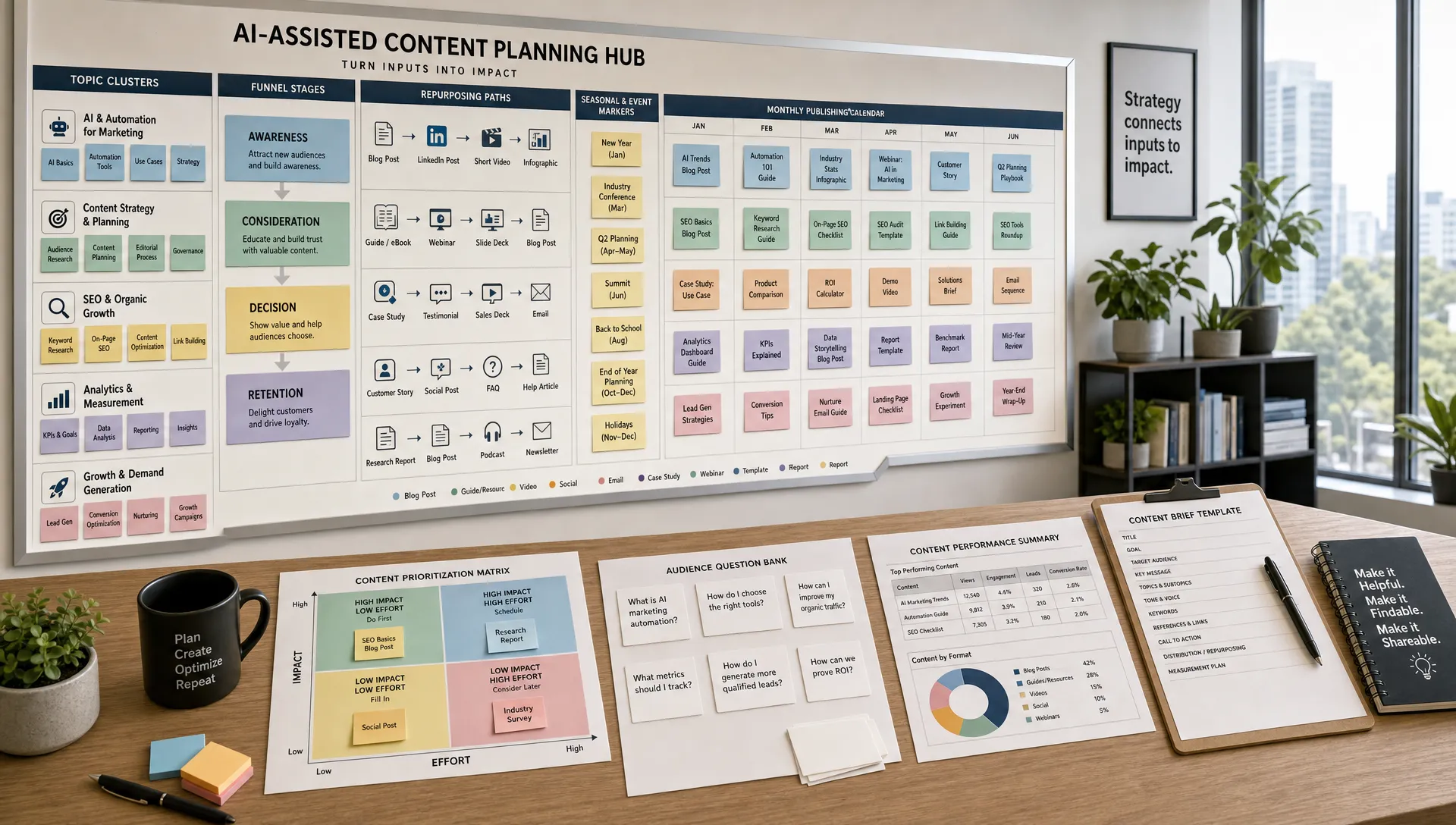
One of the most overlooked marketing tactics is systematic repurposing. Many teams spend days creating a strong article, webinar, report, or guide, then share it once and move on. That leaves value on the table.
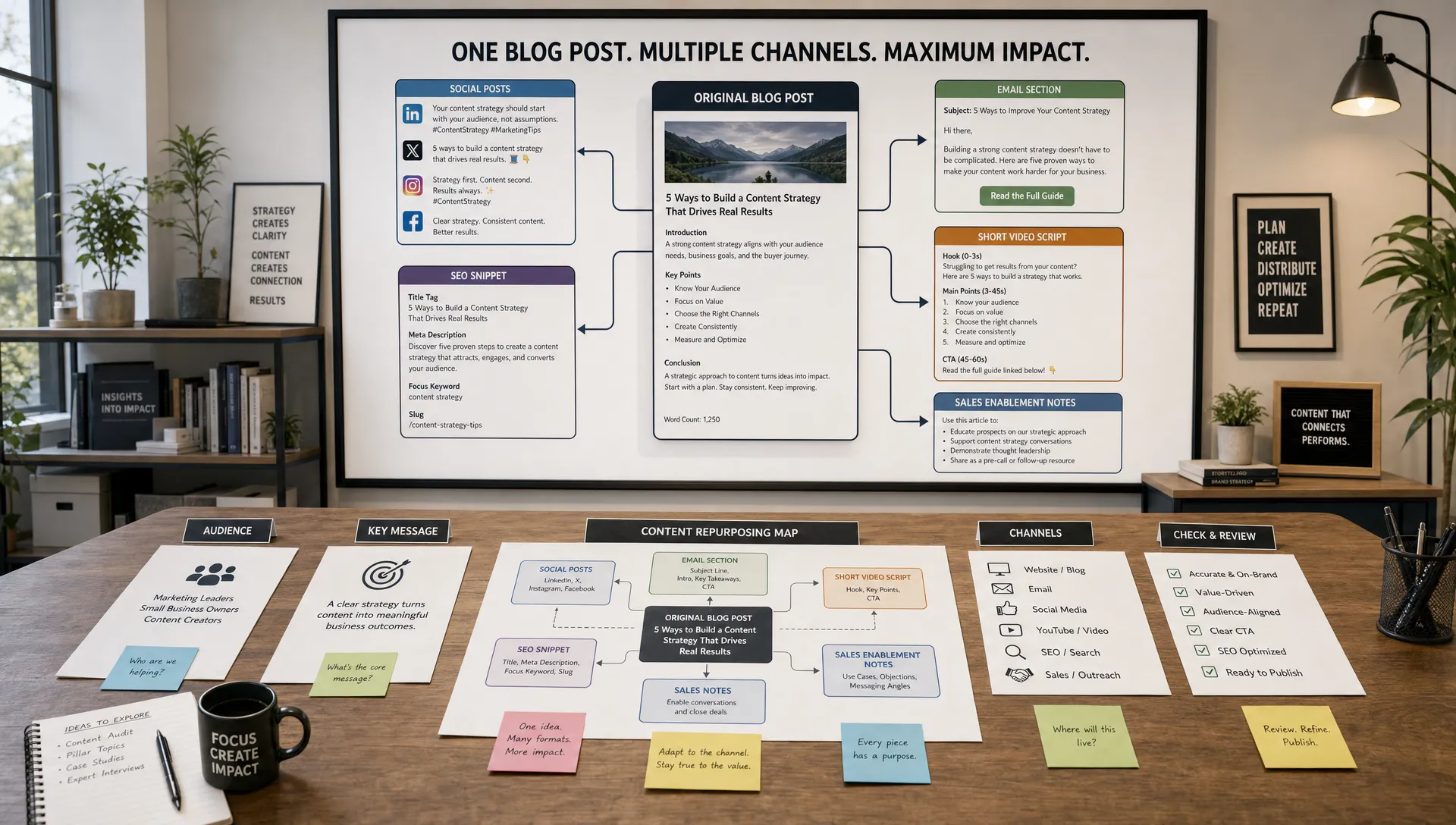
A single useful asset can become several distribution pieces. A long-form guide can turn into newsletter sections, LinkedIn posts, short scripts, carousel copy, sales enablement snippets, internal training notes, and retargeting ad copy. The point is not to copy and paste the same message everywhere. The point is to adapt one core idea to fit each channel.
A good distribution workflow starts before the content is published. Decide which audience each channel serves, what angle will be most relevant there, and what action you want people to take.
For example, a blog article about AI-powered marketing tactics could be repurposed into:
This approach helps you get more reach from every idea while maintaining consistency across channels.
Growth accelerates when prospects believe you. That belief rarely comes from claims alone. It comes from proof.
Proof can take many forms: customer stories, testimonials, data points, expert quotes, screenshots, before-and-after examples, integrations, partner mentions, or transparent explanations of how your process works. The best proof appears close to the claim it supports.
If your landing page says your tool saves time, show how. If your guide says a tactic improves conversion, explain when it works and when it does not. If your resource is built for a specific industry, include examples from that industry.
Partnerships can also create faster credibility. Co-marketing with complementary brands, appearing in expert roundups, joining niche newsletters, or building resource exchanges can place your brand in front of audiences that already trust someone else.
For B2B and professional services especially, credibility is often the difference between “interesting” and “let’s talk.”
Many marketers focus heavily on acquisition, but faster growth also comes from keeping more of the customers you already earned. This is especially important for SaaS, subscription businesses, service providers, and any company with repeat purchase potential.
Retention begins immediately after conversion. The first email, first login, first consultation, first report, or first deliverable shapes the customer’s perception of value. If that moment is confusing, slow, or generic, the relationship weakens.
Look for ways to help new customers reach value faster. That might include onboarding emails, getting-started guides, product education, milestone reminders, usage prompts, or proactive support content.
Retention marketing can also support expansion. If customers use one feature, service, or resource successfully, educate them on the next relevant opportunity. This should feel helpful, not pushy. The best retention campaigns are rooted in customer success.
Fast growth is not just about choosing better tactics. It is about learning faster than competitors.
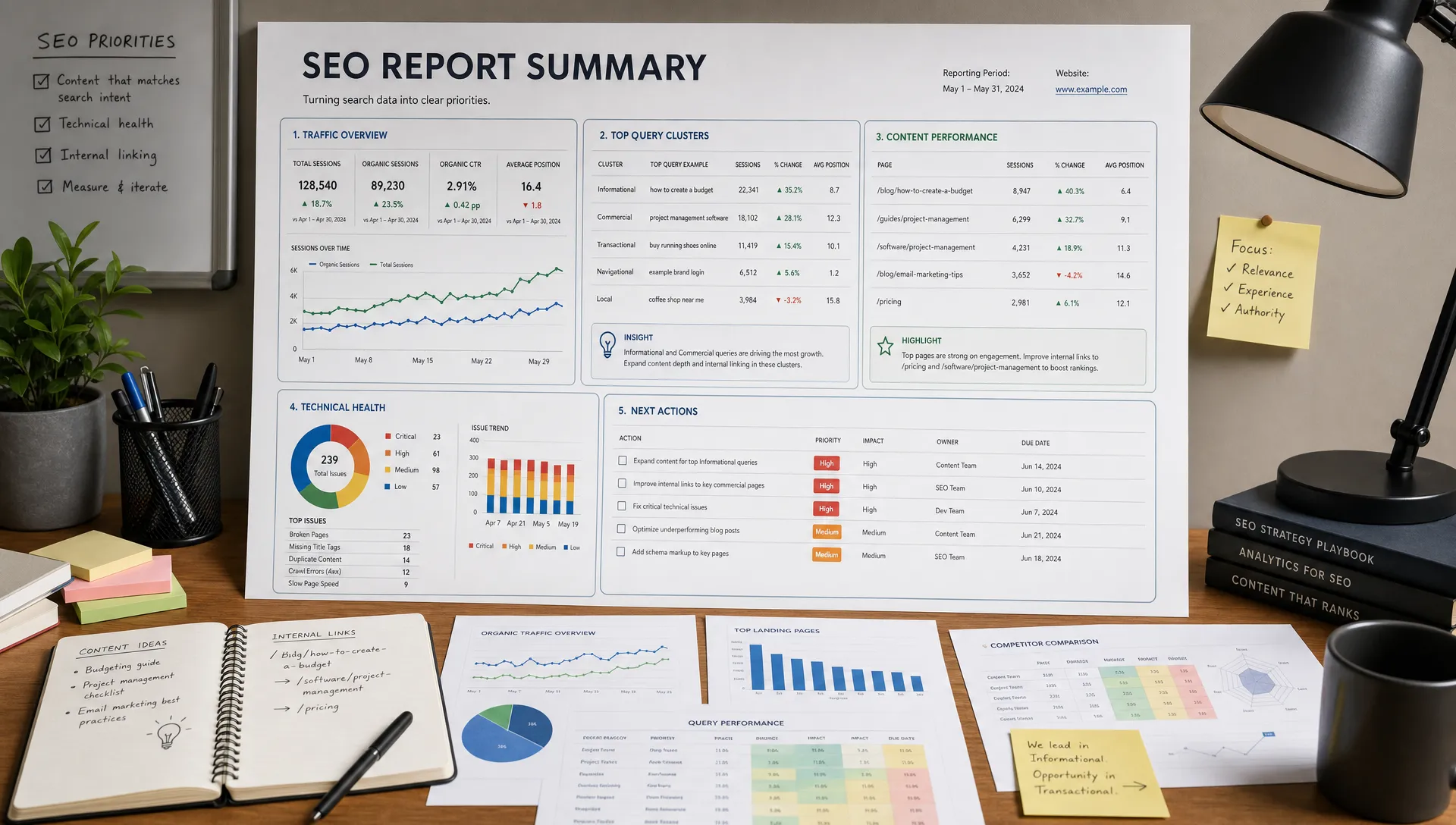
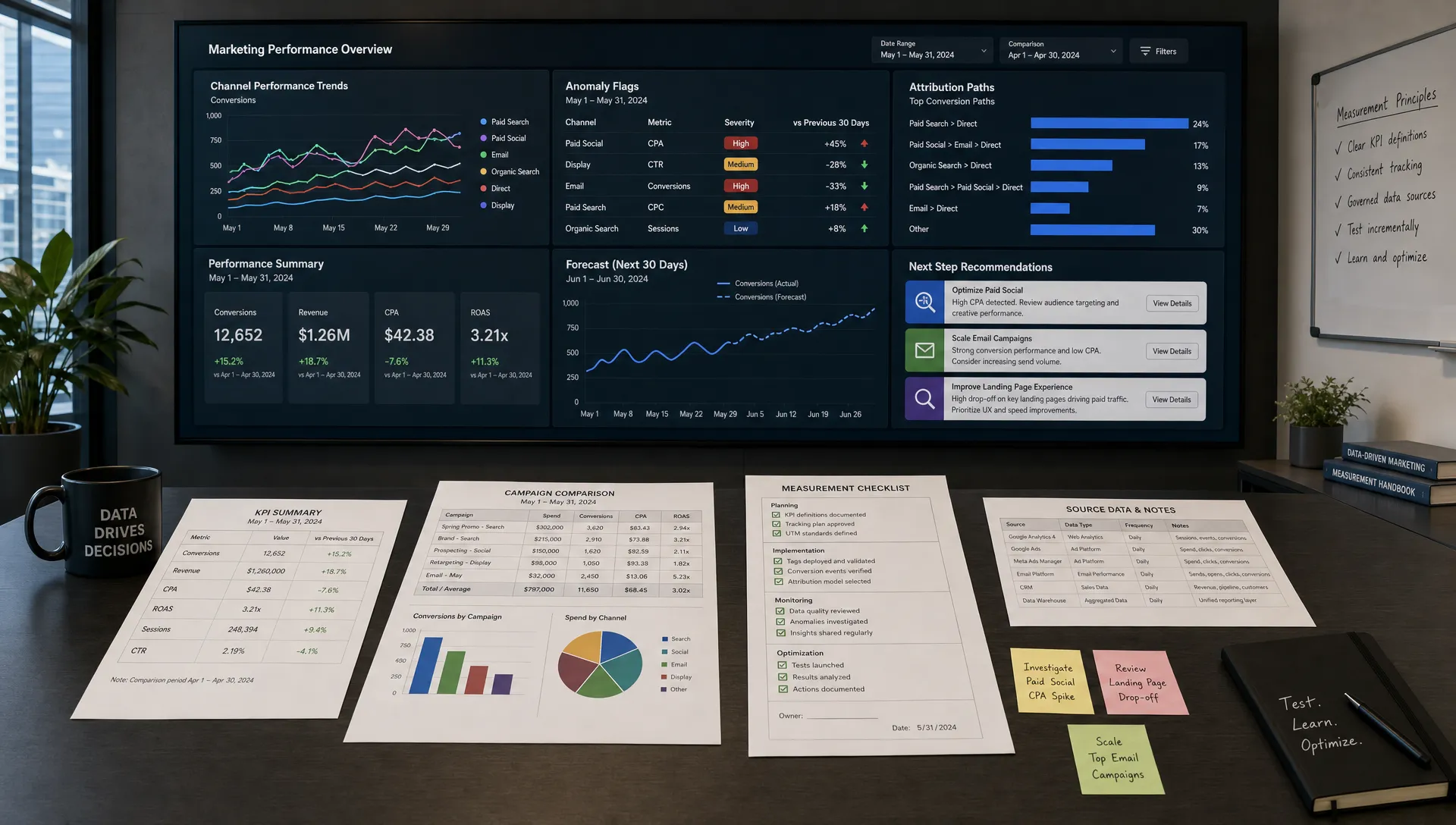
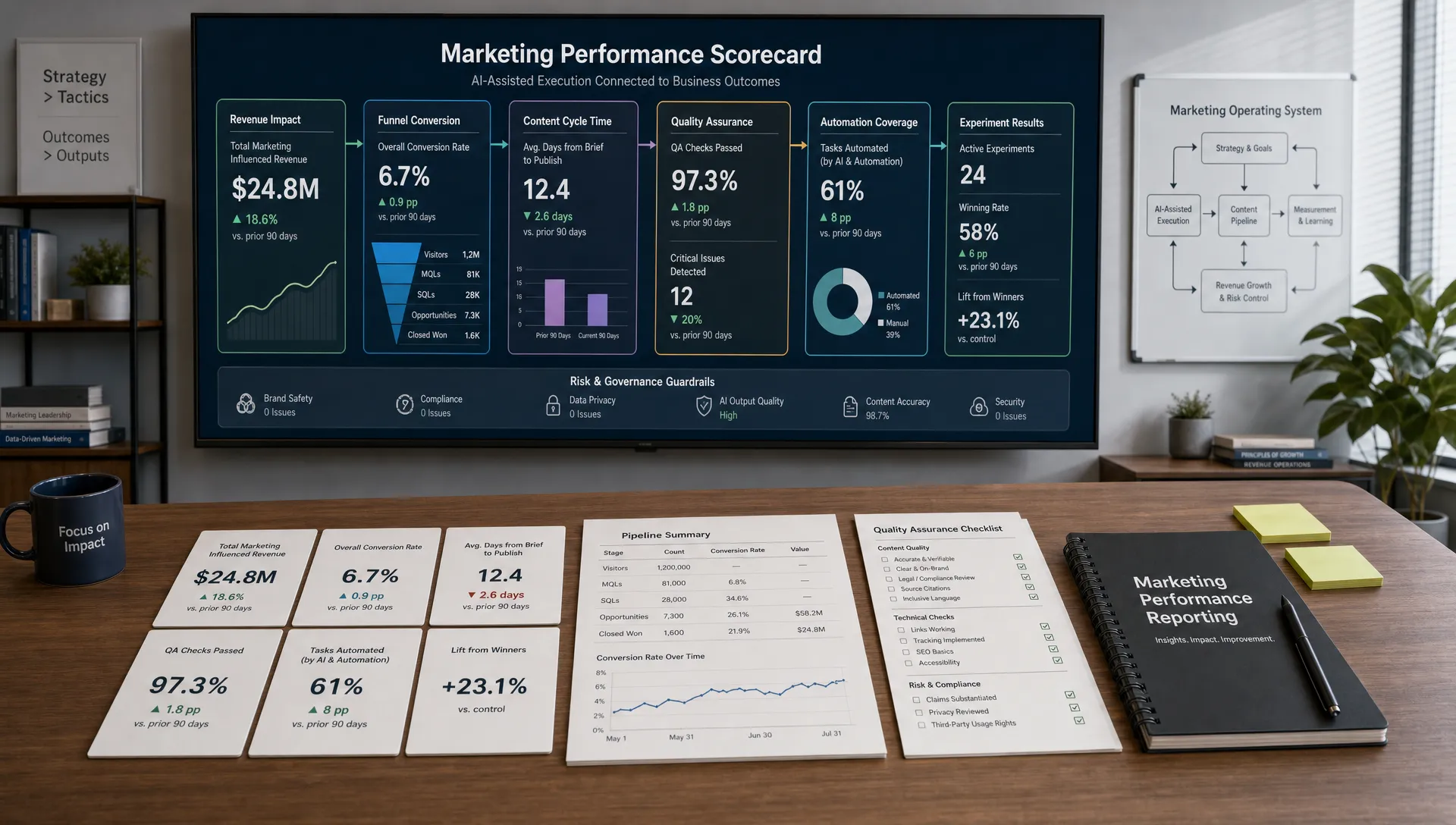
Set a weekly review rhythm focused on a small number of meaningful metrics. Avoid dashboards with dozens of numbers that no one acts on. Instead, review the metrics connected to your current bottleneck.
For many teams, a useful weekly review includes:
Then ask three questions. What worked? What did we learn? What will we change next week?
This simple cadence turns marketing from a collection of campaigns into a learning system. Over time, the compounding effect is significant. You stop guessing, reduce wasted effort, and double down on the tactics that actually move the business.
If you want faster growth, avoid trying to launch everything at once. Use the next 30 days to create momentum in a focused way.
Week 1: Audit the funnel. Identify your main bottleneck and review your top pages, offers, email flows, and traffic sources. Choose one primary growth metric to improve.
Week 2: Upgrade conversion points. Improve CTAs, add relevant lead magnets, strengthen proof, and connect your best content to practical next steps.
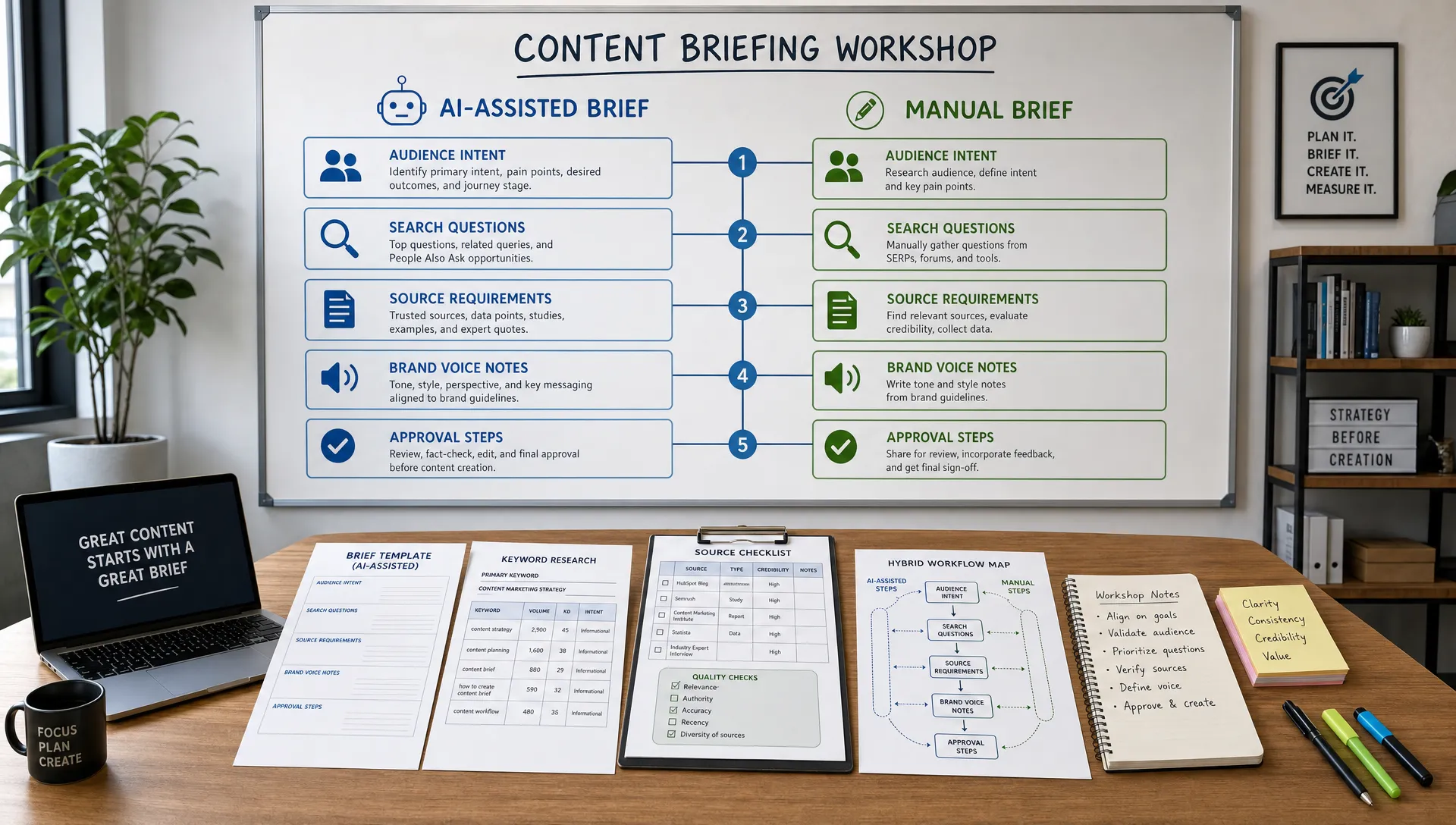
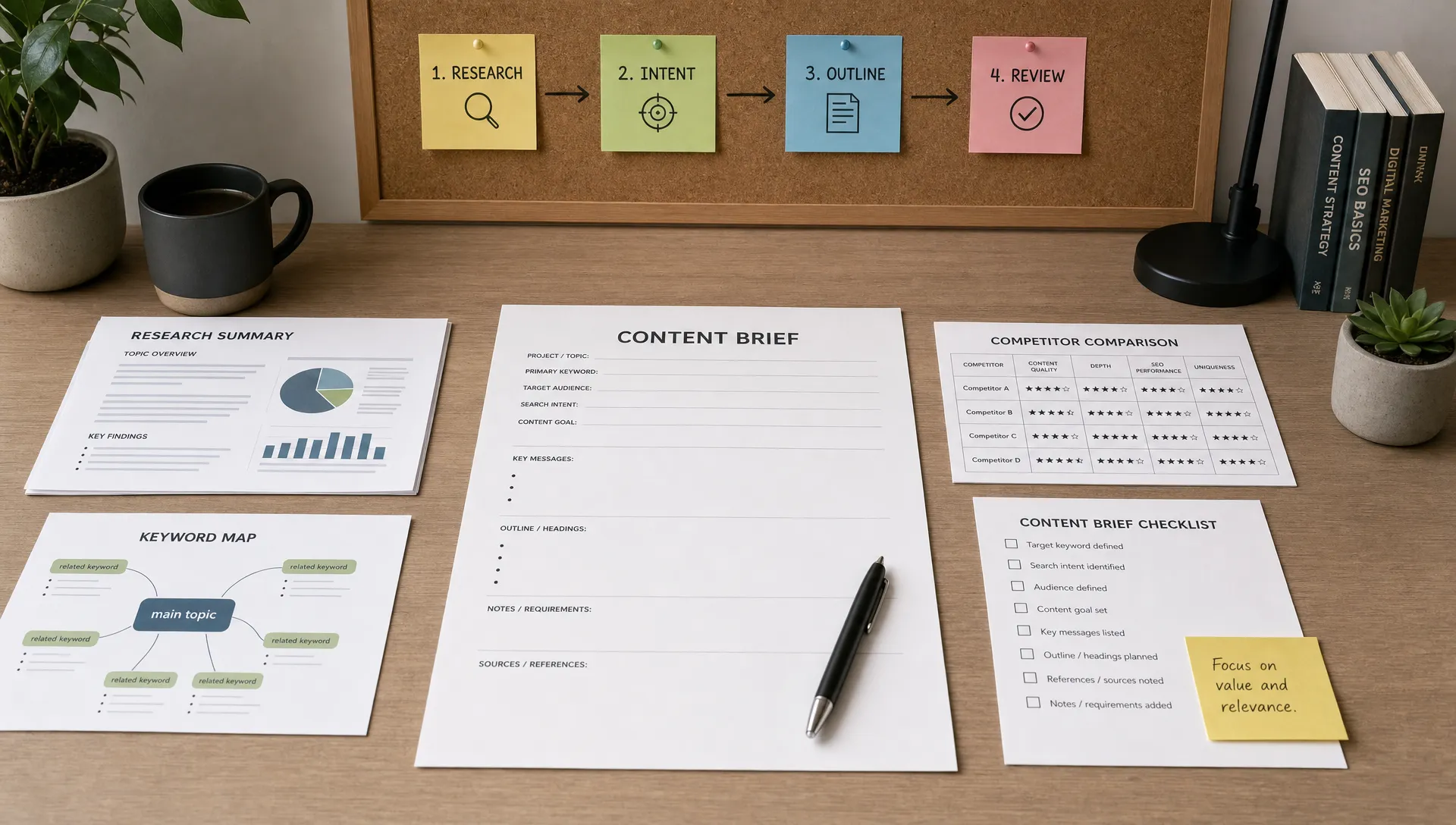
Week 3: Build AI-assisted workflows. Use AI to speed up research, outlines, campaign variations, SEO briefs, and content repurposing. Keep human review in place for accuracy and brand fit.
Week 4: Test and measure. Launch one paid or organic experiment, review early performance, and decide what to scale, revise, or stop.
This plan is intentionally simple. Faster growth usually comes from focused execution, not a bigger list of ideas.
What are marketing tactics? Marketing tactics are the specific actions used to execute a marketing strategy, such as SEO content, email automation, paid ads, lead magnets, referral campaigns, conversion testing, and social distribution.
Which marketing tactics deliver the fastest growth? The fastest tactics are usually the ones closest to existing demand, such as improving high-traffic pages, targeting high-intent search terms, retargeting warm audiences, automating lead follow-up, and improving onboarding.
How can AI improve marketing tactics? AI can speed up research, content drafting, keyword clustering, prompt creation, campaign variation testing, and performance analysis. The best results come when AI supports human strategy and quality control.
Should small businesses focus on organic or paid marketing first? It depends on the bottleneck. Organic marketing builds compounding visibility, while paid marketing can validate offers and messaging faster. Many small businesses benefit from using organic content to identify demand, then using paid campaigns to amplify what already works.
How often should marketing tactics be reviewed? Review performance weekly, but avoid changing strategy too quickly. Give campaigns enough time to generate useful data, then adjust based on conversion quality, revenue impact, and customer behavior.
The best marketing tactics do more than create short-term spikes. They help you build a repeatable system for attracting, converting, and retaining better customers.
AIMarketer Hub helps marketers and businesses move faster with AI content generation, a prompt library for marketers, SEO tools, performance analytics, calculators, industry-specific guides, and curated resources. Explore AIMarketer Hub to start building smarter workflows for your next stage of growth.