A strong market opportunity rarely comes from a lucky brainstorm. It usually appears when you study an industry closely enough to see where customer needs, competitive gaps, channel shifts, and timing all overlap.
That is the real value of industry analysis. It helps marketers and business leaders move beyond vague ideas like entering a growing market and toward specific, testable opportunities, such as serving an underserved buyer segment, repositioning against outdated competitors, launching content around rising demand, or building a new offer before the category becomes crowded.
In 2026, this matters even more. Buyers discover brands through search engines, social platforms, marketplaces, AI assistants, newsletters, communities, and peer recommendations. Industry analysis is no longer just a strategic planning exercise. It is a practical way to decide where to compete, what to say, which channels to prioritize, and how to validate demand before investing too much budget.
Industry analysis is the process of evaluating the forces that shape a market. That includes customer demand, competitors, pricing, suppliers, regulations, technology shifts, distribution channels, and economic trends.
For marketers, the goal is not to produce a long report that nobody reads. The goal is to answer one question: where can we win next?
A useful market opportunity usually has four qualities. There is a clear customer pain, the pain is important enough to spend money on, existing options are incomplete or poorly positioned, and your business has a realistic way to reach and serve the buyer.
That last point is critical. A market can be large and still be a bad opportunity for your company. If customer acquisition costs are too high, sales cycles are too long, or incumbents control the key distribution channels, the opportunity may be attractive on paper but weak in practice.
The biggest mistake in industry analysis is starting too broadly. An industry like SaaS, healthcare, real estate, finance, or retail is too large to analyze meaningfully without a sharper question.
Start by defining the decision you need to make. For example, instead of asking whether the legal tech market is growing, ask whether small law firms are increasing spend on AI tools for document review, intake automation, or local SEO. Instead of asking whether content marketing is competitive, ask whether B2B fintech companies still have underserved search demand around compliance education.
A focused market question should define the buyer, geography, category, use case, and time horizon. If you cannot define those boundaries, your research will produce interesting facts but weak decisions.
Good starting questions include:
Once the question is clear, you can gather data that points toward action rather than collecting random market facts.
Market size is useful, but it can also be misleading. A $50 billion industry does not matter if your reachable audience is small, expensive to acquire, or already locked into long-term contracts.
Think in three layers. Total addressable market is the broadest estimate of potential demand. Serviceable available market is the portion you can realistically serve based on geography, segment, product fit, and pricing. Serviceable obtainable market is the share you could reasonably win over a specific period.
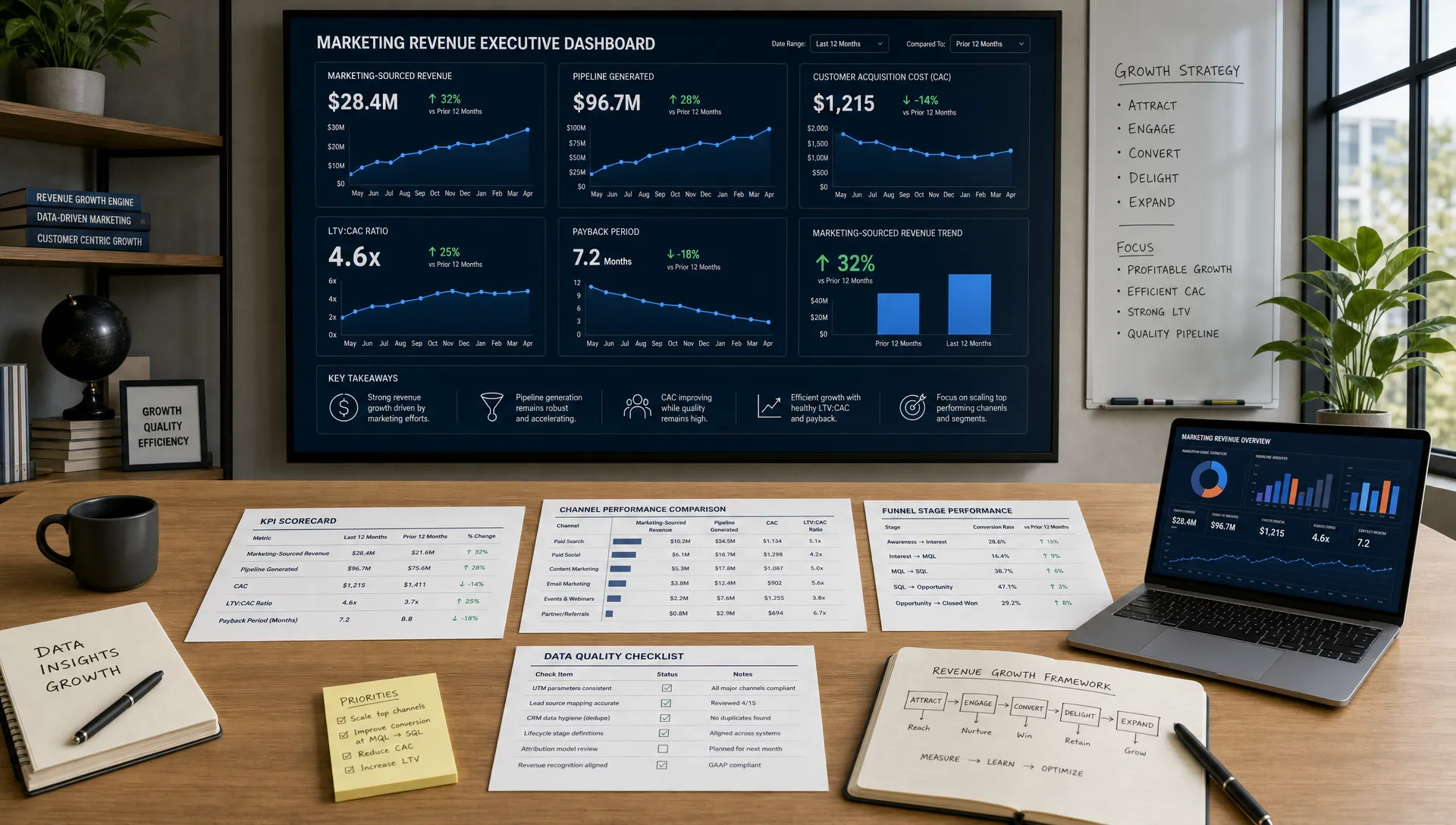
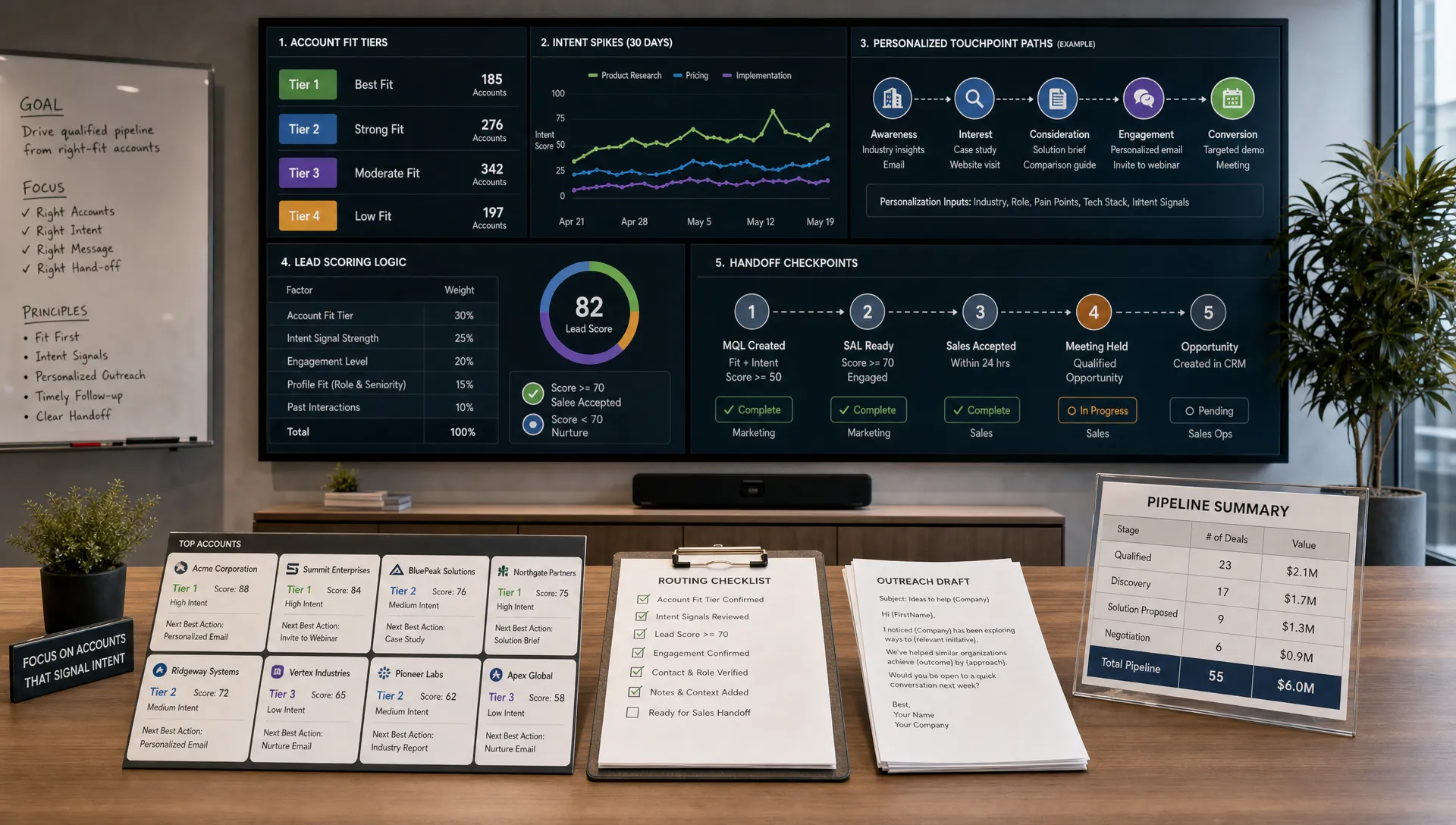
For marketers, the most useful demand signals often come from behavior, not top-down market reports. Look at search trends, customer reviews, social conversations, job postings, funding announcements, business formation data, and competitor content performance.
Sources like Google Trends can help you see whether interest is rising, seasonal, or declining. The U.S. Census Bureau’s Business Formation Statistics can reveal where new company creation is accelerating. The Bureau of Labor Statistics Industries at a Glance pages can help you understand employment, wage, and sector-level momentum.
Do not rely on one data point. A rising keyword trend might reflect curiosity, not purchase intent. A spike in funding might create media noise but no immediate buyer demand. Strong opportunities usually show up across multiple signals.
After confirming that demand exists, analyze whether the industry structure allows profitable growth. This is where classic strategy frameworks still help.
Porter’s Five Forces is a useful lens because it pushes you to look beyond direct competitors. You want to understand buyer power, supplier power, competitive rivalry, threat of substitutes, and threat of new entrants.
For example, a market may look attractive because demand is growing quickly. But if customers can switch vendors easily, competitors are discounting aggressively, and distribution depends on expensive paid ads, margins may be thin. In contrast, a smaller niche with specialized needs, fewer credible providers, and high trust requirements may offer a stronger opportunity.
Ask practical questions that connect strategy to marketing execution. Are buyers price-sensitive or value-sensitive? Do they compare many vendors before purchasing? Are there strong category leaders, or is the market fragmented? Are customers frustrated with legacy solutions? Are there switching costs you can reduce through education, onboarding, or integration support?
This step helps you avoid opportunities that look good in a spreadsheet but become expensive once you start acquiring customers.
Market opportunities are created by people, not categories. If your industry analysis does not reveal a specific unmet need, keep digging.
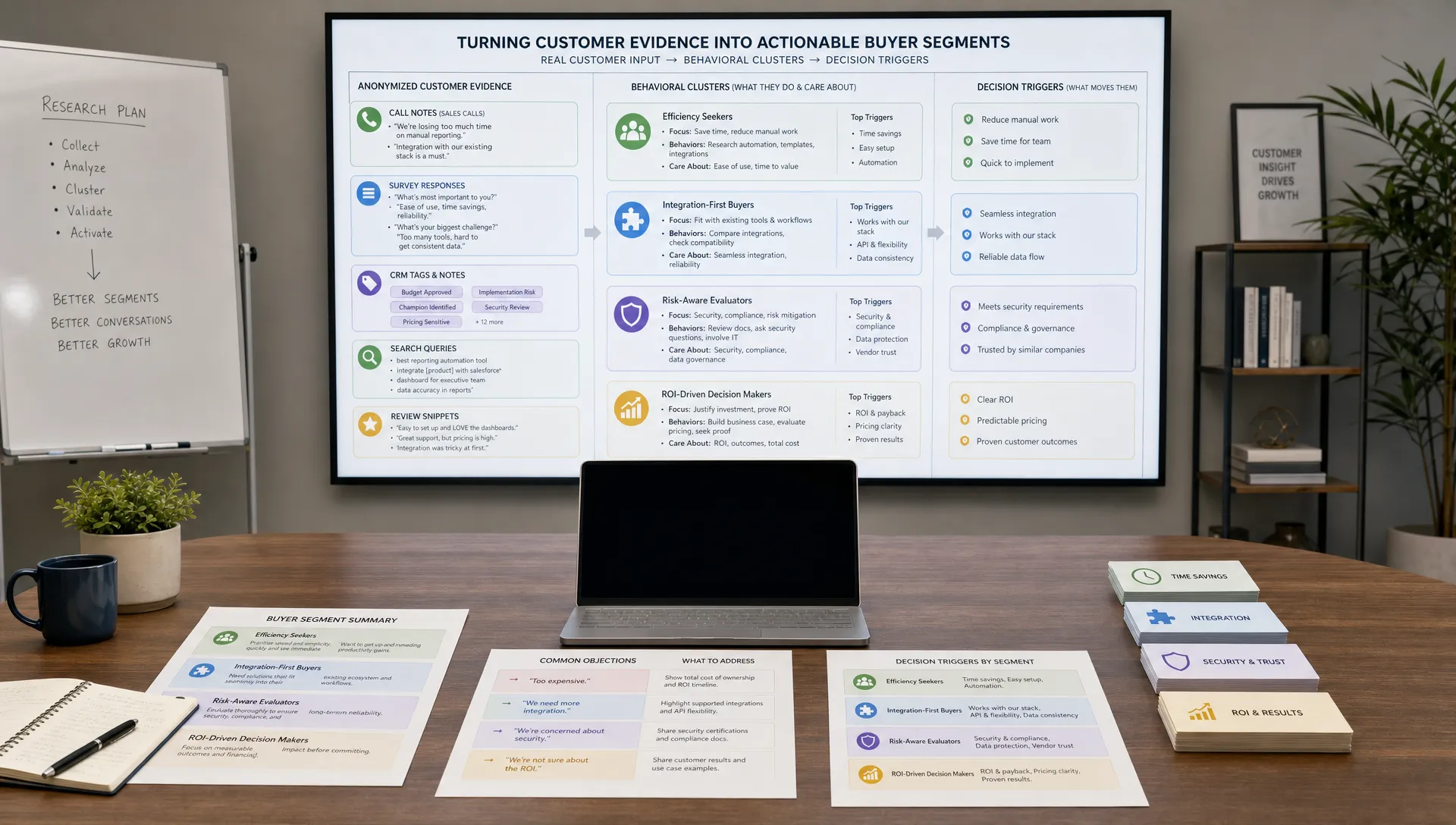
Customer research should uncover what buyers are trying to accomplish, what frustrates them about current options, what triggers their search for a solution, and what language they use to describe the problem.
Useful sources include sales call notes, support tickets, product reviews, community discussions, Reddit threads, LinkedIn posts, analyst reports, customer interviews, and competitor case studies. AI tools can speed up this process by summarizing patterns across large sets of reviews or transcripts, but human judgment is still needed to separate noise from meaningful insight.
Look for signals of urgency. A complaint becomes an opportunity when customers are already spending time, money, or political capital to solve it. Strong signs include manual workarounds, repeated hiring for the same capability, public frustration with existing vendors, regulatory pressure, budget allocation, and active comparison searches.
A weak opportunity sounds like customers saying the idea is interesting. A stronger opportunity sounds like customers saying they are already trying to fix the problem and current options are not good enough.
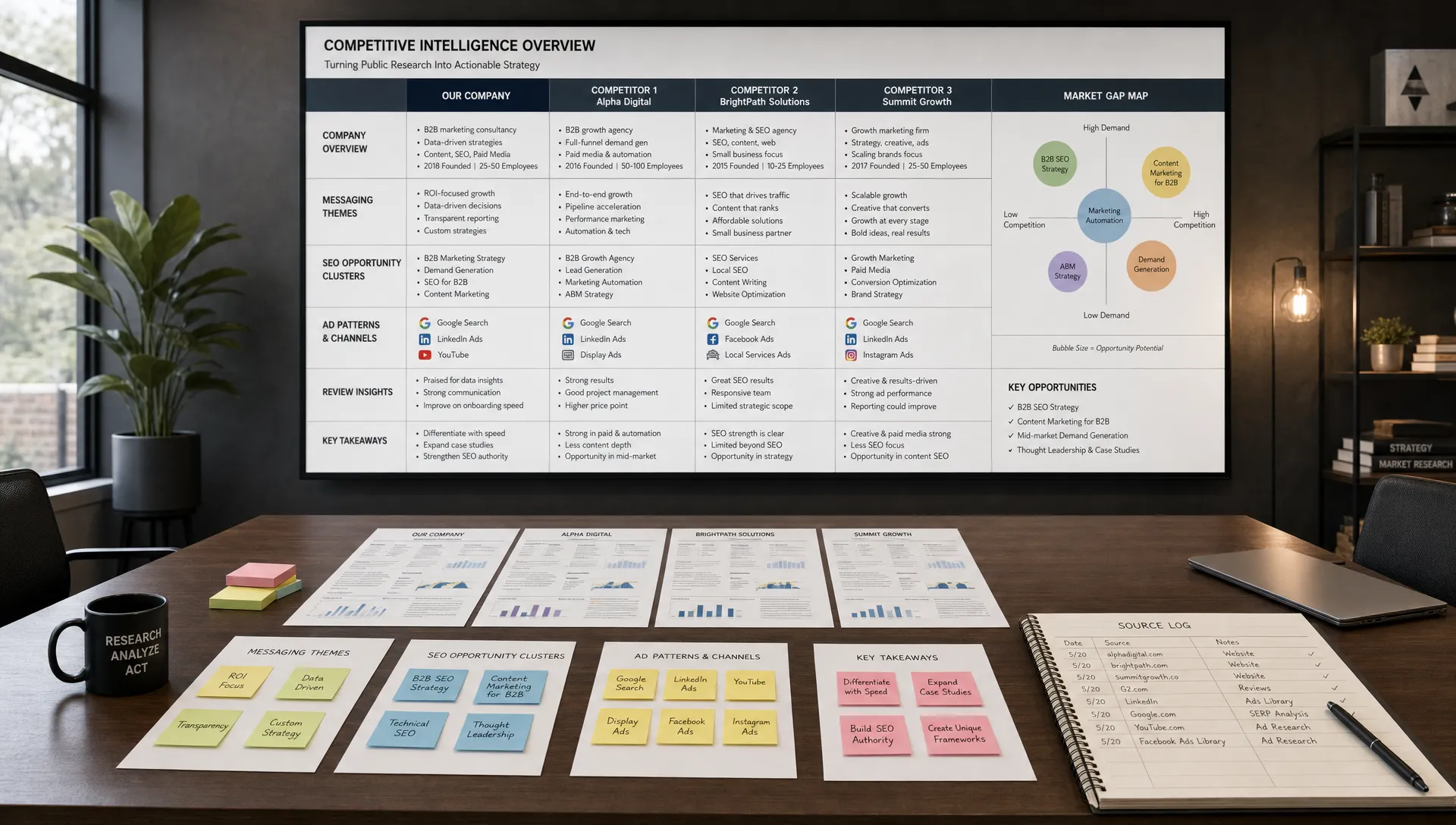
Competitive analysis is not about copying what rivals do. It is about finding where the market is over-served, underserved, or poorly understood.
Start by grouping competitors into categories. You may have direct competitors, enterprise incumbents, low-cost alternatives, DIY workflows, agencies, marketplaces, open-source tools, and internal teams. Many marketers only study direct competitors, which can cause them to miss the real substitute buyers are using.
Then evaluate positioning. What buyer do competitors seem to serve best? What promises do they repeat? Which use cases dominate their websites and content? Which customer objections do they fail to address? Which industries or segments appear missing from their case studies?
Public companies also disclose useful information in filings. The SEC’s EDGAR search tool can help you review annual reports, risk factors, segment performance, and management commentary from larger competitors or adjacent companies.
In modern marketing, competitor visibility also extends beyond traditional search results. Buyers increasingly ask AI assistants for recommendations, comparisons, and shortlists. If your category depends on digital discovery, it can be useful to audit how AI systems describe your brand and competitors. Tools such as the CapstonAI AI visibility platform are built to help teams track and improve how brands appear across AI search experiences.
The key is to translate competitor analysis into opportunity statements. For example, mid-market buyers are underserved because most messaging targets enterprises. Local service providers lack clear educational content around regulation. Competitors rank for broad keywords but ignore high-intent comparison queries. These are actionable gaps.
A good idea launched too early can drain resources. A good idea launched too late can leave you fighting better-funded competitors. Timing is one of the most important outputs of industry analysis.
Use a simple PESTLE lens to scan external forces: political, economic, social, technological, legal, and environmental. You do not need a 40-page report. You need to know which forces are increasing demand, reducing friction, changing buyer behavior, or making the old way of doing things less viable.
Technology shifts are especially important for AIMarketer Hub’s audience. AI adoption is changing how content is produced, how buyers research solutions, how teams automate workflows, and how brands measure visibility. But the presence of a trend is not enough. You need to connect the trend to a specific budget owner and business outcome.
For example, AI-generated content is not automatically a market opportunity. A more specific opportunity might be helping compliance-heavy SaaS teams produce expert-reviewed content faster without sacrificing accuracy. That is a clearer buyer, pain, and value proposition.
Regulation can also create opportunity. New rules often force buyers to seek education, tools, documentation, or advisory support. Economic pressure can create demand for automation, cost reduction, and efficiency. Social shifts can create new expectations around convenience, transparency, sustainability, or personalization.
After research, you may have several possible opportunities. Ranking them prevents the loudest idea from winning by default.
Score each opportunity from 1 to 5 across a few dimensions. Keep the criteria simple enough that your team will actually use them.
The best opportunities do not always receive perfect scores. More often, they have a compelling pattern. Maybe the market is smaller but highly reachable. Maybe competition is strong, but every competitor ignores a growing segment. Maybe demand is early, but your company has a unique advantage that lets you educate the market before others arrive.
Use the scorecard as a decision tool, not a substitute for judgment.
Industry analysis can identify promising opportunities, but validation proves whether the market will respond. Before building a full product, launching a major campaign, or entering a new segment, run small tests.
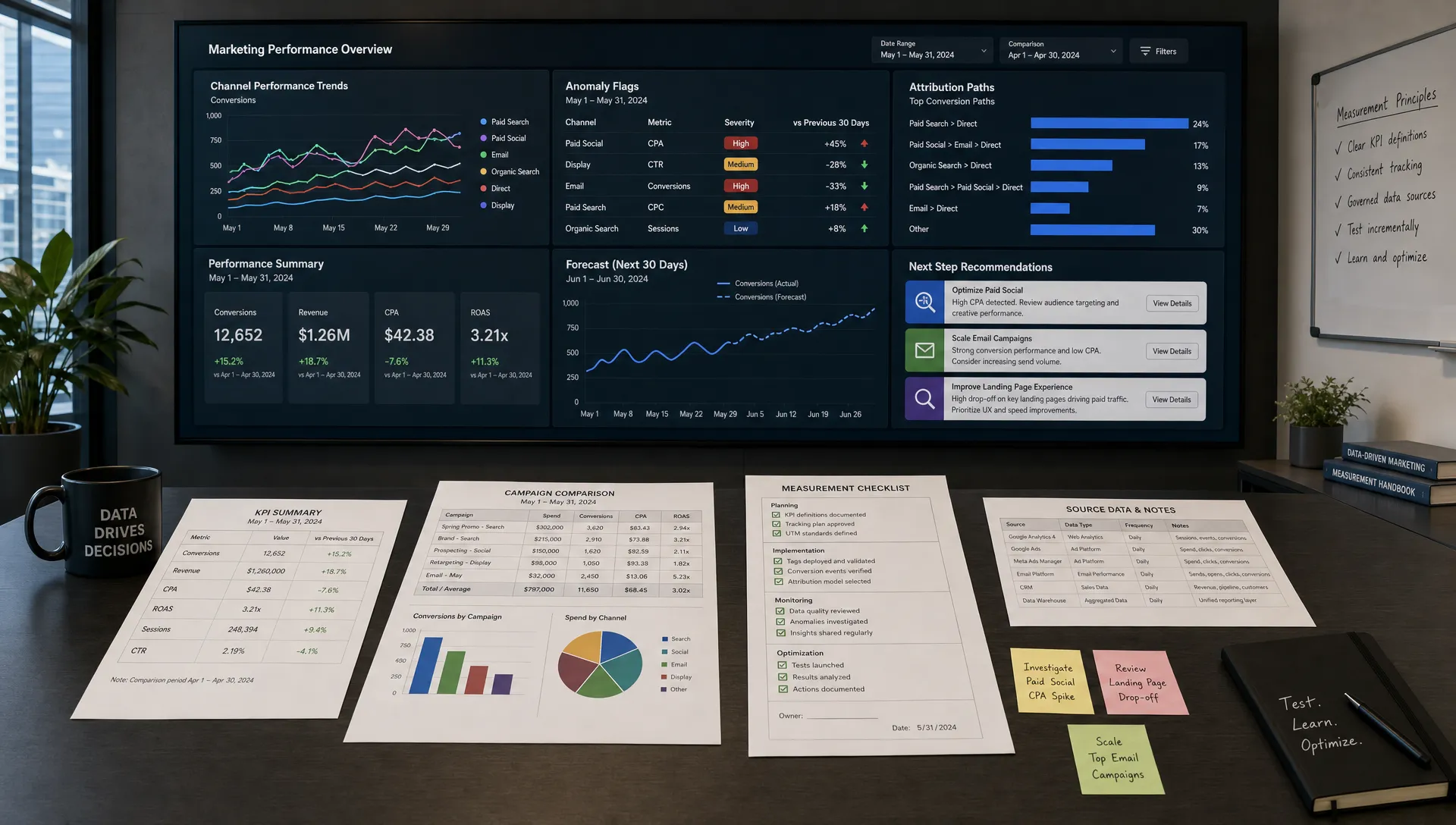
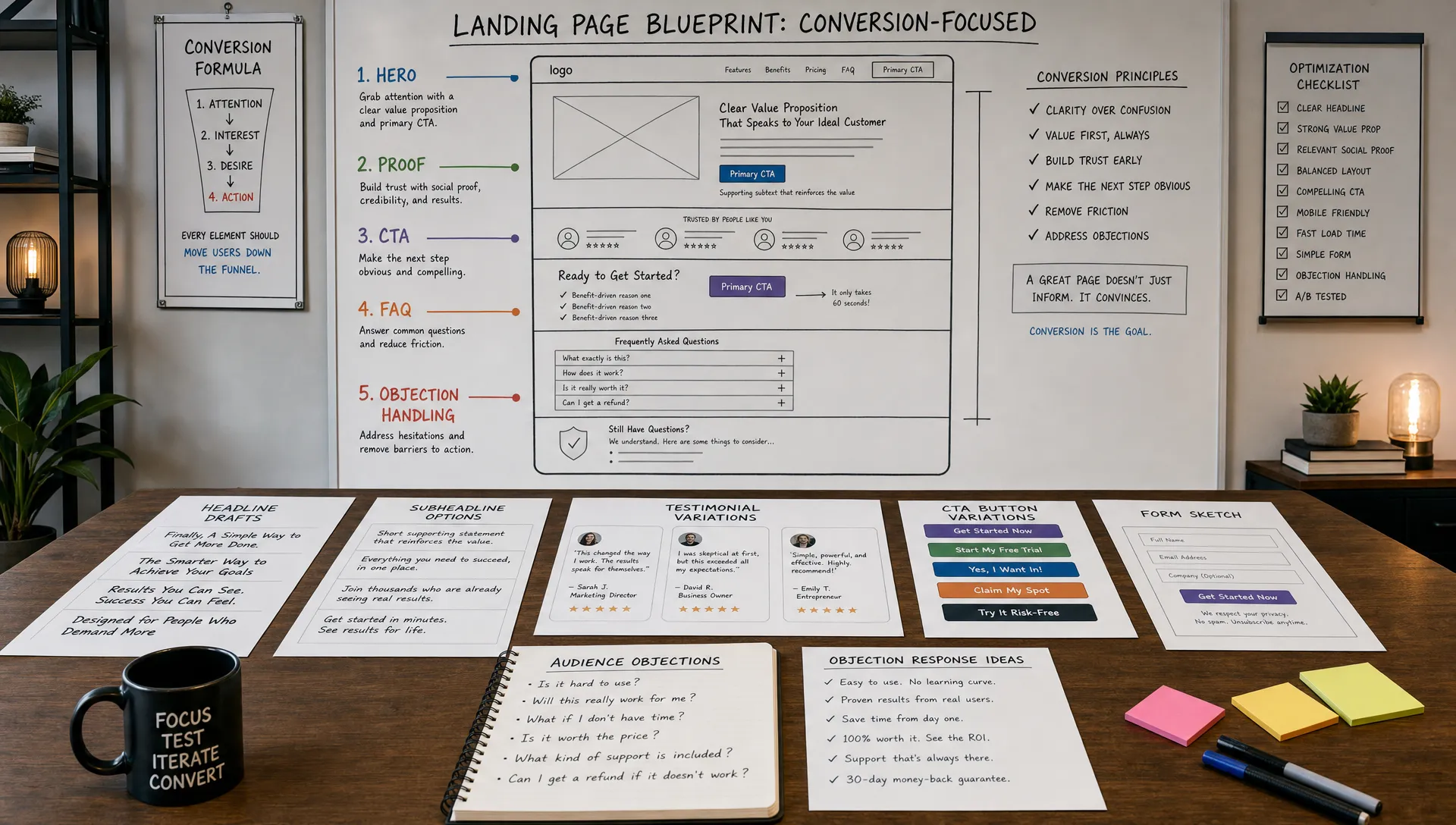
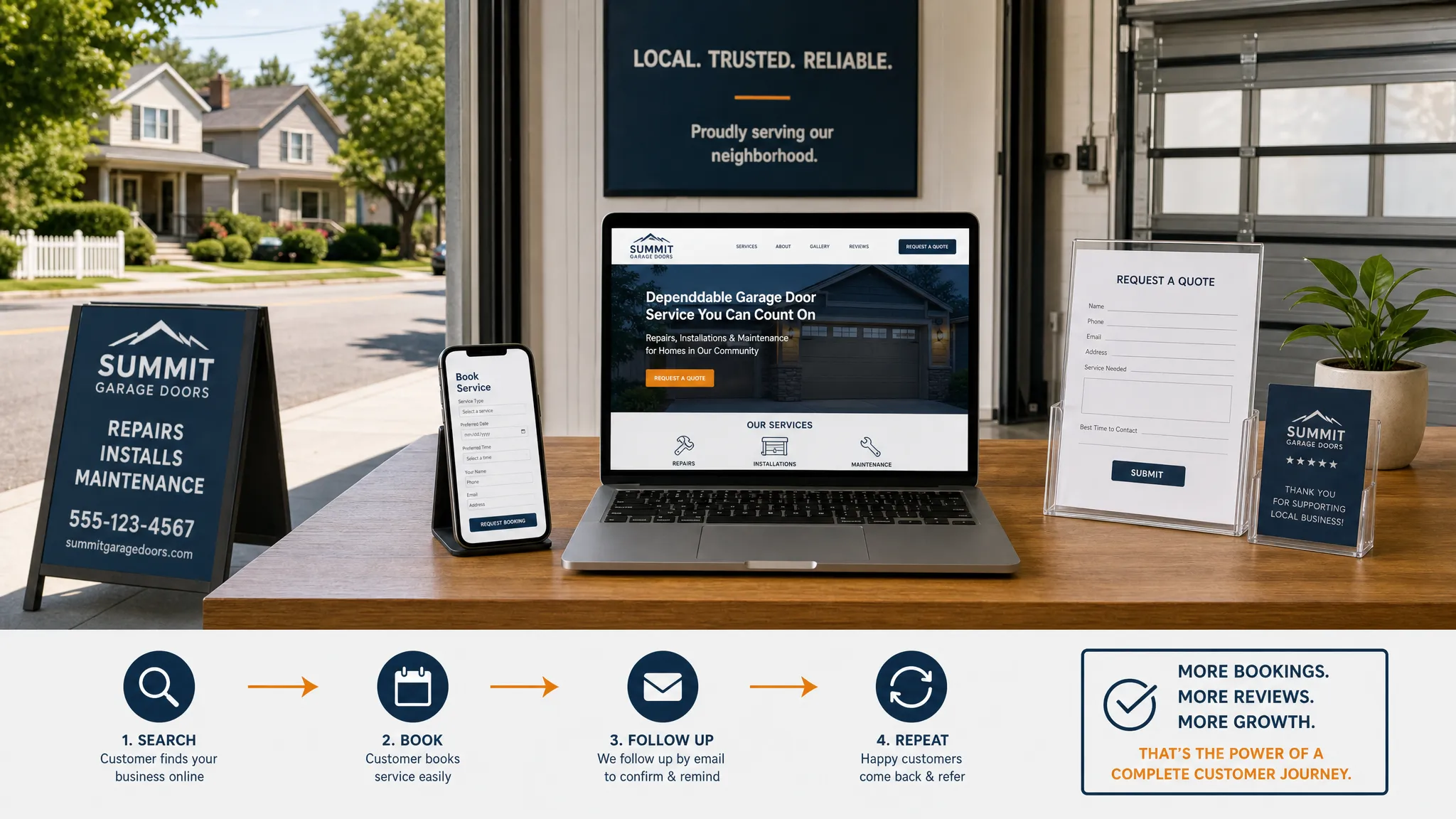
For marketing teams, validation can be surprisingly practical. Create a landing page for the new offer and measure qualified conversions. Publish a content cluster around the emerging pain and track search impressions, engagement, and assisted pipeline. Run interviews with target buyers and listen for urgency. Test paid search ads against high-intent queries. Offer a pilot, workshop, audit, or waitlist before investing in a full launch.
The goal is not to prove that everyone likes your idea. The goal is to confirm that the right people understand the problem, care enough to act, and believe your approach is credible.
Be careful with surveys that ask whether someone would use a product. People are optimistic in surveys and conservative with budgets. Stronger validation comes from behavior, such as booking a demo, joining a waitlist, paying for a pilot, requesting a proposal, or sharing detailed requirements.
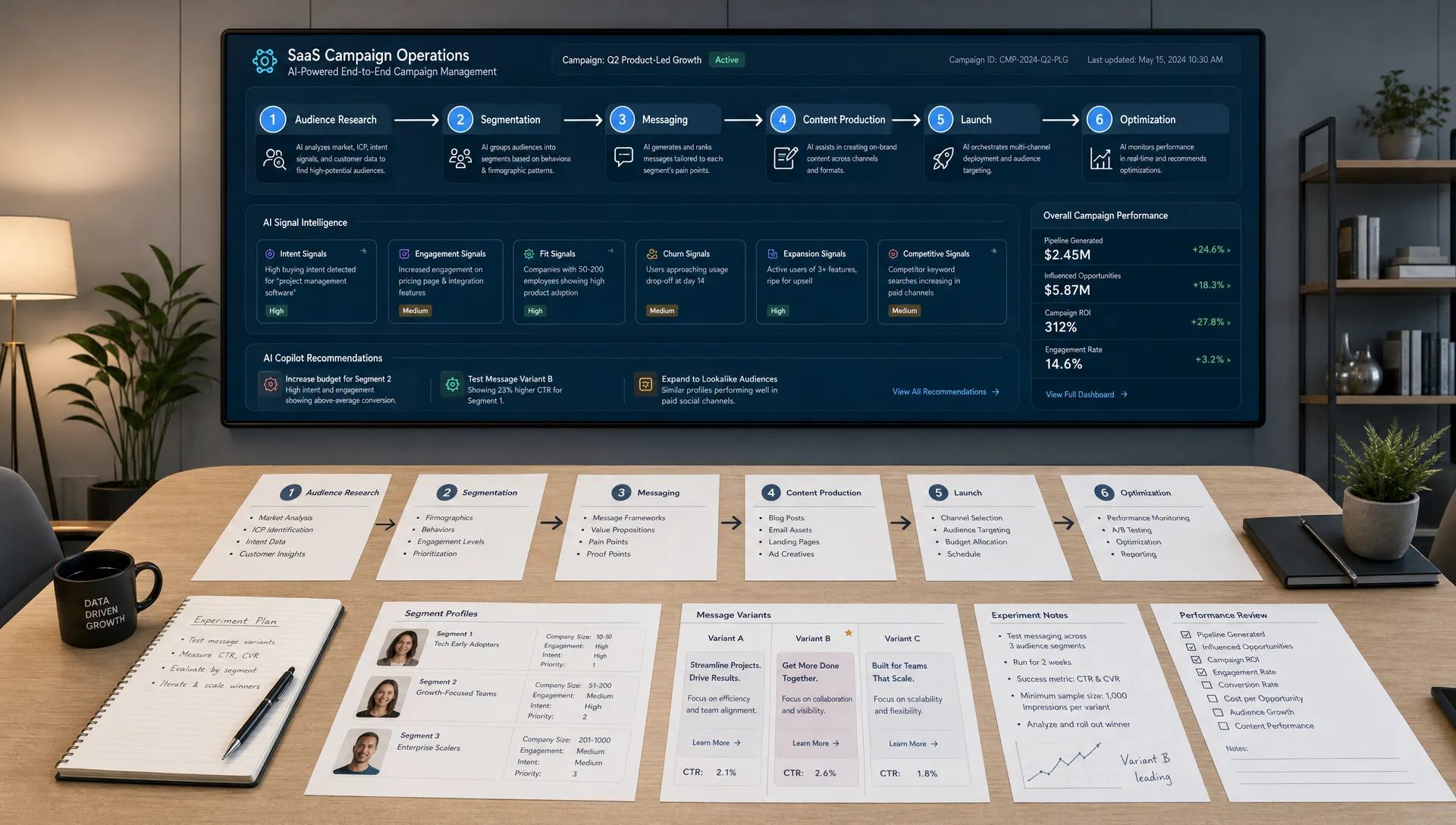
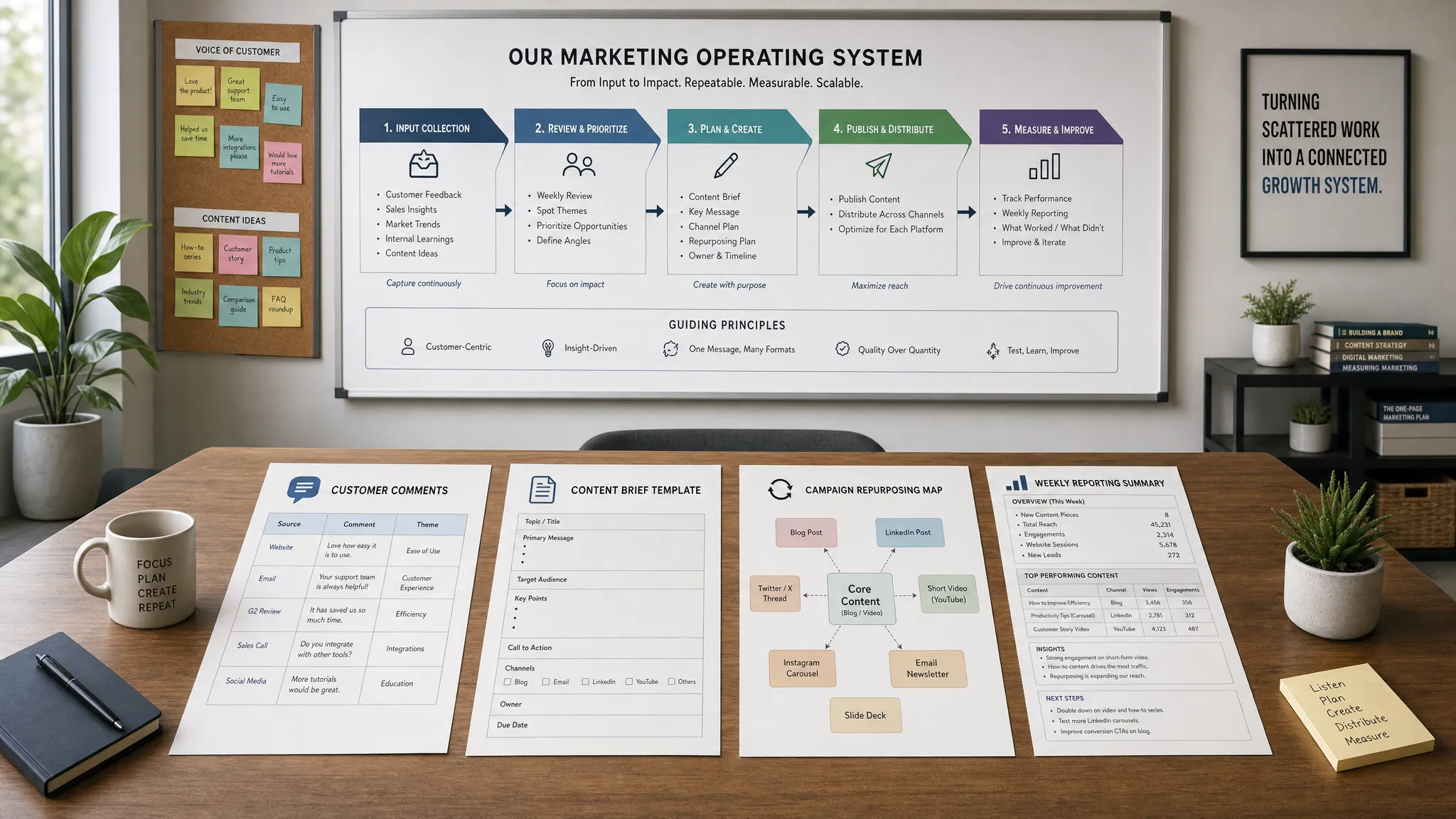
A market opportunity is only valuable if it leads to action. Once you have validated the strongest idea, translate the analysis into a go-to-market plan.
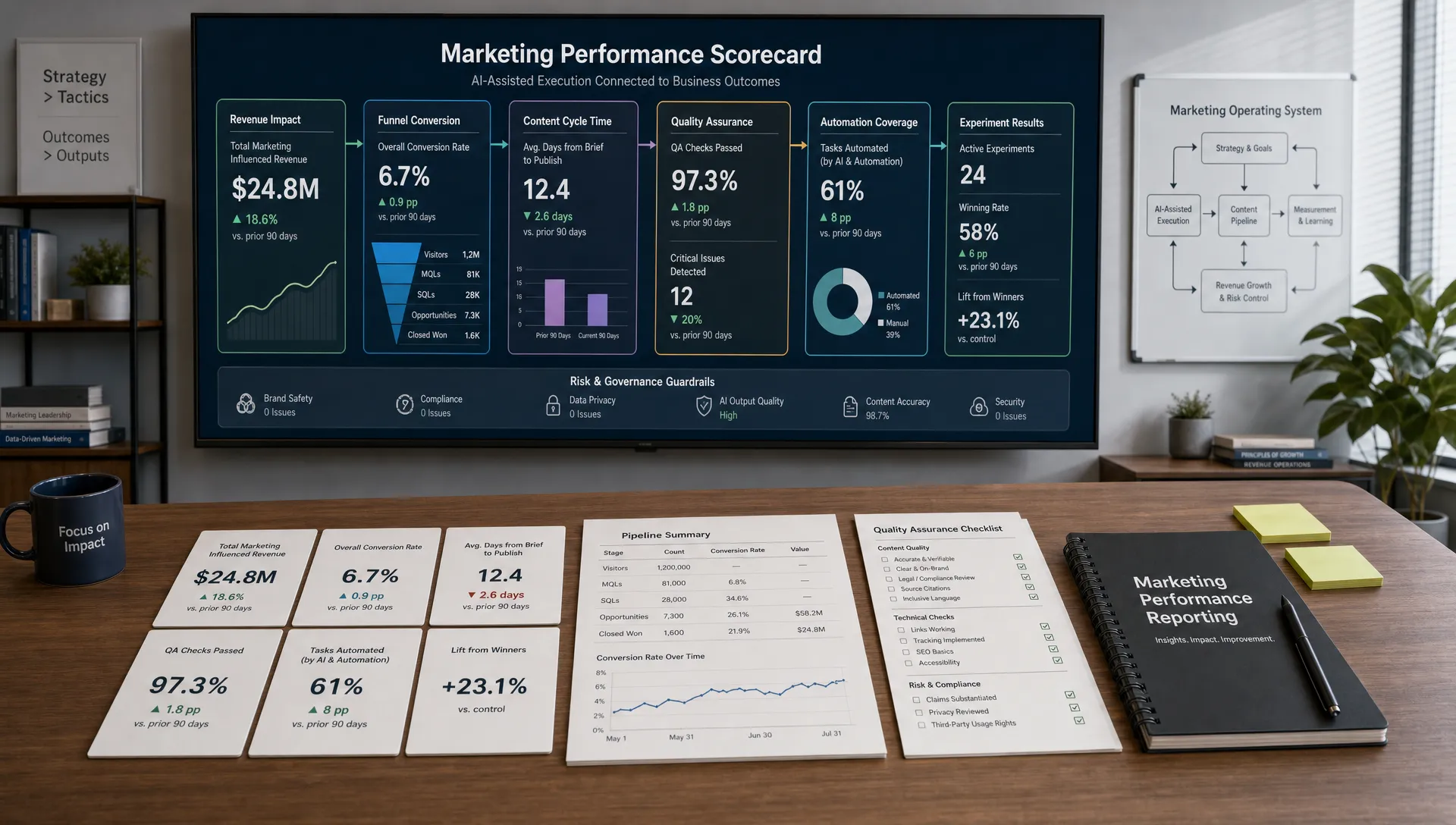
Your plan should define the target segment, primary pain, positioning, proof points, priority channels, content themes, conversion path, and measurement plan. If your industry analysis was done well, these decisions should feel easier because the evidence points in a clear direction.
For example, if your research shows that buyers are confused by technical jargon, your content strategy should prioritize education and comparison pages. If the market is crowded with similar claims, your messaging should emphasize a sharper niche, stronger proof, or a different buying trigger. If customer acquisition through paid ads is expensive, partnerships or SEO may deserve more investment.
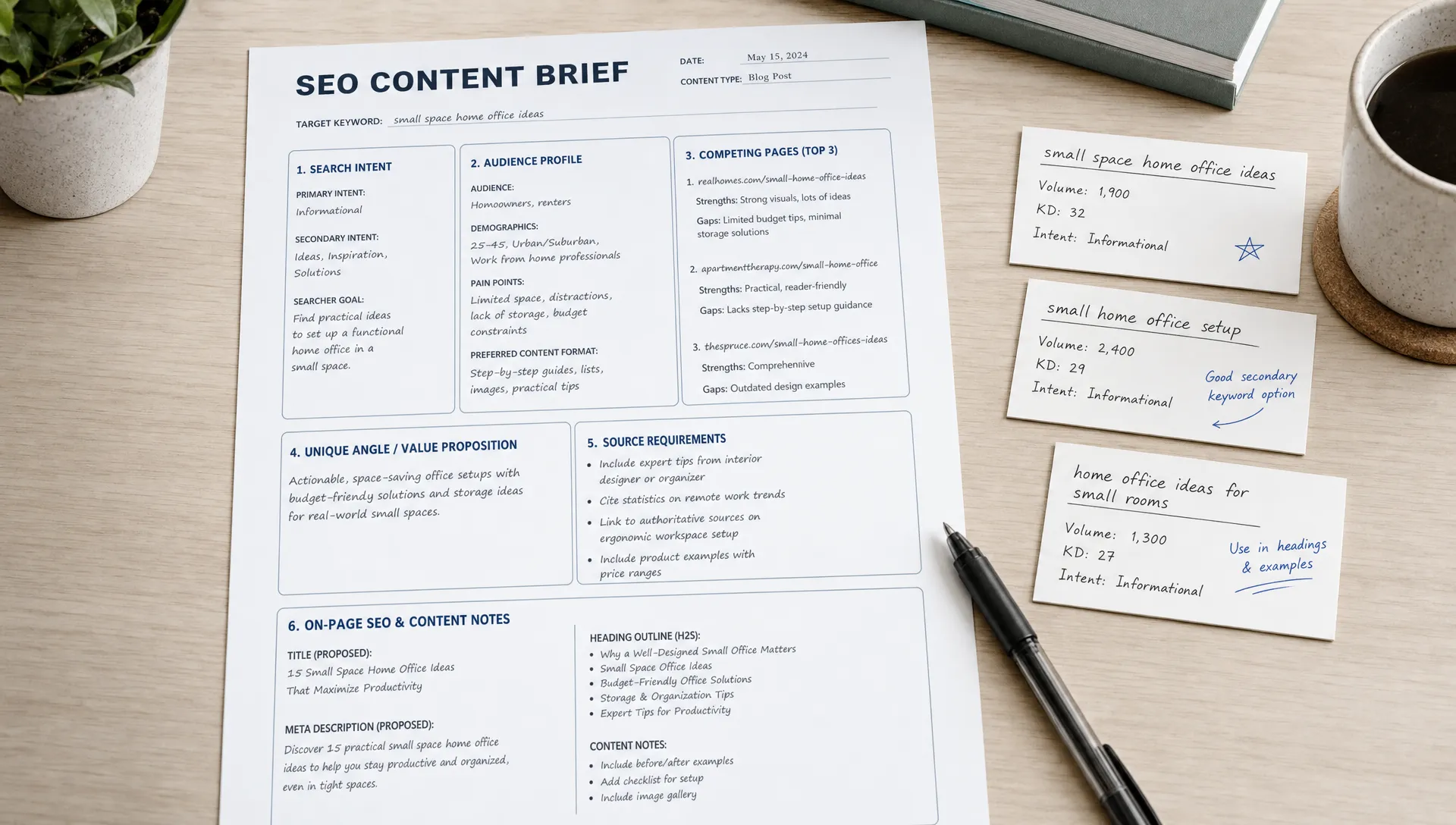
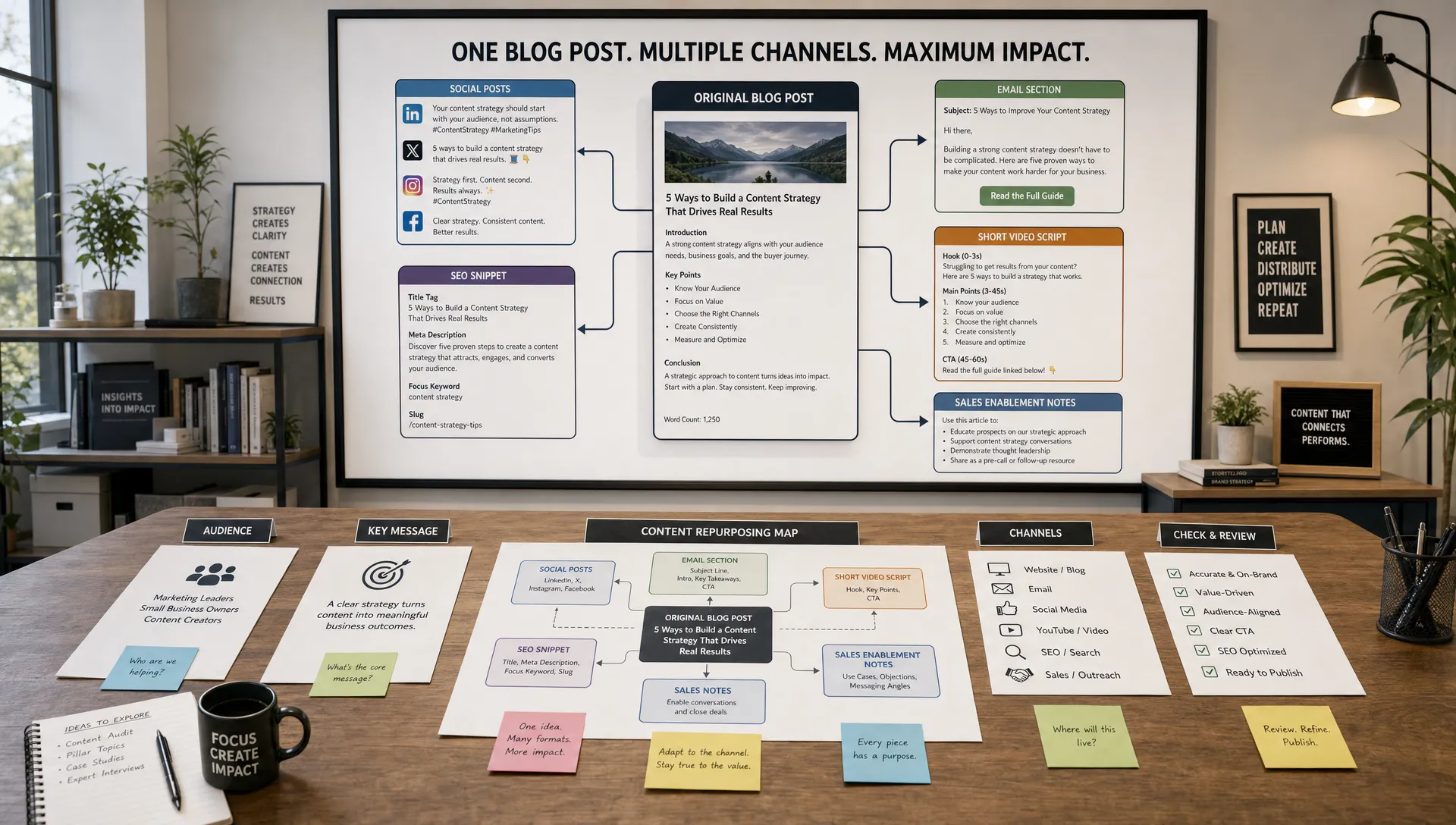
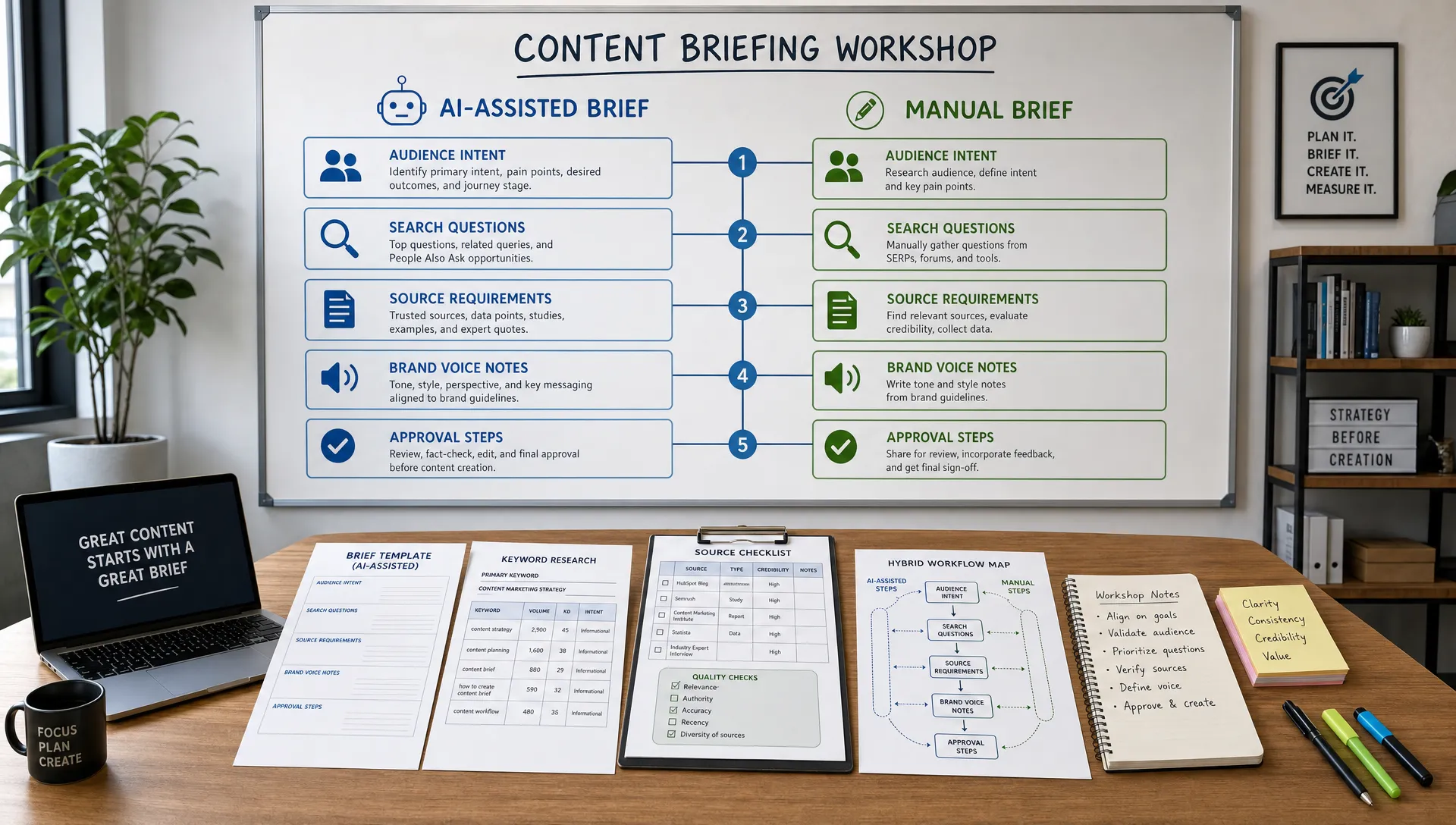
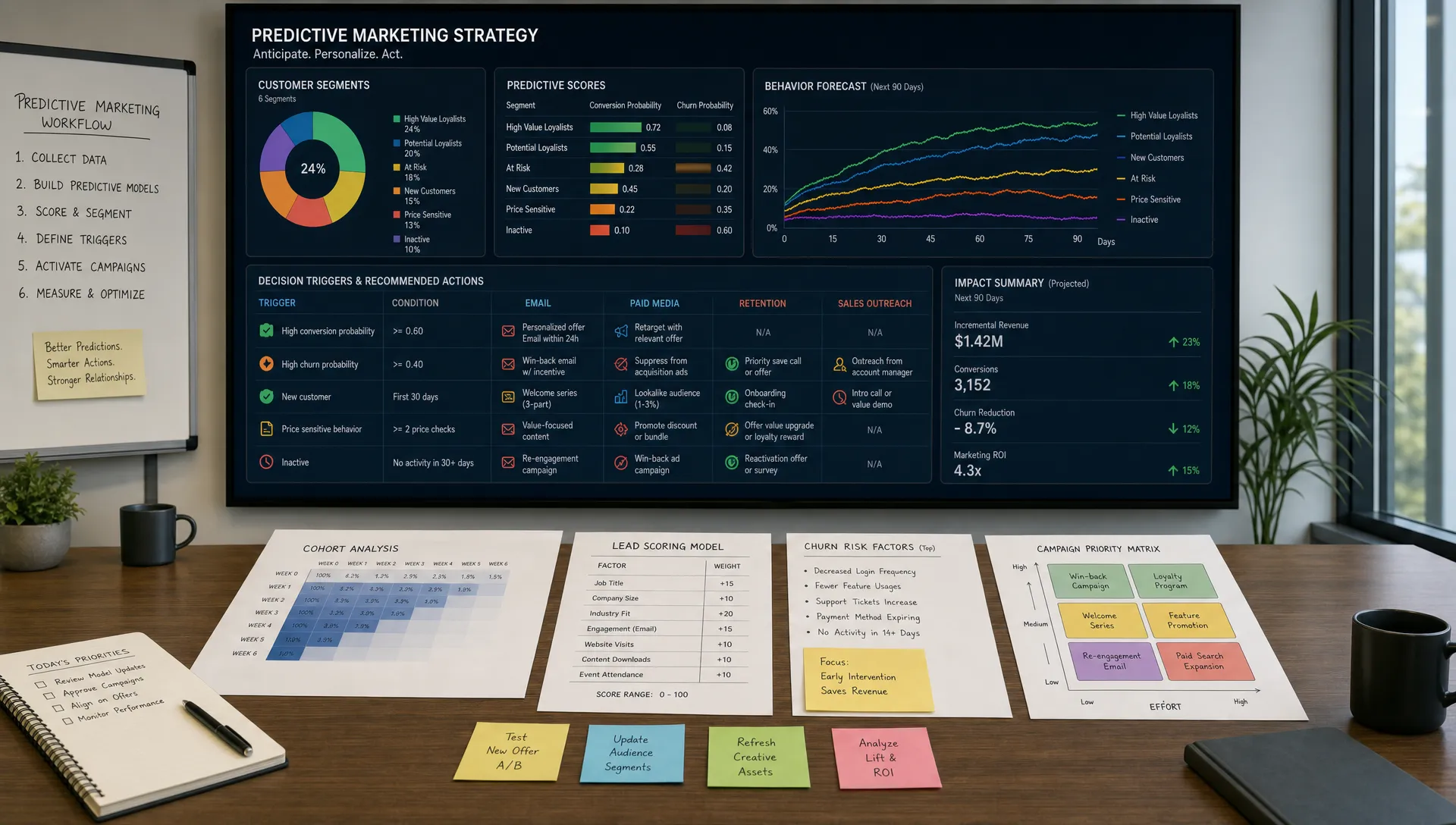
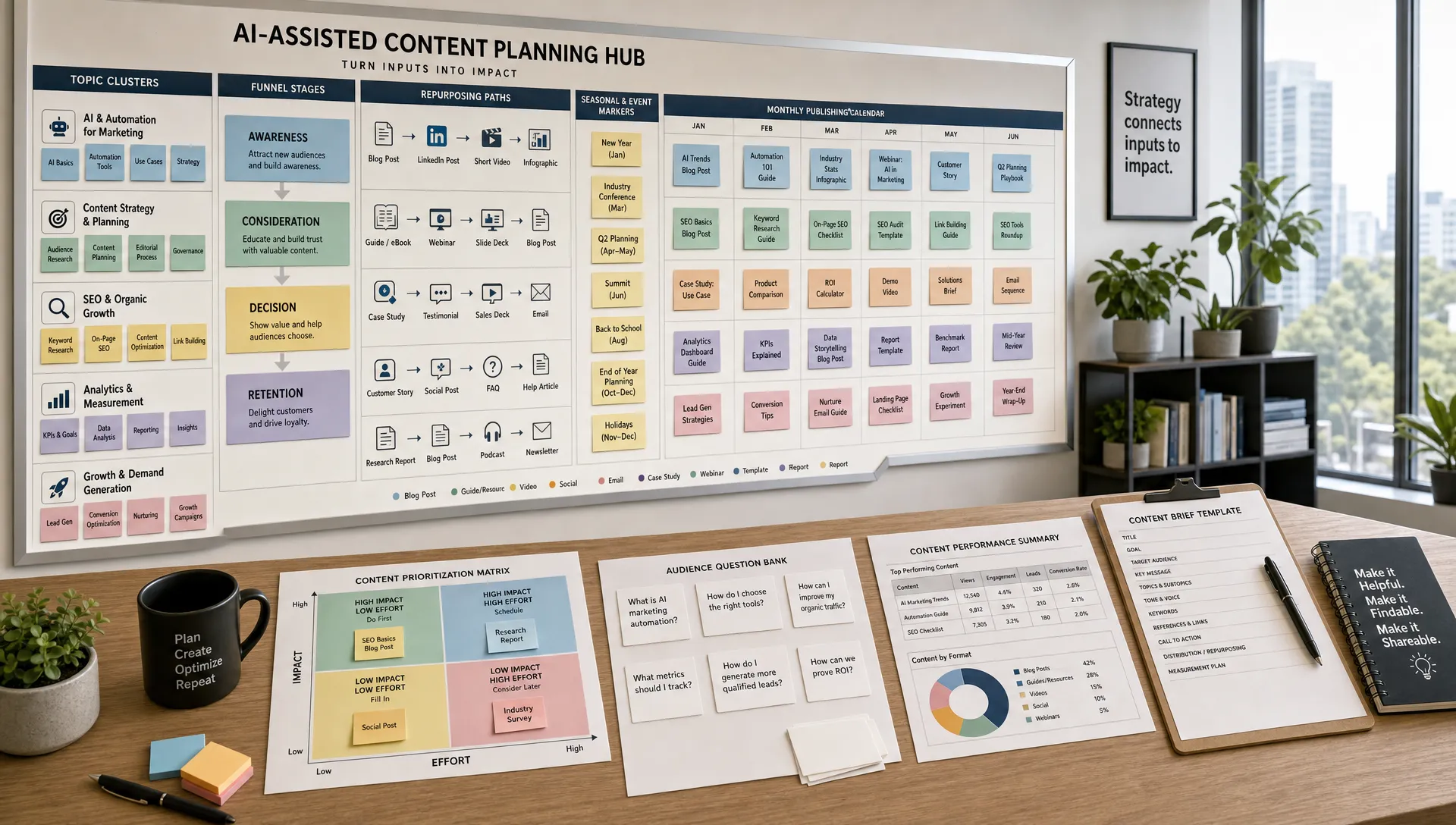
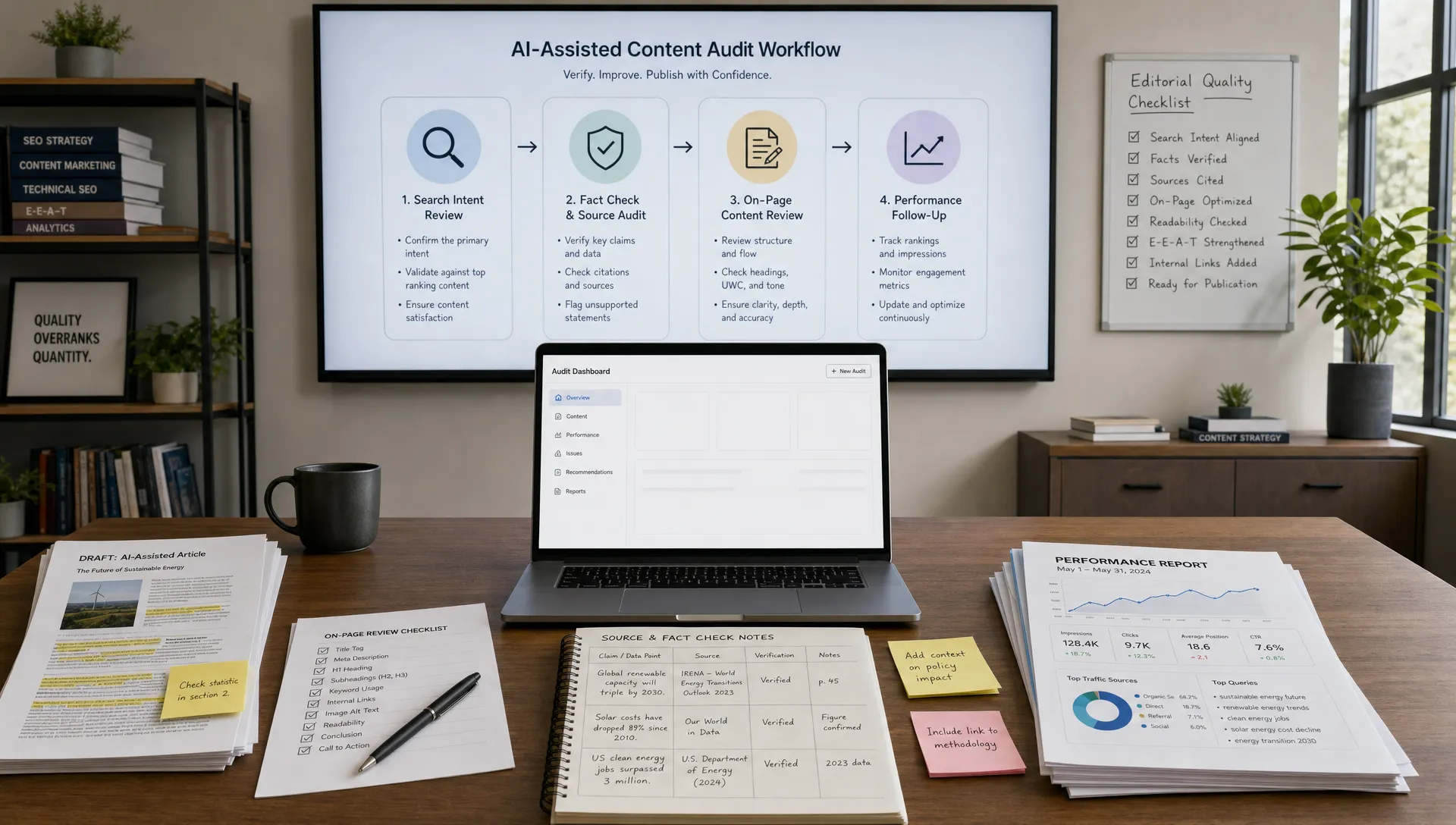
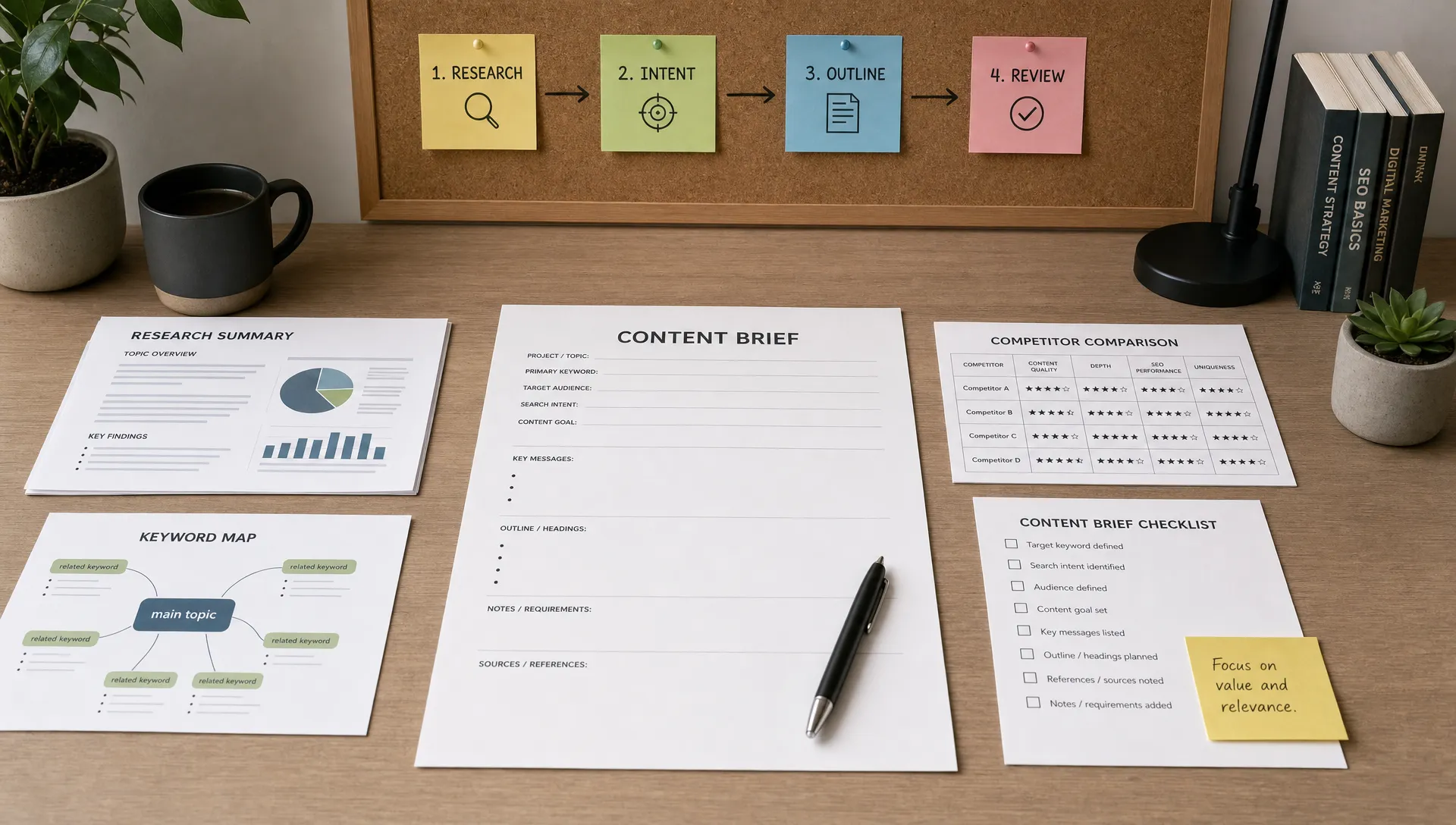
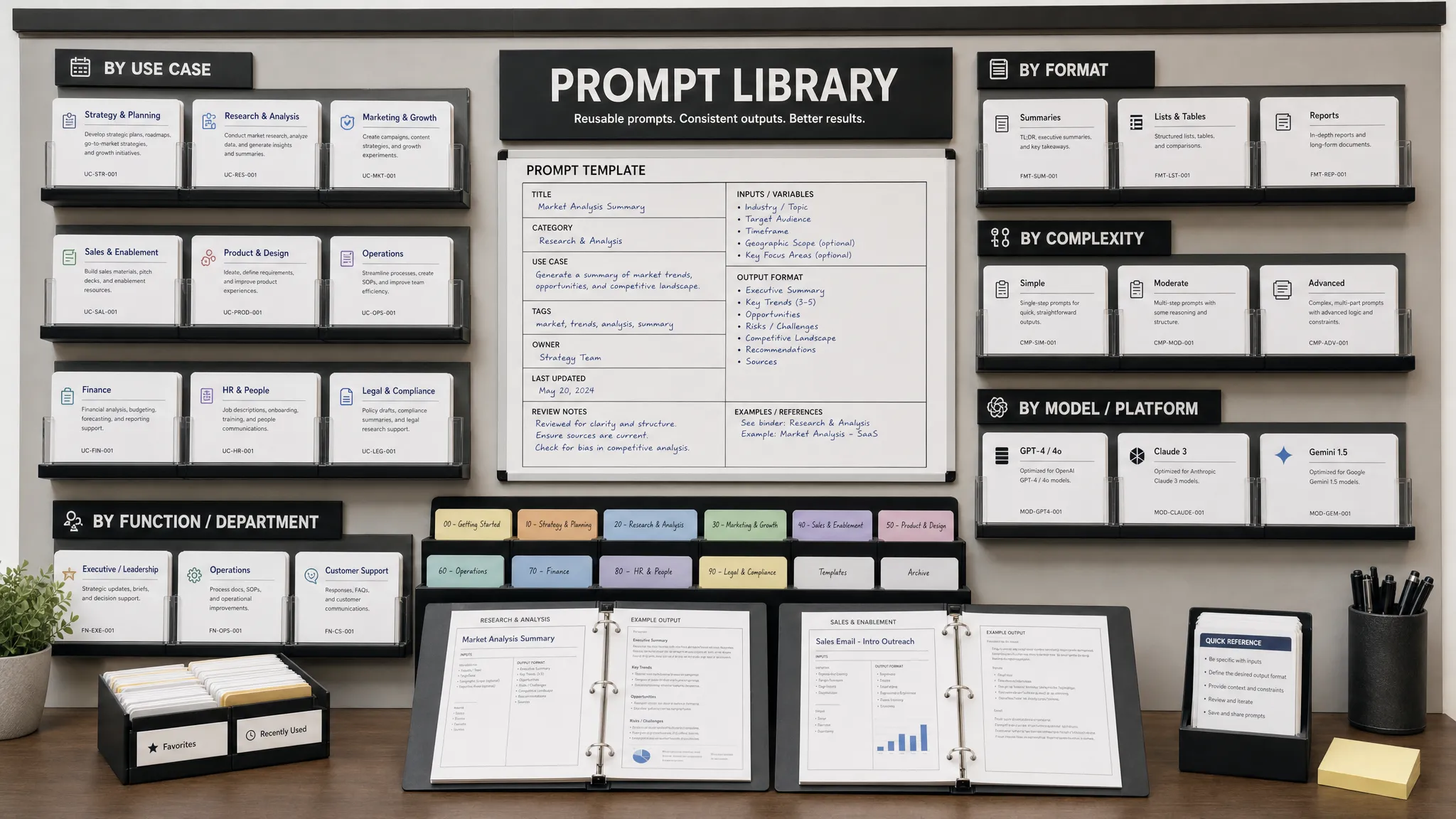
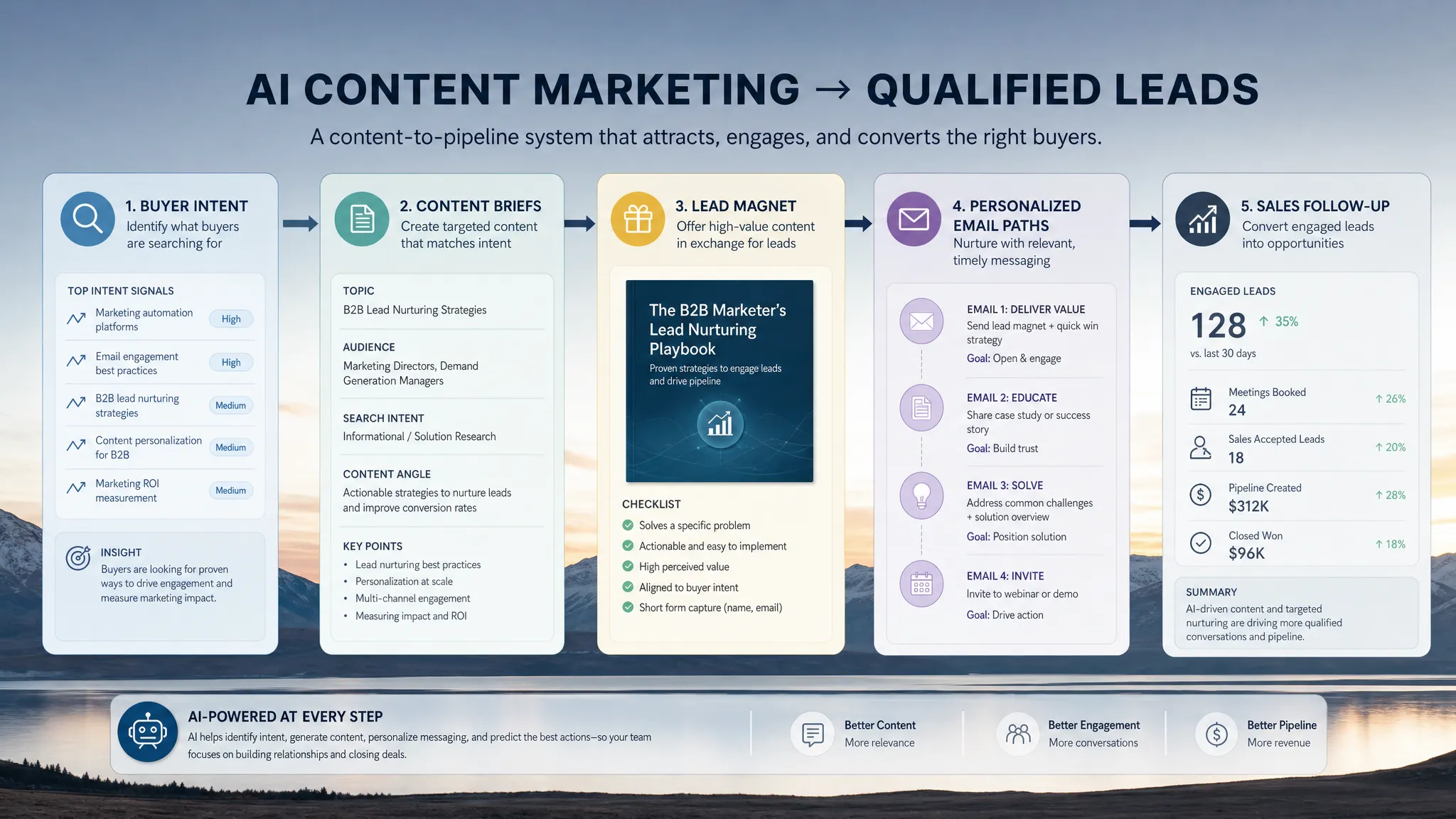
This is where AI can help marketers move faster. Use AI to summarize research, cluster customer pain points, draft positioning options, generate content briefs, compare competitor messaging, and build campaign ideas. Then have subject matter experts review the output for accuracy and strategic fit.
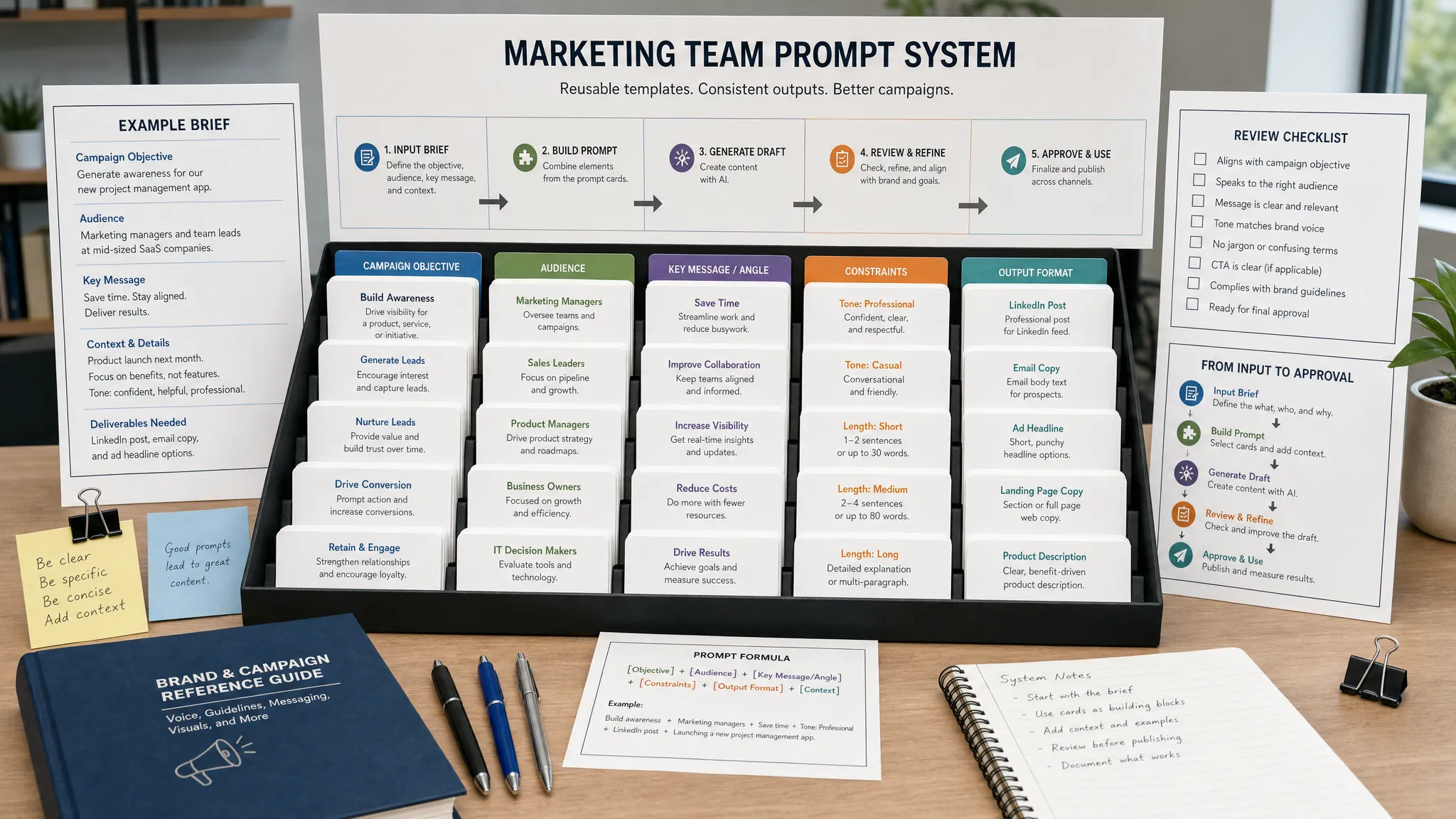
A useful AI prompt for this stage is: Analyze the following customer research and competitor notes. Identify three market opportunities, the buyer segment for each, evidence supporting the opportunity, likely objections, and a low-cost validation test.
The first mistake is confusing a trend with an opportunity. A trend tells you that something is changing. An opportunity tells you who will pay, why they will act, and how you can reach them profitably.
The second mistake is overvaluing total market size. Large markets attract competition. Niche markets with urgent problems can be better starting points because your messaging, targeting, and expertise are more specific.
The third mistake is ignoring distribution. Even a great offer fails if you cannot reach the buyer at a reasonable cost. Always analyze channels alongside customer demand.
The fourth mistake is treating AI-generated research as final. AI can accelerate industry analysis, but it can also miss context, cite outdated information, or flatten important differences between segments. Use it to speed up synthesis, then verify findings with primary sources, current data, and real customer conversations.
The fifth mistake is stopping at insight. If research does not lead to a decision, test, campaign, or product hypothesis, it has not created business value.
What is industry analysis in marketing? Industry analysis in marketing is the process of studying market demand, competitors, customer behavior, channels, regulations, and trends to identify where a business can compete and grow profitably.
How does industry analysis help spot market opportunities? It reveals gaps between what customers need and what current competitors provide. It also helps marketers understand timing, demand strength, pricing pressure, and the best channels for reaching a target audience.
What data should I use for industry analysis? Use a mix of market reports, search trends, public filings, customer interviews, reviews, sales data, social conversations, business formation data, and competitor content. The strongest insights usually come from combining multiple sources.
How often should businesses perform industry analysis? Most teams should review their industry at least quarterly and run deeper analysis before launching a new offer, entering a new segment, changing positioning, or making a major channel investment.
Can AI tools do industry analysis for me? AI tools can speed up research, summarize large datasets, cluster customer feedback, and generate hypotheses. They should not replace expert review, source verification, or direct customer validation.
The best market opportunities are not always obvious. They appear when you combine data, customer insight, competitive context, and fast validation.
AIMarketer Hub helps marketers and businesses turn that process into repeatable execution with AI-powered marketing tools, expert guides, calculators, SEO resources, prompt libraries, and industry-specific insights. Use it to move from research to smarter campaigns, sharper positioning, and better growth decisions.
Explore more resources at AIMarketer Hub and start turning industry analysis into practical marketing action.