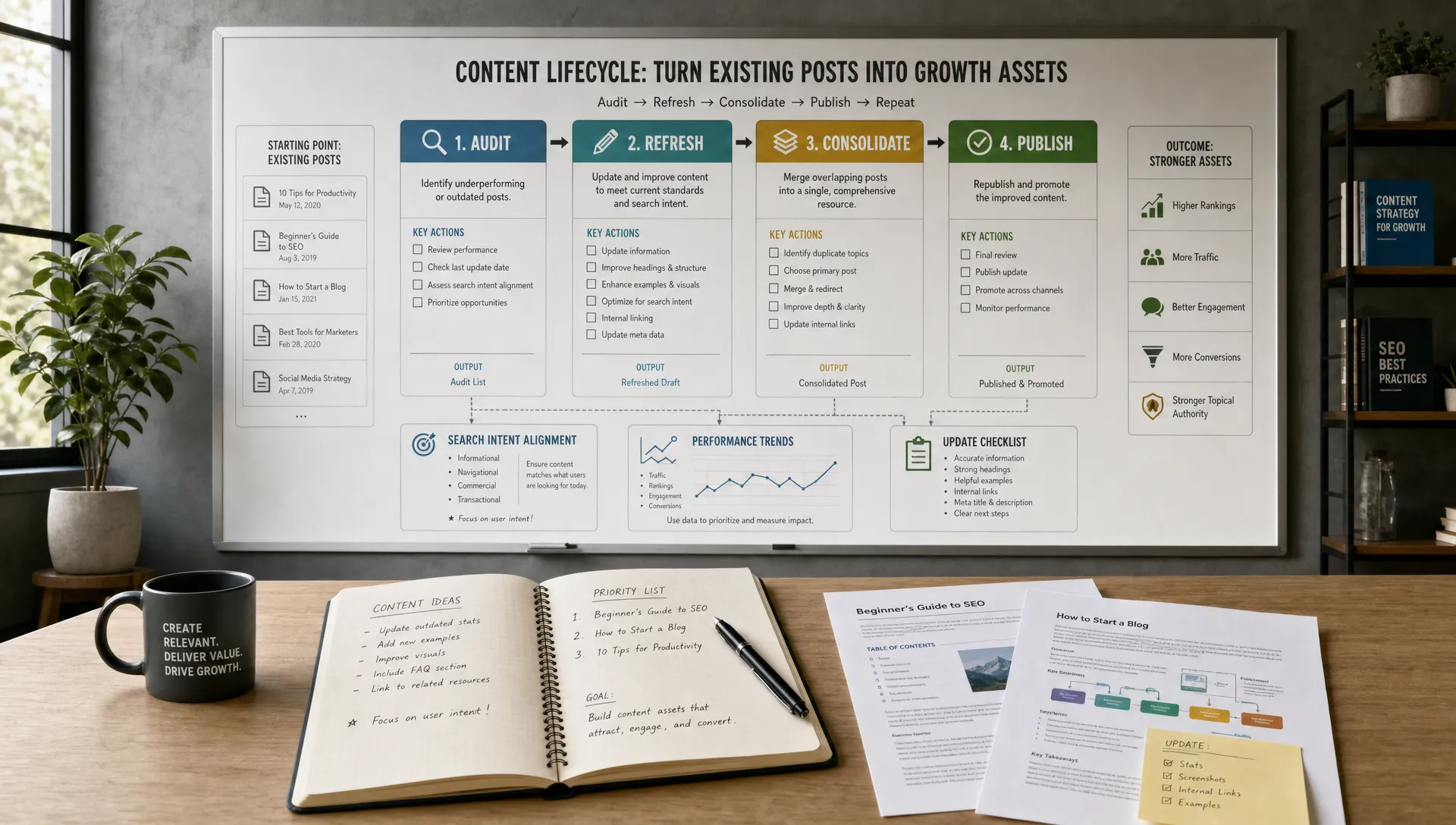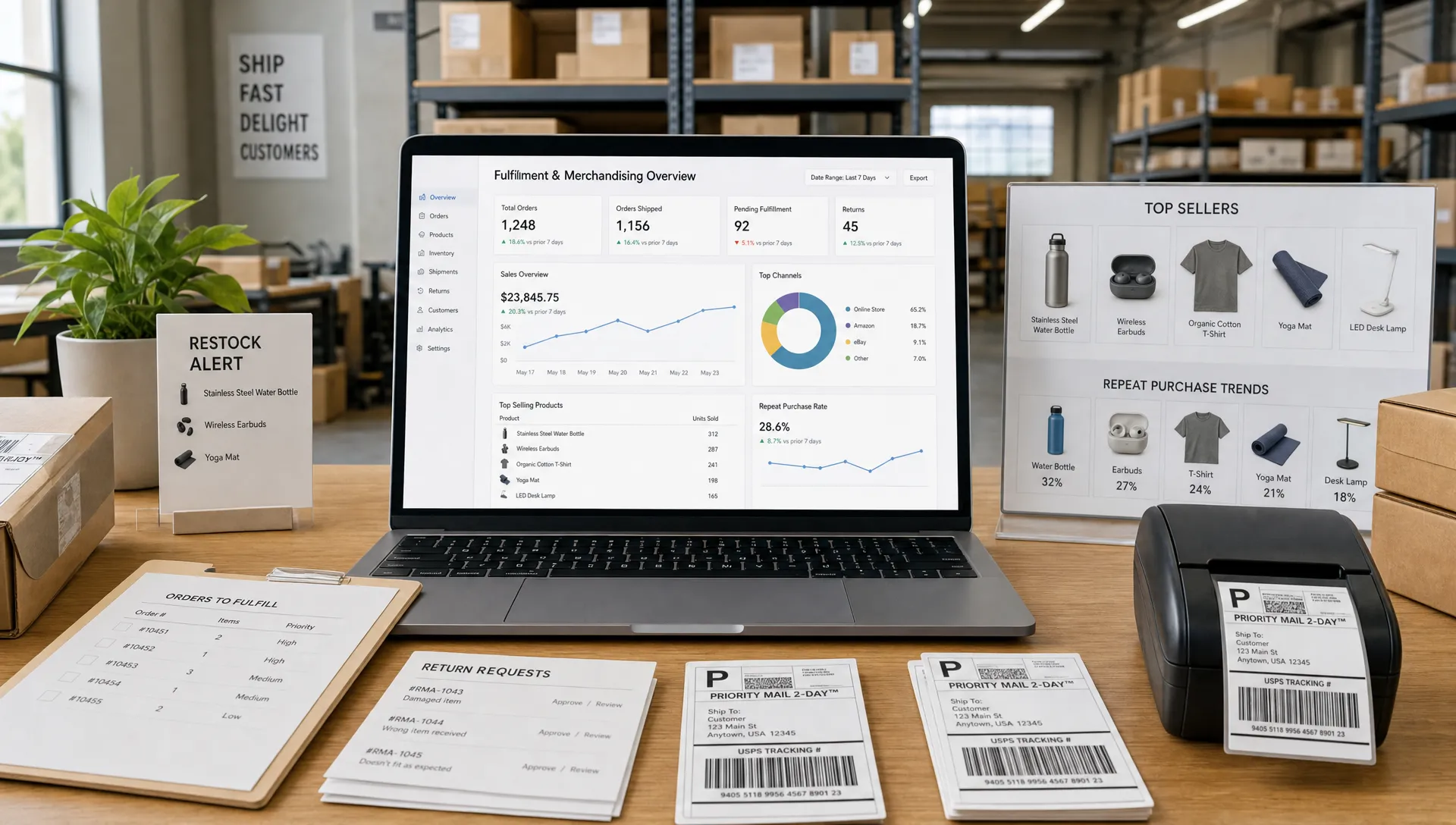
Product descriptions are easy to underestimate until your catalog grows. A team can manually polish 20 product pages. At 2,000 SKUs, the same work becomes inconsistent, slow and expensive. Supplier copy gets duplicated, brand voice drifts, SEO targets change and high-value products often receive the same attention as low-margin variants.
AI can help you improve product descriptions at scale, but it works best when you treat it as a repeatable marketing workflow, not a one-click rewrite tool. The goal is not to make every product sound more dramatic. The goal is to turn accurate product data into clearer, more persuasive and more searchable copy across the whole catalog.
For ecommerce teams, this is a practical use case for AI marketing automation: faster content creation, better product page consistency and more time for marketers to focus on positioning, testing and conversion strategy. If your product page work is part of a wider growth plan, you may also want to connect it with broader AI marketing for ecommerce strategies that convert.
Most product description problems are not writing problems at first. They are data, process and governance problems.
A small catalog can rely on the judgment of one writer. A large catalog needs rules. Without rules, descriptions start to show familiar issues: repeated phrases, missing attributes, vague benefits, inconsistent formatting and claims that are not clearly supported by the product data.
The risk grows when teams use raw AI outputs without controls. AI tools can produce polished copy from weak inputs, which makes errors harder to notice. A product page can sound professional and still be inaccurate, duplicated or misaligned with search intent.
Common scaling challenges include:
AI is valuable because it can standardize and accelerate the work. It is risky when it is asked to fill gaps with guesses.
AI is strongest when it transforms structured information into useful buyer-facing language. It can summarize specifications, translate technical features into benefits, adjust tone by audience and create multiple description versions for testing.
For example, a raw attribute such as 600D recycled polyester can become a practical benefit for a buyer: durable fabric designed for daily commuting, with recycled material content clearly stated. The fact remains the same, but the description becomes more understandable.
AI can help with:
AI cannot confirm whether a product is waterproof, ethically sourced, clinically tested or compatible with a specific device unless that information is already present in your source data. The safest rule is simple: AI may rewrite, organize and clarify facts, but it should not create facts.
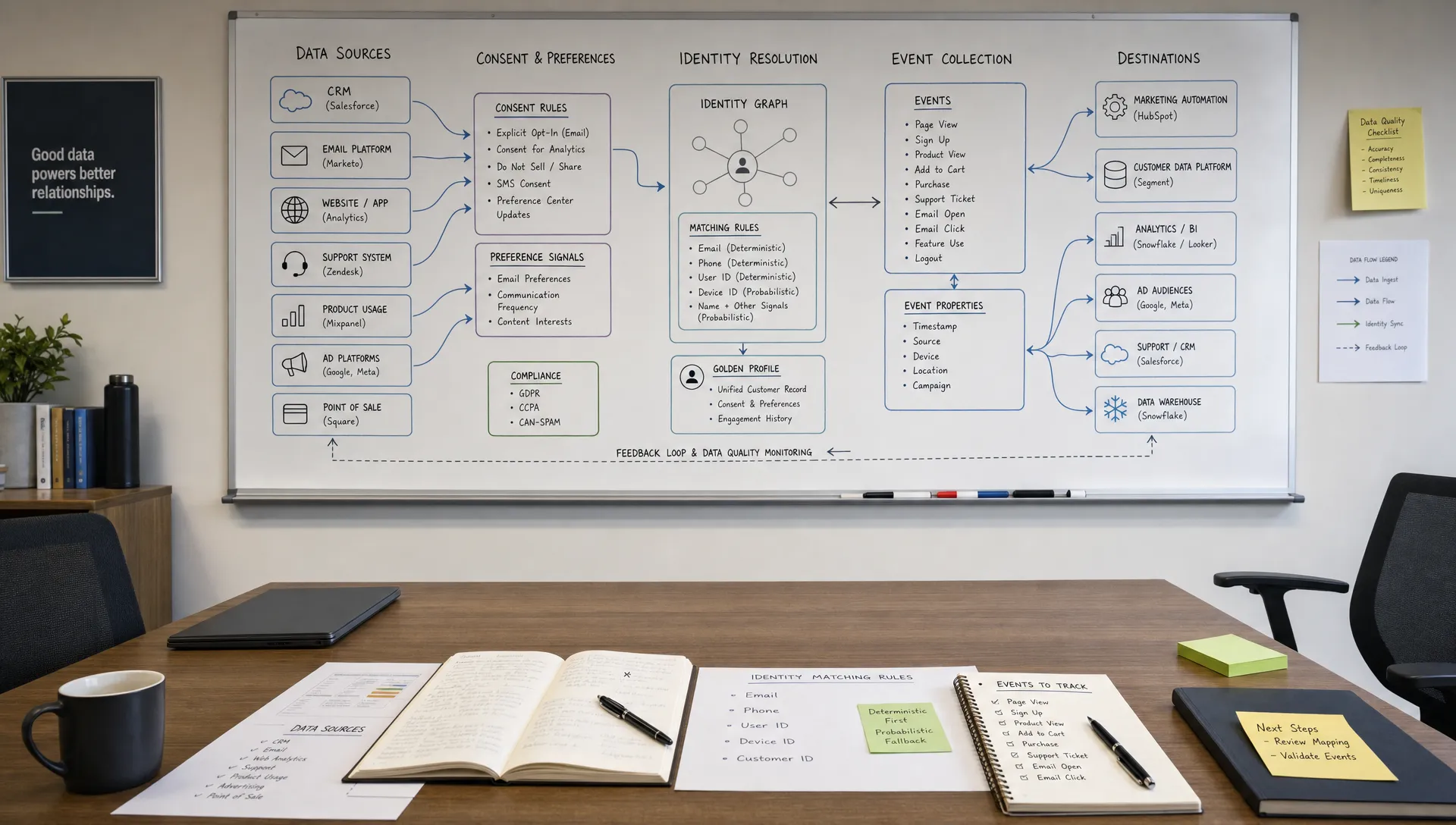
A strong prompt cannot fix a weak product feed. Before using AI to generate descriptions at scale, define the source data that every output should use. This turns AI content generation from improvisation into a controlled production system.
Useful inputs include:
The last point is often overlooked. Reviews and support tickets show how customers actually talk about the product. They also reveal objections that descriptions should answer. If many customers ask whether a backpack fits a 16-inch laptop, that detail deserves a clear place on the page.
Treat missing data as a workflow signal. If the AI tool cannot write a trustworthy answer because the source data is incomplete, the system should flag the SKU for enrichment instead of producing a confident guess.
One generic template will not work across an entire catalog. A skincare product, SaaS add-on, office chair and power tool all require different details. The better approach is to build a description framework by category.
A useful framework defines what the description must accomplish. It also gives AI a structure that reduces repetitive language and improves review speed.
A simple ecommerce framework can include:
The framework should change by category. Apparel pages need sizing, fabric feel and care details. Electronics pages need compatibility, ports and power requirements. B2B software product pages need workflow fit, integration context and outcome clarity.
The aim is consistency without sameness. AI should follow the structure, but the language should still reflect the specific product, customer need and search intent.
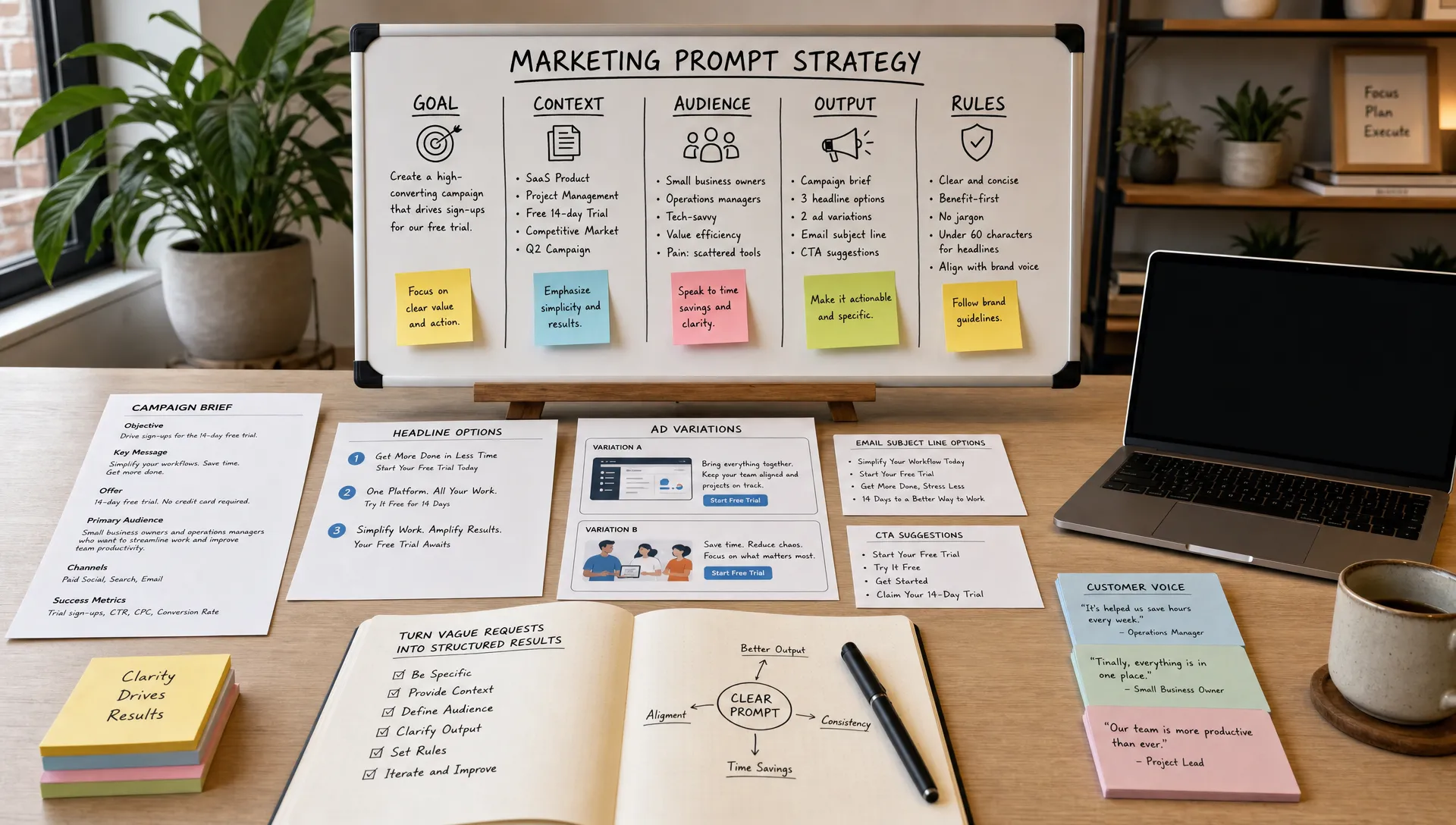
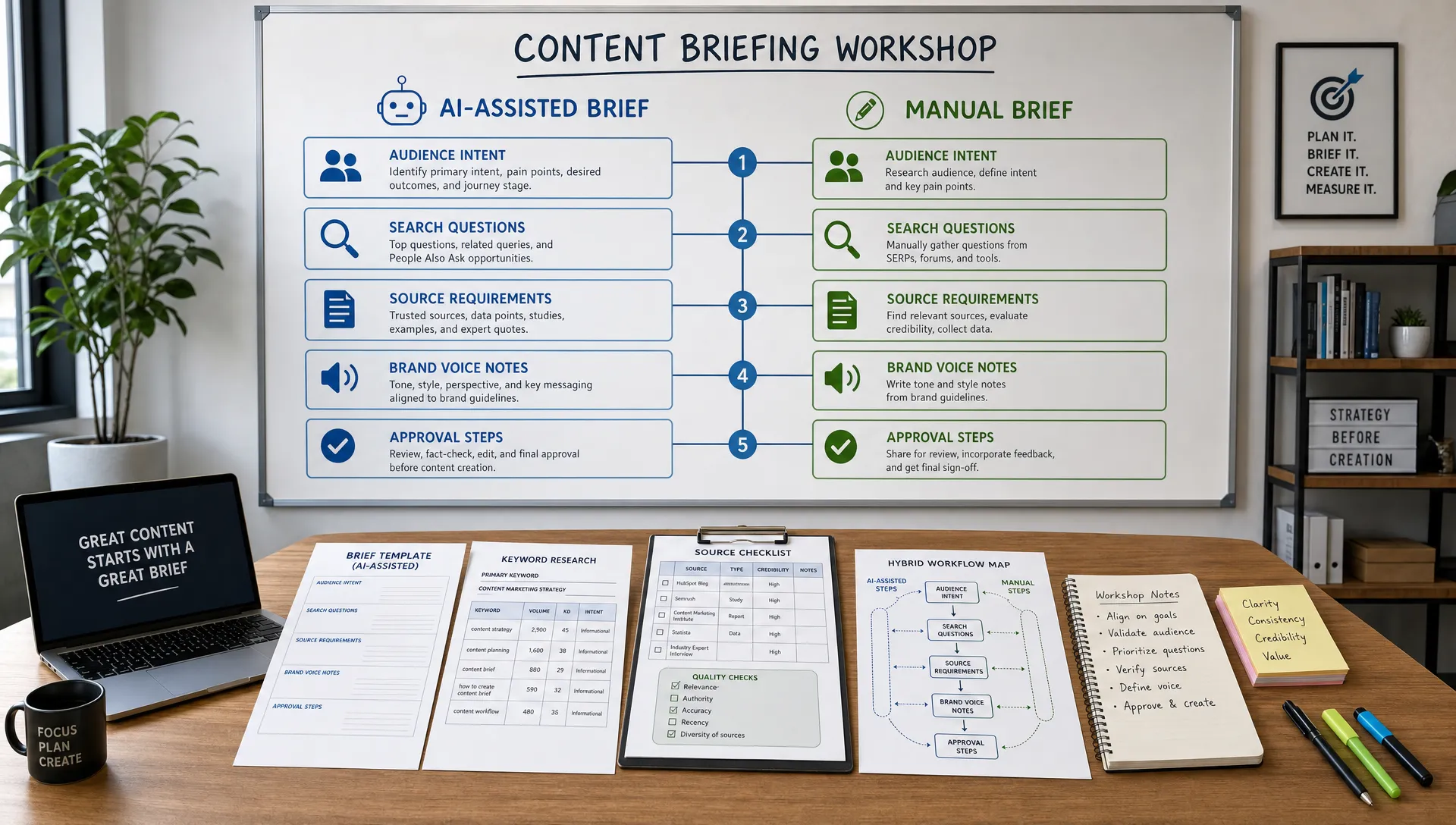
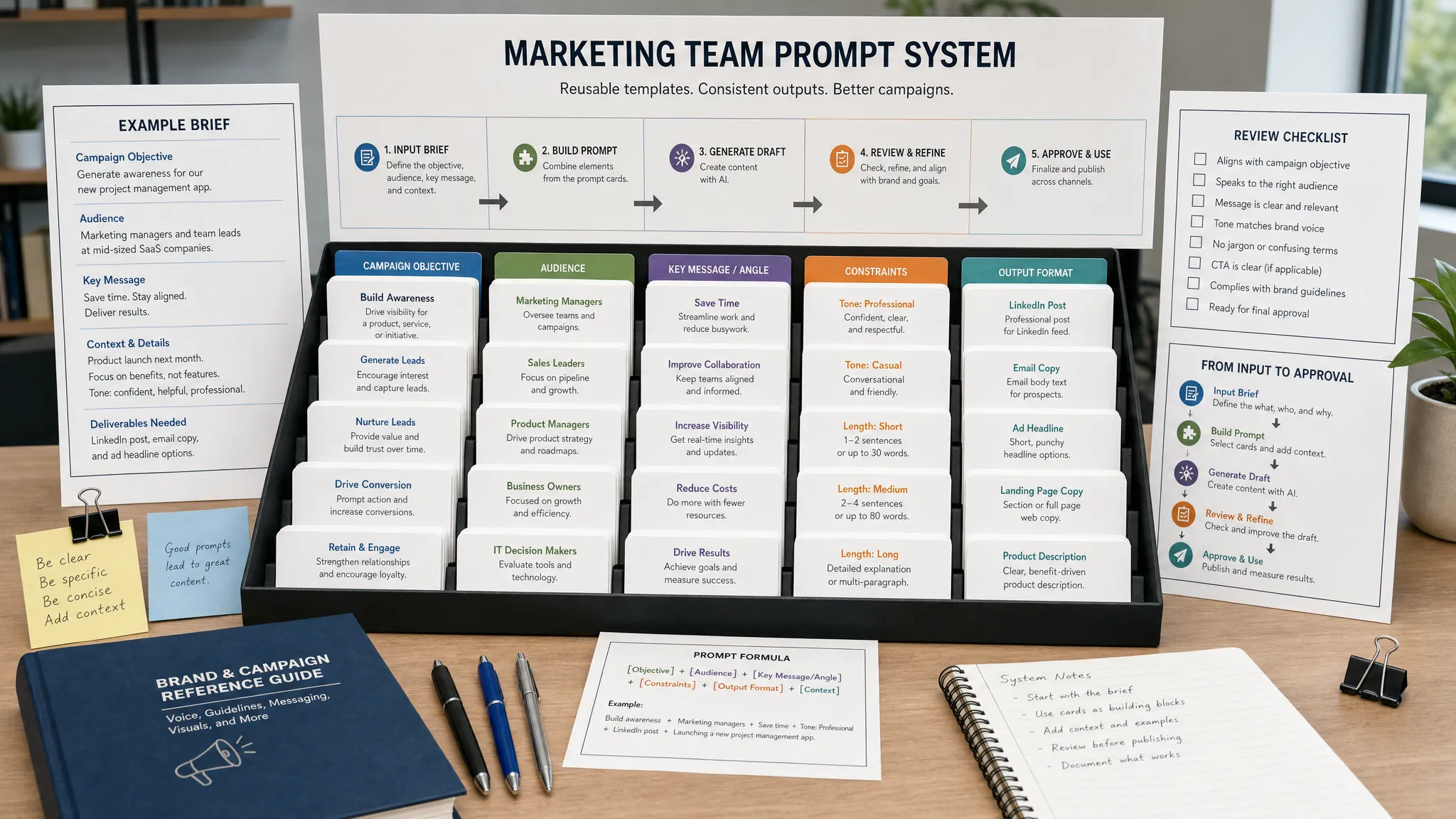
Once your data and framework are ready, prompts become easier. The best scalable prompts are specific, restrictive and reusable. They tell the AI what to use, what to avoid and how to format the result.
Here is a practical prompt structure you can adapt:
You are an ecommerce copywriter for [brand]. Write a product description using only the product facts provided below.

Product name: [name]
Category: [category]
Target customer: [persona]
Primary use case: [use case]
Product facts: [attributes]
Differentiators: [approved differentiators]
SEO phrase: [primary phrase]
Brand voice: [voice notes]
Compliance rules: [rules]

Rules:
Use only the provided facts.
Do not invent claims, certifications, materials, compatibility or performance results.
Write in clear US English.
Avoid hype, clichés and repeated sentence patterns.
Use the SEO phrase naturally once if it fits.
If required information is missing, add a note at the end labeled Missing information.

Output:
Short description, 40 to 60 words.
Long description, 120 to 180 words.
Five benefit-led bullets.
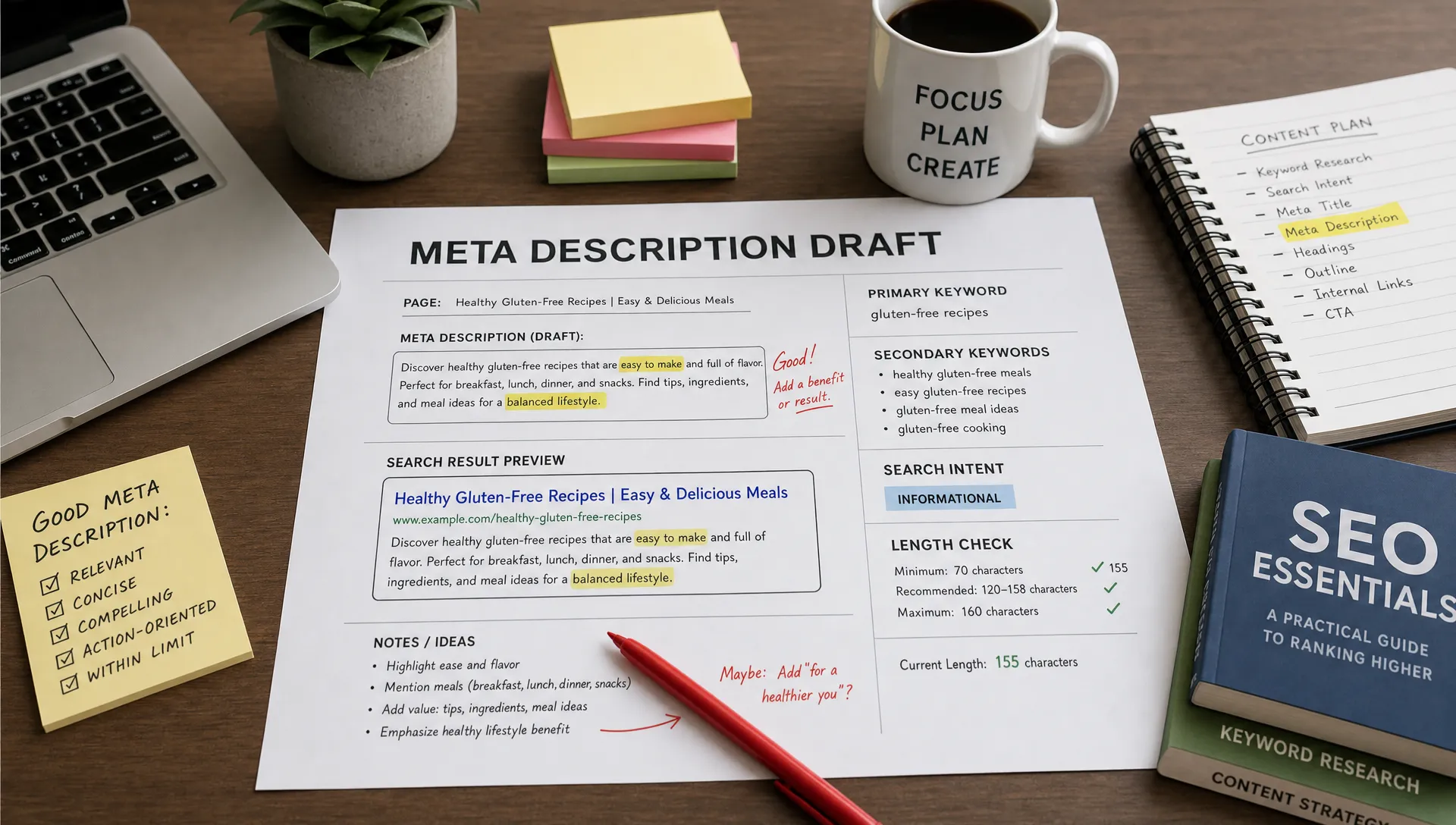
One suggested meta description under 155 characters.
This structure does three important things. It limits hallucination, gives the AI enough context to make useful decisions and creates outputs your team can review quickly.
For large catalogs, you can add variables such as reading level, product tier, buyer stage or channel. A marketplace description may need to be brief and specification-heavy, while your own product page can tell a fuller story.
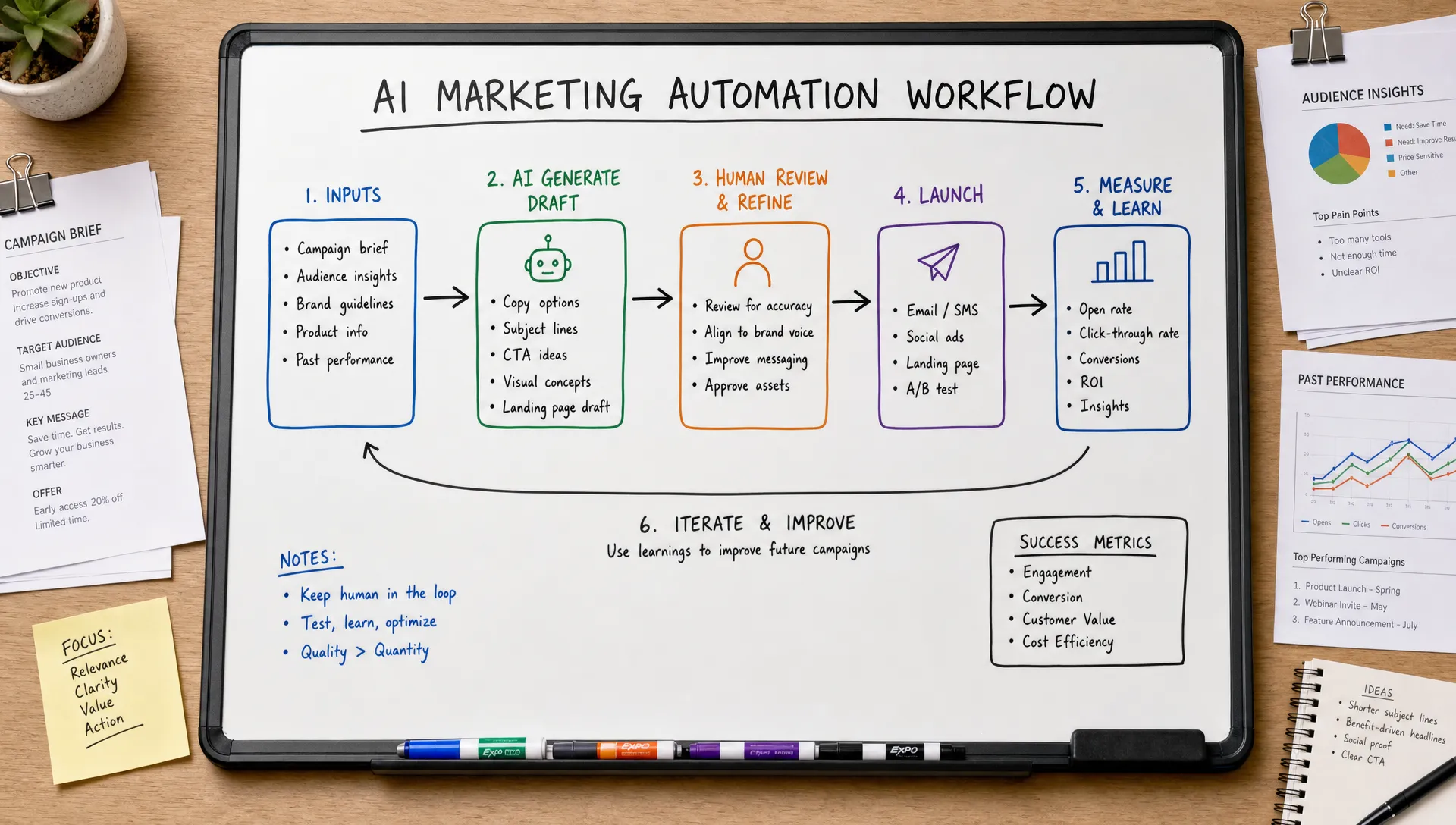
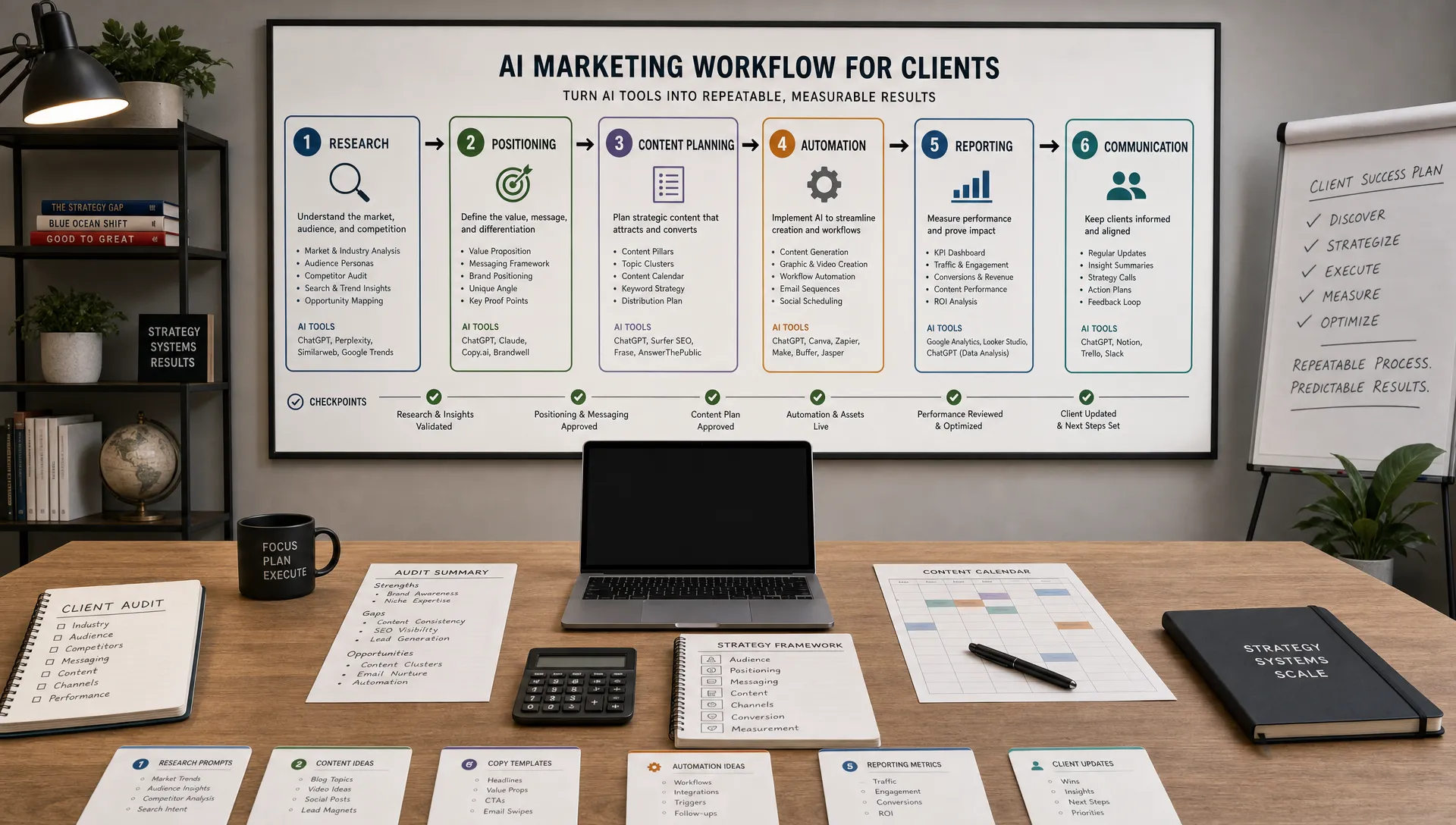
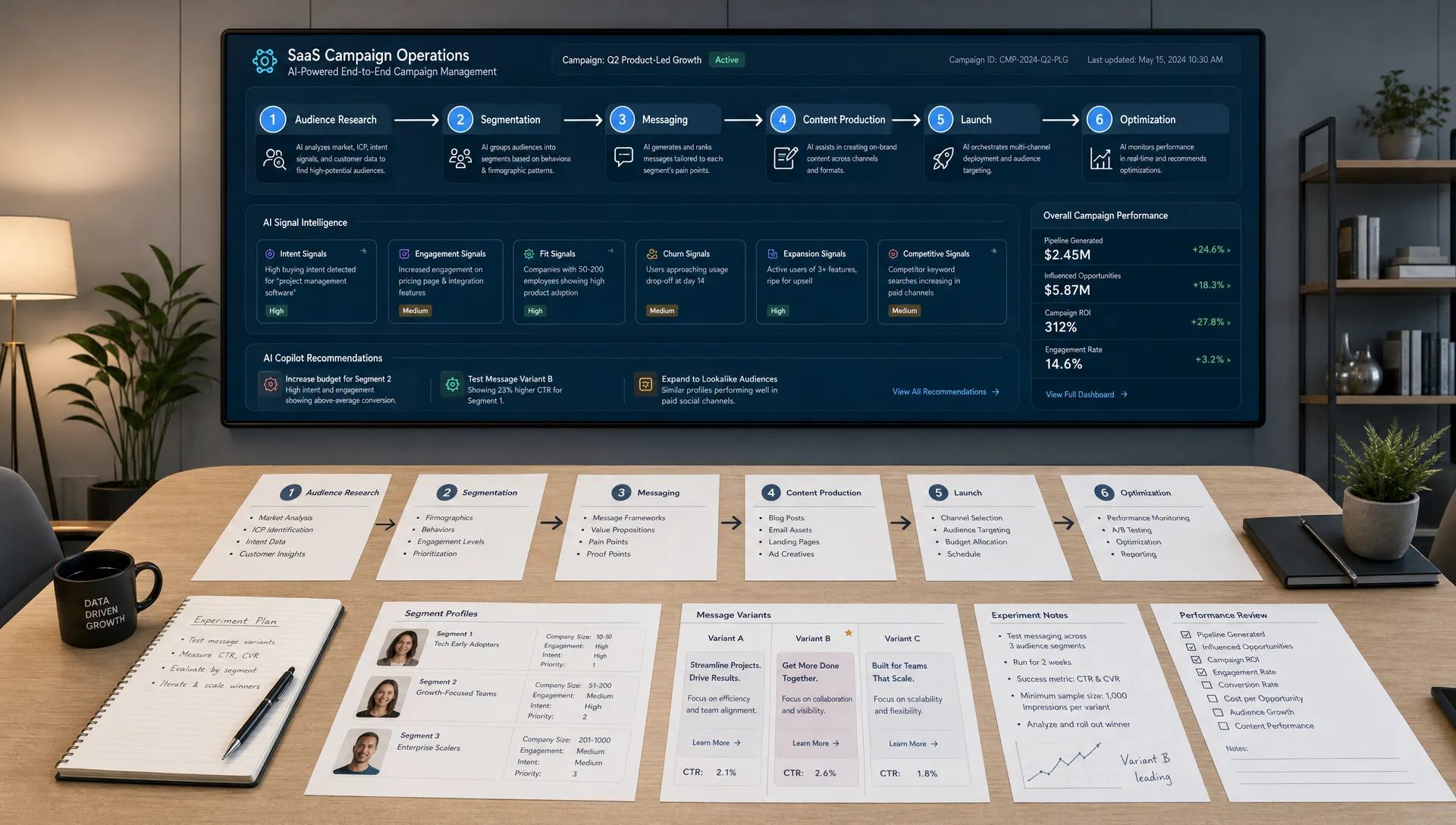
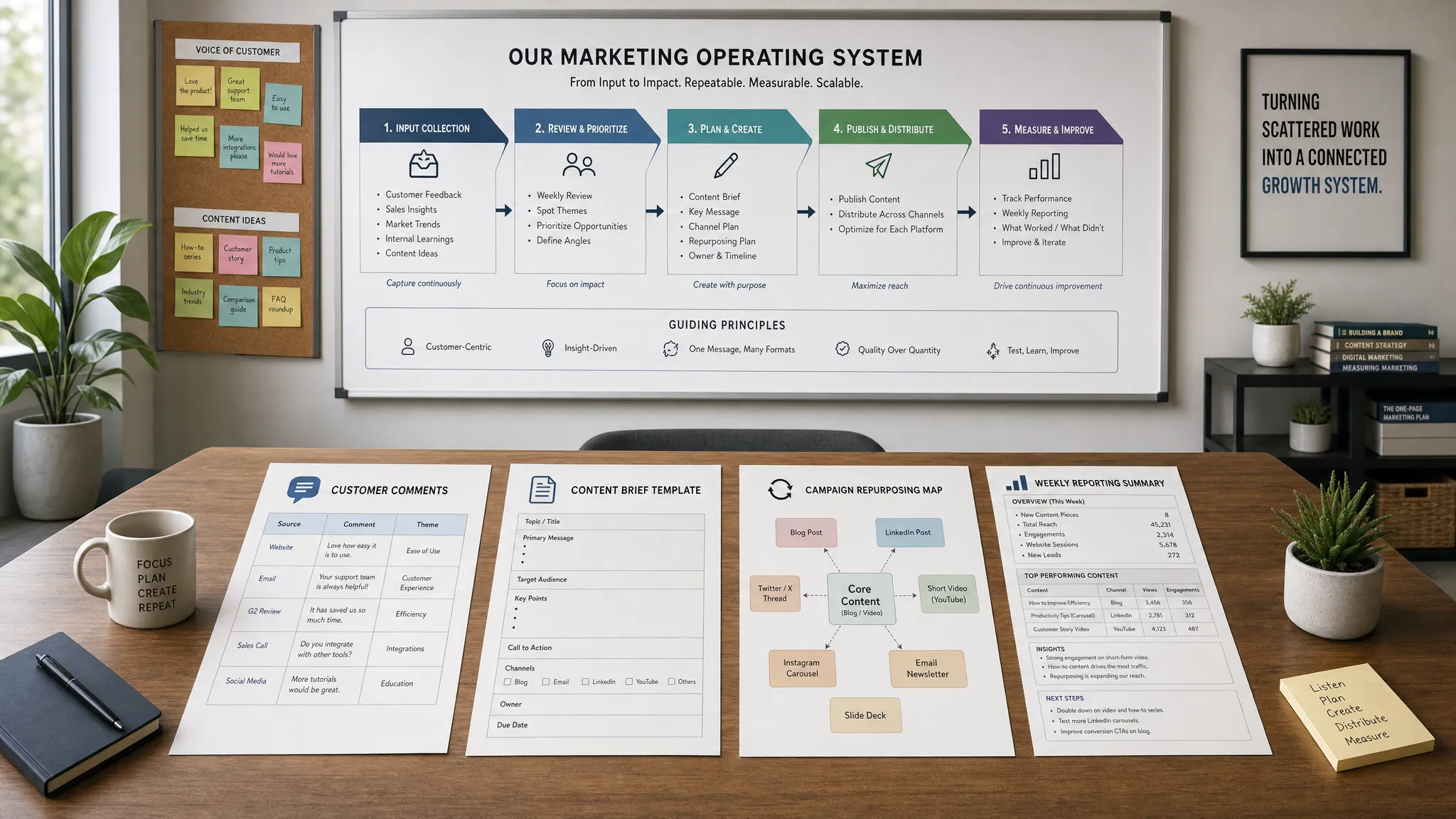
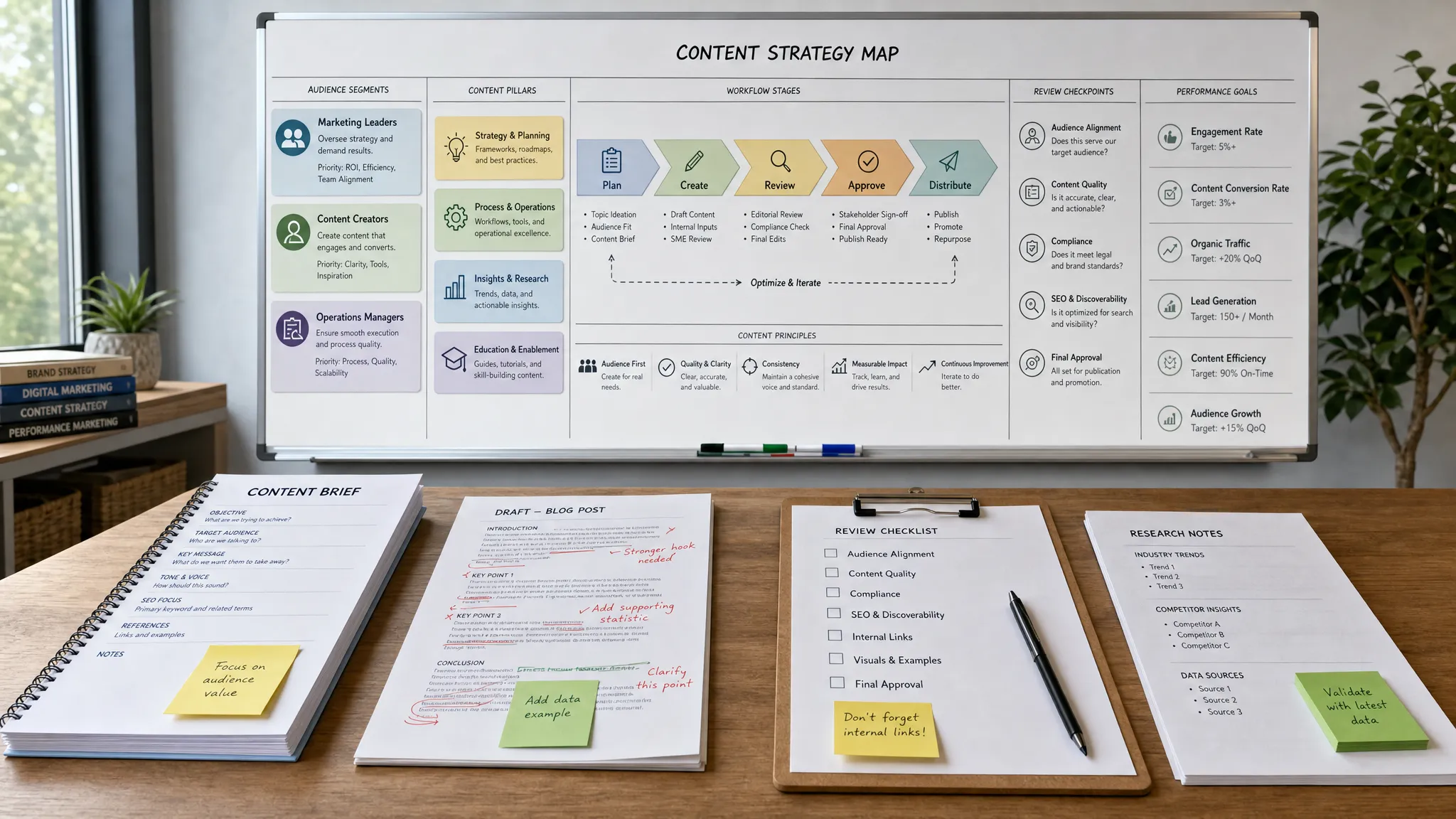
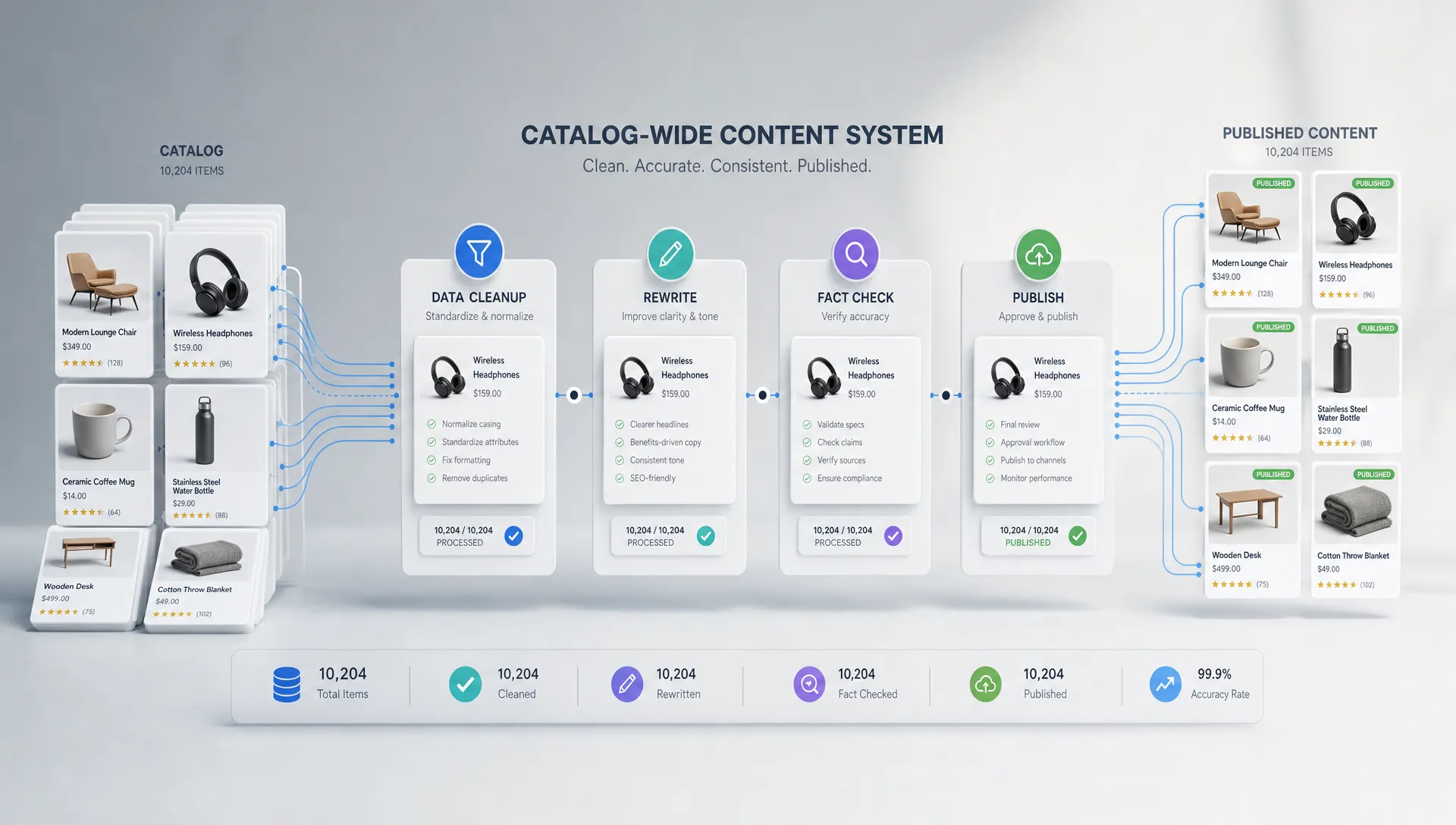
The workflow matters more than the model. If you want consistent results across hundreds or thousands of pages, use a production process that separates data preparation, generation, review and measurement.
A practical workflow looks like this:
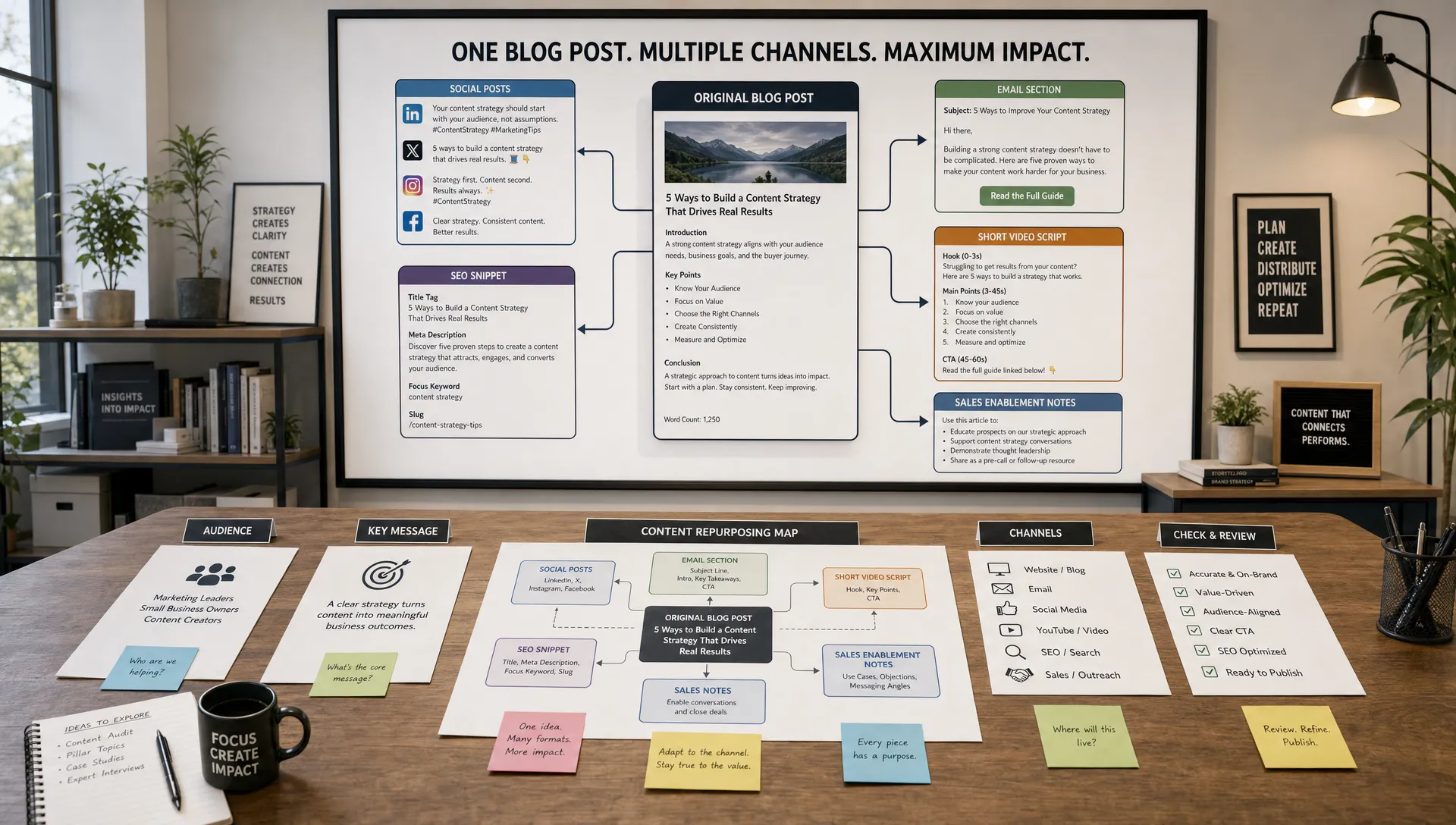
This is where marketing workflow automation becomes valuable. Instead of asking a writer to start from a blank page, the system prepares the right inputs, drafts the content, flags exceptions and routes pages for review.
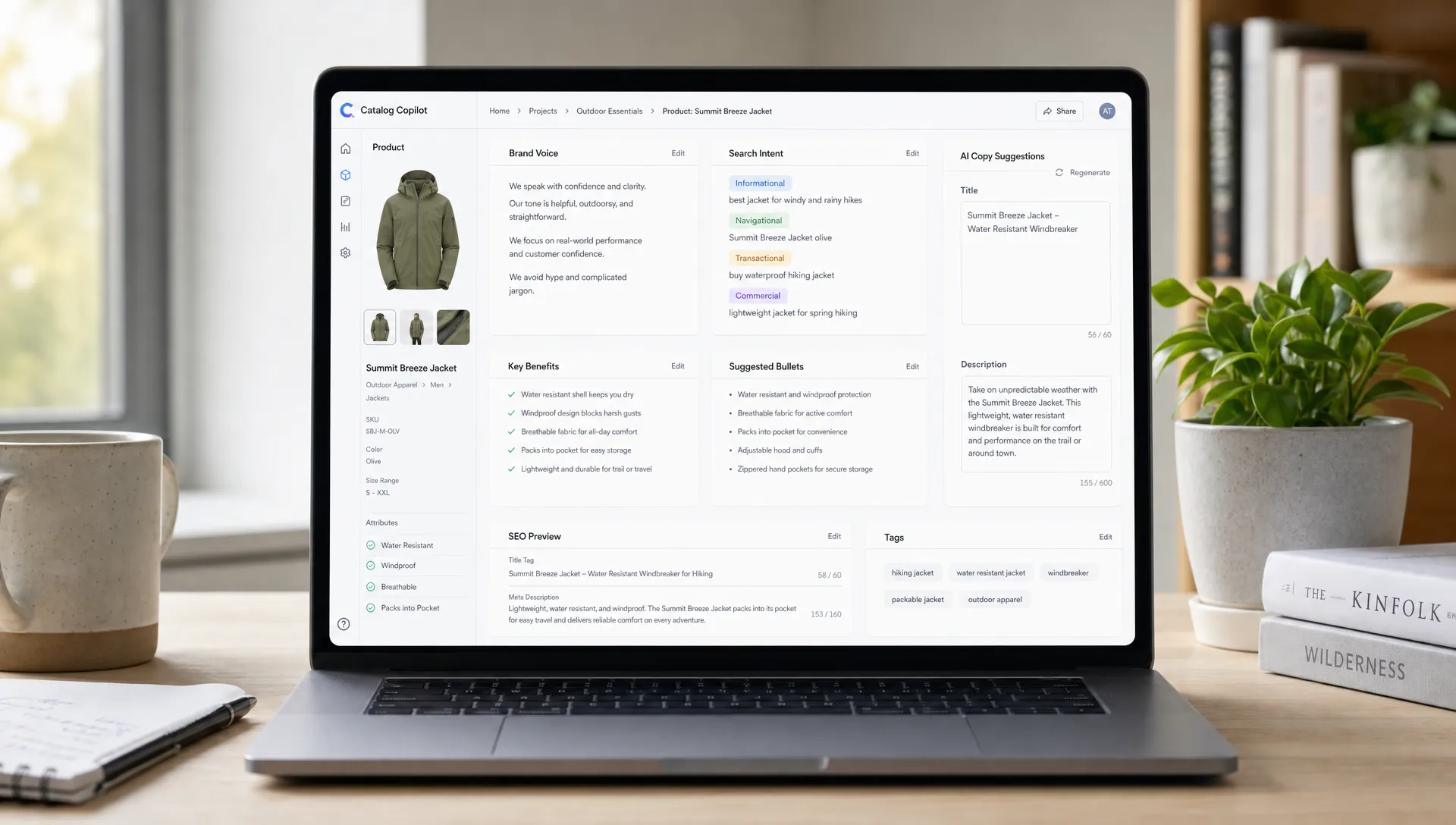
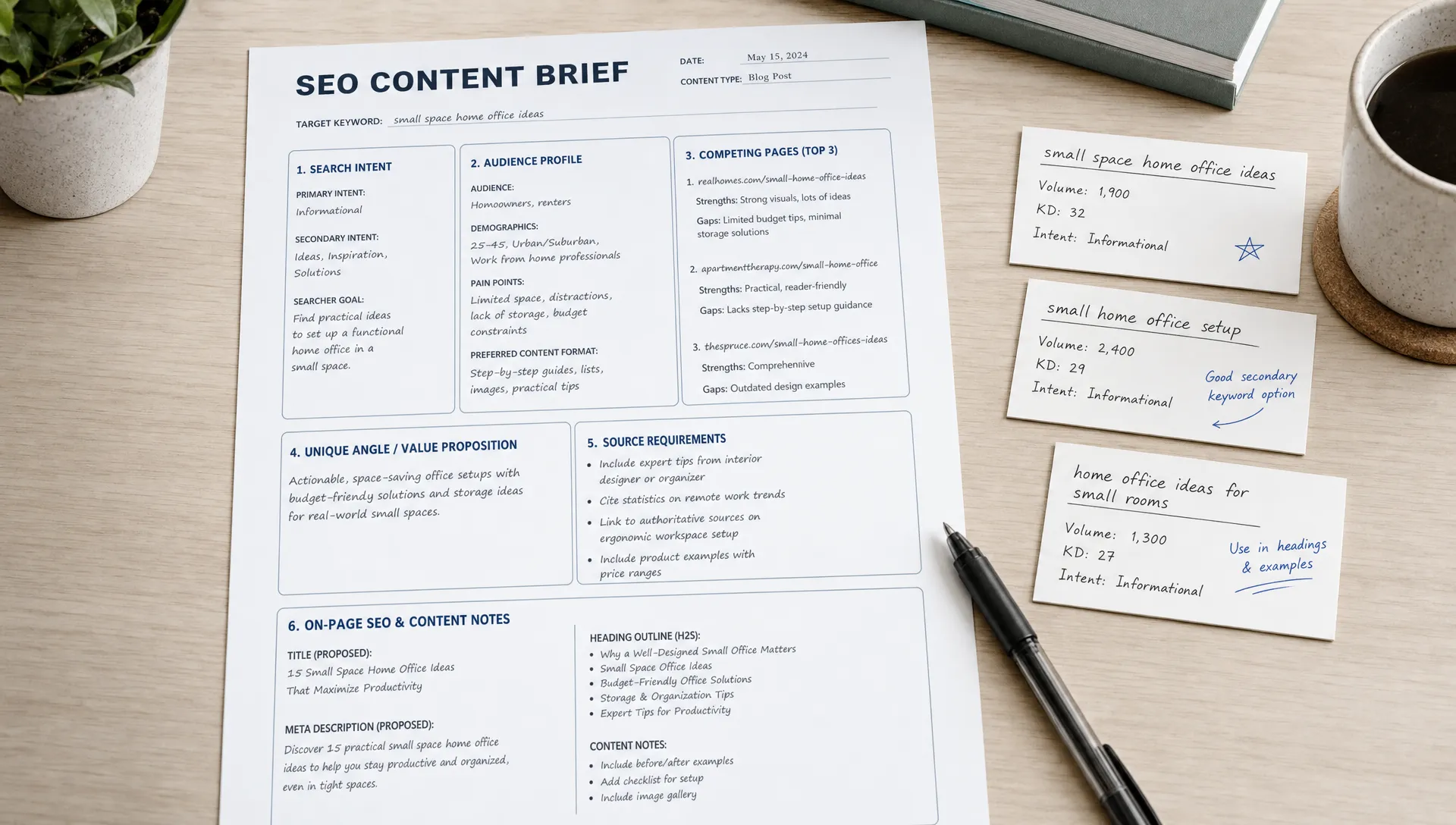
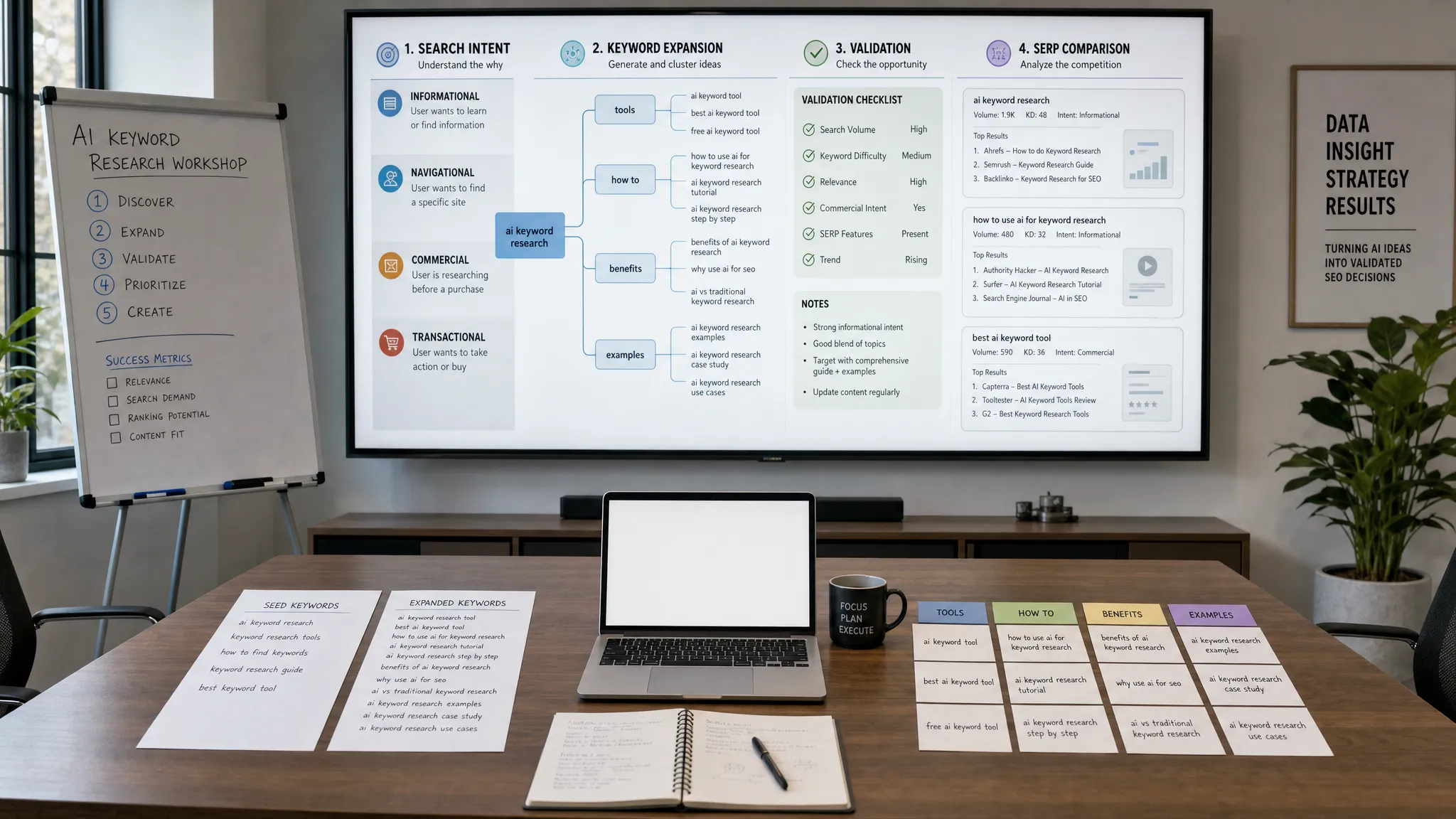
SEO-friendly product descriptions should help search engines understand the page, but they still need to help humans make a decision. A description that repeats a keyword five times and says nothing useful will not build trust.
Use AI to map buyer language to product details. For example, customers may search for lightweight carry-on backpack, but your internal product feed may only say 28L nylon travel pack. AI can help bridge that language gap, as long as the final page remains accurate.
Strong SEO inputs for product descriptions include:
The first 100 words of the description deserve special attention. This is where the product, audience and main value should become clear. Avoid opening with generic brand language that could apply to any item in the catalog.
AI can also support related page elements, including title tags, alt text suggestions and meta descriptions. If your team is updating snippets alongside product copy, this guide on how to use AI to write better meta descriptions can help you build a more complete SEO workflow.
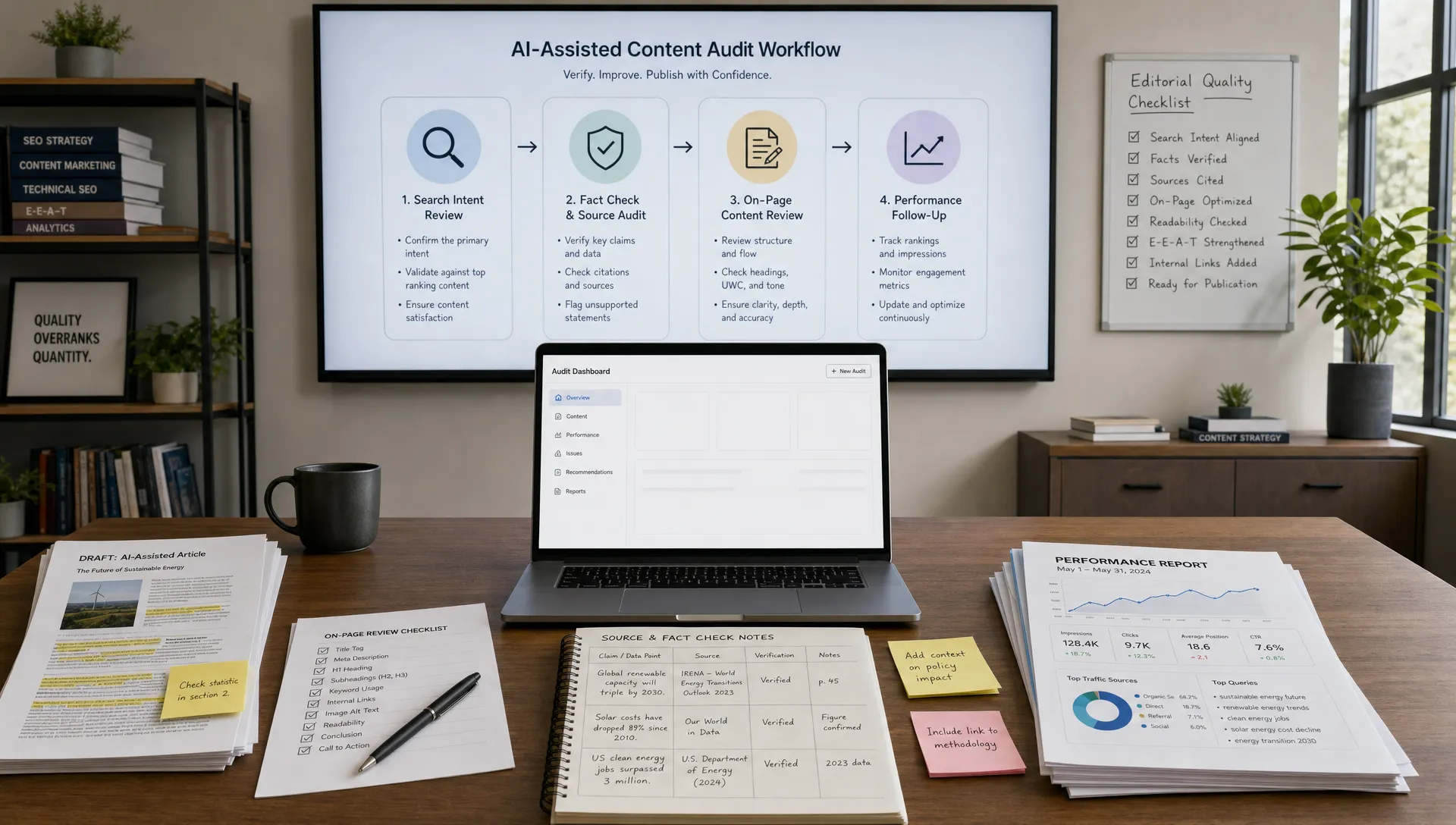
At scale, small errors multiply quickly. One bad prompt can create hundreds of pages with the same weak claim or awkward phrase. That is why AI-assisted product copy needs quality control before it reaches customers.
Your review process should check:
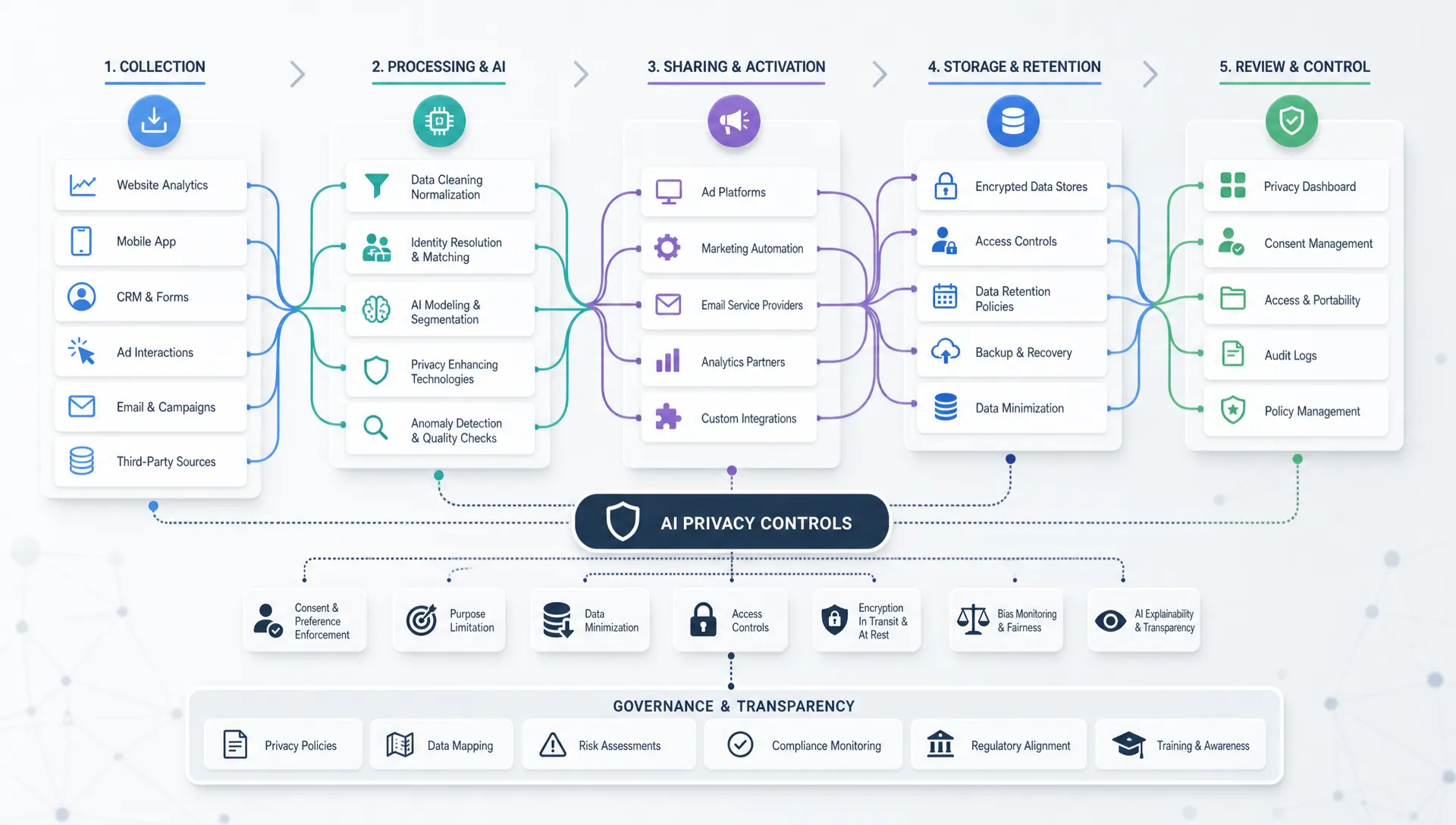
Governance is not only a marketing concern. Any technology that helps people make decisions at scale needs transparent rules and accountability, a principle also visible in civic technology initiatives such as JustSocial, which focuses on technology-enabled participation and transparency.
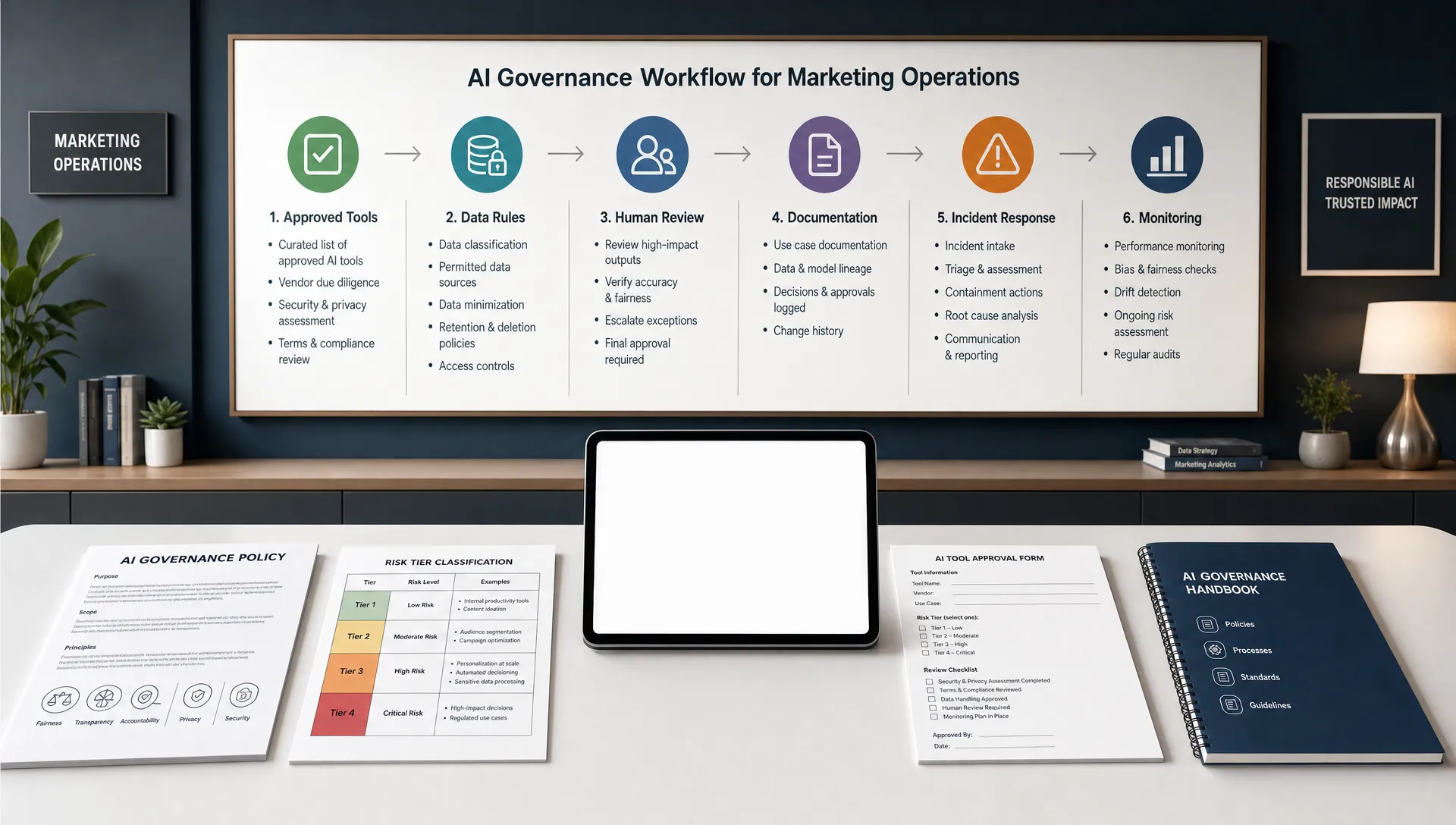
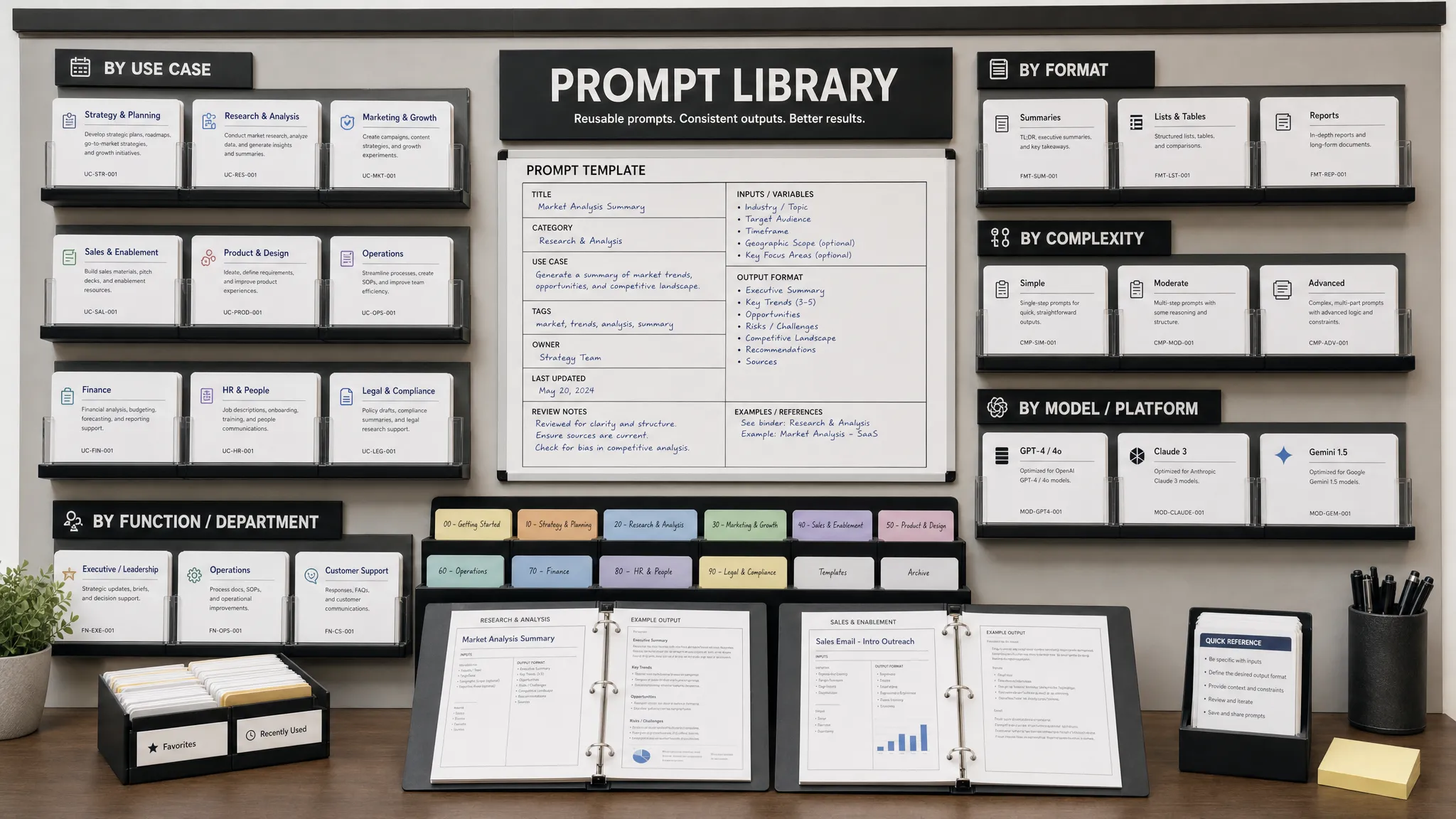
For marketing teams, governance does not need to be complicated. It can start with approved sources, prompt version control, reviewer checklists and clear escalation rules for high-risk categories. AIMarketer Hub has a practical AI content quality control checklist that can be adapted for product description review.
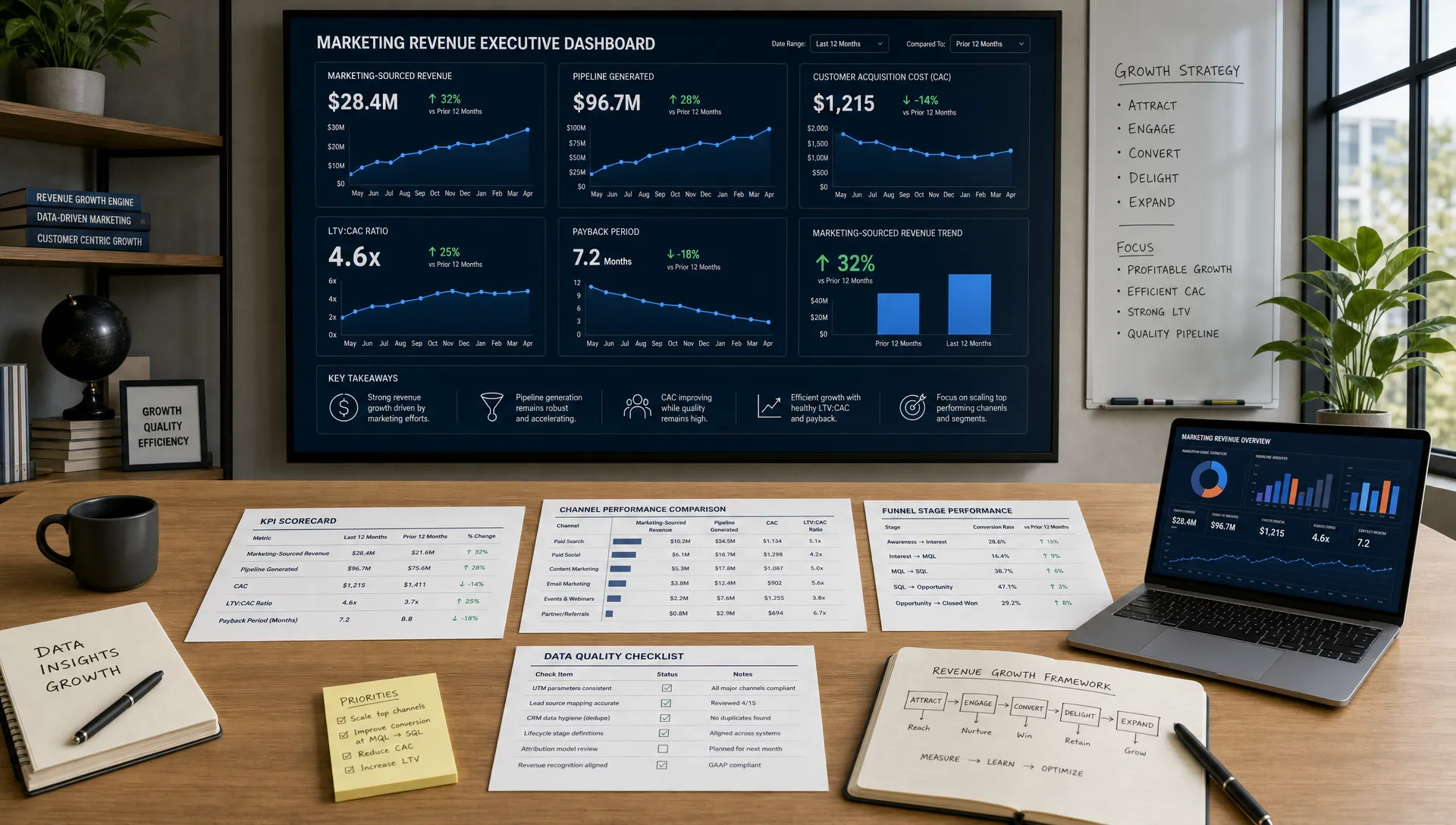
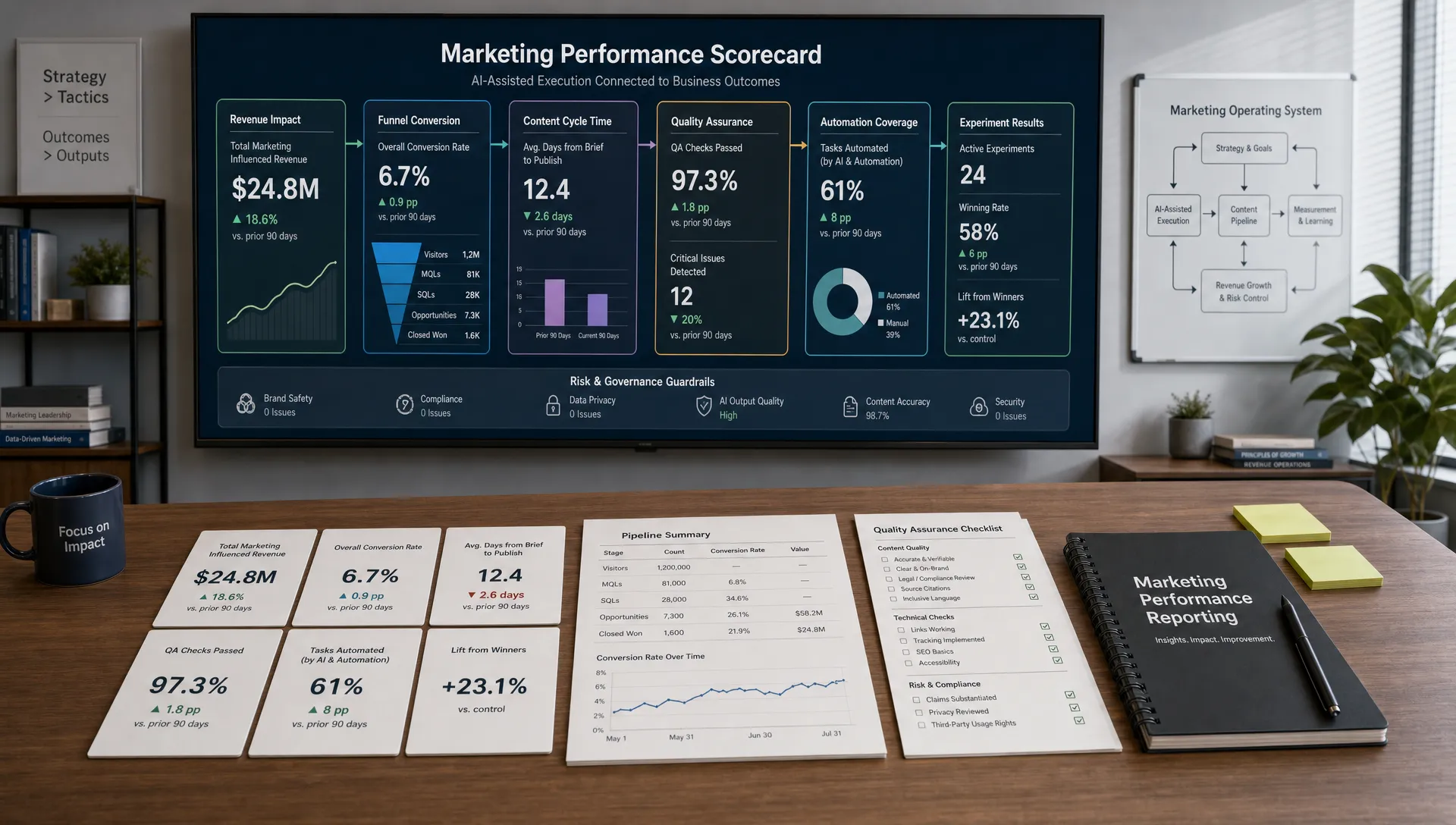
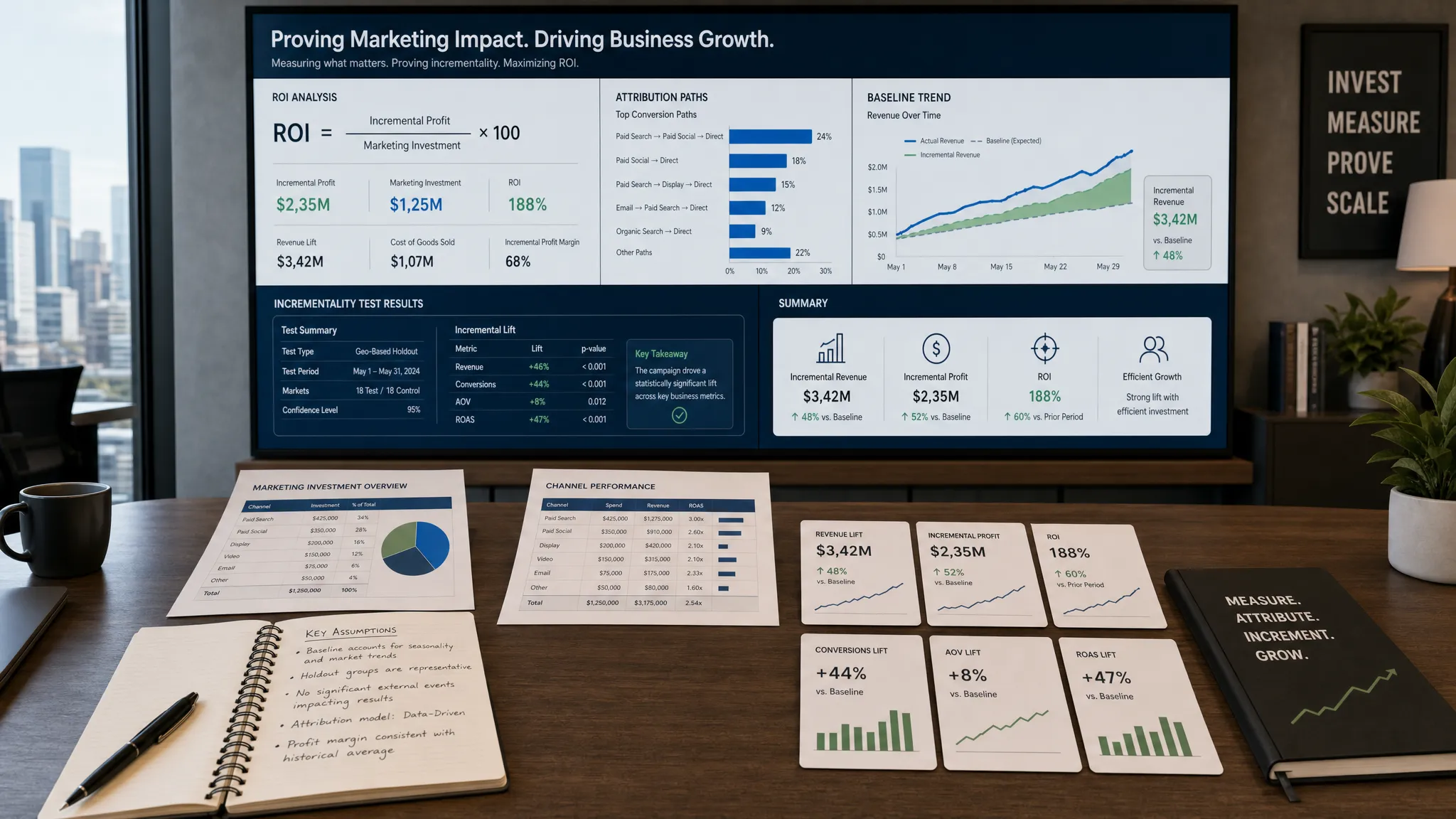
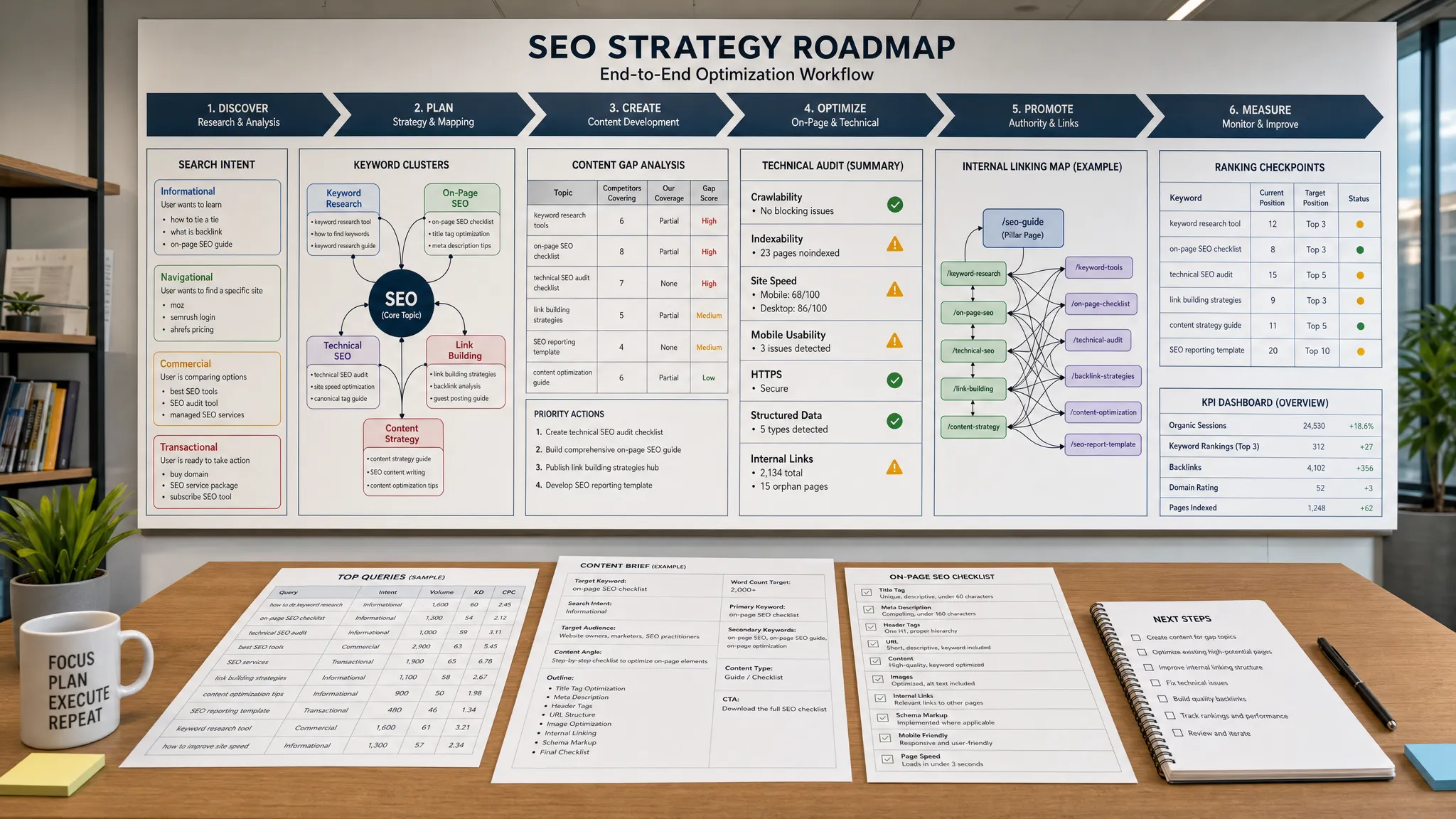
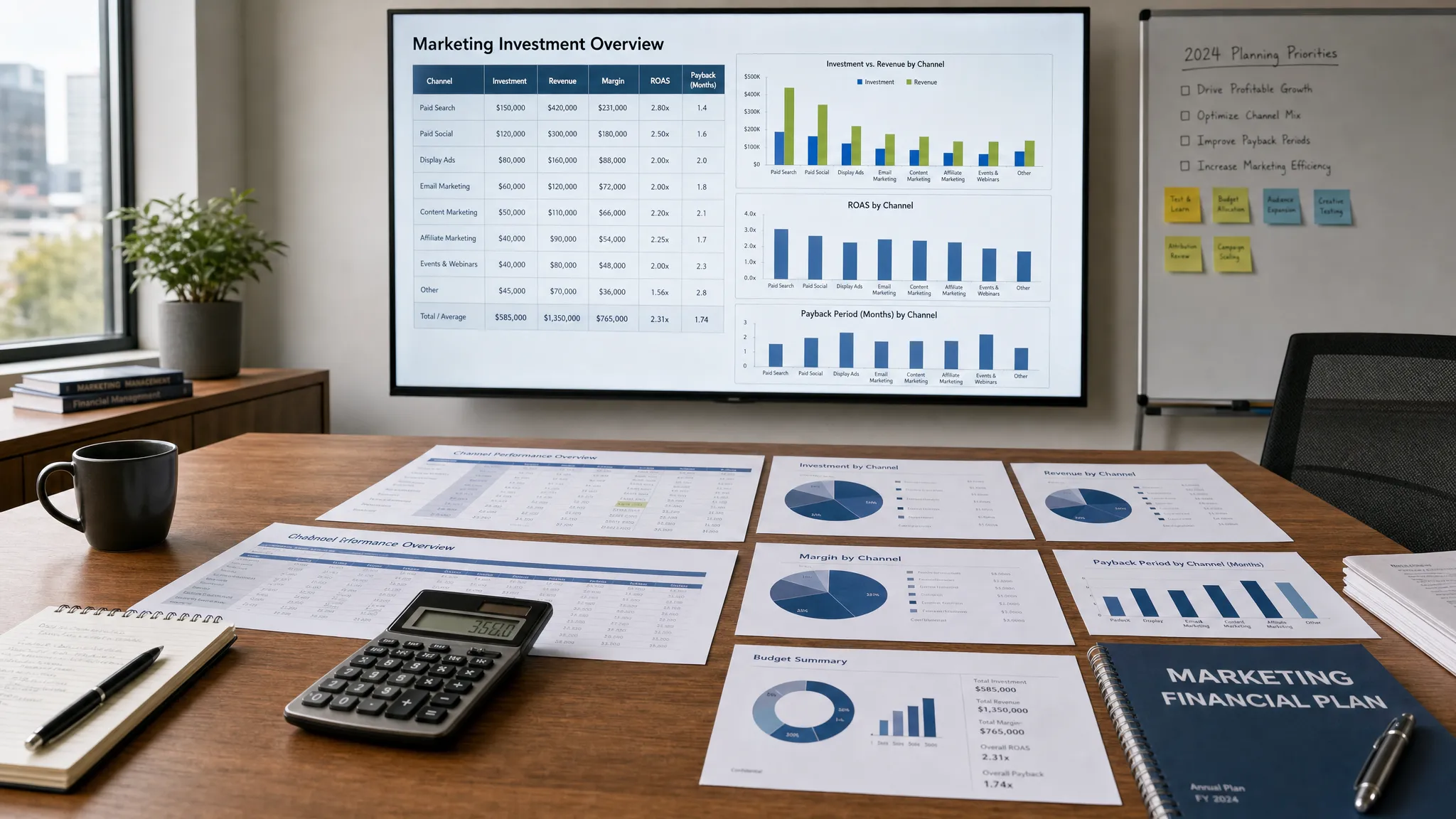
AI product description work should be judged by business outcomes, not word count. The easiest mistake is celebrating how many pages were updated without checking whether customers responded.
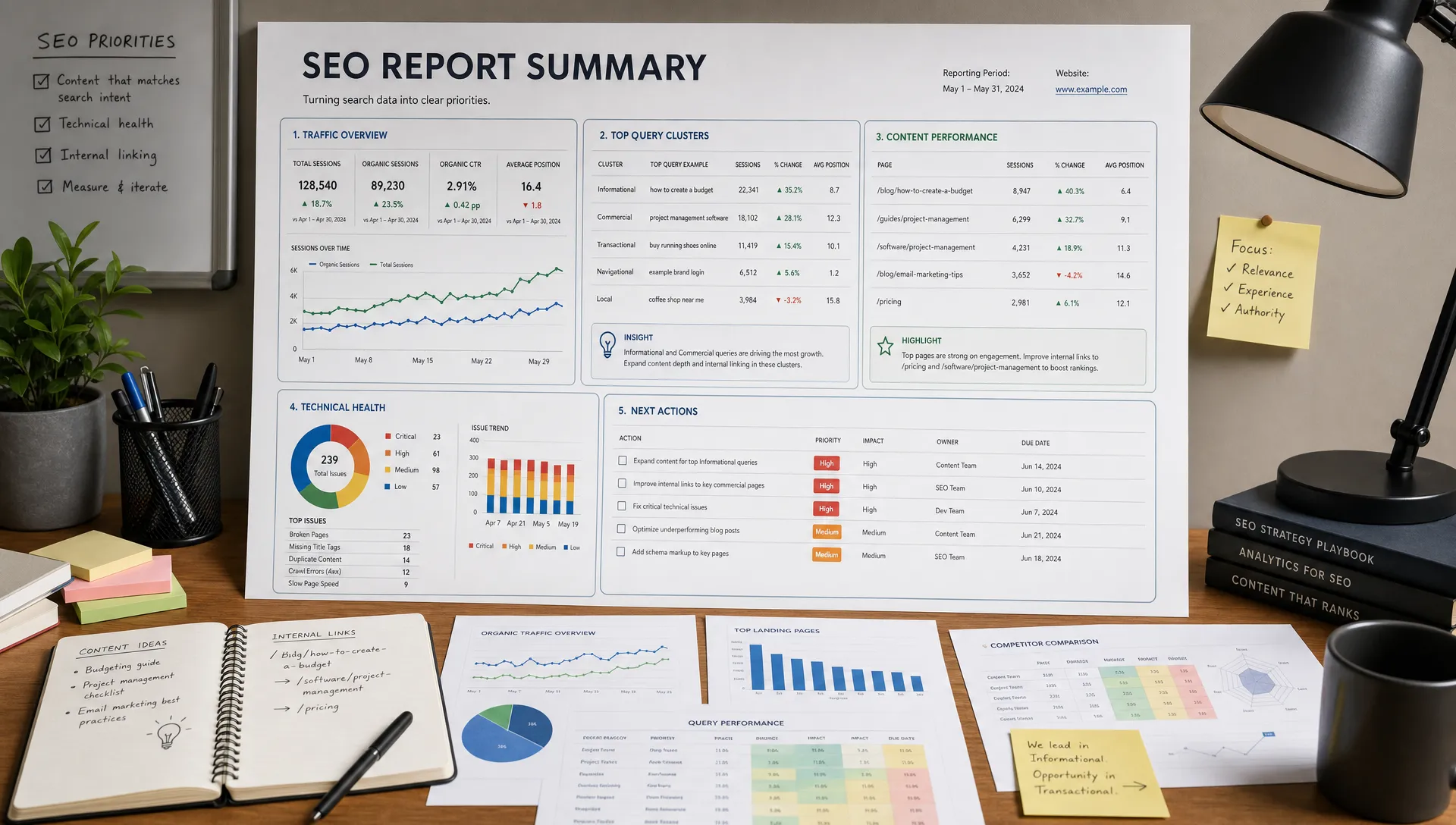
Track performance by batch and category so you can understand what changed. Useful metrics include organic impressions, organic clicks, click-through rate, add-to-cart rate, conversion rate, revenue per visitor, return rate and customer support questions related to product fit.
AI-powered analytics can also help group pages by pattern. You may find that benefit-led descriptions improve apparel conversion, while technical specification clarity has a bigger effect in electronics or B2B categories. Those insights should feed the next prompt version.
A/B testing is ideal for high-traffic pages. For lower-traffic SKUs, compare performance before and after publication across similar groups. Keep a control group if you can, especially when seasonality or promotions might affect results.
Measurement should also include editorial quality. Track how often reviewers find factual issues, how many drafts require heavy edits and which prompts produce the best first-pass acceptance rate. These operational metrics help you improve the system over time.
A single prompt often creates generic descriptions. Segment by category, audience and risk level. The more specific the product context, the better the output.
If the description needs a waterproof rating, material source or compatibility detail, that information must come from an approved source. If it is missing, flag it.
Not every product needs luxury language. Buyers often want clarity, fit and confidence more than elevated wording. Match tone to the product and customer.
Color, size and bundle variants can create duplicate pages. AI can help create subtle differences, but only when those differences are real and useful.
If you do not tag updated pages, you will not know which prompts, categories or description styles worked. Scaled content creation needs measurement from the start.
Can AI write product descriptions for every SKU? Yes, but it should not generate final copy for every SKU without review rules. Low-risk products can use sample-based review, while high-risk or regulated products need closer human oversight.
How do I keep AI product descriptions unique? Use category-specific prompts, rich product attributes, customer use cases and varied sentence structures. Avoid asking AI to simply rewrite the same supplier paragraph across hundreds of pages.
Will AI product descriptions improve SEO? They can improve SEO when they create original, accurate and helpful content that matches buyer intent. AI will not fix poor site structure, weak product data or technical SEO issues by itself.
What information should I give AI before generating descriptions? Provide product facts, audience details, use cases, differentiators, brand voice rules, SEO phrases and compliance limits. The more complete the source data, the safer and more useful the output.
How much human editing is needed? It depends on product risk and catalog maturity. Early batches need more review. As prompts, data and validation rules improve, teams can shift toward exception-based review for lower-risk pages.
The best way to use AI to improve product descriptions at scale is to build a system: clean inputs, category frameworks, controlled prompts, quality checks and performance measurement. That system gives marketers speed without sacrificing accuracy or brand trust.
AIMarketer Hub helps marketers and businesses apply AI tools more practically, with prompt resources, SEO tools, content creation guidance and analytics-focused workflows. Use those resources to turn product description updates from a manual backlog into a measurable growth process.