Brand growth used to look more linear: launch a campaign, buy media, drive traffic, measure sales, repeat. Today, growth is more fragmented. Customers discover brands through search, social, creators, podcasts, email, retail media, marketplaces, direct mail, review sites, AI answers, and conversations that never show up cleanly in a last-click report.
That is why a modern media agency is no longer just a team that buys ad placements. The best agencies help brands decide where to show up, what message to use, how much to invest, how to measure impact, and how to turn campaign data into the next growth move.
For businesses trying to scale without wasting budget, a media agency can act as the connective tissue between strategy, creative, analytics, and execution.
A media agency plans, buys, manages, and optimizes media across paid and often integrated channels. In practical terms, it helps a brand reach the right audience at the right moment, then improves performance through ongoing testing and measurement.
Historically, media agencies were known for negotiating ad space in television, radio, print, and outdoor. Those capabilities still matter, but the role has expanded. A modern agency may support paid search, paid social, programmatic advertising, connected TV, retail media, influencer amplification, CRM media, direct mail coordination, and performance reporting.
More importantly, the agency helps answer questions that internal teams often struggle to solve alone:
The value is not just media access. It is decision quality.
A strong media agency starts with business objectives, not channel preferences. Before recommending TikTok, Google Ads, streaming audio, or direct mail, it should clarify what the brand is trying to achieve.
A company launching a new product needs a different media mix than a mature SaaS business reducing customer acquisition cost. A local service company expanding into a new city needs a different plan than a national ecommerce brand preparing for peak season.
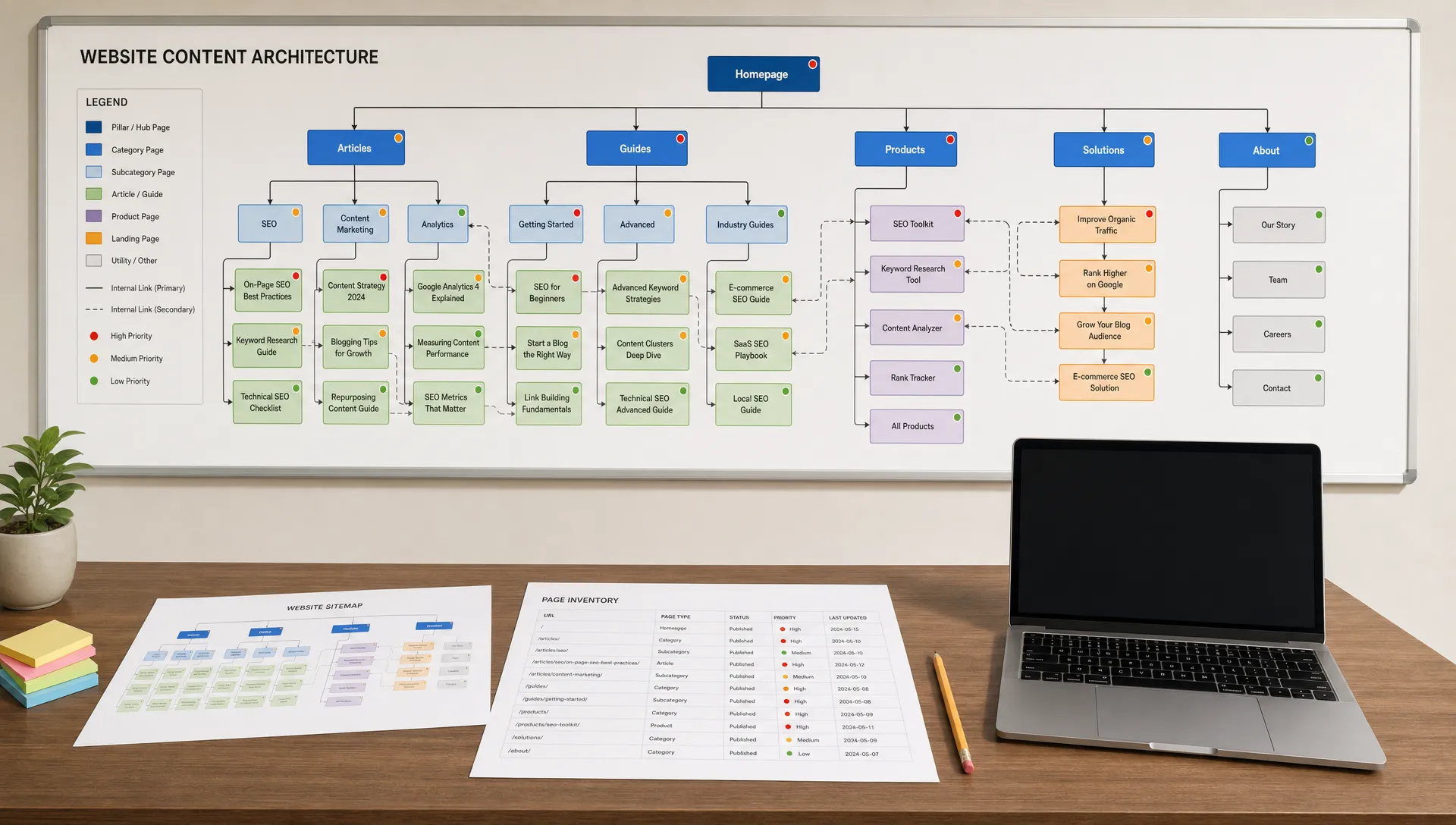
The agency translates goals into media strategy by defining the audience, mapping the customer journey, setting measurable objectives, and assigning channel roles. Search may capture high-intent demand. Social may shape consideration. Connected TV may build reach. Email and retargeting may support conversion. Offline channels may reinforce trust or local presence.
This is where modern brand growth becomes less about isolated campaigns and more about a system. Each channel has a job, and the agency’s role is to make sure those jobs work together.
Media spend becomes expensive when brands target too broadly, rely on outdated assumptions, or use the same message for every segment. A media agency supports growth by sharpening audience understanding before money is committed.
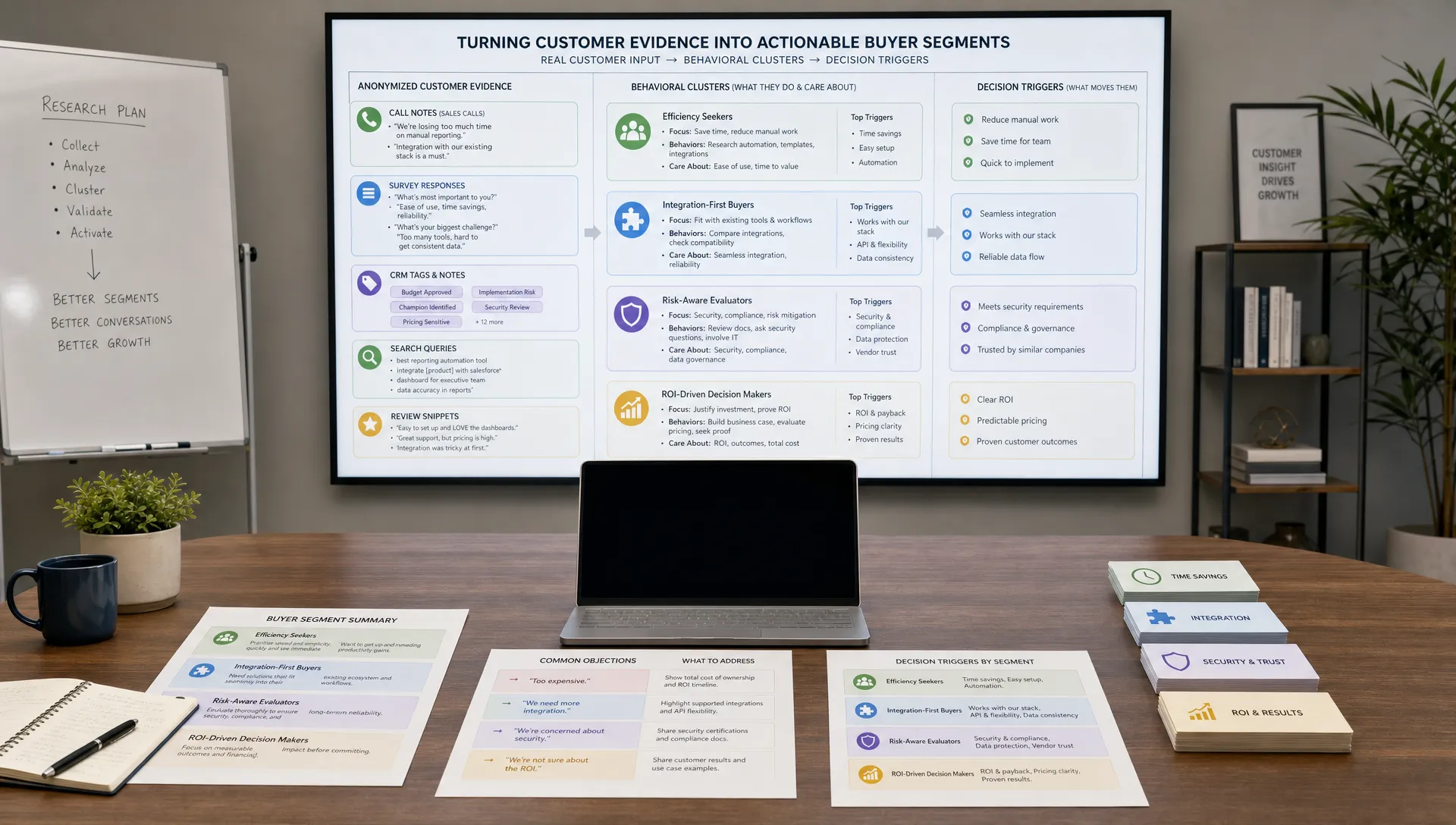
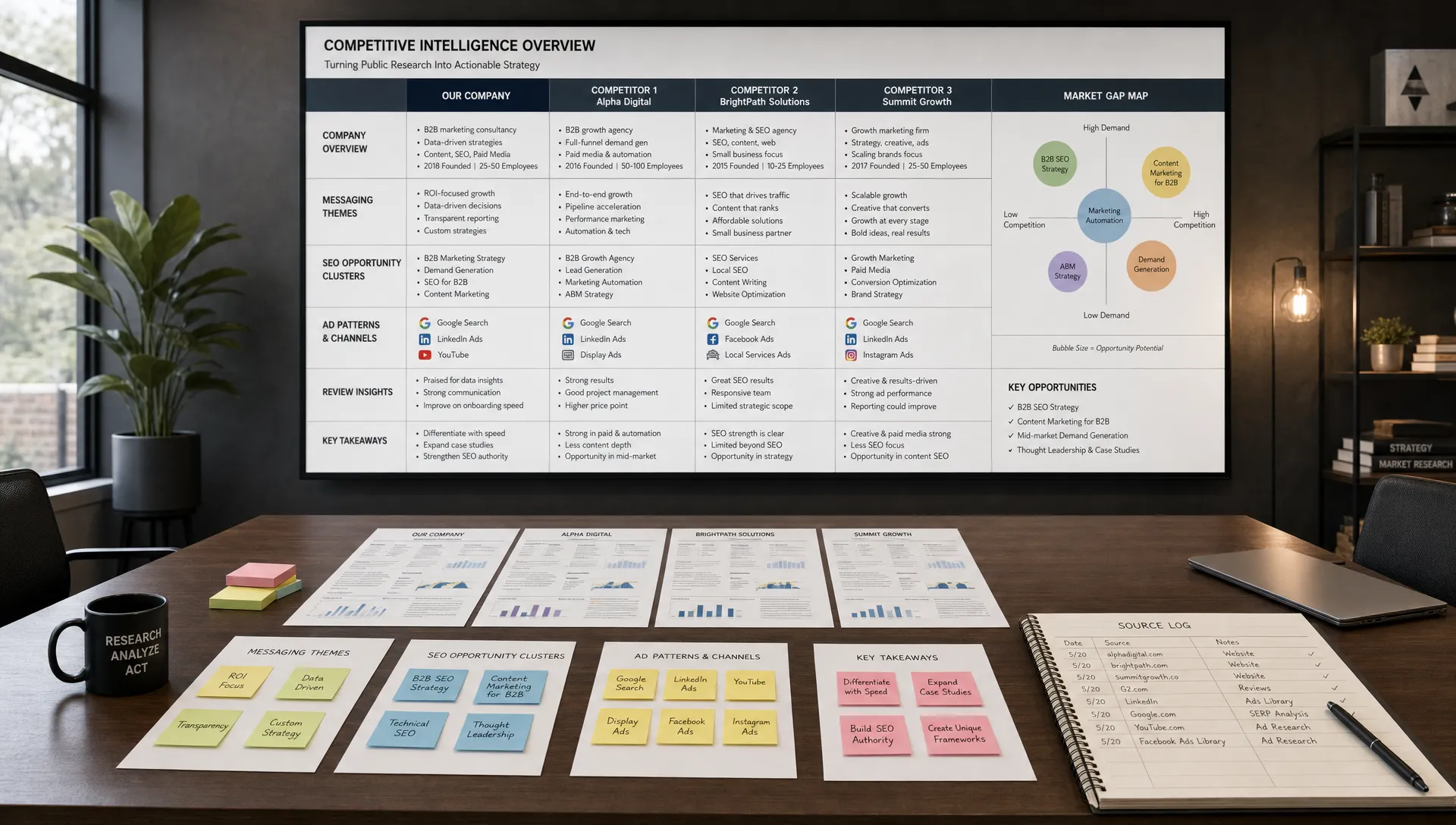
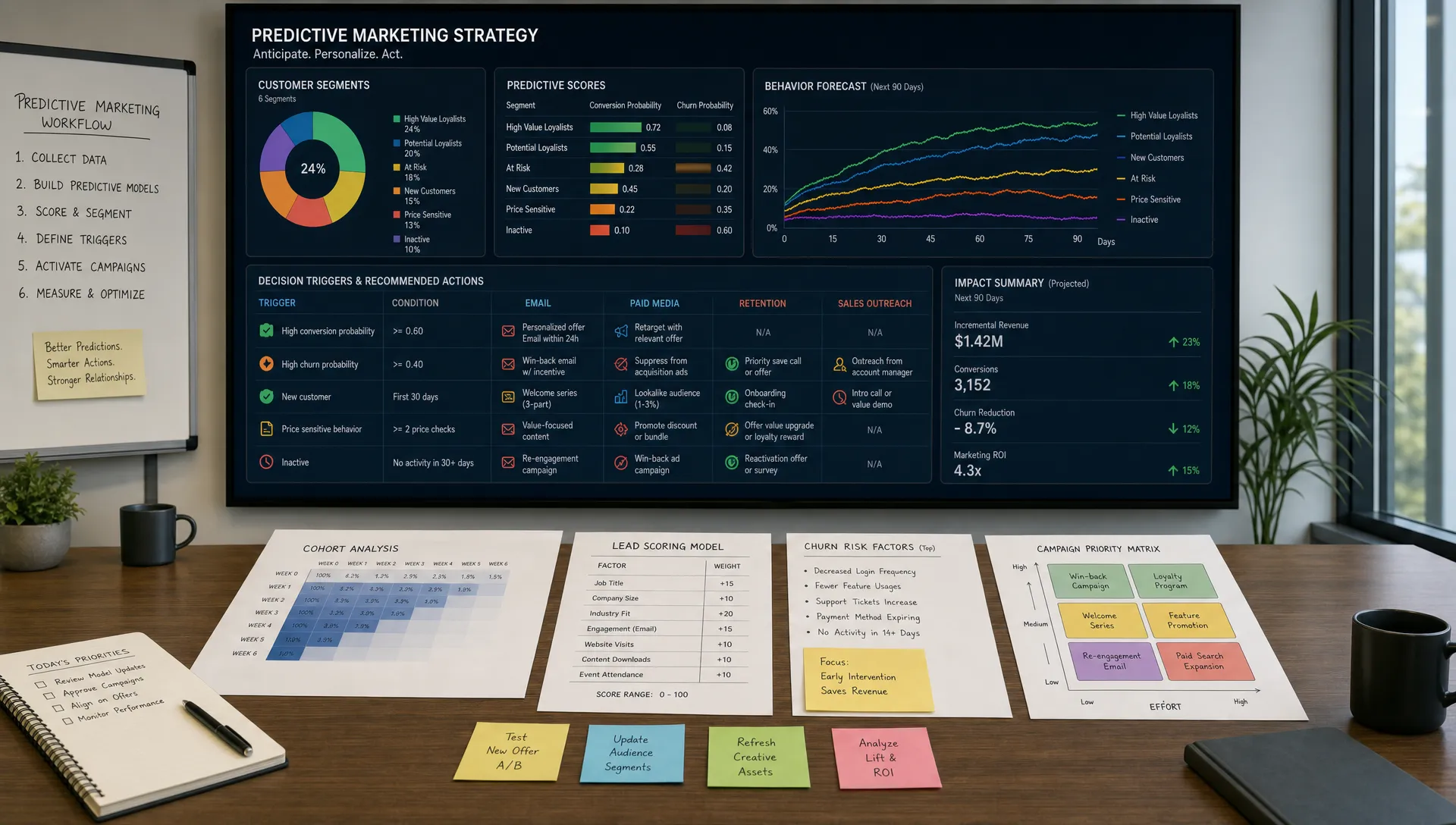
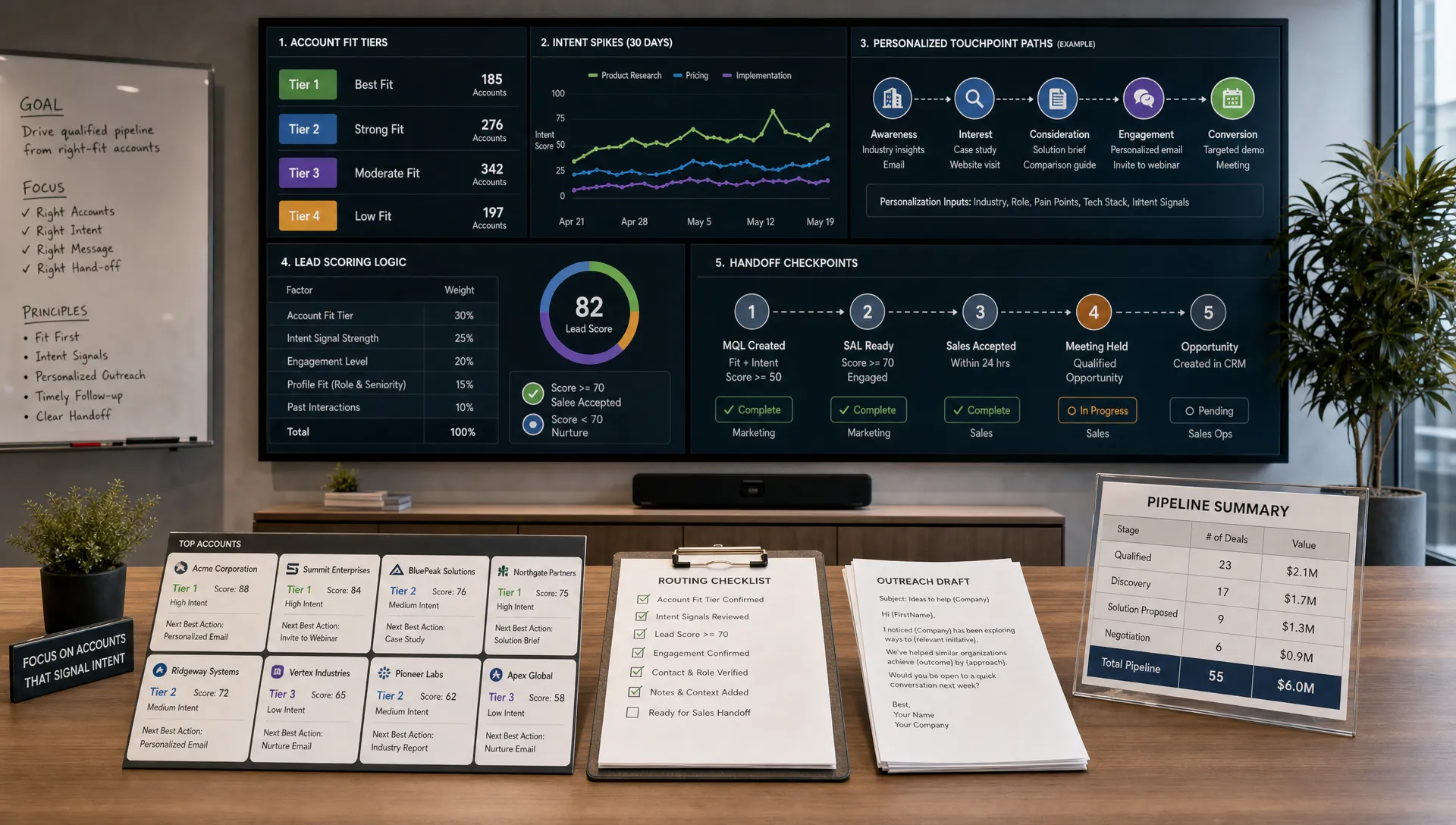
That process usually combines first-party data, customer research, platform insights, competitive analysis, and performance history. The goal is to identify who the brand should prioritize, what problem they are trying to solve, what motivates action, and where they spend attention.
This matters even more in a privacy-conscious marketing environment. As third-party tracking becomes less reliable, brands need stronger first-party data strategies and clearer audience hypotheses. A media agency can help organize that data into usable segments and translate insights into campaigns.
For example, a B2B software company may discover that CFOs and operations leaders care about the same product but respond to different proof points. A consumer brand may find that first-time buyers need education, while returning customers respond better to bundles, loyalty incentives, or new arrivals.
Better audience insight leads to better media choices, better creative, and fewer wasted impressions.

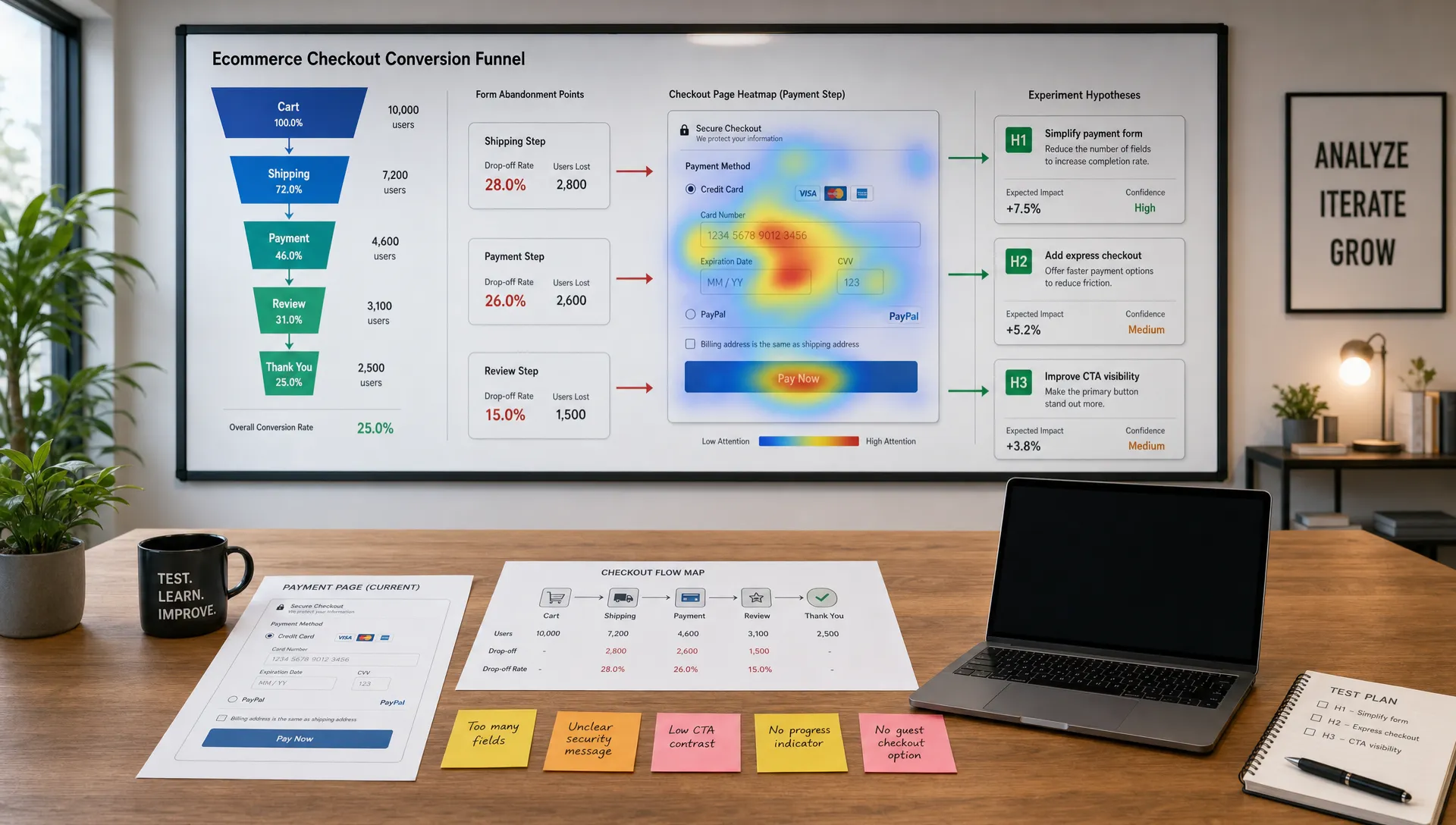
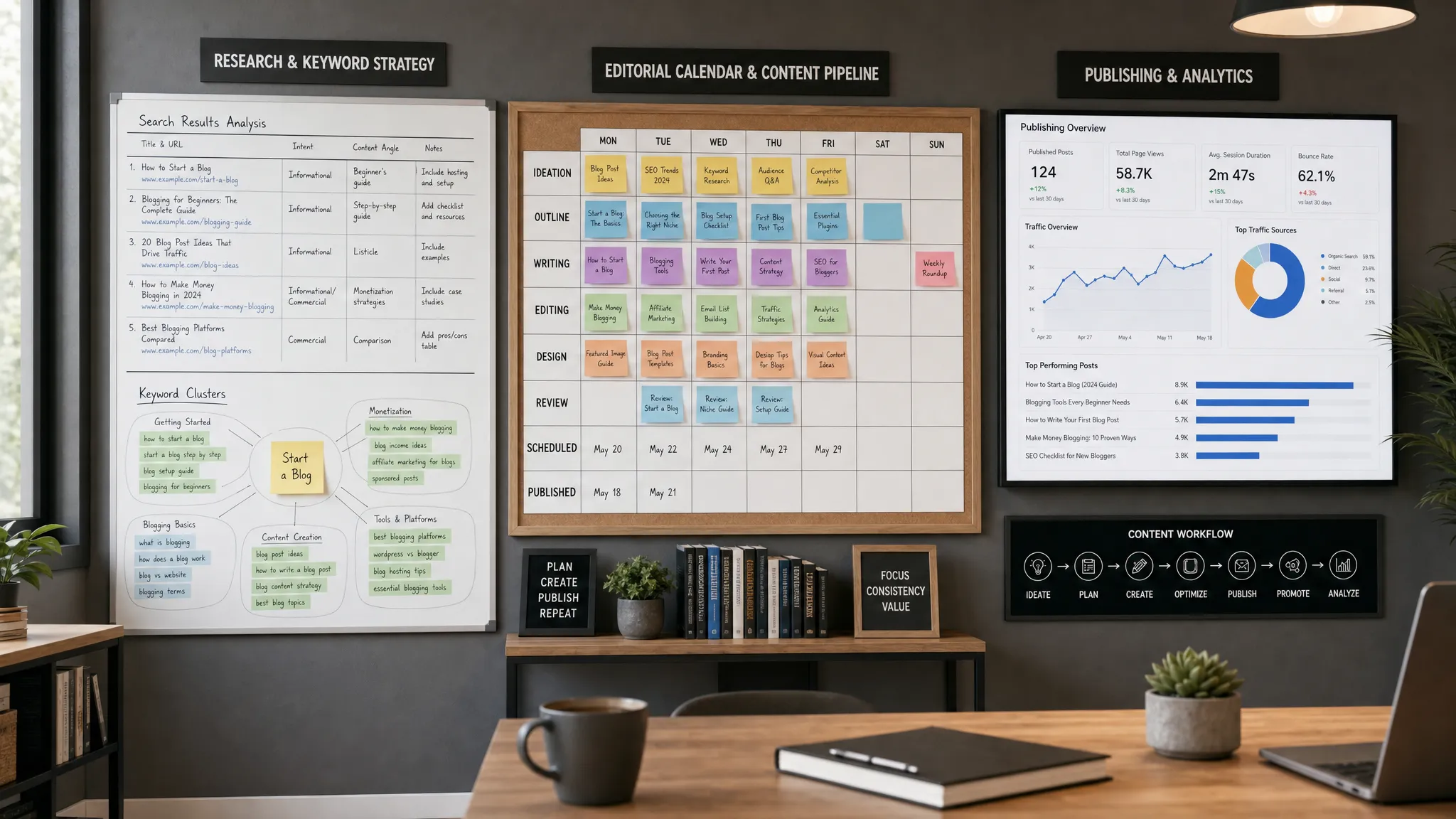
Many companies treat brand marketing and performance marketing as separate worlds. Brand campaigns create awareness, while performance campaigns chase leads or sales. In reality, sustainable growth needs both.
A media agency helps balance short-term acquisition with long-term demand creation. If a brand only invests in conversion campaigns, it may eventually run out of warm audiences or pay more for every new customer. If it only invests in awareness, it may struggle to prove revenue impact.
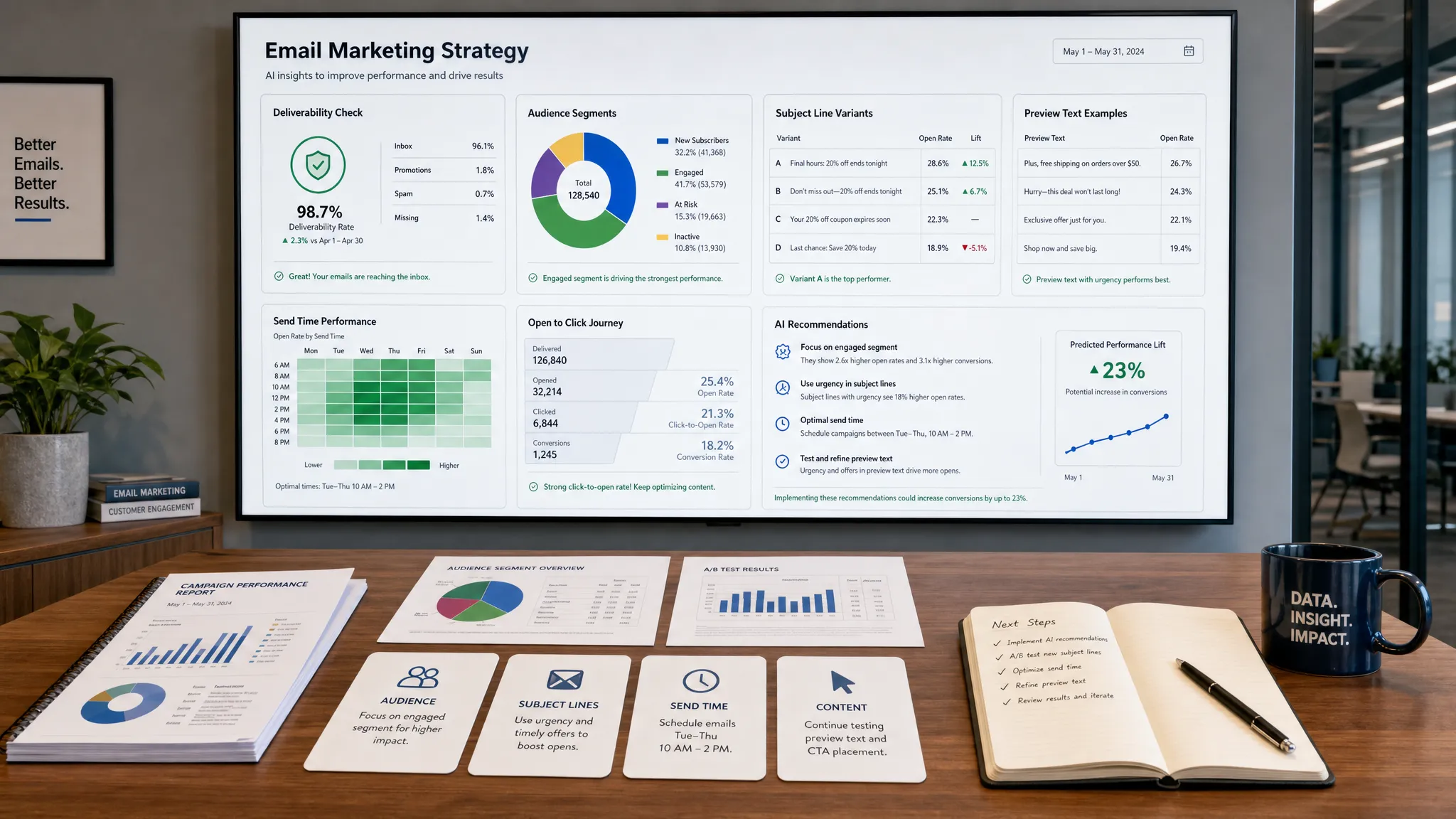
Modern media planning connects these layers. A full-funnel approach might use broad-reach media to introduce the brand, educational content to build trust, search and social ads to capture intent, and remarketing or CRM campaigns to move people closer to action.
Research from Google on the consumer decision journey describes how buyers move through a “messy middle” of exploration and evaluation before purchasing. That reality makes connected media planning essential, because customers rarely follow a neat path from first impression to conversion.
A capable agency helps brands avoid overreacting to one metric. Click-through rate matters, but it does not tell the whole story. Cost per lead matters, but lead quality matters more. Revenue matters, but so does the pipeline of future demand.
Media performance is not only about targeting and budget. Creative quality often determines whether a campaign earns attention or gets ignored.
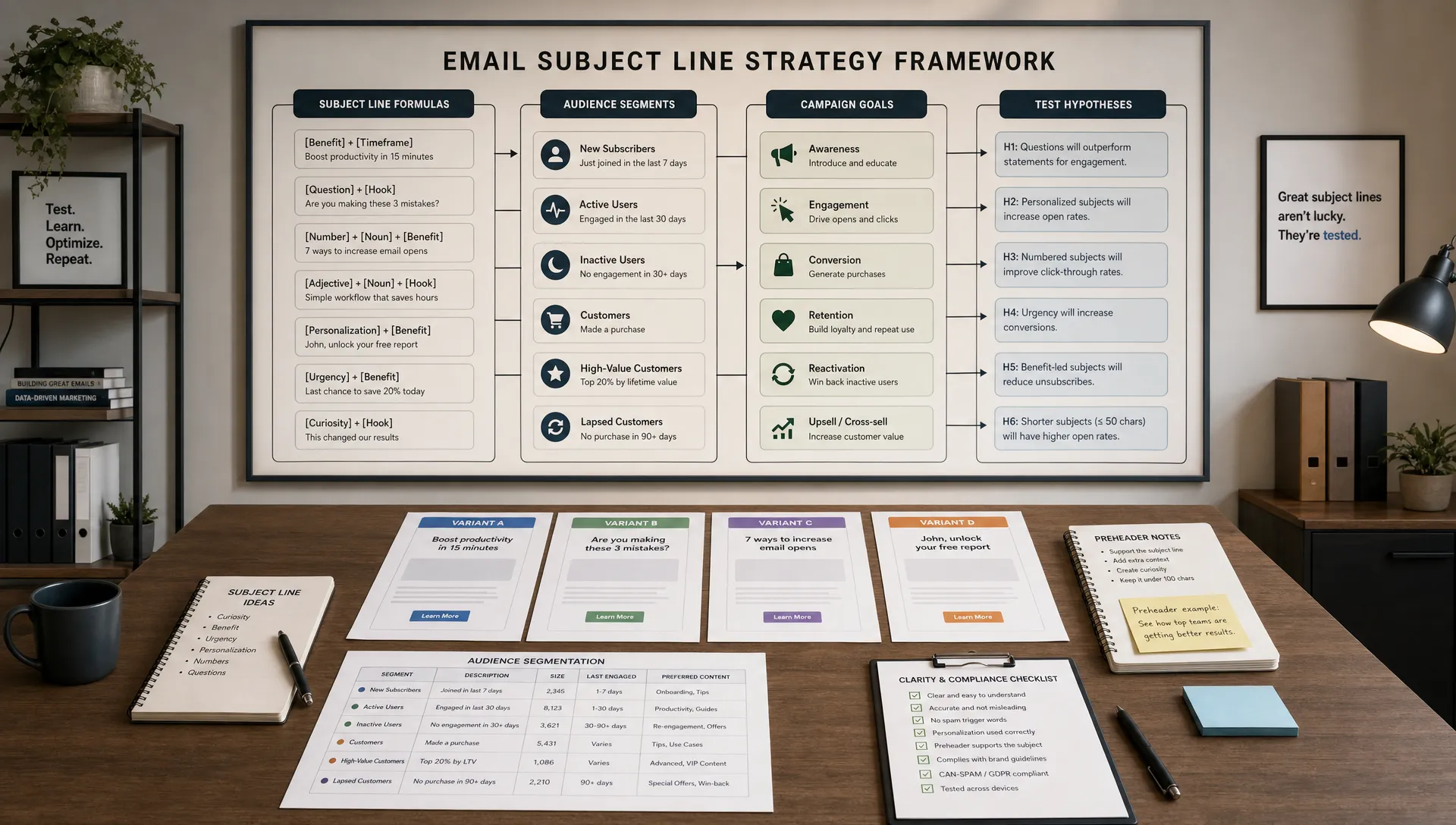
A media agency can support creative testing by identifying message angles, formatting assets for each platform, setting up experiments, and analyzing which variations drive meaningful outcomes. This is especially important because creative fatigue happens quickly in digital channels.
Nielsen has emphasized the importance of creative quality in advertising effectiveness, noting that creative remains one of the strongest drivers of sales contribution. For brands, the takeaway is simple: media optimization cannot compensate forever for weak messaging.
A modern agency helps brands test elements such as:
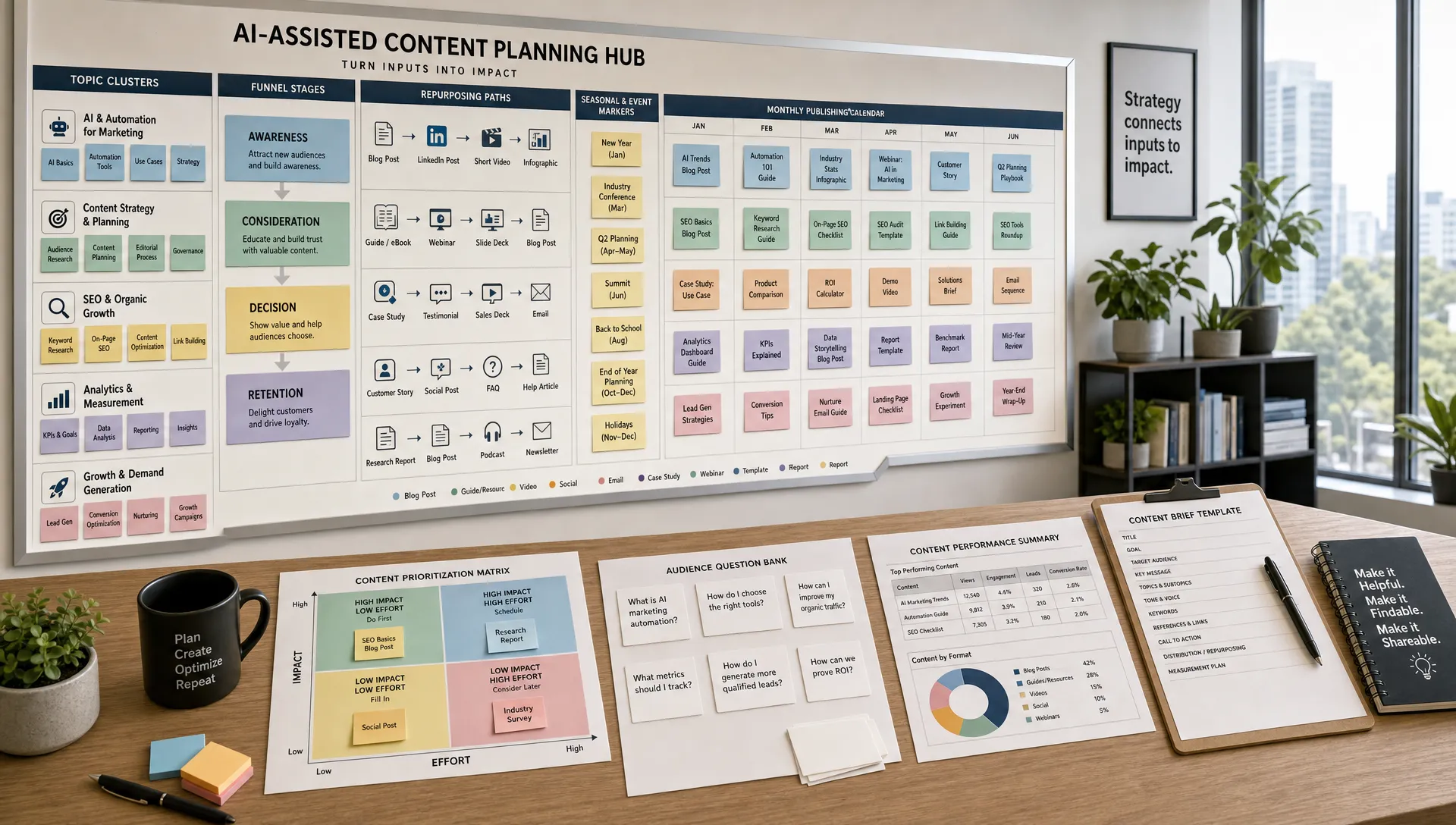
The goal is not to test randomly. The goal is to build a feedback loop where every campaign teaches the brand something about its market.
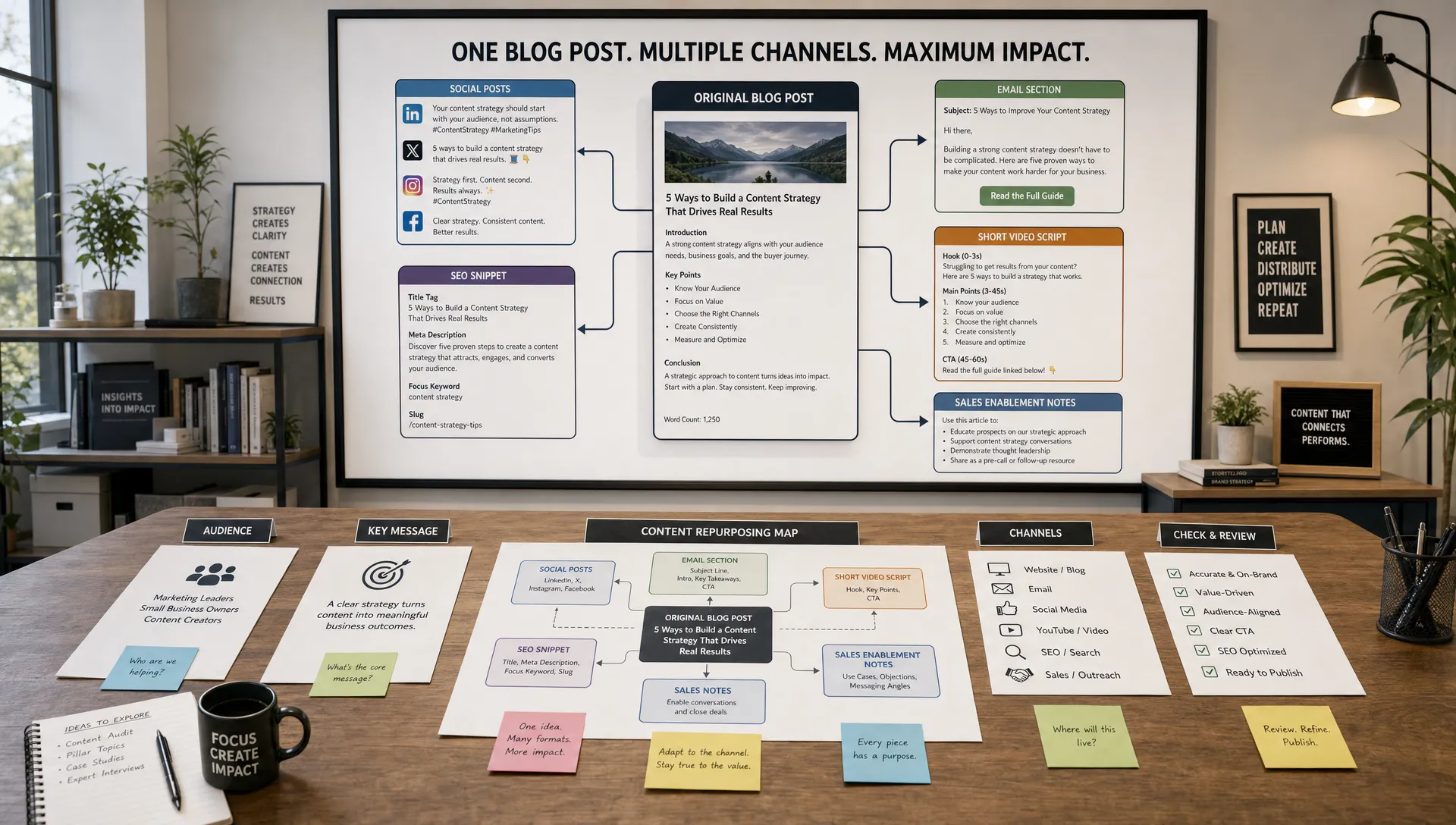
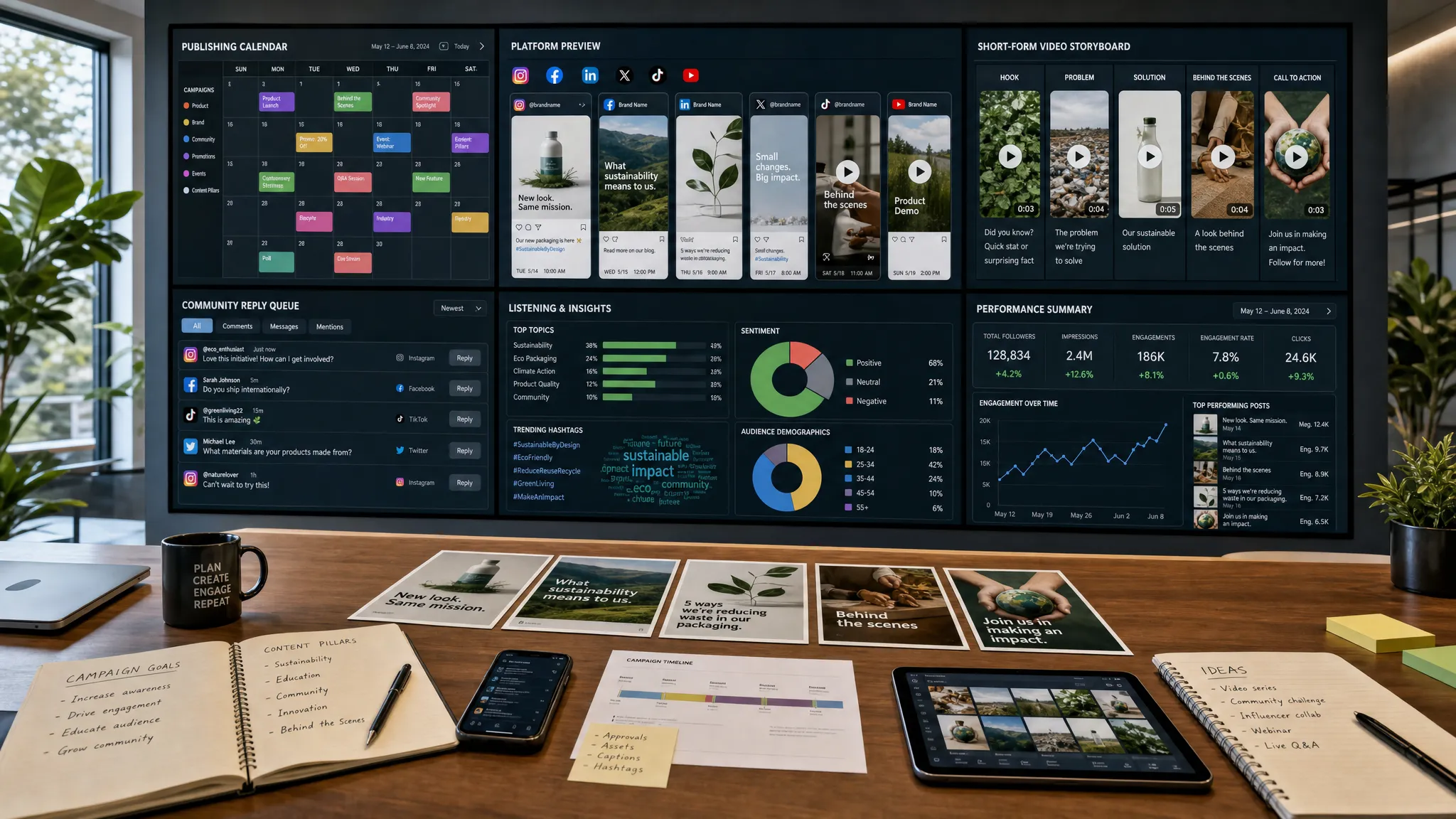
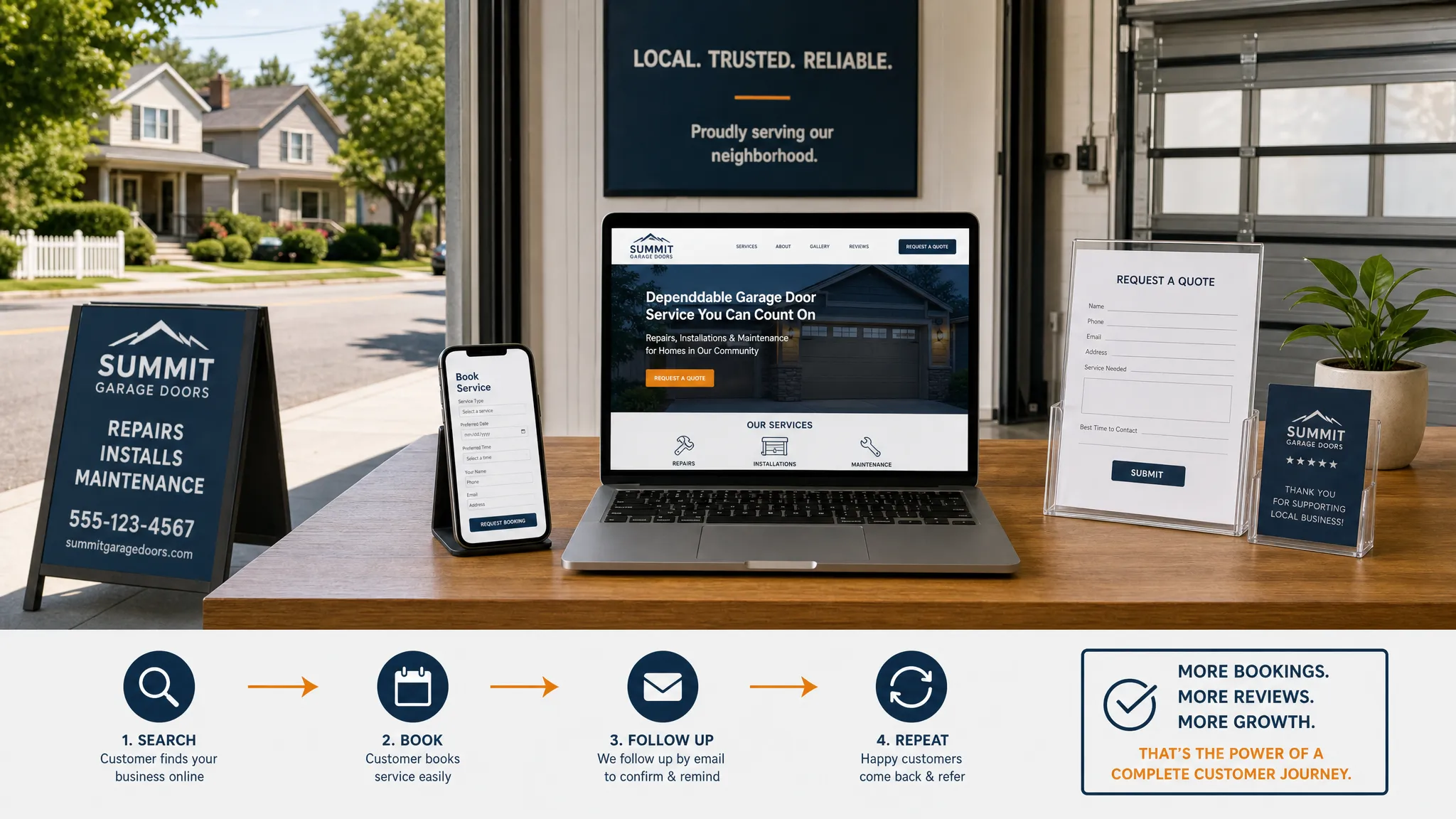
Customers do not think in channels. They think in needs, problems, preferences, and timing. A person may see a brand on Instagram, search for reviews, receive an email, compare alternatives, and later respond to a retargeting ad or physical mailer.
A media agency supports modern brand growth by coordinating these touchpoints so they feel connected instead of scattered. This includes aligning campaign timing, audience exclusions, frequency, creative messaging, and reporting across platforms.
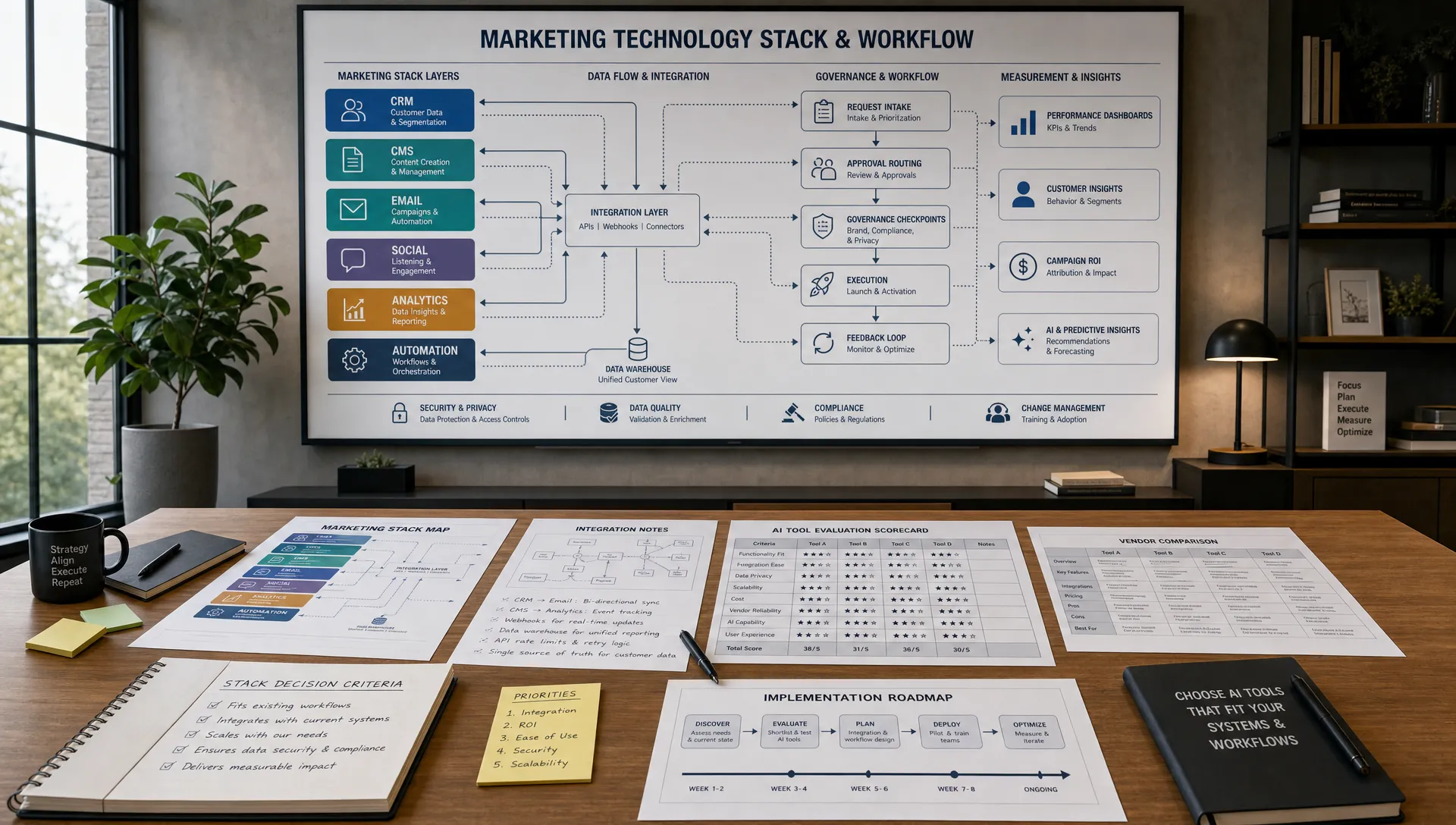
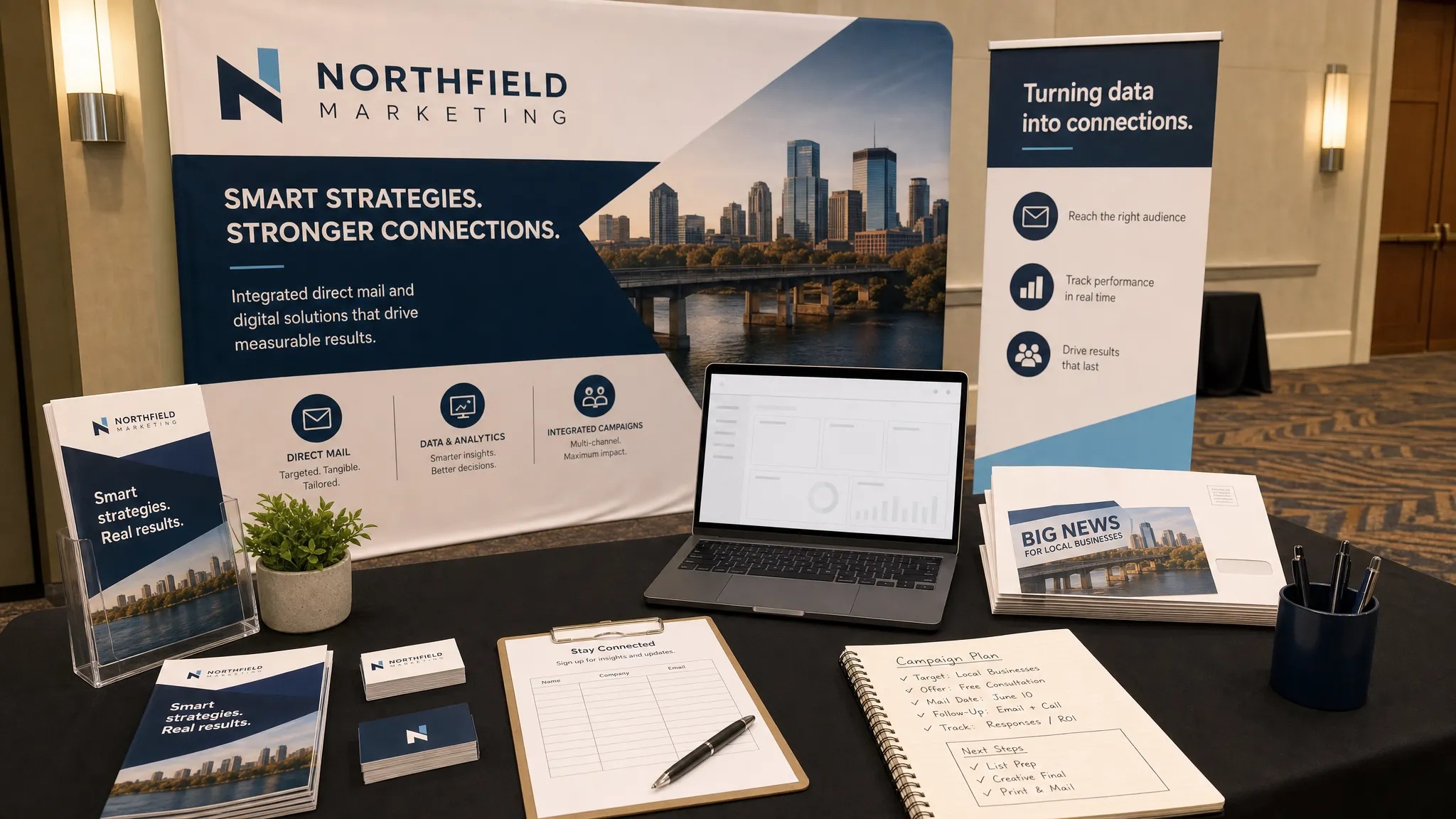
Omnichannel execution also helps brands combine digital and offline media more intelligently. For example, agencies managing local, franchise, or high-consideration campaigns may coordinate paid media with direct mail and follow-up messaging. Platforms like an all-in-one direct mail platform can support this kind of integrated execution by bringing data, design, postal, automation, omni-channel sends, and reporting into a single workflow.
The broader point is that growth rarely comes from one channel alone. It comes from coordinated presence, repeated relevance, and consistent measurement.
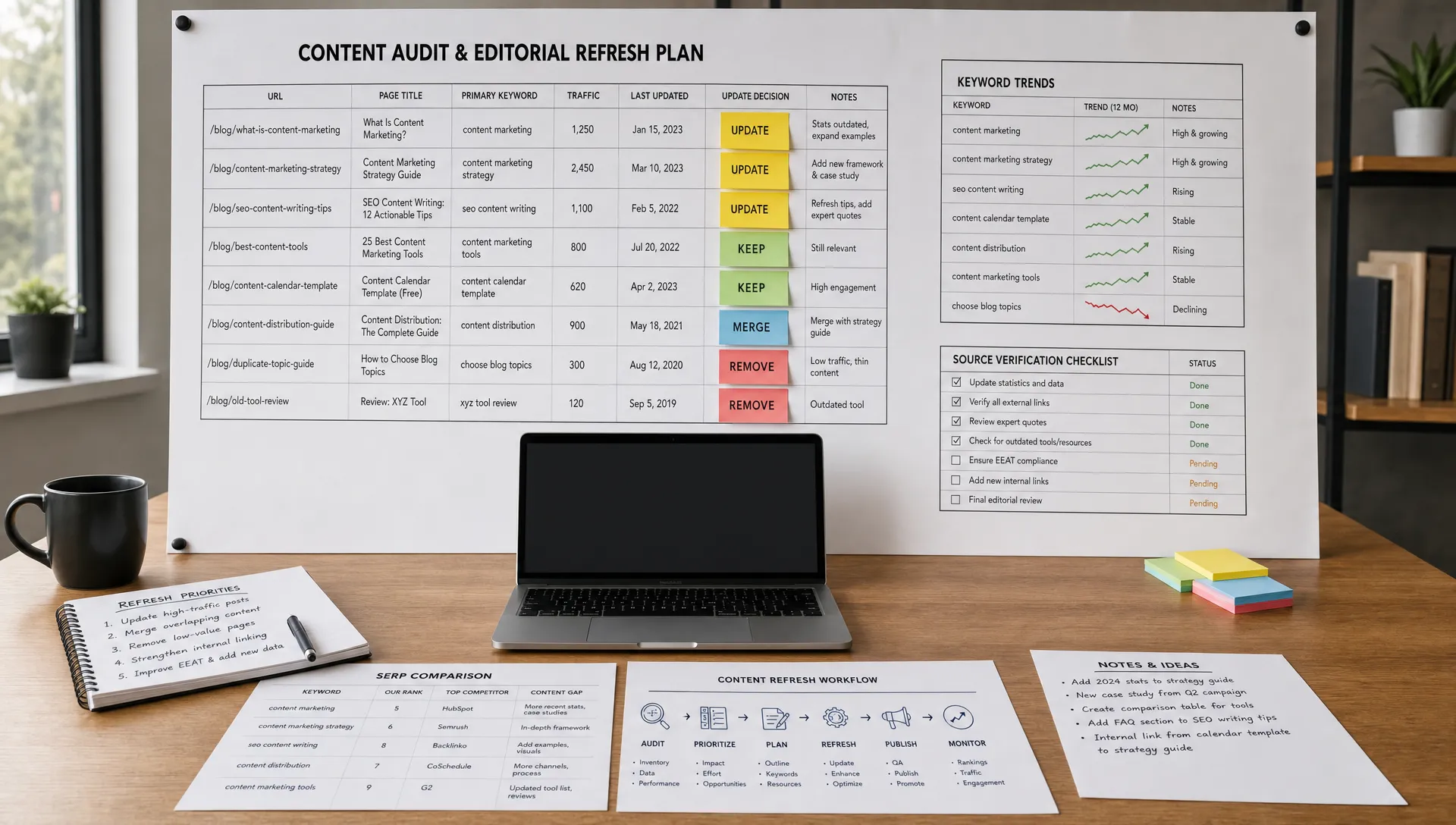
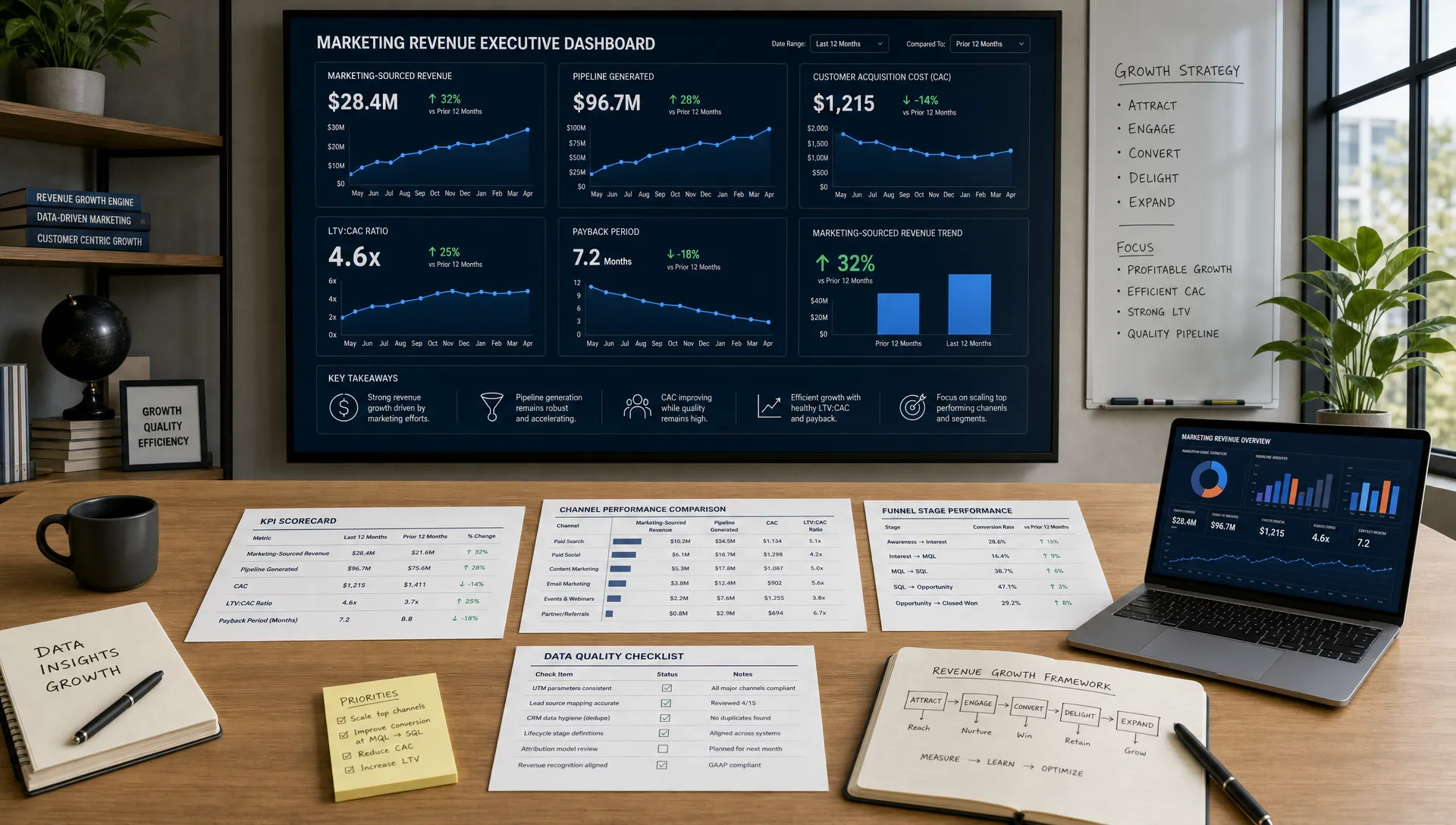
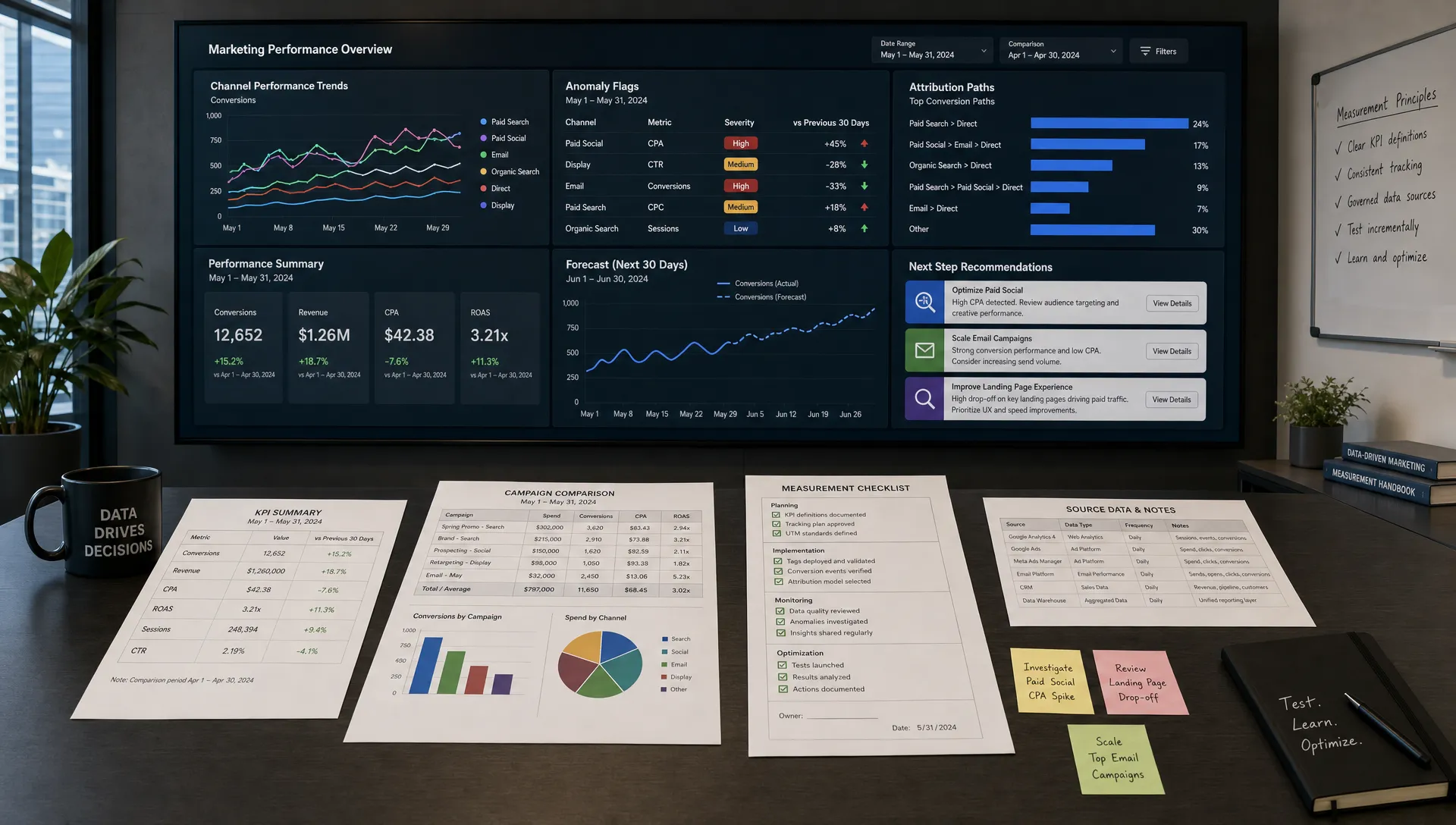
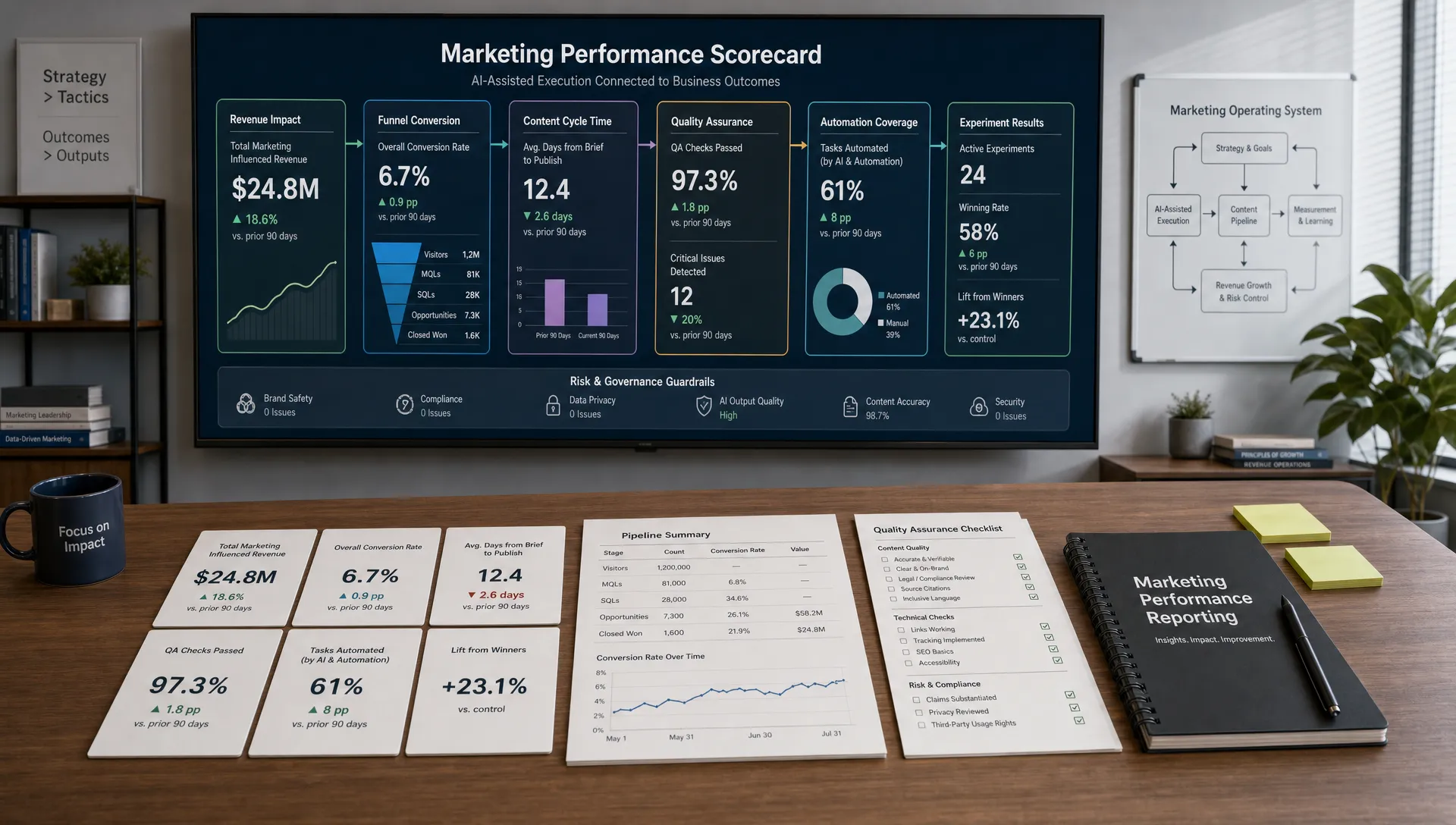
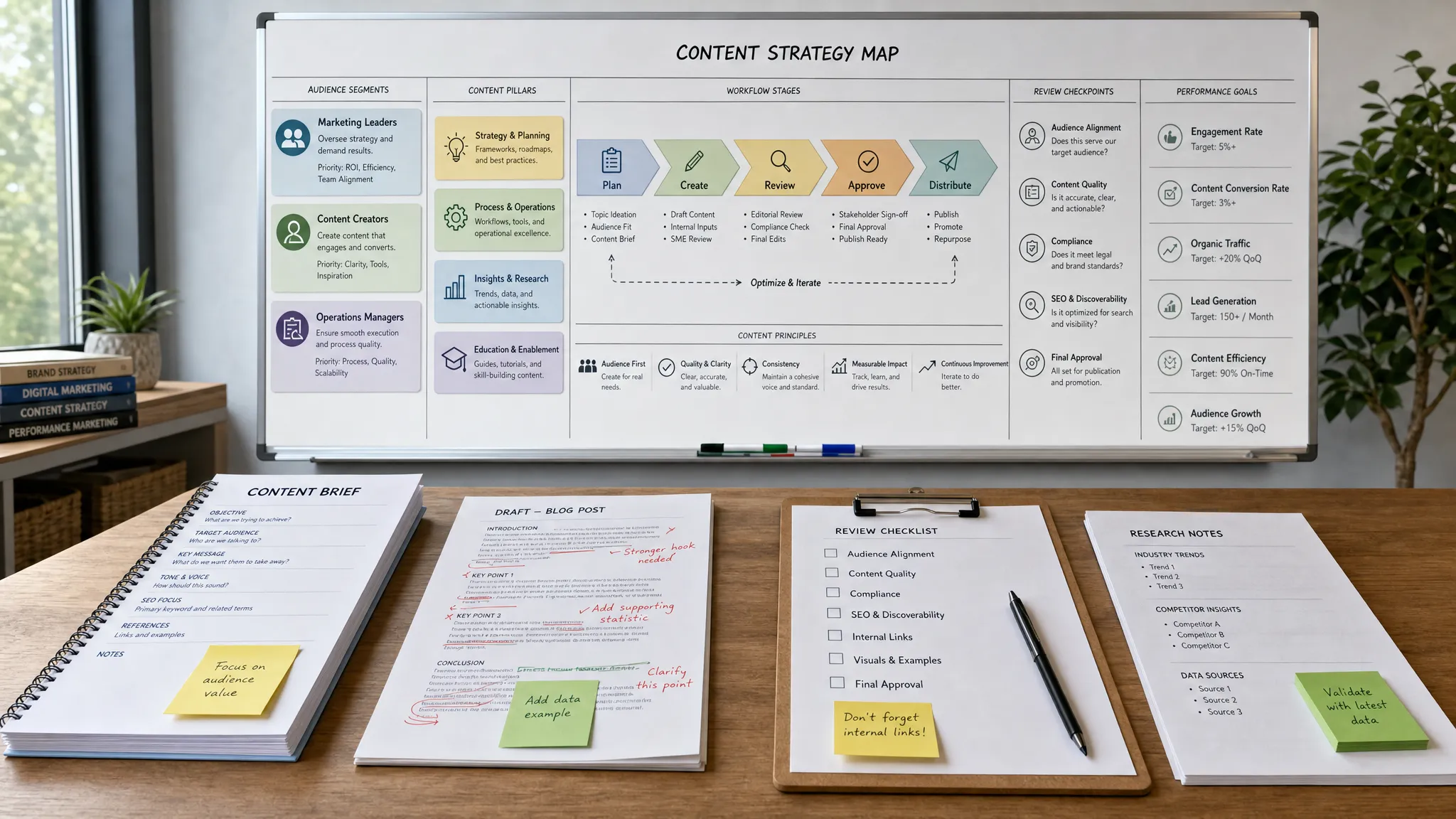
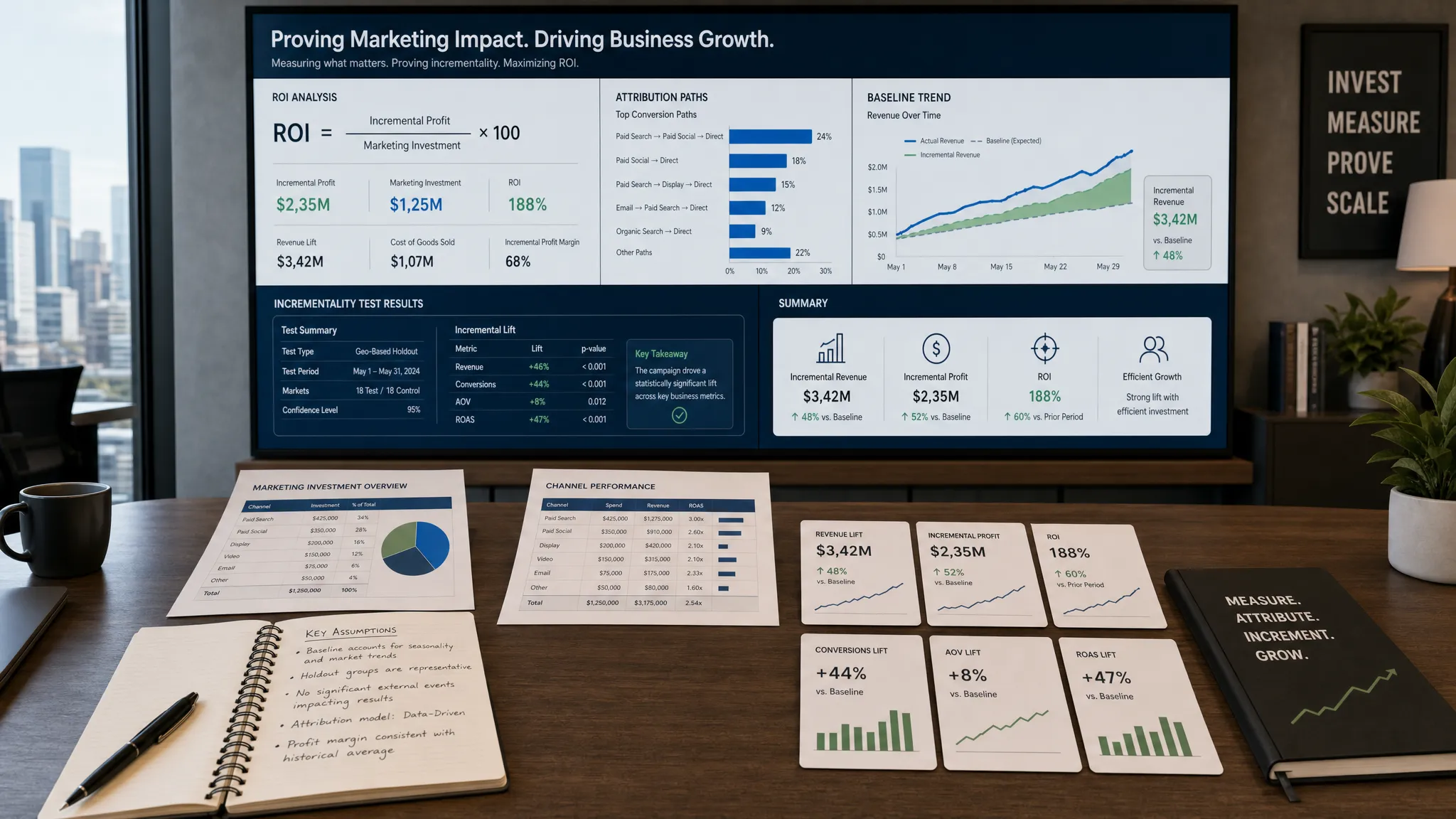
One of the most important ways a media agency supports growth is by improving measurement discipline. Without a reliable measurement approach, brands either underinvest in what works or keep funding campaigns that look good on the surface but do not create business value.
A strong agency helps define key performance indicators before launch. It also distinguishes between platform-reported metrics and business outcomes. Platform dashboards are useful, but they often over-credit their own role in the customer journey.
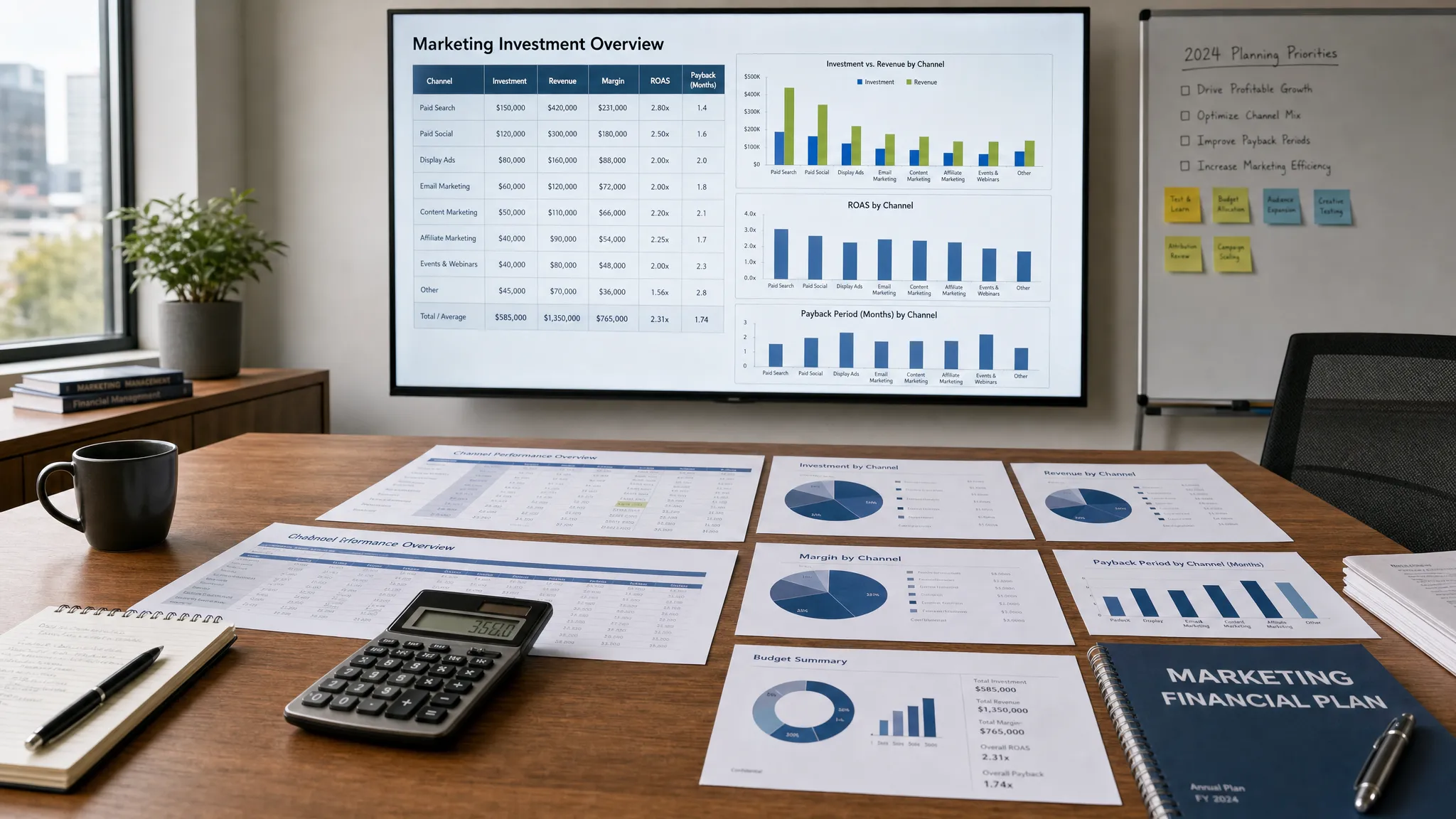
Modern measurement may include conversion tracking, customer acquisition cost, marketing qualified leads, sales qualified leads, pipeline influence, revenue, retention, incrementality testing, media mix modeling, brand lift studies, or customer lifetime value analysis. Not every brand needs every method, but every brand needs a measurement plan that matches its sales cycle and growth stage.
This is particularly important for companies with longer buying journeys. A B2B campaign may not generate immediate revenue, but it may increase qualified demos or accelerate pipeline. A consumer brand may see sales later through organic search, marketplace activity, or retail partners.
The agency’s job is to help interpret the data, not just report it.
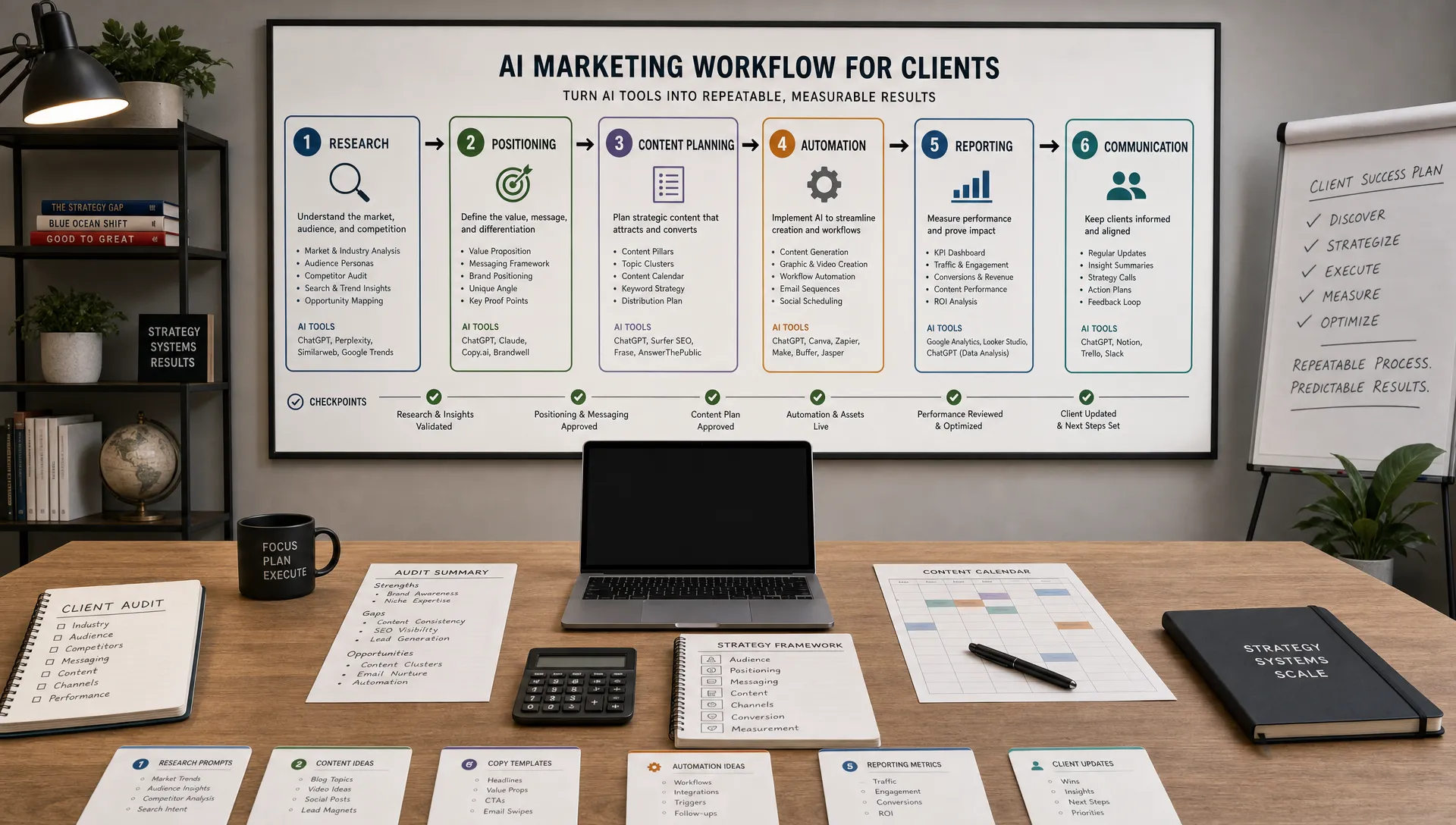
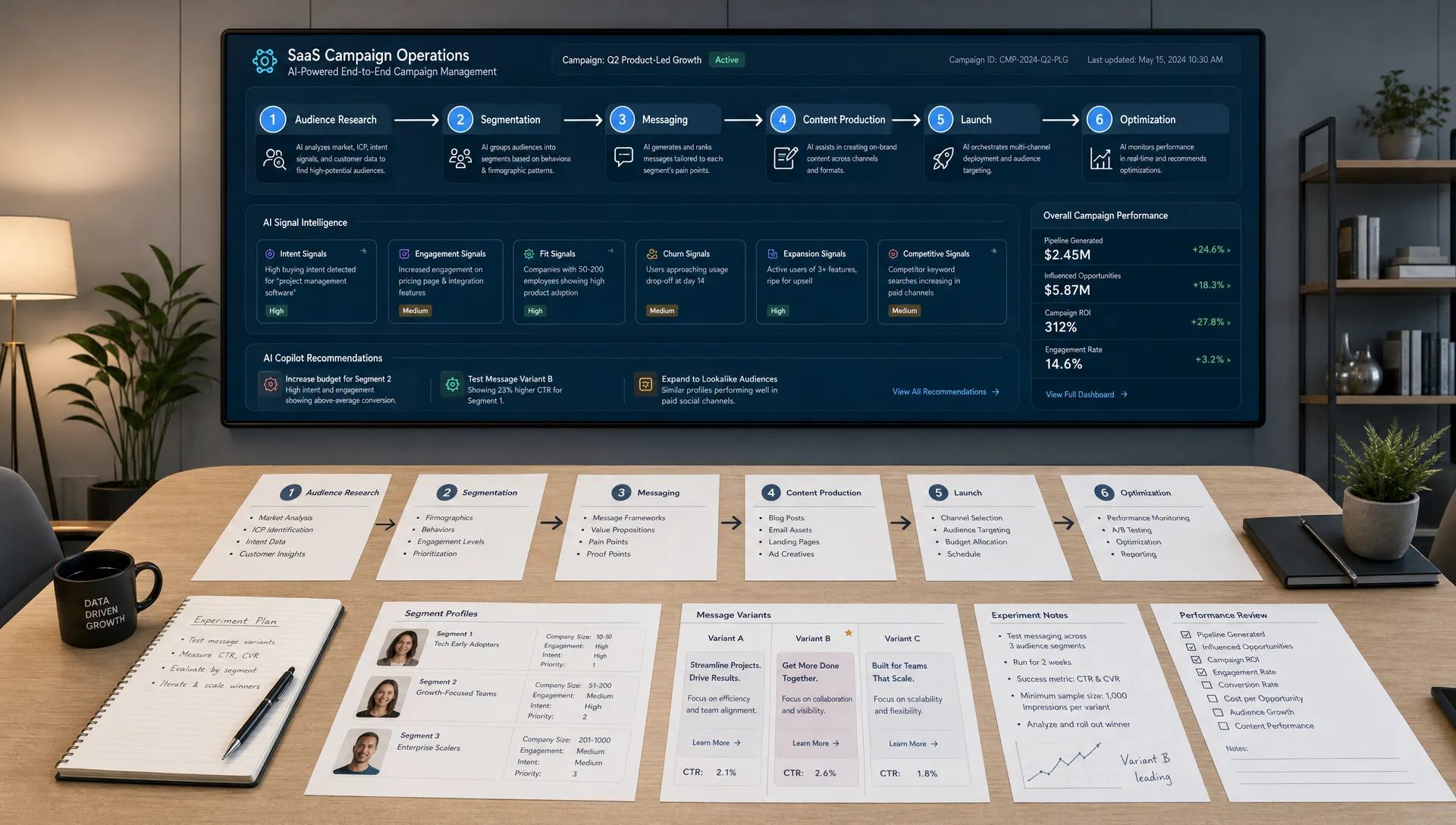
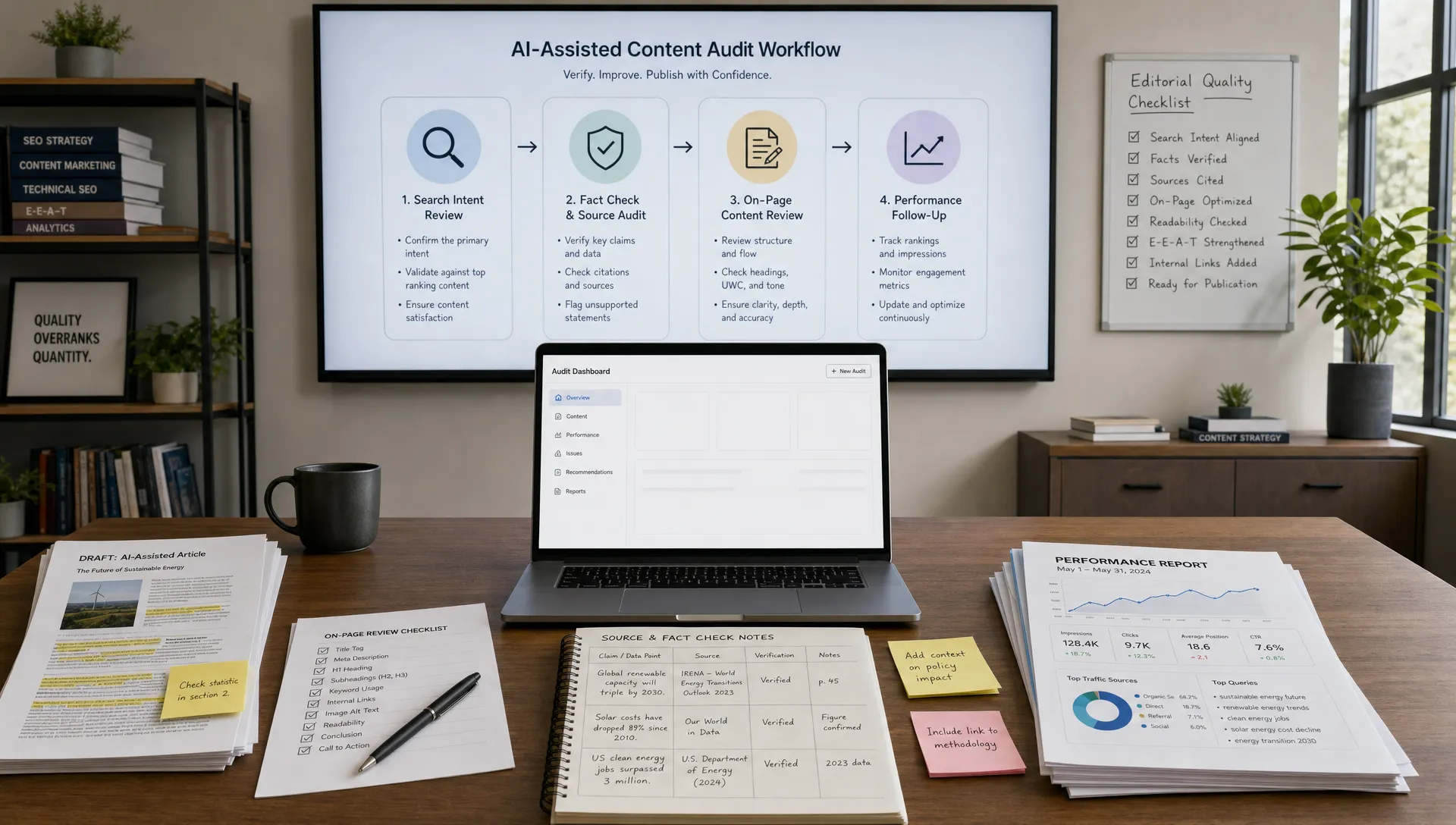
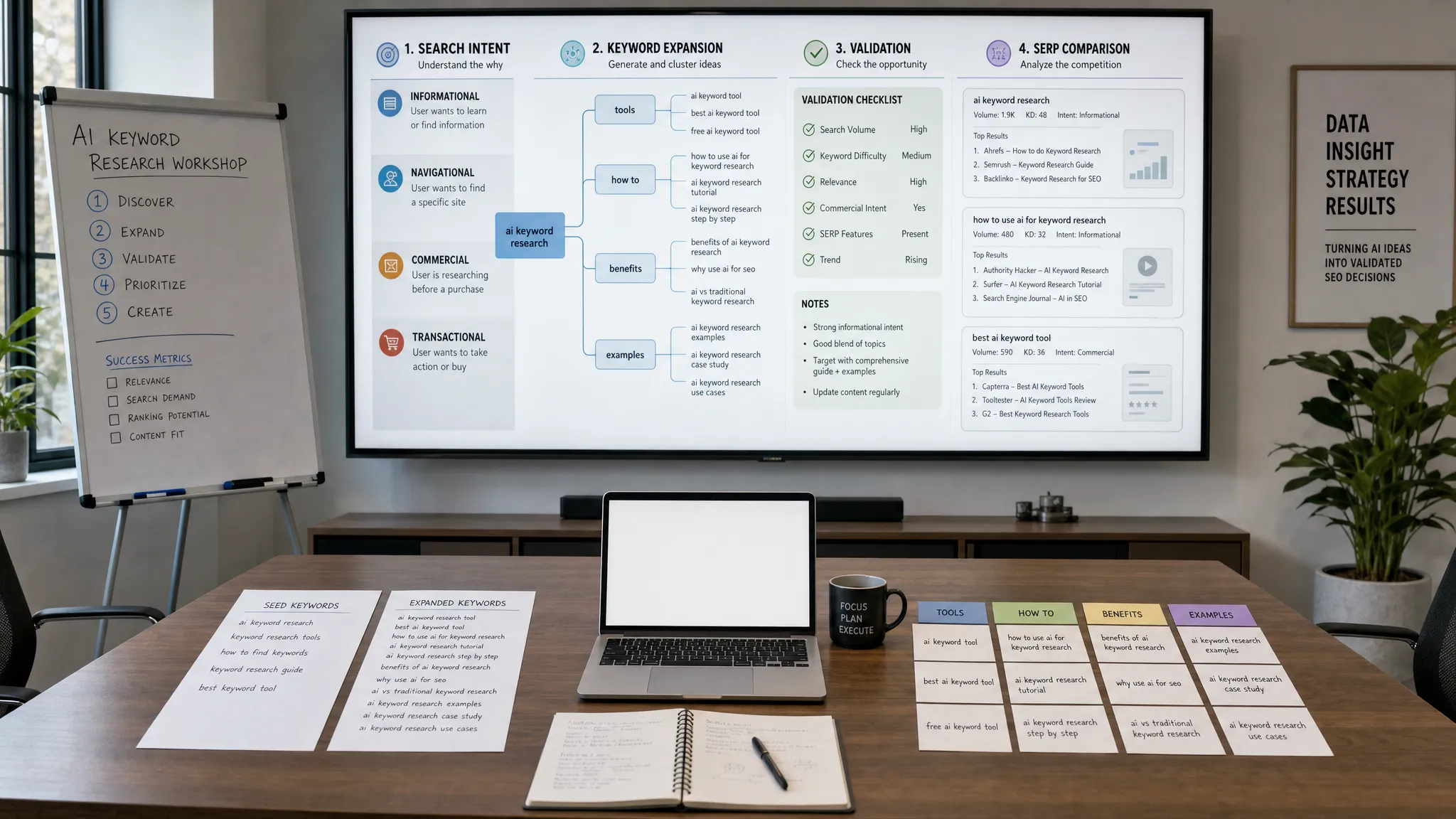
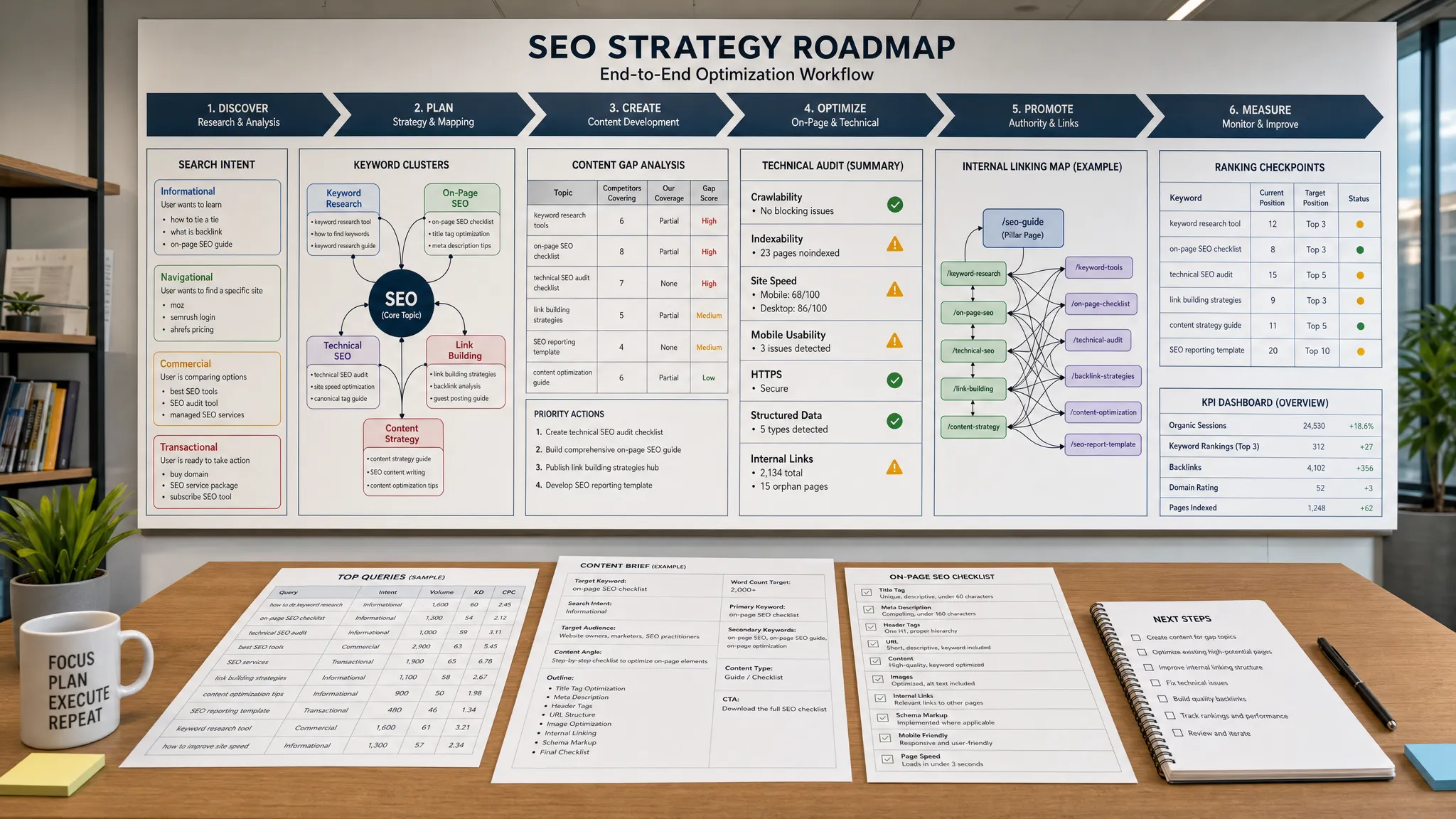
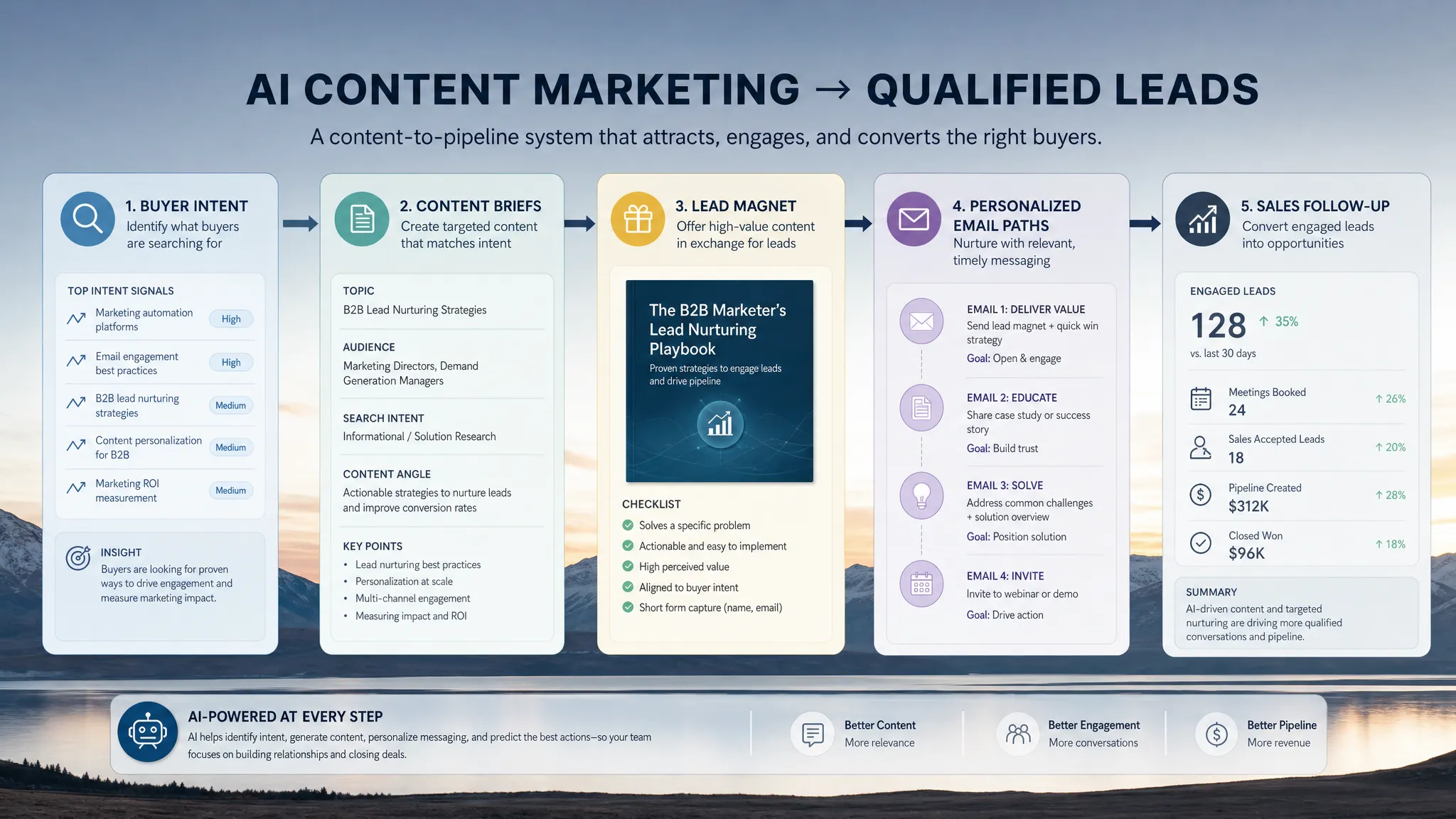
AI is changing how media agencies work. It can speed up research, audience analysis, content variation, keyword discovery, creative briefing, reporting summaries, and campaign optimization. For brands, this means faster learning and more agile execution.
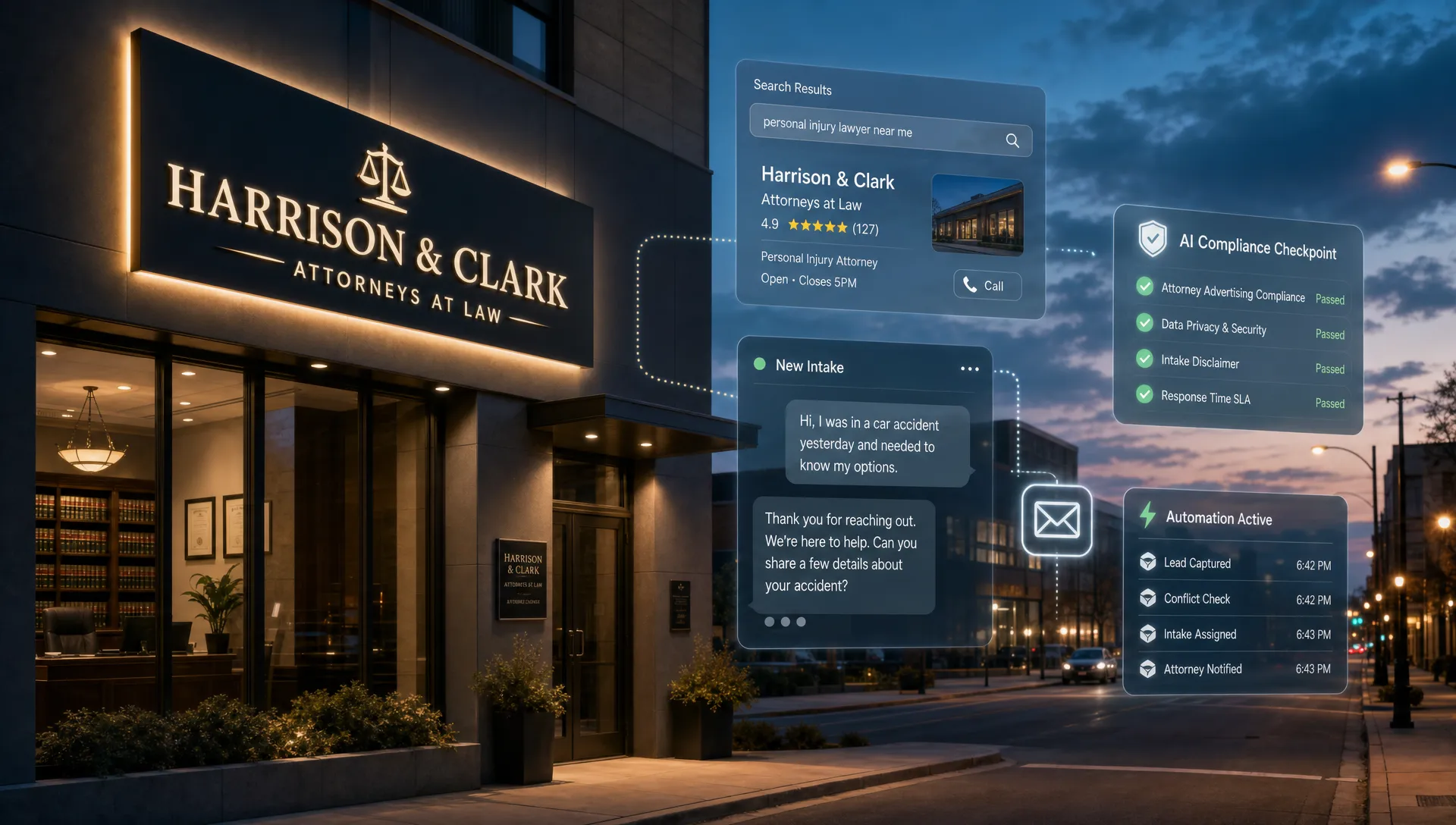
However, AI is not a replacement for strategy. The strongest results come when human judgment guides AI-assisted workflows. A media agency still needs to understand positioning, customer psychology, market context, compliance concerns, and business goals.
AI can help generate ad variations, but marketers must decide which messages are credible. AI can summarize performance patterns, but teams must understand whether the data reflects real growth. AI can support forecasting, but it cannot guarantee market demand.
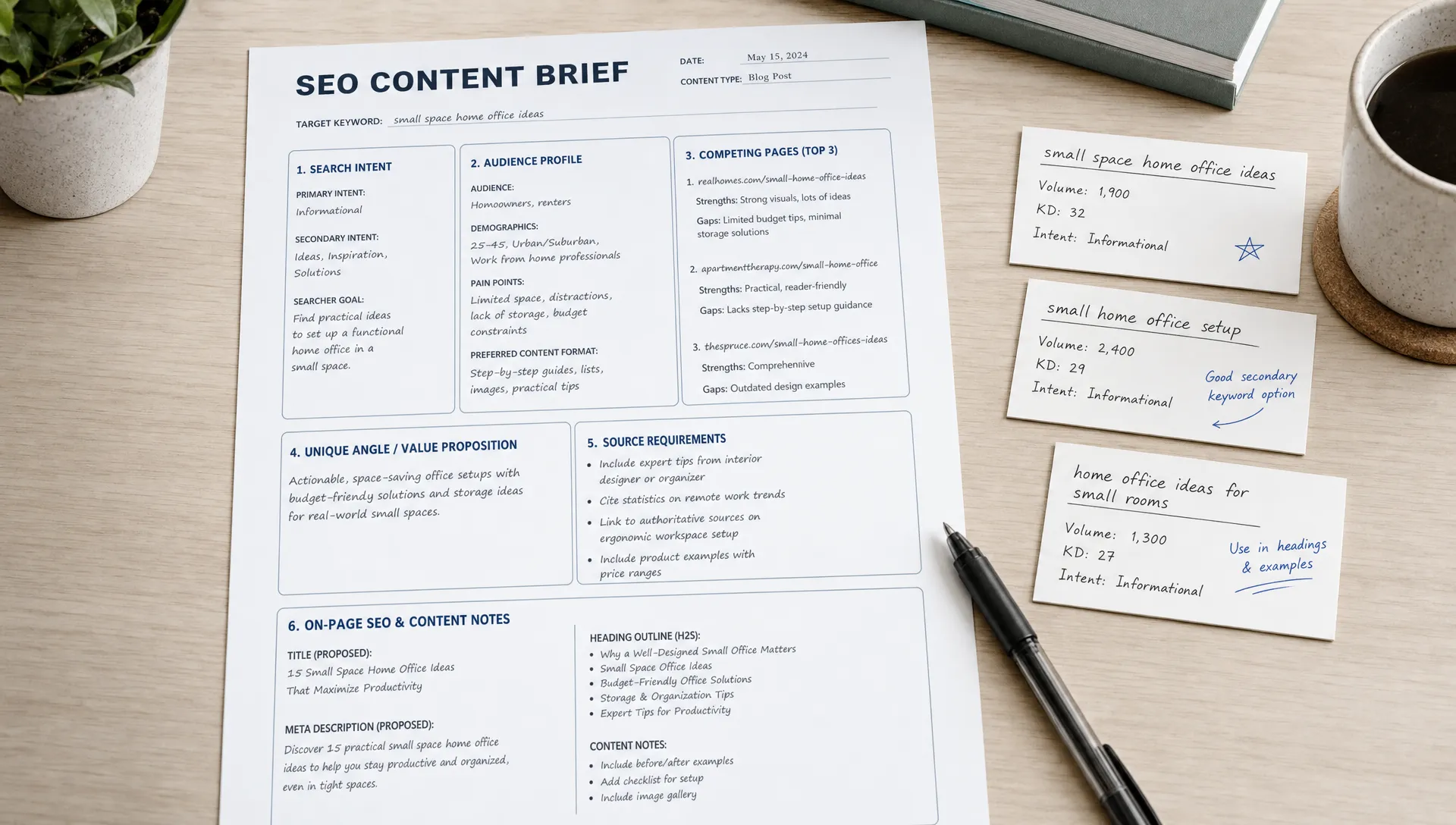
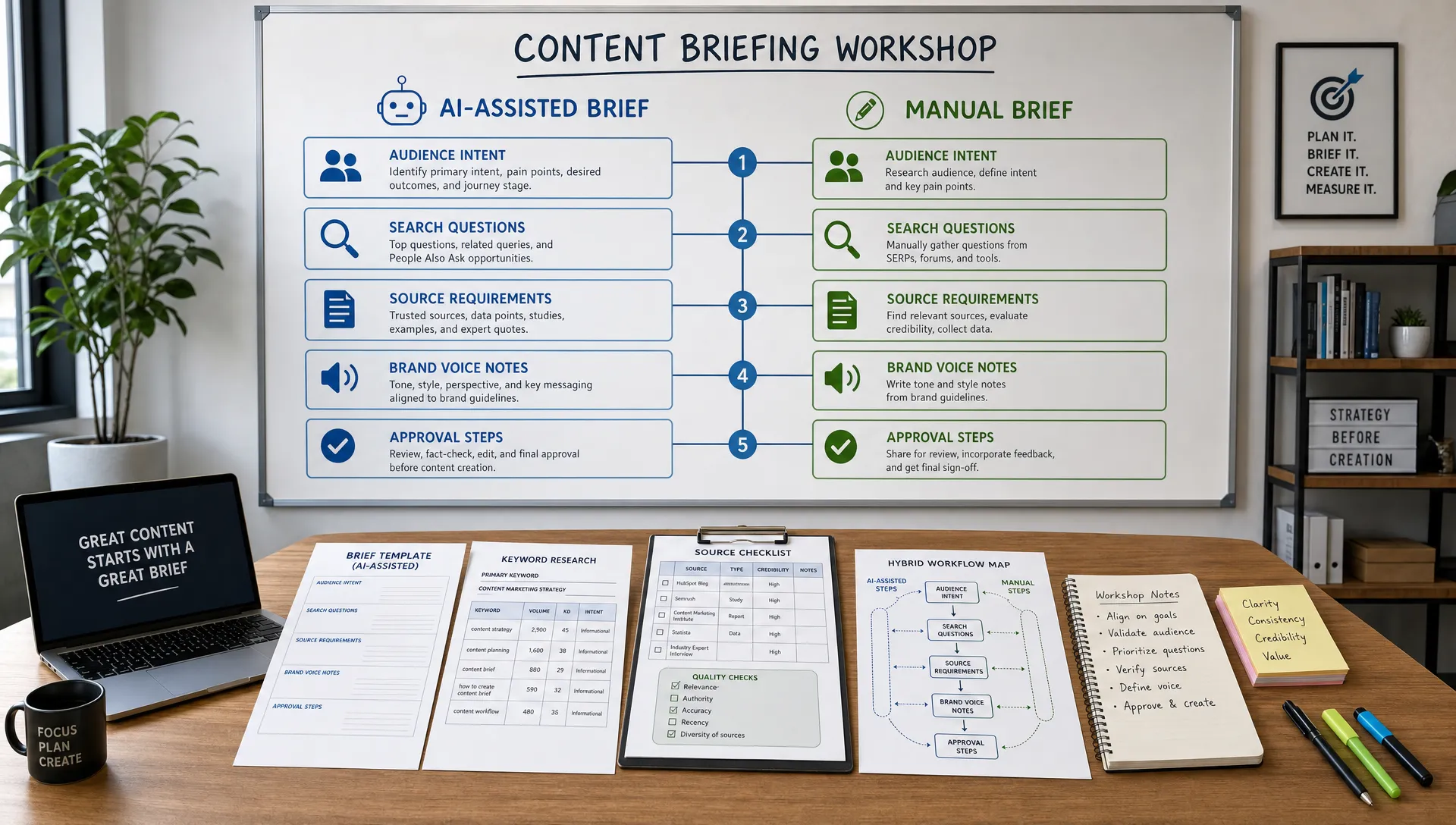
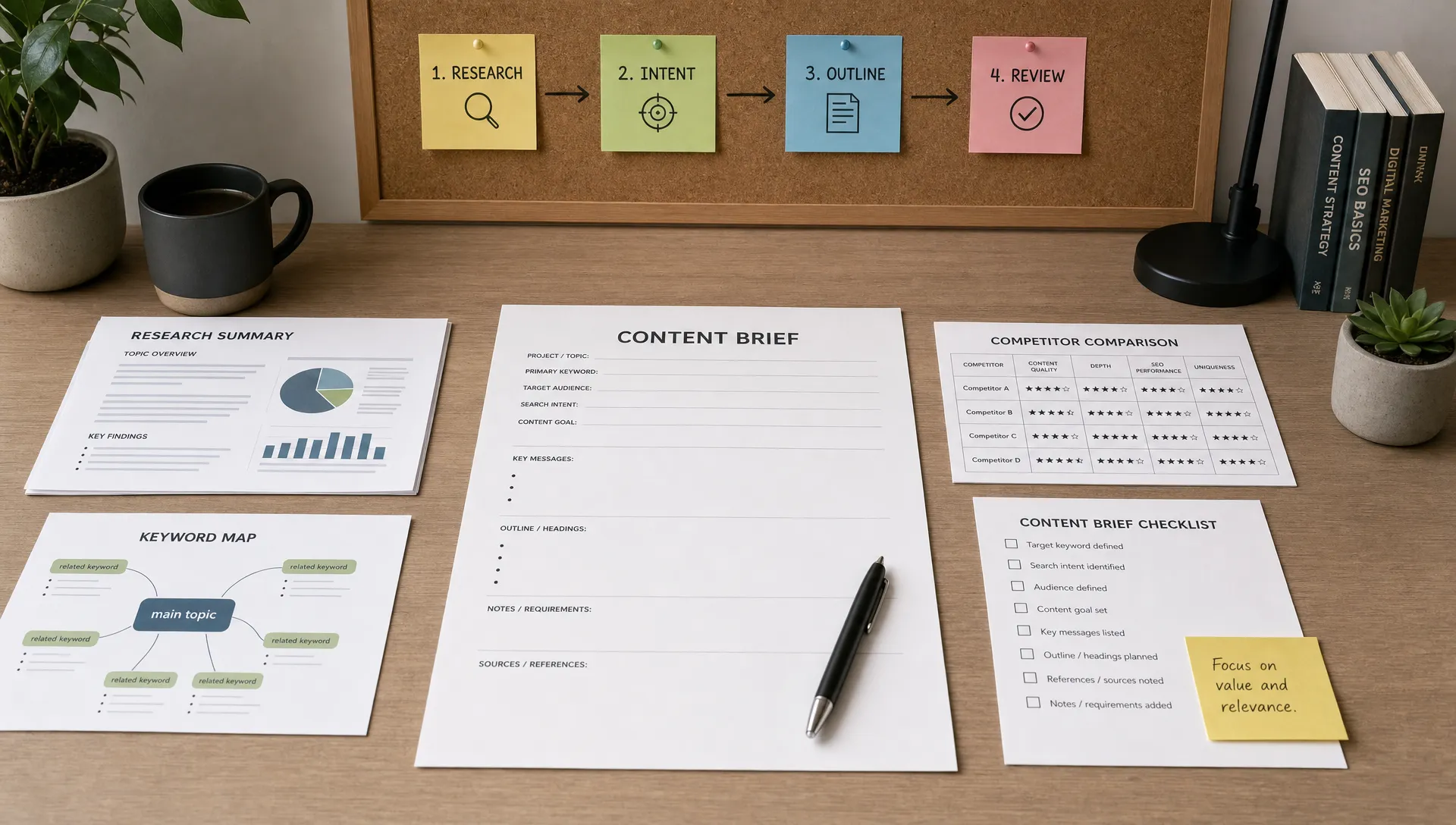
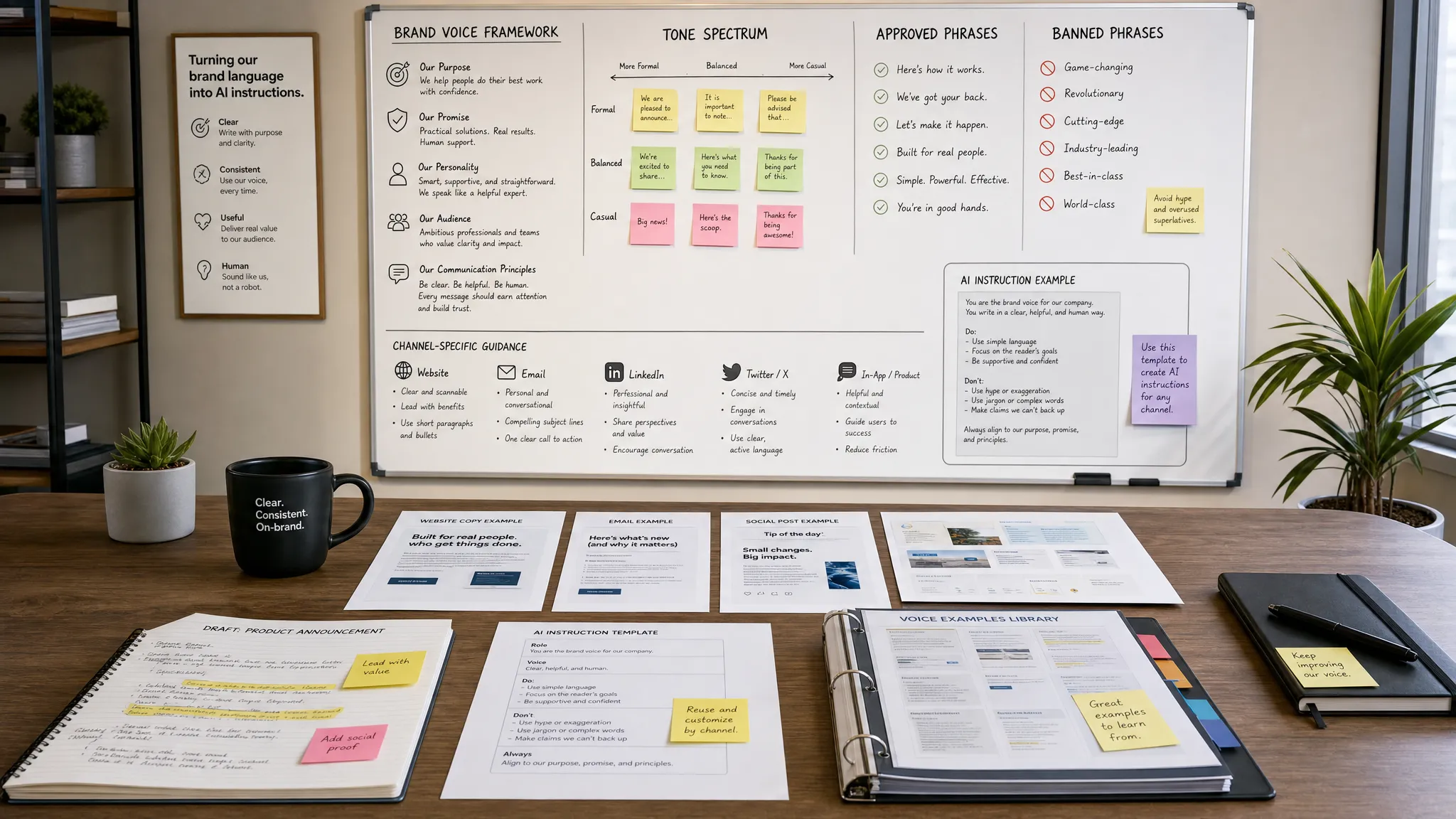
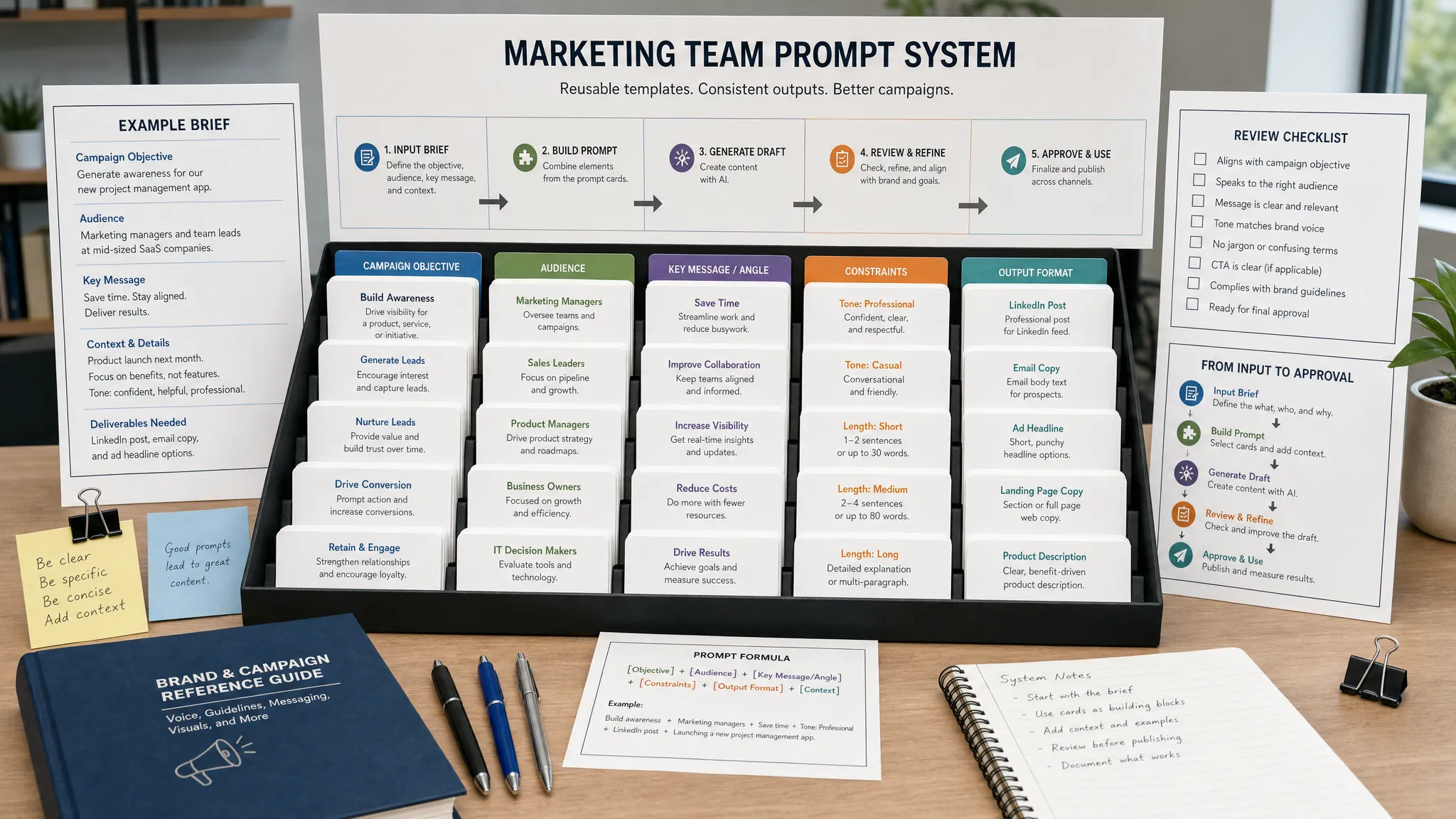
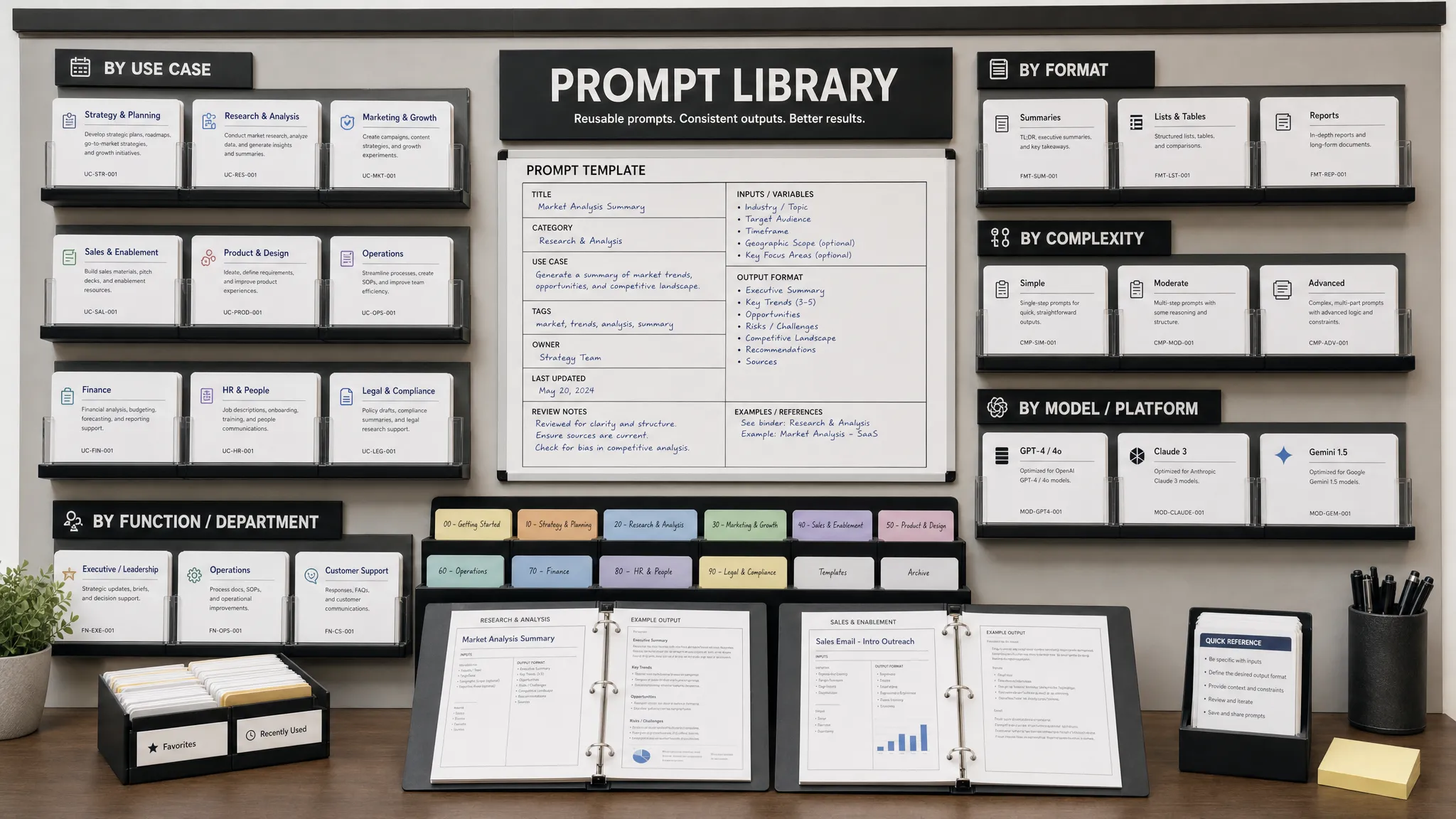
This is where internal marketing teams and agencies can work especially well together. Brands can use AI tools to prepare better briefs, analyze content gaps, and speed up campaign production, while agencies apply channel expertise and strategic oversight.
Not every company has a large internal marketing department. Many growing brands have a small team responsible for content, campaigns, sales enablement, analytics, and executive reporting. A media agency can add specialized capacity without requiring the business to hire every skill in-house.
This support can be especially valuable when a brand needs expertise across multiple areas, such as paid search, paid social, programmatic buying, creative production, landing page testing, and analytics setup.
A good agency also brings pattern recognition. Because agencies work across accounts and industries, they often see platform changes, pricing shifts, creative trends, and measurement challenges before an individual brand does. That broader exposure can help companies avoid common mistakes and adapt faster.
Still, agency support works best when internal teams stay involved. The brand owns the customer knowledge, product expertise, and business priorities. The agency brings media expertise, execution, and optimization discipline. Growth improves when both sides contribute.
A media agency is not always necessary for every business at every stage. Early companies may need to validate positioning and product-market fit before scaling media spend. But once growth depends on multiple channels, larger budgets, or more sophisticated measurement, agency support can become a major advantage.
Common signs include rising acquisition costs, inconsistent campaign performance, unclear attribution, limited internal bandwidth, slow creative testing, poor channel coordination, or expansion into new markets.
A brand may also need agency support when leadership wants a clearer connection between marketing activity and business outcomes. The agency can help build a plan that ties spend to goals, documents assumptions, and creates a repeatable reporting rhythm.
The right agency should understand your growth model, not just your ad accounts. During evaluation, look for evidence of strategic thinking, transparent reporting, and practical collaboration.
Ask how the agency approaches budget allocation, creative testing, audience research, and measurement. Ask what they need from your team to succeed. Ask how they respond when campaigns underperform. A serious partner should be comfortable discussing tradeoffs, not just promising growth.
You should also look for fit. A brand with a long B2B sales cycle may need a different agency than a direct-to-consumer brand focused on rapid ecommerce sales. A local business may need strong geo-targeting and offline integration. A SaaS company may need pipeline reporting and lifecycle marketing alignment.
Strong agency relationships are built on clarity. Before signing, define ownership for strategy, creative, landing pages, analytics, approvals, reporting, and budget changes. Many performance problems come from unclear responsibilities, not poor media buying.
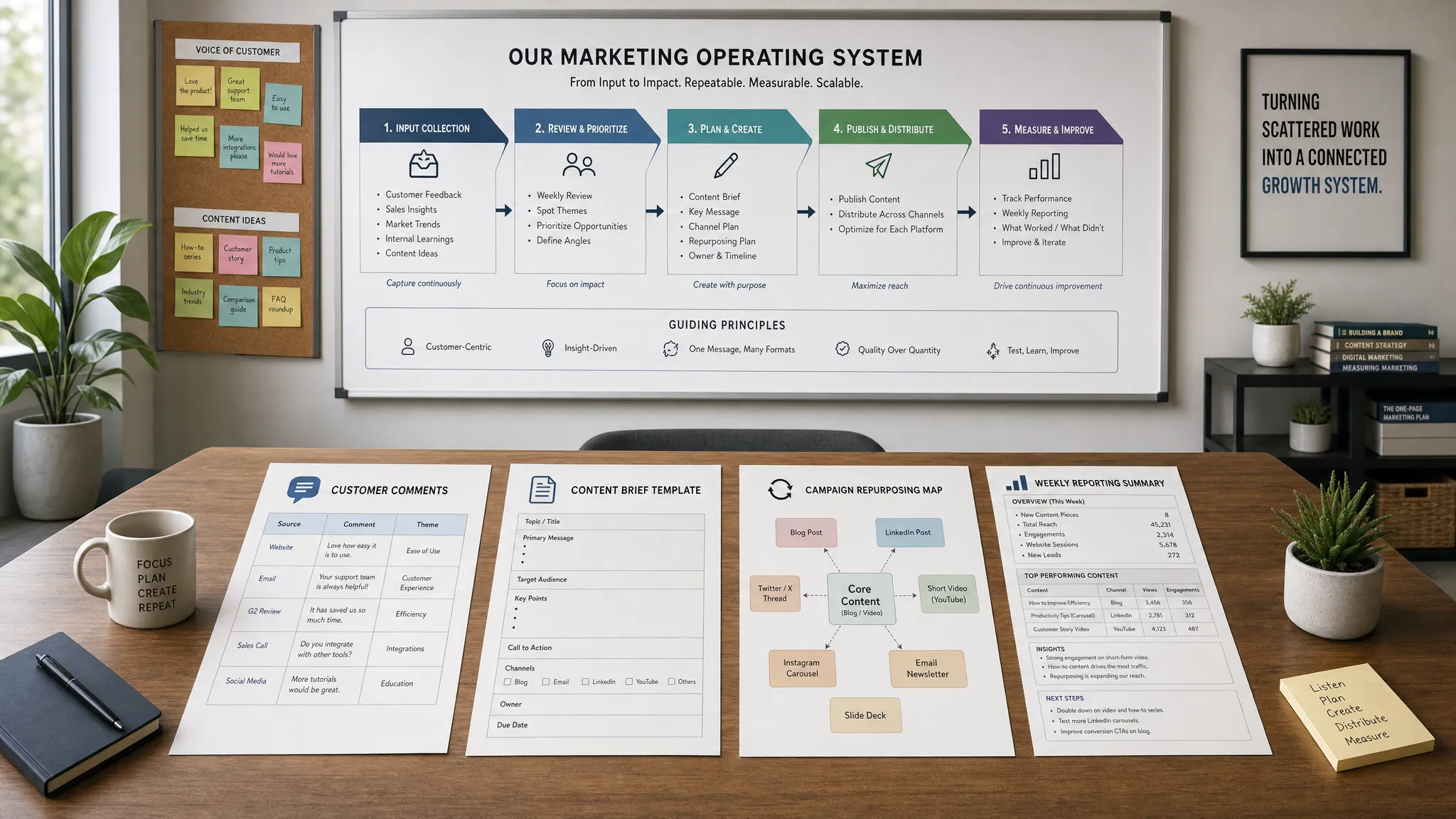
When a media agency is working well, the brand gains more than campaign management. It gains a structured growth system.
The media plan reflects business priorities. Creative testing becomes continuous. Reporting focuses on decisions, not vanity metrics. Channels support each other. AI and automation improve speed. Budget shifts are based on evidence. Internal teams have more clarity and less guesswork.
That is the real role of a modern media agency: helping brands turn fragmented attention into focused growth.
What is a media agency? A media agency helps brands plan, buy, manage, and optimize media across channels such as search, social, programmatic, connected TV, audio, print, direct mail, and other paid or integrated placements.
How does a media agency help brand growth? A media agency supports growth by improving audience targeting, channel planning, creative testing, budget allocation, campaign execution, and performance measurement.
Is a media agency only for large brands? No. Growing small and mid-sized businesses can also benefit from agency support, especially when they manage multiple channels, need specialized expertise, or want clearer performance reporting.
What should I prepare before hiring a media agency? Prepare your business goals, target audience insights, past campaign data, budget range, sales cycle information, creative assets, and any known challenges with tracking or attribution.
How is AI changing media agency work? AI helps agencies and brands move faster with research, content variation, reporting, and optimization. The best results still require human strategy, strong data, and clear business judgment.
Modern brand growth is not about chasing every new channel. It is about building a clear strategy, testing faster, measuring better, and using the right tools to turn insight into action.
AIMarketer Hub helps marketers and businesses strengthen that process with AI content generation, prompt resources, SEO tools, calculators, performance insights, and industry-specific guides. Explore the resources at AIMarketer Hub to plan smarter campaigns and make your next growth move with more confidence.