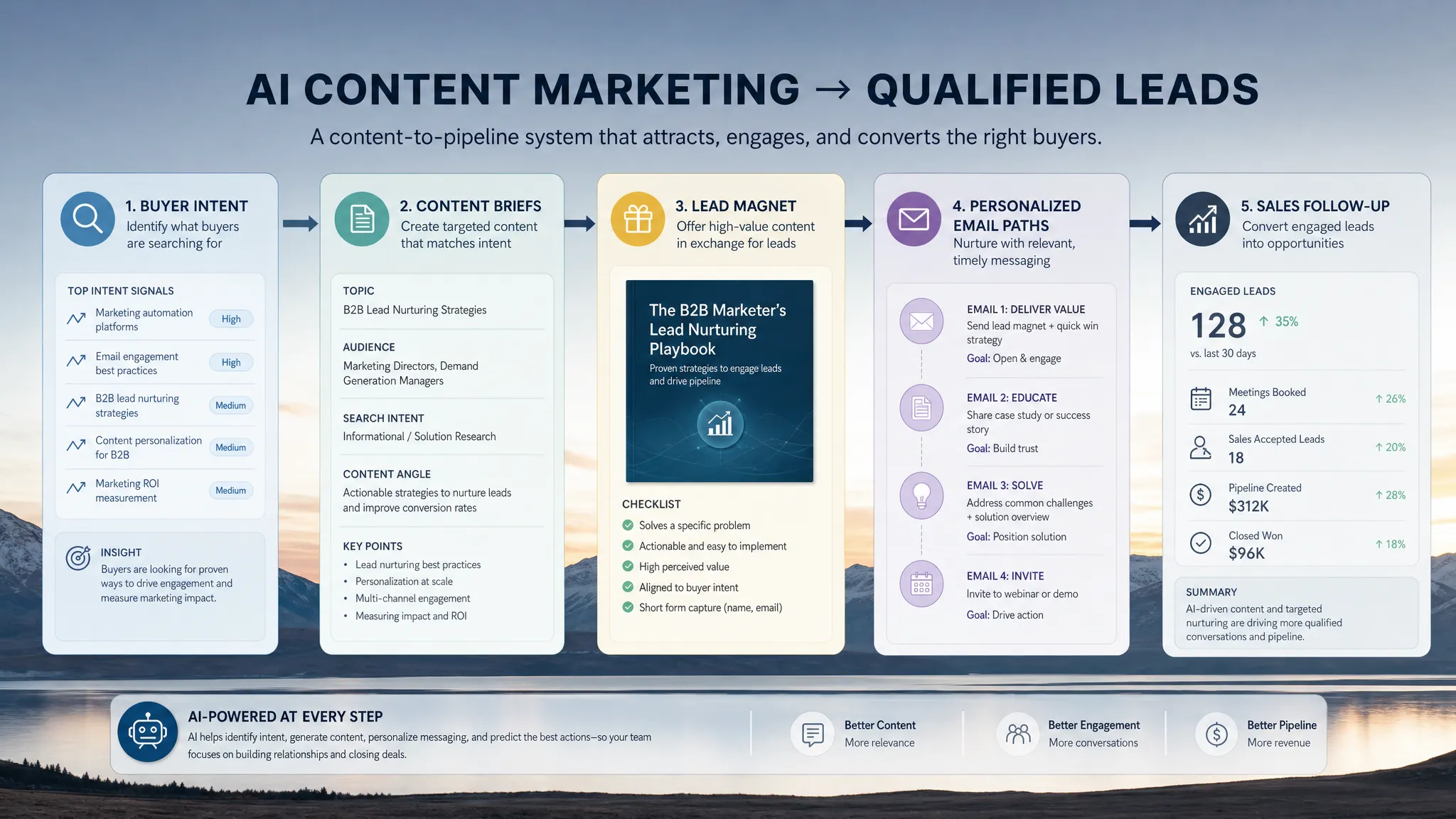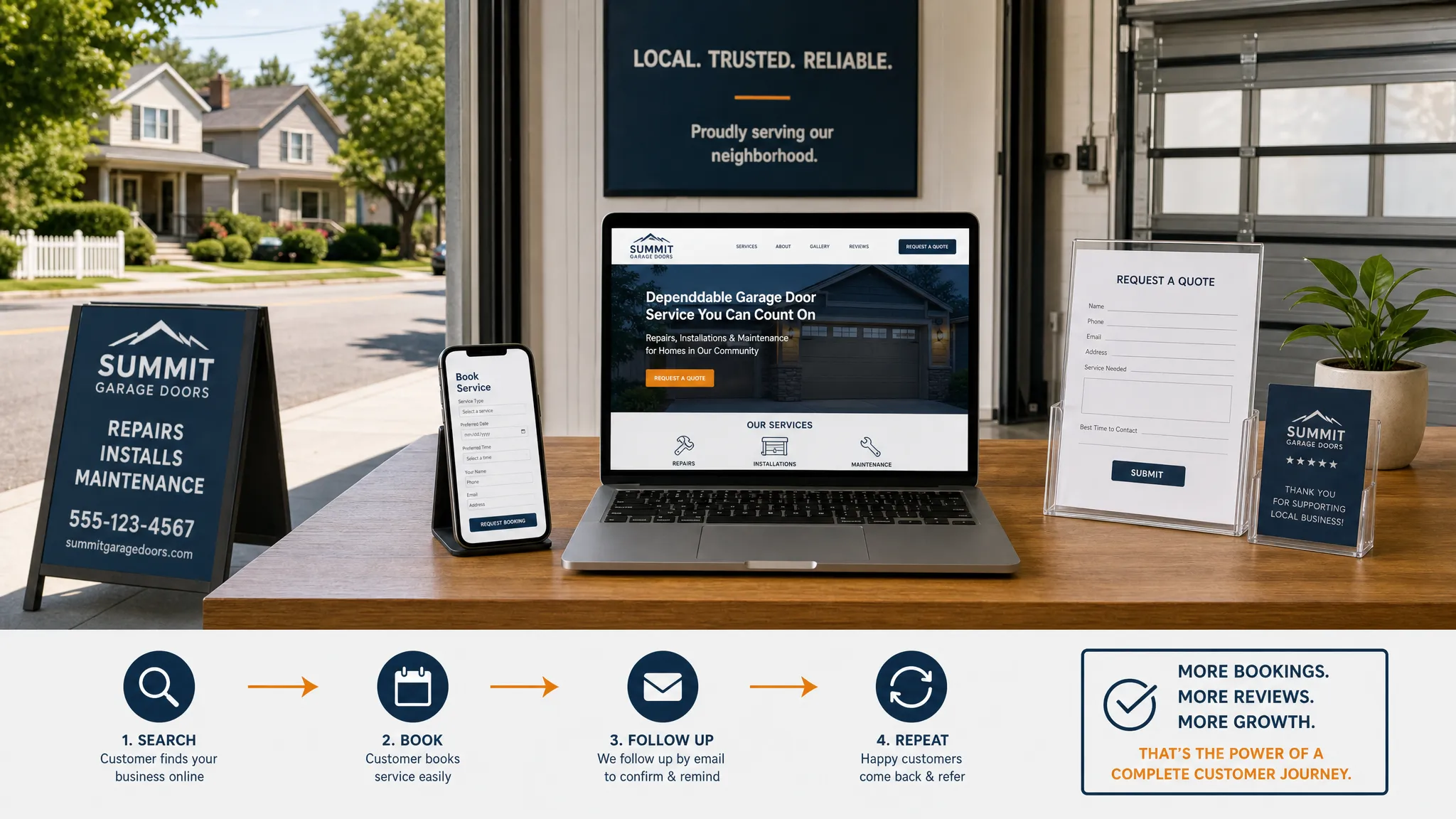
Small business owners do not need more random marketing activity. They need a practical system that turns attention into appointments, purchases, quote requests, consultations, and repeat revenue.
That is the difference between being online and using digital marketing for small business in a way that actually drives sales. Posting every day is not the goal. Ranking for a keyword is not the goal. Even getting more traffic is not the goal unless the right people take the next step.
Sales-focused digital marketing connects three things: the customer you want, the offer they need, and the clearest path to buy. When those pieces work together, your website, search presence, email list, paid ads, content, and social channels stop feeling like separate tasks and start working like a revenue engine.
A sales-driven digital marketing strategy is built around buyer behavior, not marketing trends. It asks what people need to see, believe, and do before they buy from you.
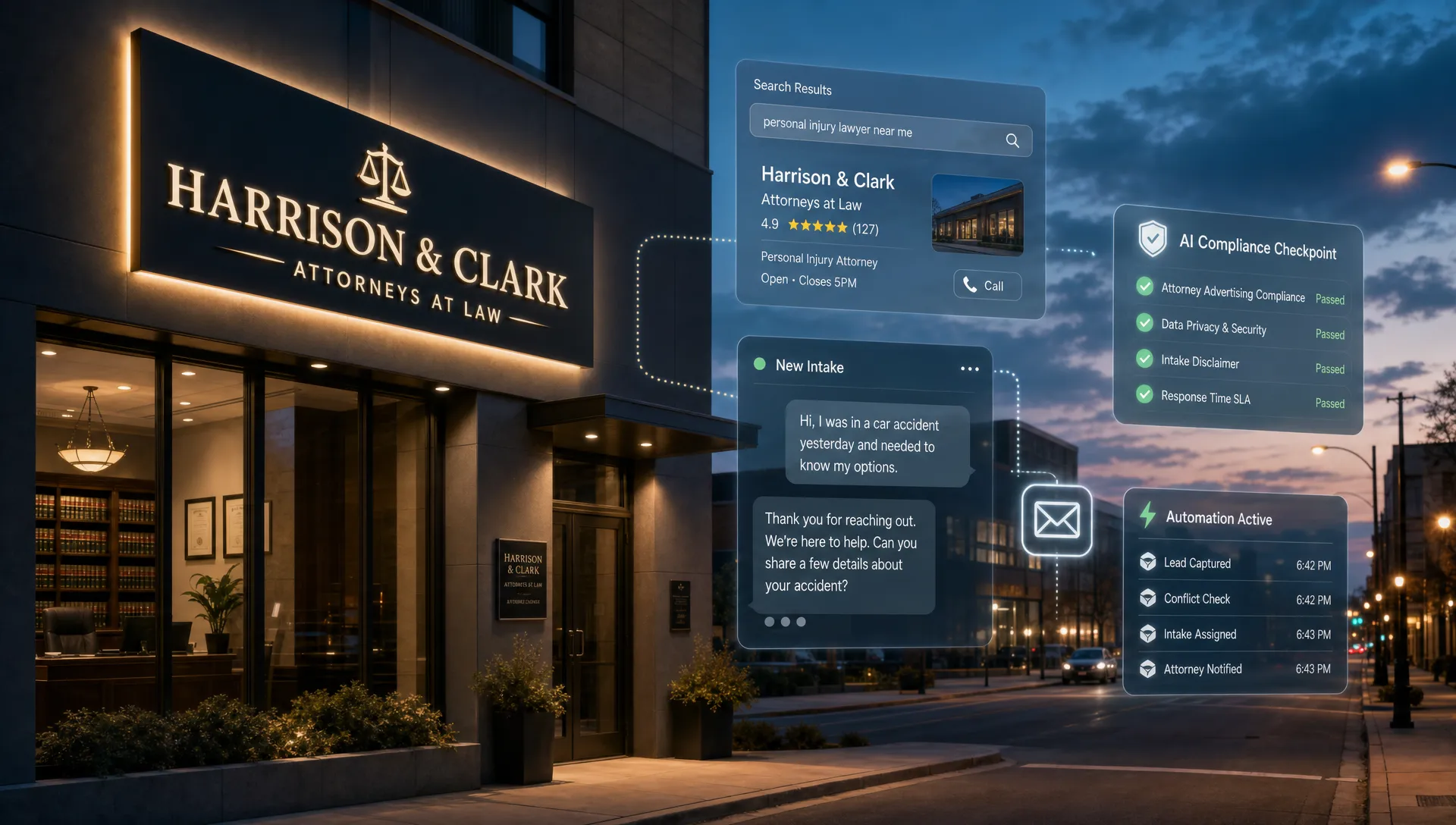
For a local service business, that might mean showing up when someone searches for help nearby, earning trust with reviews, and making it easy to call or book. For an ecommerce business, it might mean product pages with strong proof, cart recovery emails, and retargeting ads. For a SaaS or professional service company, it might mean educational content, comparison pages, lead magnets, and automated follow-up.
The core system is simple:
The U.S. Small Business Administration emphasizes the importance of understanding your target market, customer needs, and sales process. Digital marketing simply gives you more tools to apply those fundamentals with speed and precision.
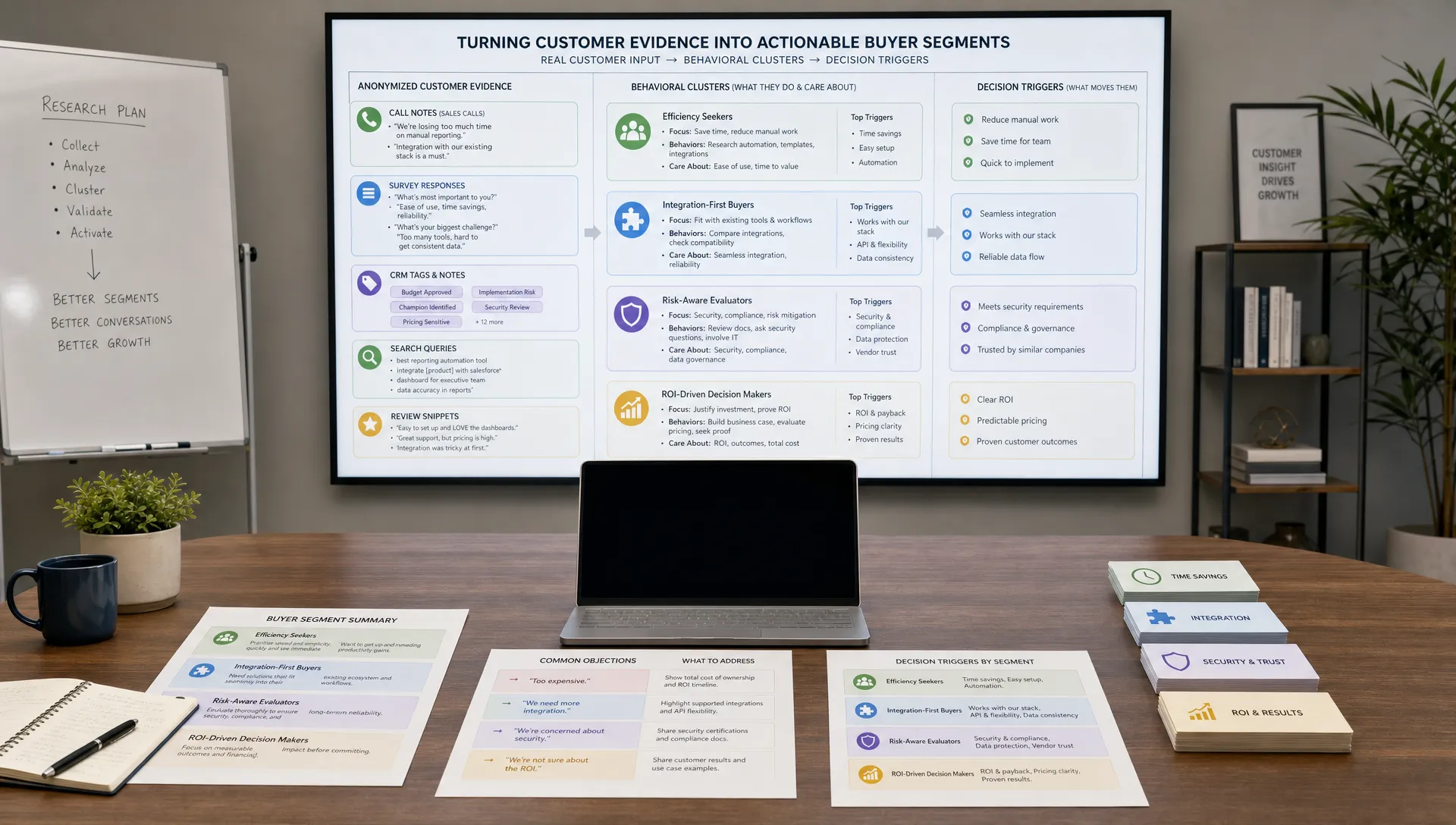
Before you choose channels, clarify who you are trying to reach. Many small businesses waste budget because they market to everyone who could buy instead of focusing on the customers most likely to buy profitably.
A good customer profile should go beyond age, location, or industry. It should explain the urgent problem, the trigger that makes someone look for a solution, the objections they have, and the proof they need before choosing you.
Ask these questions before launching a campaign:
For example, a family-owned HVAC company may technically serve every homeowner in its city. But its highest-value buyers might be homeowners searching for emergency repair, replacement estimates, or seasonal maintenance before extreme weather hits. That insight changes the entire marketing plan. The company should prioritize local search, service pages, reviews, urgent call options, and reminder emails instead of broad awareness posts.
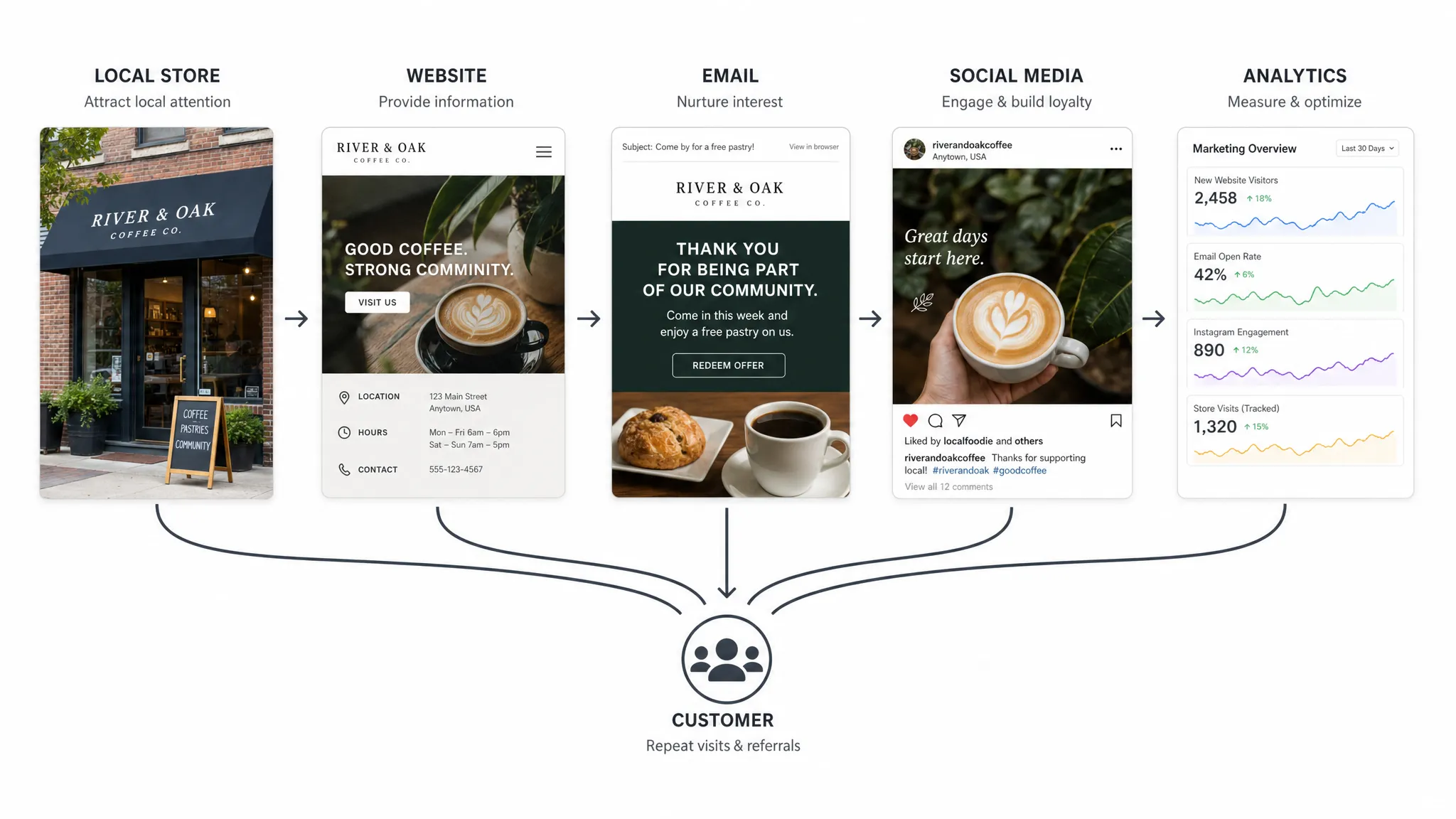
Your website is often the first serious sales conversation a buyer has with your business. If it is slow, vague, outdated, or hard to navigate on mobile, your marketing campaigns will leak leads no matter how much traffic you send.
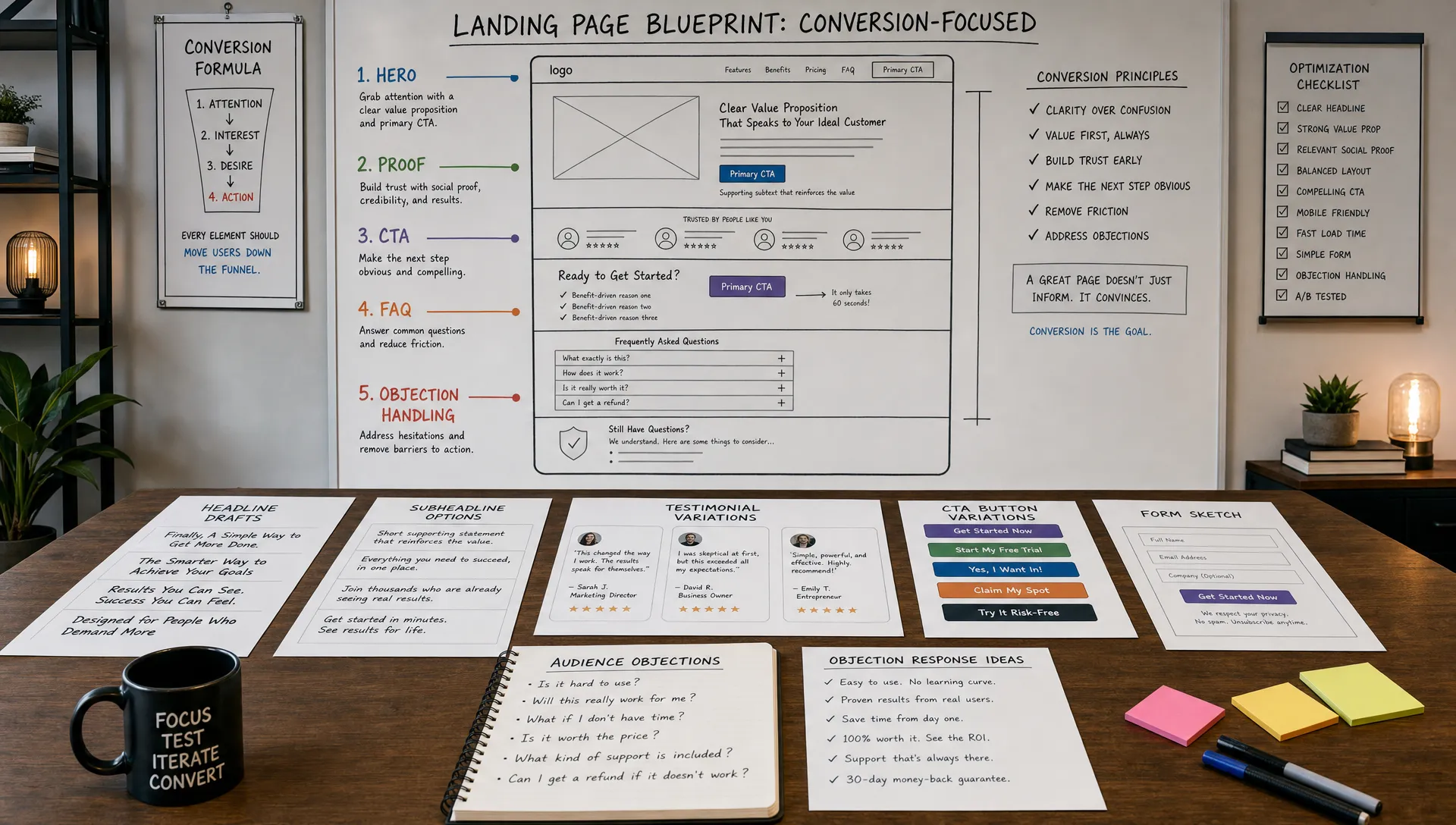
A high-converting small business website does not need to be complicated. It needs to answer the questions that matter most to buyers: What do you offer? Who is it for? Why should I trust you? What happens next? How do I contact you?
Every core product or service should have its own page with a specific headline, customer-focused benefits, proof, and a clear call to action. Avoid forcing visitors to decode a generic services page. If someone searched for commercial bookkeeping, emergency plumbing, family law consultations, or AI content support, the landing page should match that intent closely.
Use this conversion checklist to find quick improvements:
Mobile experience matters especially for small businesses. Many customers discover local businesses, restaurants, repair services, consultants, and stores from a phone while they are ready to act. A clean mobile layout, fast page load, visible contact button, and short form can make the difference between a lost visitor and a new sale.
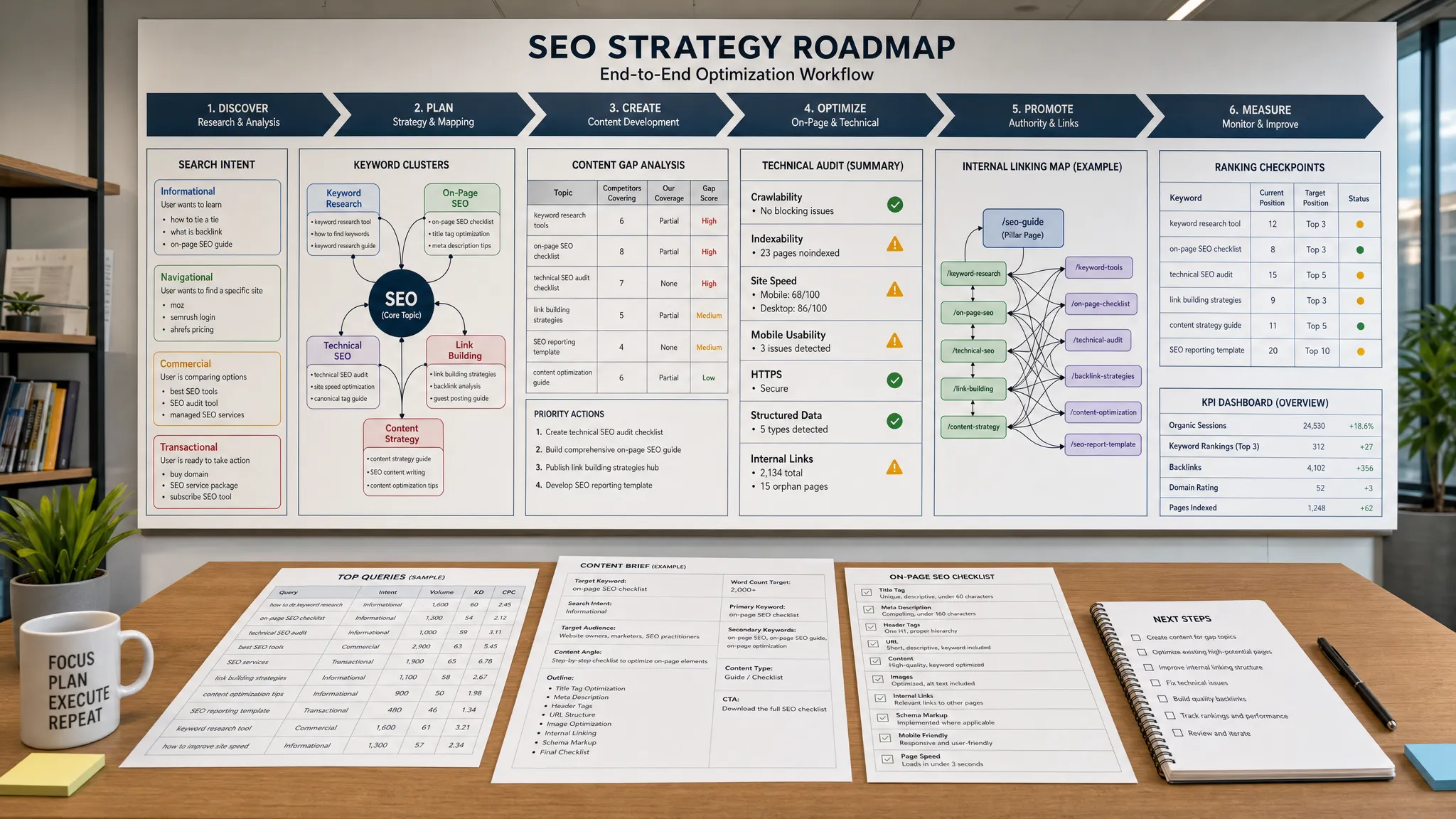
Search is one of the strongest digital marketing channels for small businesses because it reaches people at the moment they are looking for a solution. Someone searching for a tax preparer near me, wedding florist in Austin, or best CRM for small real estate team is showing intent.
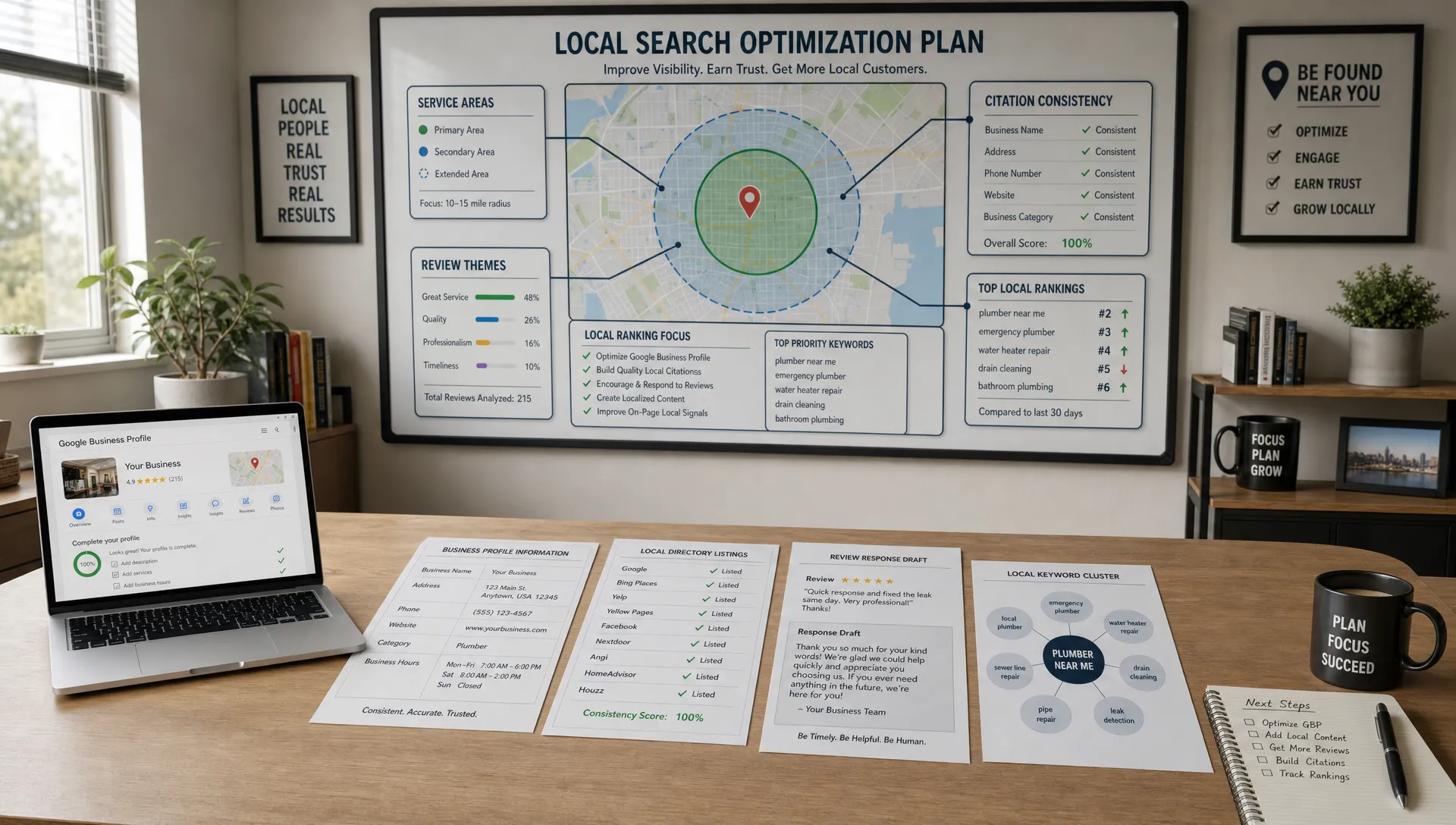
Start with the basics. Create or optimize your Google Business Profile if you serve a local market. Add accurate business information, categories, services, photos, hours, and contact details. Google notes in its Business Profile guidance that relevance, distance, and prominence can influence local results, so complete information and a strong reputation matter.
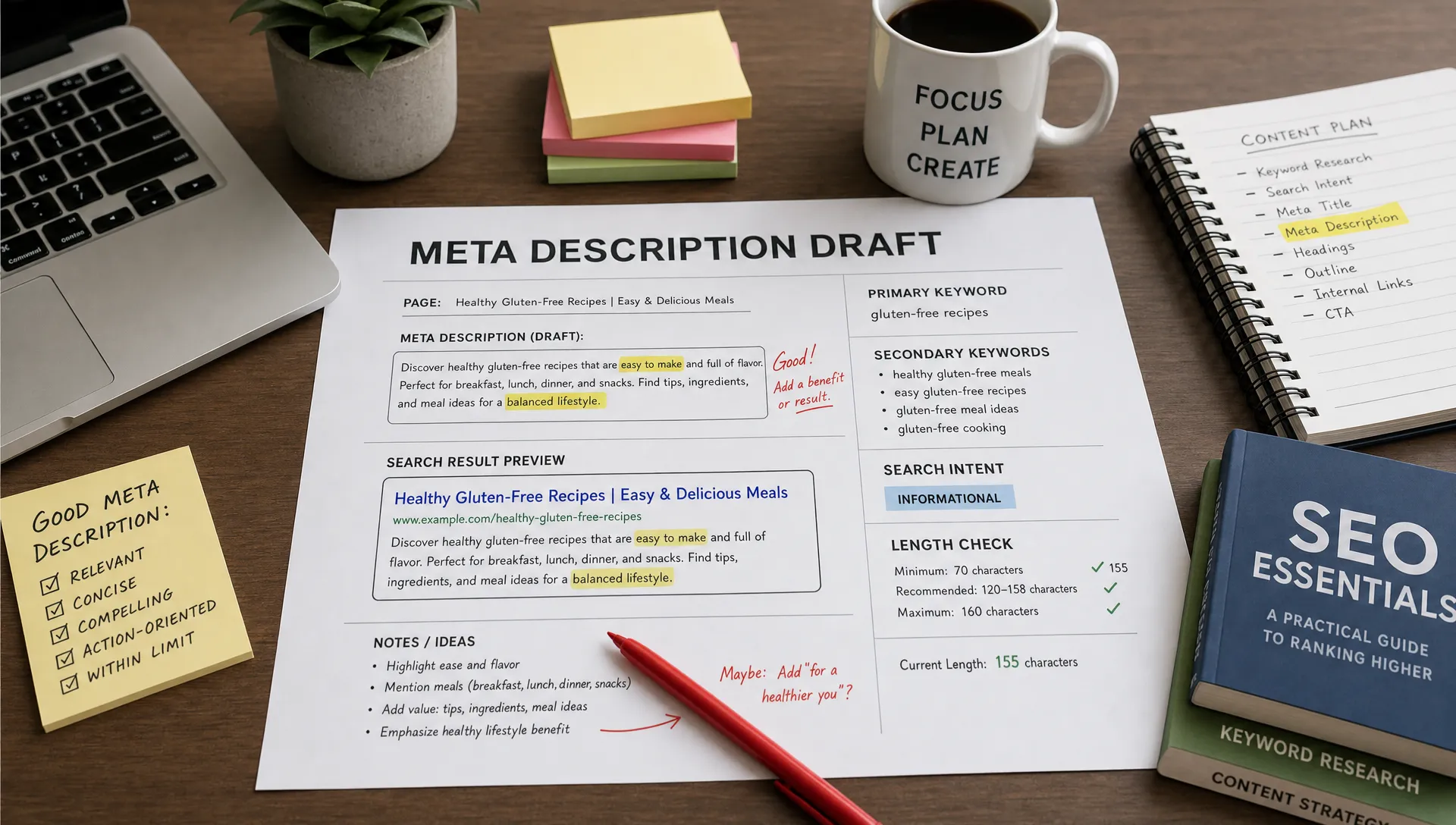
Your website should also be structured so search engines and buyers understand what you do. The Google Search Central SEO Starter Guide recommends creating helpful, reliable content for people first. For small businesses, that means writing pages and articles that answer real customer questions, not just stuffing keywords into thin pages.
Focus on search terms that suggest buying intent. These often include product or service names, locations, problems, comparisons, pricing, and emergency needs. A small law firm, for example, may get more qualified leads from a page about contract review for startups in its city than from a broad article about business law.
Do not ignore reputation. Reviews influence trust before a buyer ever contacts you. Build a simple process to request reviews after successful projects, respond professionally, and use customer feedback to improve service quality.
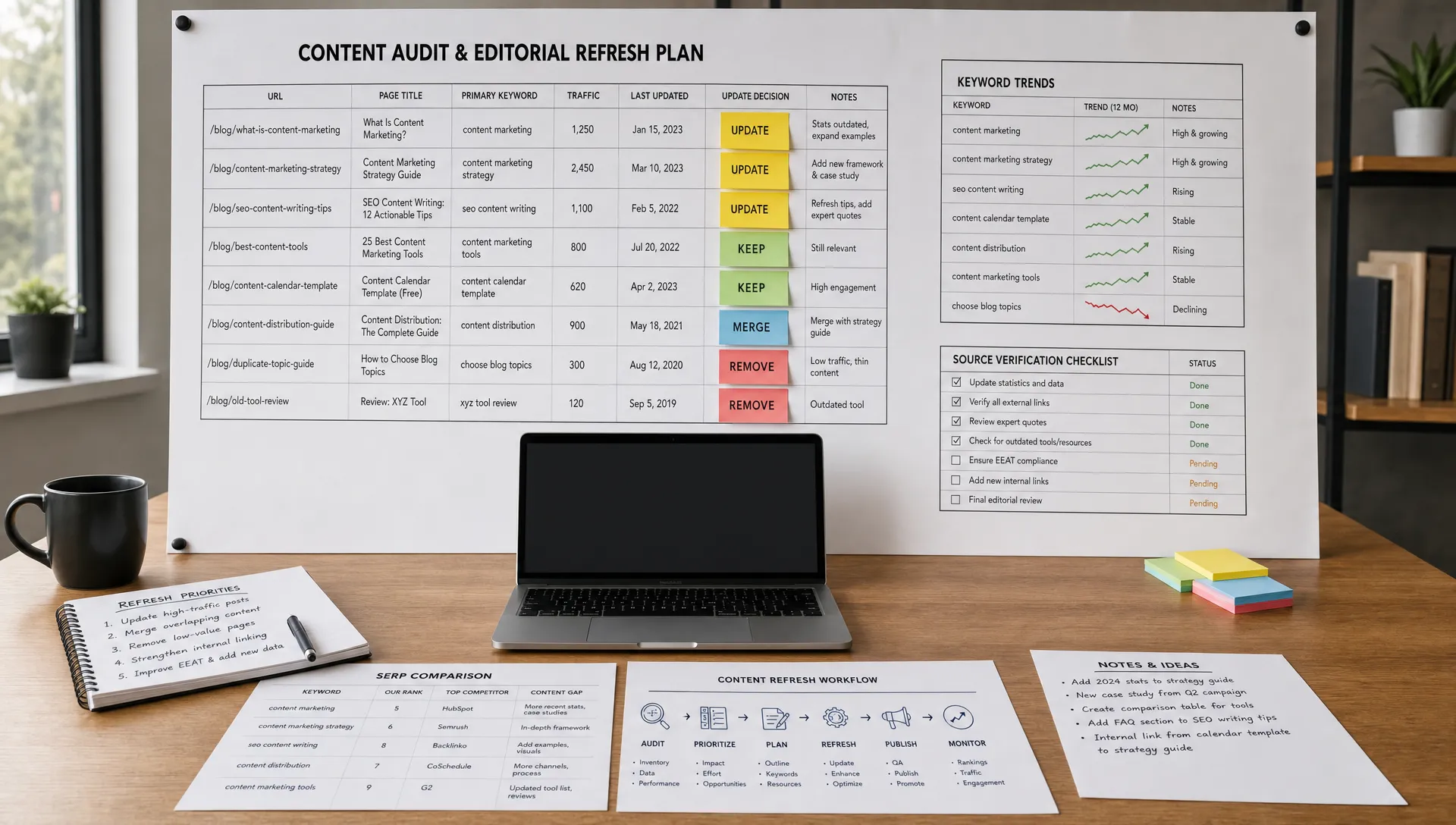
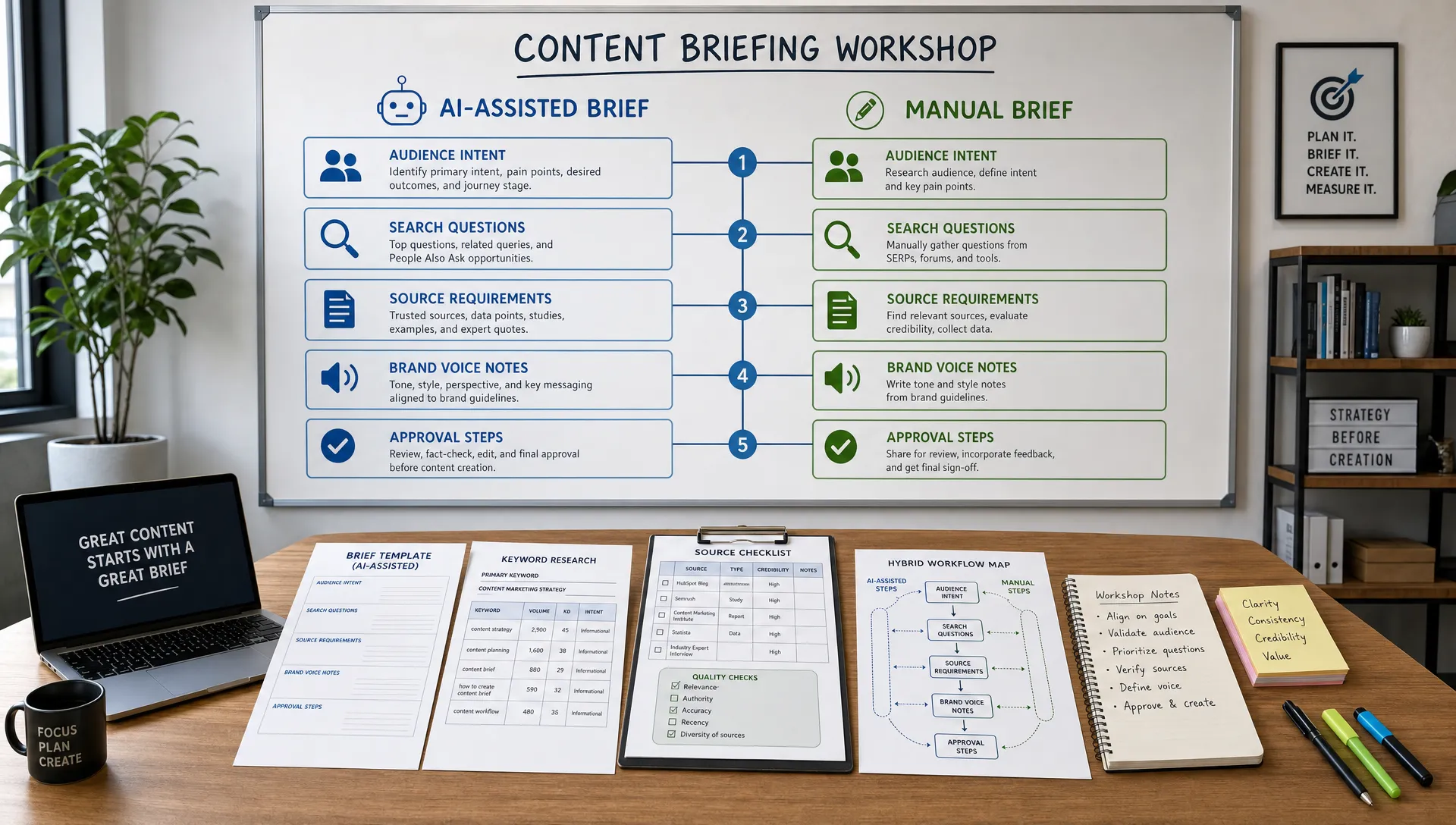
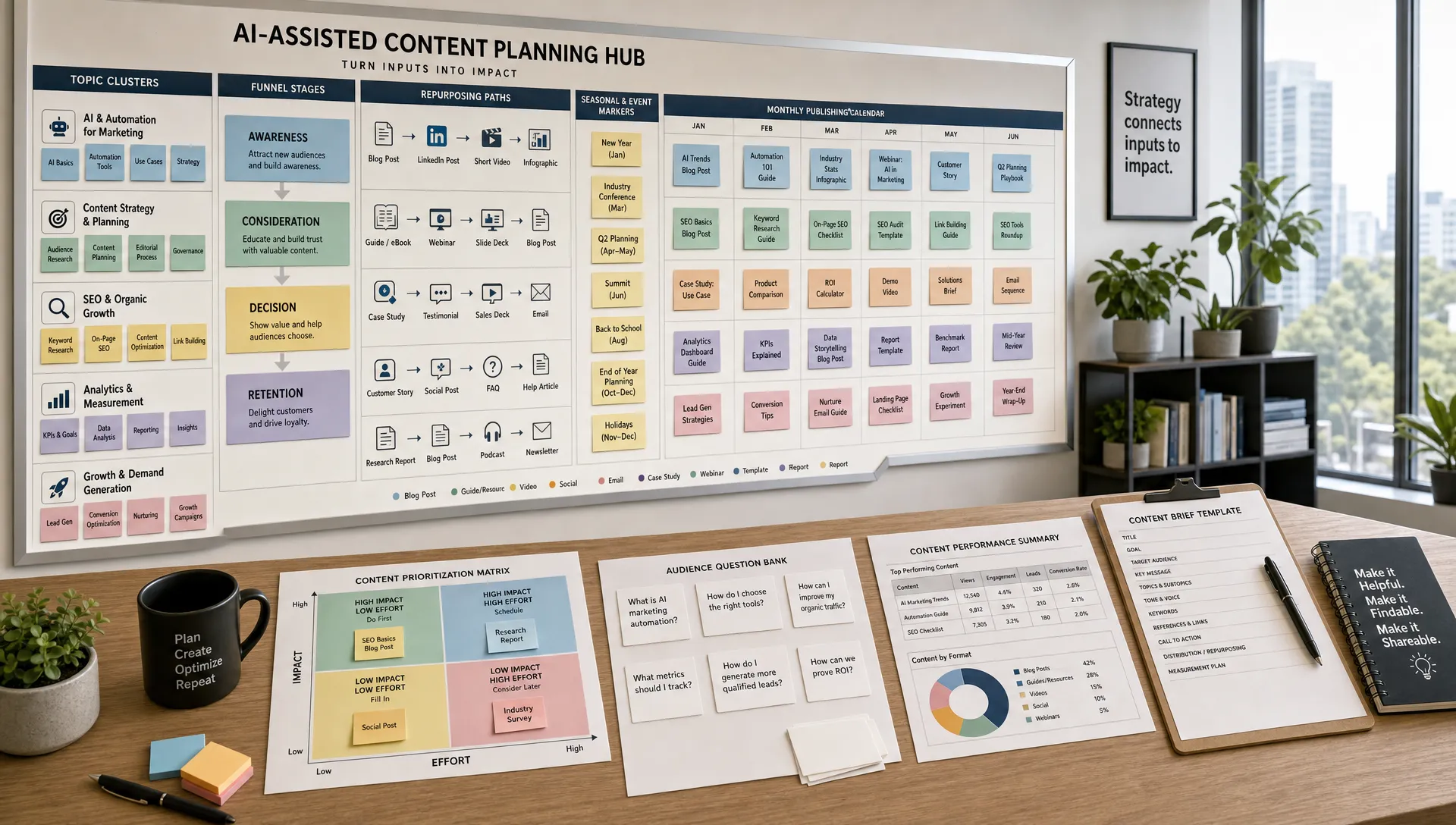
Content marketing works best for small businesses when it supports the sales conversation. You do not need to publish endlessly. You need content that helps buyers move from problem-aware to ready to act.
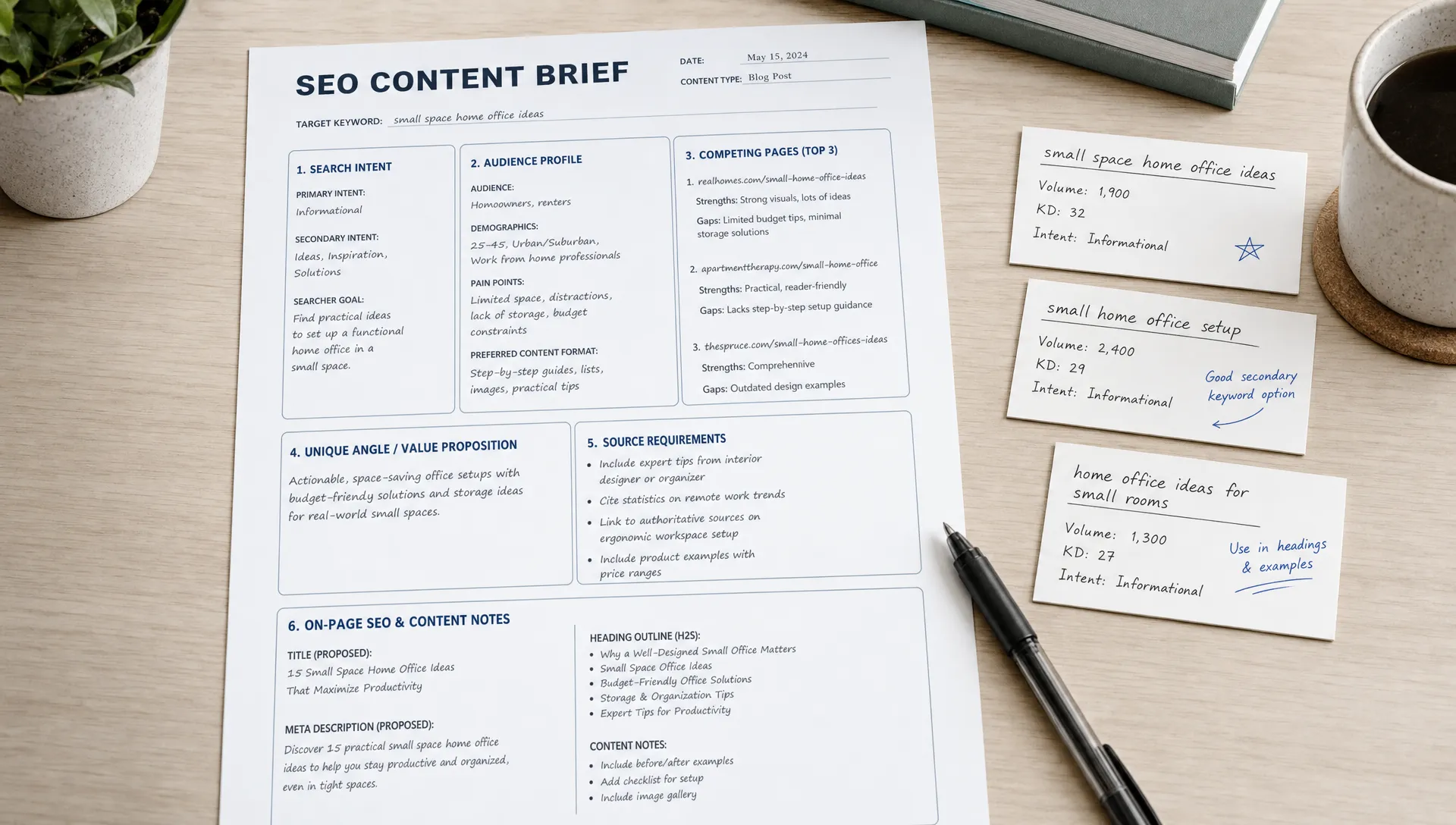
Think about the questions your customers ask in calls, emails, DMs, and consultations. Those questions are often better content topics than generic industry news. If prospects repeatedly ask how much something costs, how long it takes, what is included, how your service compares to another option, or whether they are a good fit, create content that answers those questions clearly.
Three content types are especially useful for sales:
This approach also makes AI more useful. Instead of asking an AI tool for random blog ideas, feed it real customer questions, sales call notes, support tickets, product details, and objections. Then use human review to make the content accurate, specific, and aligned with your brand.
Most visitors will not buy the first time they land on your site. Email gives you a way to keep the conversation going with people who have shown interest.
For small businesses, email does not have to mean a complex newsletter calendar. It can start with a few simple automations: a welcome email after someone downloads a guide, a follow-up after a quote request, a reminder for abandoned carts, a post-purchase thank you, or a reactivation email for customers who have not bought in a while.
The key is relevance. Segment your list when possible based on what someone requested, bought, or clicked. A new lead who downloaded a pricing guide should not receive the same message as a repeat customer who needs a renewal reminder.
Keep the sales message clear but helpful. Instead of sending only promotions, combine education, proof, and an easy next step. A dentist might send a short series on what to expect from teeth whitening, patient results, financing options, and a booking link. A SaaS company might send onboarding tips, use cases, ROI examples, and a demo invitation.
Make sure your email marketing follows consent and compliance rules. In the United States, the FTC CAN-SPAM compliance guide explains requirements such as accurate sender information, honest subject lines, and a clear way to opt out.
Paid ads can accelerate growth, but they can also burn budget quickly if you use them to chase impressions instead of sales outcomes. Small businesses should treat advertising as a controlled test with a defined offer, audience, landing page, and conversion goal.
Search ads are often a strong place to start when people are already looking for what you sell. Social ads can work well when your product is visual, impulse-friendly, educational, or targeted to a specific audience. Retargeting can help bring back visitors who viewed key pages but did not convert.
Before increasing spend, make sure the foundation is in place. You need a landing page that matches the ad promise, a compelling offer, tracking for leads or purchases, and a follow-up process. Many campaigns fail not because the ads are terrible, but because leads are slow to receive a reply or the landing page does not answer enough buying questions.
For small budgets, start narrow. Promote one service, one location, one audience, or one offer. Measure cost per qualified lead, not just cost per click. If leads are low quality, refine keywords, targeting, copy, or the offer before spending more.
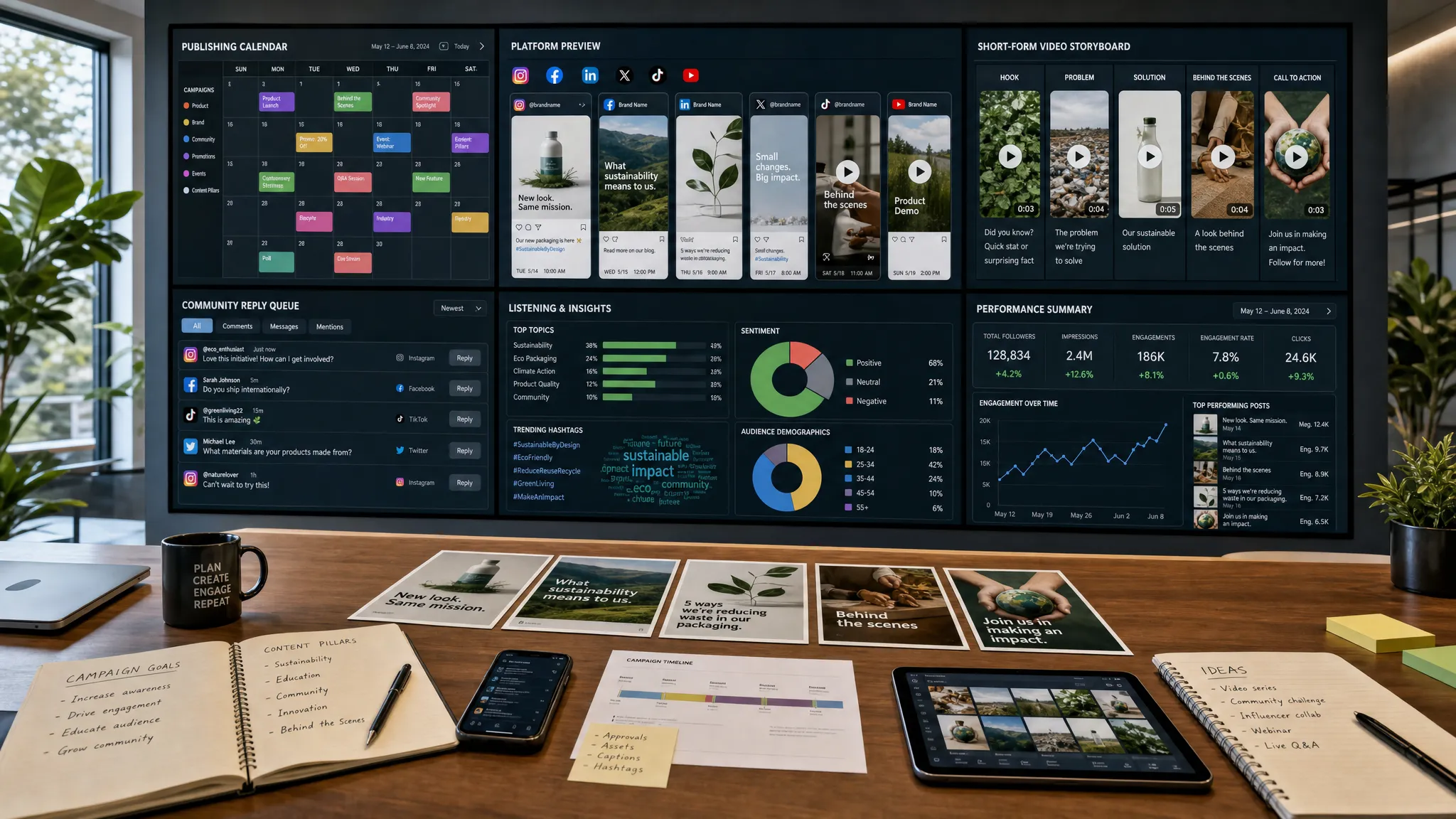
Social media can support sales, but it rarely works when the goal is simply to post more. The better goal is to make buyers more confident before they contact you.
For small businesses, useful social content often comes from daily operations. Show how your process works, answer common questions, highlight customer outcomes with permission, introduce your team, explain mistakes to avoid, and share timely reminders. A restaurant can promote specials and behind-the-scenes preparation. A consultant can explain common problems in short posts. A home service company can show maintenance tips and completed projects.
Consistency matters, but consistency does not require being everywhere. Choose the platforms where your buyers already spend time and where your offer is easiest to understand. A B2B consultant may focus on LinkedIn and email. A boutique may prioritize Instagram, local search, and SMS. A local contractor may benefit more from Google Business Profile updates, reviews, and Facebook community groups than from trying to master every trend.
The sales value of social often appears indirectly. A buyer may see your posts for weeks, read reviews, visit your website, and then finally book. That is why social should connect back to clear next steps such as a booking page, quote request, product page, or email signup.
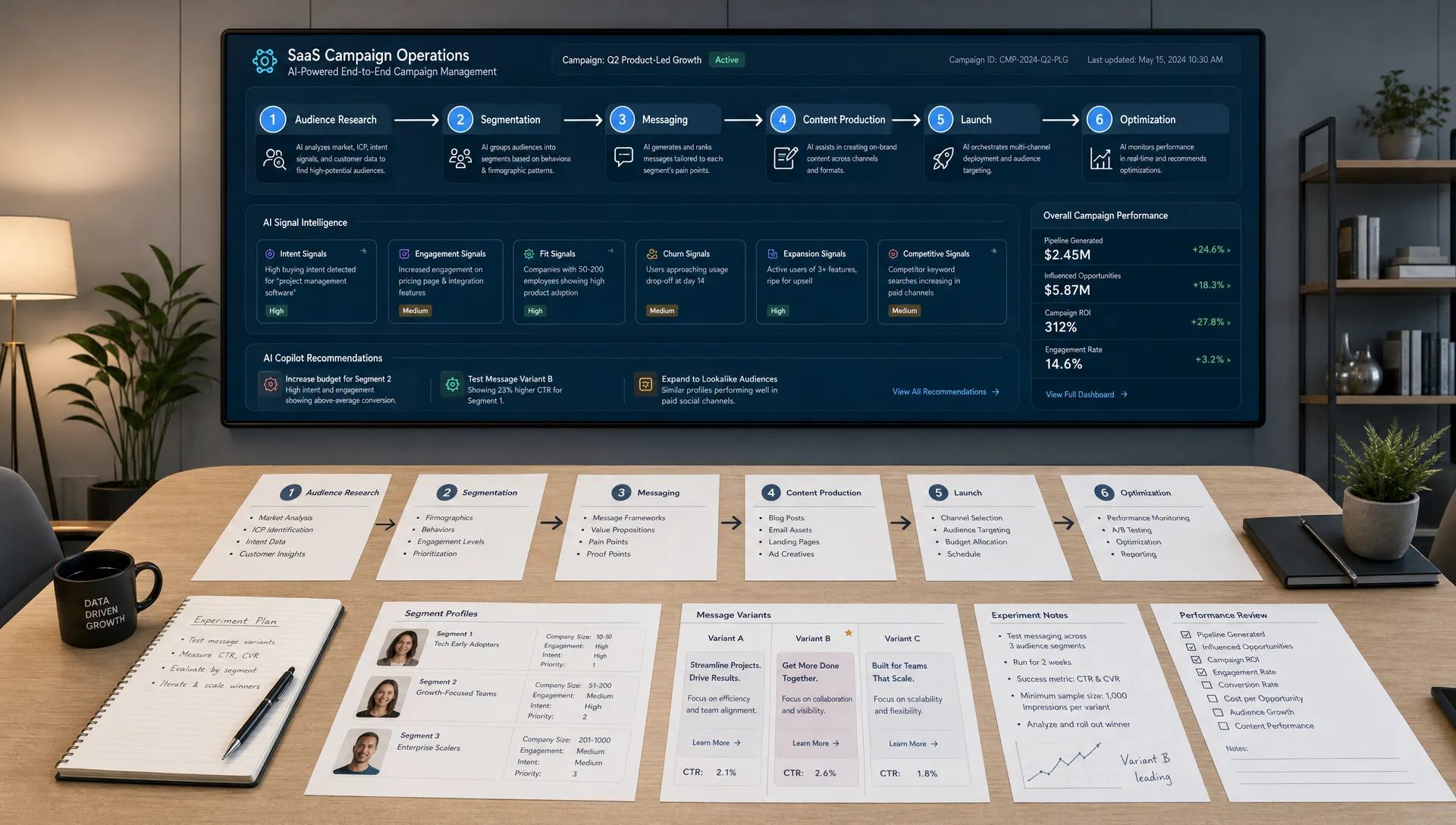
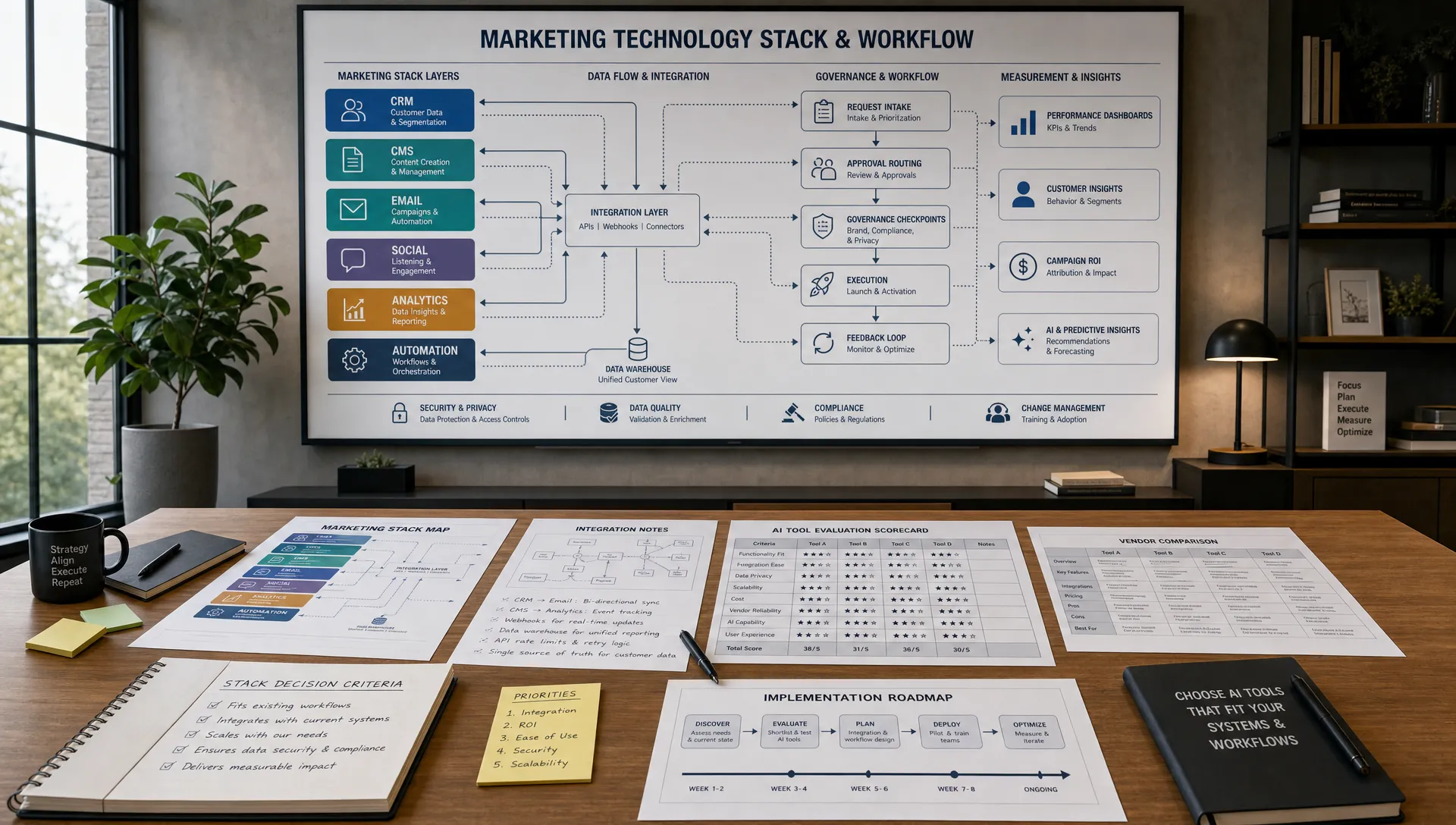
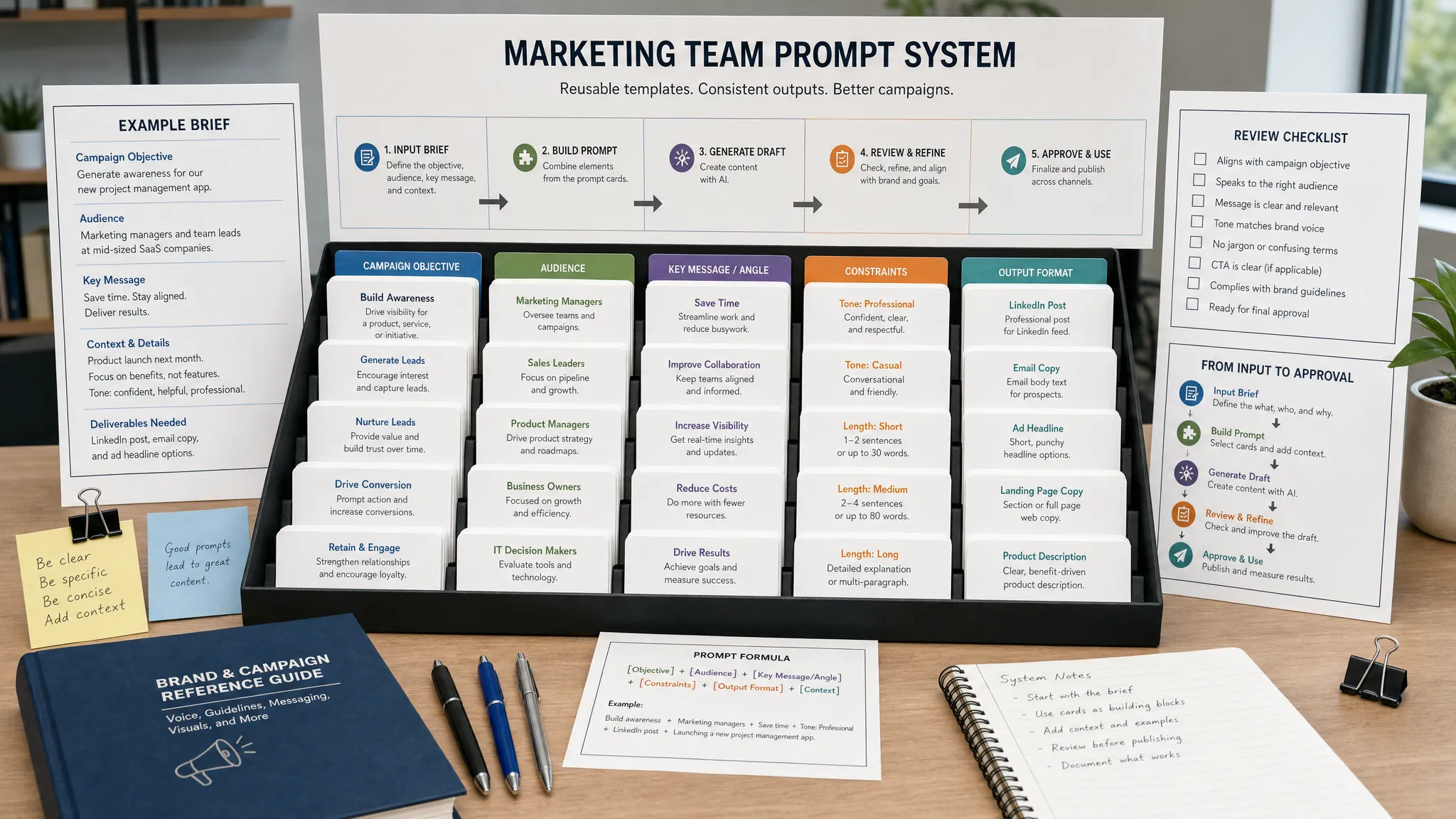
AI can help small businesses compete with larger teams by reducing the time needed for planning, drafting, repurposing, and analysis. The best use of AI is not to replace strategy. It is to help execute a clear strategy faster.
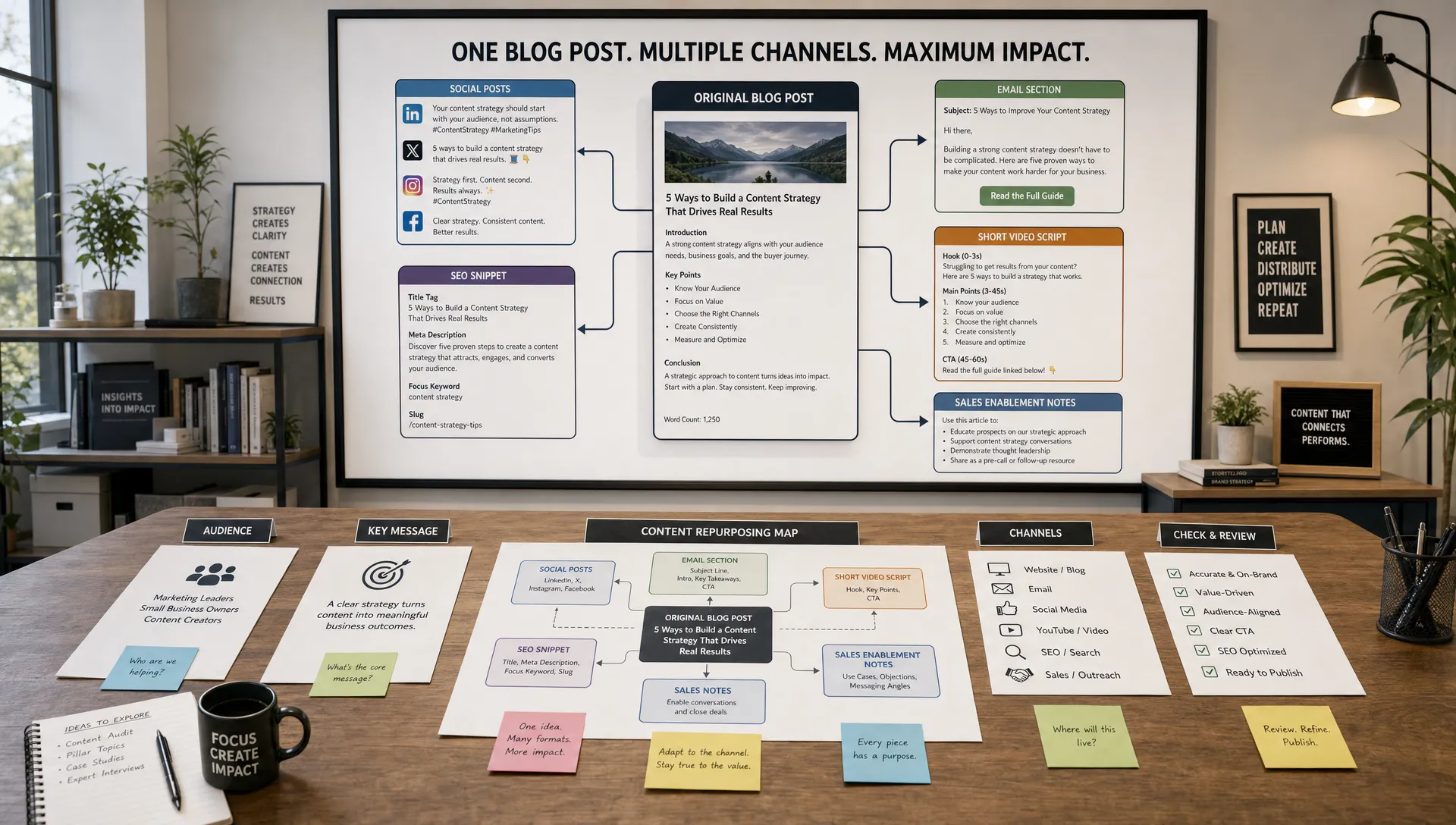
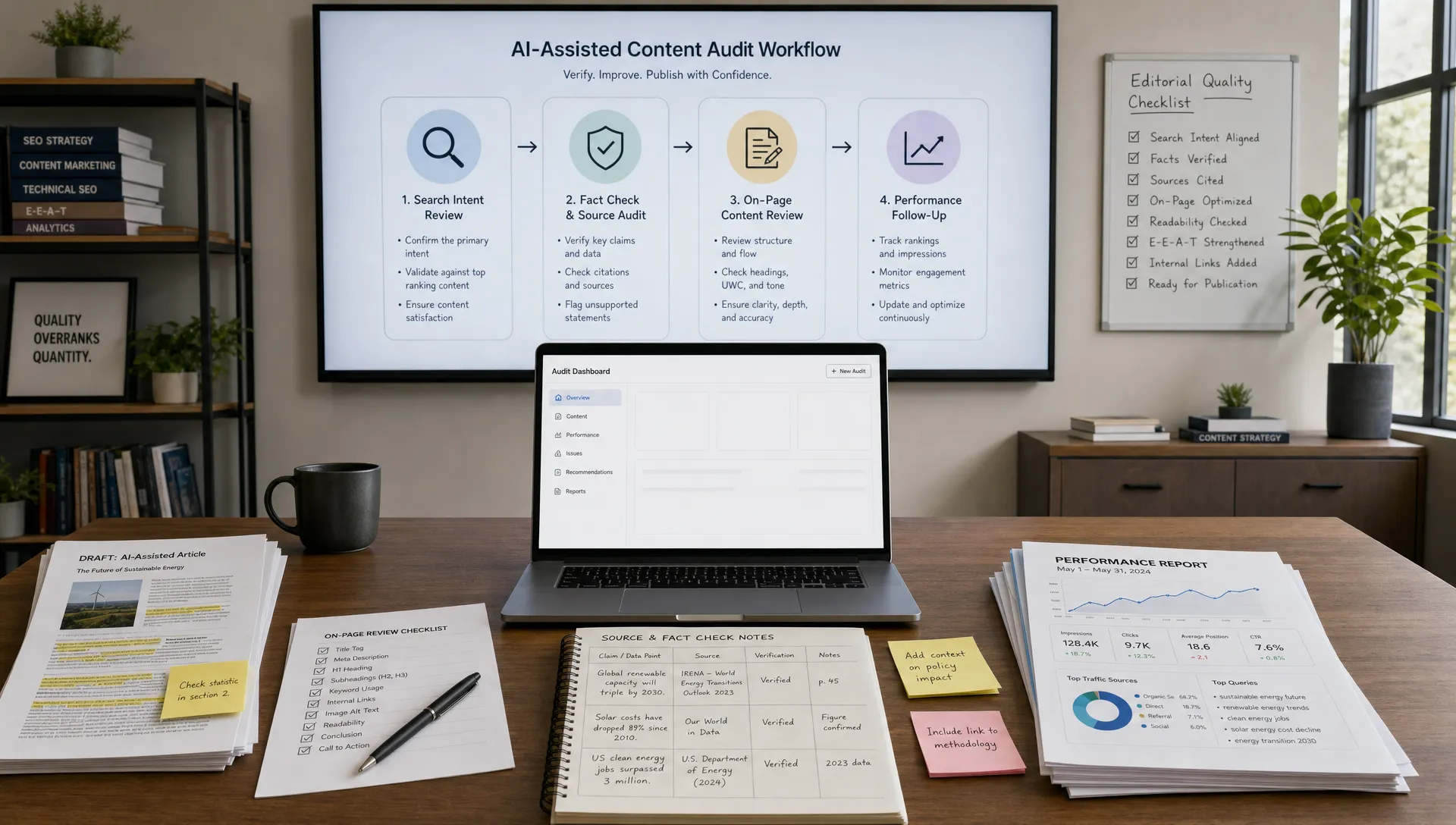
You can use AI to turn customer questions into article outlines, draft social captions from a blog post, generate ad variations, summarize campaign performance, create email subject line ideas, or build a list of SEO topics around a service. The output still needs human review for accuracy, tone, compliance, and differentiation.
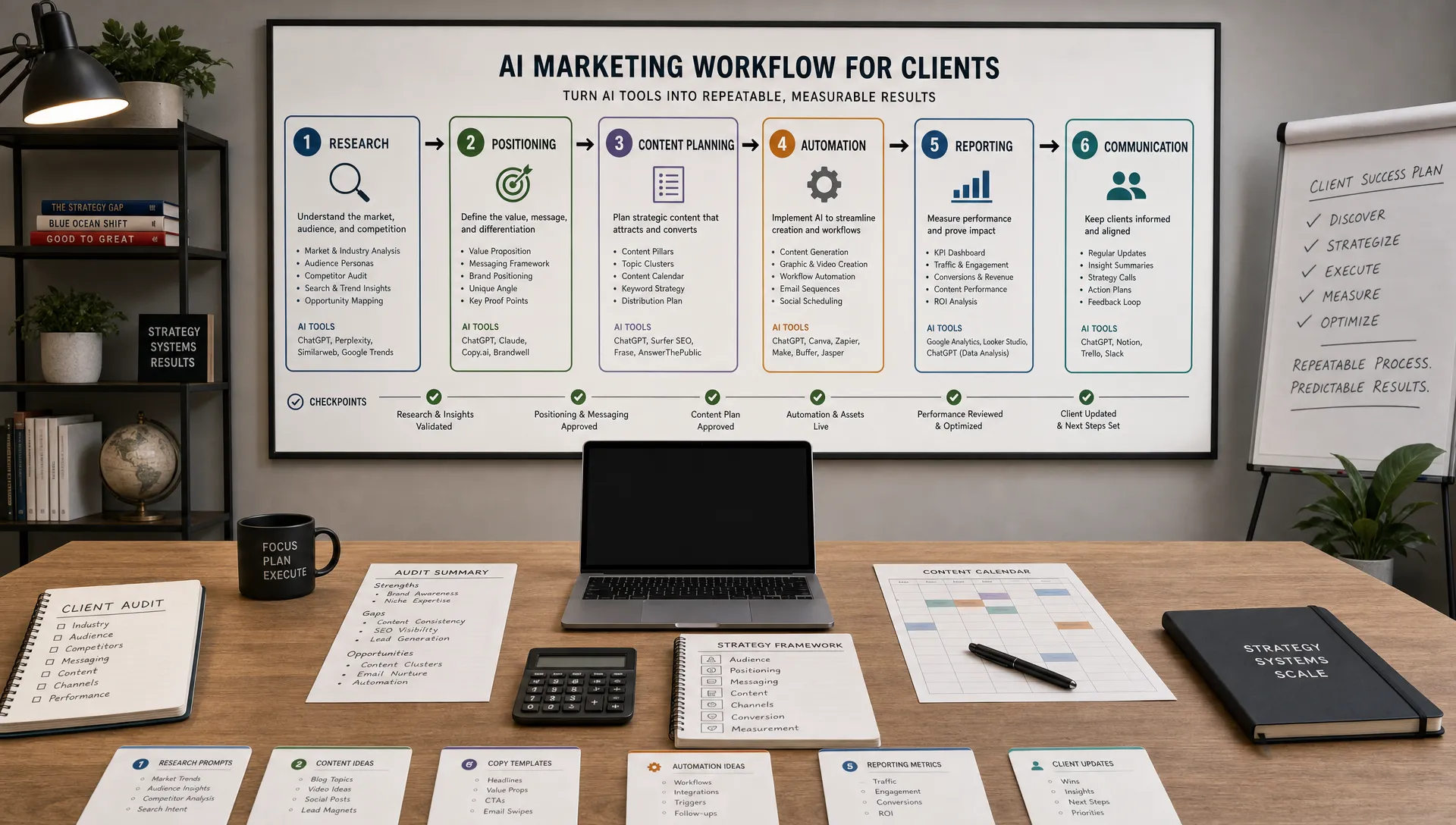
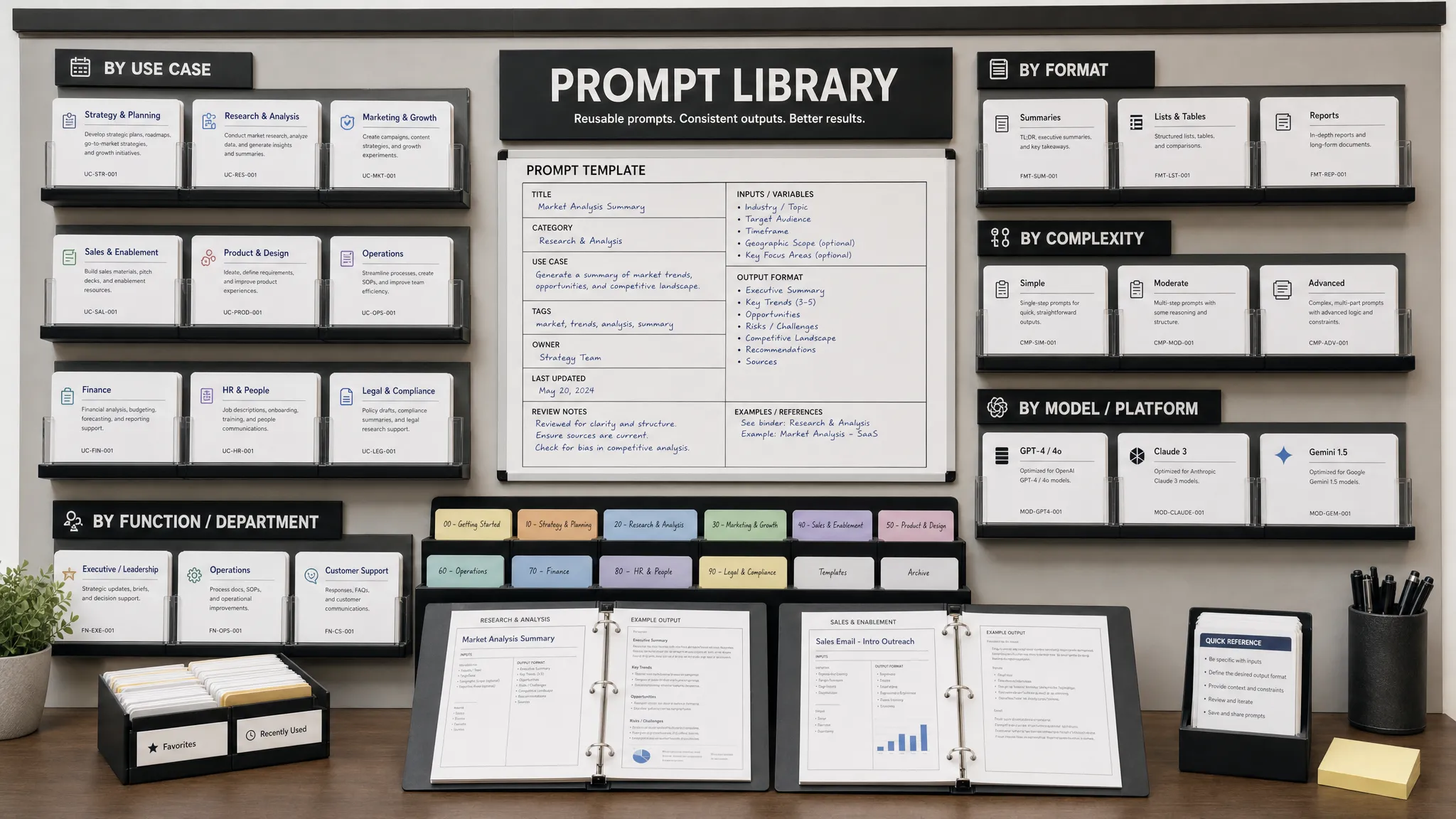
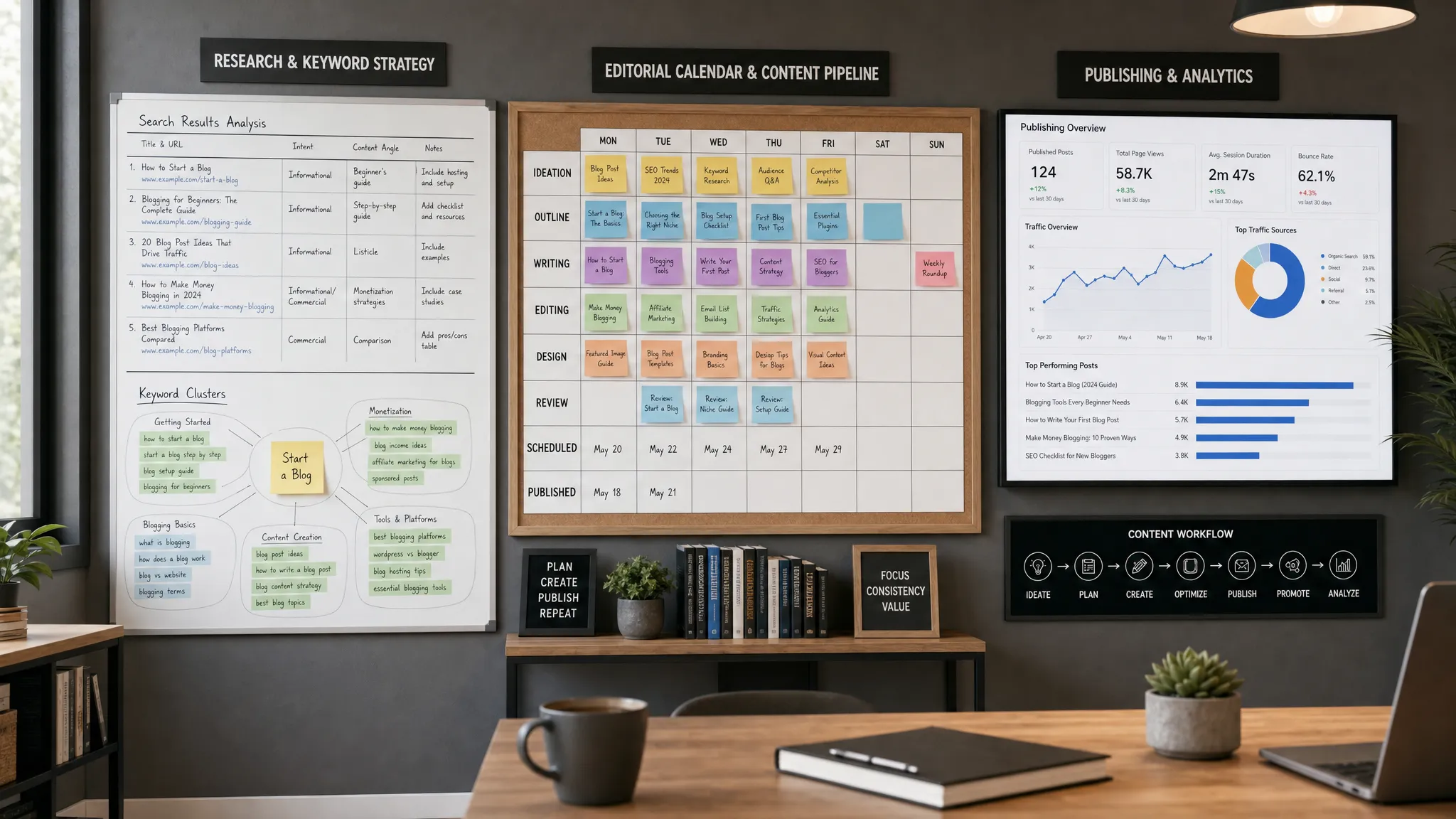
A practical AI workflow might look like this: collect customer questions, group them by buying stage, generate content briefs, draft first versions, add expert insight, optimize for search, publish, and review performance. This keeps AI grounded in real customer demand instead of generic marketing copy.
AIMarketer Hub is built around this kind of practical execution, with AI-powered marketing tools, prompt resources, SEO support, calculators, performance analytics, and industry-specific guides for teams that want to automate and optimize without losing business focus.
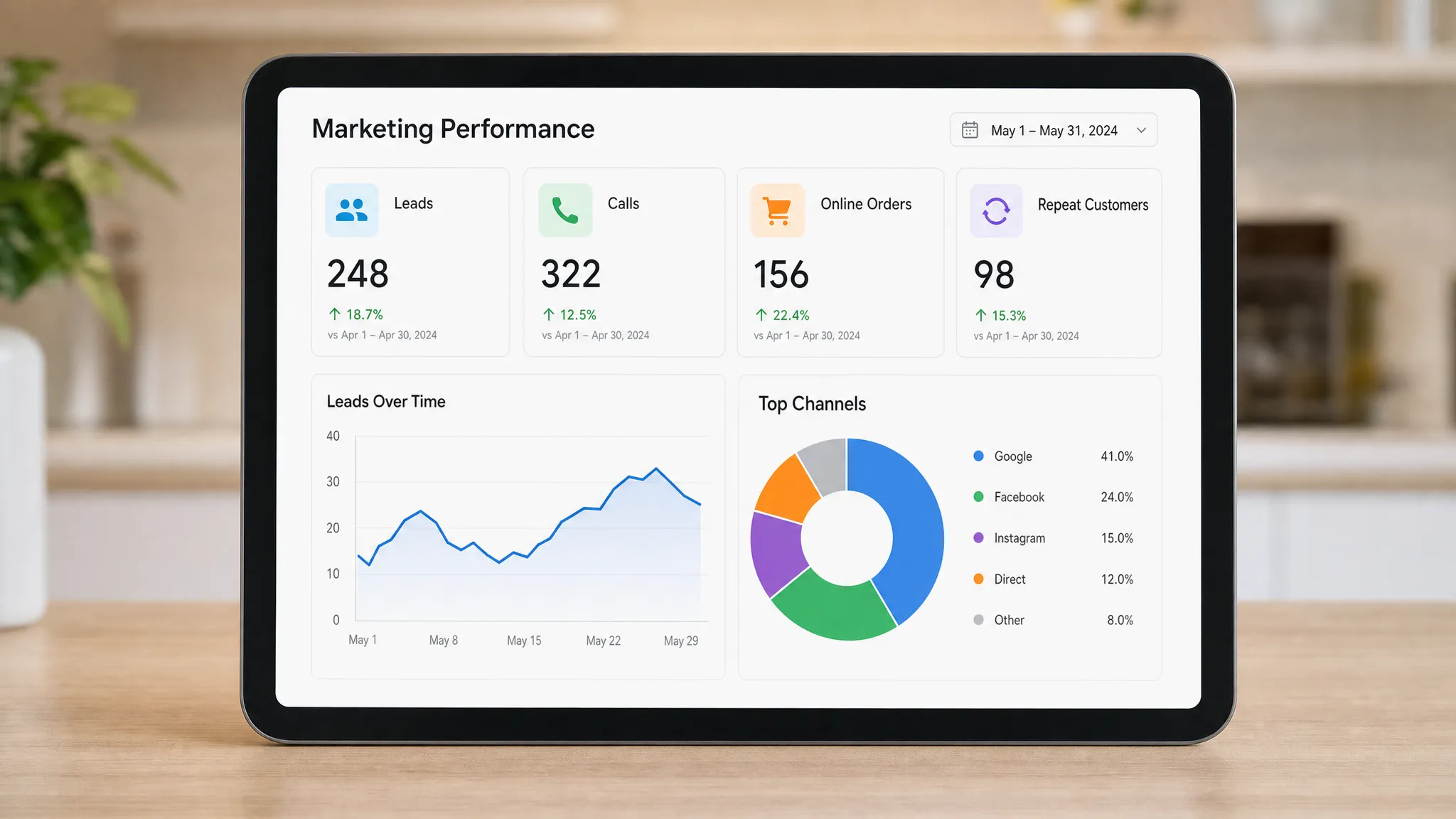
If your current marketing feels scattered, use the next 30 days to build momentum. Do not try to fix every channel at once. Focus on the steps most likely to improve buyer intent, conversion, and follow-up.
This 30-day plan is not meant to finish your marketing. It is meant to replace scattered effort with a repeatable sales system.
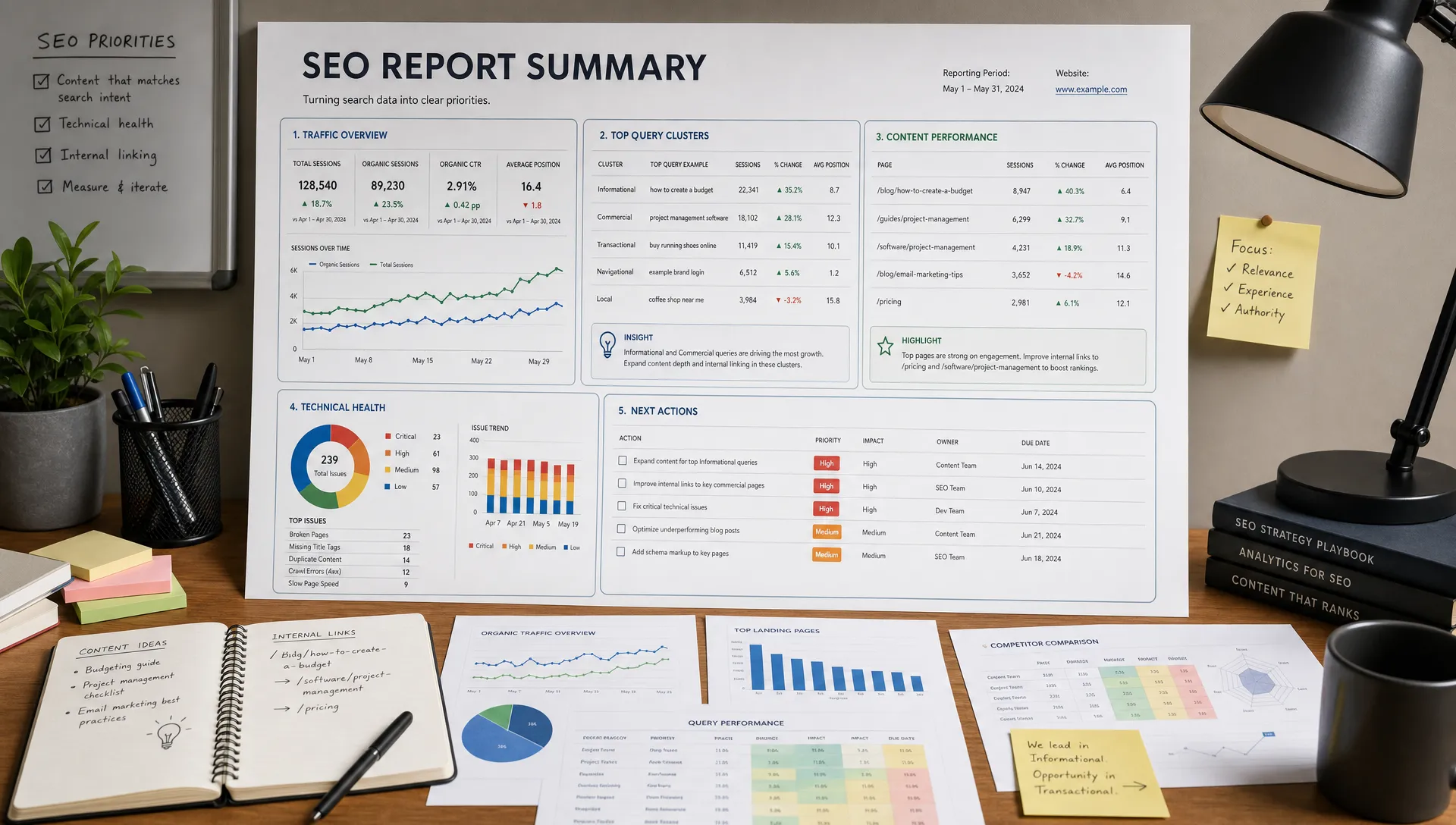
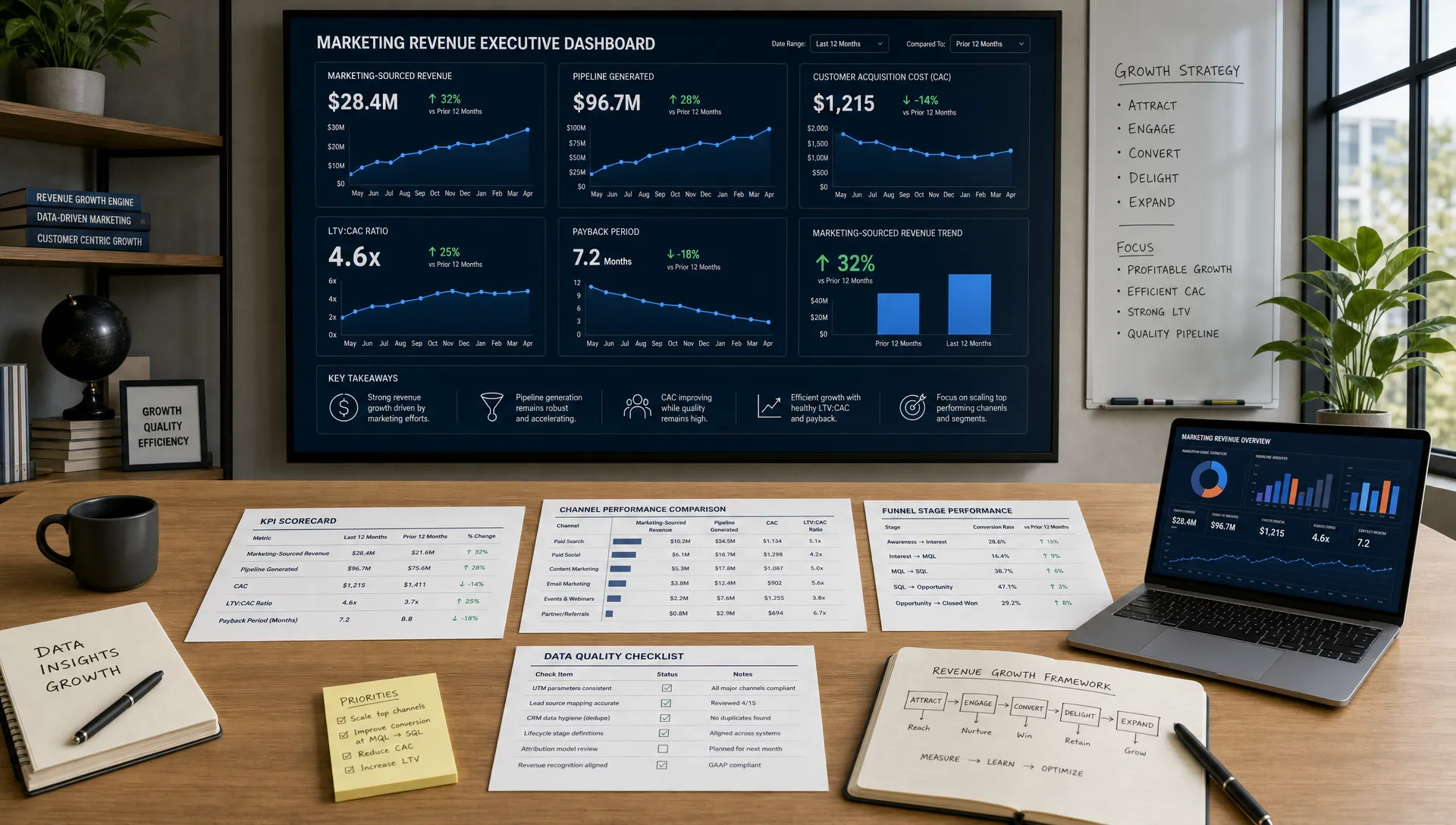
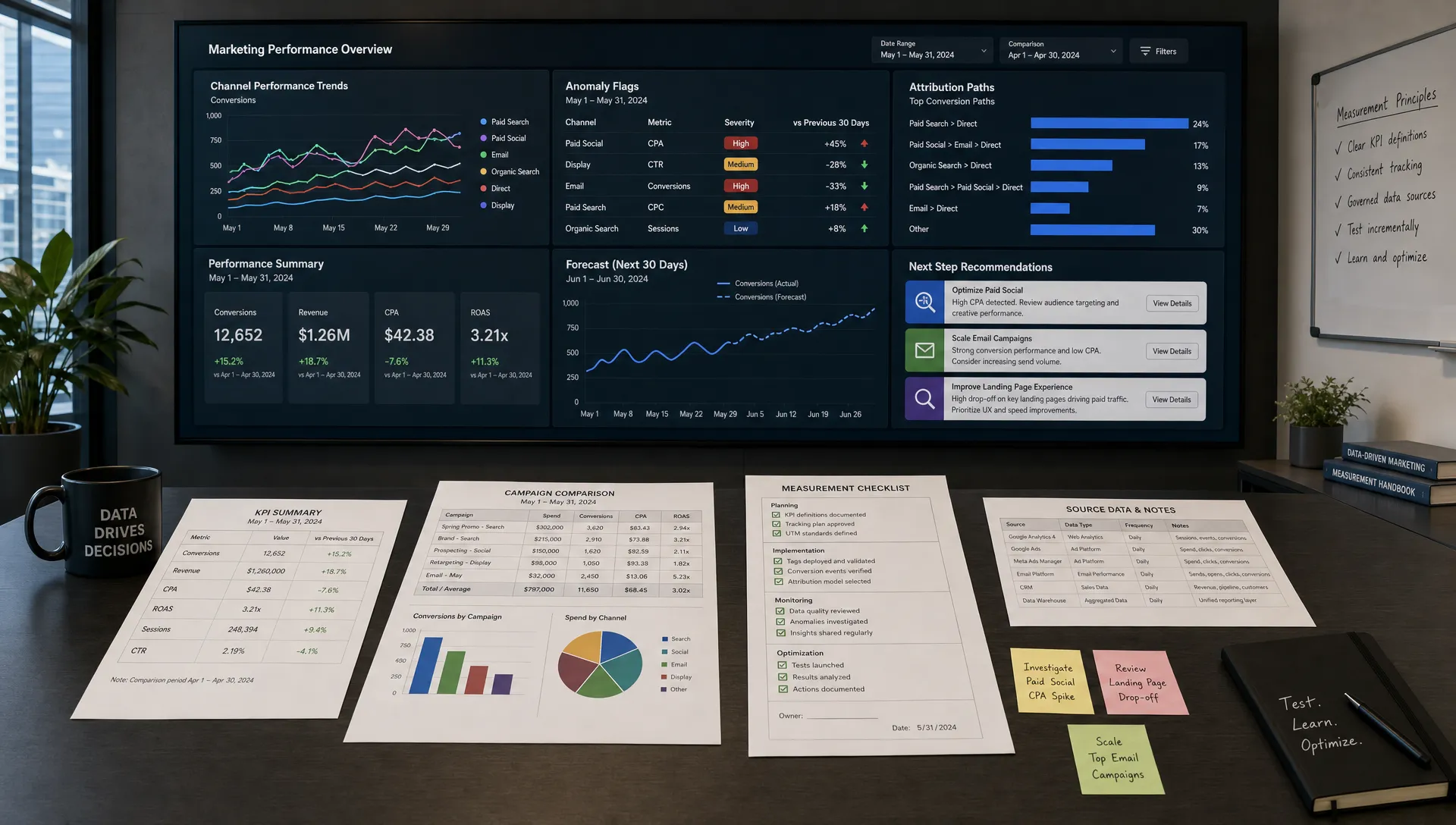
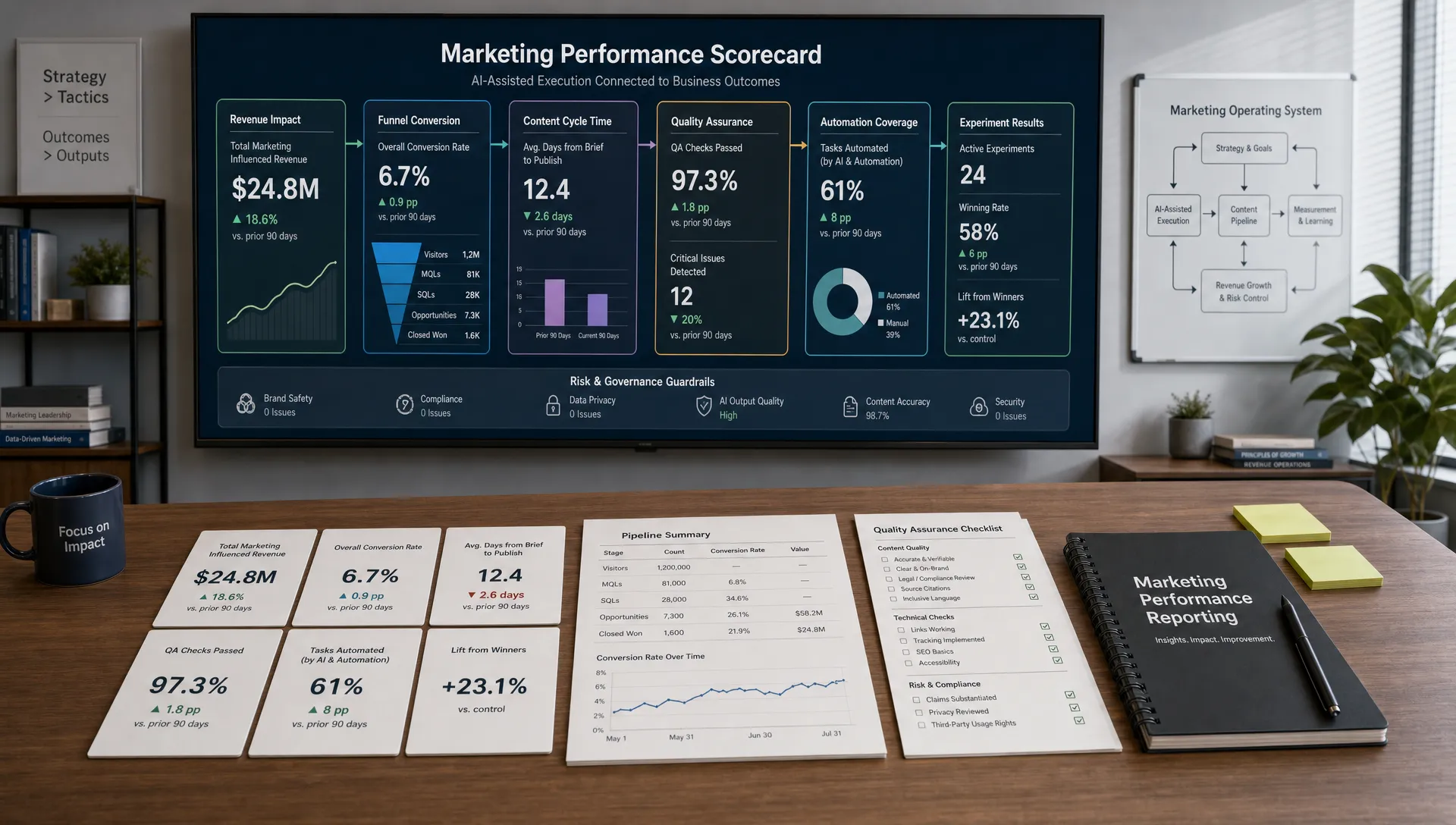
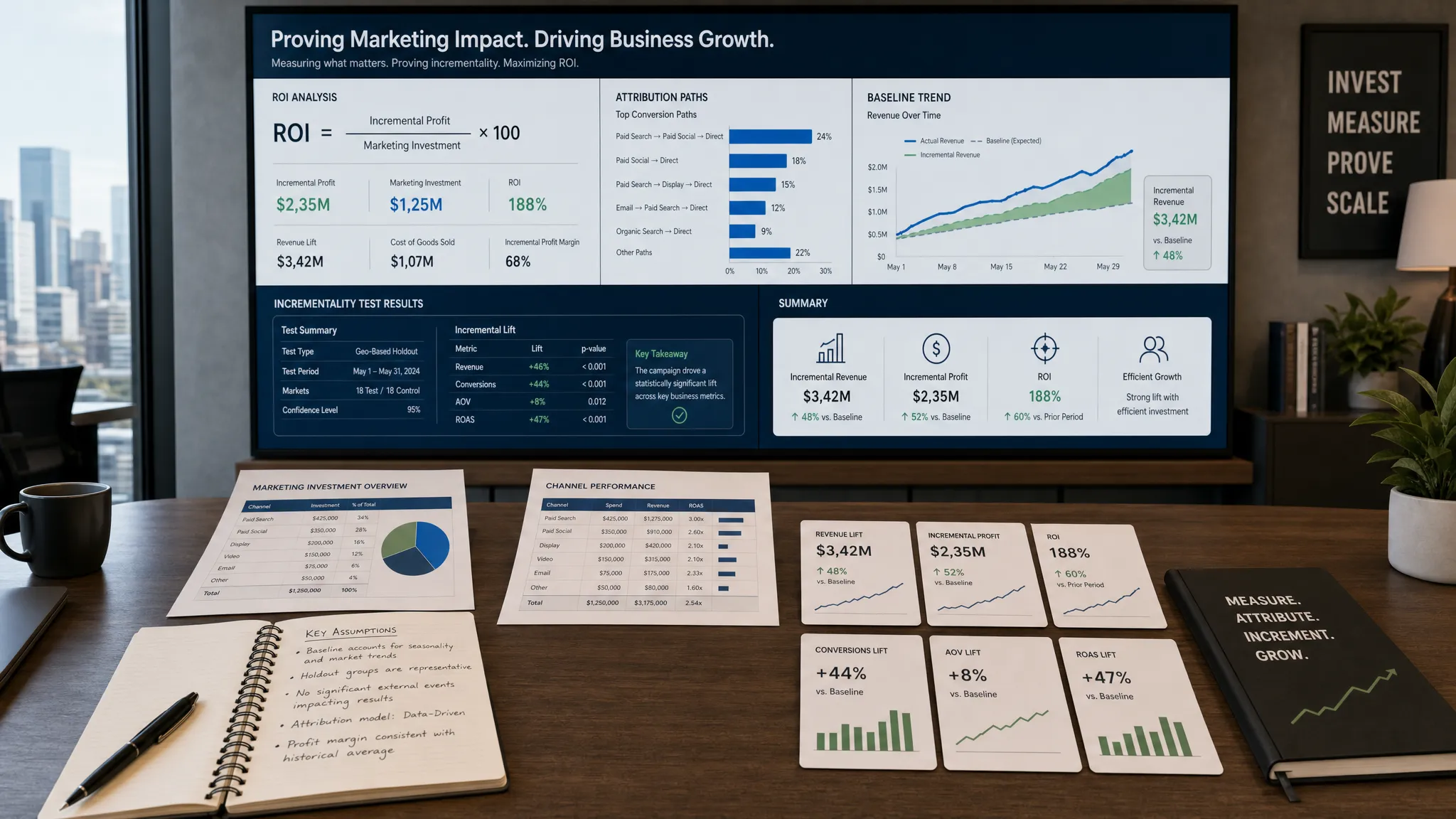
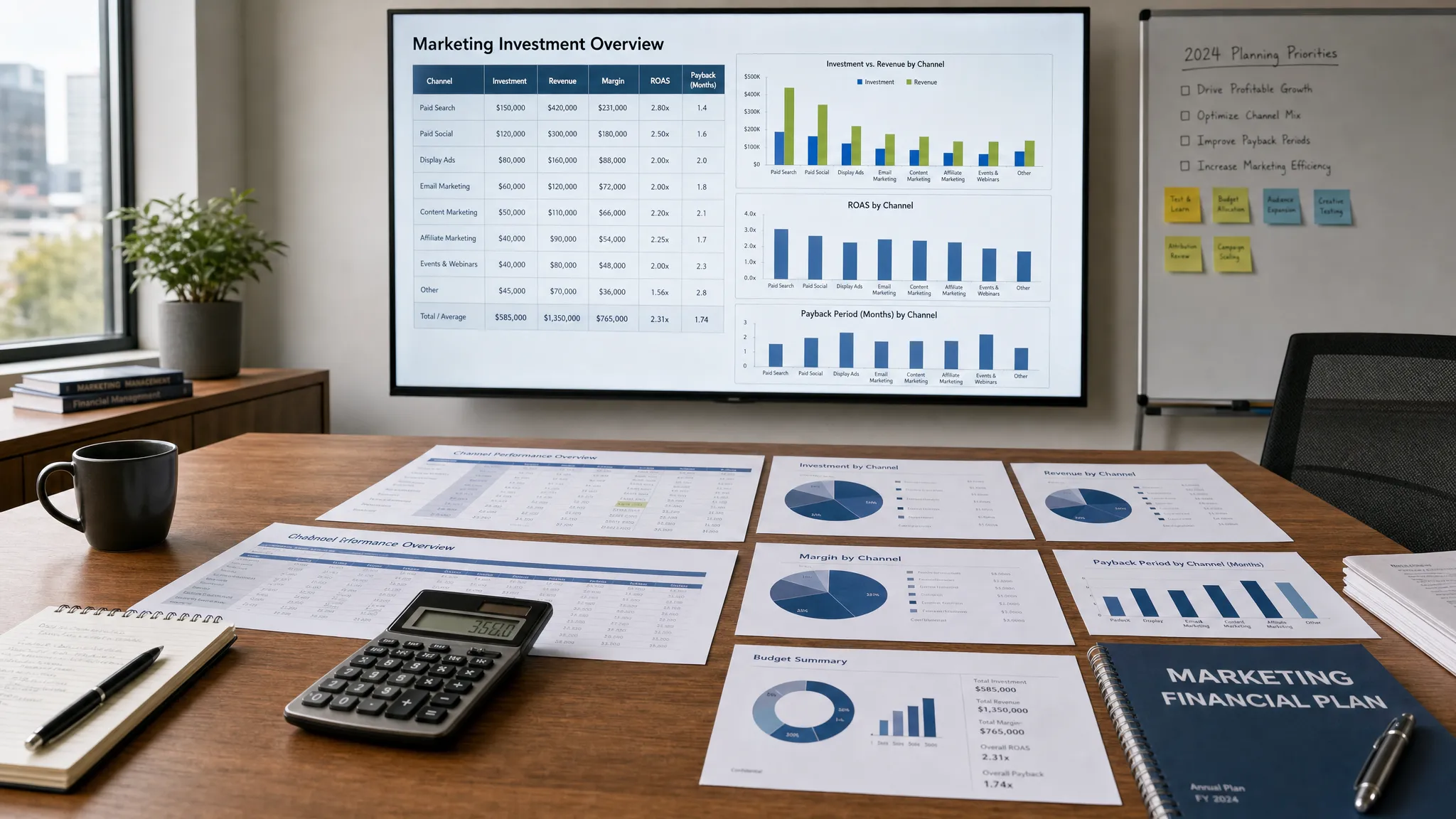
Small business marketing should be measured in a way that connects to revenue. Traffic, reach, likes, and impressions can be useful, but only if they help you understand the path to a sale.
Track a small set of practical metrics:
The goal is not perfect attribution. Most buyers interact with multiple touchpoints before converting. The goal is to see which channels produce qualified opportunities and which parts of the funnel need improvement.
If website traffic is growing but leads are flat, improve calls to action and landing pages. If leads are coming in but sales are weak, improve qualification, follow-up speed, pricing clarity, or proof. If ads are expensive, refine targeting and test stronger offers. If email engagement is low, improve segmentation and send more relevant messages.
What is the best digital marketing channel for a small business? The best channel depends on your customer and offer. Local service businesses often benefit from search, Google Business Profile optimization, reviews, and email follow-up. Ecommerce brands may prioritize product SEO, paid social, email, and retargeting. B2B companies often need content, LinkedIn, search, and lead nurturing.
How much should a small business spend on digital marketing? There is no universal number. Start with a budget you can test consistently for at least 60 to 90 days, then measure cost per qualified lead or sale. It is usually better to fund one focused campaign properly than to spread a small budget across too many channels.
How long does digital marketing take to generate sales? Paid ads and email campaigns can generate results quickly if the offer and audience are strong. SEO and content usually take longer, but they can create compounding returns over time. Most small businesses should combine short-term conversion tactics with long-term demand building.
Can AI do digital marketing for my small business? AI can speed up tasks like content drafting, keyword research, ad variations, email ideas, and reporting. It still needs human strategy, customer insight, brand judgment, and final review. The best results come from using AI as an execution assistant, not as a replacement for understanding your buyers.
What should I fix first if my marketing is not producing sales? Start with the conversion path. Make sure your offer is clear, your website answers buyer questions, your call to action is visible, and your follow-up is fast. Once the path to purchase works, traffic and campaigns become much easier to scale.
Digital marketing for small business works when every activity supports a sale. Know your best customer, make your offer clear, create a conversion-ready website, capture high-intent demand, follow up with leads, and measure what produces revenue.
If you want to move faster, explore AIMarketer Hub for AI-powered marketing tools, prompt resources, SEO support, calculators, performance analytics, and practical guides built for growing businesses. Start with one focused campaign, improve it with data, and keep building a marketing system that turns attention into sales.