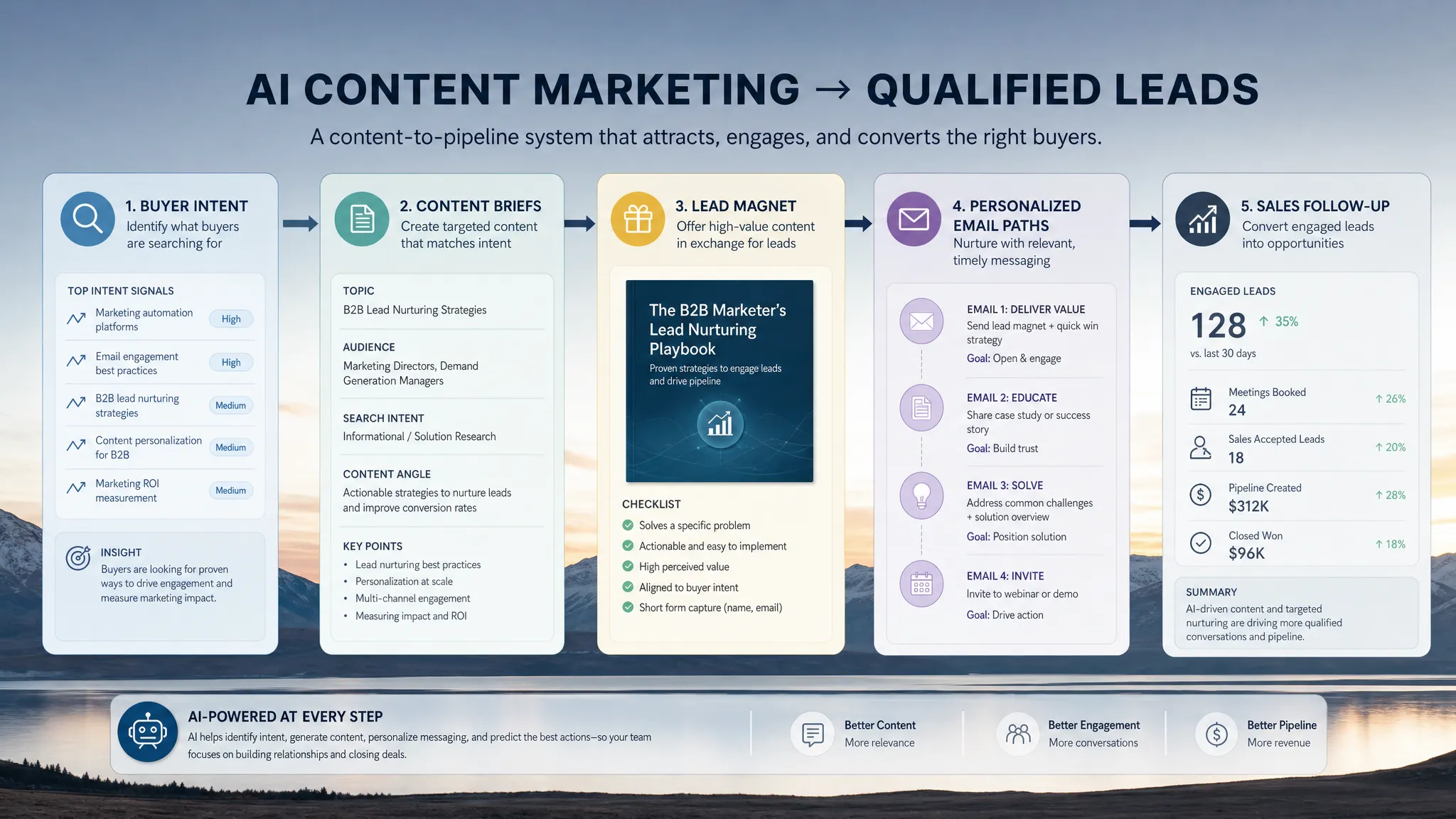
Digital marketing can feel overwhelming when you are just getting started. There are search engines, social platforms, email campaigns, ads, analytics dashboards, AI tools, content calendars, and dozens of acronyms that sound more complicated than they really are.
The good news: digital marketing is simply the practice of using online channels to attract, engage, and convert the right audience. You do not need to master every tool on day one. You need to understand how the pieces fit together, choose the channels that match your goals, and build a repeatable system you can improve over time.
This beginner-friendly guide breaks down digital marketing in plain English, including the main channels, how a strategy works, what metrics to track, and how AI can help you move faster without losing the human touch.
Digital marketing is the use of online platforms, content, data, and technology to promote a business, product, service, or personal brand. It includes everything from showing up on Google to sending an email newsletter, running paid ads, posting on LinkedIn, creating blog content, or using AI to personalize campaigns.
Traditional marketing often relies on channels like print, radio, billboards, and direct mail. Digital marketing happens online, which gives businesses several advantages:
At its core, digital marketing is not about being everywhere. It is about being useful and visible where your ideal customers already spend time.
Customers research, compare, and make buying decisions online. Even if your business sells through in-person conversations, referrals, or sales teams, your digital presence often shapes the first impression.
A potential customer may discover your business through a search result, read a blog post, check your social proof, compare your competitors, and sign up for an email list before they ever contact you. If your digital marketing is weak or inconsistent, you may lose that opportunity before you know it existed.
Reports such as DataReportal’s annual Global Digital Reports continue to show how deeply internet, search, social media, and mobile usage are embedded in daily life. For marketers, that means digital channels are not optional extras. They are part of how modern buyers learn and decide.
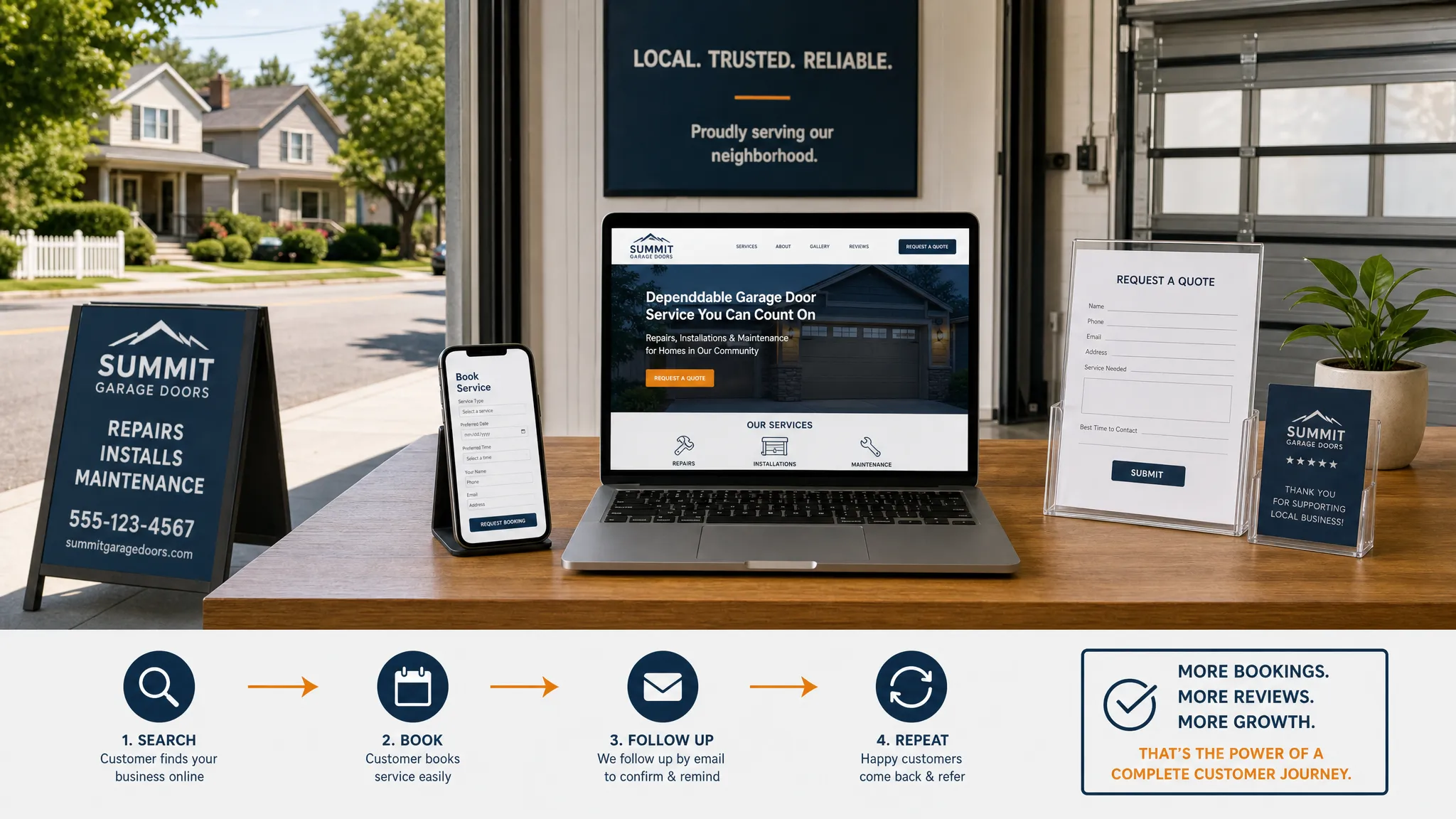
Digital marketing also matters because it can support every stage of the customer journey:
Beginners often focus only on getting more traffic. Traffic matters, but the real goal is to build a system that turns attention into trust, and trust into action.

You do not need to use every channel at once. In fact, trying to do everything is one of the fastest ways to burn out. Start by understanding the major options, then choose the few that best match your audience and resources.
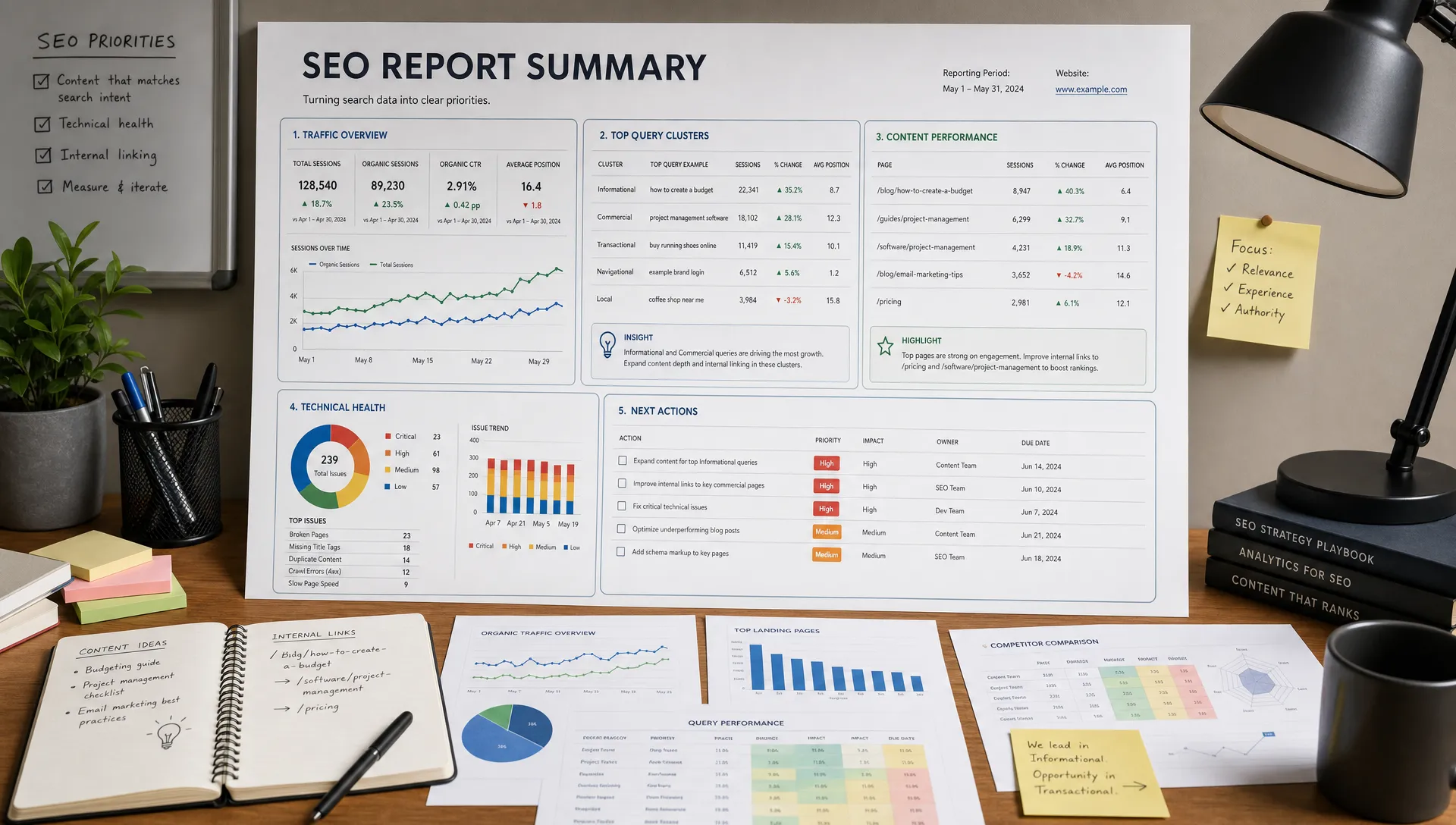
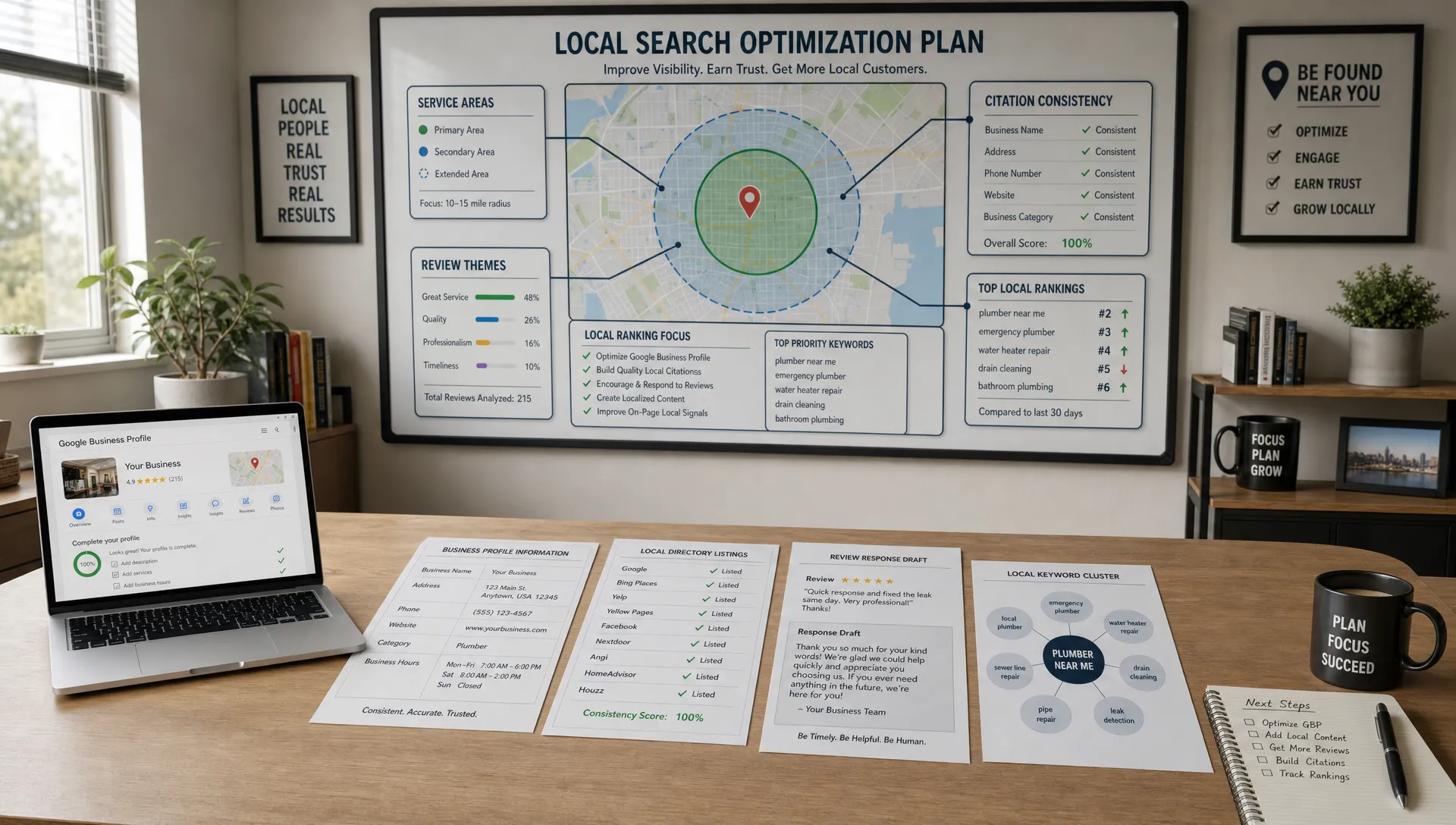
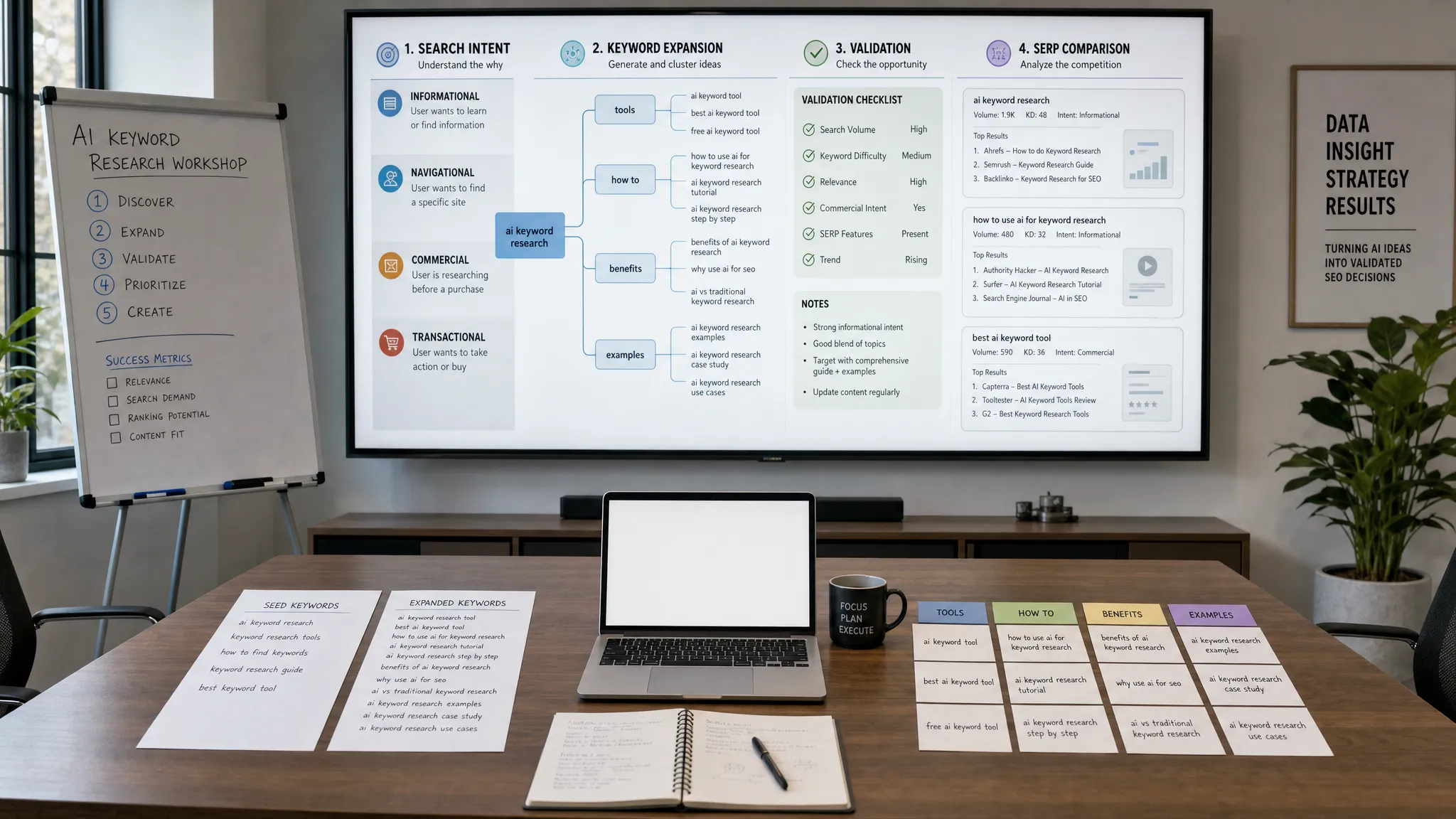
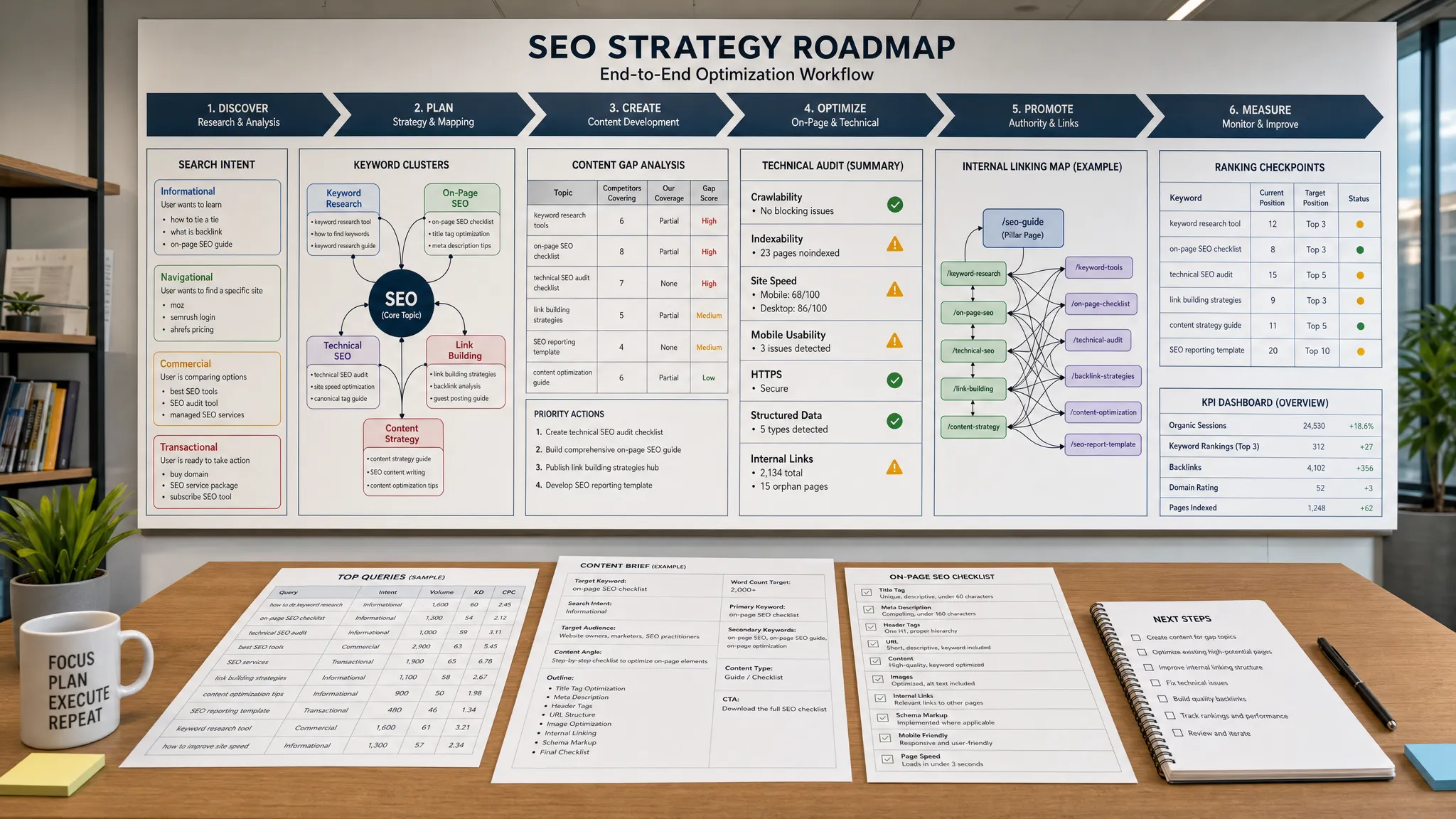
SEO is the process of improving your website so it can appear in search engines when people look for information, products, or services related to your business.
For example, if someone searches “best accounting software for freelancers” or “how to improve email open rates,” the results they see are influenced by SEO. A strong SEO strategy helps your business appear when people already have intent.
Good SEO usually includes:
Google’s SEO Starter Guide is a useful resource if you want to understand the fundamentals directly from Google.
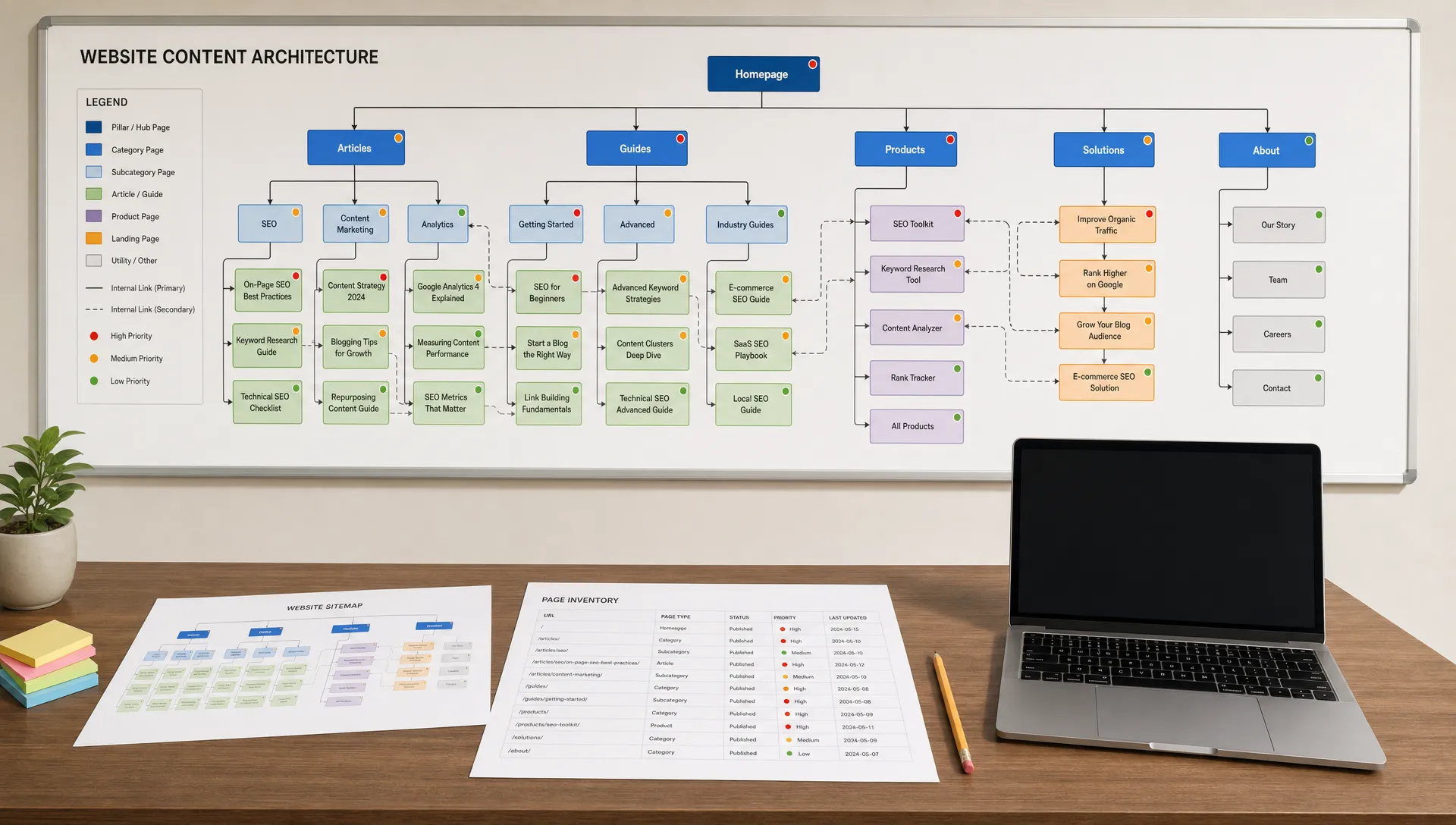
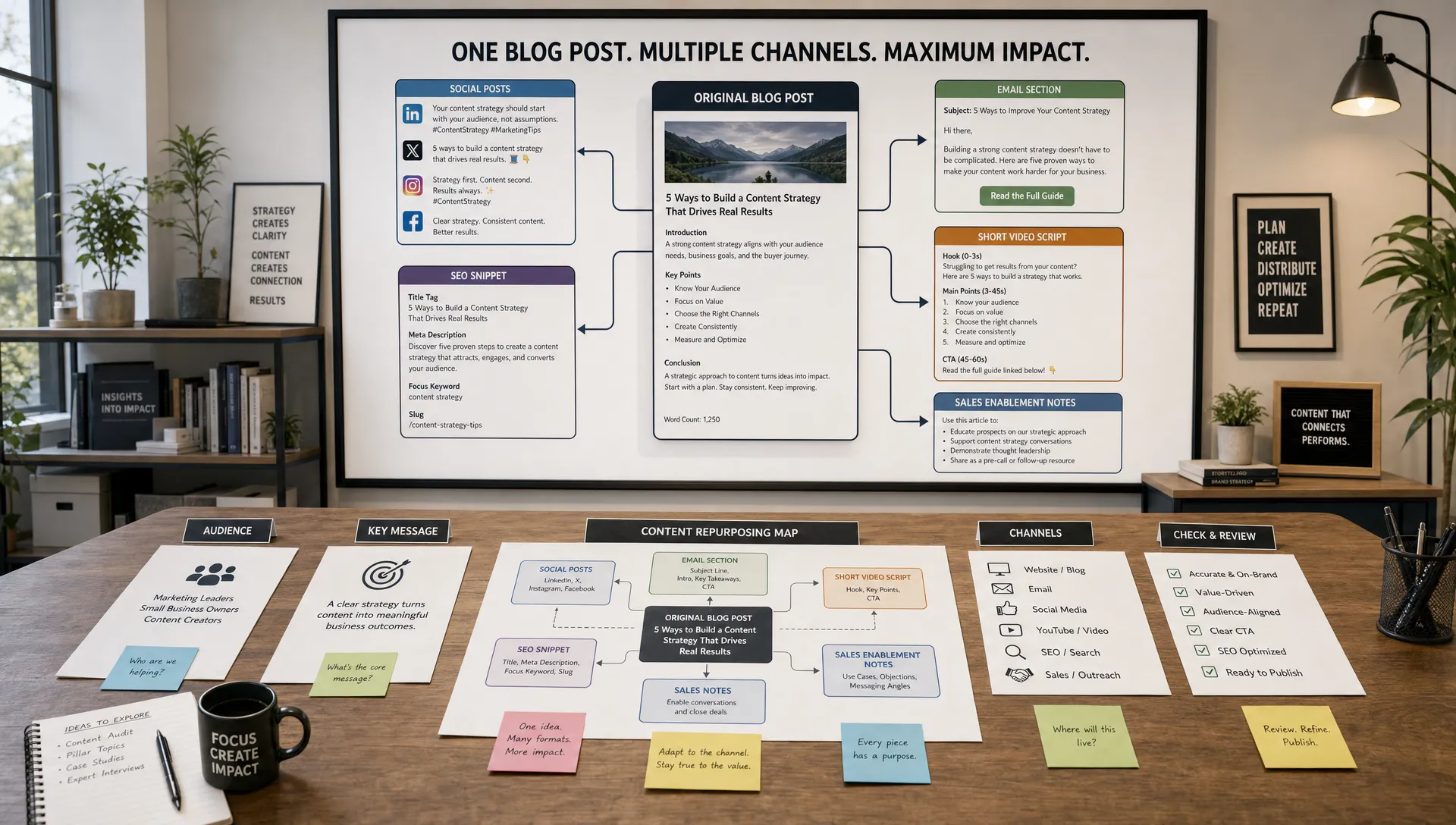
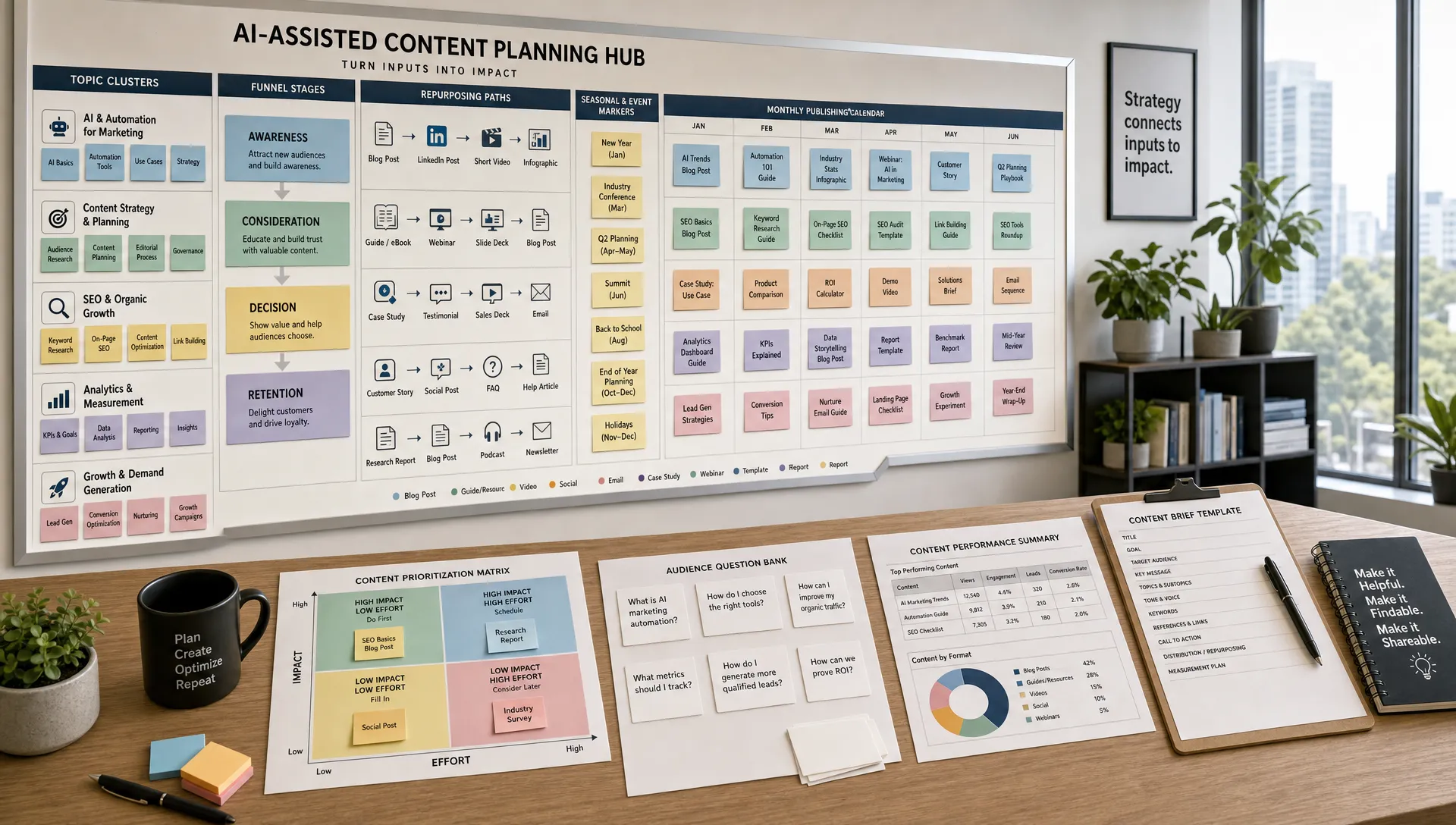
Content marketing is the practice of creating useful content to educate, attract, and nurture your audience. Blog articles, guides, videos, podcasts, case studies, webinars, newsletters, and templates can all be part of content marketing.
The key word is “useful.” Content marketing is not just publishing for the sake of publishing. It should solve a problem, answer a question, compare options, or help someone take the next step.
For beginners, content marketing is powerful because it builds trust over time. A helpful article can bring traffic for months or years. A practical checklist can turn visitors into subscribers. A well-written guide can support sales conversations before a prospect ever speaks with your team.
Social media marketing uses platforms like LinkedIn, Instagram, TikTok, Facebook, X, Pinterest, YouTube, and others to build awareness, start conversations, and distribute content.
The best platform depends on your audience. A B2B SaaS company may prioritize LinkedIn and YouTube. A local bakery may perform better on Instagram and TikTok. A finance educator may use LinkedIn, newsletters, and short-form video to build credibility.
Social media works best when it is not only promotional. Share educational posts, behind-the-scenes content, customer stories, quick tips, opinions, and answers to common questions. People follow brands that feel relevant, consistent, and human.
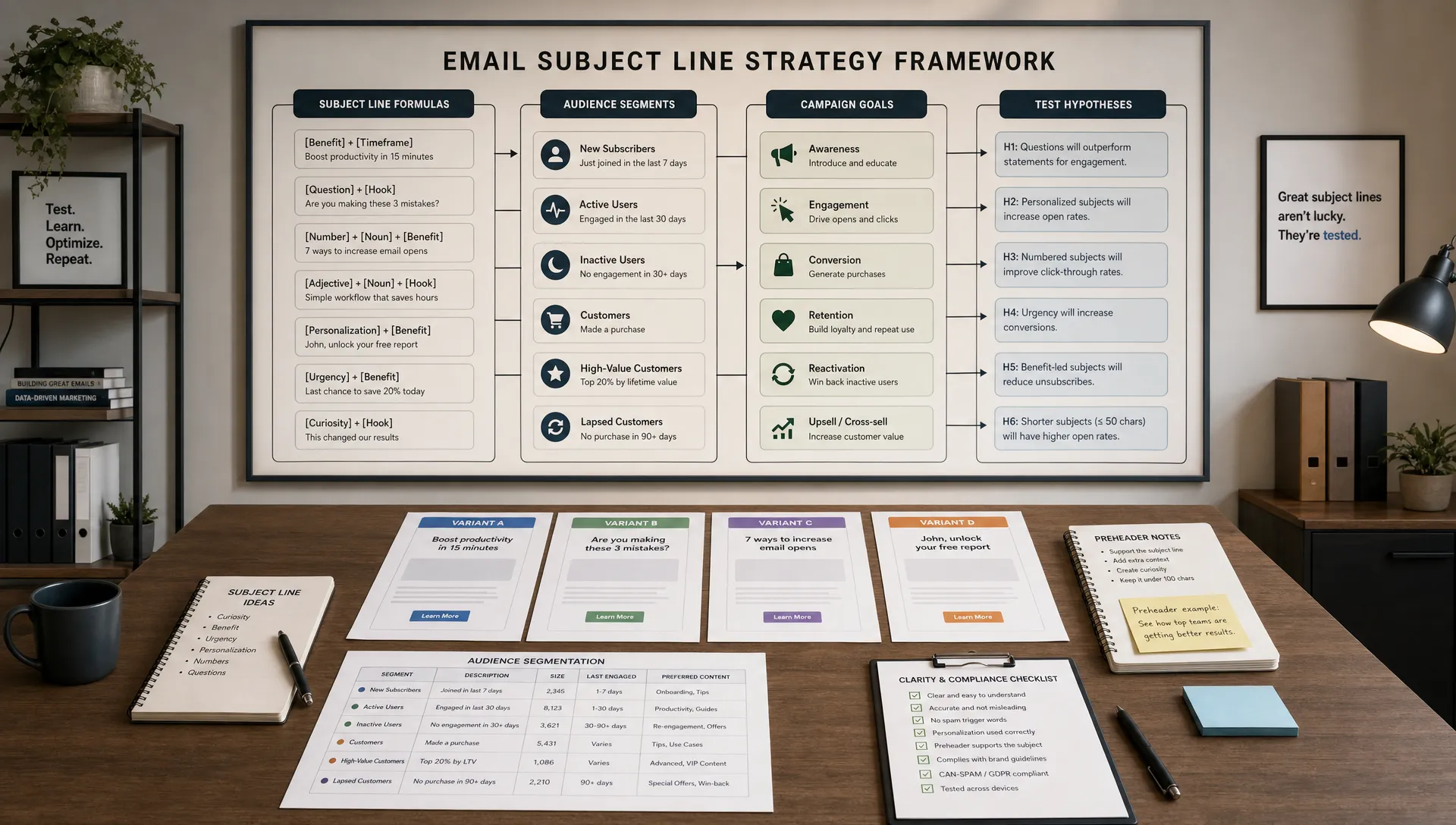
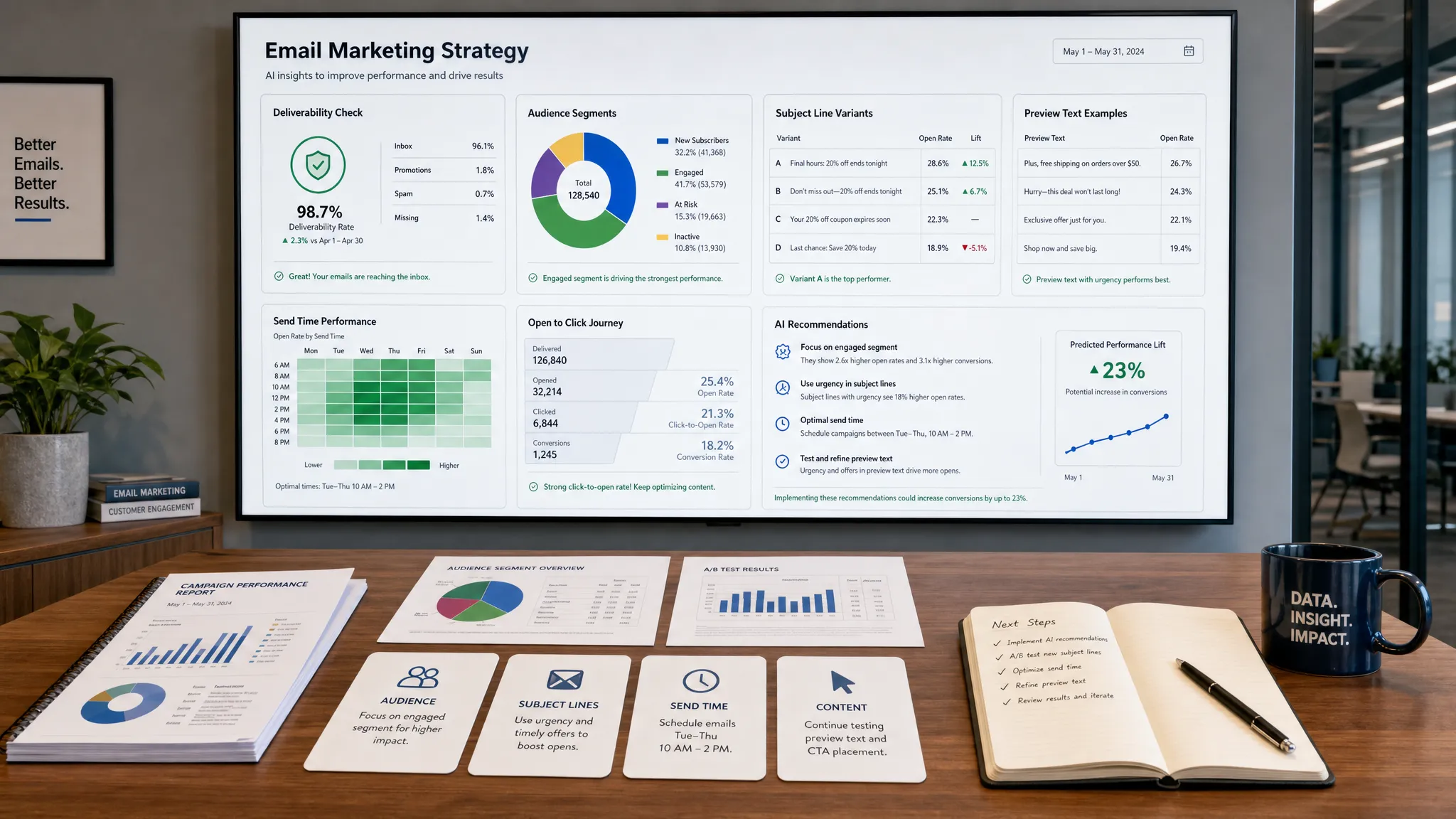
Email marketing lets you communicate directly with people who have chosen to hear from you. Unlike social media, where algorithms control visibility, email gives you a more stable relationship with your audience.
Common email campaigns include welcome sequences, newsletters, product updates, promotional offers, onboarding messages, and re-engagement campaigns.
For beginners, the most important rule is permission. Do not add people to your list without consent. Make it easy to unsubscribe, segment your audience when possible, and send messages that are genuinely worth opening.
Paid advertising includes channels such as Google Ads, Meta Ads, LinkedIn Ads, TikTok Ads, YouTube Ads, and sponsored placements. Paid ads can help you reach people faster than organic channels, but they require careful testing and budget control.
There are several common types of digital ads:
Paid ads are not magic. If your offer, landing page, or targeting is weak, ads can waste money quickly. Start small, test one variable at a time, and measure results carefully.
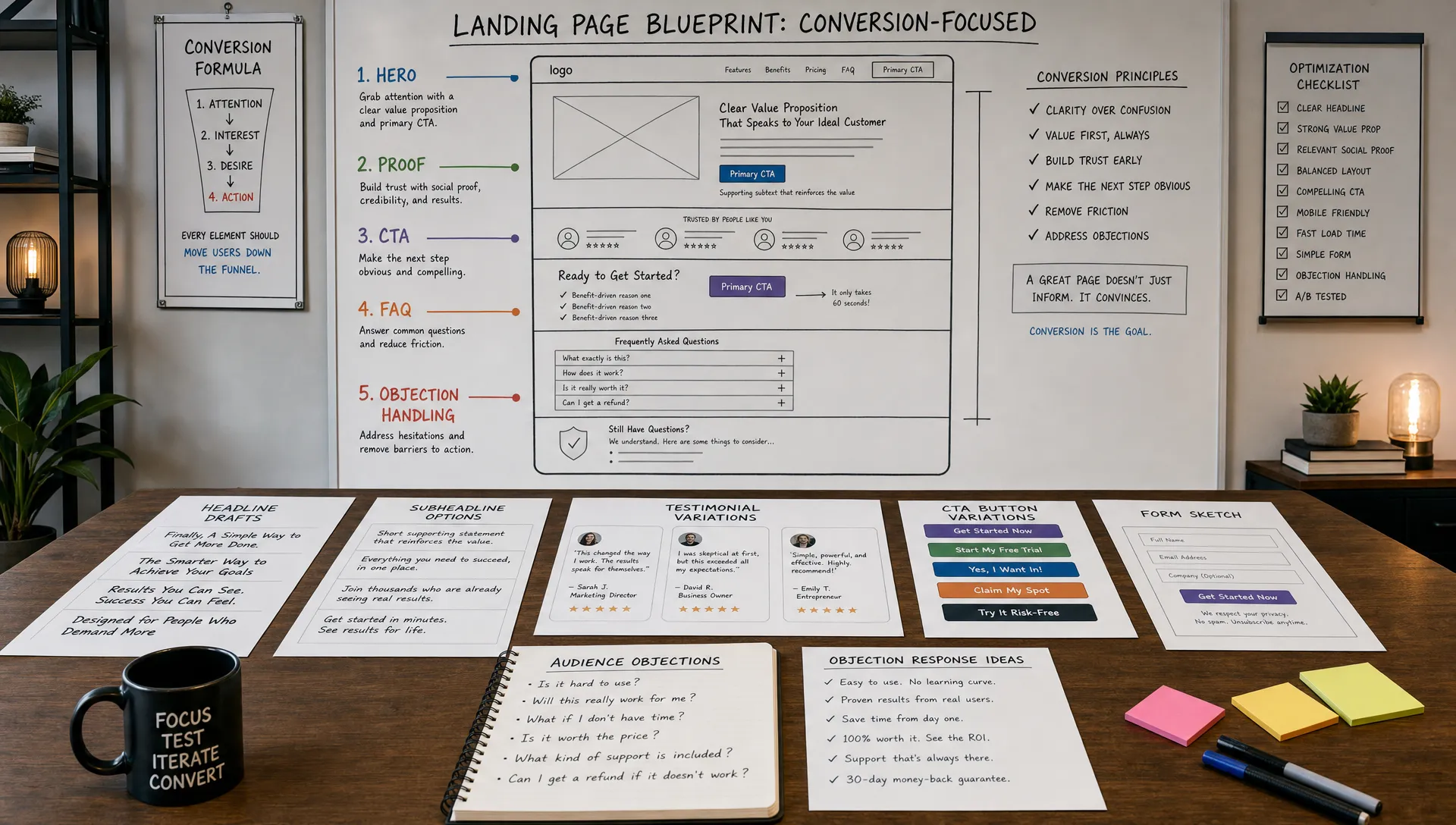
Conversion rate optimization, often called CRO, is the process of improving your website or landing pages so more visitors take the desired action.
A conversion could be a purchase, form submission, demo request, phone call, download, or email signup. CRO focuses on reducing friction and increasing clarity.
Beginner-friendly CRO improvements include clearer headlines, stronger calls to action, faster page load times, simpler forms, trust signals, testimonials, and mobile-friendly design.
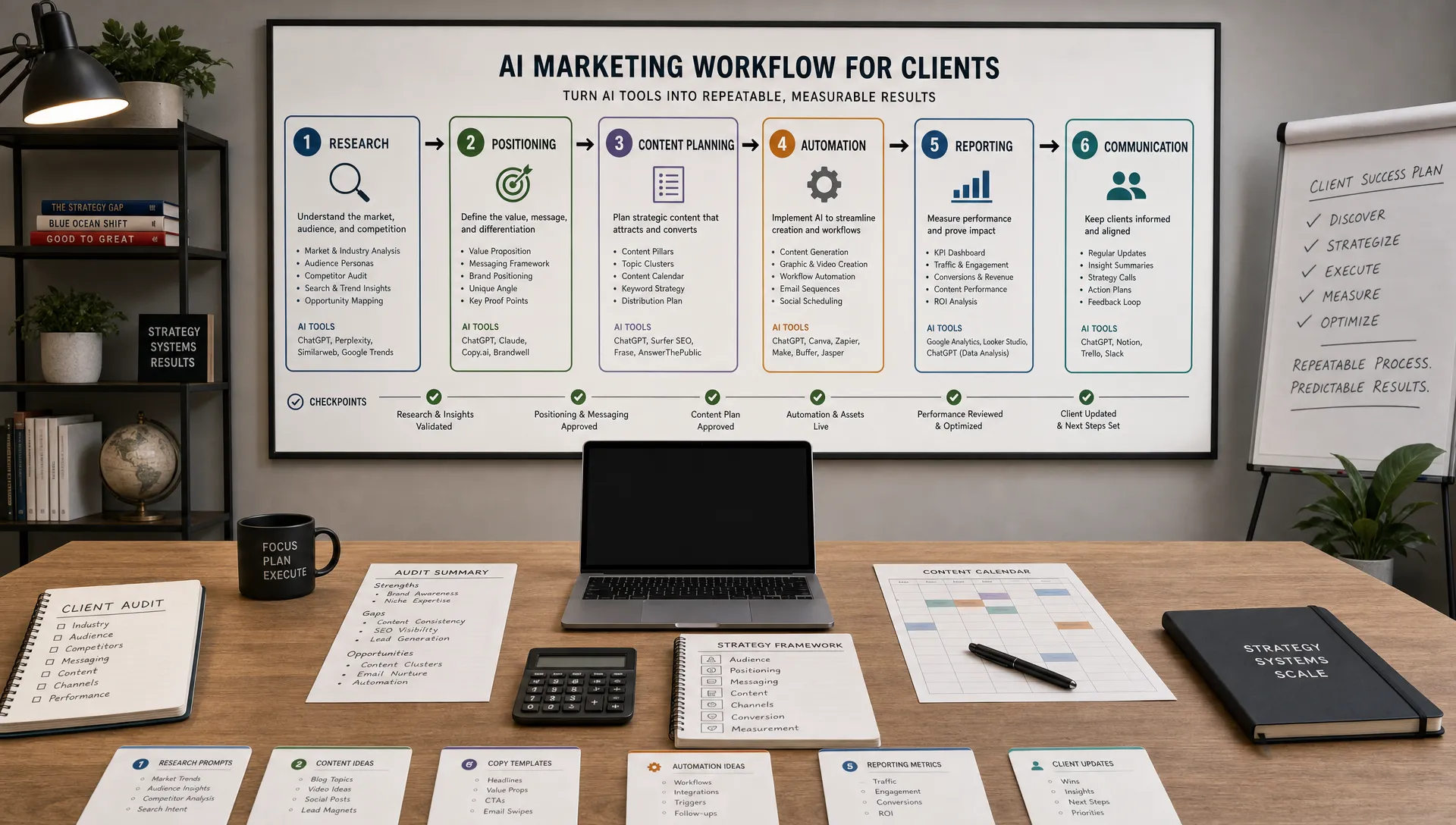
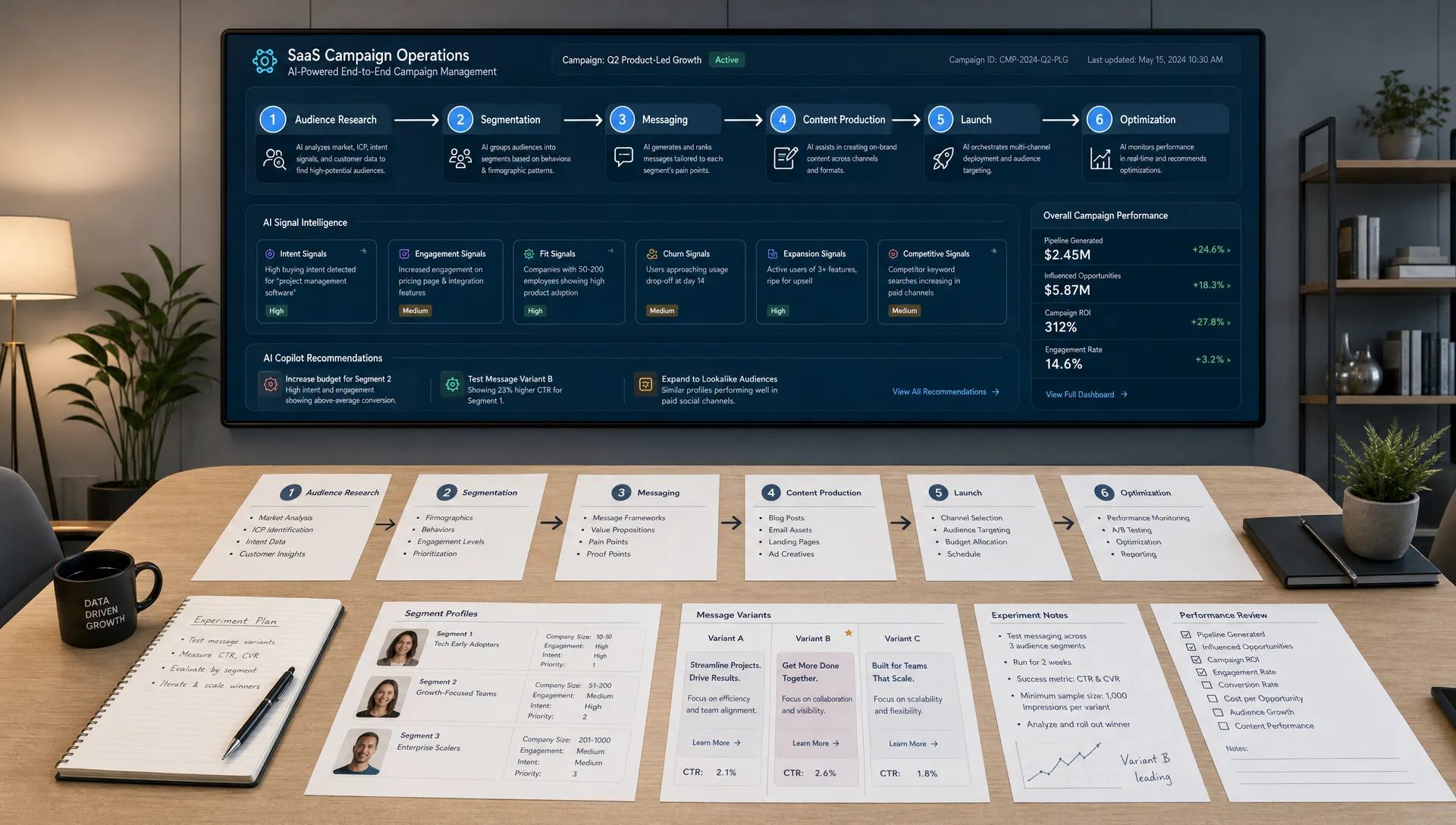
Marketing automation uses software to handle repetitive tasks, such as sending follow-up emails, scheduling content, scoring leads, or reporting performance. AI adds another layer by helping marketers generate ideas, draft content, analyze patterns, and personalize messaging.
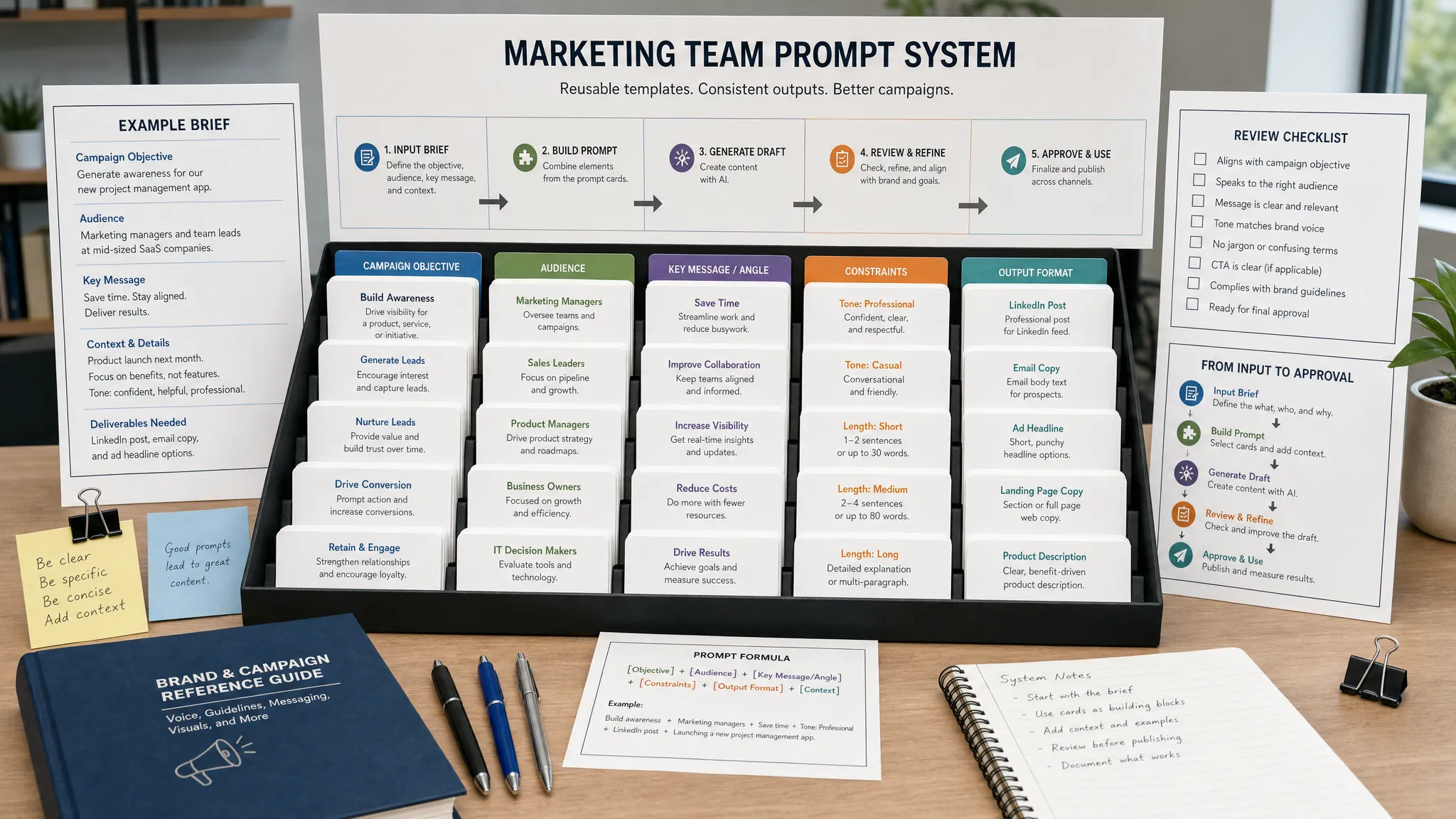
AI is especially useful for beginners because it can reduce the blank-page problem. You can use AI to brainstorm blog topics, write first-draft social posts, summarize customer research, create email variations, or build SEO outlines.
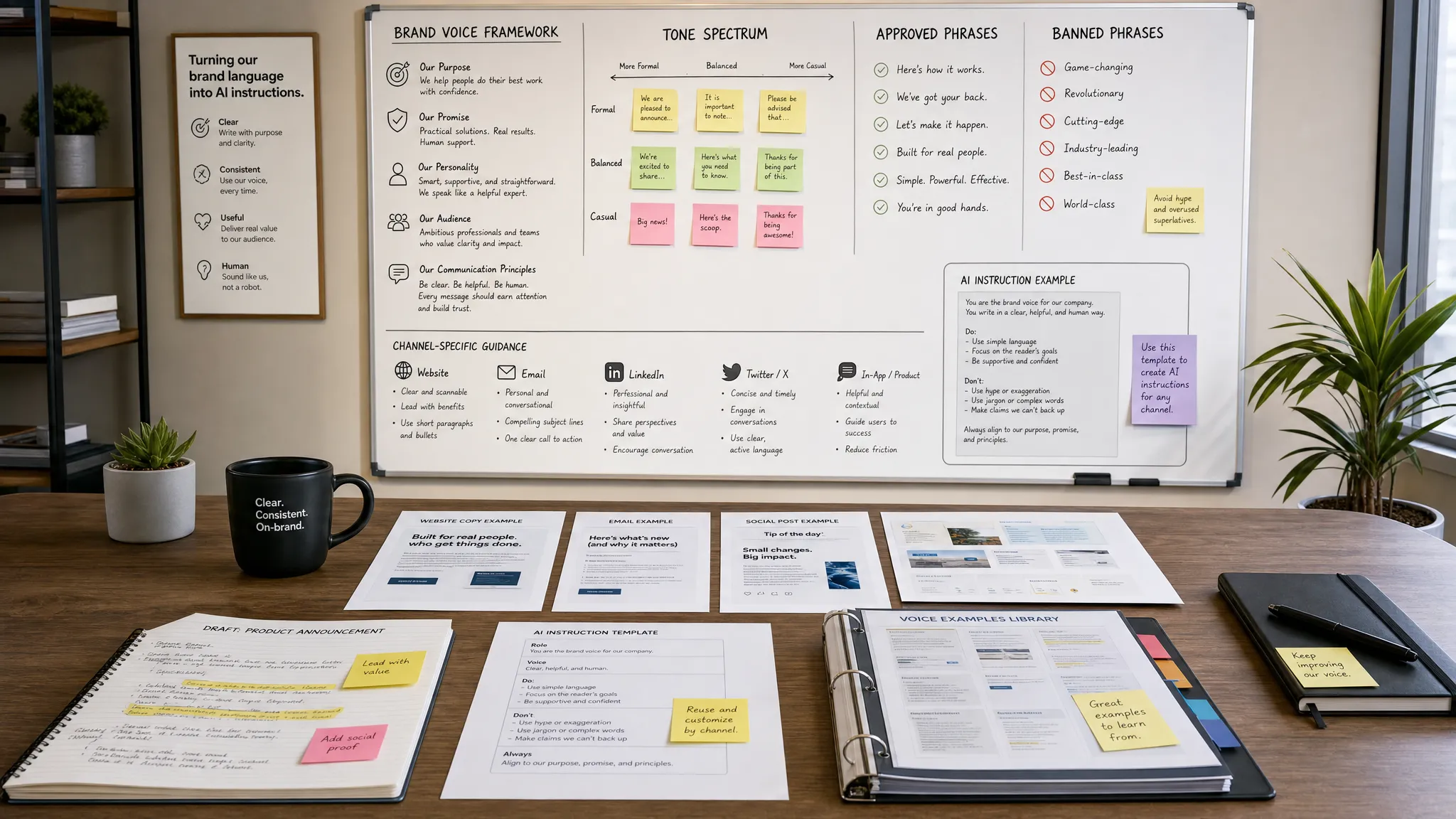
Still, AI should support your strategy, not replace it. Human judgment is needed for brand voice, customer empathy, compliance, quality control, and final decisions. The best results usually come from combining AI speed with human insight.
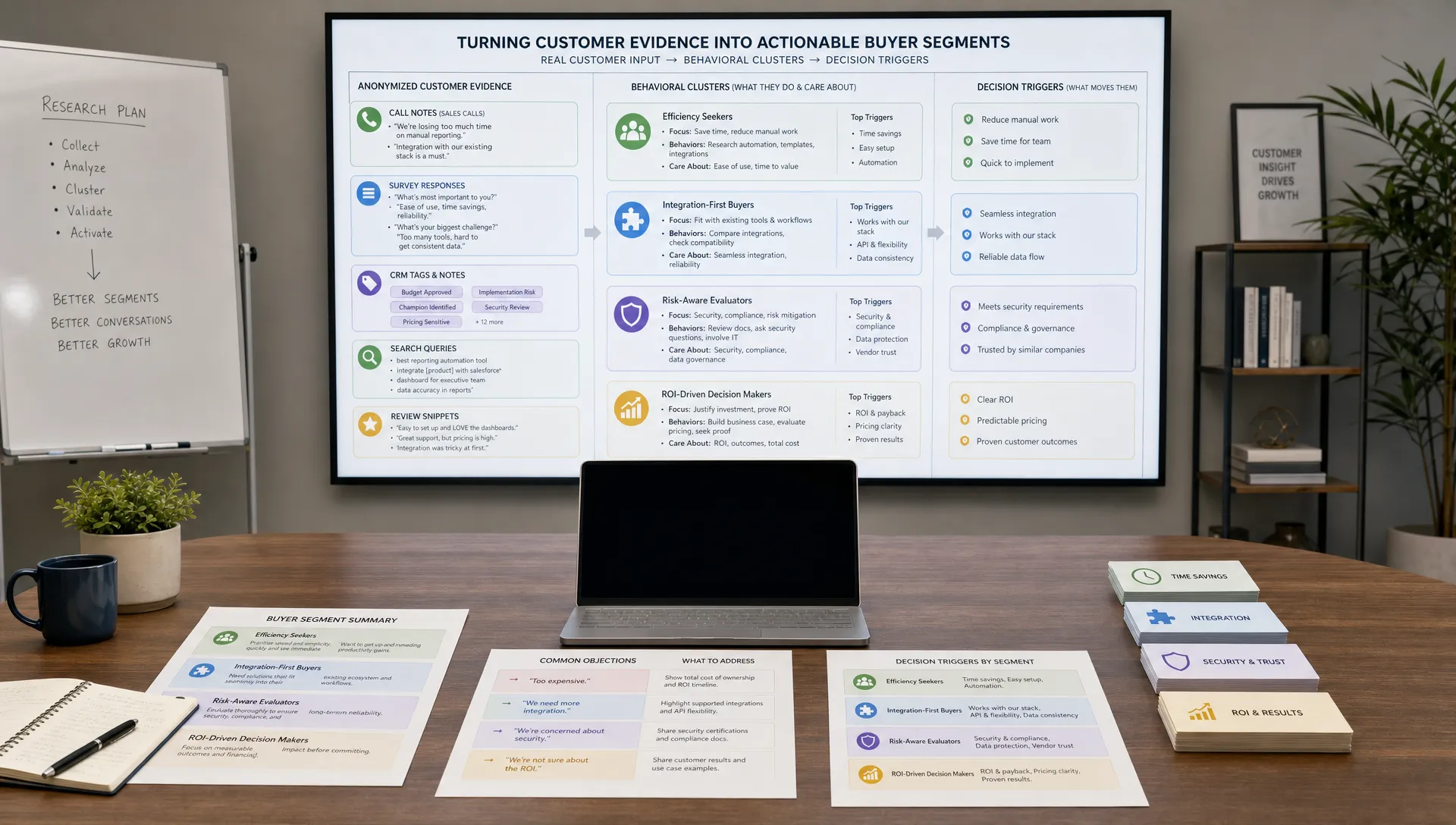
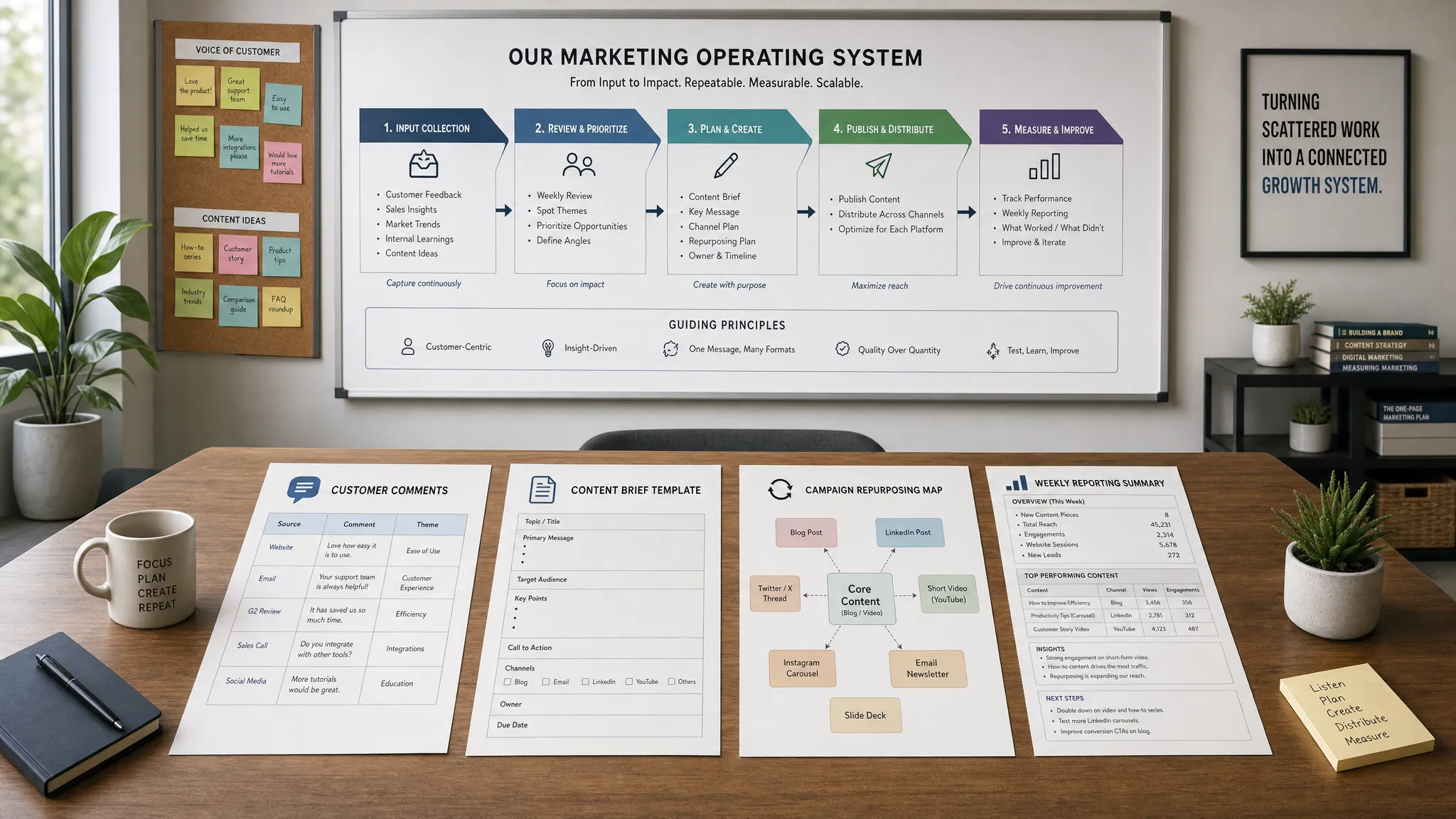
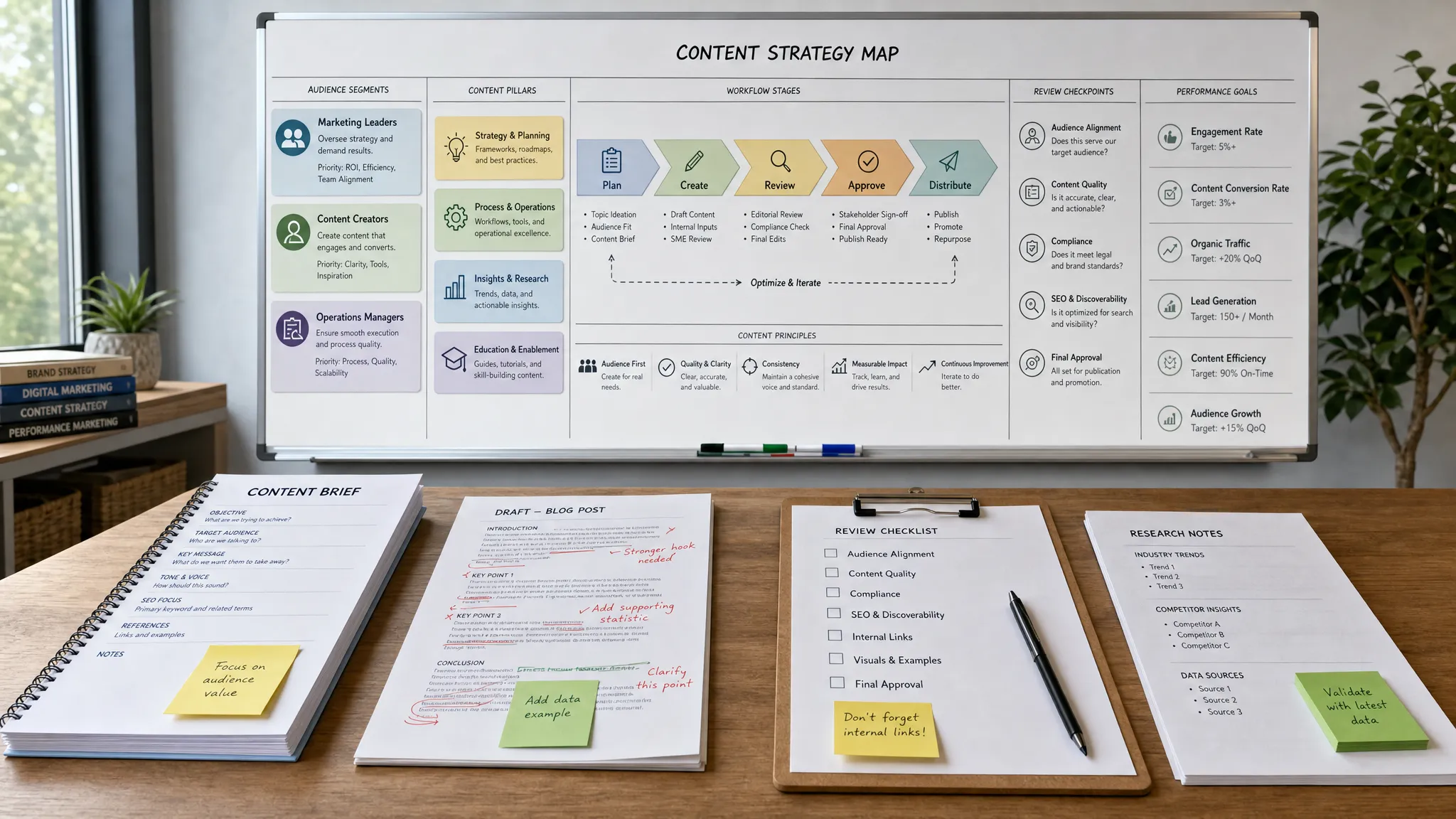
A digital marketing strategy is a plan for reaching the right people with the right message through the right channels. Without a strategy, marketing becomes random activity. You might post on social media, run ads, and write content, but you will not know whether those efforts are connected to business results.
A simple strategy answers five questions:
For example, imagine a small SaaS company that sells invoicing software for freelancers. Its audience searches Google for invoice templates, follows freelance business creators on social media, and wants simple ways to get paid faster. A practical strategy might include SEO articles about invoicing, downloadable invoice templates, email onboarding, retargeting ads, and comparison pages for people ready to buy.
That is digital marketing in action: useful content attracts the right audience, lead capture turns visitors into contacts, email builds trust, and targeted offers encourage conversion.
If you are new to digital marketing, start with a focused plan instead of trying to launch every channel at once. The following approach works for small businesses, solo marketers, startups, and teams that need structure.
This plan keeps your marketing practical. You can always add more channels later, but beginners get better results when they build a strong foundation first.
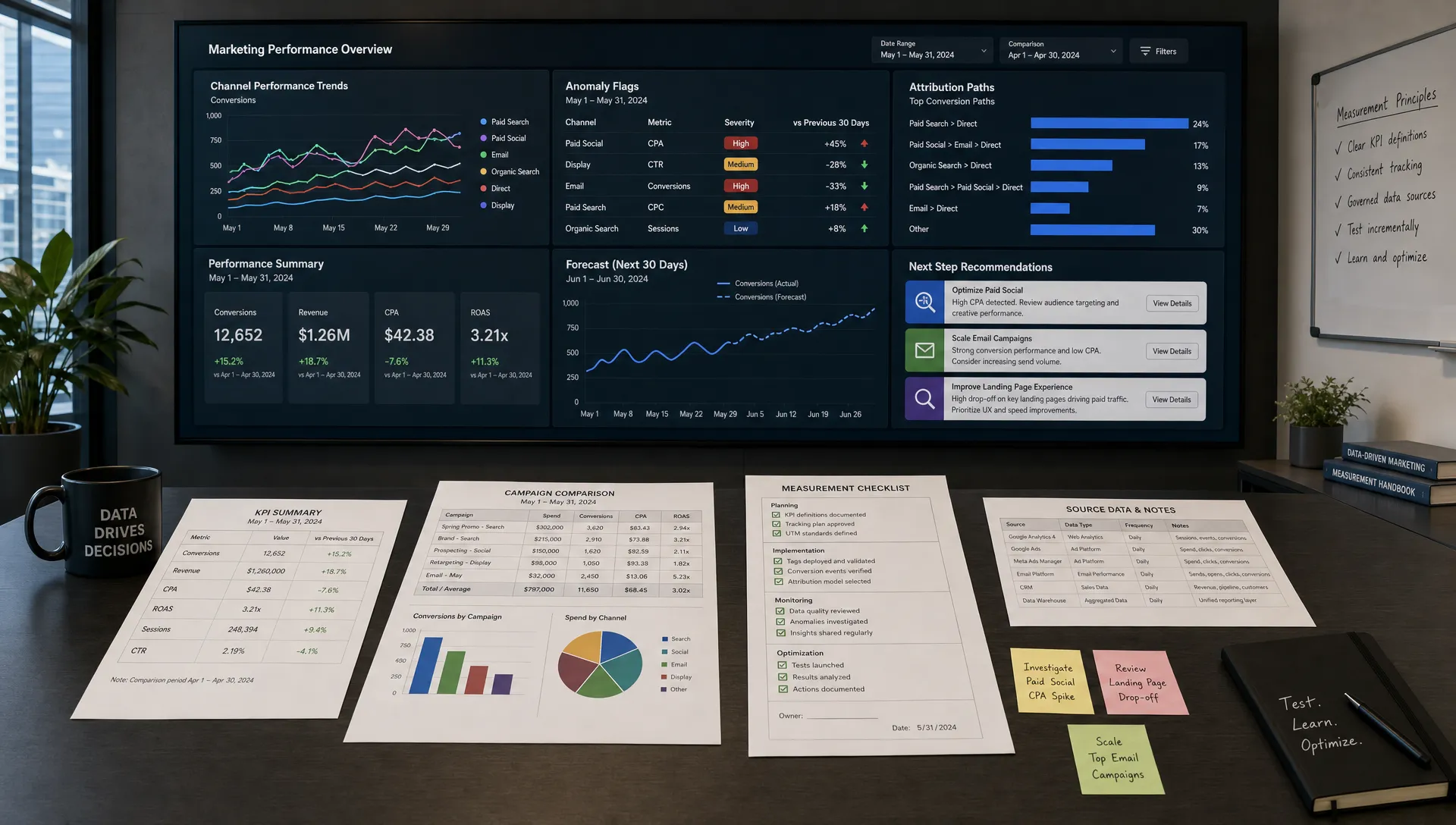
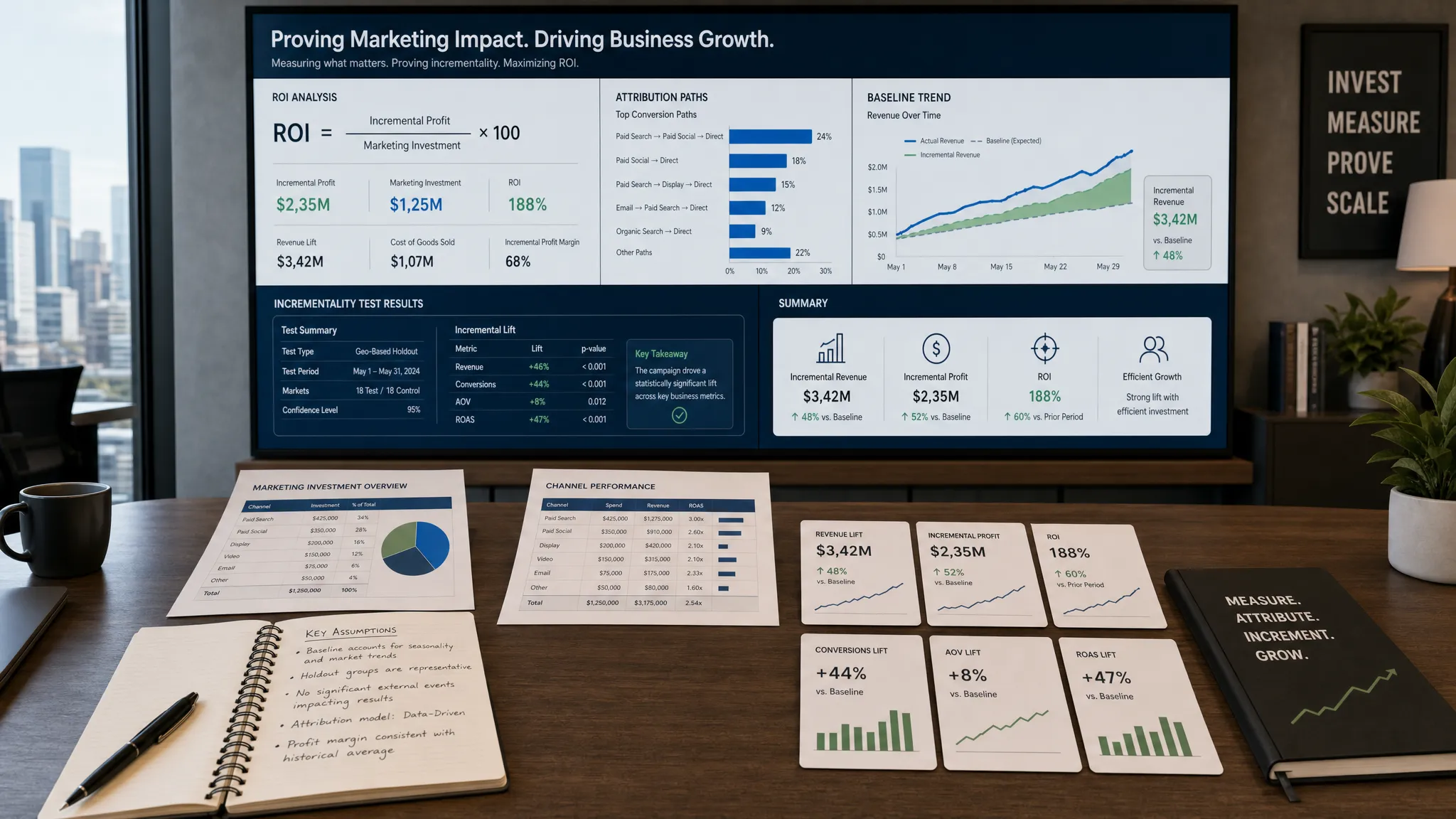
Digital marketing becomes much easier when you know what to measure. Metrics help you understand whether your work is creating progress or just activity.
Start with a few core metrics:
Do not track everything at once. Beginners often drown in data because they monitor too many numbers without knowing which ones matter. Tie each metric to a goal. If your goal is lead generation, form submissions and cost per lead matter more than social media likes.
Tools such as Google Analytics can help you understand user behavior on your website. Many email, social, SEO, and advertising platforms also include built-in reporting.
The biggest beginner mistake is confusing activity with strategy. Posting every day does not guarantee growth. Running ads does not guarantee sales. Publishing blog posts does not guarantee rankings. Each tactic needs a purpose.
Another common mistake is trying to speak to everyone. Broad messaging usually feels generic. Strong digital marketing starts with a clear audience and a specific problem.
Many beginners also give up too quickly. SEO, content, email, and organic social media often take time to compound. Paid ads can move faster, but they still need testing. Expect to learn, adjust, and improve rather than get perfect results immediately.
Finally, do not ignore trust. In digital marketing, people cannot always meet you face to face before making a decision. Your website, content, reviews, security, privacy practices, and brand consistency all help people decide whether they feel safe taking the next step.
AI has changed how marketers work, but it has not changed the fundamentals. You still need a clear audience, a valuable offer, strong positioning, useful content, and measurable goals.
What AI can do is make execution faster. It can help you turn customer questions into blog outlines, repurpose a webinar into social posts, generate email subject line variations, analyze campaign performance, or create first drafts of landing page copy.
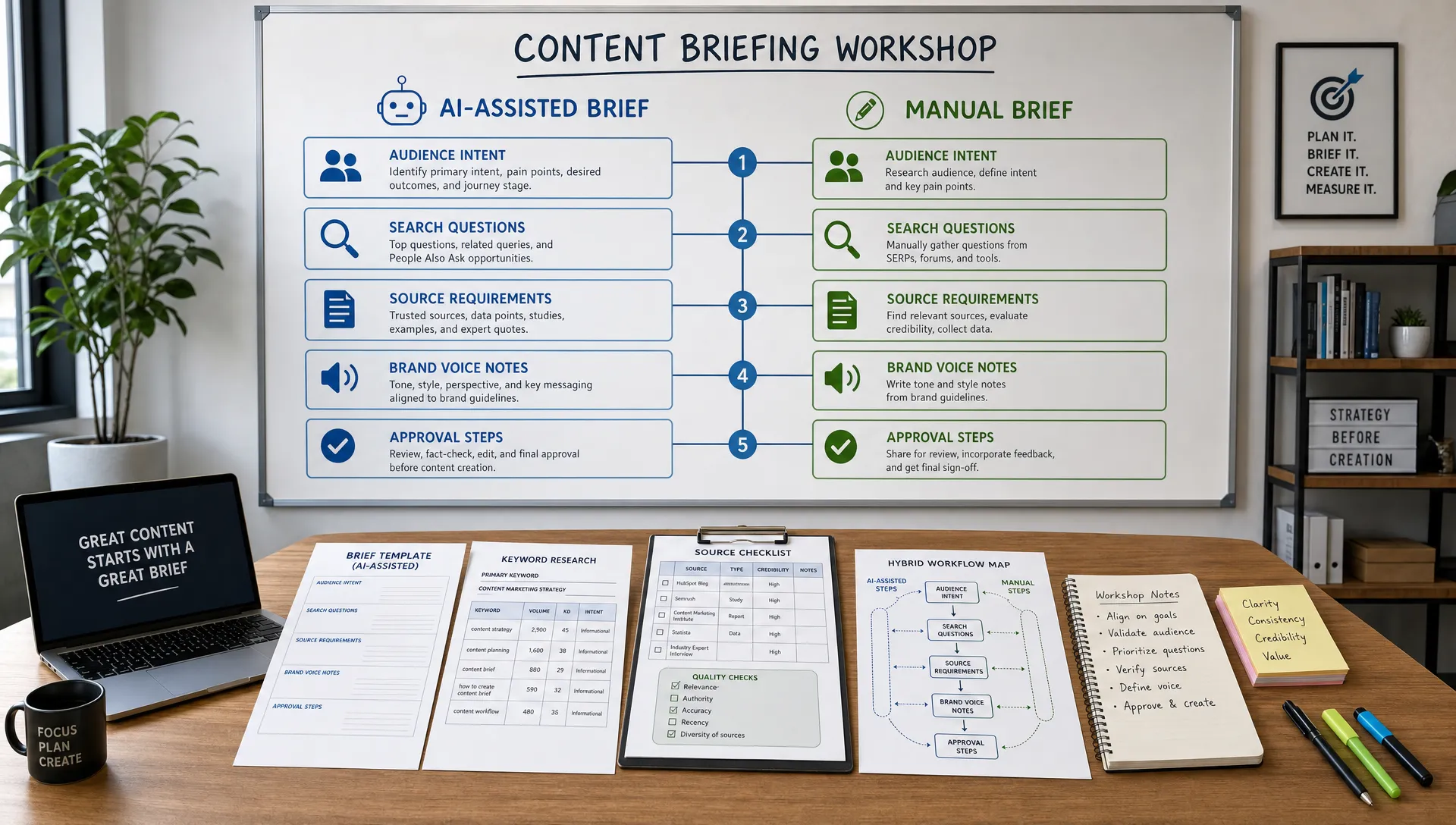
For example, instead of asking an AI tool to “write a blog post,” a better beginner prompt would include context: your audience, goal, tone, offer, keywords, examples, and desired structure. Better inputs lead to better outputs.
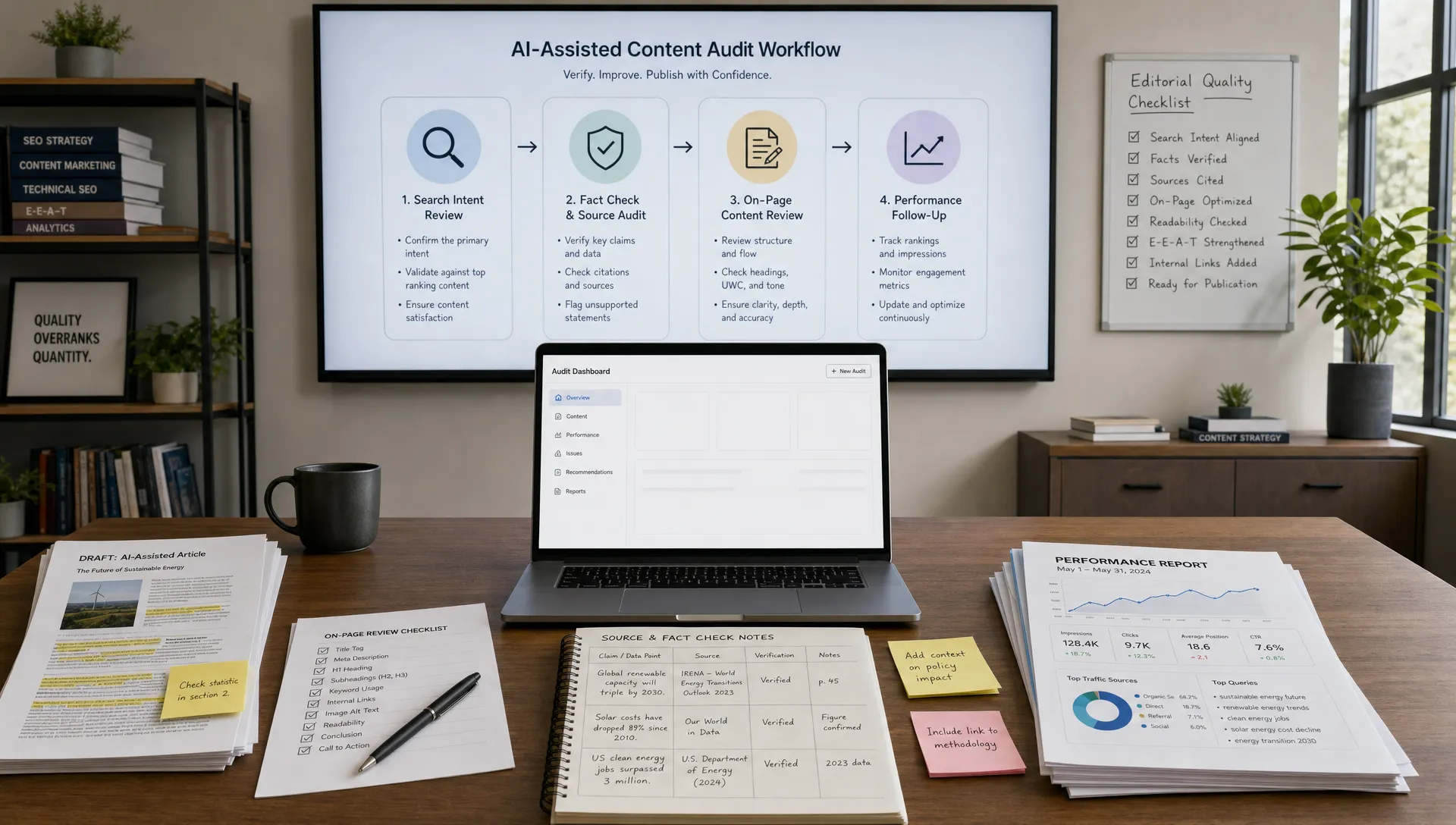
AI can also help with research and organization, but you should always verify facts, review claims, and edit for accuracy. This is especially important in industries such as finance, legal, healthcare, and B2B technology, where trust and compliance matter.
If you want to take action right away, use the first month to build your foundation.
During the first week, define your audience, offer, and primary goal. Review your website and make sure your homepage clearly explains what you do, who you help, and what visitors should do next.
During the second week, choose your first channel. If your audience searches for solutions, start with SEO and content. If they discover ideas through people and communities, start with social media. If you already have contacts, begin with email.
During the third week, create and publish useful content. This could be one blog article, three social posts, one email newsletter, and one lead magnet. Keep it simple and focused on helping your audience solve a real problem.
During the fourth week, measure what happened. Look at traffic, engagement, conversions, and qualitative feedback. Then decide what to improve next month.
This roadmap will not make you a digital marketing expert in 30 days, but it will help you stop guessing and start building momentum.
What is digital marketing in simple terms? Digital marketing is promoting a business, product, or service through online channels such as search engines, websites, email, social media, paid ads, and digital content.
Which digital marketing channel should beginners start with? Start with the channel most aligned with your audience. If people search for your solution, begin with SEO and content. If your audience is active in communities or feeds, start with social media. Pair that with email so you can nurture people over time.
Is digital marketing expensive? It can be low-cost or expensive depending on your strategy. SEO, content, and organic social media require time and consistency. Paid ads require budget and testing. Beginners should start small, measure results, and scale only when they understand what works.
Do I need AI tools for digital marketing? You do not need AI tools, but they can help you work faster. AI can support content planning, copywriting drafts, SEO research, campaign ideas, and performance analysis. Human review is still essential.
How long does digital marketing take to work? Paid ads can generate traffic quickly, but profitable results may require testing. SEO and content often take several months to build momentum. Email and social media can grow steadily when you publish consistently and provide real value.
Digital marketing is easier when you treat it as a system, not a collection of random tactics. Begin with your audience, choose the right channels, create useful content, measure results, and improve one step at a time.
If you want practical help, explore AIMarketer Hub for AI-powered marketing tools, SEO resources, prompt libraries, calculators, performance insights, and industry-specific guides designed to help marketers automate, optimize, and grow with more confidence.