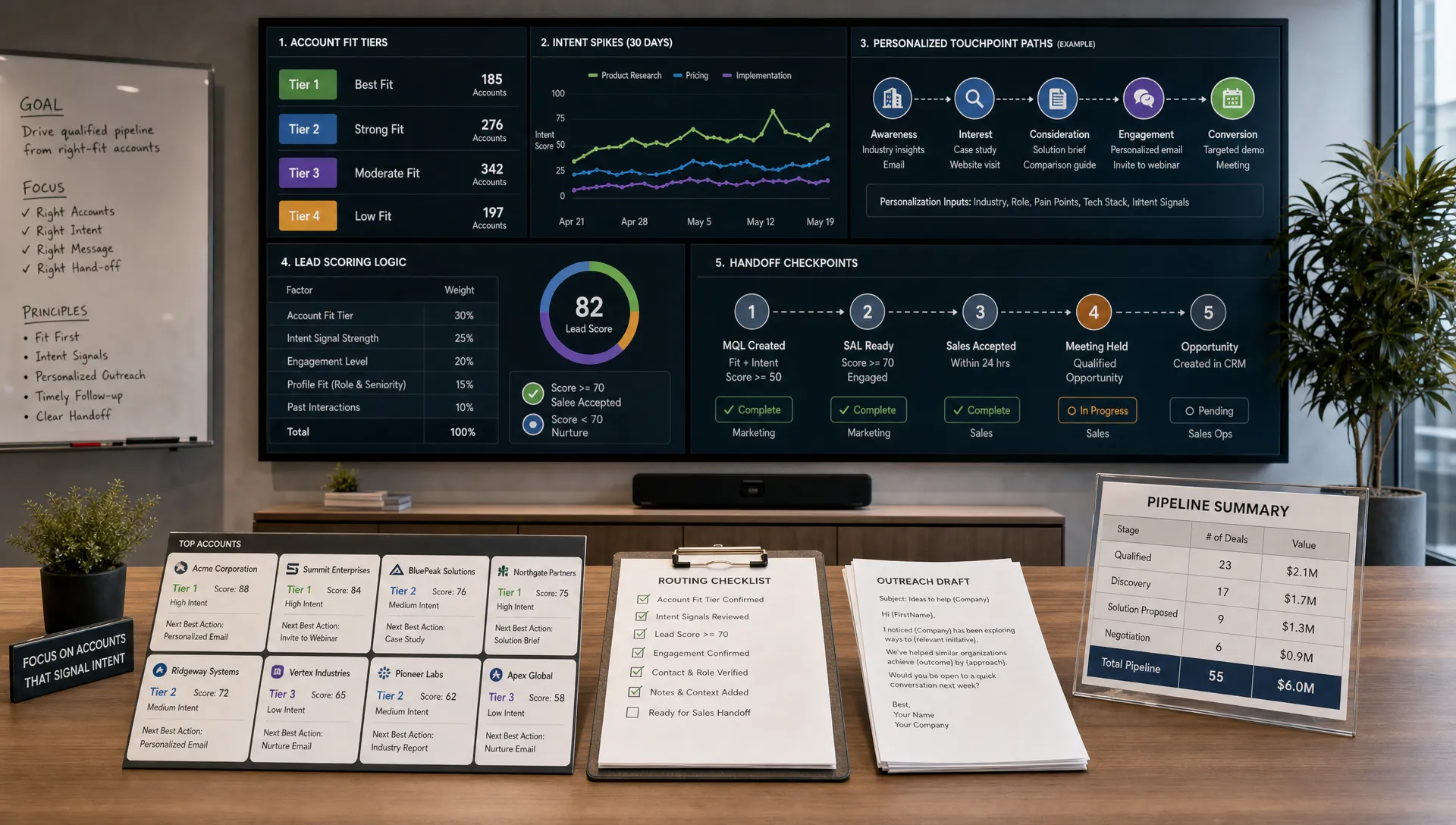
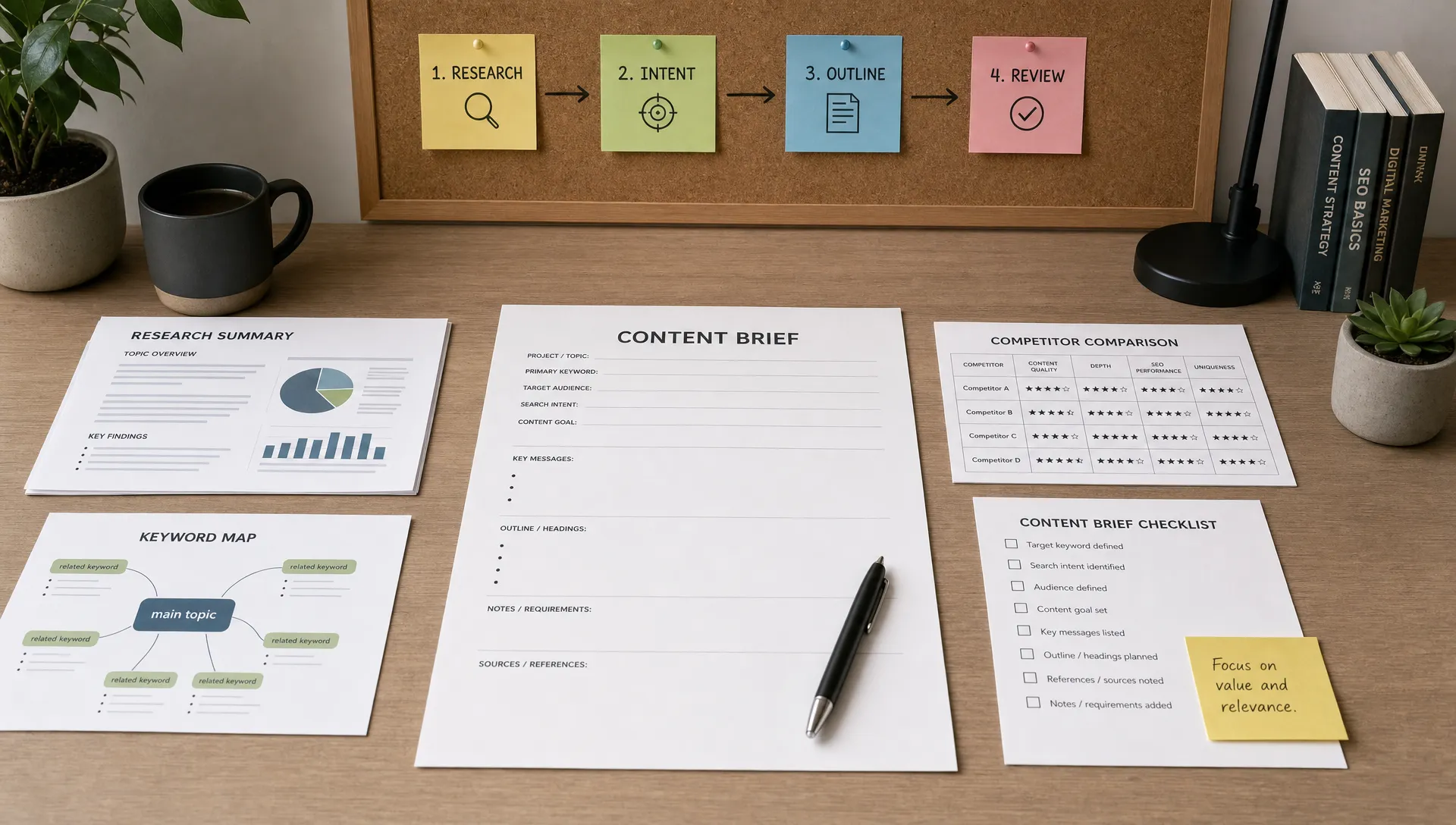
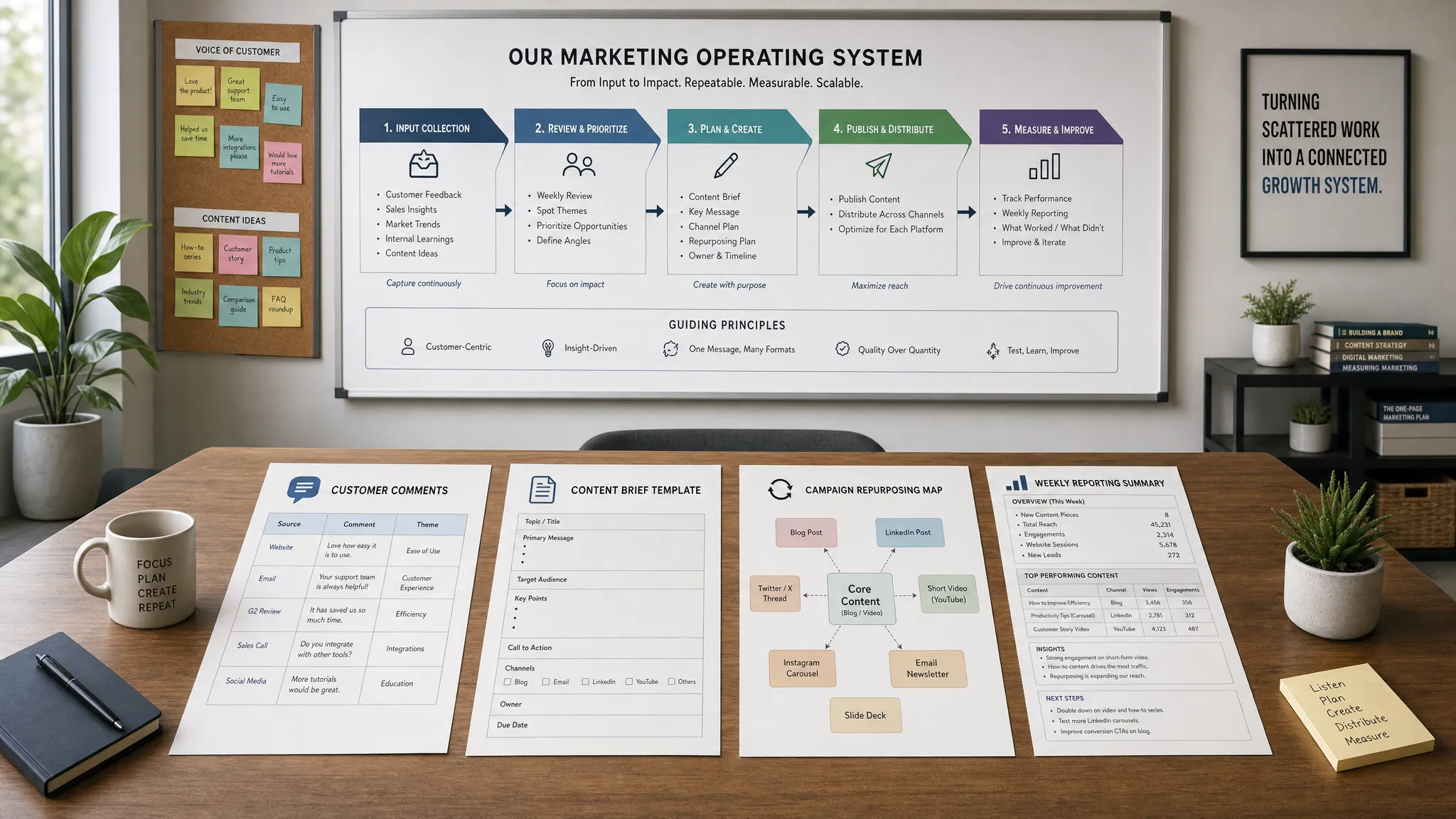
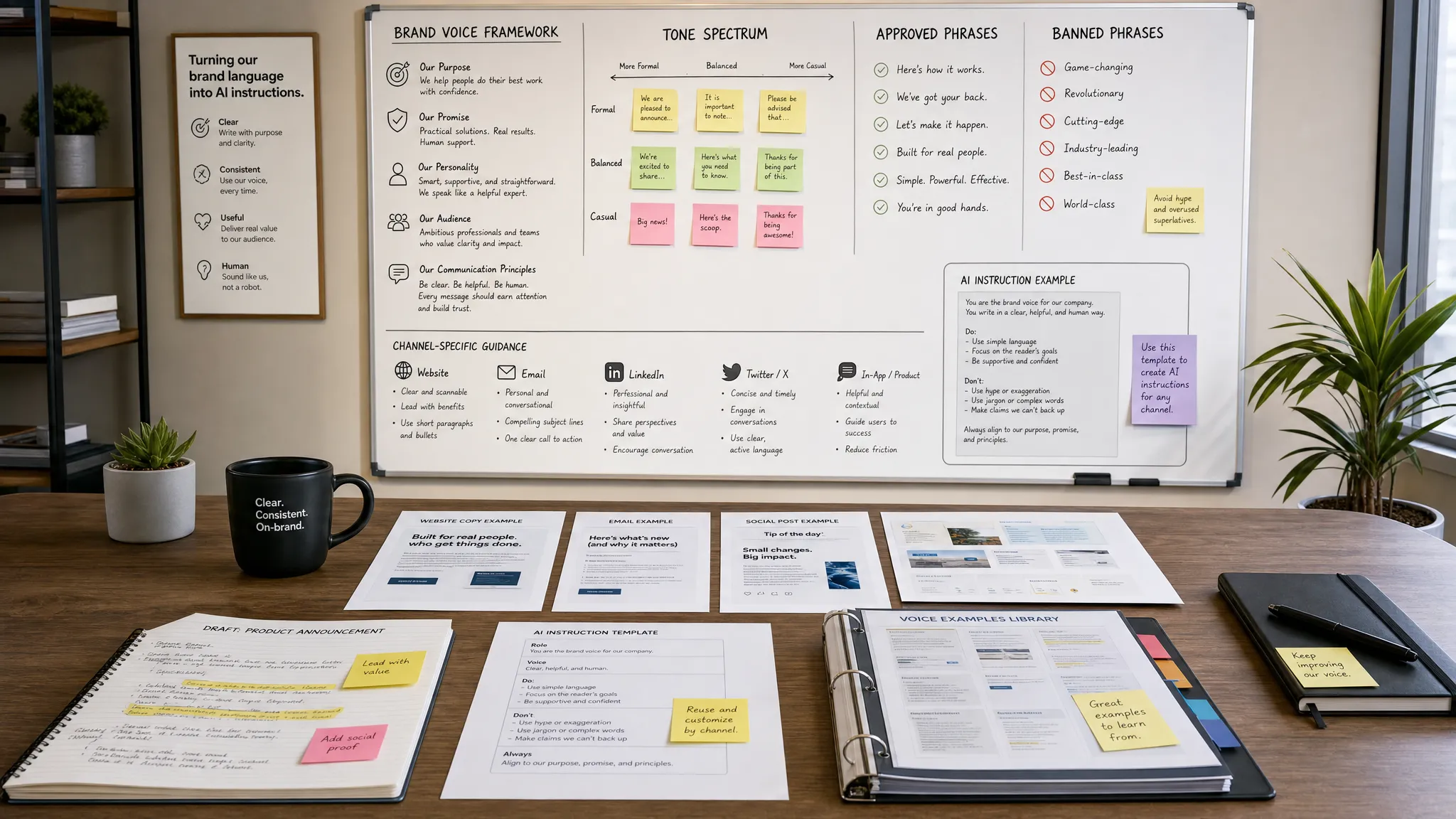
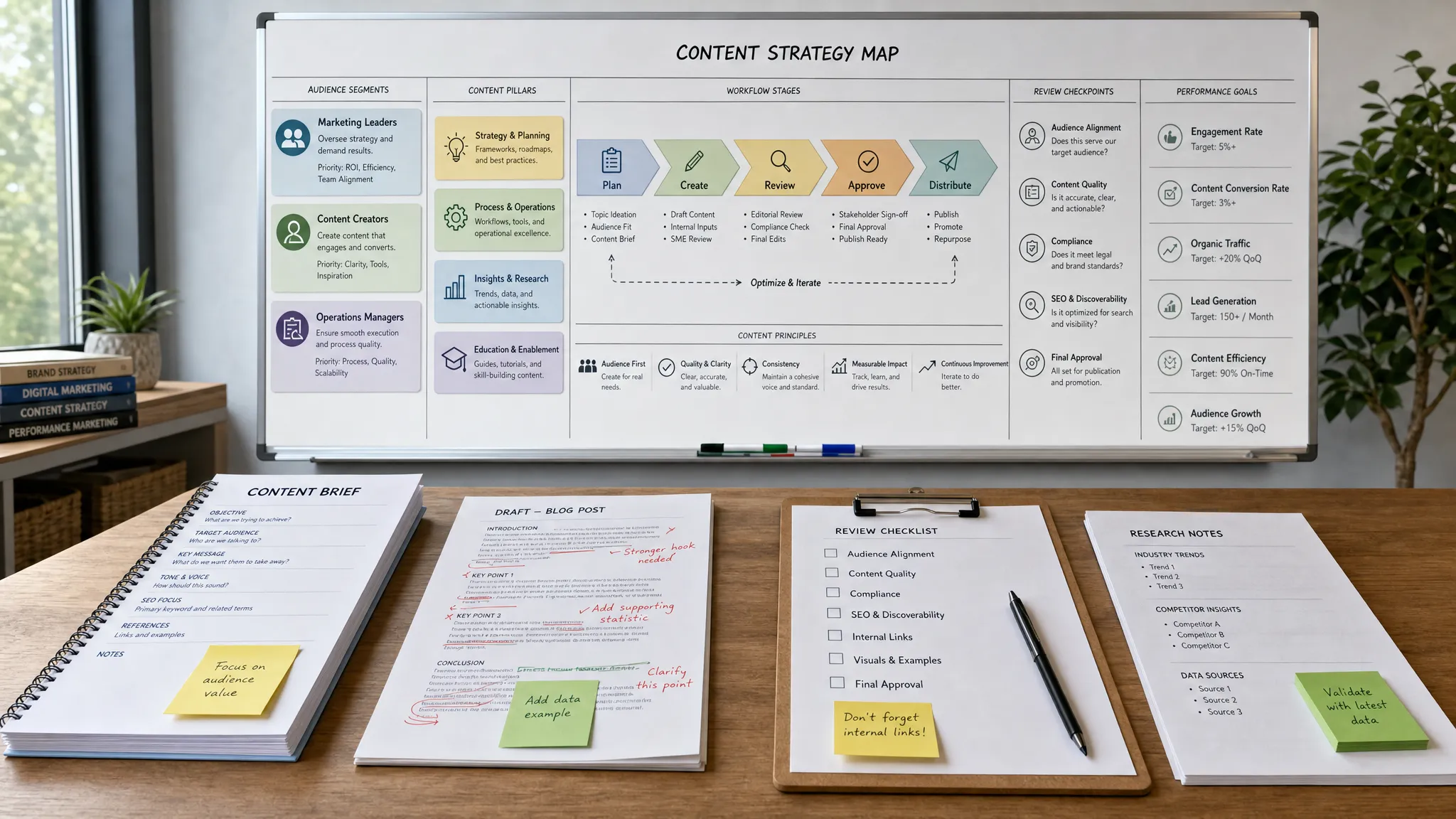
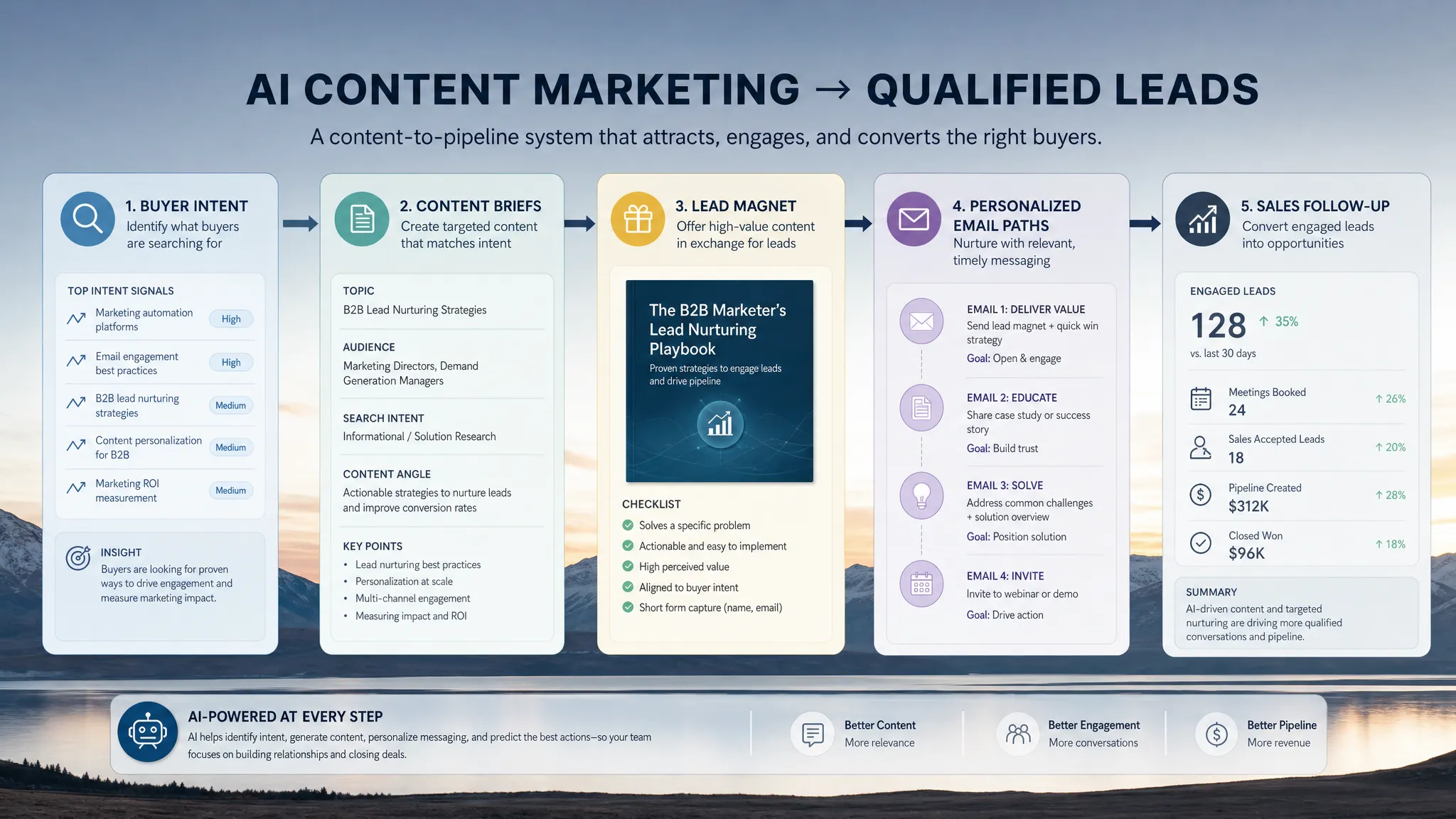
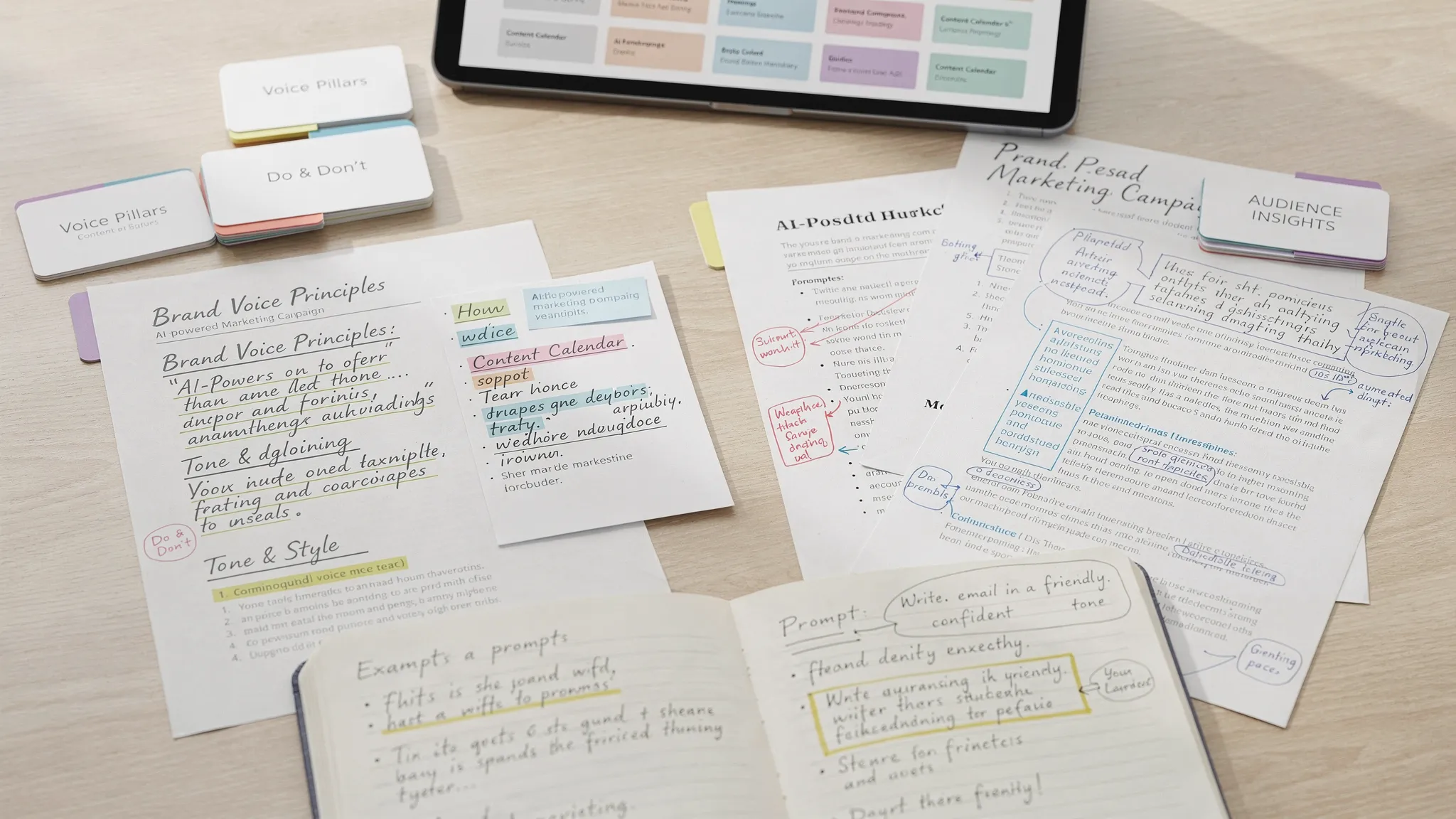
If your marketing calendar only fills when someone says we need a post by Friday, content planning becomes reactive. A strong calendar is not a pile of random topics. It is a repeatable system for capturing audience questions, turning business priorities into useful assets, and repurposing one strong idea across multiple channels.
The best content ideas sit where three things overlap: what your audience is trying to solve, what your business can credibly help with, and what your channels can distribute well. When you plan from that overlap, your calendar stays full without feeling forced.
This guide gives you a practical idea system you can use every month, whether you run content solo, manage a small marketing team, or support multiple campaigns across SEO, email, social, and paid media.
Many teams begin with formats: blog post, newsletter, carousel, webinar, short video. Formats matter, but they should come later. The first question is simpler: what is your audience trying to accomplish?
A finance SaaS buyer may be trying to reduce reporting errors. A law firm client may be trying to understand risk before signing a contract. A marketing manager may be trying to prove campaign ROI with limited time. Each goal can become a cluster of content ideas.
Before you open a content calendar, write down the audience jobs behind your offer:
This keeps your ideas grounded in real demand. It also helps you avoid generic posts that sound like everyone else in your market.
Google's guidance on creating helpful content reinforces the same principle: useful content should serve people first. In practice, that means your calendar should not be built only around keywords or publishing frequency. It should answer meaningful questions better than the next available result.
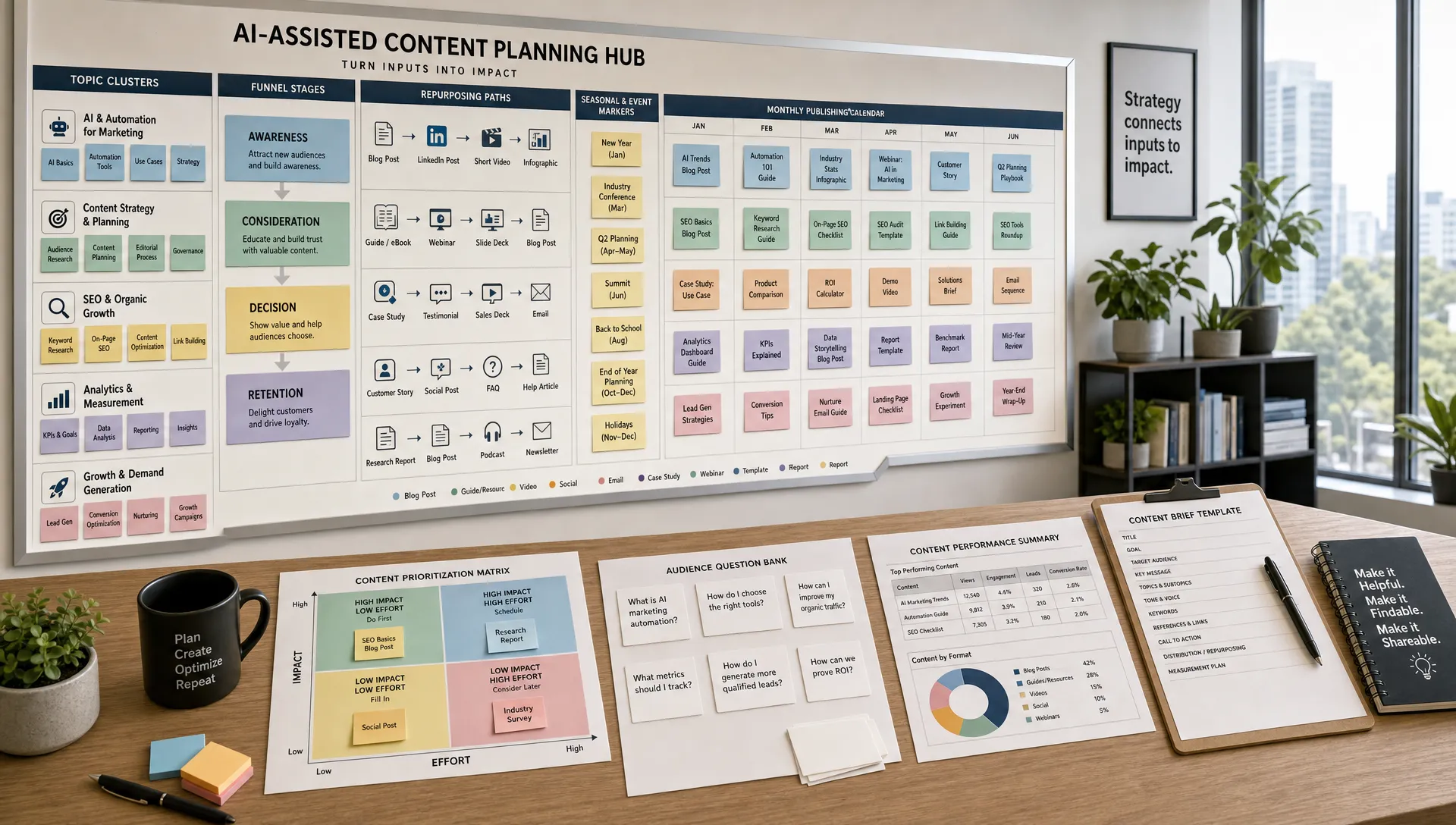
A healthy marketing calendar needs variety. If every piece is educational, you may attract readers who never convert. If every piece is promotional, your audience may tune out. The solution is to organize your calendar into lanes.
Use these five lanes to keep ideas balanced:
A full calendar does not require five completely new ideas every week. It requires enough movement across these lanes so your content supports awareness, trust, and conversion.
For example, a single theme such as AI for email marketing can generate an education post about personalization, an evaluation piece comparing automation approaches, a proof post with campaign lessons, a point of view article about over-automation, and an activation checklist for writing better subject lines.
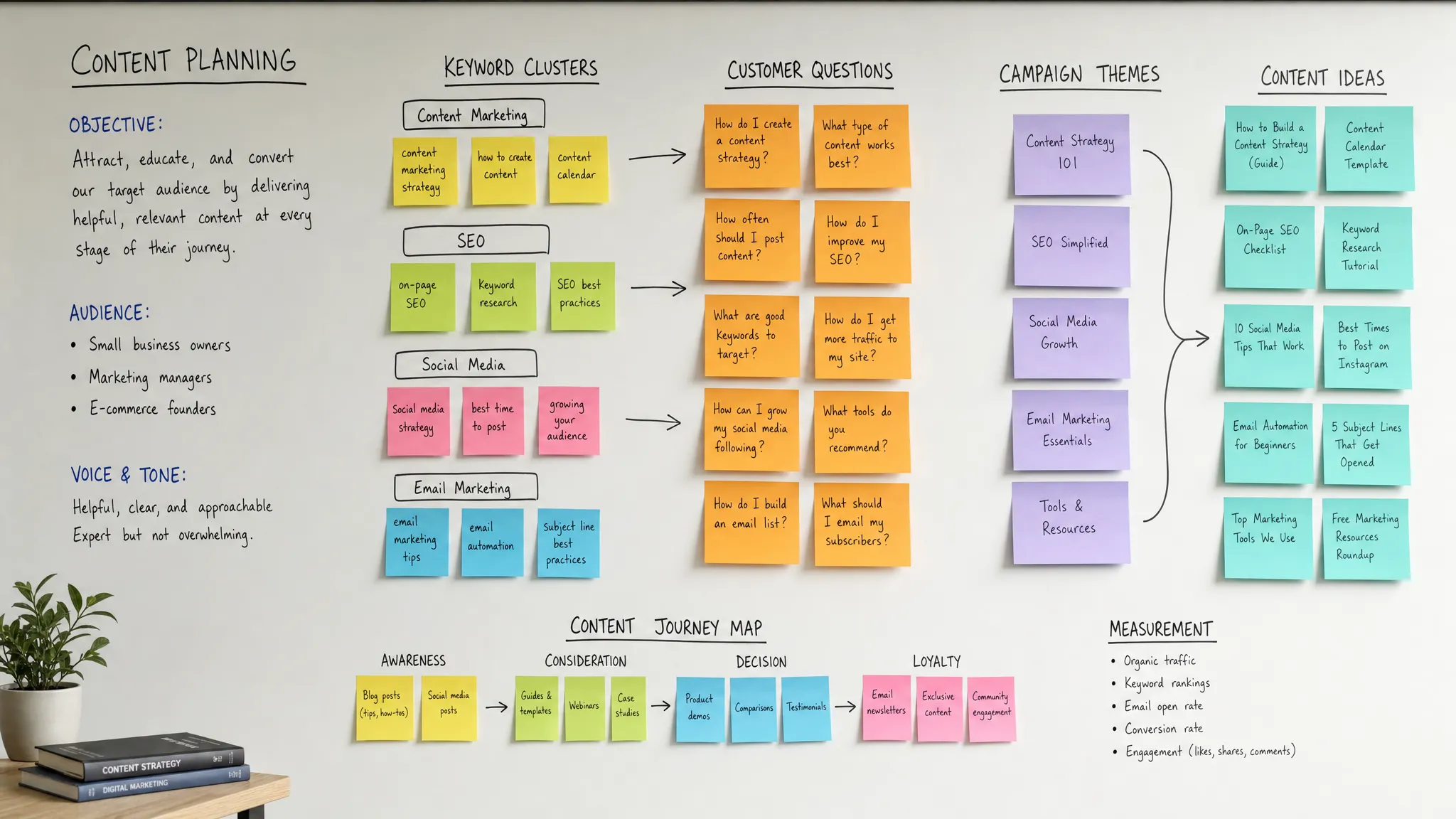
The easiest way to run out of ideas is to brainstorm from a blank page. The best marketers build idea inputs into their regular workflow. Instead of asking what should we publish next, they ask where customers are already revealing demand.
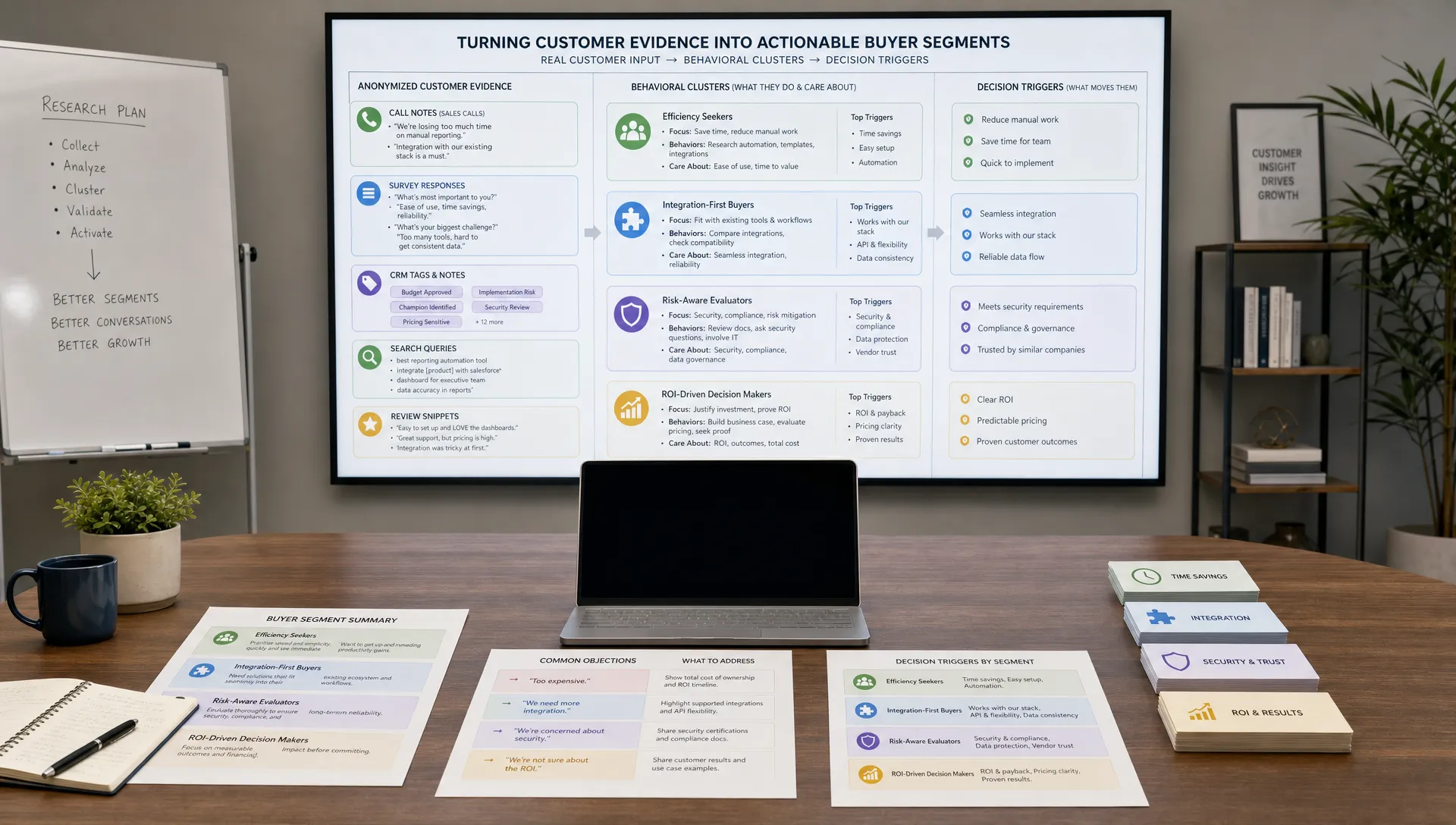
Sales calls are one of the richest sources of content ideas because prospects tell you what they are confused about, comparing, doubting, and trying to justify. Review call notes, demo questions, proposal feedback, and lost deal reasons.
Turn common objections into content. If prospects ask why your approach costs more, create an article explaining total cost of ownership. If they ask whether AI tools can replace a team member, publish a balanced guide on where AI helps and where human review still matters.
Support tickets reveal friction. They can inspire tutorials, troubleshooting guides, onboarding emails, help center articles, and product-led content. If one customer asks a question, many silent users may have the same issue.
Look for repeated phrases in support messages. The exact wording customers use often makes better headlines than internal product language.
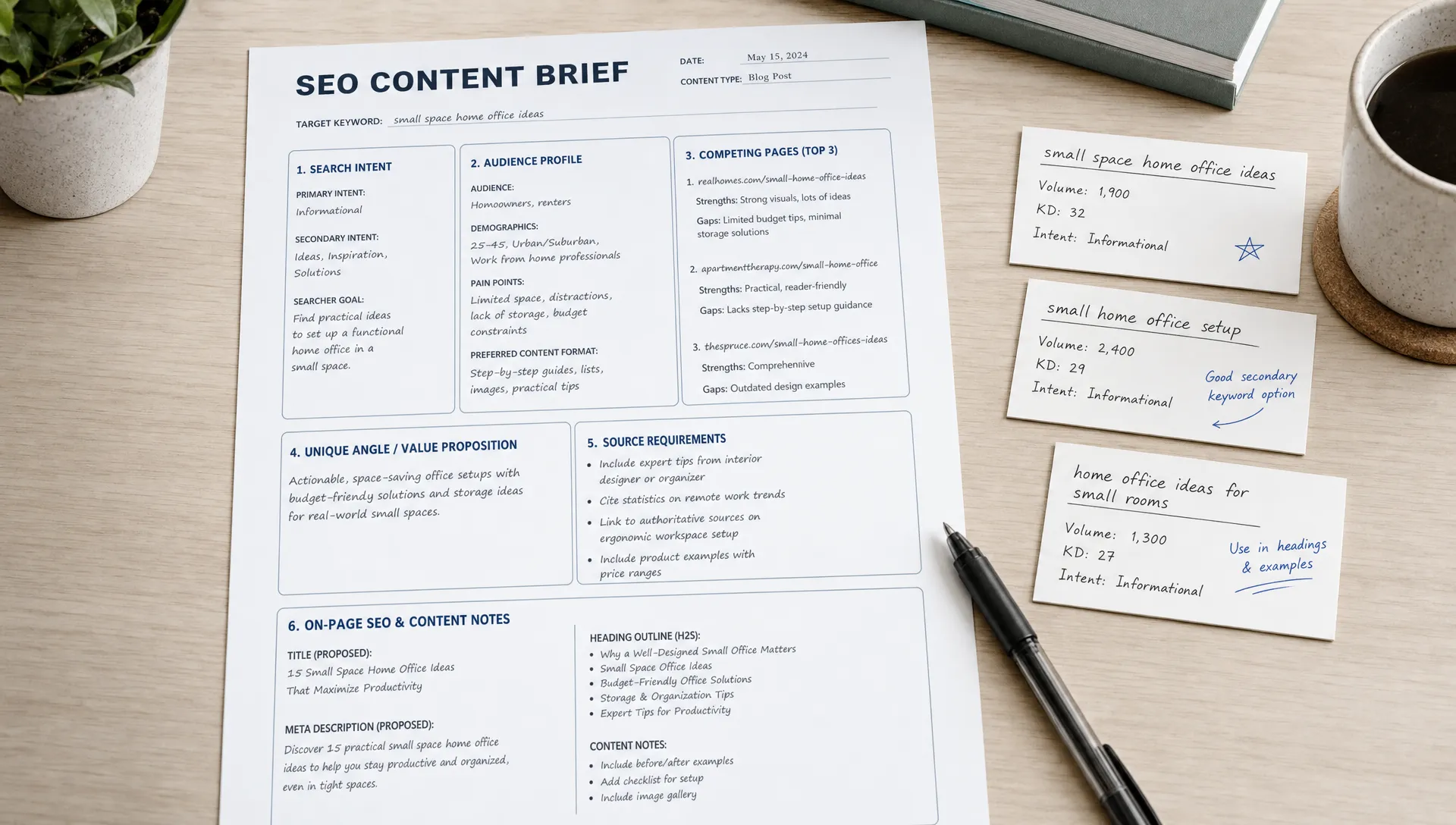
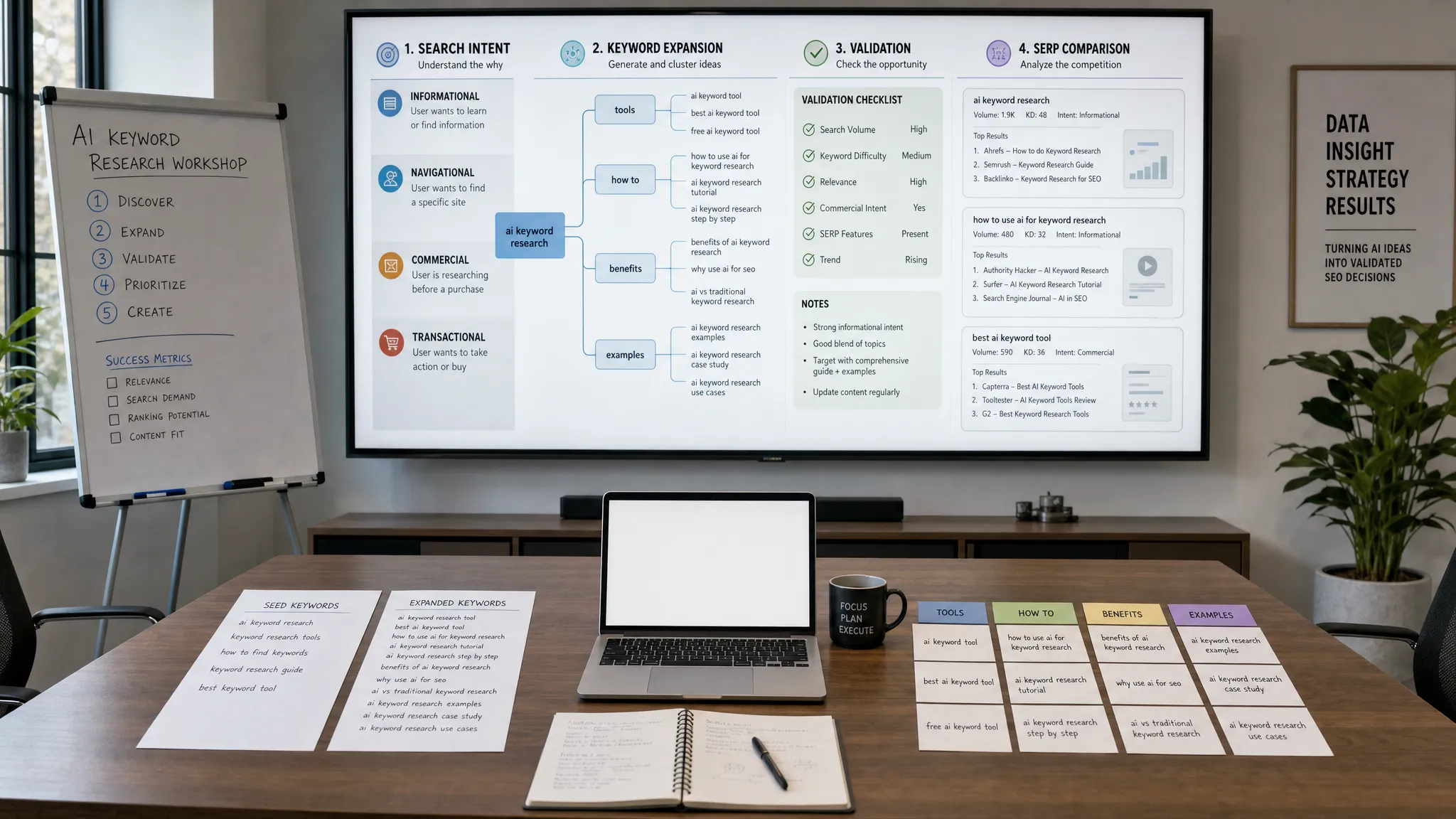
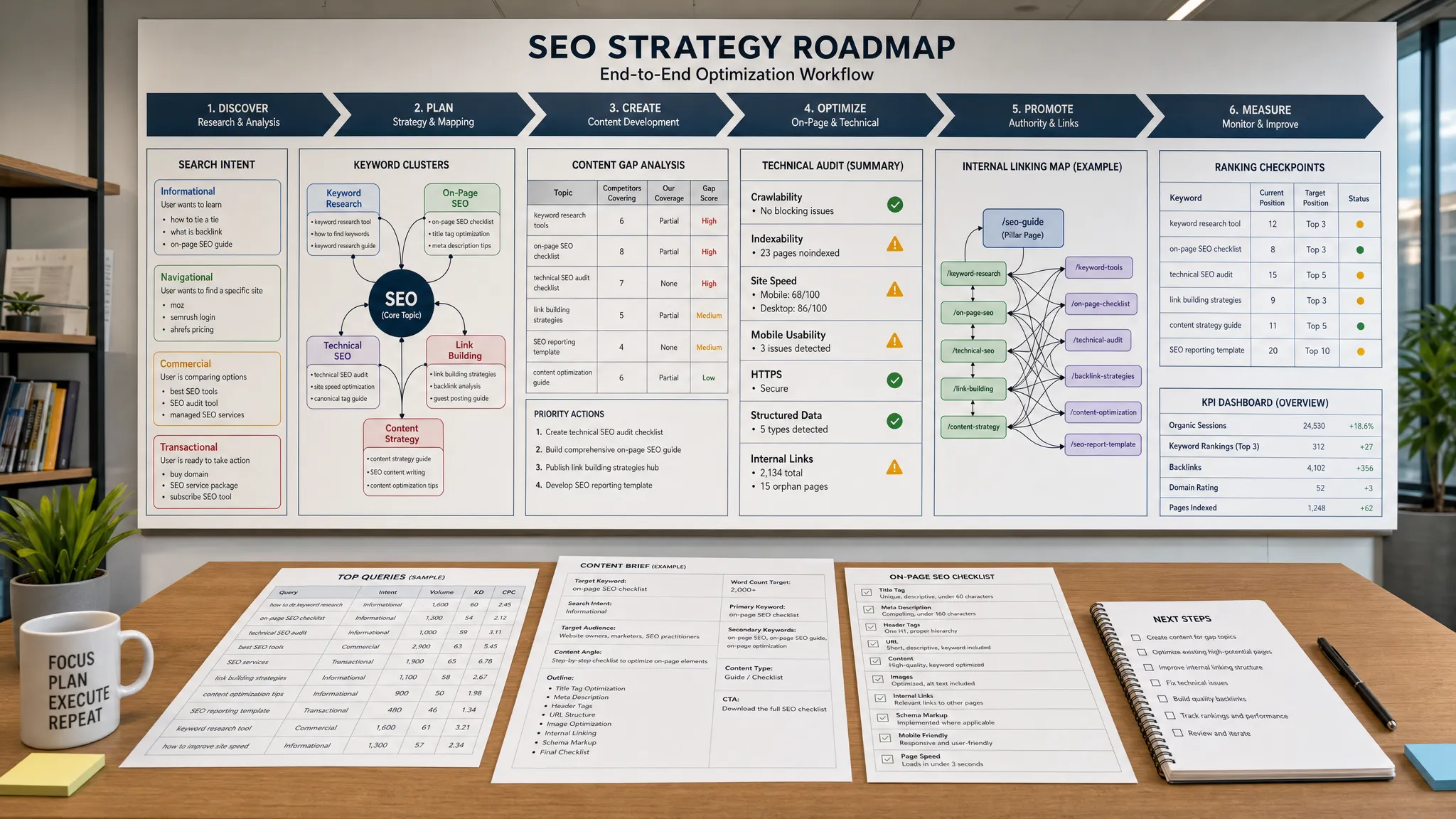
SEO tools help you identify demand, but keyword volume should not be the only filter. A low-volume query with strong buying intent can be more valuable than a broad keyword with thousands of searches.
Useful search-led content ideas often come from:
If your team uses SEO tools inside AIMarketer Hub or another platform, group keywords by intent instead of treating every query as a standalone article. Clusters make planning easier and help your site build topical authority over time.
Your audience is already discussing problems in LinkedIn comments, Reddit threads, Slack groups, newsletters, webinars, review sites, and niche forums. These conversations reveal the emotional layer behind a topic.
Search for phrases like I am struggling with, how do you handle, best way to, what tool do you use, and is it worth it. These phrases often lead to practical content ideas because they show urgency.
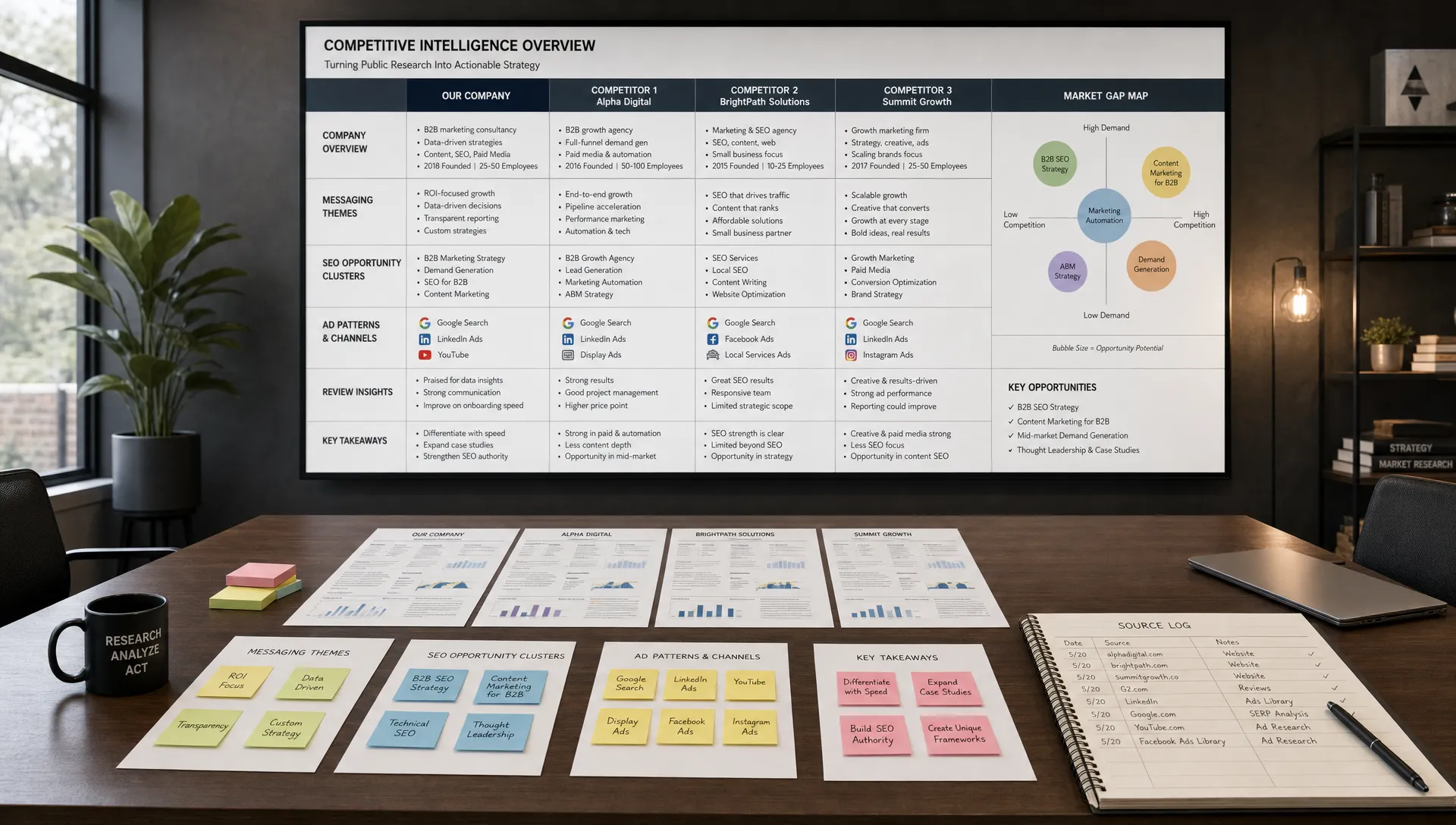
Competitor research is not about copying topics. It is about finding what they missed. Read the top-ranking or most-shared pieces in your niche and ask what is absent.
Maybe the examples are outdated. Maybe the advice is too enterprise-focused for small teams. Maybe the article explains what to do but not how to implement it. Your content can win by being clearer, more current, more specific, or more actionable.
Use the following ideas as starting points. Swap in your industry, audience, product category, or customer problem to make them relevant.
The strongest ideas are usually the ones you can connect to a real audience pain point and a measurable business outcome. If an idea does not support one of those, it may still be interesting, but it probably should not be a priority.
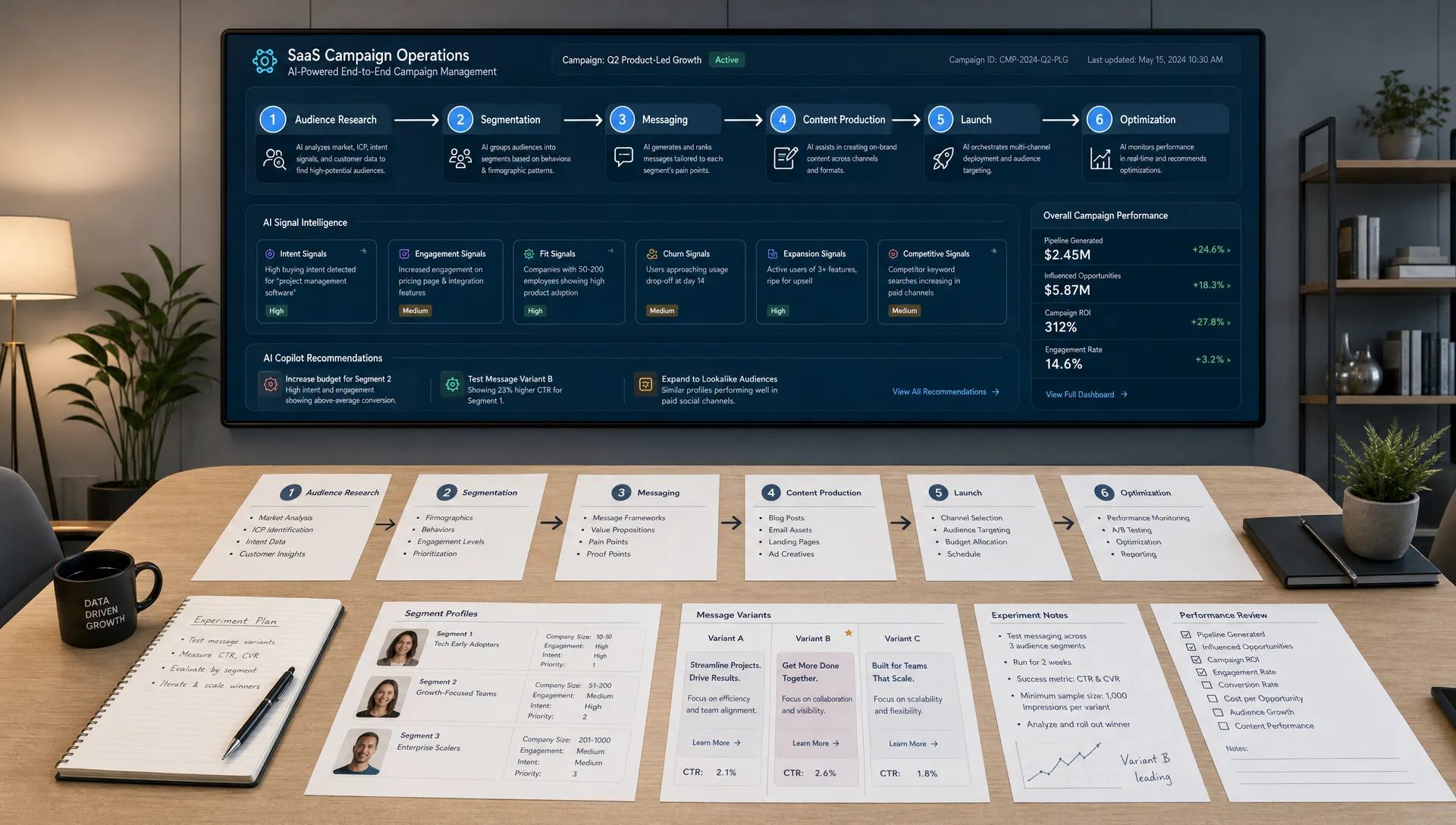
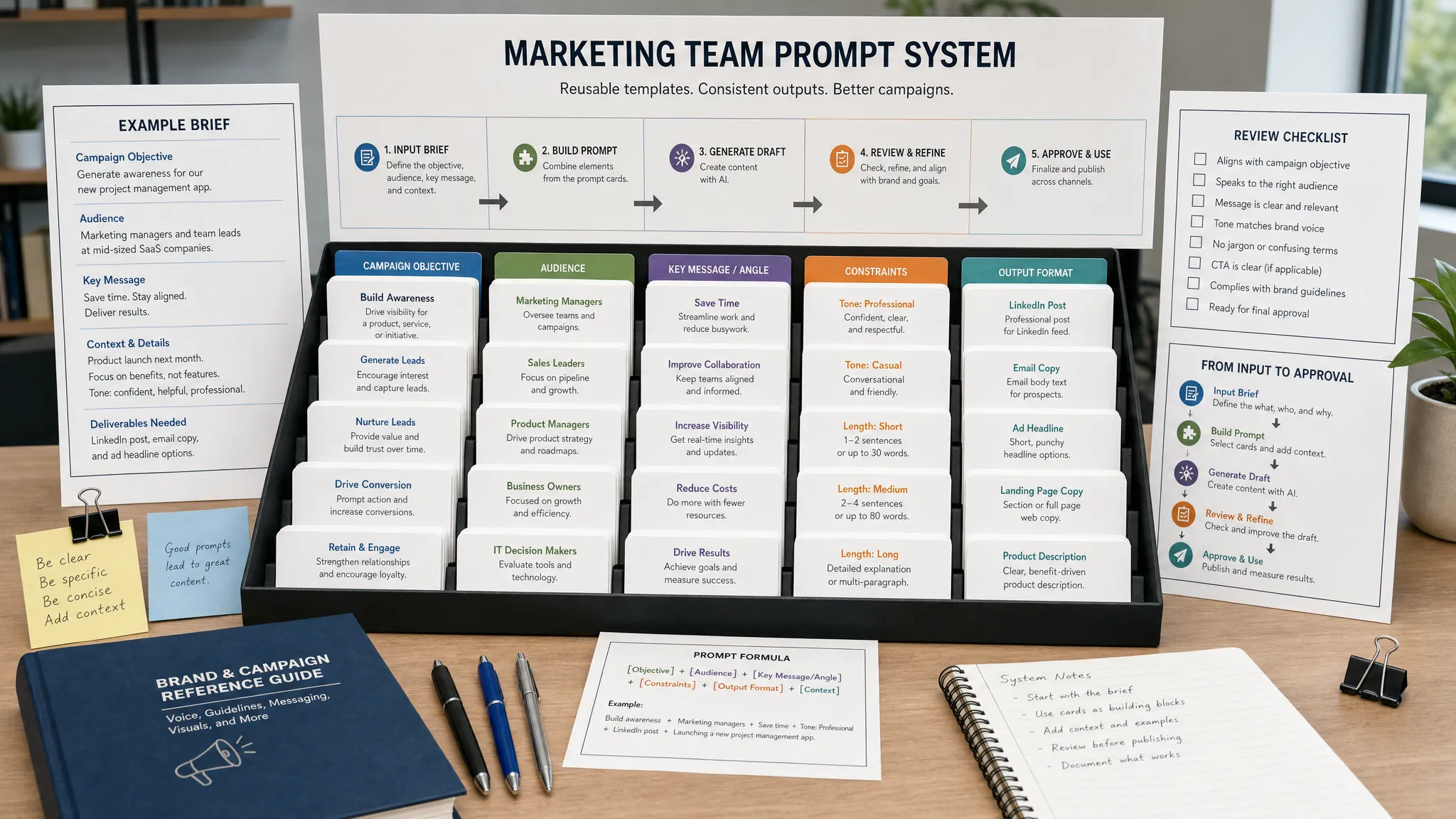
AI is excellent for speeding up ideation, but it performs best when you give it context. A vague prompt creates vague topics. A detailed prompt creates usable angles.
Instead of asking for blog ideas about marketing, give the AI your audience, offer, funnel stage, objections, preferred channels, and content goals. For example:
Create 20 content ideas for B2B SaaS marketers who need to increase demo requests without increasing ad spend. Group the ideas by awareness, evaluation, and conversion intent. Include one practical asset idea for each topic.
You can also use AI to:
Still, AI should not replace editorial judgment. Use it to accelerate the messy parts of planning, then apply human review for accuracy, originality, tone, and strategic fit. If your workflow includes AI-assisted drafts, it can also be useful to understand how AI content detection and humanization tools are evolving through resources such as this AI content detection and humanizer tools directory, especially when you are creating policies for quality control.
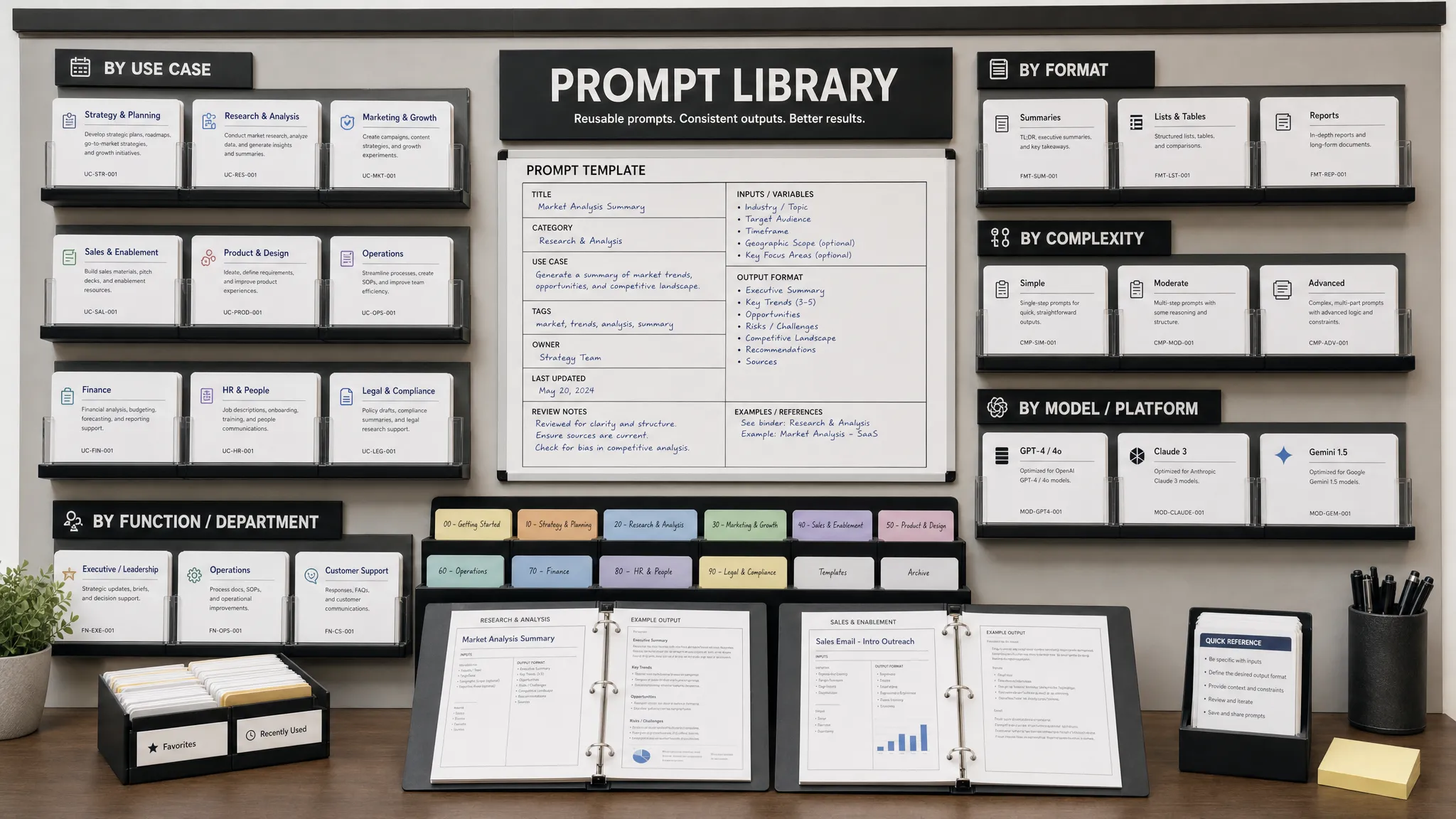
AIMarketer Hub supports this type of workflow with AI content generation, prompt libraries for marketers, SEO tools, performance analytics, and industry-specific guides. The advantage is not just faster production. It is having a more structured way to move from idea to brief to measurable content.
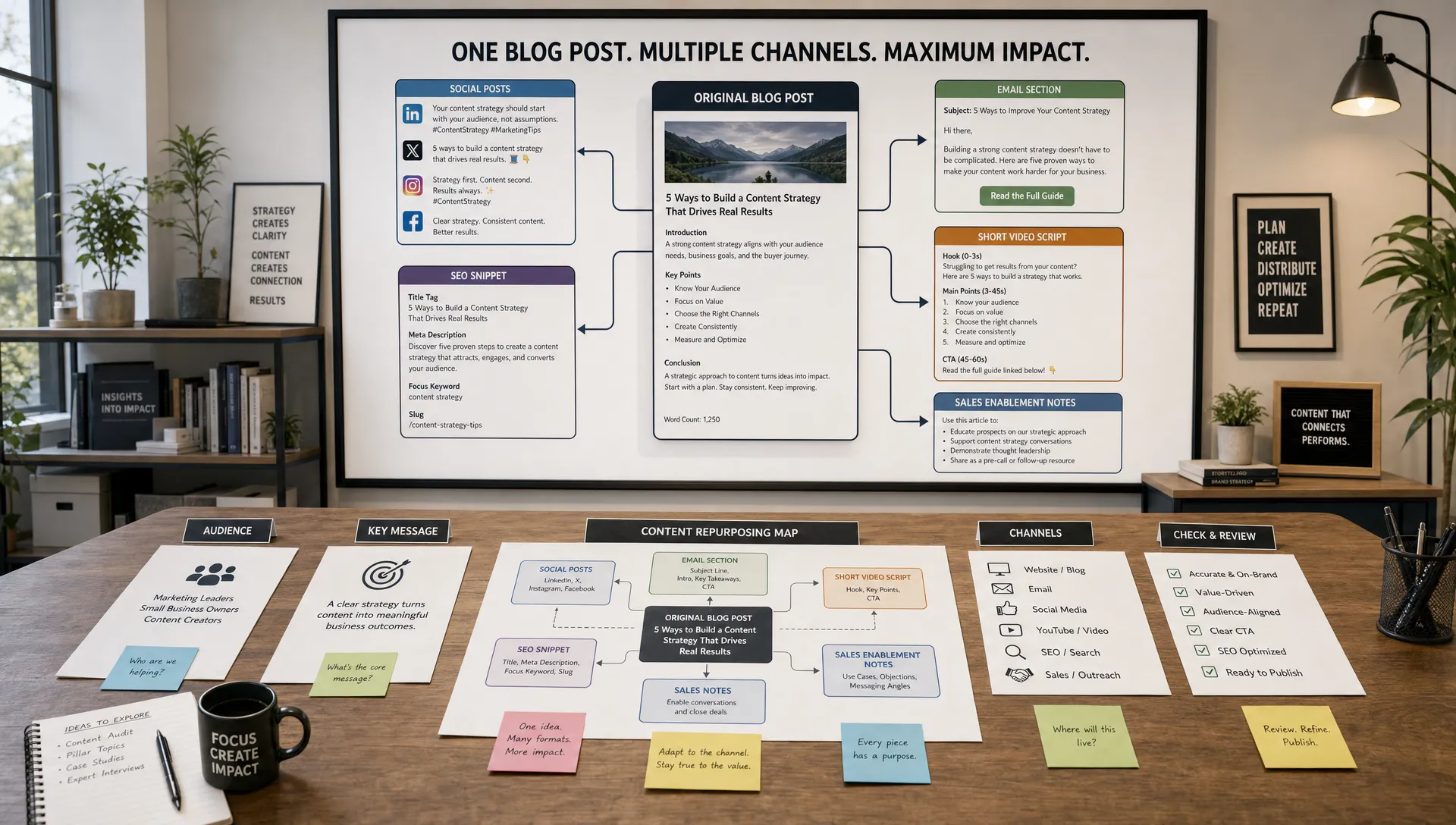
One of the biggest calendar mistakes is treating every publishing slot as a separate idea. That creates unnecessary pressure. A better approach is to turn one strong idea into a sequence.
Say your core idea is how small marketing teams can use AI to improve SEO content planning. That single idea can become:
This approach gives your audience multiple entry points. Some people will read the full article. Others will save the checklist or respond to the social post. Repetition is not a problem when each asset adds a new angle or format.
Repurposing also helps your team maintain consistency. Instead of chasing disconnected ideas, you reinforce one message across channels.
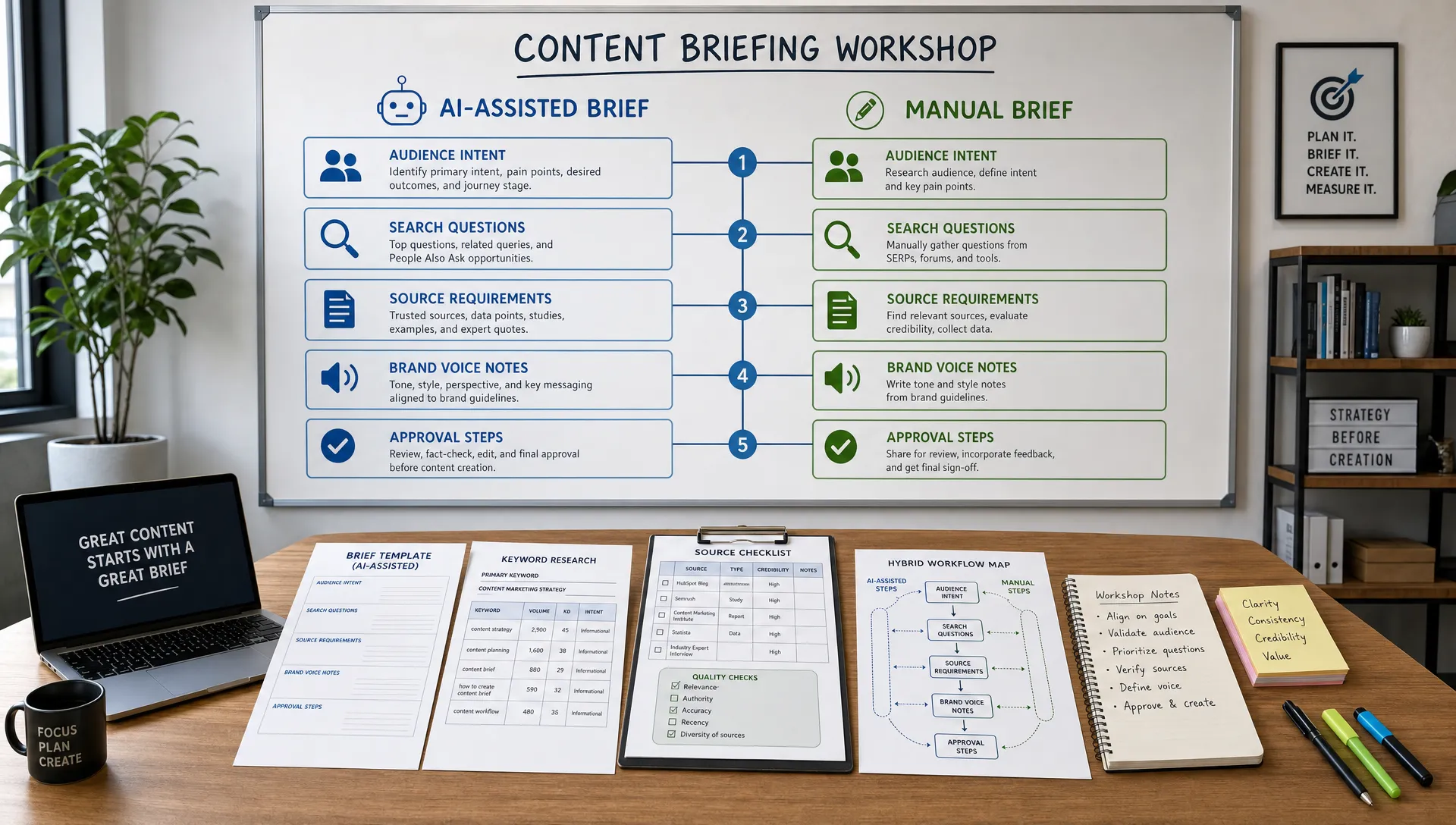
A full content calendar comes from habits, not occasional inspiration. Set a recurring monthly workflow that turns inputs into planned assets.
Try this simple five-step process:
This workflow prevents two common problems: overplanning and underplanning. You do not need a rigid calendar that leaves no room for timely content. You also do not want a blank calendar that forces last-minute publishing.
A practical balance is to plan 70 percent of your calendar in advance and leave 30 percent open for timely trends, product updates, campaign needs, and audience questions that emerge during the month.
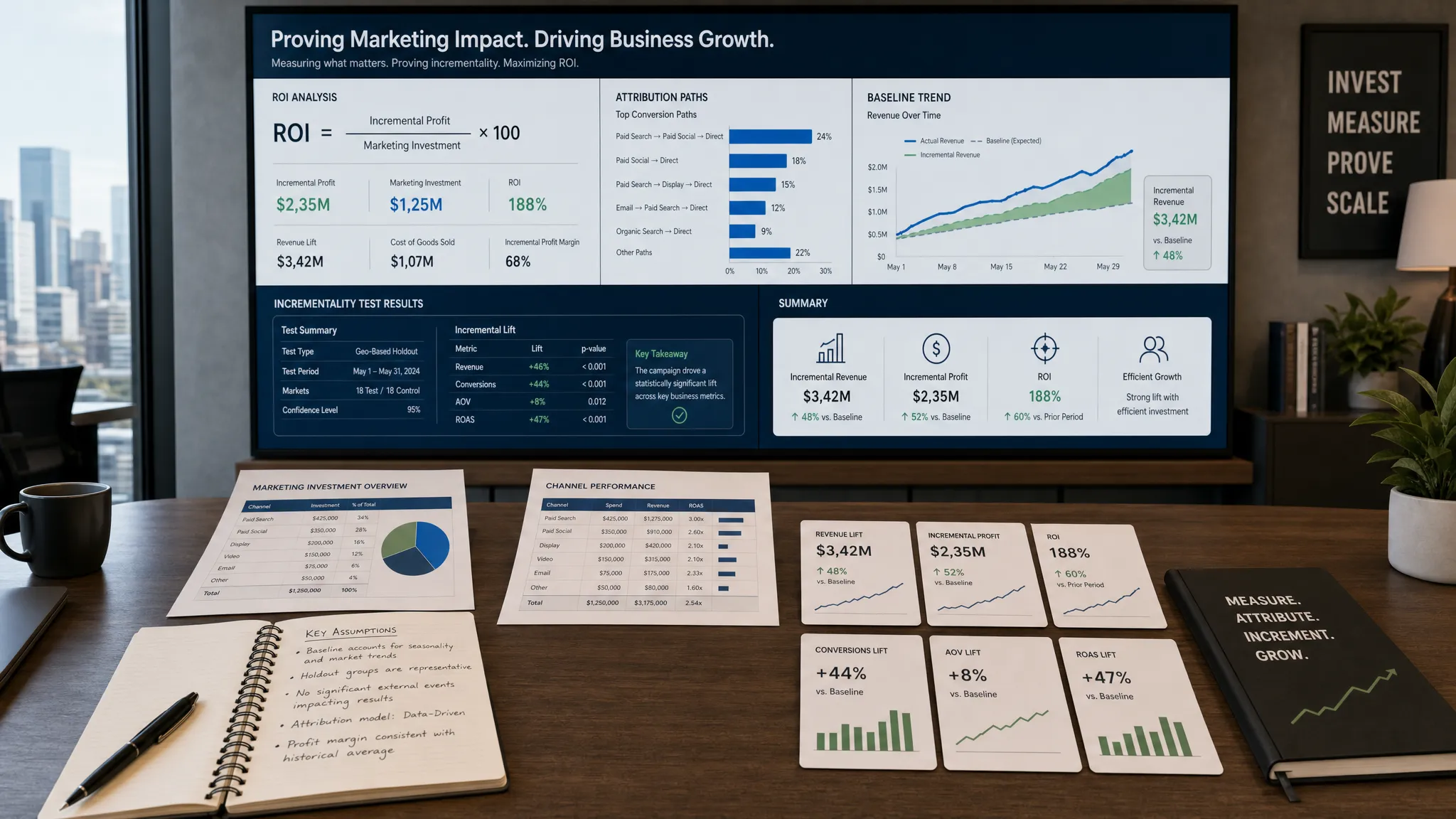
Not every idea should be judged by the same metric. A thought leadership post may build trust but produce few immediate leads. A comparison page may attract less traffic but influence buying decisions. A calculator may generate qualified engagement even if it never goes viral.
Before adding an idea to the calendar, decide what role it plays.
Awareness content should increase reach, answer early questions, and introduce your brand to the right audience. Evaluation content should help readers understand options, tradeoffs, and decision criteria. Conversion content should reduce friction, handle objections, and make the next step feel obvious.
This is where many calendars become unbalanced. Teams publish awareness content for months, then wonder why it does not convert. Or they publish only conversion content, then wonder why traffic is flat. You need both, connected by a clear path.
For example, an awareness article on content ideas can lead to a practical content calendar template. That template can lead to a prompt library. The prompt library can lead to a product trial, consultation, or newsletter signup. The idea is only the start. The journey matters.
A marketing calendar is for committed content. An idea bank is for everything else. This distinction keeps your planning clean.
Your idea bank should capture rough concepts before they are ready for the calendar. Add notes from calls, keyword fragments, competitor observations, customer quotes, social comments, and campaign ideas. Review it weekly or monthly, then promote the strongest ideas into your actual content plan.
Keep each idea simple. Include the audience, pain point, possible angle, source of insight, and best format. If an idea came from three customer conversations, mark it as high confidence. If it came from a trend you have not validated yet, mark it as experimental.
Over time, your idea bank becomes a strategic asset. It reduces pressure, improves relevance, and makes planning less dependent on whoever happens to be in the brainstorming meeting.
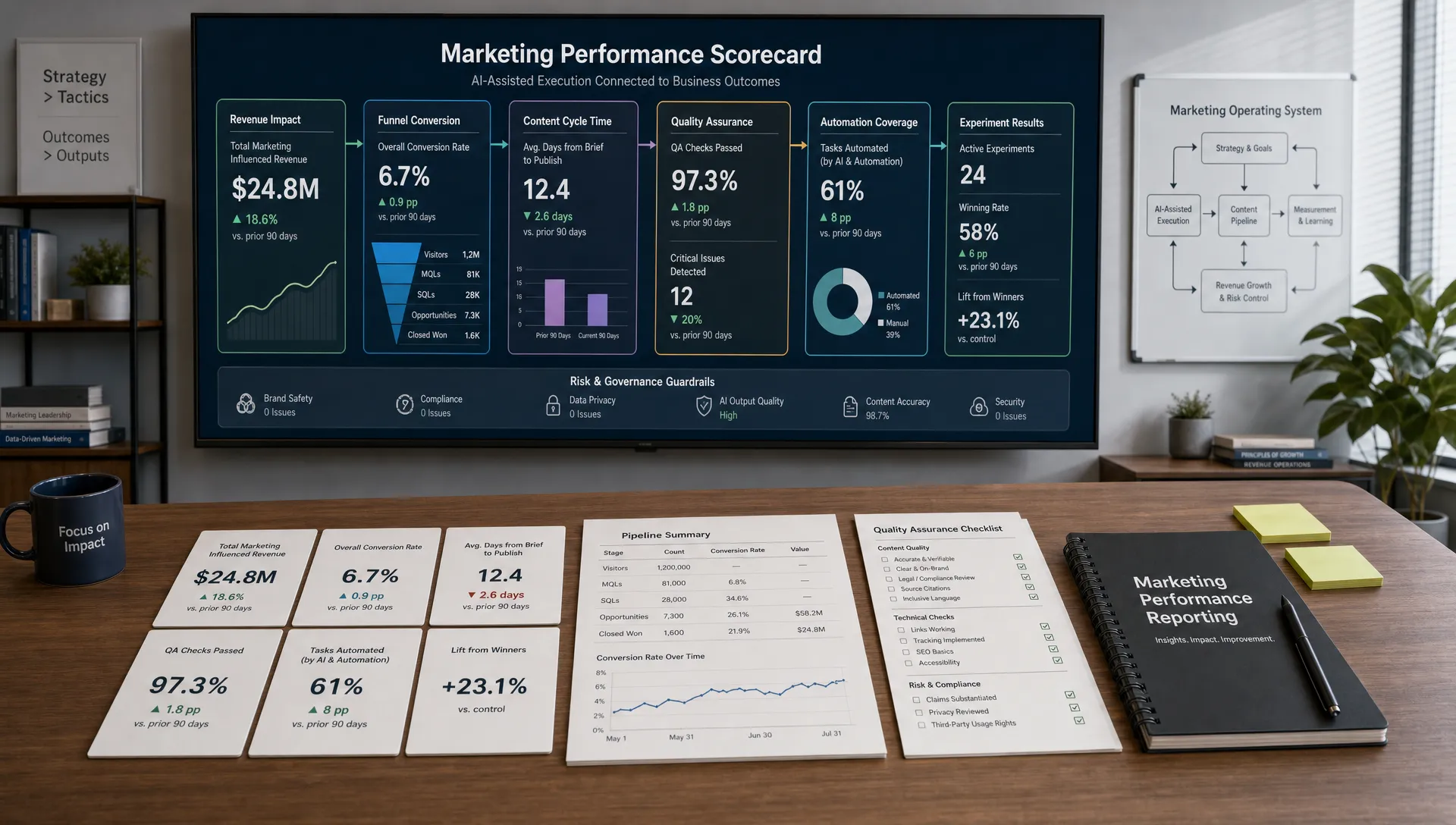
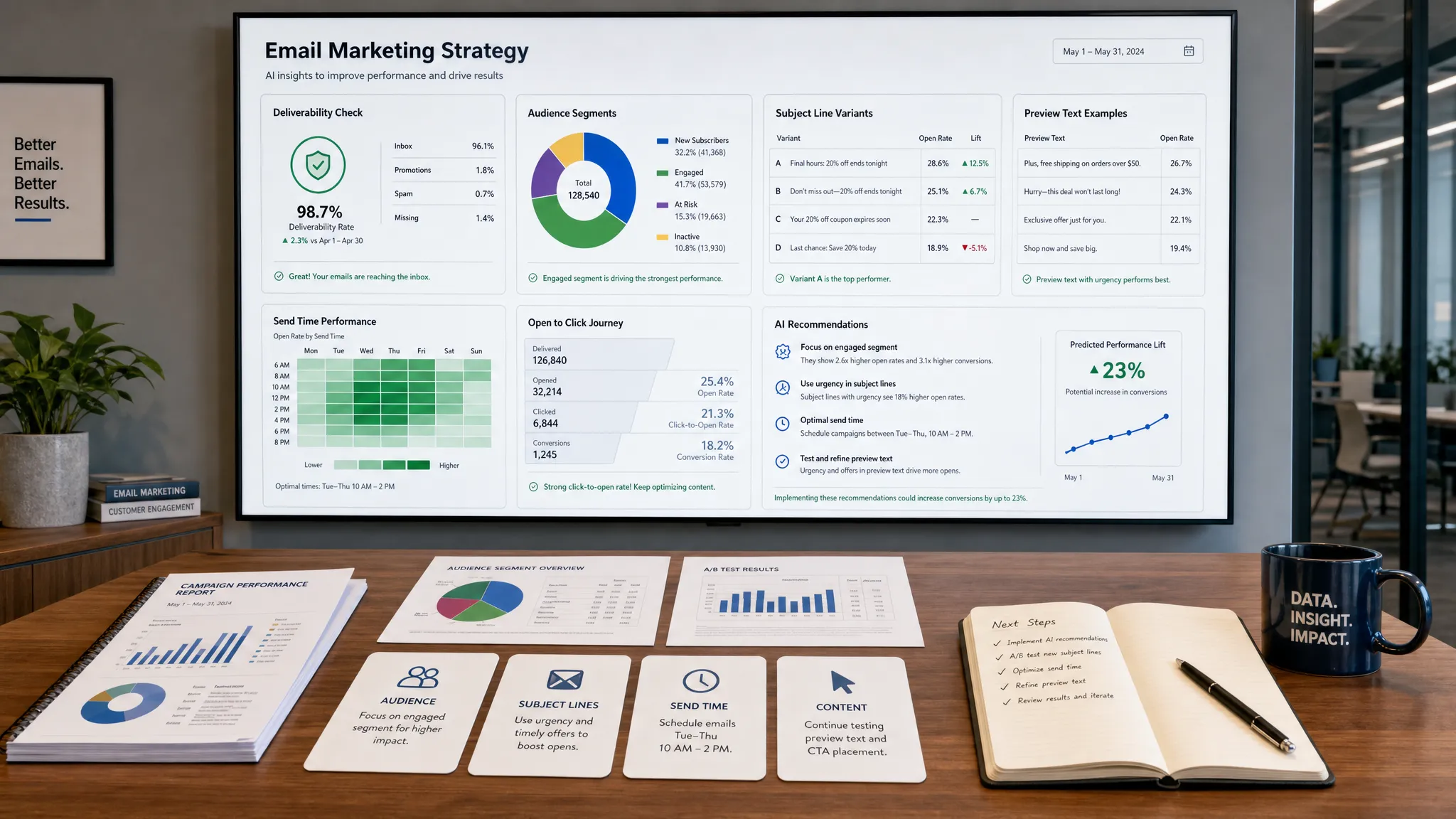
Publishing is only half the job. To keep your calendar full of better ideas, review performance patterns regularly.
Look for signals such as:
Performance analytics can help you decide what to expand, update, repurpose, or retire. A post that performs well in search may deserve a downloadable guide. A newsletter that gets replies may deserve a webinar. A social post that sparks debate may deserve a deeper point of view article.
The best content calendars are not static documents. They learn.
How many content ideas should I keep in my marketing calendar? Keep enough approved ideas to cover the next four to six weeks, plus a larger idea bank for future planning. This gives your team structure without making the calendar too rigid.
Where do the best content ideas come from? The best ideas usually come from customer questions, sales objections, support tickets, search data, and community conversations. These sources reveal what your audience already cares about.
Can AI generate good content ideas? Yes, AI can generate useful ideas when you provide audience context, goals, funnel stage, and brand positioning. Human review is still essential for accuracy, differentiation, and strategic fit.
How far ahead should a marketing calendar be planned? Most teams benefit from planning one month in detail and one quarter at a theme level. This gives you direction while leaving room for timely opportunities.
How do I know if a content idea is worth publishing? A strong idea should connect to a real audience problem, support a business goal, fit a distribution channel, and have a clear next step for the reader.
You do not need more random brainstorming sessions. You need a repeatable system for capturing audience demand, prioritizing ideas, turning themes into campaigns, and measuring what works.
AIMarketer Hub helps marketers build that system with AI content generation, prompt libraries, SEO tools, performance analytics, calculators, curated resources, and industry-specific guides for teams in marketing, finance, legal, SaaS, and beyond.
Explore AIMarketer Hub to find tools and resources that help you plan faster, create smarter, and keep your marketing calendar full with ideas your audience actually needs.