AI content localization is no longer a slow, translation-only project reserved for global enterprises. In 2026, a lean marketing team can use AI tools to adapt web pages, ads, emails, product content and sales enablement for multiple regions in a fraction of the time it once took.
That speed creates a real advantage, but it also raises the stakes. A mistranslated claim, culturally awkward campaign or poorly configured international SEO setup can damage trust before your brand has a chance to build it. Safe expansion requires more than asking an AI model to “translate this into Spanish” or “make this work for Germany.”
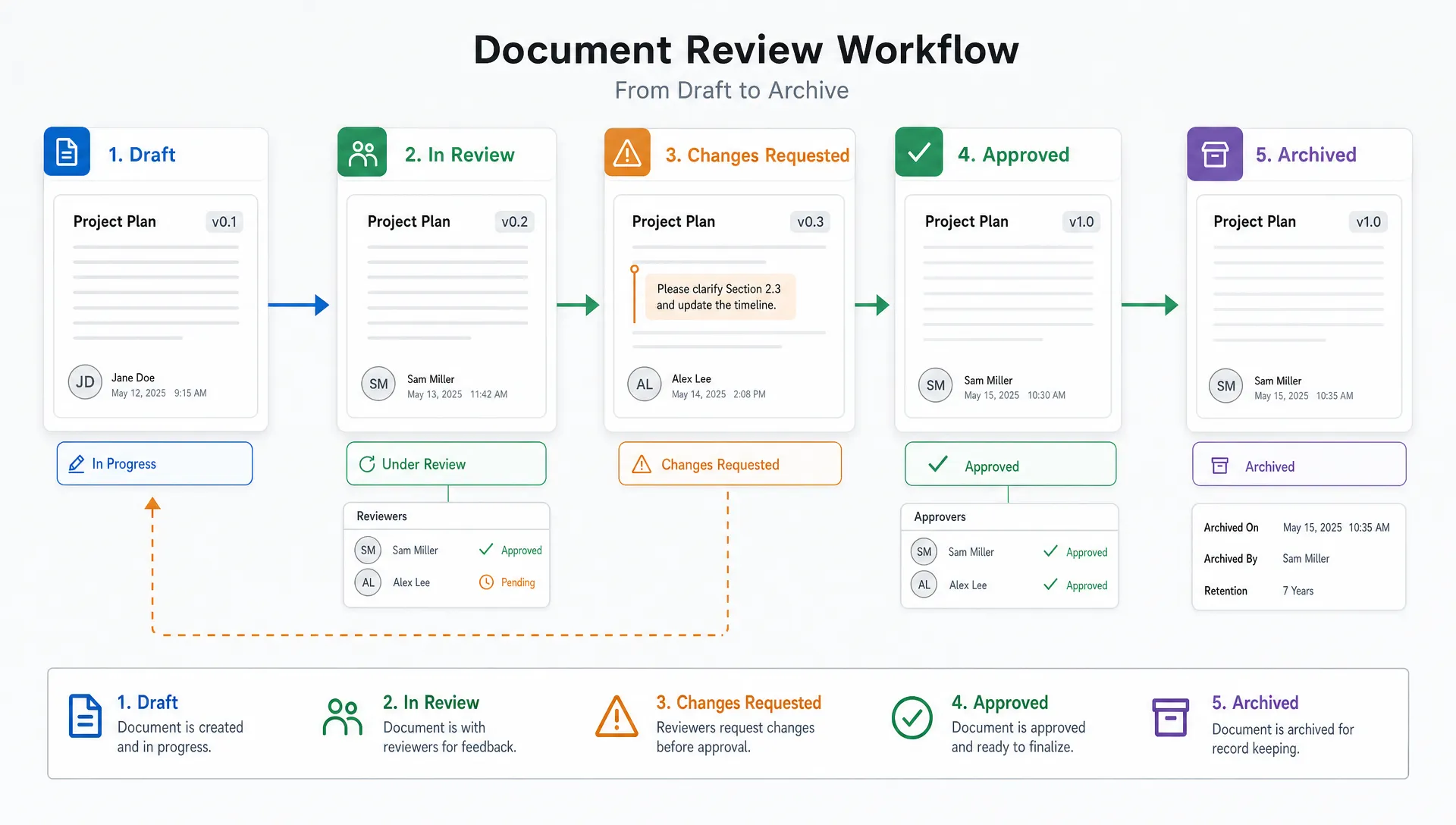
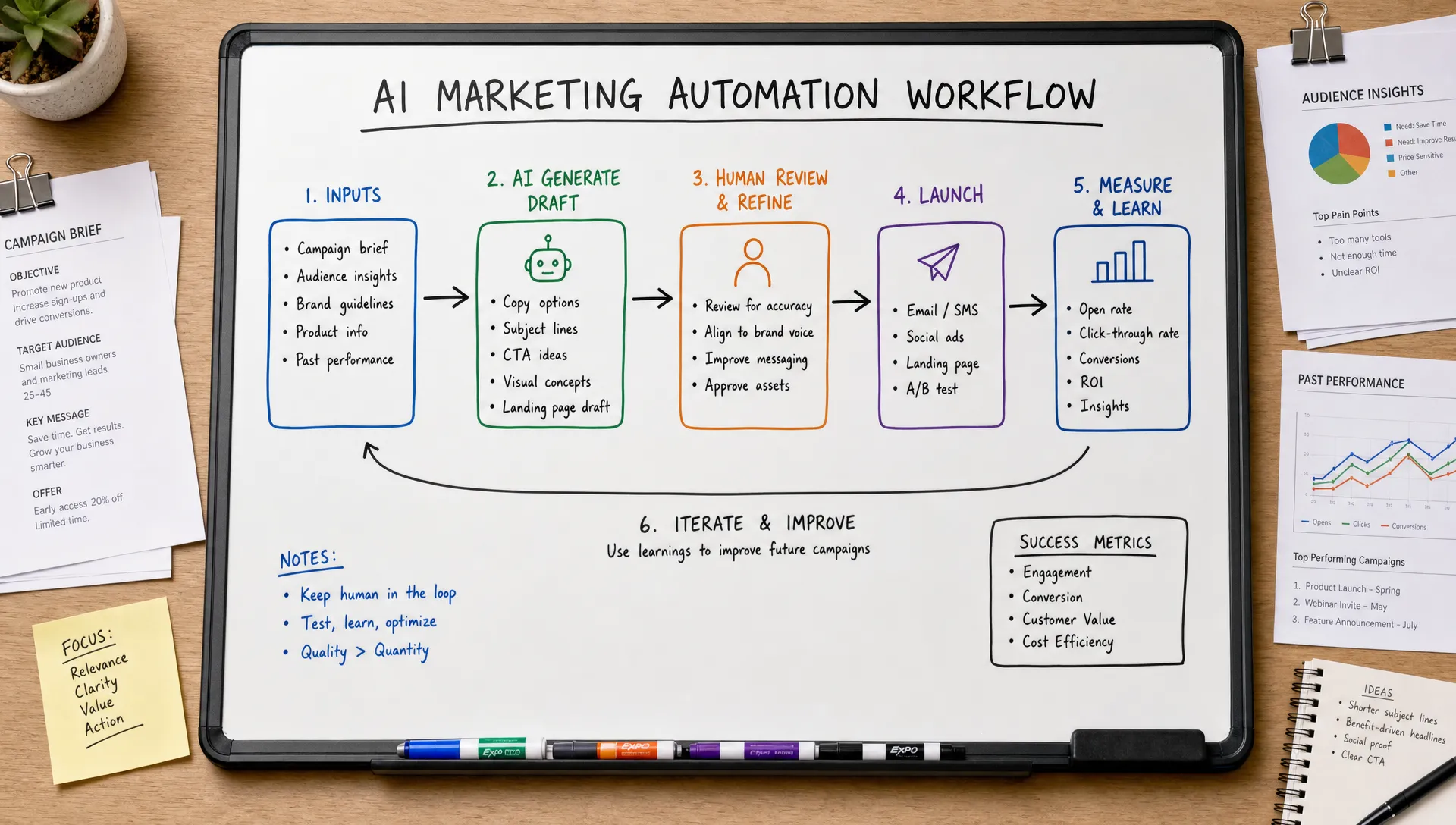
The stronger approach is to treat AI content localization as a controlled marketing workflow: research the market, define the locale, adapt the message, review with humans, publish with technical precision and monitor performance after launch.
Localization is often mistaken for translation, but the difference matters. Translation converts words from one language to another. Localization adapts the content so it feels natural, useful and credible in a specific market.
That can include language, currency, units of measurement, legal disclaimers, cultural references, examples, imagery, form fields, testimonials, search terms, tone and buyer expectations. AI can help with each of those layers, but it needs clear inputs and review standards.
| Content task | What it does | Where AI helps | Where humans still matter |
|---|---|---|---|
| Translation | Converts text into another language | Drafting, terminology suggestions, consistency checks | Nuance, idioms, regulated claims |
| Localization | Adapts content for a specific market | Market brief generation, variant drafting, local keyword ideas | Cultural fit, legal context, customer expectations |
| Transcreation | Rebuilds the message creatively for a new audience | Brainstorming angles, ad variants, headline options | Brand judgment, emotional resonance, final copy |
| International SEO | Helps search engines serve the right page to the right user | Keyword clustering, metadata drafts, hreflang QA support | Technical implementation, market strategy |
A safe localization program uses AI as an accelerator, not as the final authority. The point is not to replace local knowledge. The point is to make it easier for marketers, translators, subject matter experts and legal reviewers to work from a better first draft.
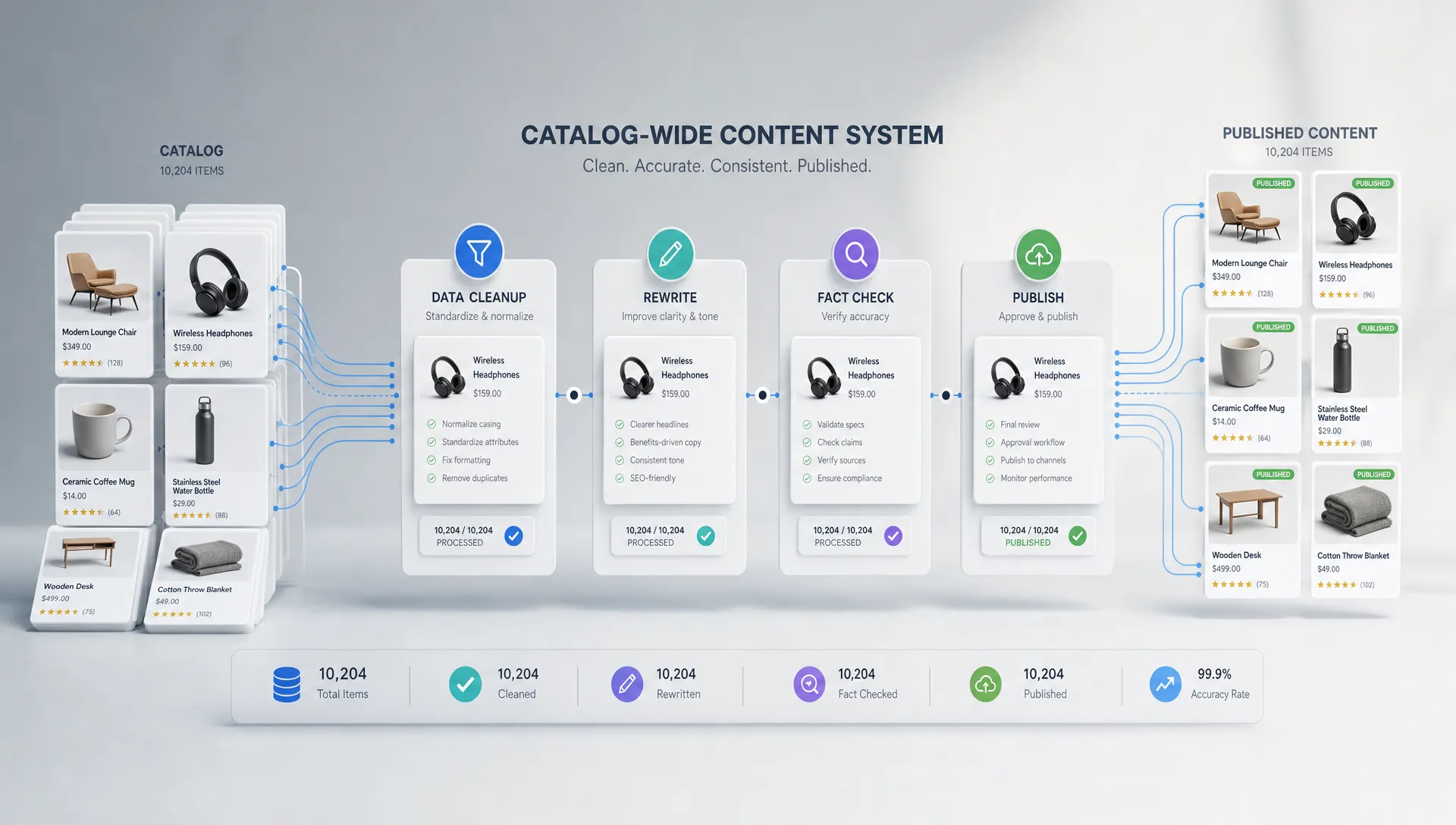
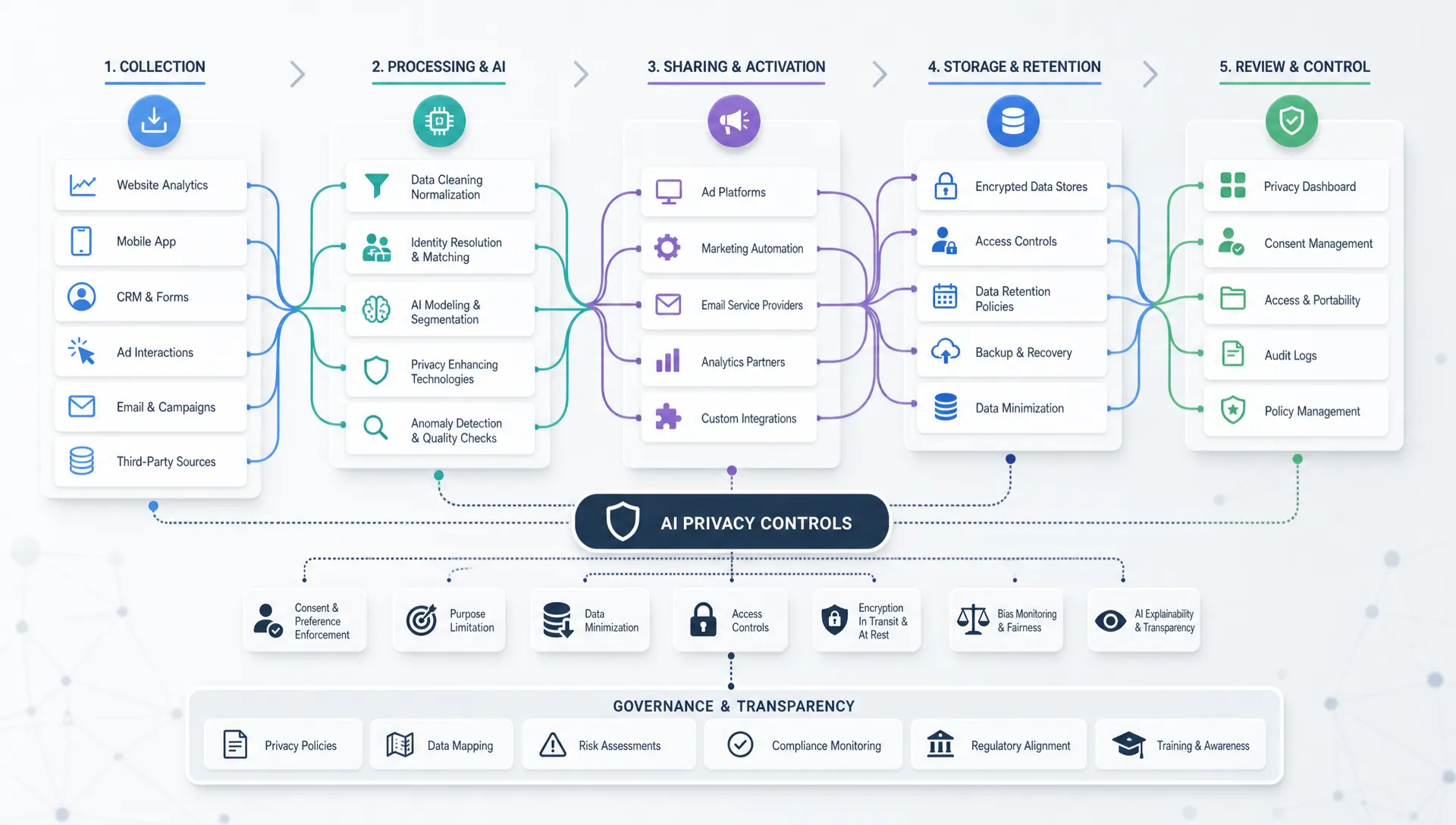
AI marketing automation can dramatically reduce the manual work involved in entering new markets. It can turn a source page into multiple locale drafts, summarize competitor messaging, suggest search intent differences and create variants for paid social or email campaigns.
The risk is that AI systems can sound fluent even when the content is wrong. A page may read naturally but use the wrong local term. A product description may preserve the structure of the original but miss the buying trigger that matters in the new region. A financial, healthcare or legal campaign may accidentally overstate a claim because the source copy was not constrained tightly enough.
The most common risks fall into five categories:
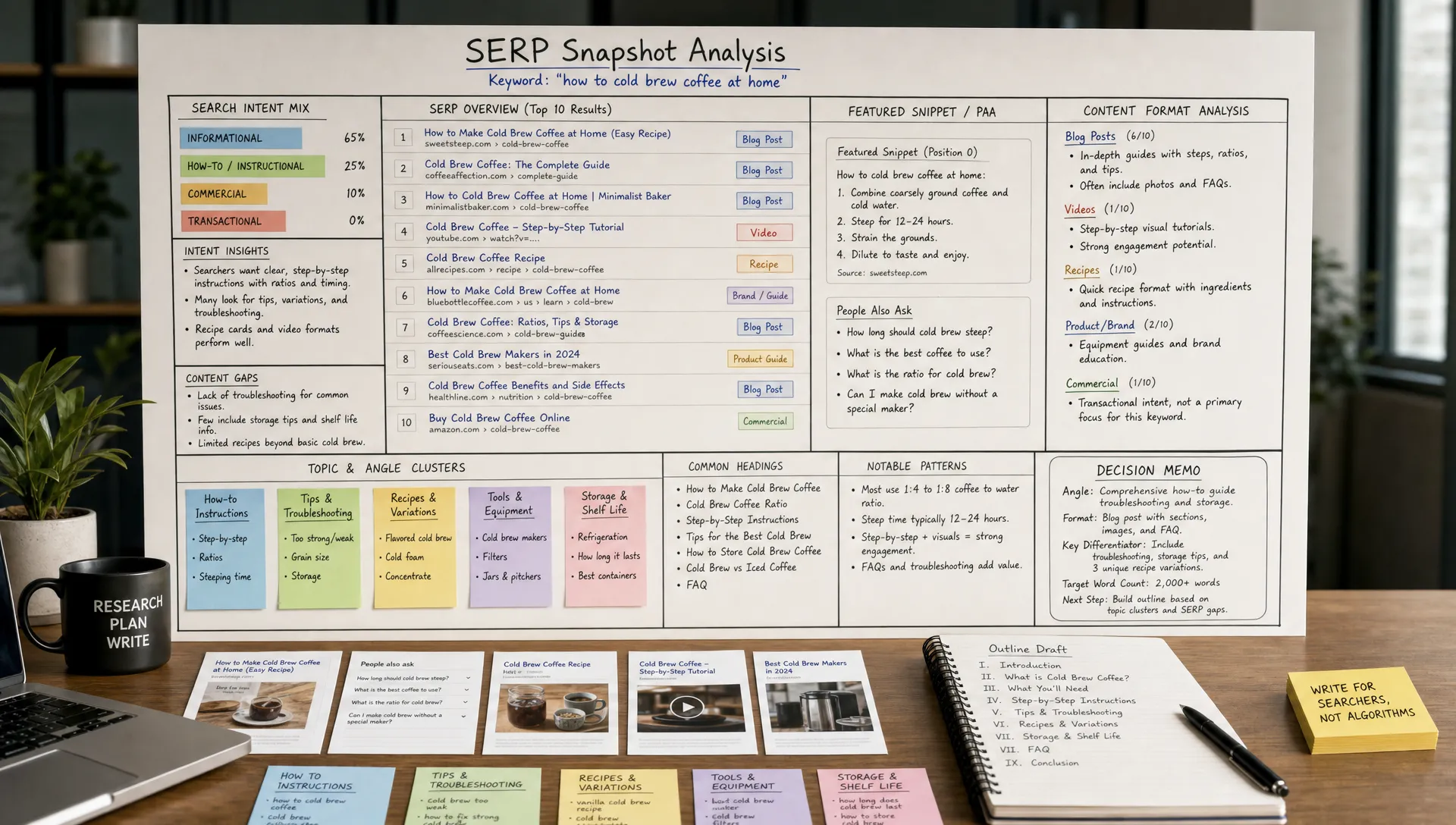
This is why market expansion should not begin with content production. It should begin with research and prioritization. If you are still deciding which region deserves its own localized content hub, AI can help you compare demand signals, customer questions and SERP weaknesses. AIMarketer Hub has a practical guide on using AI to find content gaps your competitors miss, which is especially useful before investing in a new locale.
A language is not a market. Spanish content for Spain, Mexico, Colombia and the United States can require different vocabulary, examples, offers, compliance notes and search behavior. English content for the United States, United Kingdom, Canada, Australia and Singapore can also vary more than teams expect.
Before localizing content, define the market you are actually trying to serve. This decision should combine demand, feasibility and risk.
Strong market candidates usually share several traits: there is measurable search or social demand, the company can sell and support customers there, the compliance burden is understood and the buyer problem is close enough to your existing positioning that localization is realistic.
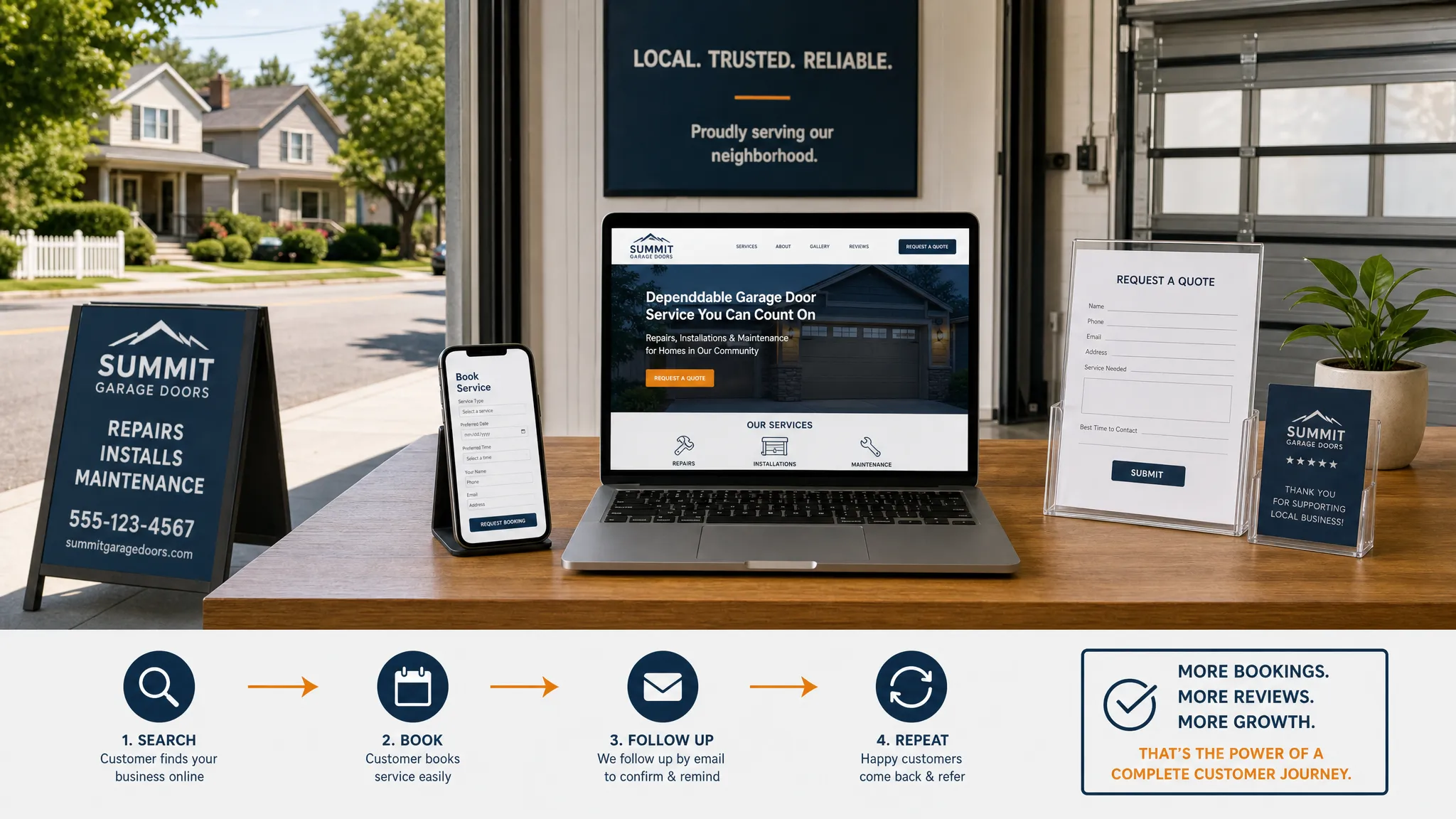
Local relevance becomes even more important for service businesses. A SaaS brand expanding into Canada may need pricing pages and comparison content by province. A real estate services company may need content shaped around city-level demand, landlord expectations and local regulations. For example, a provider offering property management services in Jacksonville and St. Augustine benefits from messaging that reflects the realities of those Florida rental markets rather than a generic property management page adapted with surface-level wording.
The same principle applies across sectors. A fintech company localizing a savings calculator, a legal software company localizing contract content and a B2B SaaS company localizing a product demo page all need market-specific context before AI touches the copy.
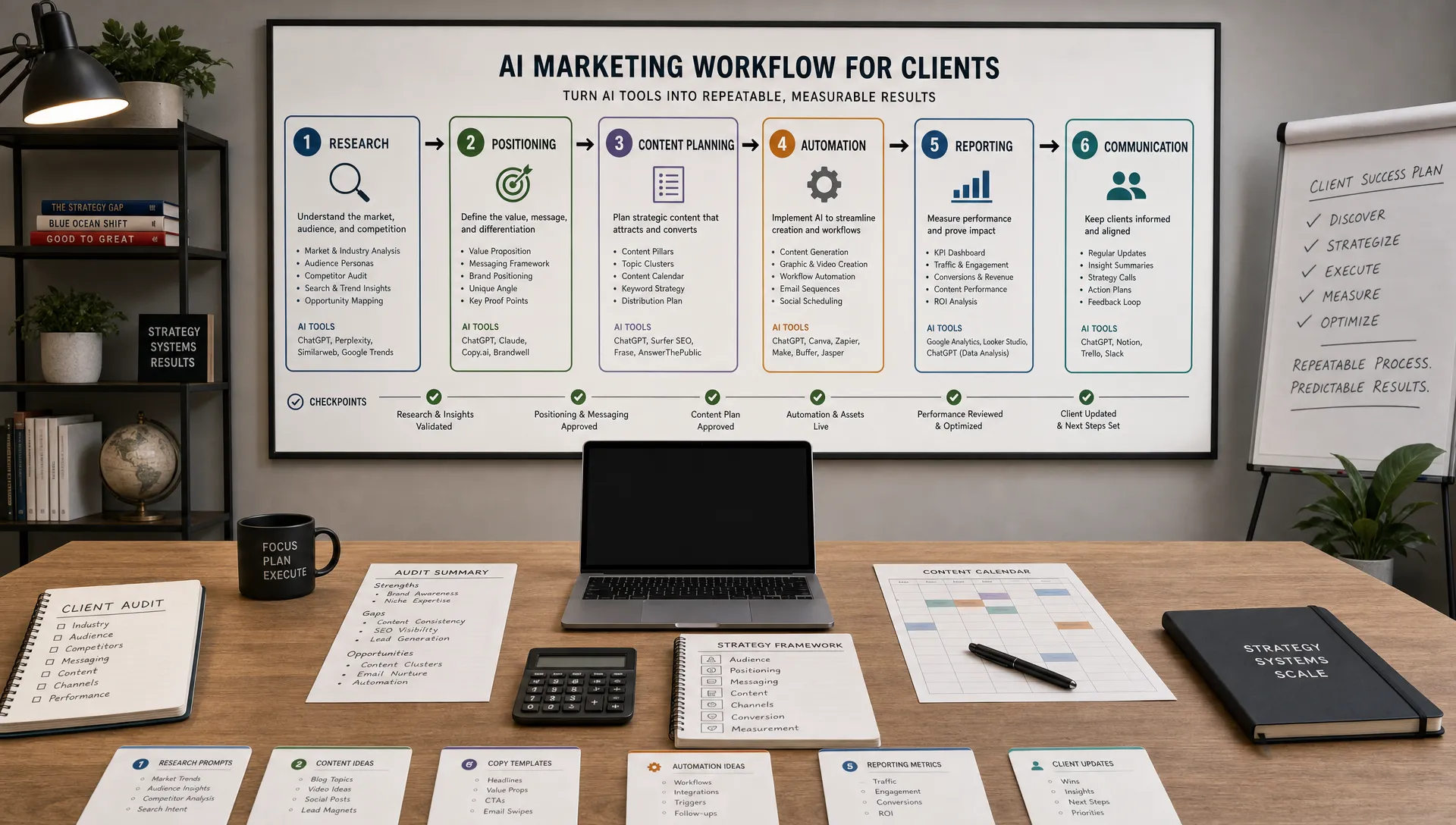
A dependable workflow protects quality without slowing the team to a crawl. The goal is to standardize the parts AI can do well while creating review gates for the parts that carry brand, legal or cultural risk.
The best localized content starts with clean source content. If the original page is vague, outdated or full of internal jargon, AI will reproduce those weaknesses in every language.
Before localizing a page, tighten the original. Confirm the offer, audience, claims, product details, examples, data points, testimonials and calls to action. Remove unnecessary idioms, unsupported superlatives and region-specific assumptions unless they are meant to be adapted later.
Source content should also separate facts from persuasion. Product capabilities, prices, warranties, service areas and legal claims should be treated as locked information. Headlines, examples, introductions and benefit framing can be adapted more freely.
A locale brief gives the AI model and human reviewers the same operating instructions. Without it, every localized asset becomes a one-off judgment call.
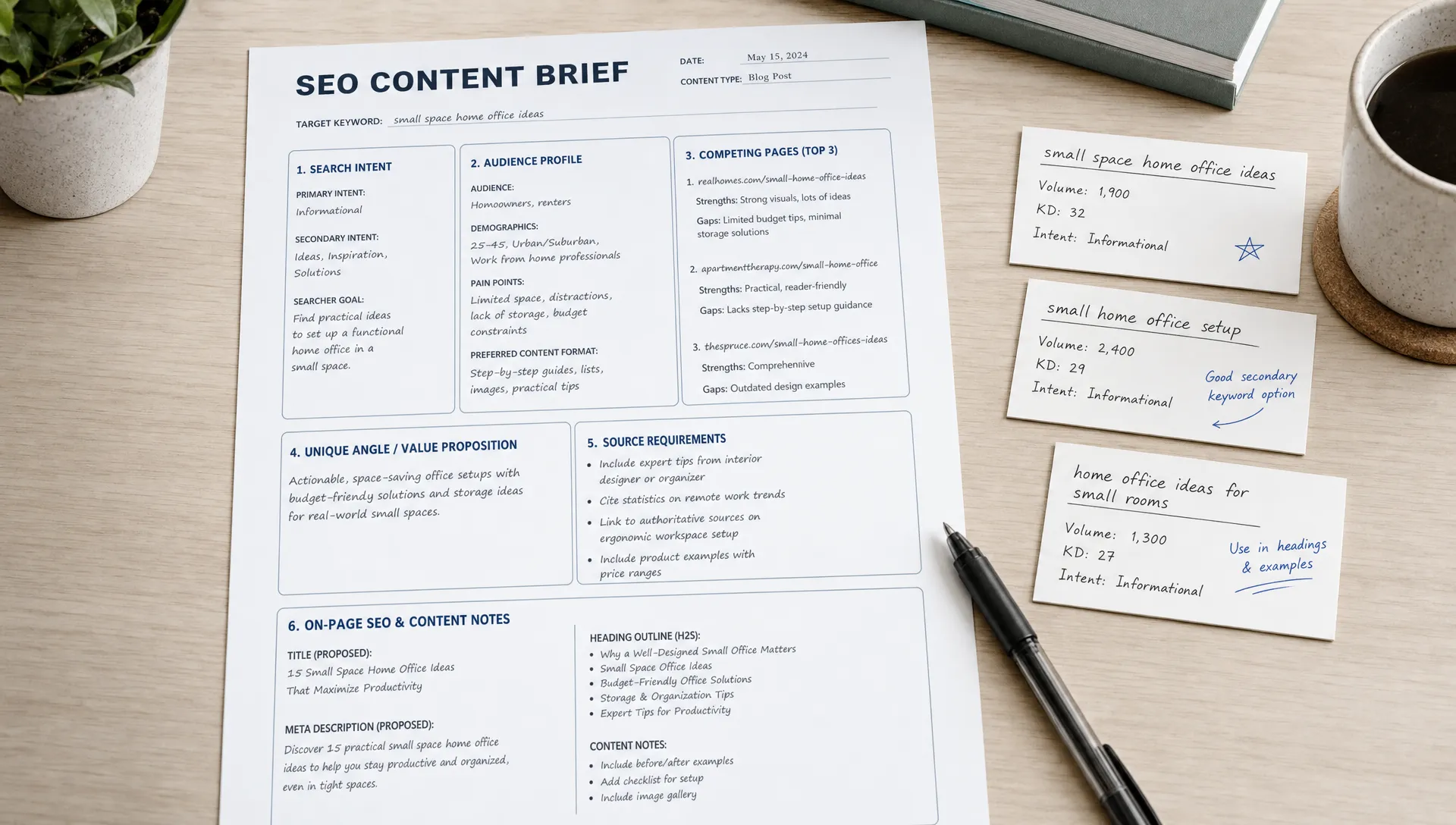
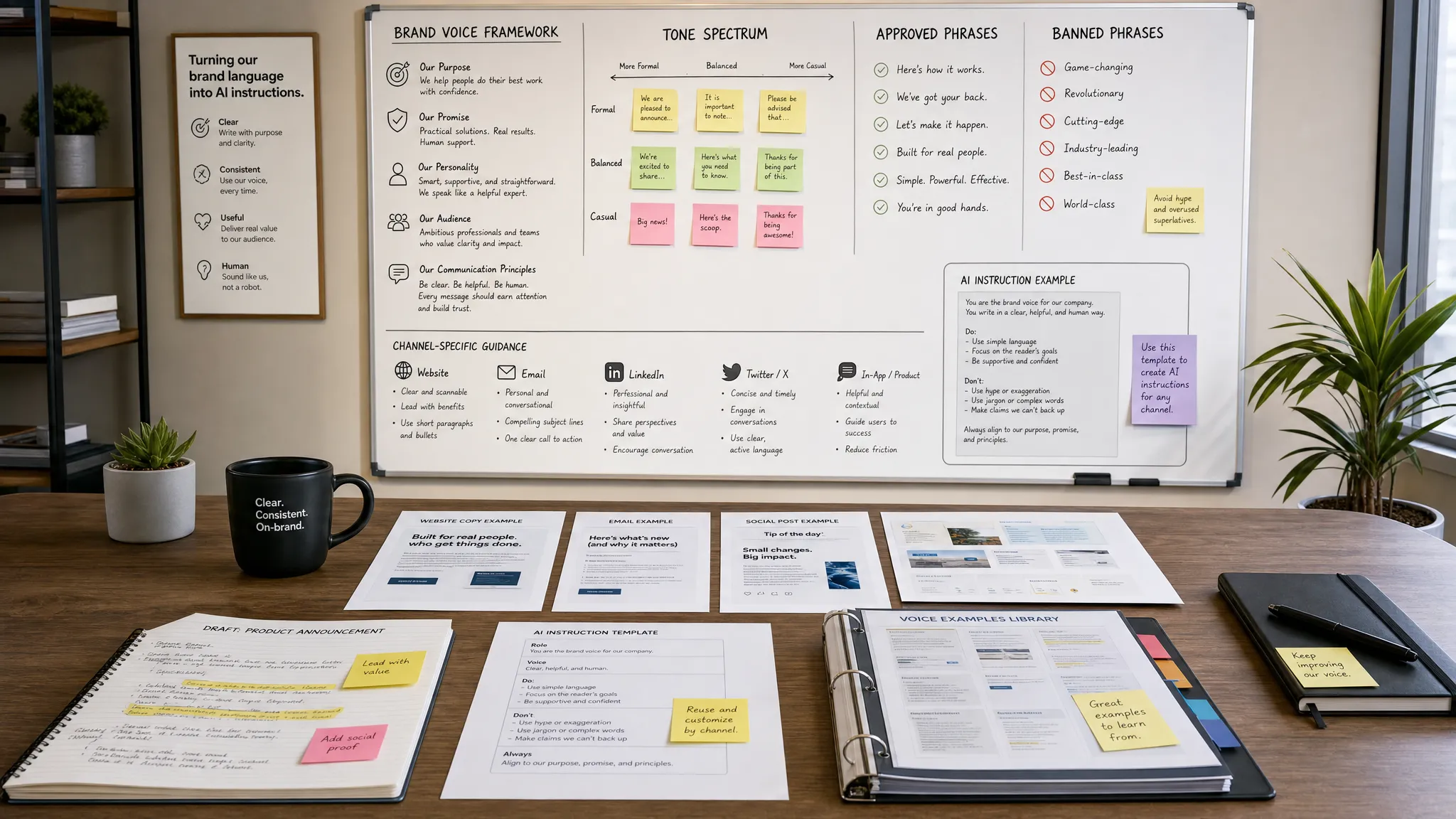
A useful brief should define the target audience, country or region, language variant, preferred tone, local terminology, taboo phrases, competitor context, compliance notes and required calls to action. It should also identify what must not change, such as regulated claims, product specifications or brand promises.
For regulated sectors like finance, legal services or healthcare, the brief should include escalation rules. If the AI draft changes the meaning of a claim, introduces a guarantee or rephrases a disclaimer, the content should automatically move to a higher review level.
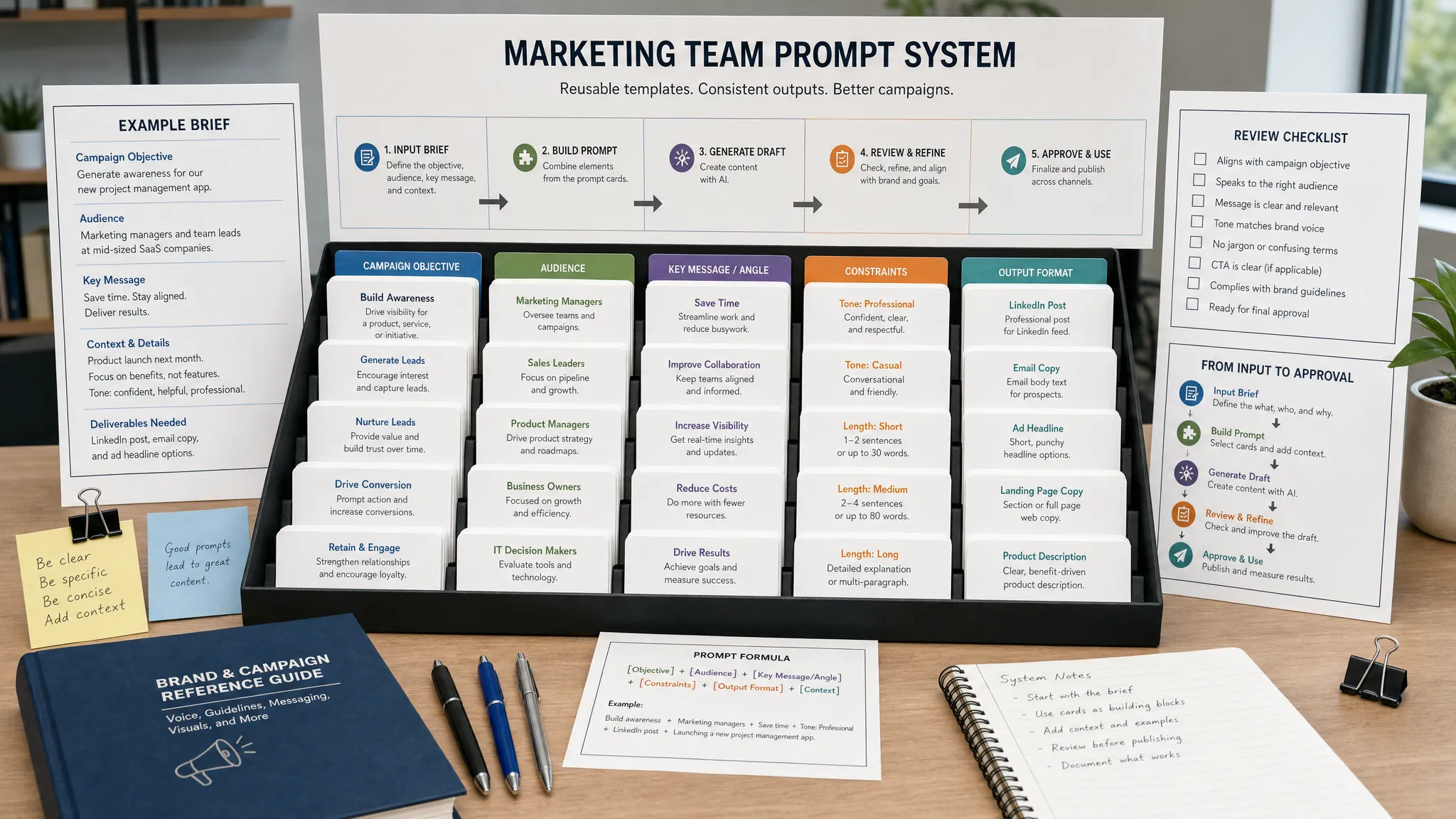
AI is most valuable when it works from clear constraints. Instead of asking for a direct translation, ask for a localized draft based on a specific market brief. Then ask the model to explain major adaptation choices, flag uncertain terms and compare the result against the original for meaning drift.
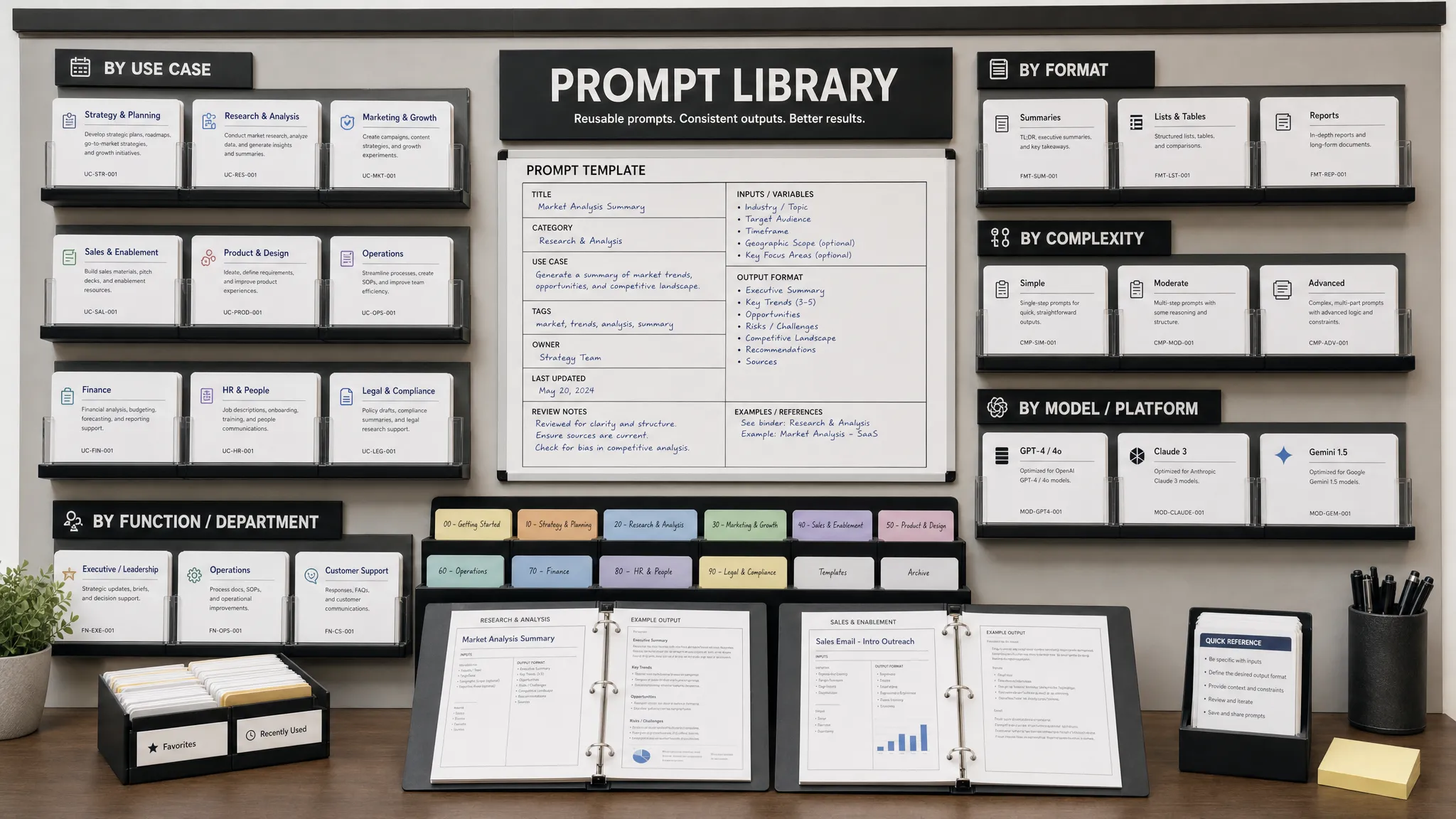
A strong prompt does not need to be long, but it should be specific. It can include the source content, audience, locale, tone, terms to preserve, terms to avoid, compliance constraints and output format. For longer campaigns, use a prompt library so different team members do not invent new instructions every time.
AI can also support consistency checks after the first draft. It can scan pages for inconsistent terminology, untranslated fragments, currency formatting, tone changes and missing metadata. These checks do not replace human review, but they reduce the number of avoidable errors that reach reviewers.
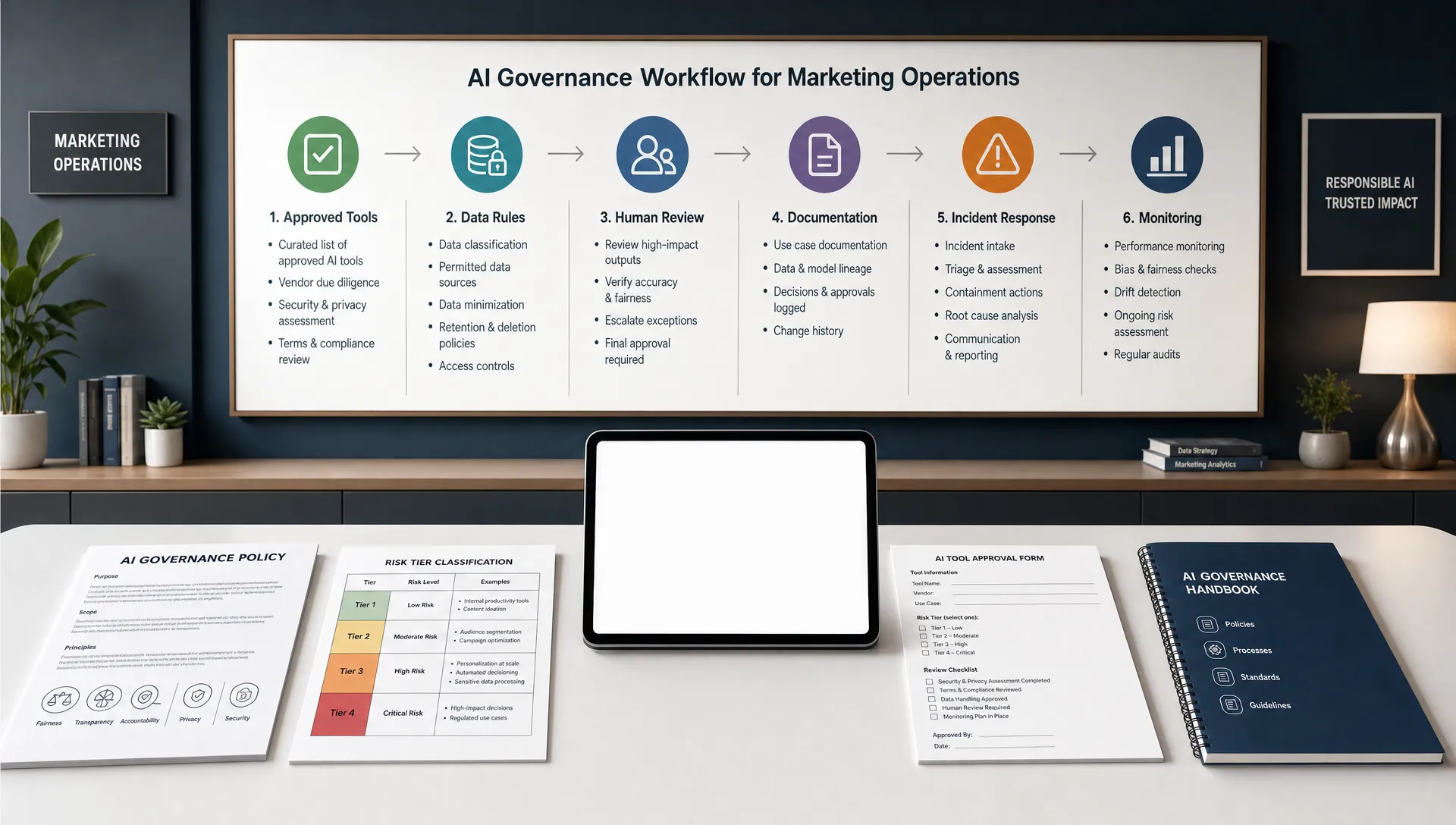
Not every asset needs the same level of review. A low-risk blog introduction may only need editorial review. A paid ad for a regulated product may need native-language review, brand review and legal approval.
The safest teams use a risk-based review model. This keeps the process efficient while giving sensitive content the scrutiny it deserves.
| Content type | Typical risk level | Recommended review |
|---|---|---|
| Educational blog post | Low to medium | Native editor and SEO review |
| Product page | Medium | Native editor, product owner and SEO review |
| Pricing page | Medium to high | Native editor, revenue owner and legal or compliance review |
| Paid ad | Medium to high | Native editor, brand review and platform policy check |
| Regulated claim or disclaimer | High | Legal, compliance and native-language review |
The reviewer should not only fix grammar. They should evaluate whether the page would persuade a real buyer in that market and whether it accurately represents the company.

Localized content can fail even when the copy is excellent. Search engines need clear technical signals to understand which version of a page belongs to which audience.
Google Search Central provides guidance on localized versions and hreflang annotations. Hreflang is not a ranking shortcut, but it helps Google serve the right language or regional URL when multiple versions exist.
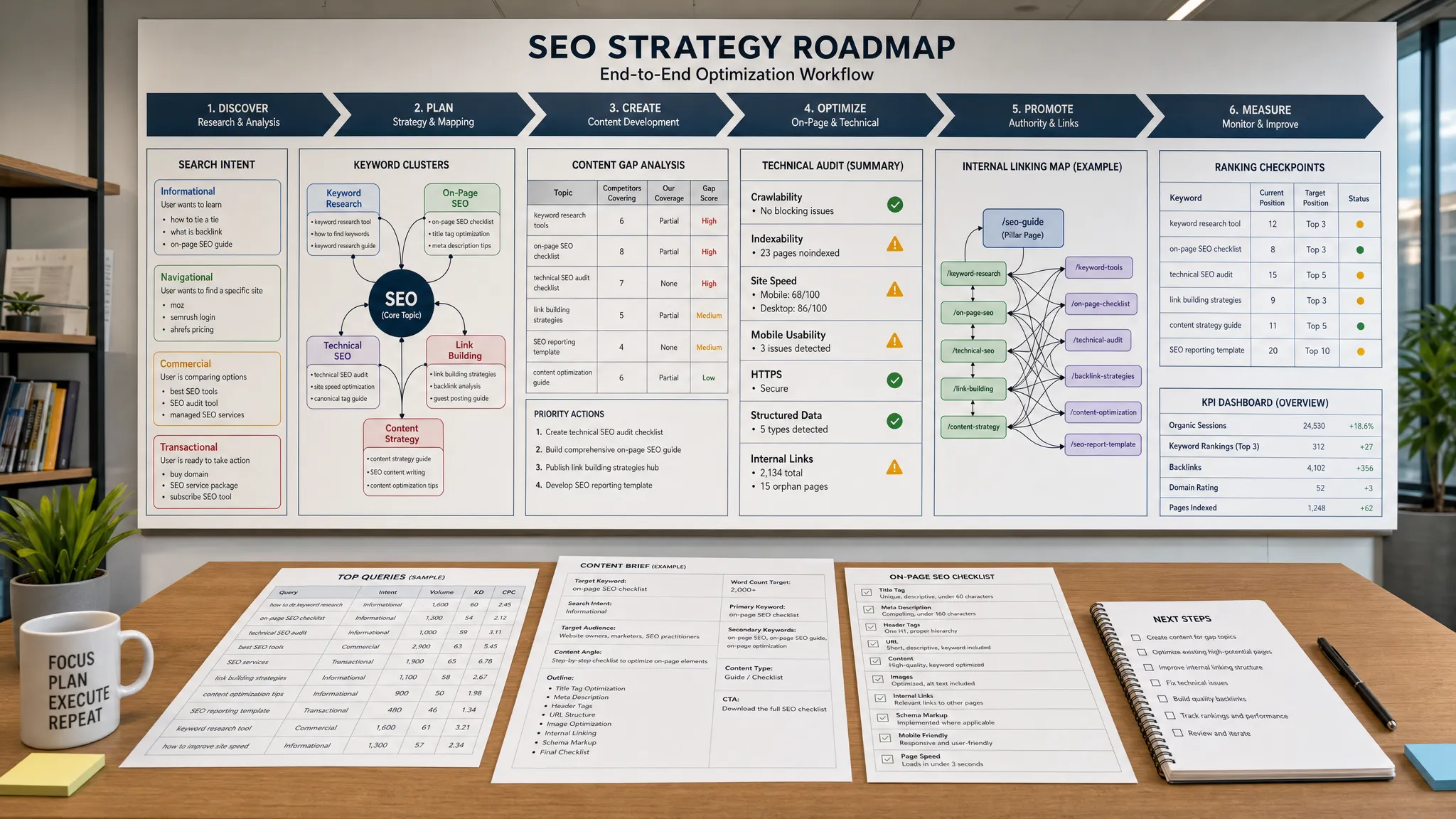
Marketing teams should align on international SEO choices before publishing. That includes URL structure, canonicals, hreflang, metadata, internal links, local keyword targeting and whether content should be translated, localized or newly created.
A few rules keep teams out of trouble:
Internal linking deserves special care because localization can multiply your site structure quickly. If you are building regional content hubs, use AI to map related pages, suggest natural anchors and identify orphaned localized content. AIMarketer Hub explains this process in more depth in its guide on using AI to improve internal linking.
Quality control should be part of the localization workflow, not a final scramble before launch. The more markets you add, the more expensive it becomes to fix inconsistent decisions later.
Your AI content localization checklist should cover meaning, culture, SEO, compliance, user experience and analytics. It should also define who owns each step. If everyone is responsible, small errors tend to pass through.
A practical pre-publication review can include:
For a more detailed review process, use AIMarketer Hub's AI content quality control checklist for marketing teams as a companion resource. The same principles apply to localized copy, with extra attention to cultural nuance and market-specific claims.
Localization success is not just traffic from a new country. A localized campaign can attract visitors and still fail if the visitors do not convert, misunderstand the offer or create support issues.
Measure performance across the full customer journey. Organic impressions and rankings show whether your international SEO is gaining visibility. Engagement metrics show whether visitors find the content relevant. Conversion rates show whether the localized message is persuasive. Sales feedback, support tickets and refund patterns show whether the promise matches the customer experience.
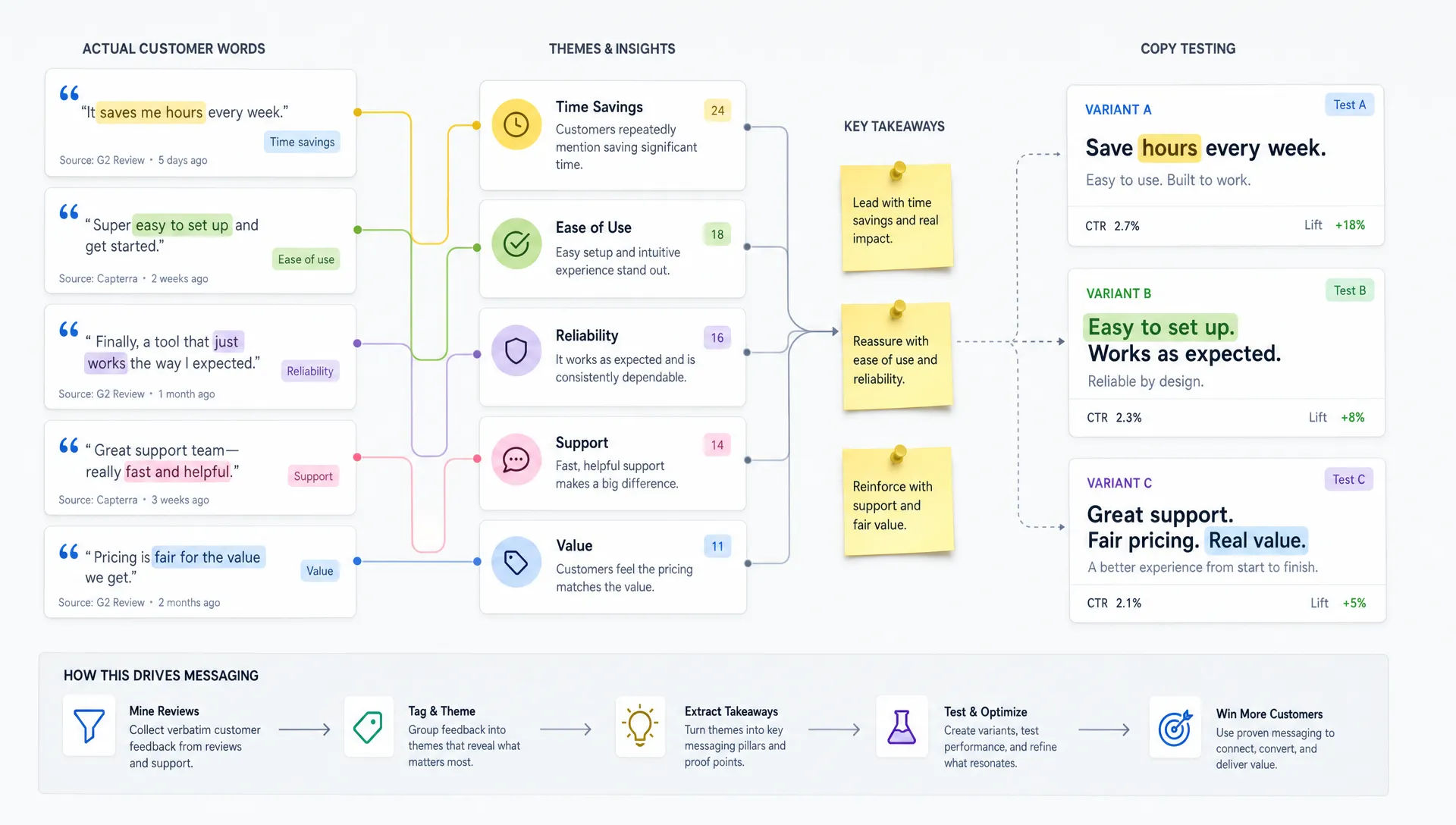
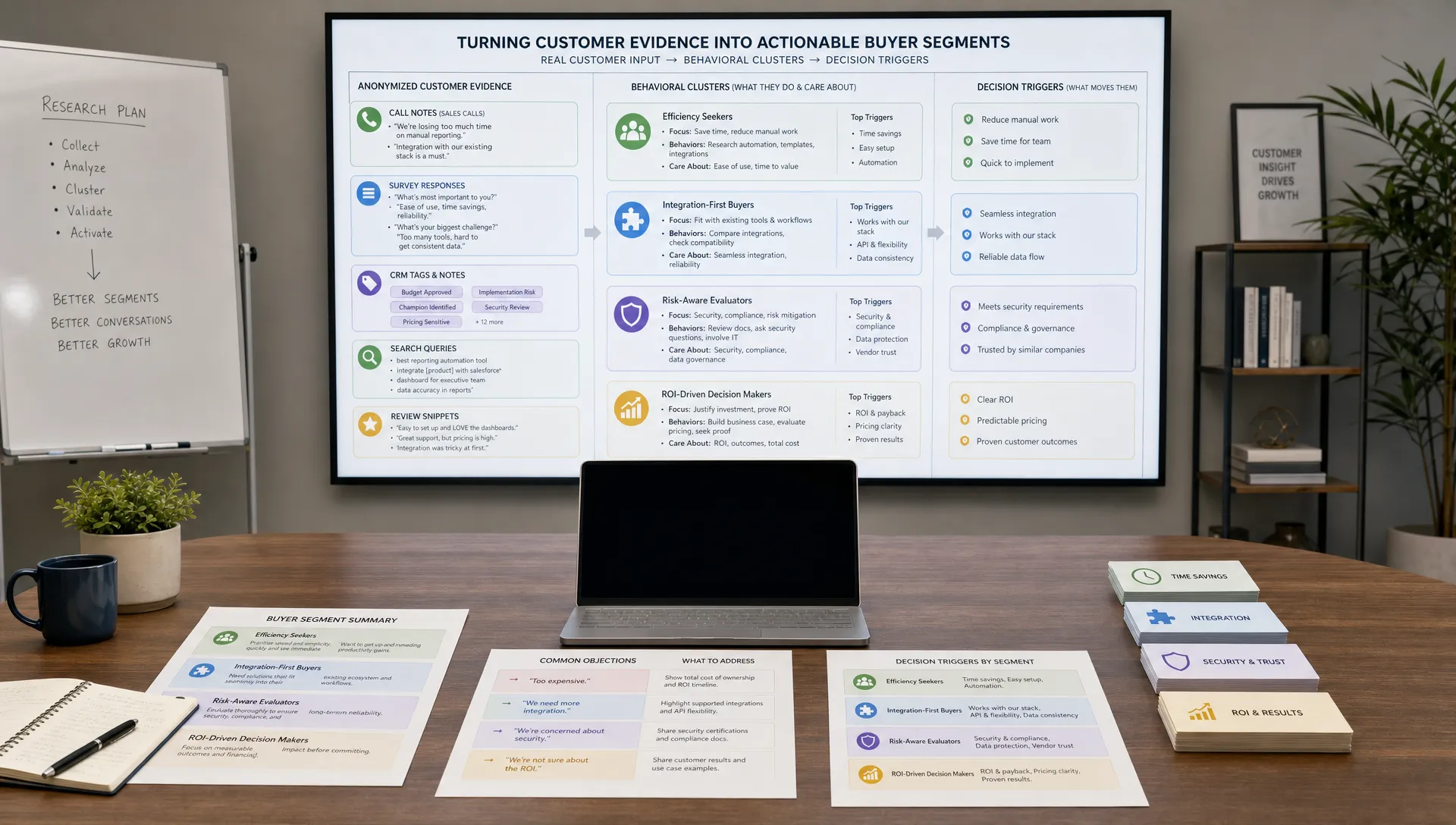
AI-powered analytics can help cluster qualitative feedback from chat logs, sales notes, reviews and support conversations. This is useful because early market signals are often messy. A few recurring objections in a new region can reveal that your pricing explanation, onboarding flow or proof points need local adaptation.
Do not treat the first localized version as final. The best teams launch, listen and improve. They compare local pages against source pages, monitor search queries, review conversion paths and update the locale brief as they learn.
The biggest mistake is scaling before the workflow is ready. If one localized page has weak review standards, 200 localized pages will multiply the problem.
Another mistake is treating all markets as equal. A company may be able to create awareness content for a region before it is ready to run conversion campaigns there. That is a valid stage of expansion, but the content should not imply support, shipping, legal coverage or service availability that the business cannot provide.
Teams also get into trouble when they rely on bilingual employees as informal reviewers without giving them time, context or authority. Native or fluent speakers can be valuable reviewers, but localization review is real work. They need the source content, brief, decision criteria and the ability to reject content that is not market-ready.
Finally, avoid using AI to invent local proof. If you do not have a local customer story, do not fabricate one. Use truthful alternatives such as global customer data, product walkthroughs, expert guidance or transparent statements about availability.
Lean teams do not need a global localization department to get started. They need clear priorities and a repeatable system.
Start with one or two high-opportunity markets. Localize a small set of pages that connect to revenue or learning: a landing page, a high-intent blog post, a comparison page, a product page and one email sequence. Use those assets to test the workflow before expanding to a full content library.
AIMarketer Hub can support that process with AI content generation, prompt resources, SEO tools, performance analytics and marketing guides. The tools matter, but the operating model matters more. AI should help your team move faster through research, drafting and optimization while humans protect trust, accuracy and market fit.
What is AI content localization? AI content localization is the use of AI tools to adapt content for a specific language, region or market. It goes beyond translation by adjusting tone, terminology, examples, SEO elements, formatting and sometimes compliance language.
Is AI localization safe for regulated industries? It can be safe if AI is used within a controlled workflow. Regulated industries should lock approved claims, require legal or compliance review for sensitive content and document approvals before publication.
Should I translate all existing content into a new language? No. Start with content that supports demand, revenue or customer education in the target market. Some pages may need full localization, some may need transcreation and others may not be worth localizing.
How does AI help with international SEO? AI can assist with local keyword research, metadata drafts, content clustering, internal link suggestions and QA checks. Technical implementation, hreflang validation and final strategy should still be reviewed by experienced SEO professionals.
What is the most important step before using AI for localization? Create a locale brief. It gives the AI model and reviewers shared guidance on audience, language variant, tone, terminology, claims, compliance constraints and what must not change.
AI content localization can help your business reach new markets faster, but speed only creates value when the content is accurate, relevant and operationally honest. Treat localization as a marketing system, not a translation task.
If your team is building that system, AIMarketer Hub offers practical AI marketing resources, content workflows, SEO tools and guides to help you plan, create and optimize with more confidence.