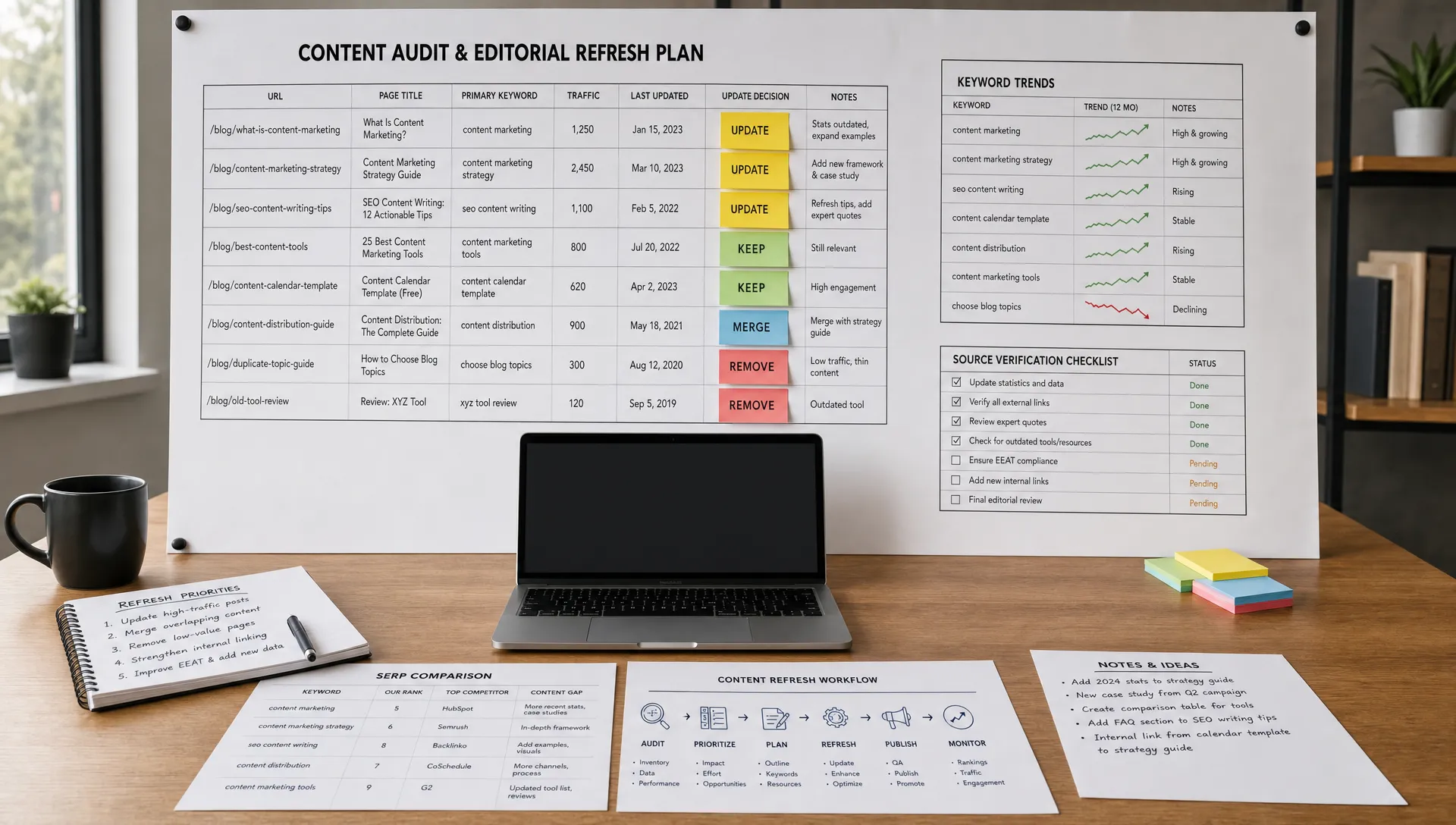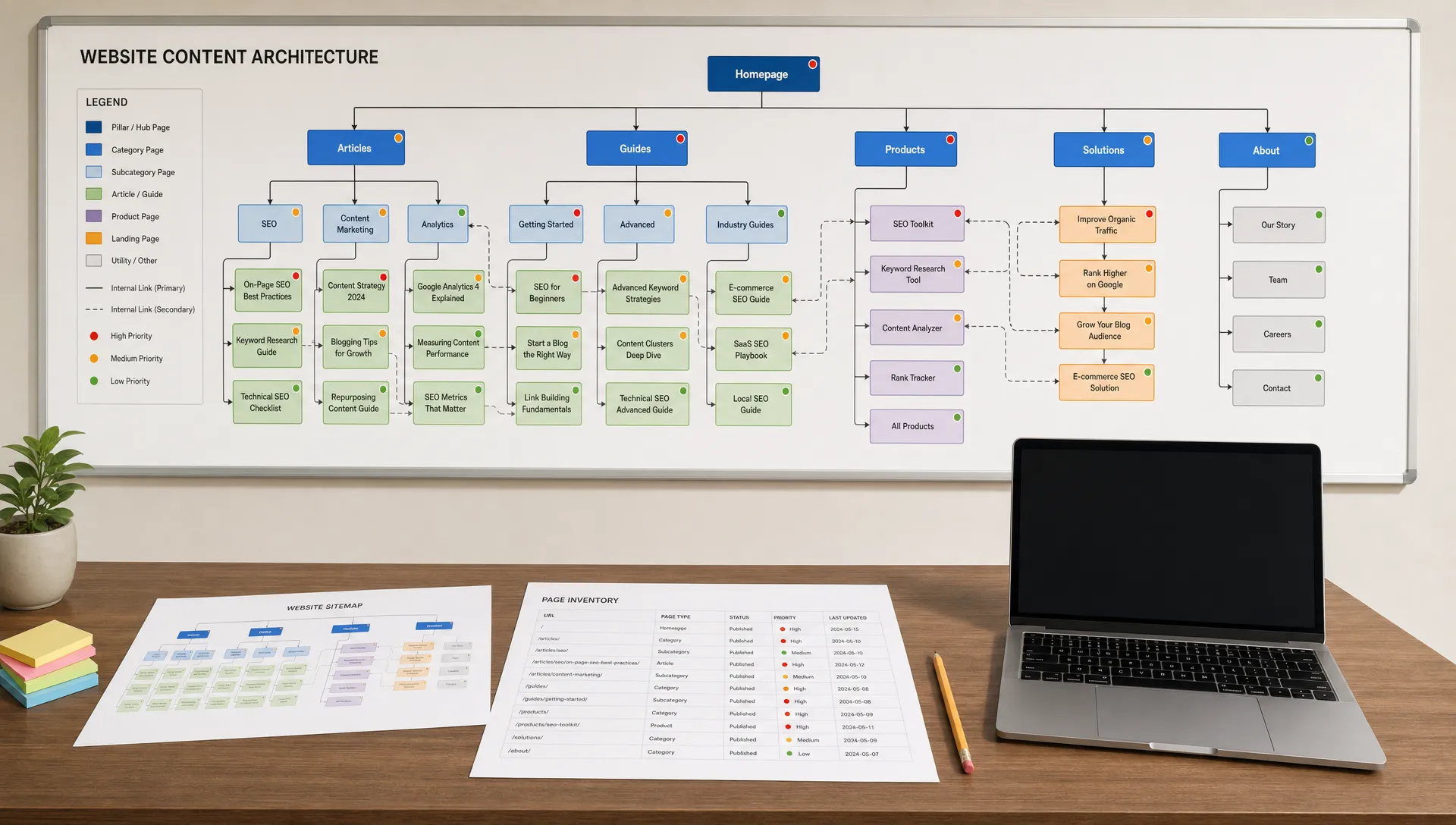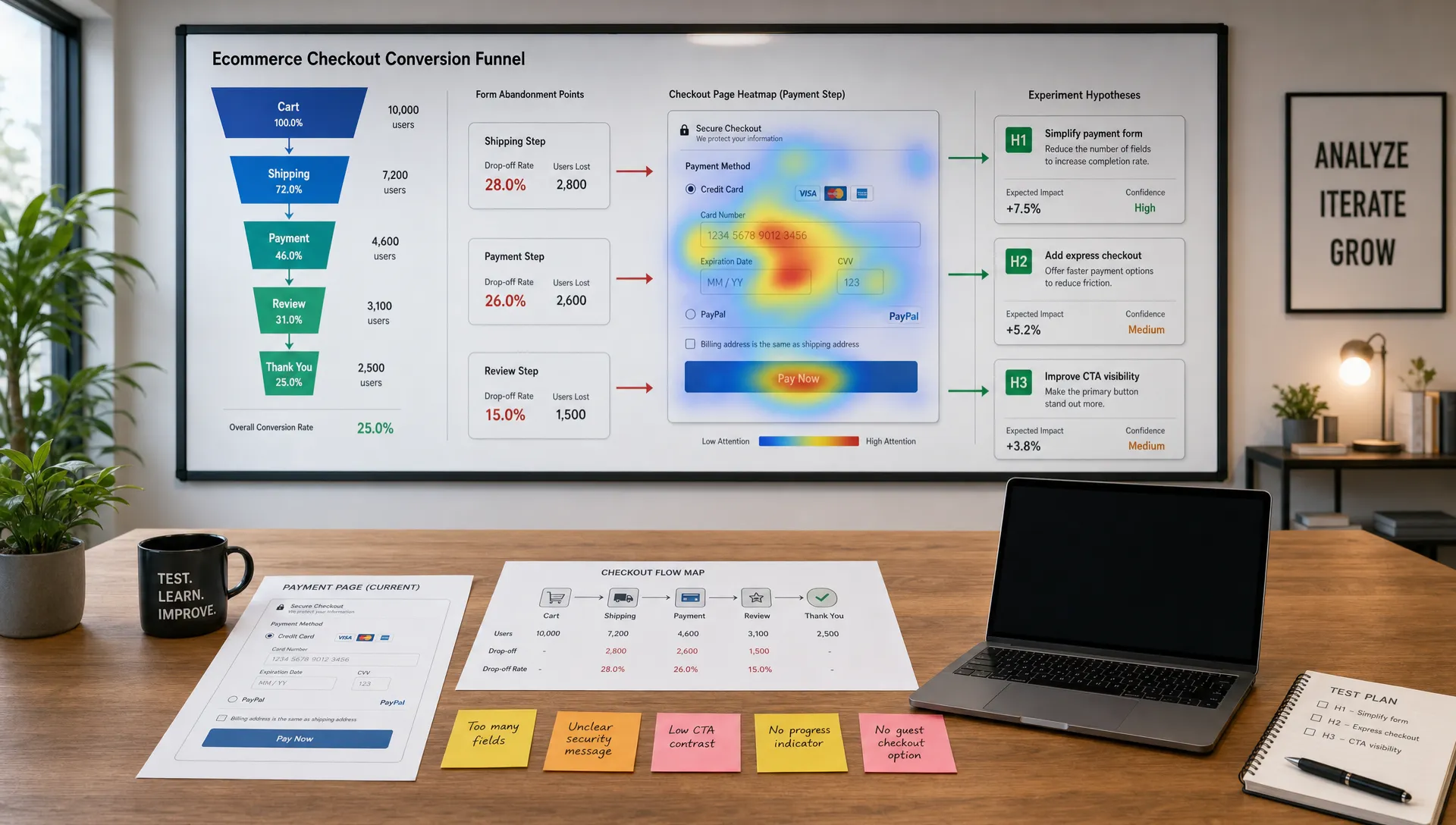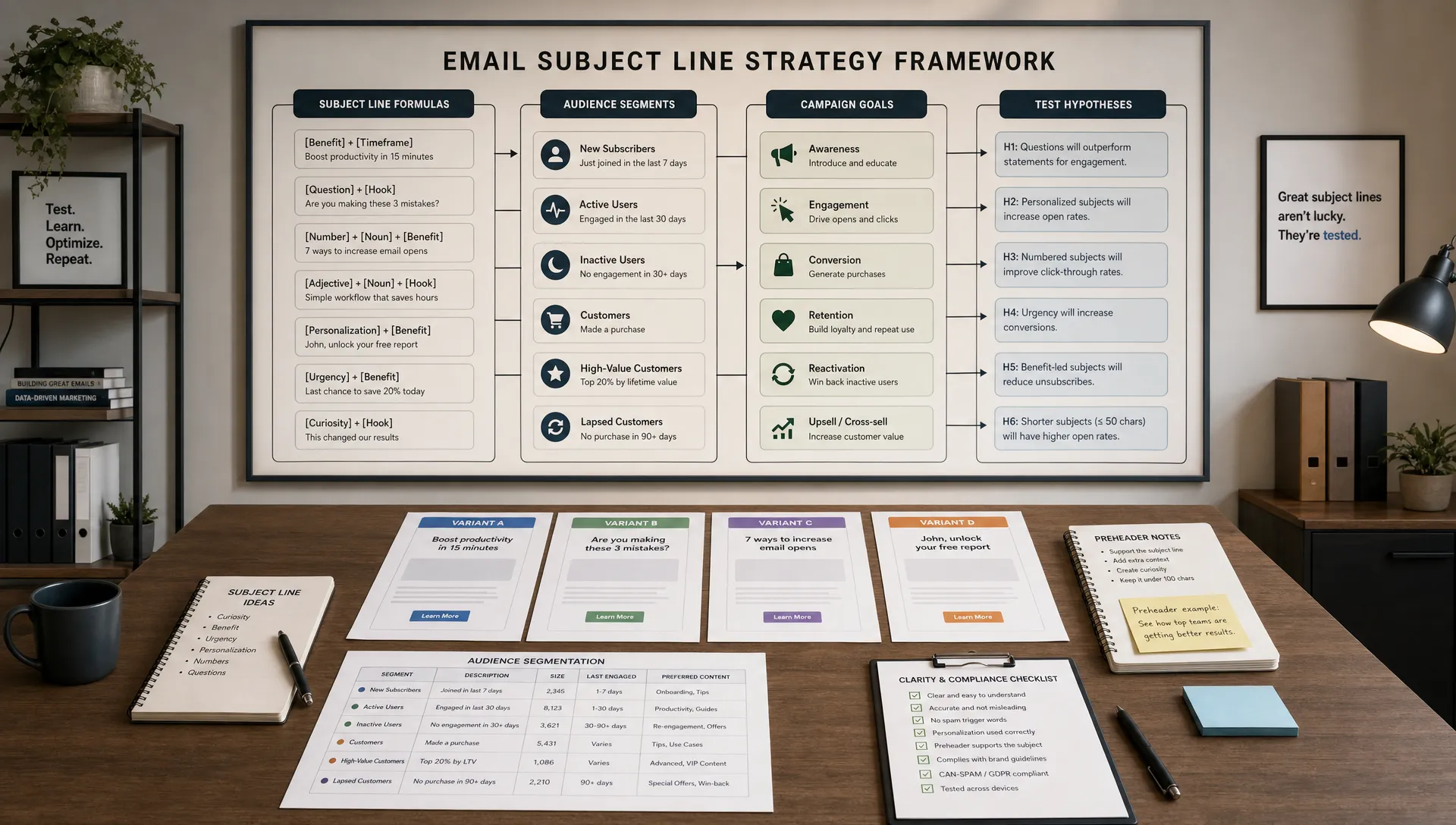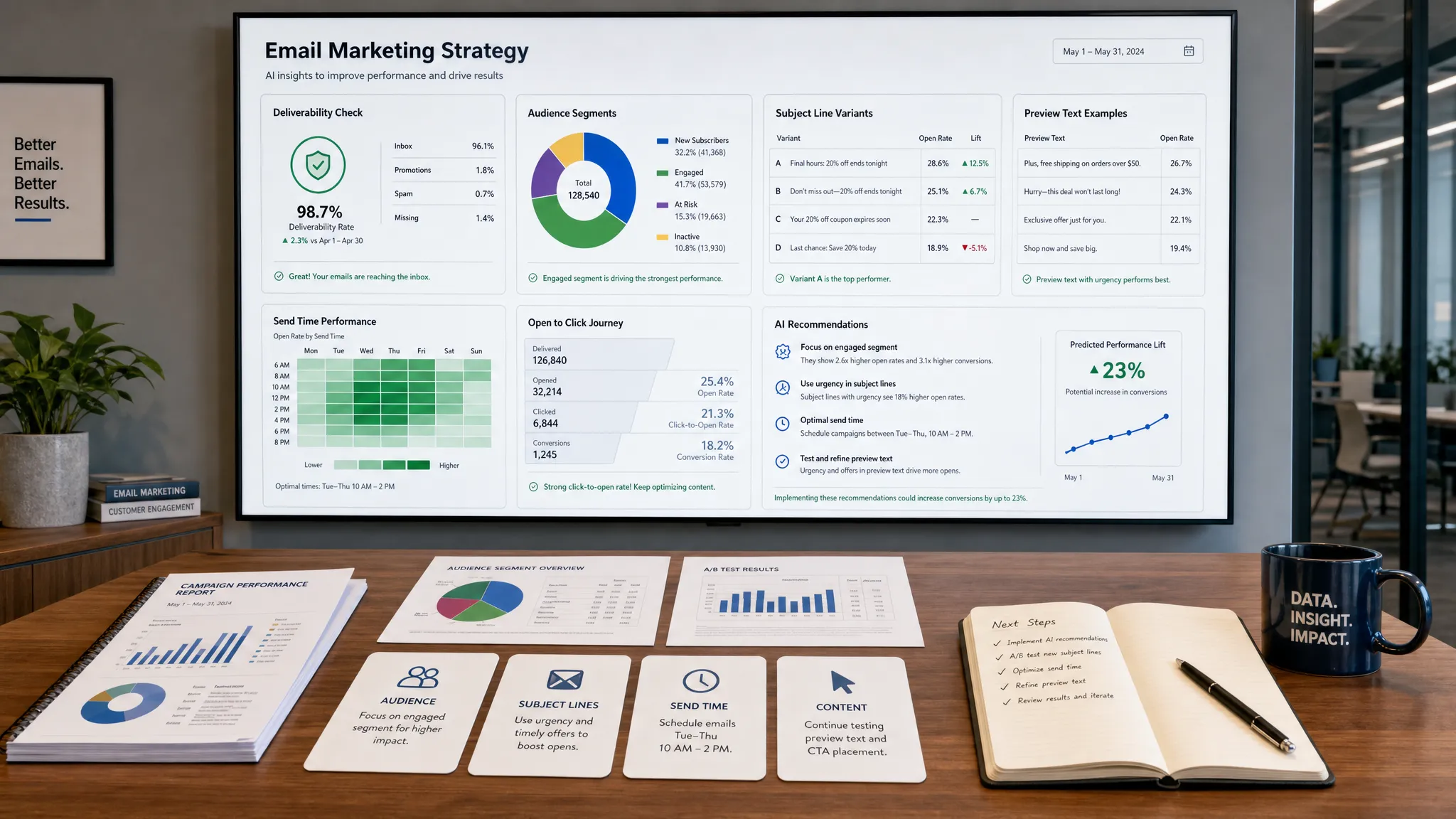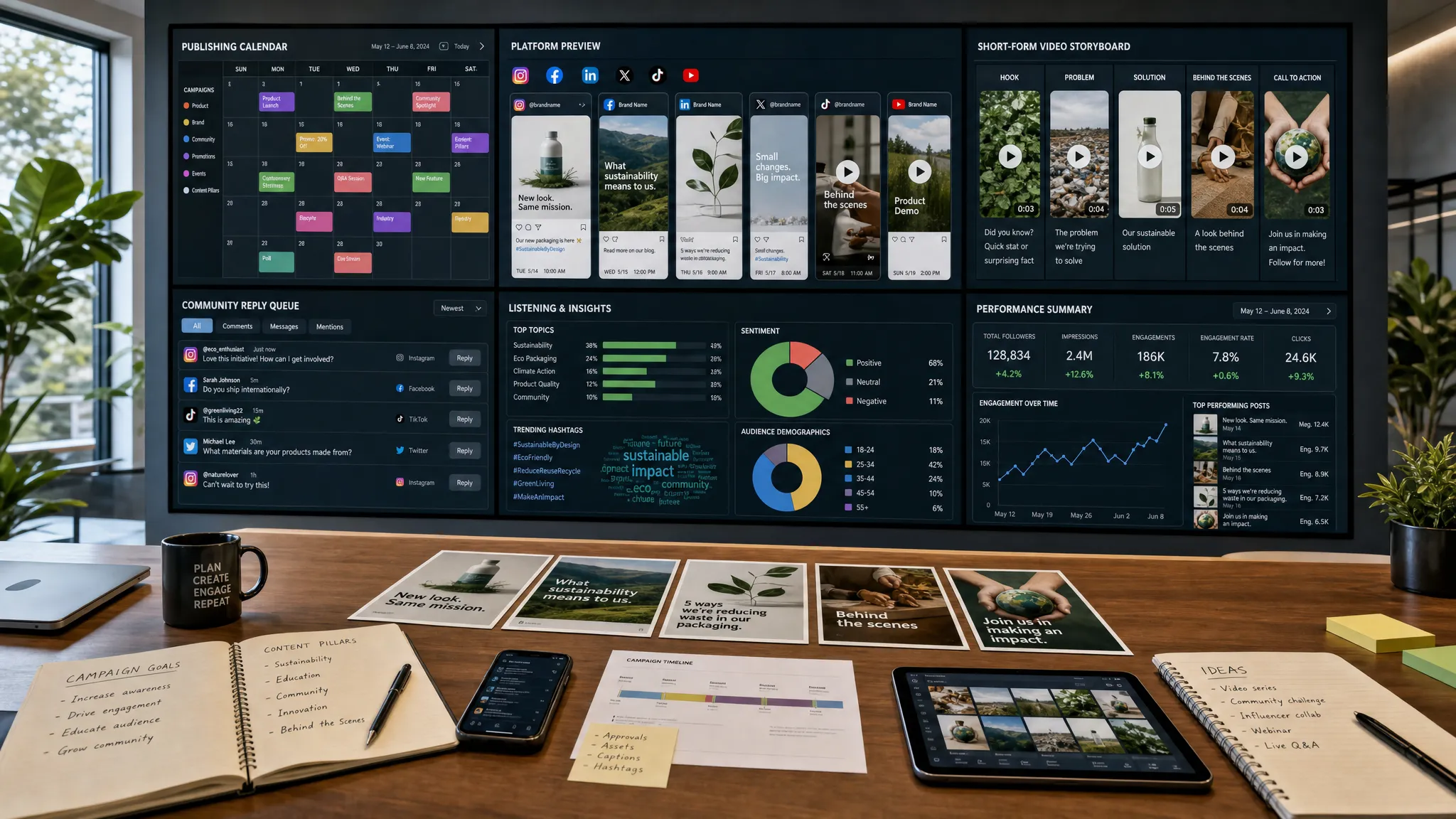
Engagement is harder to earn when every inbox, feed, and search result is crowded with AI-assisted content. The brands that win this year will not simply publish more. They will create campaigns that invite people to participate, respond, share, vote, contribute, and come back.
The best campaign ideas are not gimmicks. They connect a clear audience need with a simple action and a measurable business outcome. That outcome might be more comments, demo requests, user-generated content, email replies, repeat purchases, webinar attendance, or community participation.
Below are 15 campaign ideas you can adapt for B2B, SaaS, ecommerce, professional services, finance, legal, and local businesses. Each one includes practical guidance so you can move from inspiration to execution quickly.
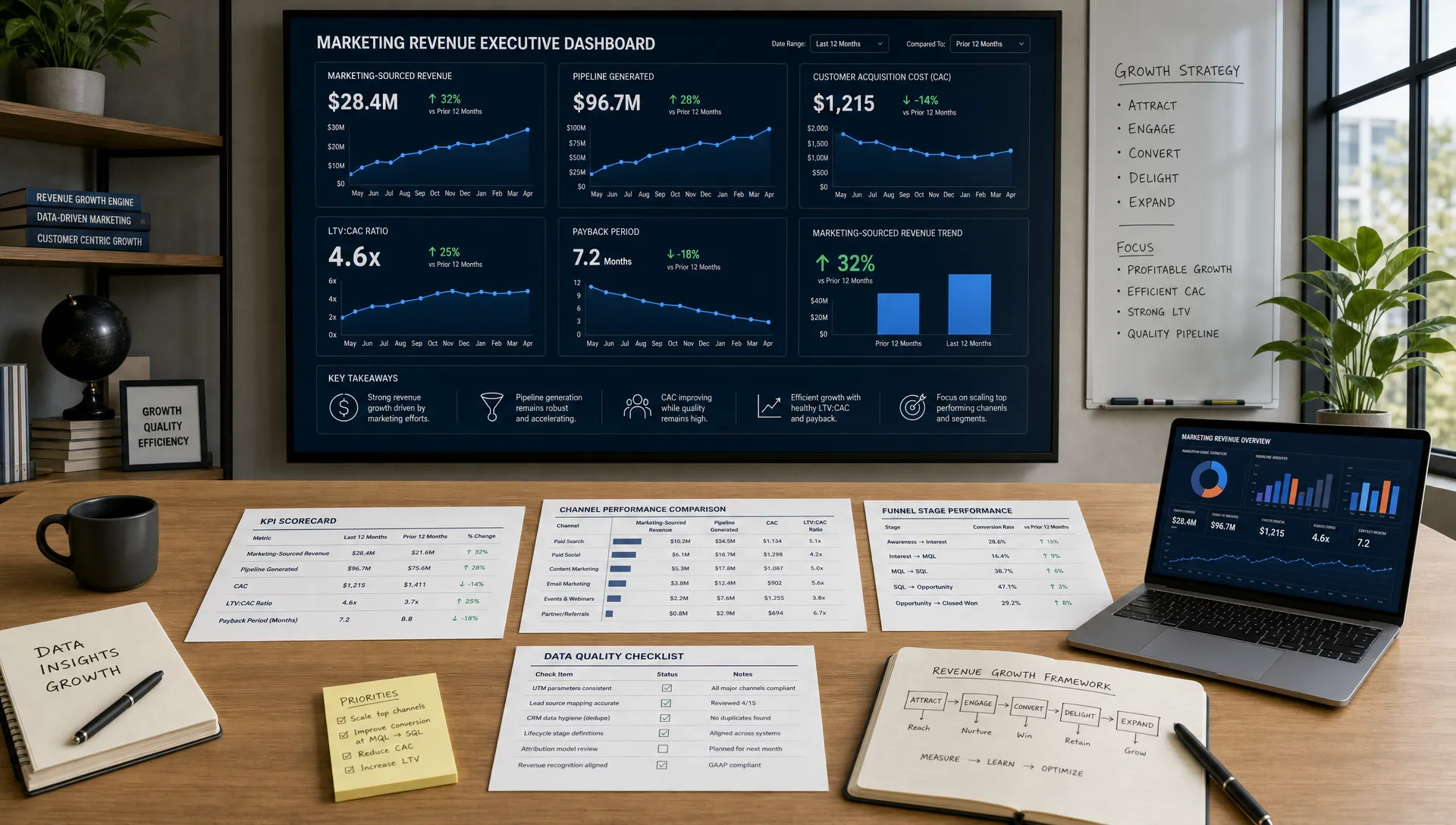
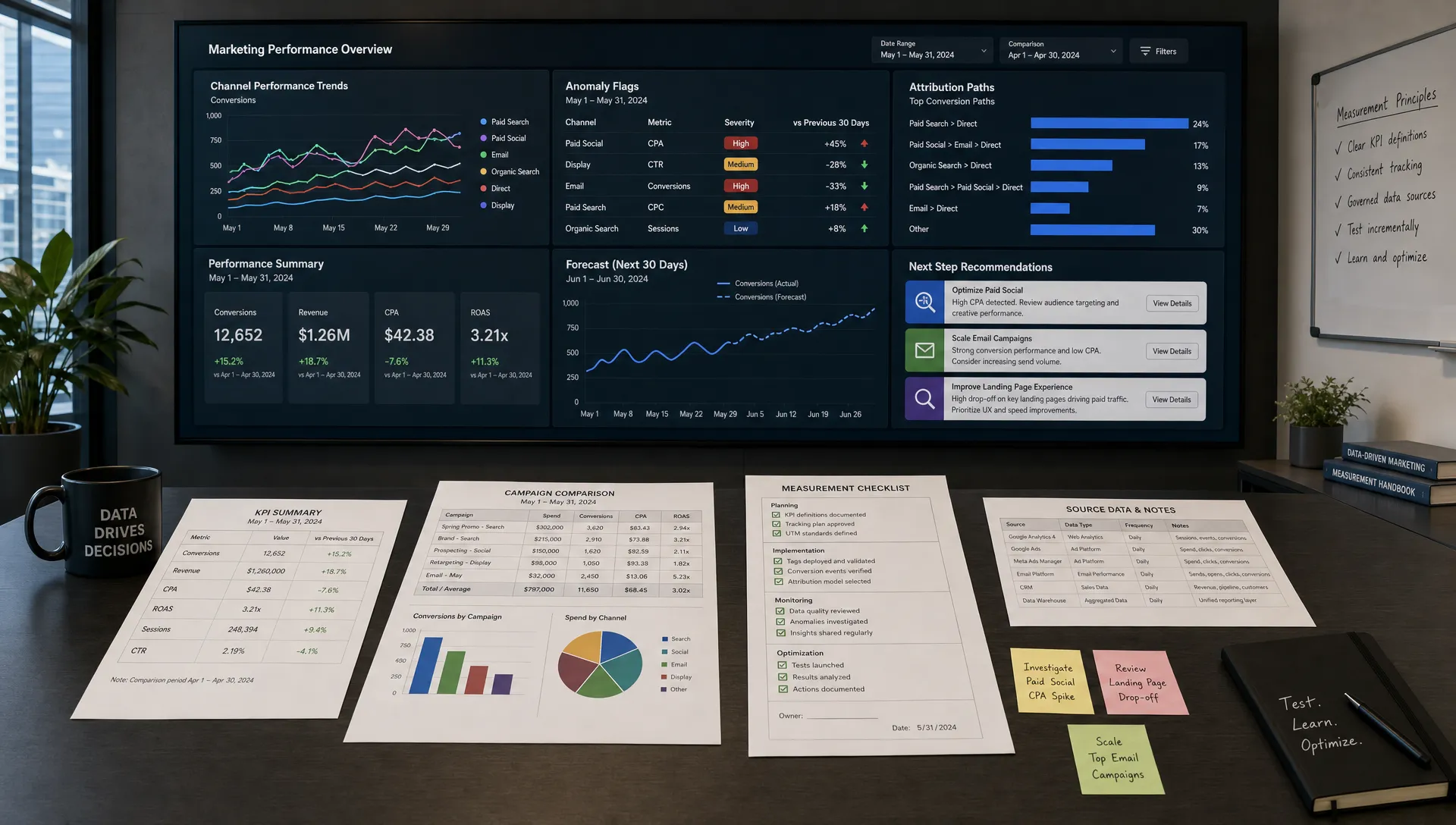
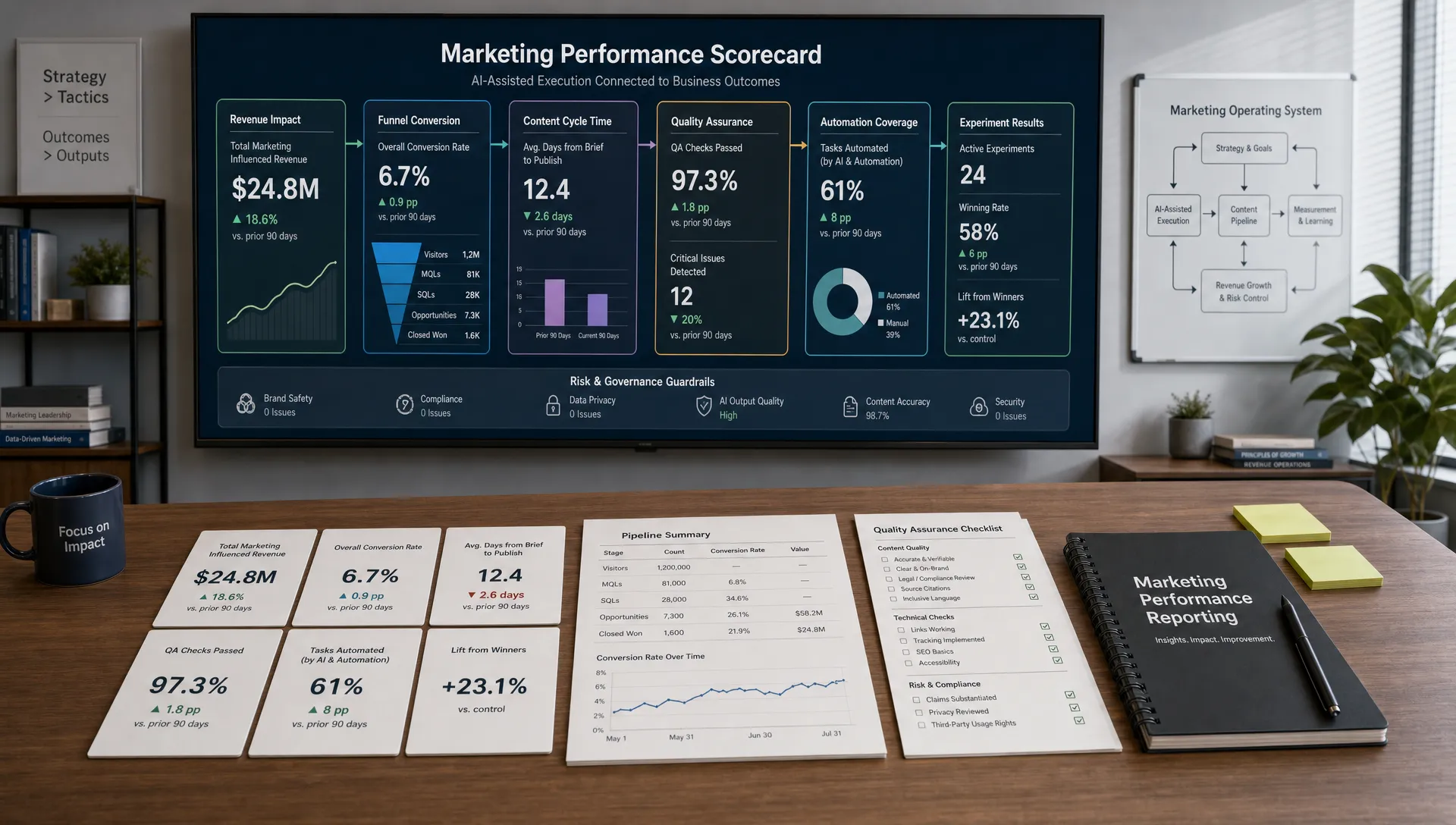
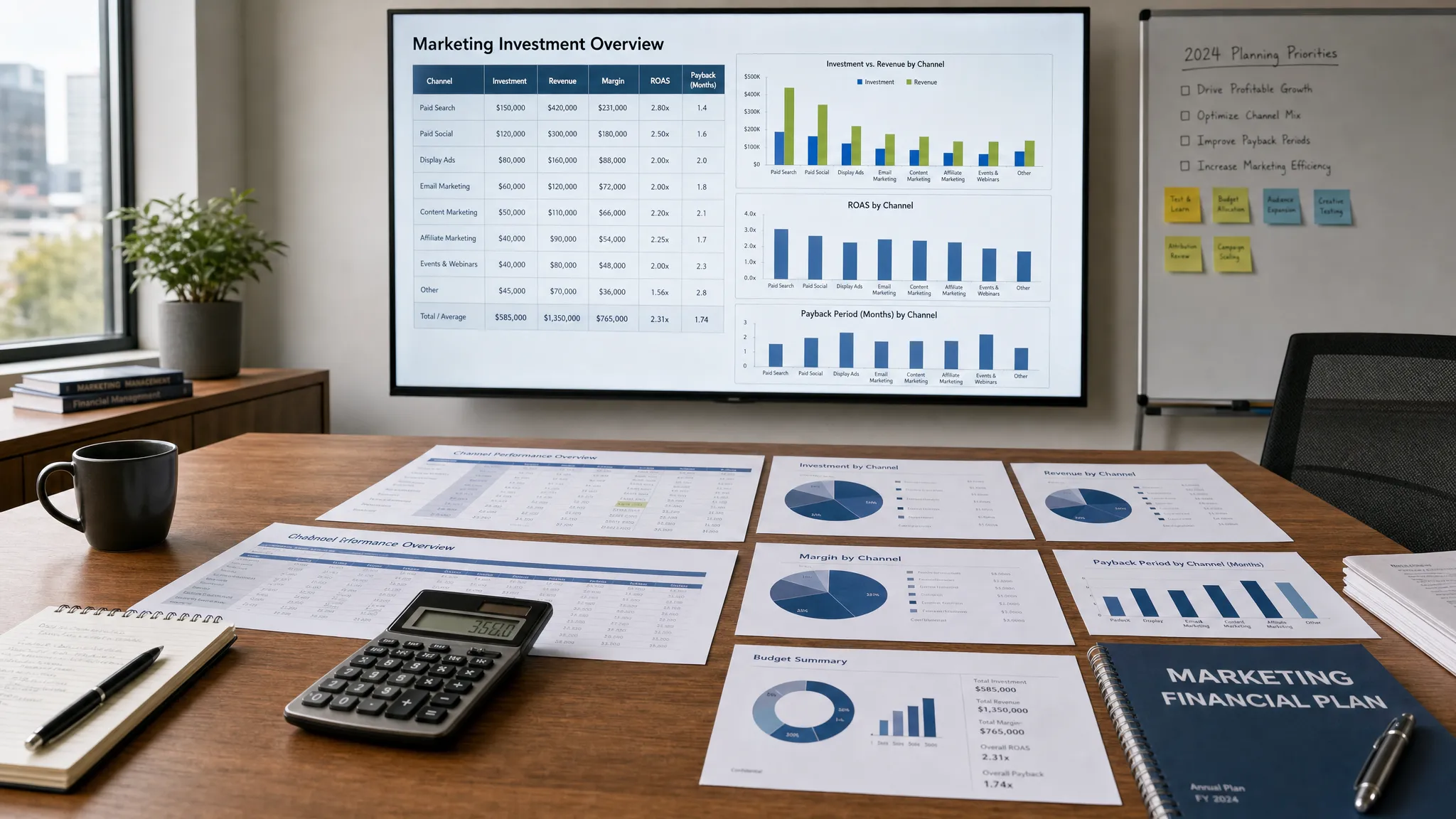
A campaign can look successful on the surface while doing very little for your business. A post with thousands of impressions but no meaningful action may not be as valuable as a niche email campaign that gets 50 high-intent replies.
Before choosing a campaign, define the engagement metric that matters most. Common examples include:
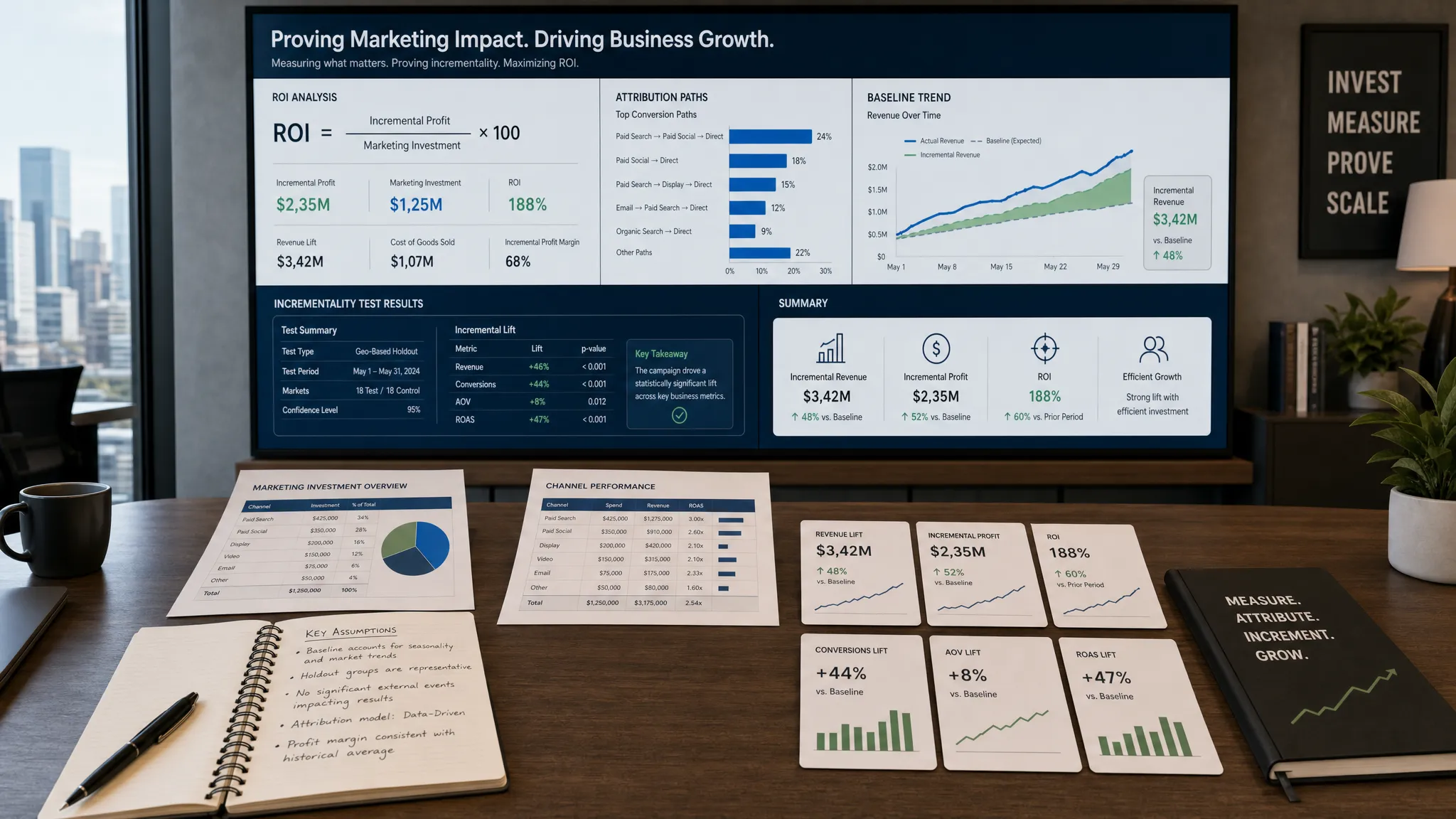
This is especially important because marketing teams are under pressure to prove impact. According to HubSpot’s State of Marketing, marketers continue to prioritize content performance, personalization, and AI-supported workflows as they look for more efficient growth.
With that in mind, let’s explore campaign ideas built for meaningful engagement, not vanity metrics.

Interactive quizzes work because they turn passive visitors into active participants. Instead of asking someone to read a long product page, you help them identify their challenge and point them toward a relevant next step.
For a SaaS company, this might be “What’s Your Marketing Automation Maturity Level?” For a finance brand, it could be “Which Budgeting Style Fits Your Business?” For a legal services firm, it might be “Is Your Contract Process Putting You at Risk?”
Keep the quiz short, ideally 5 to 8 questions. Each result should provide useful guidance, not just a sales pitch. You can then offer a downloadable checklist, consultation, product recommendation, or relevant guide based on the result.
AI can help you generate quiz questions, segment answer paths, and create personalized follow-up emails. Just make sure a subject matter expert reviews the logic so the recommendations are accurate.
Many brands try to cover too much in a single post. A more engaging approach is to pick one painful audience problem and break it into a short series.
For example, a B2B marketing agency could run a five-day campaign on “Why Your Lead Magnets Aren’t Converting.” Each day focuses on one fix: headline clarity, offer relevance, landing page friction, follow-up timing, and proof.
This structure works well on LinkedIn, Instagram, TikTok, YouTube Shorts, and email. It also gives your audience a reason to come back for the next installment.
To increase engagement, end each post with a specific prompt. Instead of “What do you think?” ask “Which of these five issues is hurting your conversions right now?” Specific questions get better answers.
Customer stories are more persuasive when they come from real users, not just polished brand copy. A customer story challenge invites your audience to share how they use your product, service, or advice in the real world.
The format can be simple: ask customers to submit a short story, screenshot, before-and-after result, workflow, or lesson learned. Feature the best submissions in your newsletter, blog, social channels, or community.
To make participation easy, give people a template:
This campaign idea is especially strong for SaaS tools, creator products, B2B services, education brands, and ecommerce products with visible outcomes. Always get permission before republishing customer content, and avoid making exaggerated claims.
Calculators are high-engagement assets because they provide immediate value. They also give users a reason to share information about their needs, goals, or constraints.
Examples include ROI calculators, salary calculators, loan calculators, ad budget estimators, content planning calculators, and cost-of-inaction assessments. AIMarketer Hub offers calculators and AI-powered marketing resources, making this type of campaign a natural fit for marketers who want useful, action-oriented tools.
The key is to connect the calculator to a follow-up experience. After someone gets a result, offer a guide that explains what to do next. For example, after an ad budget estimate, provide a campaign planning checklist or a prompt pack for ad copy generation.
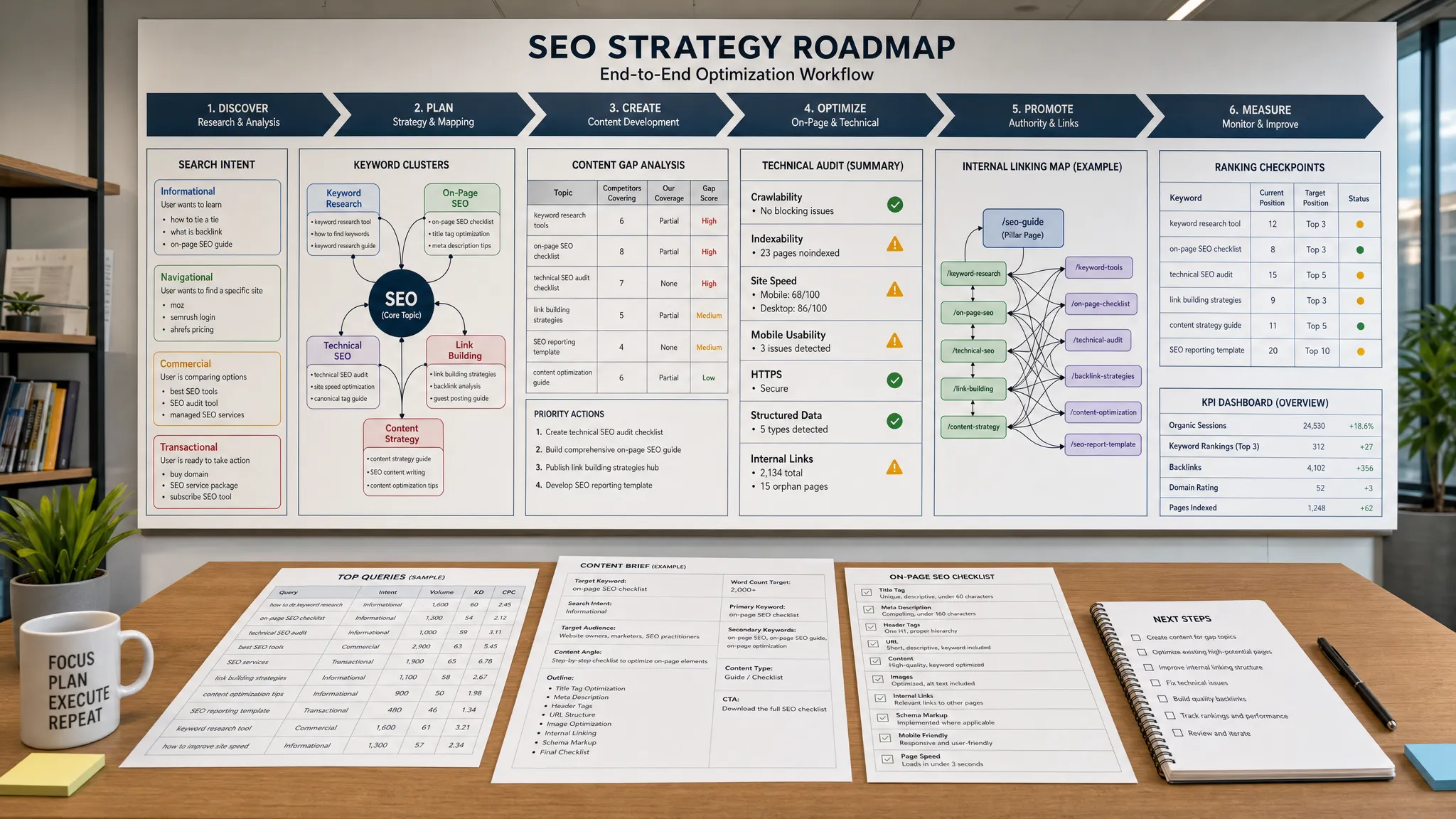
A calculator campaign can also support SEO because people often search for tools when they are closer to taking action.
Live teardown campaigns are engaging because they are practical, specific, and often entertaining. Invite your audience to submit a landing page, ad, email sequence, or website funnel for review. Then select a few examples and analyze them live.
This works well for marketing agencies, SaaS brands, consultants, course creators, and B2B service providers. The audience learns from real examples, while the submitter gets direct value.
To keep the session constructive, create a clear review framework. For example, review each funnel using clarity, offer, proof, friction, and next step. This helps the session feel professional rather than random.
You can repurpose the event into short clips, a blog post, a checklist, and an email series. One live campaign can become a full content engine.
AI adoption has created a new content opportunity: practical prompts people can use immediately. A “Prompt of the Week” campaign gives your audience a recurring reason to engage with your brand.
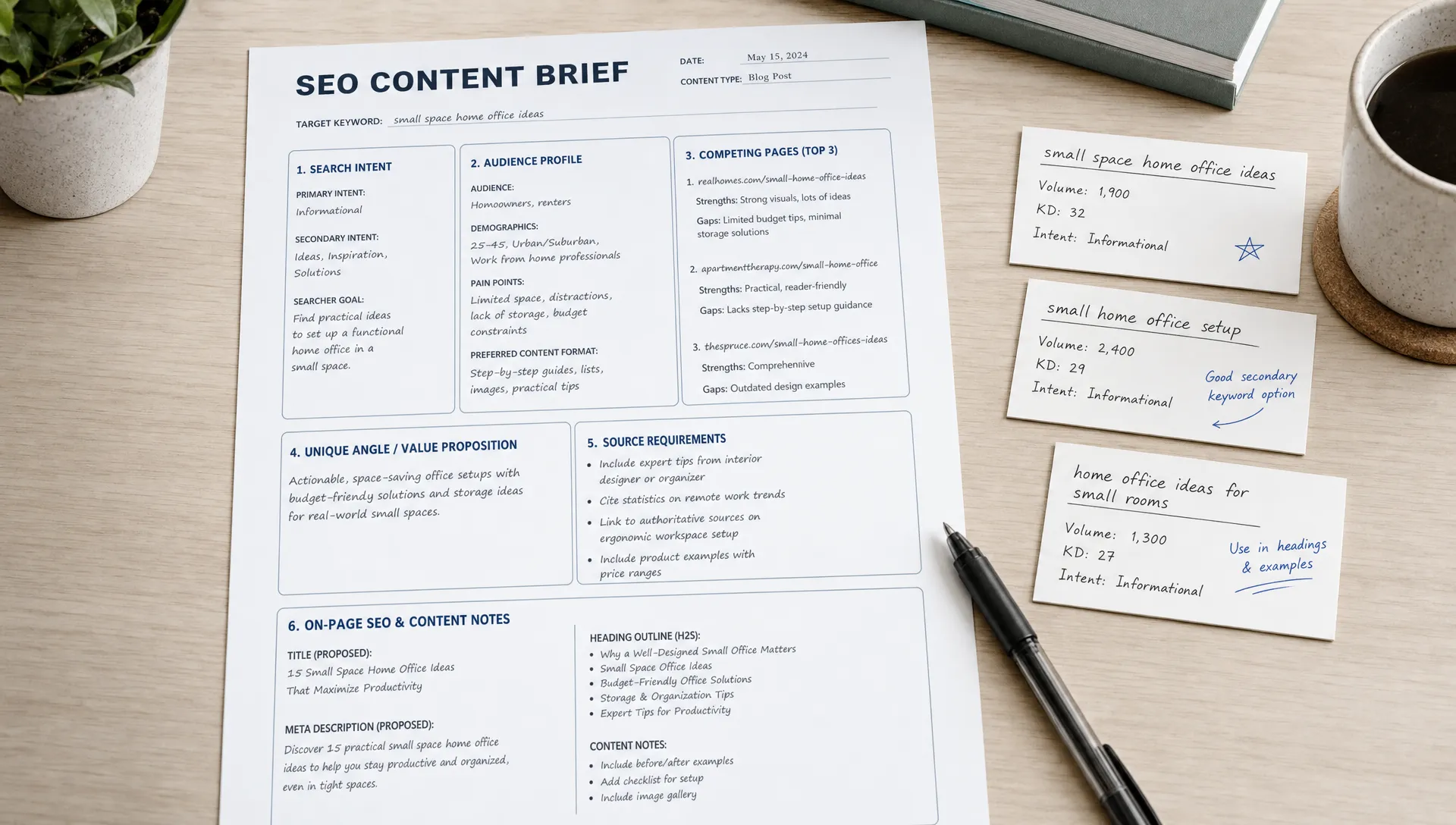
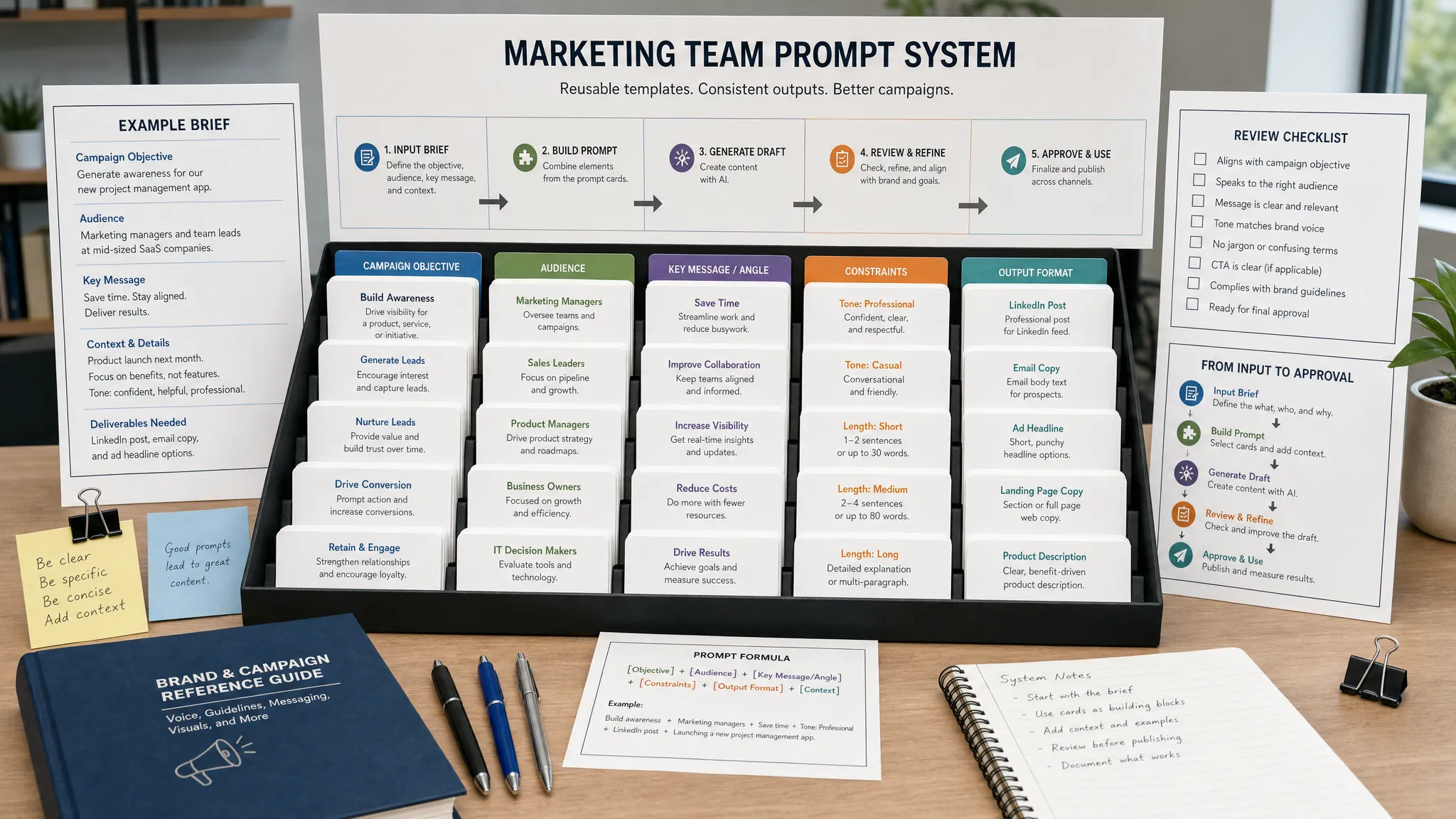
For marketers, prompts can help with campaign ideation, ad copy, customer research, SEO outlines, email subject lines, competitive analysis, and content repurposing. The best prompts include context, role, task, constraints, and output format.
For example, instead of sharing a generic “write a social post” prompt, create one for a specific use case: “Act as a B2B SaaS lifecycle marketer. Turn this product update into three customer education emails for users who have not activated Feature X.”
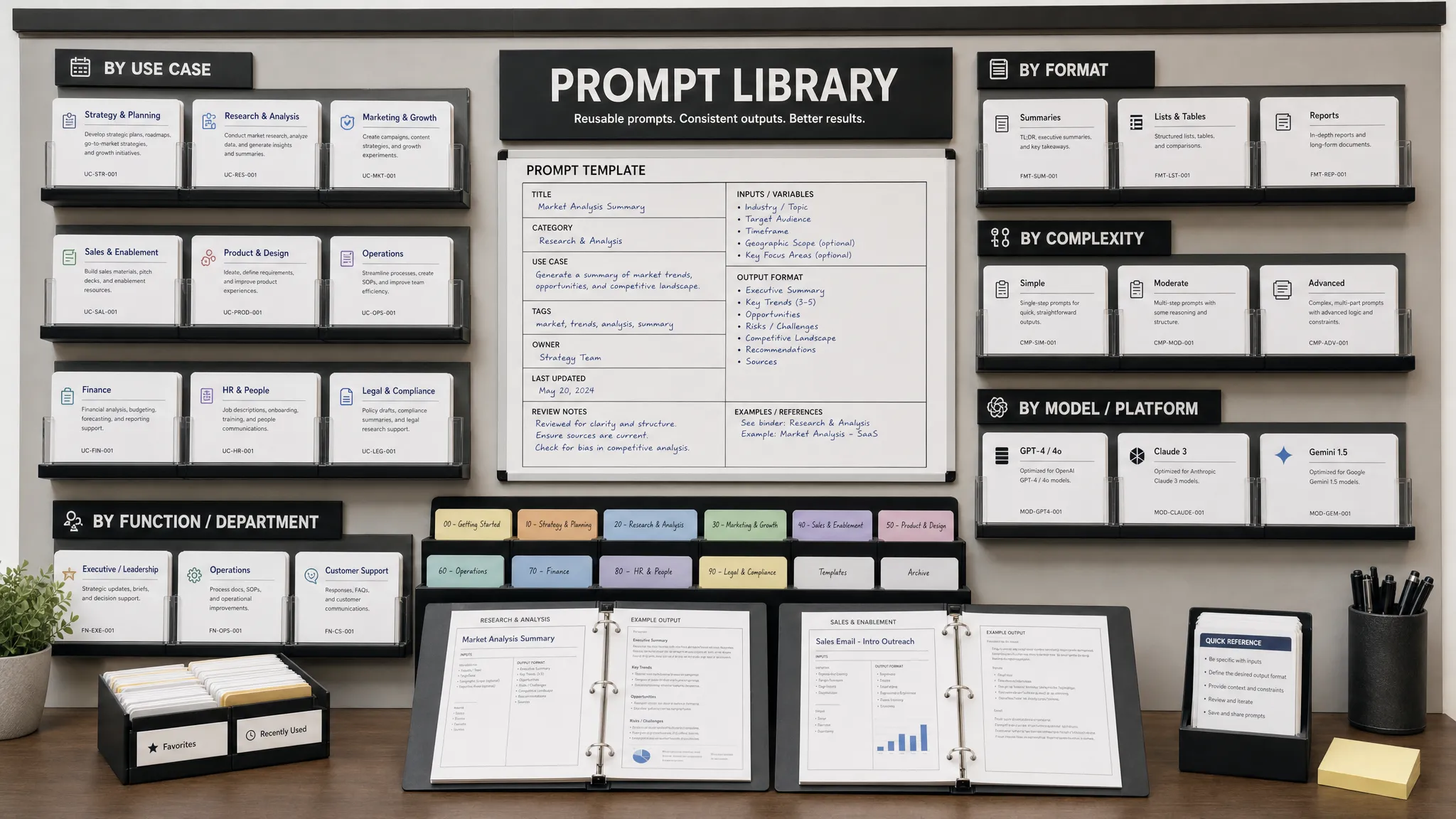
AIMarketer Hub’s prompt library for marketers can support this kind of campaign by giving teams a structured starting point for repeatable AI workflows.
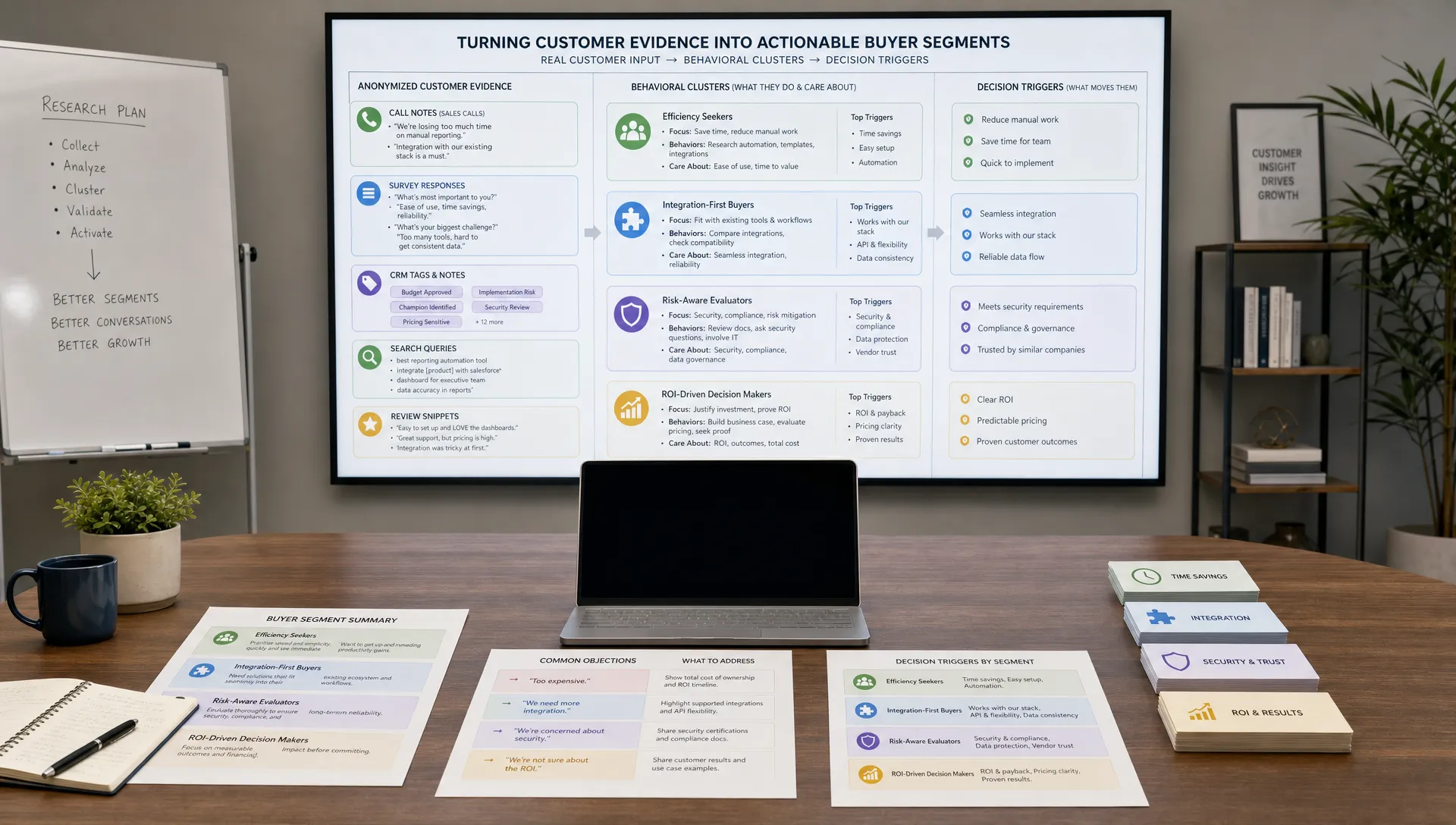
Your audience is already telling you what content they want. The questions appear in sales calls, customer support tickets, Reddit threads, LinkedIn comments, webinars, and search queries.
A question-led campaign collects those questions and answers them in a consistent format. You might call it “Ask the Strategist,” “Marketing Myth Monday,” or “Finance FAQ Friday,” depending on your niche.
This campaign is powerful because it reduces guesswork. It also helps with search visibility when you turn common questions into blog sections, FAQ pages, and short videos.
To make it more engaging, invite followers to submit questions anonymously. People are often more willing to ask honest questions when they do not feel exposed.
People love to compare their performance to peers. A benchmark campaign gathers data from your audience and turns it into a report, infographic, webinar, or interactive content experience.
For example, you could survey marketers about AI usage, content production speed, SEO challenges, conversion rates, budget allocation, or tool adoption. A legal technology brand could survey contract review bottlenecks. A finance platform could ask small businesses about forecasting confidence.
Keep the survey focused. Ten well-designed questions are better than 40 unfocused ones. Offer participants early access to the results, a downloadable report, or an invitation to a private discussion session.
This type of campaign can build authority and backlinks if the insights are original and useful. It also gives your sales and content teams fresh data to reference throughout the year.
Audiences are increasingly skeptical of polished claims. They want to see how decisions are made, what tradeoffs exist, and what experts actually do behind the scenes.
A “Behind the Strategy” campaign gives people a look at your process. You might show how you plan a launch, evaluate keywords, build a campaign brief, choose a creative direction, analyze analytics, or revise AI-generated content.
This is not about revealing confidential information. It is about teaching through transparency. You can blur sensitive details, use fictional examples, or show a simplified version of your workflow.
For B2B brands, this campaign can build trust faster than generic thought leadership because it demonstrates expertise in action.
Polls are easy to run, but many brands waste them on low-value questions. A stronger approach is to connect audience voting to a real outcome.
For example, ask your audience which guide you should publish next, which webinar topic they need most, which template would save them time, or which product feature they want explained. Then create the winning asset and publicly credit the audience for shaping it.
This campaign works because people are more likely to engage with something they helped choose. It also reduces content planning risk because your audience tells you what they want before you invest time creating it.
Use polls on LinkedIn, Instagram Stories, email, in-app messages, or community platforms. After the poll closes, share the results and explain what you will do next.
A 30-day sprint gives your audience structure, momentum, and accountability. Instead of consuming random tips, participants follow a sequence of small actions that lead to a meaningful result.
For marketers, examples include a 30-day content repurposing sprint, SEO cleanup sprint, email list growth sprint, AI workflow sprint, or social engagement sprint. For a SaaS brand, the sprint could help users activate a key feature or improve a specific workflow.
Each day should have one clear task. Keep the workload realistic, ideally 10 to 20 minutes per day. Encourage participants to share progress using a hashtag, comment thread, or community channel.
You can deliver the sprint through email, a private group, downloadable calendar, or short daily posts. At the end, invite participants to share results and lessons learned.
Myths create friction in the buyer journey. They also make great campaign material because they naturally spark discussion.
A “Myth vs. Reality” campaign addresses common misconceptions in your industry. For AI marketing, myths might include “AI content always sounds generic,” “SEO is dead,” or “automation removes the need for strategy.” For finance, a myth might be “Only large companies need forecasting.” For legal services, it might be “Templates are enough for every contract.”
The goal is not to be controversial for attention. The goal is to clarify, educate, and reframe. Back up your claims with examples, expert input, or credible data where possible.
This campaign can work as a carousel series, email sequence, webinar, blog article, or short-form video series.
Generic advice gets ignored. Industry-specific guidance feels more relevant and useful.
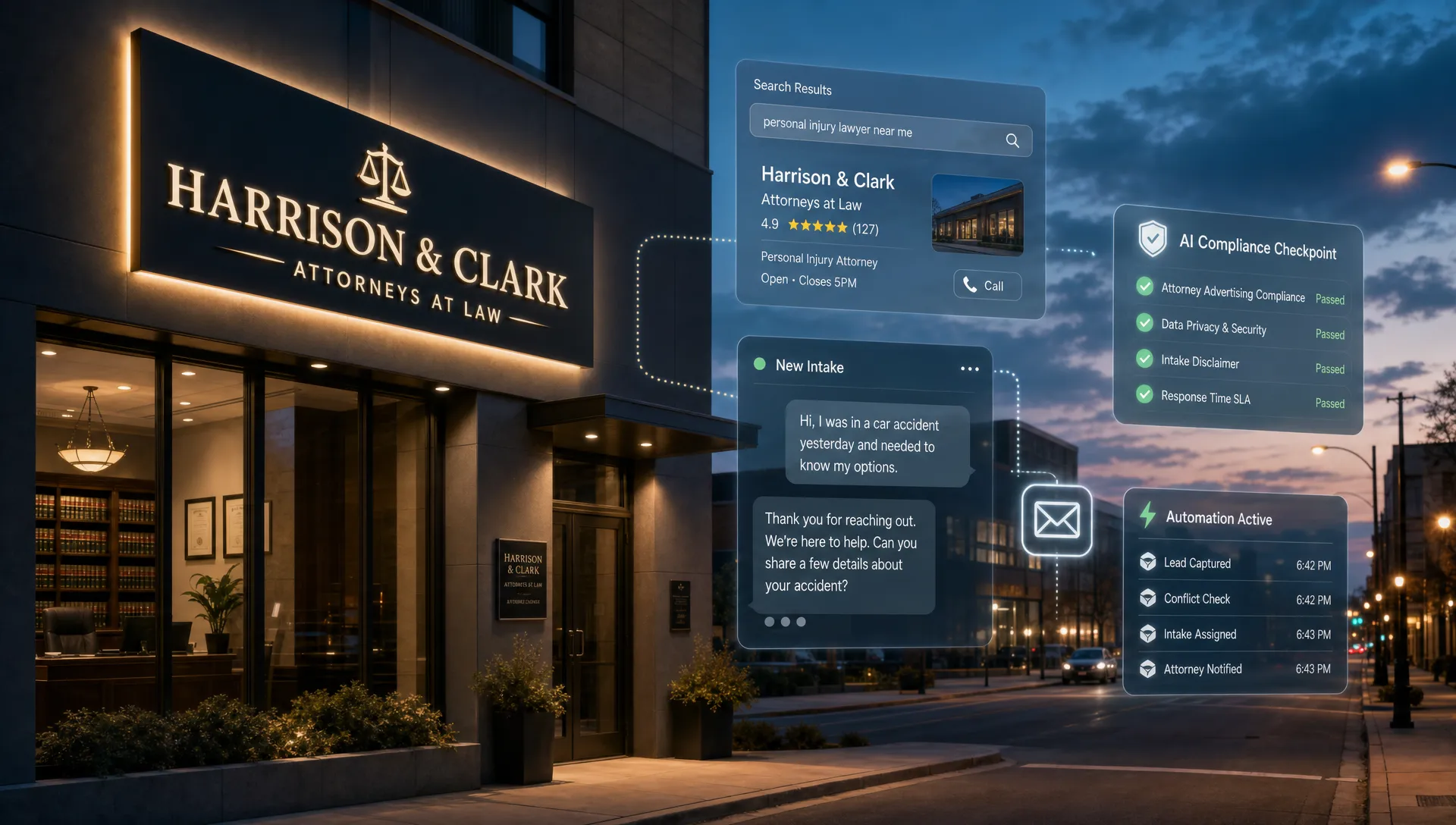
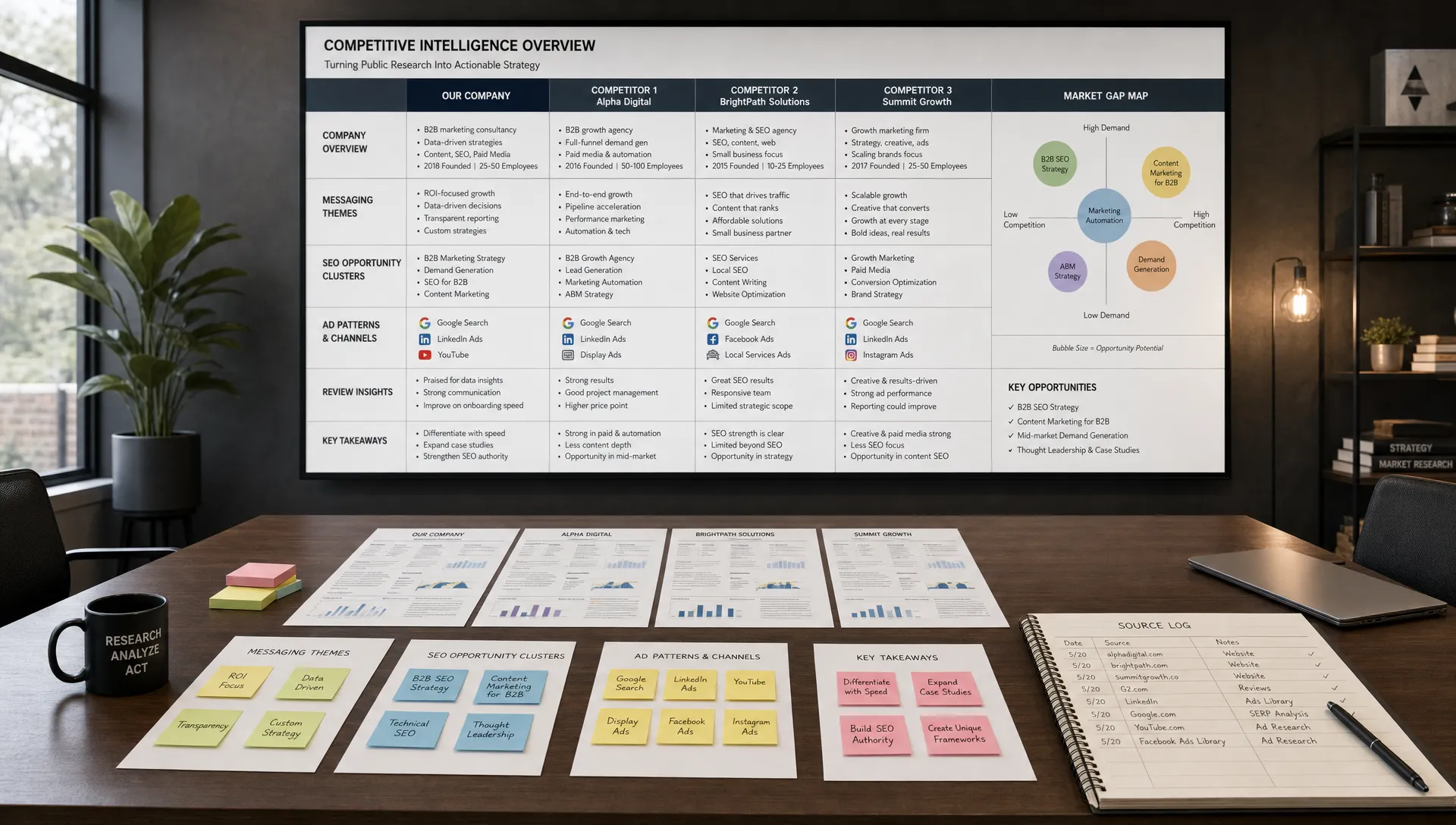
If your audience spans multiple verticals, create a campaign around tailored playbooks. For example, “AI Marketing Playbook for SaaS,” “AI Marketing Playbook for Legal Firms,” or “AI Marketing Playbook for Financial Services.” Each playbook should address the industry’s unique challenges, compliance considerations, sales cycle, content needs, and customer expectations.
AIMarketer Hub includes industry-specific guides for marketing, finance, legal, and SaaS sectors, which makes this campaign approach especially relevant for teams that need targeted resources rather than one-size-fits-all advice.
To boost engagement, let people choose their industry before downloading the resource. Then segment follow-up emails based on that selection.
Before-and-after campaigns work because they make improvement visible. They are especially effective for content, SEO, landing pages, email copy, ads, brand messaging, and workflow automation.
For example, you can show a weak landing page headline and then improve it using a clear framework. Or you can show an unstructured AI prompt and then rewrite it into a stronger prompt that produces better output.
The campaign should teach the principles behind the improvement. Do not just show the final version. Explain what changed and why.
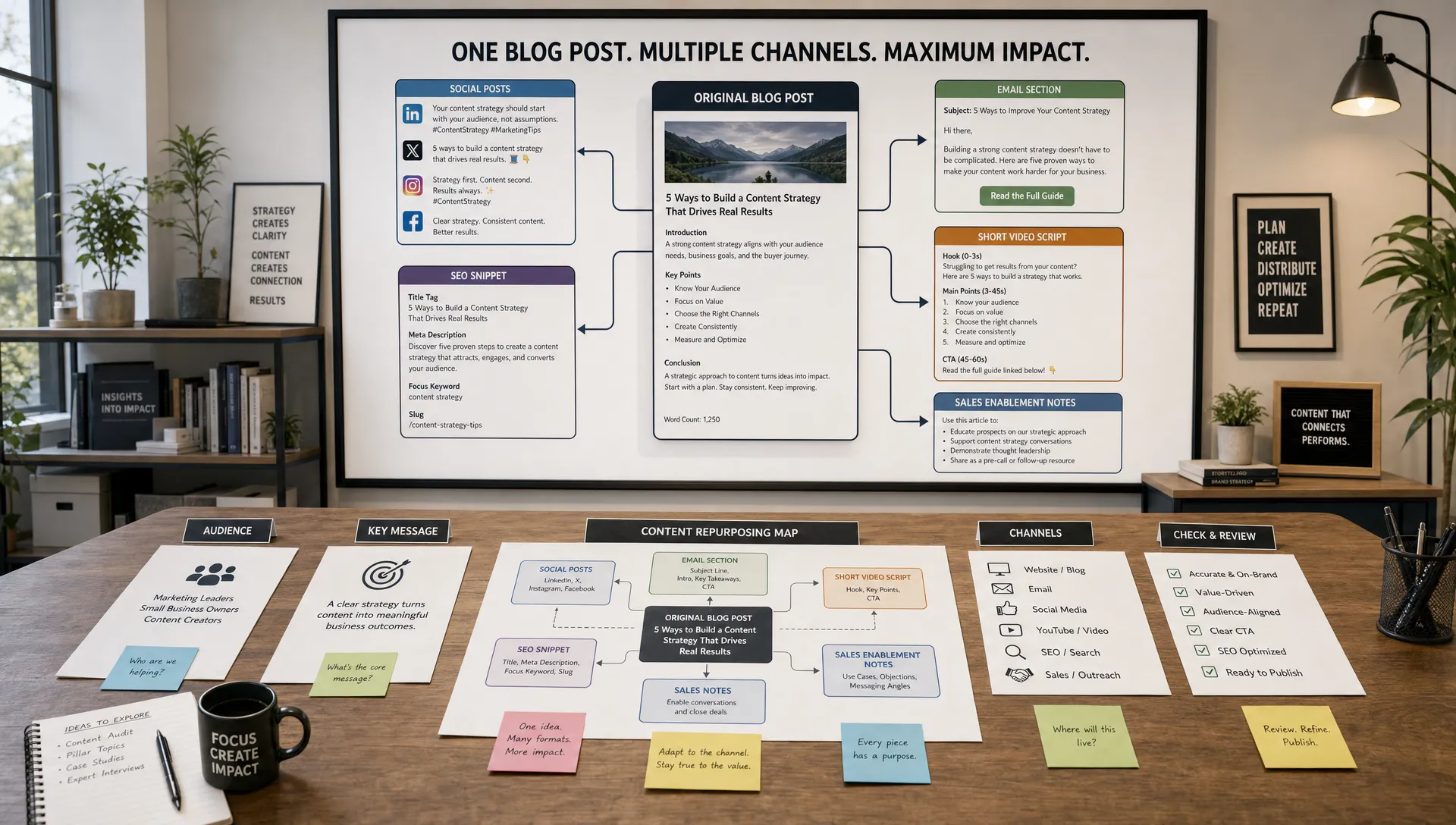
This format is highly repurposable. One before-and-after example can become a LinkedIn post, newsletter section, short video, blog snippet, and downloadable swipe file.
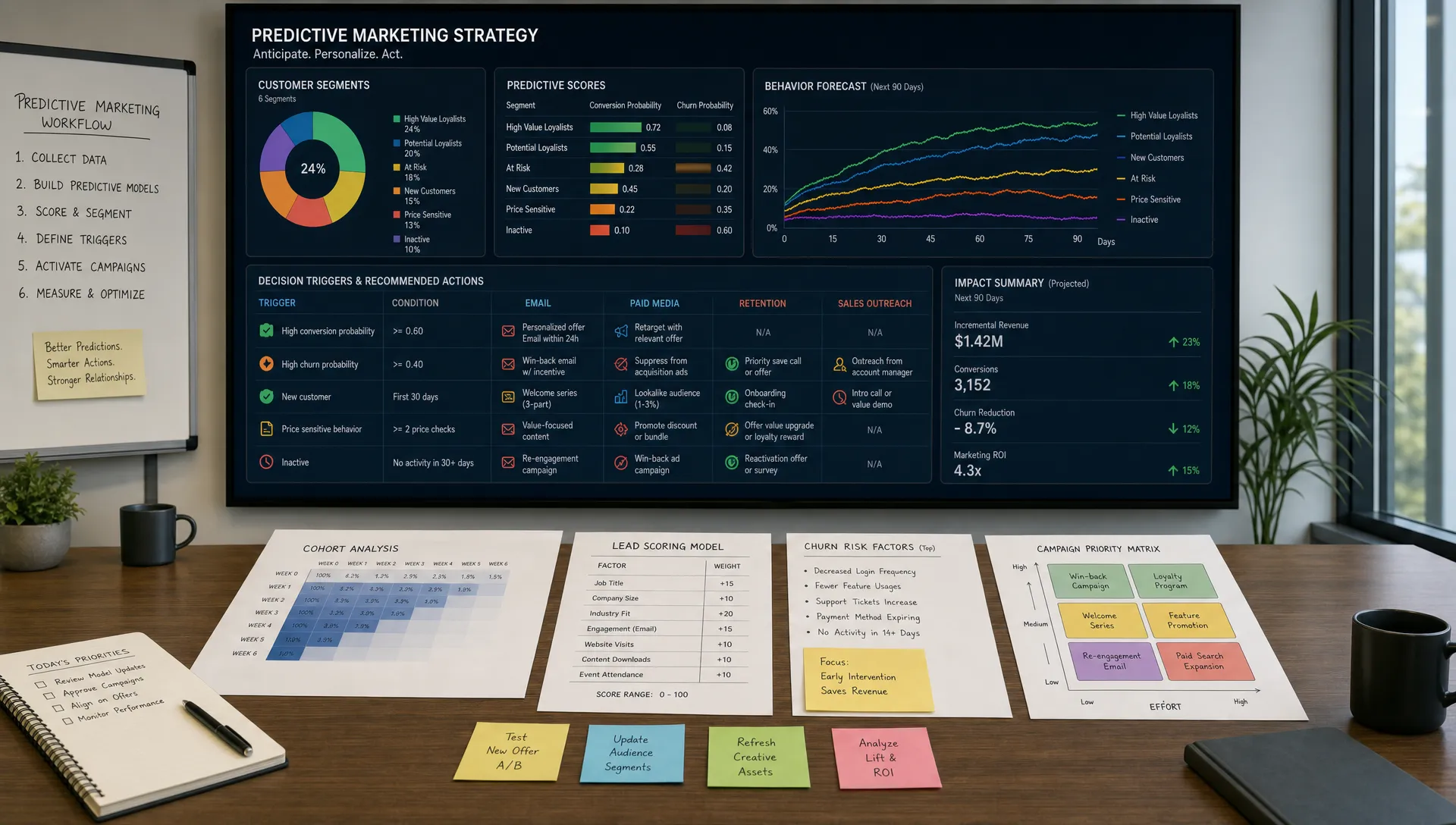
Personalization can significantly improve engagement when it is useful rather than intrusive. McKinsey research on personalization found that 71% of consumers expect companies to deliver personalized interactions, and 76% get frustrated when that does not happen.
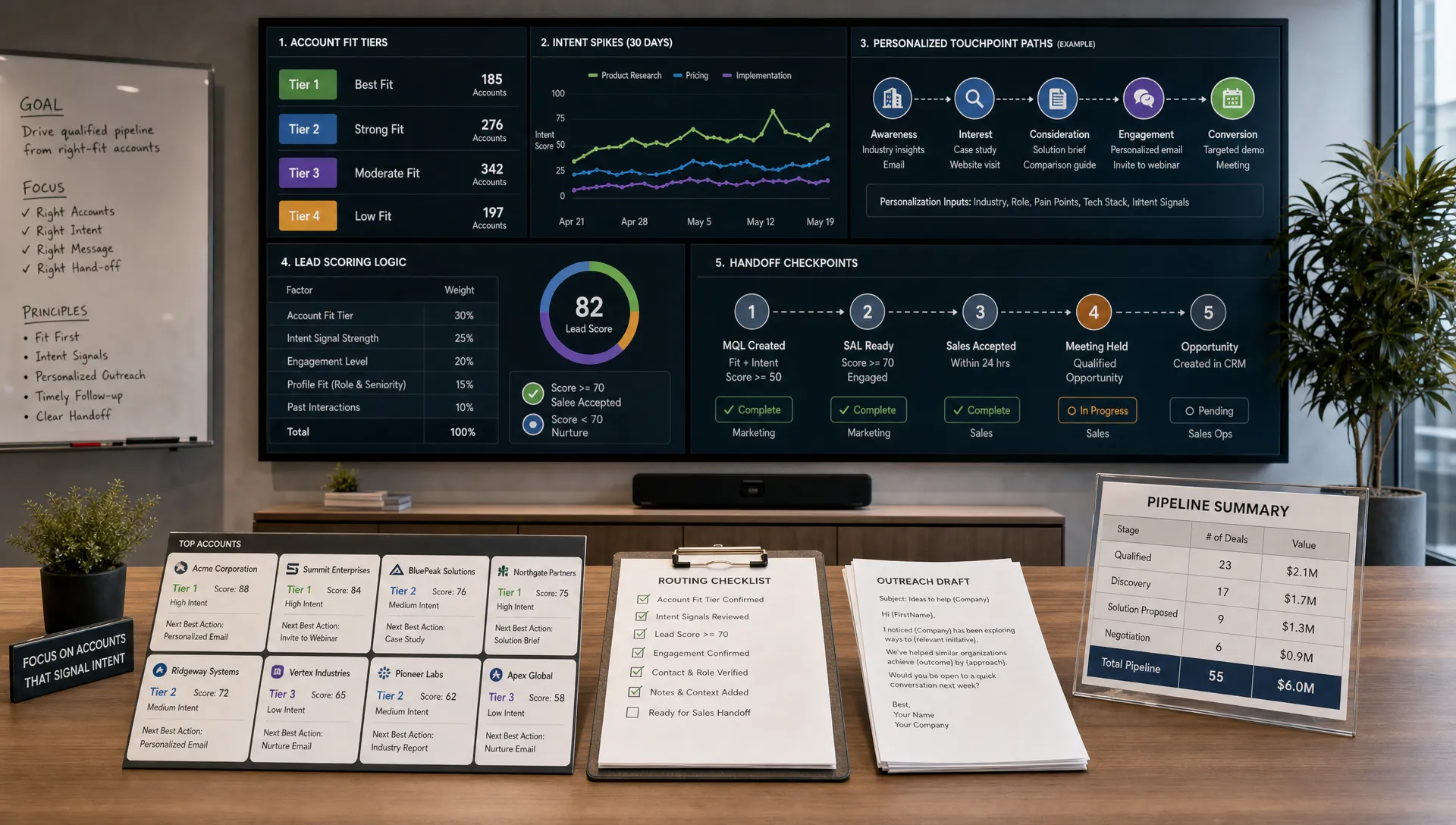
A personalized content recommendation campaign helps users find the right next resource based on their role, goal, industry, or challenge. Instead of sending everyone the same newsletter, ask a few segmentation questions and guide people to the most relevant content.
For example, a marketer might choose “SEO,” “paid ads,” “AI content,” or “analytics” as their main priority. A founder might choose “lead generation,” “brand awareness,” or “conversion optimization.” Each path leads to a curated set of articles, prompts, tools, or templates.
This campaign can be delivered through email onboarding, a website quiz, a chatbot flow, or a resource hub. The more relevant the recommendation, the more likely users are to keep engaging.
The best campaign idea depends on your audience, channel, team capacity, and business goal. If you need fast social engagement, start with polls, myth-busting, or before-and-after content. If you want qualified leads, build a calculator, assessment, benchmark report, or industry playbook. If retention is the goal, try a 30-day sprint, prompt series, or personalized recommendation flow.
Use these questions to narrow your choice:
A strong campaign should create value before asking for value in return. If the audience learns something, gets a useful result, or feels heard, engagement becomes much easier to earn.
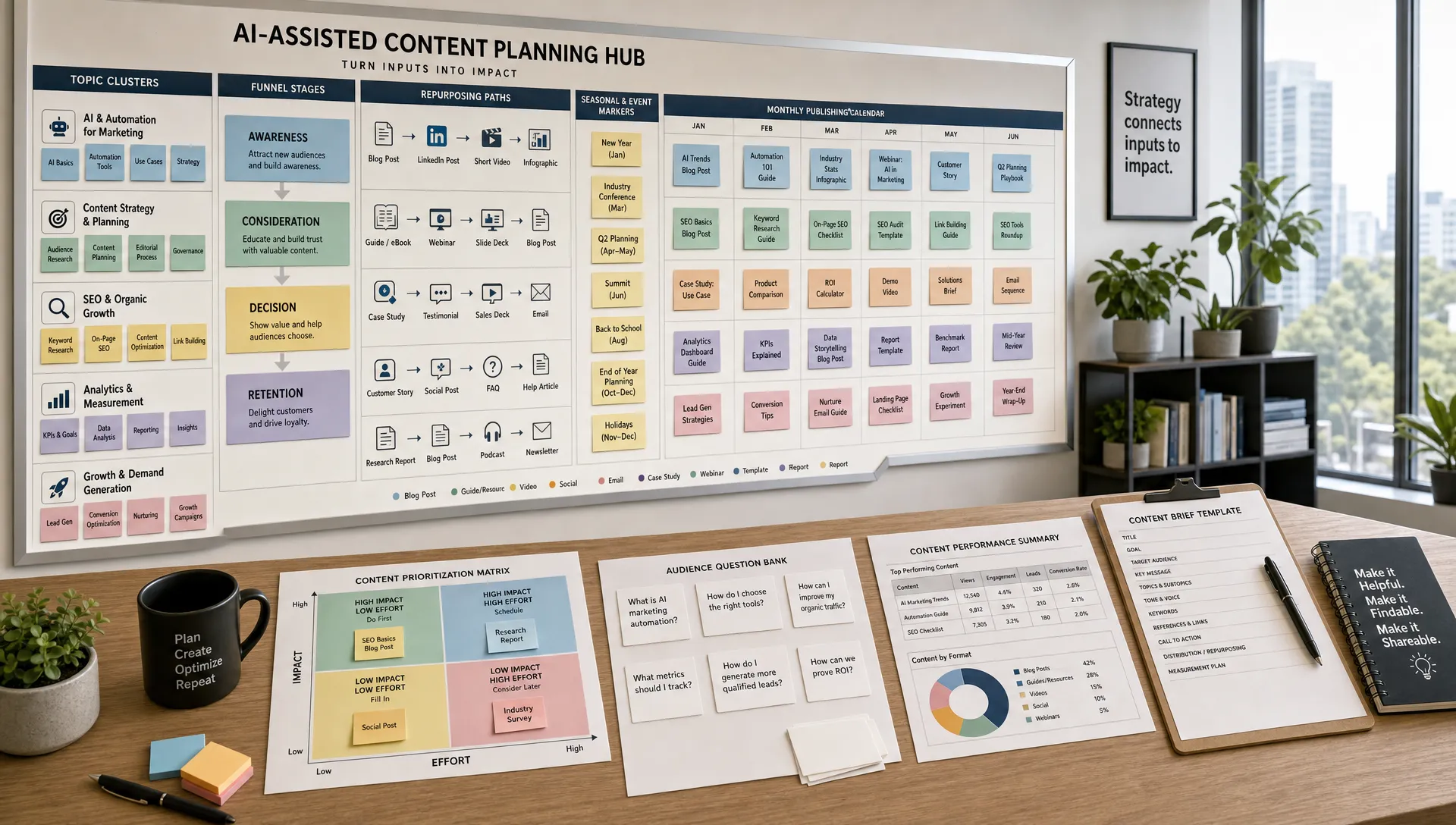
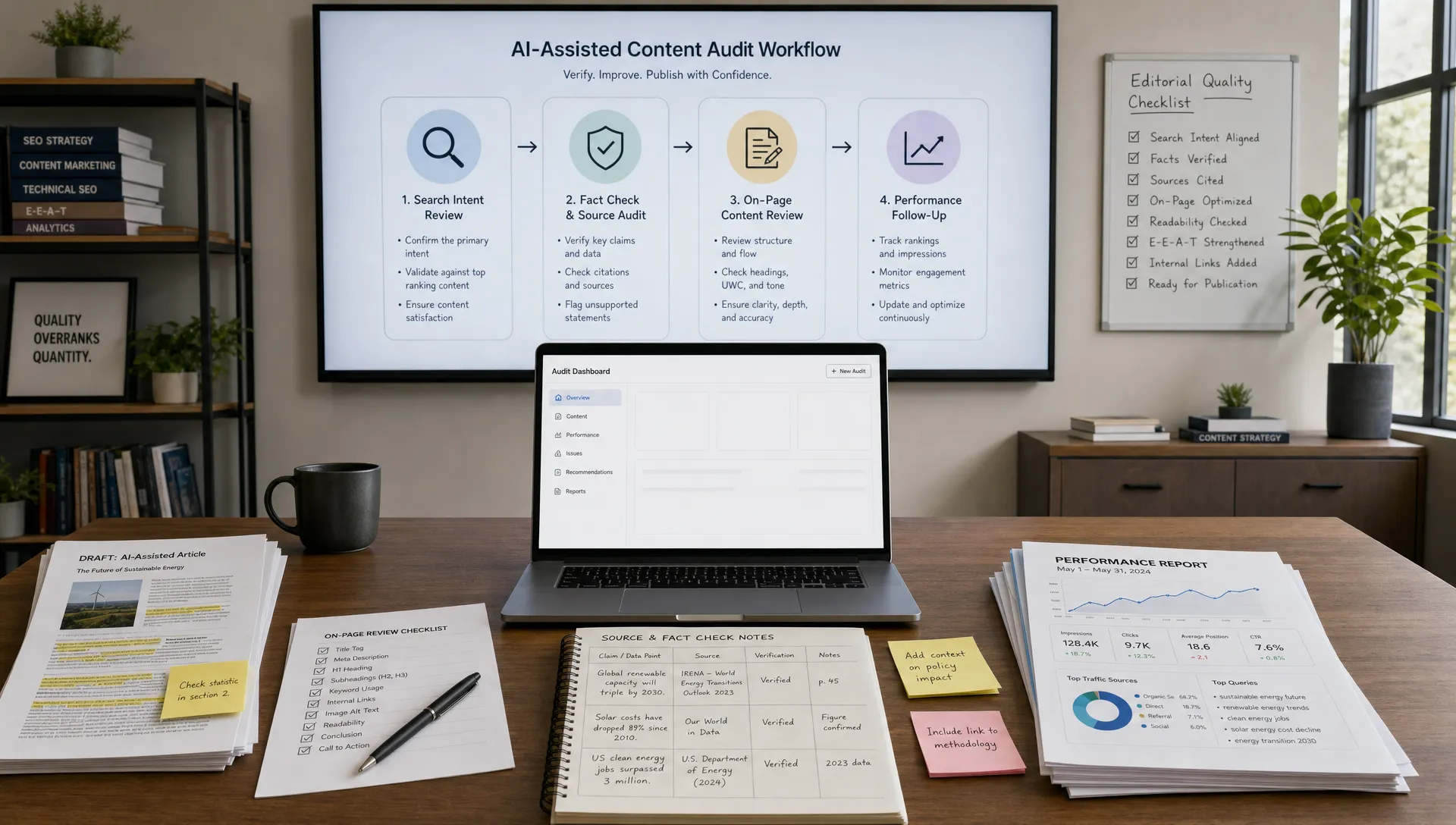
AI can speed up campaign planning, but it should not replace strategy. The best use of AI is to reduce blank-page time, generate variations, analyze patterns, and help teams repurpose content across channels.
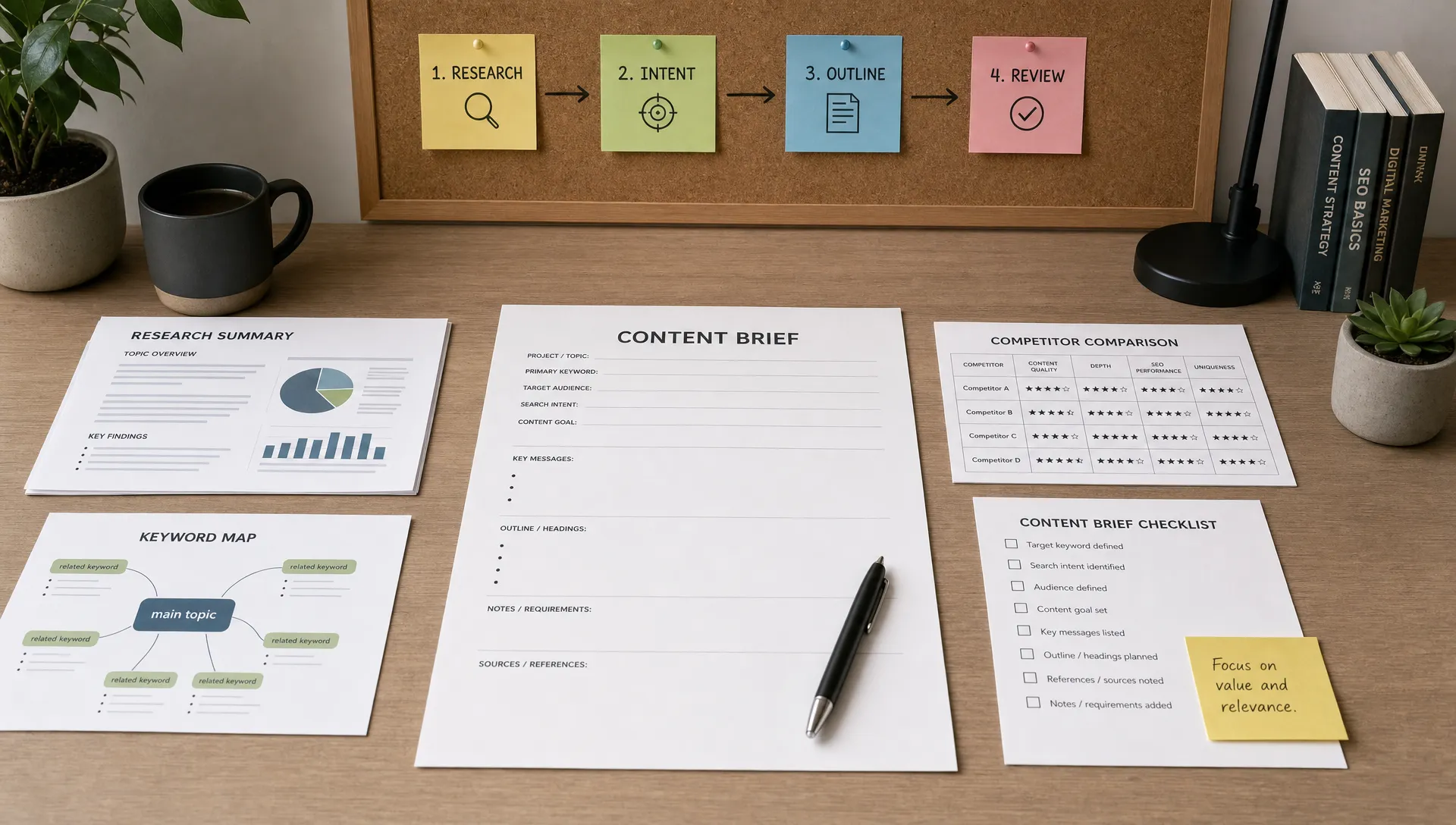
For example, you can use AI to draft campaign briefs, brainstorm hooks, generate email sequences, create audience personas, summarize survey responses, cluster customer questions, or turn a webinar transcript into social posts.
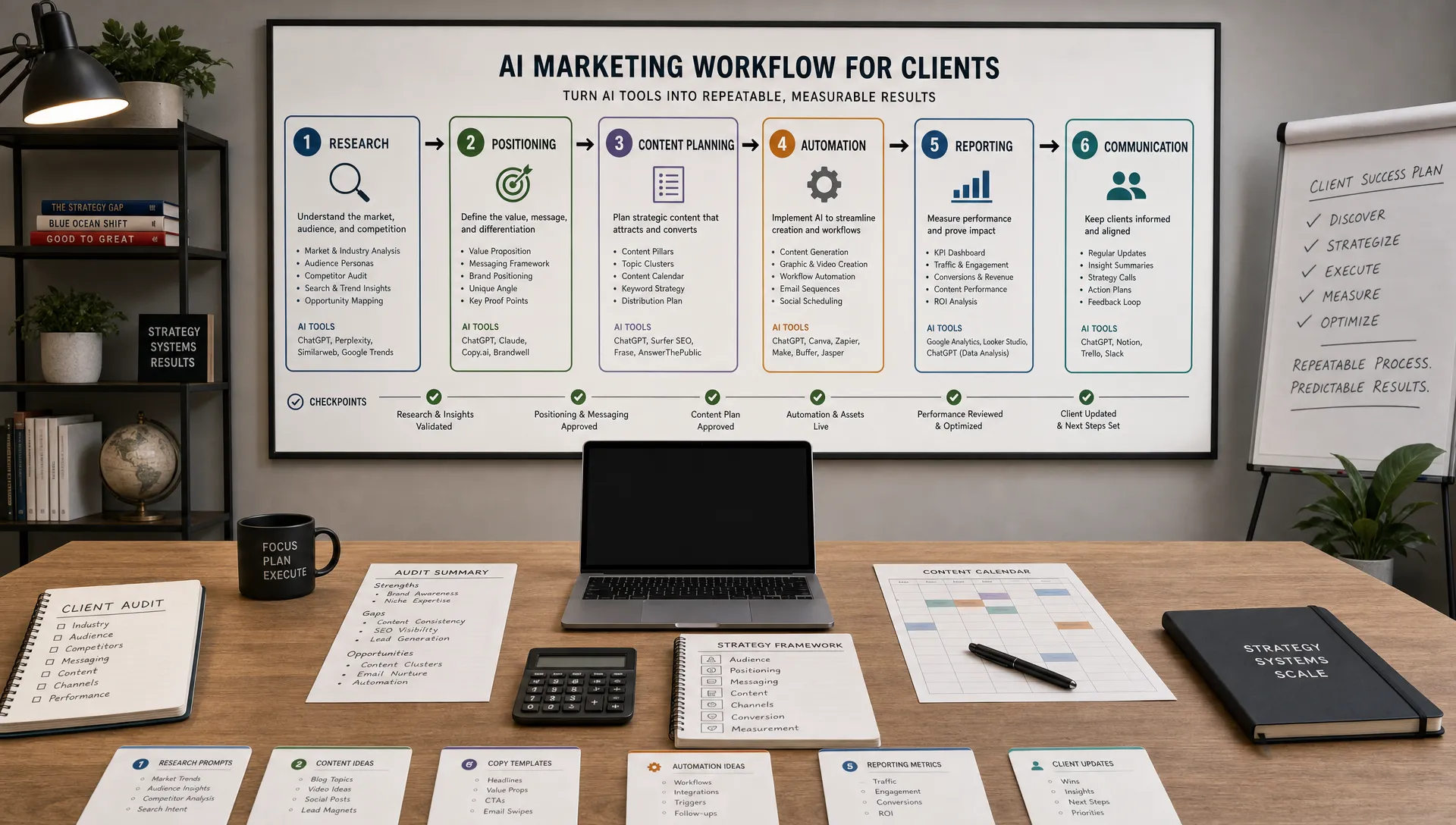
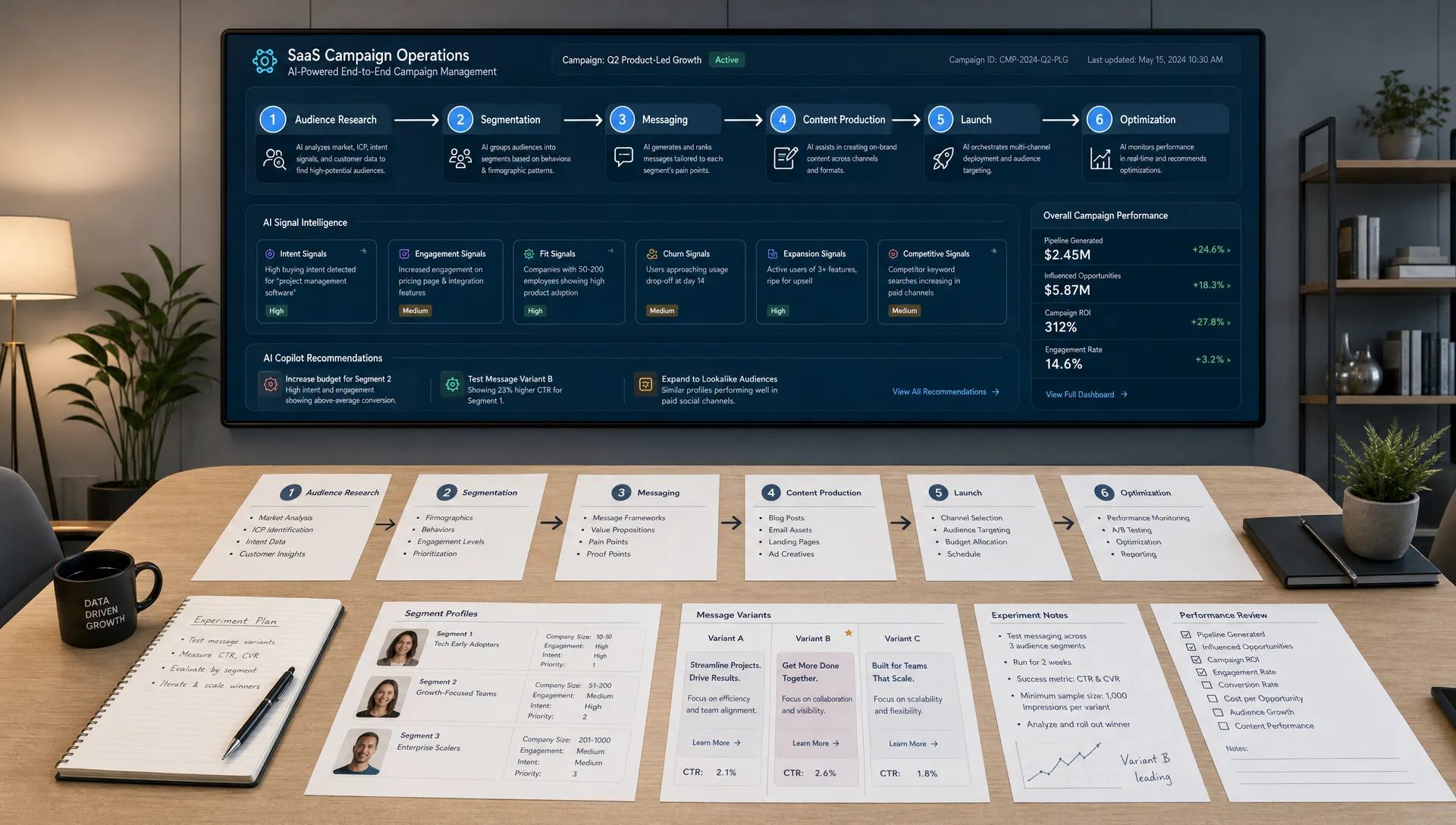
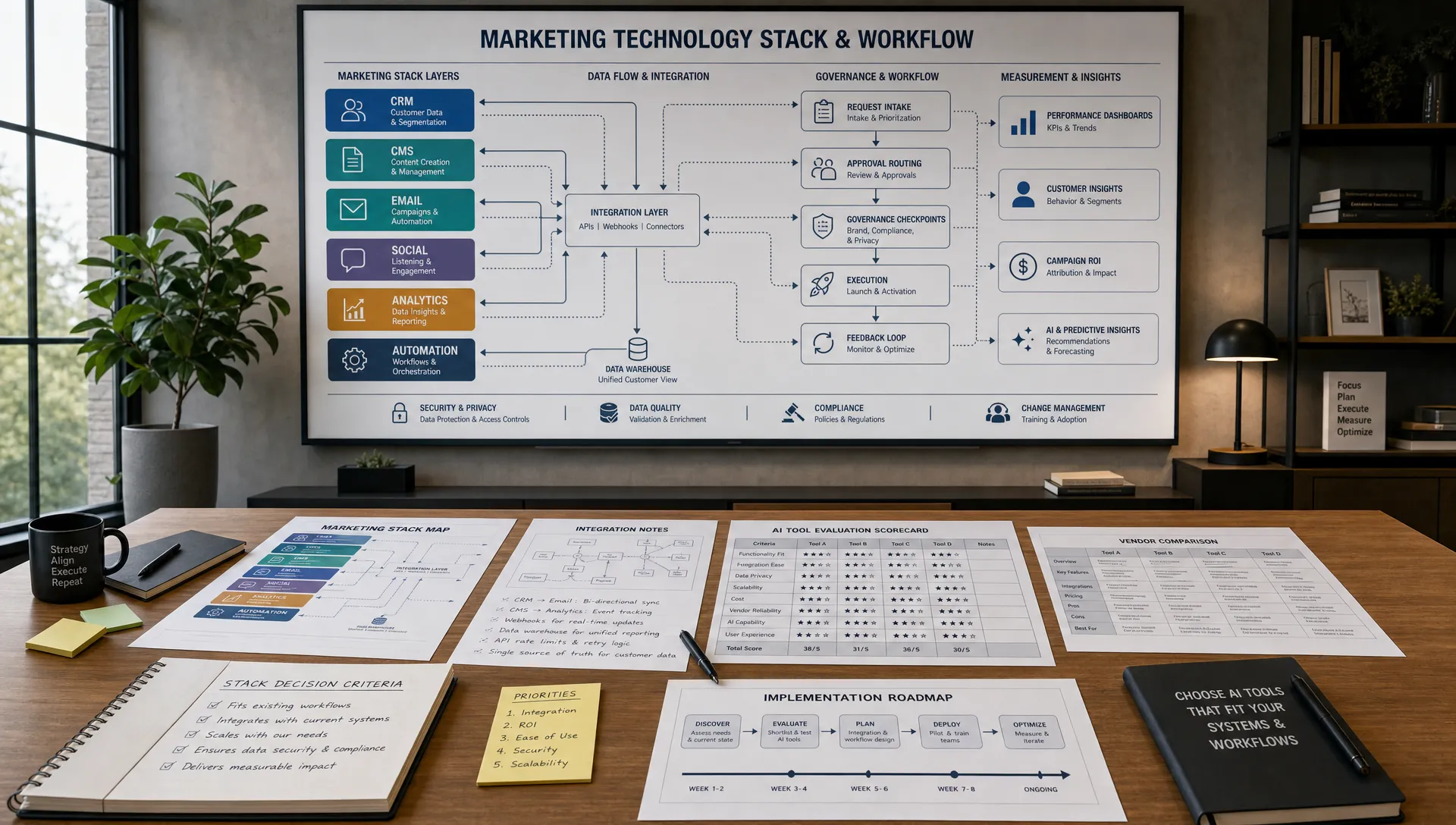
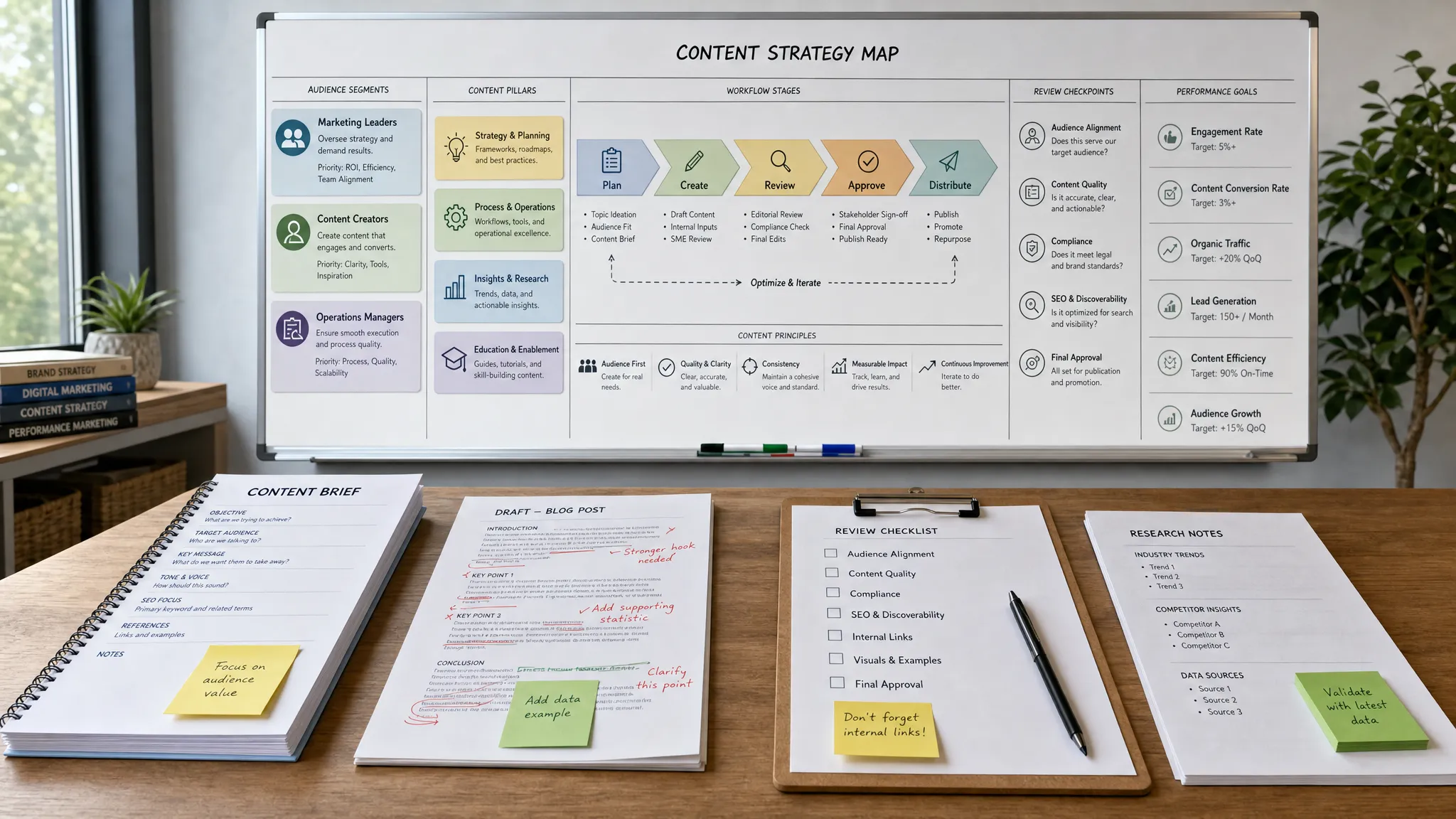
A practical AI-supported workflow might look like this:
AIMarketer Hub’s AI content generation tools, prompt library, SEO tools, performance analytics, and resource library can support this process for teams that want to move faster while staying strategic.
Even strong campaign ideas can underperform if execution is weak. The most common mistake is asking for too much too soon. If participation requires a long form, unclear instructions, or too much effort, people will abandon it.
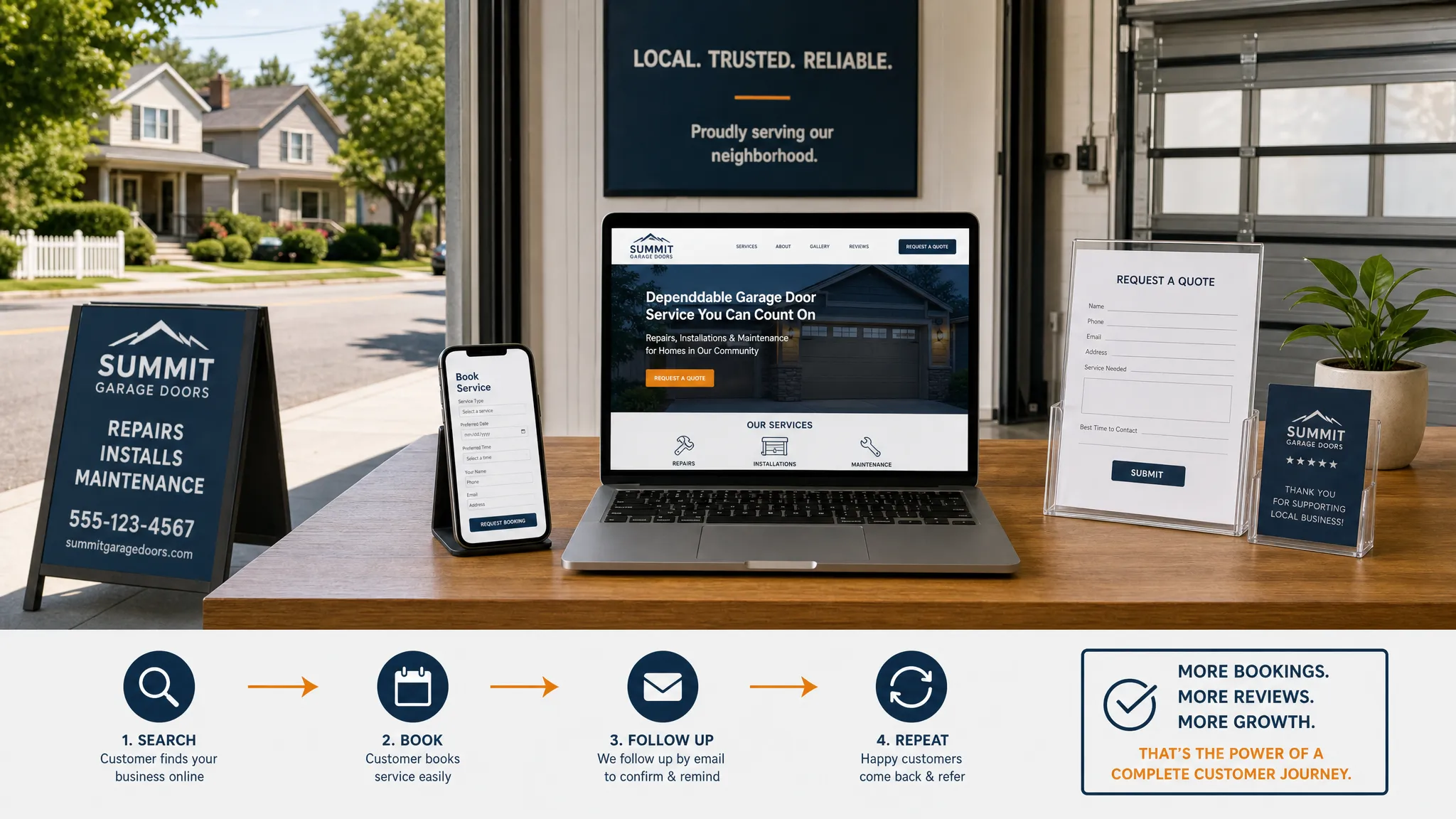
Another mistake is failing to plan the follow-up. Engagement is not the finish line. If someone completes a quiz, comments on a post, attends a webinar, or downloads a playbook, the next step should feel obvious and helpful.
Avoid these pitfalls:
The strongest campaigns feel human, even when AI helps power the workflow.
What are the best campaign ideas for engagement? The best campaign ideas for engagement are interactive, useful, and easy to join. Quizzes, calculators, customer story challenges, live teardowns, polls, 30-day sprints, and personalized content recommendations are all strong options.
How do I choose a campaign idea for my business? Start with your goal. If you want leads, choose a calculator, assessment, or report. If you want social interaction, use polls, myths, or before-and-after posts. If you want retention, create a sprint, educational series, or customer challenge.
Can AI help create marketing campaigns? Yes. AI can help brainstorm angles, write first drafts, generate prompts, analyze survey responses, repurpose content, and create campaign variations. Human review is still essential for strategy, accuracy, brand voice, and compliance.
How many campaigns should I run at once? Most teams should focus on one primary campaign at a time, especially if resources are limited. It is better to promote and repurpose one strong campaign well than to launch several disconnected campaigns with weak follow-through.
What makes a campaign engaging? An engaging campaign gives the audience a reason to participate. It solves a real problem, asks a clear question, offers immediate value, and makes the next step simple.
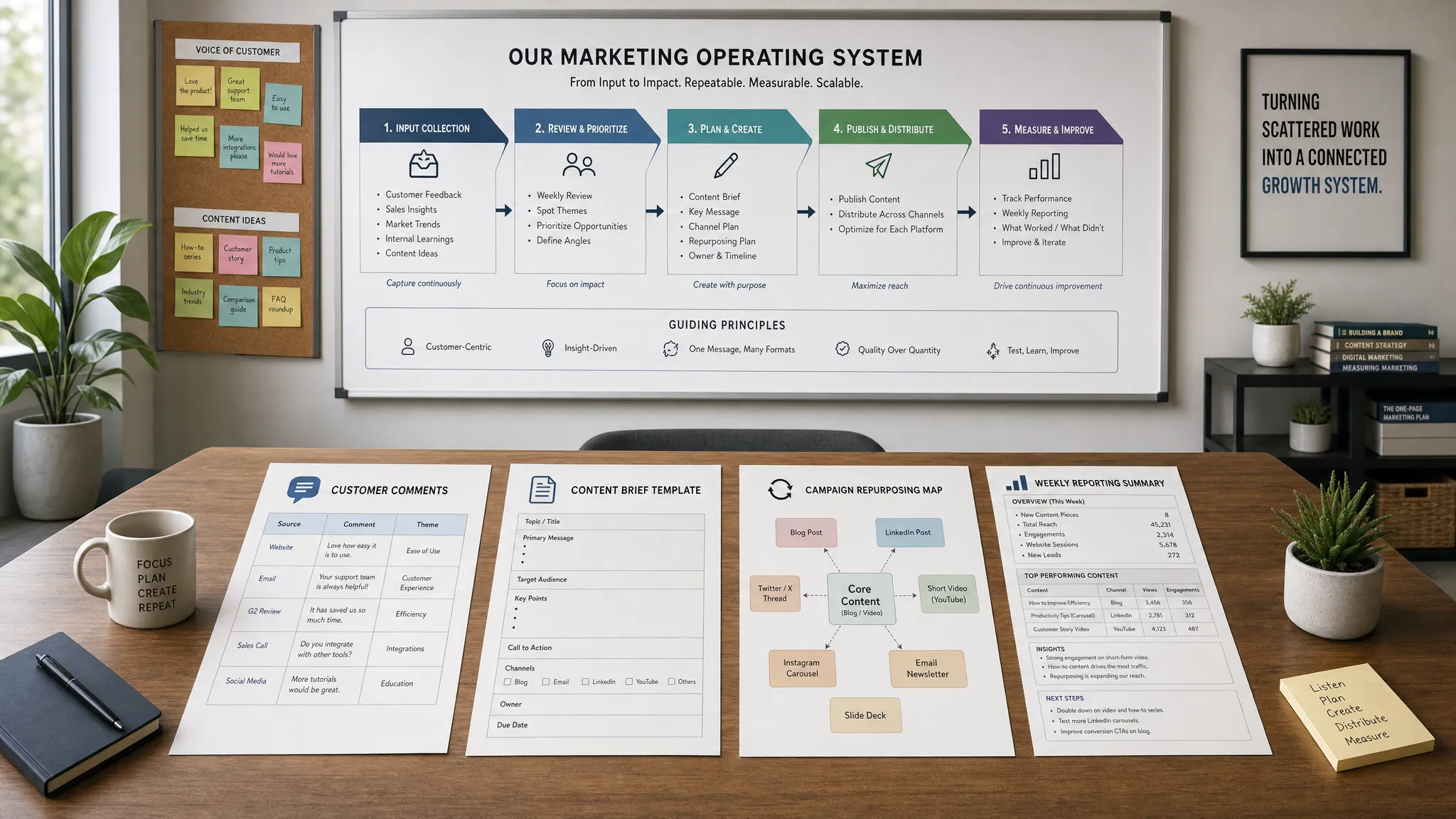
The most effective marketers do not wait for inspiration. They build repeatable systems for finding audience problems, creating useful assets, testing messages, and improving based on performance.
If you want to plan smarter campaigns this year, explore AIMarketer Hub for AI-powered marketing tools, prompt resources, SEO support, calculators, analytics, and industry-specific guides designed to help teams automate, optimize, and grow.